Categories
COVID-19 Government Guidelines Medical Equipments Medical Updates Medicine & Health

Overflowing Yamuna raises risk of dengue; common signs and symptoms of the disease you should know

The flooding of Yamuna river inundating low-lying areas has led to the fear of dengue spread. High-grade fever to severe headaches, here’re symptoms of dengue.

While dengue cases have been on the rise ever since the monsoon rains began in the national capital, the flooding of Yamuna river inundating low-lying areas has led to the fear of virus spread growing multi-fold. Almost 140 cases of dengue were reported in Delhi which has raised alarm over the spread of the deadly virus. Transmitted by bite of mosquito, dengue can have both mild and major symptoms. People who have suffered from dengue previously are at higher risk of getting severe dengue. Prevention is always better than cure in case of dengue. The mosquitoes that spread the disease are active during the day and people are at risk of getting bitten while doing their chores, working or even sitting. To tackle this, full sleeved clothes should be worn, and use of mosquito repellents are suggested even during the day.

“With monsoon around the corner, we anticipate dengue and other vector borne diseases. Till last year, statistics show number of cases of the vector-borne disease climbing to over 3000 plus in national capital, according to NVBDCP report. We all are aware that dengue is a viral illness which gets transmitted through the bite of female Aedes mosquitoes. Dengue fever cannot spread directly from person to person unlike Covid-19 or flu, says Dr Neha Rastogi Panda, Consultant, Infectious Disease, Fortis Memorial Research Institute, Gurugram.
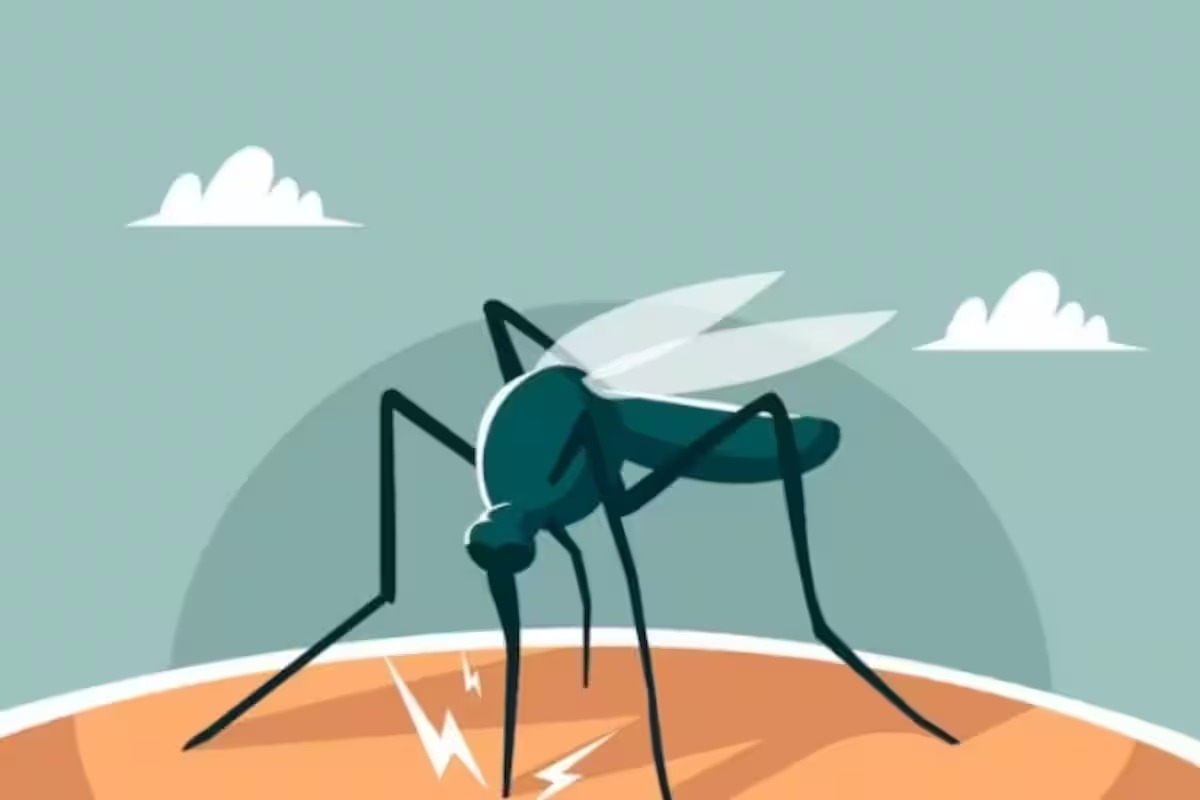
Overflowing Yamuna raises risk of dengue; common signs and symptoms of the disease you should know

Dengue is a viral disease transmitted by the infective bite of a mosquito called Aedes aegypti. Human beings develop disease after 5–6 days of being bitten by infected female mosquitoes that feed both indoors and outdoors during the daytime (from dawn to dusk). These mosquitoes thrive in areas with standing water including puddles, water tanks, containers and old tires. It occurs in two forms – classical dengue fever also known as ‘break bone’ fever and dengue haemorrhagic fever (DHF) which is life threatening. It is highly contagious and spreads from one person to another through mosquito bites,” says Dr Tushar Tayal, Consultant- Internal Medicine, CK Birla Hospital, Gurugram.

“The infection is characterized by flu-like symptoms which include a sudden high-grade fever coming in separate waves, pain behind the eyes, muscle, joint and bone pain, severe headache, abdominal fullness and discomfort and a skin rash with red spots which happens by the fifth day of illness,” says Dr Tayal.

Dengue illness can be prevented by using basic steps of hygiene and source control to ensure and eliminate any possible breeding locations in your home, such as watering cans, buckets, and clogged drains.

Signs and symptoms of dengue explained by Dr Panda

1. High fever: One of the primary signs of dengue fever is a sudden onset of high fever, often reaching 104°F (40°C). The fever typically lasts for 2 to 7 days.

2. Severe headache: Dengue fever is often accompanied by an intense headache, especially behind the eyes. This headache can be debilitating and persistent.

3. Pain behind the eyes: Individuals with dengue fever may experience pain and discomfort behind their eyes. This symptom is often described as a deep ache.

4. Joint and muscle pain: Dengue fever is known for causing severe joint and muscle pain, earning it the nickname ‘breakbone fever.’ The pain can be widespread and excruciating.

5. Rash: A characteristic rash may develop on the skin after a few days of fever. It typically appears as small, red, and raised spots and can be itchy.

6. Nausea and vomiting: Dengue fever can cause gastrointestinal symptoms such as nausea, vomiting, and abdominal pain. These symptoms may contribute to dehydration.

7. Fatigue: Individuals affected by dengue often experience extreme fatigue and weakness, even after the fever subsides. This fatigue can persist for weeks.

8. Bleeding: In some cases, dengue fever can lead to bleeding manifestations, such as nosebleeds, bleeding gums, or easy bruising. If severe, it may indicate dengue hemorrhagic fever, a potentially life-threatening condition.

Myths associated with dengue

“More than this illness, myths and panic associated with dengue is viral. The majority (90%) of people recover from this viral infection without much medical intervention following simple dictum of preventing dehydration by drinking with plenty of water, ensuring rest and relief of fever and pain with paracetamol. Severe/complicated dengue is seen in only about 10 per cent patients and only 5 per cent of dengue patients need to be hospitalised,” says Dr Panda.

“It is essential to note that dengue symptoms can vary from person to person, and some individuals may have mild or no symptoms at all. However, anyone experiencing the aforementioned symptoms, especially in areas with a high prevalence of dengue, should seek medical attention promptly,” concludes Dr Panda.

Read more at-https://shorturl.at/DEKQV

Categories
Government Guidelines Medical Equipments Medical Updates

Full provisions of medical devices regulation to come into force from October 1: DCGI

Synopsis

Speaking to reporters on the sidelines of the 9th International Pharmaceutical Exhibition (iPHEX) being organised by the Pharmaceuticals Exports Promotion Council (Pharmexcil) here, Raghuvanshi said the regulations would ensure quality in the production of medical devices. “In the medical devices, we are categorising into four groups. Two groups (A and B) are already notified. C and D are left which will happen from October 1,” he said.

Medical devices of all four categories (A, B, C, and D) will be brought under the regulation by October 1 and as of now only two groups (A and B) are being regulated, Drugs Controller General of India (DCGI) Rajeev Singh Raghuvanshi said on Wednesday. Speaking to reporters on the sidelines of the 9th International Pharmaceutical Exhibition (iPHEX) being organised by the Pharmaceuticals Exports Promotion Council (Pharmexcil) here, Raghuvanshi said the regulations would ensure quality in the productivity in the production of medical devices.

“In the medical devices, we are categorising into four groups. Two groups (A and B) are already notified. C and D are left which will happen from October 1,” he said.

The Union Cabinet on April 26 approved the National Medical Devices Policy, 2023 to give a thrust to the sector with quality controls. The market size of the medical devices sector in India is estimated to be USD 11 billion (approximately Rs 90,000 crore) in 2020 and its share in the global medical device market is estimated to be 1.5 per cent, an official release had earlier said.

Full provisions of medical devices regulation to come into force from October 1: DCGI
Earlier during the inaugural session of iPHEX, S V Veeramani, Chairman of Pharmexcil, highlighted that the Indian pharmaceutical industry has carved out a unique distinction in reaching 200 countries in the world.

He said the Indian pharma exports were pegged at USD 25.39 billion in FY 23 and the target for the current year is USD 28 billion.

Ravi Udaya Bhaskar, Director General of Pharmexcil, said the Indian pharmaceutical industry has contributed substantially to healthcare through the supply of quality, affordable generic medicines to nearly 200 countries and is popularly called as the ‘Pharmacy of the World’.

Bhaskar further said earlier all the eight editions attracted over 4,500 foreign delegates, including regulatory officials, public procurement agencies, journalists and importers from more than 120 countries, 3,500 exhibitors and one lakh visitors.

Read more at-https://shorturl.at/egjMZ

Categories
COVID-19 Government Guidelines Medical Equipments Medical Updates

Immune response against bystander virus, not SARS-CoV-2 causes long Covid: Study

Immune inflammatory reaction not against Covid, but against a harmless bystander virus present in the body, driving a cytokine storm, may be behind long Covid.

Immune inflammatory reaction not against COVID-19, but against a common, harmless, dormant “bystander” virus present in the body, driving a cytokine storm, may be behind long Covid, a new research has found. Analysing Covid-patients’ blood samples, researchers found that 3 months after being hospitalised for severe infection, there was no rapid increase in the immune cells targeting SARS-CoV-2, but an increase in those targeting the dormant Cytomegalovirus (CMV). CMV is usually harmless but can stay in your body for life once infected with it.

The finding indicated that the prolonged inflammation at 3 months in severe patients may not be driven by SARS-CoV-2 but instead may be “bystander driven”.

Immune response against bystander virus, not SARS-CoV-2 causes long Covid: Study

“Long Covid occurs in one out of ten COVID-19 cases, but we still don’t understand what causes it.

“Several theories proposed include whether it might be triggered by an inflammatory immune response towards the virus that is still persisting in our body, sending our immune system into overdrive or the reactivation of latent viruses such as human cytomegalovirus (CMV) and Epstein Barr virus (EBV),” said Laura Rivino, senior lecturer at the University of Bristol, UK, and the study’s lead author.

The researchers analysed blood samples of 63 patients hospitalised for mild, moderate or severe COVID-19 infection at the start of the pandemic when vaccines were not available.

The study also found patients with severe COVID-19 to display a higher number of long Covid symptoms compared to mild and moderate patients, even as the team’s analysis revealed no direct association between long Covid symptoms and Covid-related immune inflammatory responses.

Further, 79 per cent of all the patients reported at least one ongoing long Covid symptom with breathlessness and excessive fatigue being the most common, the study published in the journal eLife said.

The significant dysfunction found in the immune profiles of severe patients at 3 months indicated that inflammation may persist even for months post-recovery, even though results showed the inflammation in these patients to resolve over time.

At 12 months, the researchers found, both the immune profiles and inflammatory levels of patients with severe disease were similar to those of mild and moderate patients.

“Our findings suggest that prolonged immune activation and long Covid may correlate independently with severe COVID-19.

“Larger studies should be conducted looking at both a larger number of patients, including if possible vaccinated and non-vaccinated COVID-19 patients, and measuring a larger range of markers and cytokines.

“Understanding whether inflammation and immune activation associate with long Covid would allow us to understand whether targeting these factors may be a useful therapy for this debilitating condition,” said Rivino.

Read more at-https://shorturl.at/lnoM8

Categories
Government Guidelines Medical Equipments Medical Updates

Soon you may need doctor’s prescription for cough syrups

Synopsis

The Drugs Technical Advisory Board (DTAB), India’s apex drug advisory body, in its meeting last month was also considering a proposal for exempting dried Ivy leaf extract sugar free cough syrup from the requirements of a prescription.

The government is considering whether cough syrups should be sold on the prescription of a registered medical practitioner (RMP) only. A sub-committee of experts has been constituted to examine the requirement of RMPs for the sale of various cough syrups in the country, people in the know told ET.

Cough syrups are widely available over the counter as of now.

Soon you may need doctor's prescription for cough syrups

The Drugs Technical Advisory Board (DTAB), India’s apex drug advisory body, in its meeting last month was also considering a proposal for exempting dried Ivy leaf extract sugar free cough syrup from the requirements of a prescription.

However, after deliberating the matter, the DTAB recommended “that a sub-committee should be constituted to examine the requirement of RMP for sale of various cough syrups in the country,” the minutes of the meeting said.

The sub-committee will also examine the proposal to exempt dried Ivy leaf extract cough syrup from the warning “to be sold by retail in the prescription of RMP only.”

India-made cough syrups have been under the scanner in the recent past with many countries linking it with deaths of children in their countries.

Read more at-https://shorturl.at/bjnzM

Categories
Government Guidelines Medical Equipments Medical Updates Medicine & Health

Cancer can occur at any time or age; symptoms and warning signs to look out for

Cancer can occur at any time or age, although the risk generally increases with age. Be aware of these symptoms whether they be genetic or related to lifestyle.

Cancer is characterised by the abnormal growth and division of cells in the body, which can form tumours or invade nearby tissues and there are numerous types of cancer, each with its own unique characteristics and treatment approaches but can have devastating effects on individuals and their families, causing physical, emotional and financial challenges. However, advancements in medical research and technology have led to improved diagnosis, treatment and survival rates for many types of cancer where prevention and early detection play a crucial role in fighting against cancer, emphasising the importance of healthy lifestyle choices, regular screenings and awareness of risk factors.

Support networks, medical professionals and research institutions tirelessly work towards finding better treatments and ultimately, a cure for this disease but the battle against cancer requires a collective effort from individuals, communities and organisations to raise awareness, support those affected and contribute to ongoing research efforts, with the ultimate goal of eradicating cancer and improving the quality of life for those impacted by it. In an interview with HT Lifestyle, Dr Vikram Vora, Medical Director at Indian Subcontinent – International SOS, shared, “Cancer can indeed occur at any time or age, although the risk generally increases with age. It’s essential to be aware of the risks whether they be genetic or related to lifestyle.”

Cancer can occur at any time or age; symptoms and warning signs to look out for

He advised, “Vulnerable individuals must be aware of the symptoms and signs of cancer so that they can seek early medical intervention. Some common symptoms and warning signs like unexplained weight loss, fatigue, changes in skin colour, persistent pain, changes in bowel or bladder habits, unusual bleeding, difficulty swallowing or persistent indigestion, changes in a cough or hoarseness, lumps or thickening are associated with cancer and could indicate malignancies. These abnormalities can occur at any age and not gender-specific. Regular check-ups and screenings can help detect cancer early, when there is a high likelihood of a favourable response to treatment.”

Bringing his expertise to the same, Dr (Prof) Vijay Patil, Consultant – Medical Oncology at PD Hinduja Hospital and MRC in Mumbai, echoed that cancer is a disease that can occur at any time or age, though it is commonly known to affect older individuals. He said, “It is important to understand that cancer does not discriminate based on age, gender or lifestyle choices. While certain factors such as exposure to harmful chemicals, smoking and poor dietary habits can contribute to the development of cancer, there are cases where people with no known risk factors have also been diagnosed with the disease. Early detection and regular screening are crucial in detecting cancer in its early stages, regardless of age, and can significantly improve outcomes for patients.”

He too highlighted that the common symptoms and warning signs of cancer include unexplained weight loss, persistent fatigue, changes in bowel or bladder habits, difficulty swallowing, persistent coughing or hoarseness, unusual bleeding or discharge, lumps or thickening in the breast or other body parts, unexplained pain and fever. He concluded, “It is important to note that these symptoms are not exclusive to cancer and could also be due to other medical conditions. If you experience any of these symptoms for an extended period, it is recommended that you see a healthcare professional for further evaluation. Early detection and treatment can improve the chances of successful cancer treatment.”

Read more at-https://shorturl.at/zBGZ4

Categories
Government Guidelines Medical Equipments Medical Updates

7 best supplements for a healthy heart

Here’s how we can fulfil the nutrition quota of our body and make our hearts happy and healthy with these seven supplements.

Heart issues are the leading cause of death across the globe affecting more than 17.9 million lives every year so, it is no secret that heart health is the most important in the human body and we don’t need studies to prove it. Your brain and heart pretty much shape the entire body and its functions where health experts believe that conditions like stroke and hypertension arise due to mental and physical issues in the body.

Yes, stress is also a leading factor in such matters but do you think your everyday diet provides enough for your heart? In an interview with HT Lifestyle, Dr Amit Deshpande, Founder and Director at Activist, shared, “If you are living in an urban environment, nothing you consume is 100% pure. “Adulterated” is a small word, your food items contain the unhealthiest substances if not washed properly. This creates a huge deficiency of essential nutrients in the body. And, supplements foster the bridging of this nutritional gap. Yes, people are still doubtful about their advantages and very few of us take them seriously.”

He added, “Supplements are readily available and do not even need a prescription at times, but there are better ways of taking this path. Consult an expert, don’t be one! Our busy schedules have no space for a nutrition-rich diet and we have become too comfortable with the sedentary lifestyle. Junk food, an imbalanced sleep routine, mental stress (cheers to hours and hours on social media platforms), and ignorance of health are significant factors that harm our heart health.”

7 best supplements for a healthy heart

According to him, we can fulfil the nutrition quota of our body and make our hearts happy and healthy with these seven supplements:

  1. Omega 3 Fatty Acids – These supplements work miraculously in lowering triglycerides (the most common type of fats in the body), inflammation, stroke, and other heart conditions. Food items like walnuts, chia seeds, fish, flaxseed oil, and canola oil are rich sources of Omega 3 Fatty Acids. One must work hard to keep up with a routine to add these items in adequate amounts if not possible via diet, taking the Omega 3 Fatty Acids capsules is a great option. It aids in the maintenance of cardiovascular functioning and the regulation of cholesterol levels while reducing plaque buildup in the arteries.
  2. Magnesium – According to a study, magnesium lowers blood pressure by 12 points. It is one of the 3 micro-minerals (along with calcium and zinc) responsible for around 300 biochemical reactions in the body. Magnesium deficiency can lead to muscle contractions, cramps, seizures, abnormal heart rhythms, personality changes, and coronary spasms. Cashew nuts, almonds, whole grains, legumes, seeds, and dairy products are some of the rich sources of magnesium. Managing them can be challenging hence, magnesium supplements will do the job better.
  3. Cod Liver Oil – This fish oil supplement is famous for its numerous benefits to the human body. Rich in antioxidants, healthy fats and minerals, cod liver oil can help reduce risk factors for heart diseases. The supplement can contribute a great deal to decreasing inflammation and reducing liver fat. It is also said that cod liver oil is excellent in the development & maintenance of healthy bones and teeth. These are often suggested by healthcare providers and that is the right method to consume them. Do not go for supplements without a prescription or doctor’s recommendations.
  4. Folate (folic acid) – It is said that folic acid (vitamin B) has been shown to lower the risk of heart attack and stroke in many people. Vegetables, beans, and citrus fruits are terrific sources of folate. The supplement is naturally present in many food items however in the form of a capsule or others it can be a part of your routine. If you are already on some medications, treatments or therapies, folic acid intake cannot be effective. You better have a word with an expert before beginning the dosage.
  5. Grape Seed Extract – If you are diagnosed with hypertension, grape seed extract is just the right thing to include in your routine. It is full of antioxidants and lowers blood pressure. According to a study, around 100mg-800mg of grape seed extract every day for 8-16 weeks can help maintain blood pressure if you have symptoms or are suffering from pre hypertension.
  6. Multivitamins – Scurvy, beriberi, pellagra, and rickets are some of the classic examples of vitamin deficiencies. While malnutrition is a silent culprit in developing countries, multivitamin supplements can make a big difference. A meal consisting of plenty of fruits, vegetables, whole grains, protein and more is good but at times not enough. For a person suffering from chronic conditions like cardiovascular diseases, it is already late to consider essential nutrition; however, you can begin consuming these supplements from an early age to avoid trouble.
  7. Ashwagandha – People with high blood pressure have a dire need for calming food items. While these are not always sufficient, supplements comprising Ashwagandha calm the brain, reduce swelling, lower blood pressure and help alter the immune system. Ashwagandha is used for ages now and works fantastically in reducing physical and mental stress of any kind. These days, ashwagandha has become a prime tea variant among premium beverages as well. One can include it in many ways to improve heart health.

Read more at-https://shorturl.at/cuBFP

Categories
COVID-19 Government Guidelines Medicine & Health

How cognitive behavioral therapy helps reduce post-viral fatigue after Covid-19: Study

Those who suffer from COVID-19 post-viral fatigue benefit from cognitive behavioural treatment, which results in fewer fatigue and attention issues.

Those who suffer from COVID-19 post-viral fatigue benefit from cognitive behavioural treatment, which results in fewer fatigue and attention issues.

Lead researcher, Hans Knoop, Professor of Medical Psychology at Amsterdam UMC found that “After behavioural therapy, patients not only had less symptoms but also functioned better both physically and socially. Those improvements were still present even after six months.” Today, research from Amsterdam UMC, RadboudUMC and three other hospitals is published in Clinical Infectious Diseases.

How cognitive behavioral therapy helps reduce post-viral fatigue after Covid-19

Following a COVID-19 infection, a significant majority of individuals experience persistent symptoms. The most prevalent symptom is extreme and persistent exhaustion, which is also known as long-COVID or Post-Covid Syndrome. those who underwent cognitive behavioural therapy were compared to those who got standard treatment in the ReCOVer research, which was supported by ZonMw. Typical care included GP or expert monitoring, physiotherapy, and/or occupational therapy.

Cognitive behavioural therapy for patients with persistent fatigue after COVID-19 focuses on reducing fatigue by dealing with the symptoms differently. “Together with patients, we look, for example, at how they can improve their sleep-wake rhythm. We also help them become more active again with small, safe steps. For example, by going for short walks,” said Knoop.

Cognitive behavioural therapy has clear results for these patients. Most participants experienced significantly less fatigue and improved concentration after treatment. They also made significant progress socially and physically. The results also proved to be stable over time. After six months, the differences, compared with those received regular care, were still present. “Cognitive behavioural therapy also appears to be a safe treatment. Our research shows that the symptoms did not worsen, and new symptoms arose less often,” added Knoop.

Read more at-https://bit.ly/3Bm1ltg

Categories
COVID-19 Government Guidelines Medical Equipments Medical Updates

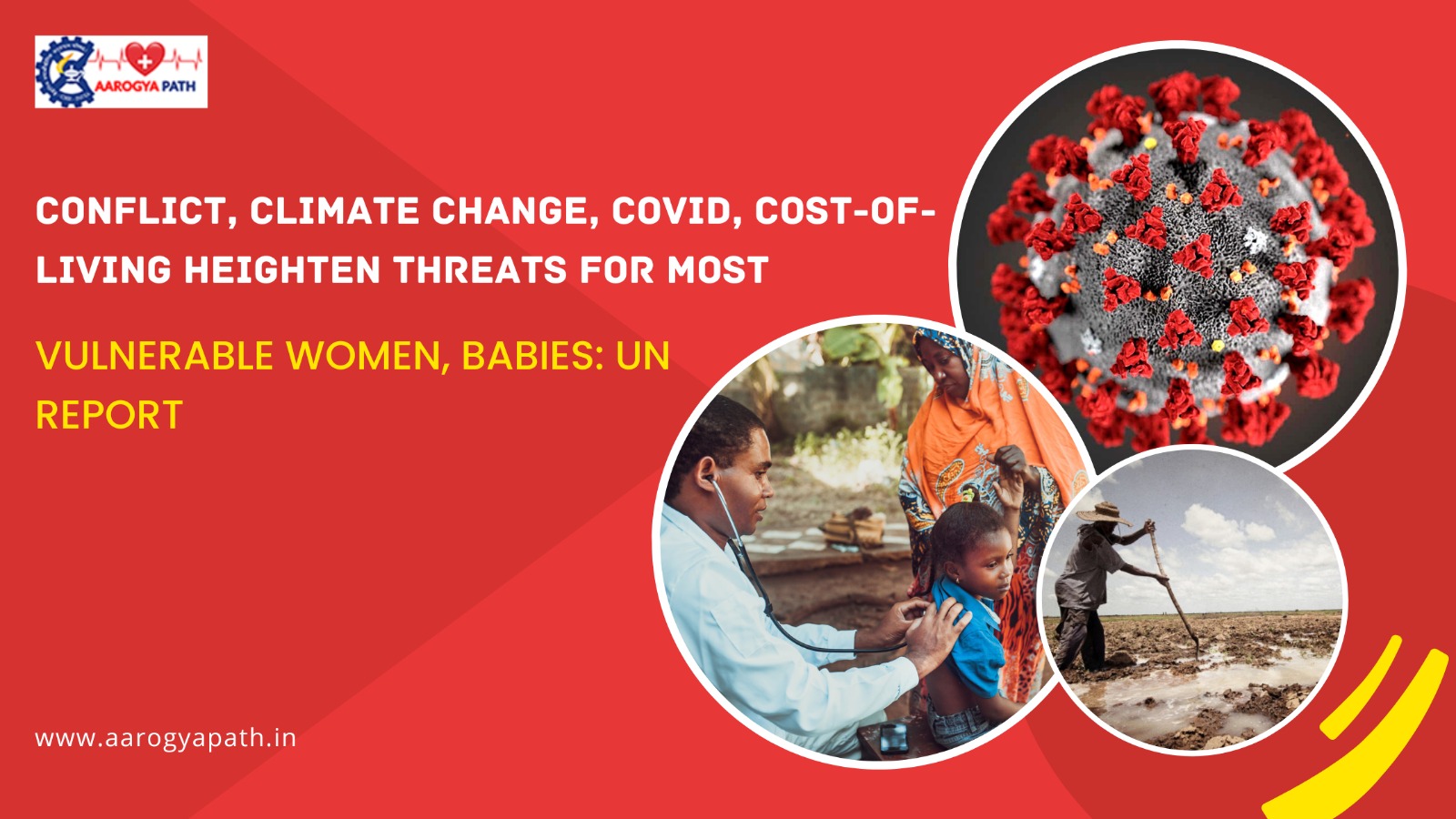
Conflict, climate change, Covid, cost-of-living heighten threats for most vulnerable women, babies: UN report

The report sounds the alarm on a silent emergency of preterm birth which is impeding progress in improving children’s health and survival.

An estimated 13.4 million babies were born preterm in 2020, with 45 per cent of them being born in just five countries, including India, China and Pakistan, according to a report released by the United Nations agencies and partners on Wednesday. The report titled ‘Born Too Soon: Decade of Action on Preterm Birth’ is developed by more than 140 individuals from 46 countries and is produced by the World Health Organisation (WHO) and the United Nations Children’s Fund (UNICEF) together with PMNCH — the world’s largest alliance for women, children, and adolescents.

The report sounds the alarm on a “silent emergency” of preterm birth which is impeding progress in improving children’s health and survival.

The global preterm birth rate was 9.9 per cent in 2020, compared to 9.8 per cent in 2010. An estimated 13.4 million babies were born pre-term in 2020, with nearly 1 million dying from preterm complications, which is equivalent to around 1 in 10 babies born early (before 37 weeks of pregnancy) worldwide.

In 2020, Bangladesh had the highest estimated preterm birth rate (16.2 per cent), followed by Malawi (14.5 per cent) and Pakistan (14.4 per cent). Rates are also high in high-income countries, such as Greece (11.6%), and the United States of America (10.0%), the report stated.

“Almost half (45 per cent) of all preterm babies in 2020 were born in just five countries: India, Pakistan, Nigeria, China and Ethiopia,” it said.

The report highlighted that preterm birth rates have not changed in the past decade in any region of the world and that “four Cs” – conflict, climate change, COVID-19 and the cost-of-living crisis – heighten threats for the most vulnerable women and babies in all countries.

For example, air pollution is estimated to contribute to 6 million preterm births each year.

Nearly 1 in 10 preterm babies are born in the 10 most fragile countries affected by humanitarian crises, according to a new analysis in the report. Climate science is increasingly exposing the direct and indirect effects of climate change on pregnant women, stillbirths and preterm birth.

Conflict, climate change, Covid, cost-of-living heighten threats for most vulnerable women, babies: UN report

According to it, 1.2 million babies are ‘born too soon’ in the 10 most fragile countries affected by humanitarian crises, where accessing care for women and babies is particularly challenging.

“More investment is needed to specifically mitigate risks and to increase focus on women and babies in policies and programmes addressing the climate emergency,” it said.

“Born too soon underlines why we must increase investment and accountability for preterm birth – the world’s largest cause of death of children under the age of five. Progress is flatlining for maternal and newborn health, as well as the prevention of stillbirths, and is now pushed back further through the devastating combination of COVID-19, climate change, expanding conflicts and rising living costs,” said Helga Fogstad, Executive Director, PMNCH.

“By working together in partnership – governments, donors, the private sector, civil society, parents, and health professionals – we can sound the alarm about this “silent emergency”, and bring preterm prevention and care efforts to the forefront of national health and development efforts, building human capital by supporting families, societies and economies everywhere,” Helga added.

With the report coming at a time when the International Maternal Newborn Health Conference (IMNHC) is being held at Cape Town from May 8, the WHO, UNICEF, UNFPA and PMNCH called for increased investments, accelerated implementation of established national policies for maternal and newborn care to improve care for women and newborns and mitigate risks from preterm births.

They also called for promoting education through the life cycle; supporting smarter economic investments, with co-financing across sectors; strengthening climate adaptation responses across the life course; and advancing the coordination and resilience of emergency systems, besides investing in locally-led innovation and research to support improvements in quality of care and equity in access.

Ensuring quality care for these tiniest, most vulnerable babies and their families is absolutely imperative for improving child health and survival, said Dr Anshu Banerjee, Director for Maternal, Newborn, Child and Adolescent Health and Ageing at WHO.

“Progress is also needed to help prevent preterm births — this means every woman must be able to access quality health services before and during pregnancy to identify and manage risks,” he said.

Read more at-https://bit.ly/42pnXVr

Categories
COVID-19 Government Guidelines Medical Equipments Medical Updates

Long COVID linked with self-perceived cognitive deficits related to anxiety and depression

Experiencing persistent symptoms of COVID more than four weeks after initial infection is called Long COVID.

Symptomatic long COVID may be associated with self-perceived cognitive difficulties such as memory problems, according to a study. Long COVID is described as experiencing persistent symptoms of the disease more than four weeks after initial infection. Researchers at the University of California, Los Angeles (UCLA) in the US noted that over one in three people experiencing long COVID symptoms perceived such cognitive deficits, which have been found to be related to anxiety and depression.

The findings, published recently in the journal JAMA Network Open, show that psychological issues such as anxiety or depressive disorders may play a part in some people who are experiencing long COVID, technically known as post-COVID-19 condition, or PCC.

“This perception of cognitive deficits suggests that affective issues—in this case anxiety and depression—appear to carry over into the long COVID period,” said study senior author Neil Wenger, a professor at UCLA.

“This is not to say that long COVID is all in one’s head, but that it is likely not a single condition and that for some proportion of patients there is likely a component of anxiety or depression that is exacerbated by the disease,” Wenger said in a statement.

The researchers surveyed 766 patients who had confirmed symptomatic COVID infection and had either been hospitalised at UCLA or at one of 20 health care facilities in the US or were referred to the programme by a primary care physician and been treated as outpatients.

Long COVID linked with self-perceived cognitive deficits related to anxiety and depression

Patients were surveyed by telephone at 30 days, 60 days and 90 days following hospital discharge or, in the case of non-hospitalised patients, after the date of a positive COVID test to ascertain if they felt their health was back to normal.

The researchers found that 276 (36.1 per cent) of the patients surveyed perceived during the acute illness or the following weeks that they had cognitive difficulties.

The study also found that these patients were twice as likely as those without perceived cognitive deficits to report experiencing physical symptoms at 60 and 90 days.

The researchers acknowledged some limitations to the findings. These include a lack of objective cognition measures because the survey relied on subjective responses about cognitive deficits.

They also did not have data on participants’ possible cognition, depression, and anxiety prior to COVID infection.

The findings may not apply to other patient cohorts given that participants were treated at an academic medical centre and were referred to the programme based on physicians’ belief that the patients were at clinically high risk for cognition deficits, the researchers added.

Read more at-https://bit.ly/3HOjmnu

Categories
COVID-19 Government Guidelines Medical Equipments Medical Updates

What to eat when you have Covid

Having a healthy diet is associated with a reduced risk of COVID. And, if you do have COVID, a healthy diet is associated with milder symptoms.

Deciding what to eat can be mentally taxing, especially when you are not feeling well. However, our diet plays a role in preventing and managing poor health, including COVID. Having a healthy diet is associated with a reduced risk of COVID. And, if you do have COVID, a healthy diet is associated with milder symptoms. When we are sick it can be challenging to even think about food. However, the best way to fight the infection is by providing your body with foods that best support you to heal.

Fresh fruit, vegetables, whole grains and various forms of protein are broken down into substances by the body to support your immune system.

The Australian Guide to Healthy Eating suggests we eat a variety of fresh foods every day including:

*Two serves of fruit and five serves of vegetables

*Whole grains, such as wholemeal pasta, brown rice or wholemeal bread.

What to eat when you have Covid

*Healthy fats, such as avocado or olive oil.

*Meat and meat alternatives (such as lean beef, chicken, tofu or legumes) and dairy (such as cheese or milk).

*Eating these kinds of foods every day helps provide our body with the nutrients required to fight infections and remain healthy.

*Avoiding processed and ultra processed foods is also encouraged due to the high levels of salt and sugar and lack of nutrition found in these types of foods.

What about chicken soup or similar?

A great way to get all the nutrition your body requires when sick with COVID is through homemade chicken soup, chicken avgolemono, chicken congee or other similar dishes.

Why? Here are four good reasons:

1. It’s easy and cheap to make.

The great thing about chicken soup is you can pop it in one pan (or into a slow cooker), throw all the ingredients in together and let it simmer away.

While the ingredients in chicken soup pack a powerful nutritional punch, they don’t cost the Earth.

2. It’s easy to absorb.

The boiling process releases the nutritional elements found in the ingredients and aids in digestion and absorption of these vital nutrients.

3. It’s full of vitamins and minerals.

Essential vitamins and minerals found in chicken soup include: iron, magnesium, sodium, potassium, calcium, chromium, copper, zinc, vitamin A, vitamin C, vitamin B6 and vitamin B12.

4. It’s flavoursome and powerful.

The tasty flavour of chicken soup is enhanced by the seventeen different amino acids found in chicken soup. These amino acids also provide strength for your immune system.

Nutrition can support immune health but it’s not the only answer

The best way to treat and manage a COVID infection is to avoid it in the first place. So remember to practise good hygiene, like washing your hands regularly, and maintain your recommended vaccine schedule.

Practising a healthy lifestyle will also reduce your risks of not only contracting COVID, but also developing chronic disease. This includes not smoking or vaping, maintaining healthy physical activity habits, getting enough sleep and reducing alcohol consumption.

The current recommendation for maximum alcohol intake is ten standard drinks in one week, and no more than four standard drinks in one day.

  • Don’t forget to drink plenty of water
  • Water is crucial when you’re sick.

Being dehydrated can enhance symptoms of colds and infections, including COVID. It is also associated with a higher risk of developing long COVID.

Aim to drink at least two litres of water per day, even more if you have a high body weight or have been losing fluids through vomiting or sneezing/runny nose.

If you don’t feel like having plain water, there are many healthy alternatives such as tea, broth or soup.

Eating a healthy and balanced diet is an important part of maintain good health and vitality.

Getting caught up in fads or buying supplements can be expensive and there is controversy around their effectiveness.

In the long run, eating healthy will make you feel better and save you money

Read more at-https://bit.ly/44hviHR