Categories
COVID-19 Government Guidelines Medical Updates Medicine & Health

Heart health: Tips to prevent heart attack during early morning walk in winters

Early morning chill can play havoc with your heart health, especially if one exercises without a warm-up or does not wear appropriate clothing. Here are tips from cardiologists on how to prevent early morning heart attacks.

According to researchers most heart attacks happen during early hours of morning from 4am to 10am as there is an increase in secretion of certain hormones like epinephrine, norepinephrine, and cortisol, that may trigger increase in oxygen demand and blood pressure. Also decreased levels of endothelial progenitor cells can also increase chances of heart attack. Winter mornings can further aggravate the risk of heart attack as the morning chill can affect cardiac health of high-risk people meaning those who have hypertension, diabetes or lung issues. Experts say that these people should avoid morning workouts or walks in early hours and even if they go for walks in the morning, they should cover their ears, chest, legs and head well.

“We all know that heart attacks happen during early hours of waking and during winter season because of cold weather. It also further aggravates risk of heart attack. All those people who are high risk which means who have family history of heart disease, have high blood pressure, those who are diabetic and those who have some other lung problem, it is not advisable that they go for early morning winter walks (or workouts),” says Dr Udgeath Dhir, Director and Head of Cardiothoracic and Vascular Surgery (CTVS), Fortis Memorial Research Institute in a telephonic conversation with HT Digital.

Heart health: Tips to prevent heart attack during early morning walk in winters

WHY EARLY MORNING WALK IN WINTER CAN INCREASE RISK OF HEART ATTACK

“During winters the body is already trying to increase metabolism for conserving body heat, already the body is in hyperactive moment. If at all we have to go for early morning walks, we have to protect us from early morning cold. We need to cover our extremities which means the head, the ears, the hands, and our toes. Your chest area should be warm enough and never start exercise without a warm-up. Warm up is most important and it is more crucial during winter season. If we aren’t exercising without proper warm up and those who are at high risk can have heart attack and strokes in winter,” says Dr Dhir.

“Winter mornings increase the risk of cardiovascular conditions. Blood pressure is inversely proportional to winter. Chilly weather increases the pressure and as a result, our heart beats faster and even more blood is required to pump which is not favourable to someone with a weak heart. We cannot do anything about the climate, so taking precautions is the best way to tackle the problem,” says Dr. Manjinder Sandhu, Vice Chairman, Cardiology, Paras Hospitals, Gurugram.

POLLUTION AND COLD CAN BE A DEADLY COMBO

“In present scenario when there is pollution plus winter so there is smog. These are not good for lungs and heart. The air we breathe it is extra load on lungs and lungs are attached to heart, so it is extra load for heart. This can pose problem for patients who have lung issues like asthma, chronic bronchitis, smokers and certain sensitive people and in turn can lead to some heart dysfunction. These people can avoid early morning walks in winter,” says Dr Dhir.

IDEAL TIME FOR WALKS DURING WINTER

“Ideal time is not early morning and late evenings. Exercise is important for us. But we have to take the maximum benefit out of those exercise. Elderly and high-risk people should avoid early morning walk. Once there is a little sun outside, they can go for a walk or evening time. Warm-up, covering extremities, check your blood pressure, or blood sugar level are some of the points to be considered before venturing out. Try to be stress-free. That’s most important,” says Dr Dhir.

TIPS to AVOID HEART ATTACK IN EARLY WINTER MORNINGS

Below are the precautions listed by Dr Sandhu

– Regularly check your blood pressure and get in touch with the nearest healthcare provider as soon as any symptoms are witnessed.

– Stay warm and avoid stepping out in extremely low temperatures, especially early morning walks are a big no.

– Maintain regular indoor physical activities and a healthy diet that further helps you maintain your blood pressure or deal with any issues in winter.

– Do not exert yourself too much. It can result in heart attacks, heart failure, and fatal outcomes.

– Avoid fatty, fried, sweet foods with high cholesterol levels.

– If you have any existing medical conditions, keep a close watch and maintain any treatment or medication.

– Avoid OTC pills and any self-treatment habit.

– Avoid smoking and alcohol consumption.

Read more at-https://bit.ly/3jwjb71

Categories
COVID-19 Government Guidelines Medical Updates Medicine & Health

Mandatory COVID-19 tests for all international passengers if necessary, says Centre

Synopsis

As a health minister, Mandaviya said he has spoken to many countries and WHO about what all precautions are needed to be taken and also understand in which direction the pandemic is moving.

In the wake of surge in COVID-19 cases in many countries, India has started 2 per cent random sampling of international travellers coming to the country and may consider making it mandatory for all if necessary, Health Minister Mansukh Mandaviya said on Thursday. He was responding to queries of some Opposition MPs after his suo moto statement in Rajya Sabha on the latest COVID-19 situation and India’s preparedness.

“We are constantly monitoring the situation. There are no direct flights between China and India but people come via other routes,” he said in response to a query by Raghav Chadha of AAP on whether the government would ban direct flights from China.

As a health minister, Mandaviya said he has spoken to many countries and WHO about what all precautions are needed to be taken and also understand in which direction the pandemic is moving.

“At a primary stage, we have already started doing 2 per cent random sampling of any traveller coming to India,” he said.

The minister further said “in the coming days the percentage could be increased and if necessary we will make it mandatory for everyone coming to India”.

Mandatory COVID-19 tests for all international passengers if necessary, says Centre

Mandaviya also said the focus of the government is to ensure that no unknown variant of the virus enters India and at the same time there is now impediment on travelling.

The minister assured the Upper House that all the oxygen plants were running and a review has also been done about the availability of medicines.

“We are prepared and ready to provide the requirement of medicines and vaccines in the country,” he said.

Mandaviya also informed that an expert committee has given approval to nasal vaccine to combat the virus, doing away with the requirements of jabs.

“We are fully prepared to fight the virus,” he asserted.

Referring to the letter written to Rajasthan Chief Minister Ashok Gehlot and Congress leader Rahul Gandhi to follow appropriate covid protocol during the Bharat Jodo Yatra, he said it was his responsibility as a health minister to write after few MPs from the state had pointed out to him about people, including the Himachal Pradesh chief minister who took part in the event contracted the virus.

“We have never done politics on covid crisis and we don’t even want to do it,” Mandaviya asserted.

In his statement, he said in the recent days there have been reports of rise in COVID-19 cases in many countries such China, Japan, South Korea, the US, France, Greece and Italy.

The evolving nature of the virus poses threat to global health in a way that impacts virtually every country, he said adding the Centre has asked states to remain alert and create awareness about wearing face masks and using hand sanitisers, especially in view of upcoming festivals and new year celebrations.

He further said states have also been advised to focus on heightened surveillance within the community and to undertake requisite control and containment measures, increase the whole genome sequencing of all positive cases for timely detection of newer variants, if any.

Read more at-https://bit.ly/3I8KnmN
Categories
COVID-19 Government Guidelines Medical Updates Medicine & Health

Omicron BF.7: Is mixing Covid vaccines more effective against the new subvariant? What experts say

Omicron BF.7: Is mixing Covid vaccines more effective against the new subvariant?

Amid rising cases of Omicron BF.7 in China and other parts of the world, there has been concerns of a fresh wave triggered by the subvariant in India in the coming months. Omicron BF.7 was first found in India in July and so far, just 4 cases have been detected across Gujarat and Odisha. Experts say we do not need to press the panic button as yet but at the same time renew social distancing measures and keep our guards on.

Getting booster shots is one of the ways to boost immunity against the new variant. According to a new AIG study, Hyderabad-based Biological E’s Corbevax booster in individuals already vaccinated with Covishield can offer maximum protection against Omicron variants. The study found that people who were given Corbevax showed higher levels of antibodies.

Following incidents of people inadvertently taking different vaccines in two separate doses, Indian Council of Medical Research (ICMR) study found that mix and match of vaccines had no adverse effect. There has, however, been concern around whether it is safe or mixing of two different vaccines could actually be more effective and provide better shield against different variants of Coronavirus.

So, can combining vaccines offer better protection against Omicron BF.7 and new emerging subvariants? We asked experts.

Omicron BF.7: Is mixing Covid vaccines more effective against the new subvariant? What experts say

‘MIXING SHOTS A PROMISING STRATEGY’

“Mixing Covid shots or what we call as heterologous boosting is a promising strategy in our fight against this pandemic. As per limited research it has been found that waning immunity is a concern in giving us protection from the virus. Mixing shots such as vector-based vaccines (Covishield) followed by mRNA based (Pfizer) can result in boosted or better immune protection. mRNA based vaccines generate a good antibody response and vector-based vaccines provide a good T Cell response. So, a combination of both seems to provide a promising protection,” says Dr. Shivanshu Raj Goyal, Consultant Pulmonologist, Artemis Hospitals, Gurugram.

“Side effects can vary from individuals but mixing vaccines is a good strategy to provide safe and effective protection and in some cases mixing vaccines mount lifetime immunity by kicking memory B and T cells into action, less seen otherwise. Whatever strategy we should follow and most beneficial to all would be updated timely by MoHFW on timely intervals and should be followed,” says Dr Goyal.

‘NO SIDE EFFECTS, IT CAN BOOST IMMUNITY’

“Mass Covid vaccination has played a key role in limiting the severity of Covid waves across India. Various Covid vaccines have been used globally after scientific approval the curb this pandemic. With the recent news of new variants, booster dose is to protect you and enhance your protection against severe covid infections. Sometimes availability or shortage of the same make of vaccine is a problem. However, mixing the vaccines has no side effects rather it can boost the immunity and give multiple ways to our immune system to identify the offending virus and act rapidly,” says Dr Rahul Sharma, Additional Director Pulmonology, Fortis Hospital Noida.

‘Mixing Covid vaccines need of the hour’

Covid vaccines booster strategy is need of the hour. Usually, sequential boosters are recommended.

Mixing heterologous immune response is an emerging concept. In initial US-based trials and studies it was observed that though it was necessity borne intervention turned out to be useful owing to mixing of vaccines resulted in increase in type of immune responses and potential prolonged immunogenic effect. Researchers have found that following one dose of the AstraZeneca with a dose of the Pfizer-BioNTech vaccine produces more stronger and better immune responses, as measured by blood tests.

Mixing vaccines gives advantage in pathogen recognition and better immunogenic responses in terms of all arms of immunity, says Dr Neha Rastogi Panda, Consultant Infectious Diseases, Fortis Memorial Research Institute, Gurugram.

‘Mixing of vaccines proven to be non-inferior or superior’

“Government of India has permitted the usage of Corbevax vaccine as a precaution dose after completion of six months from administration of second dose of either Covaxin or Covishield vaccines in adult population in August 2022. Decision of this by Covid-19 working Group was based on scientific evidence generated through double blinded randomised control trial of Corbevax vaccine phase-3 clinical study evaluating immunogenicity and safety of booster dose Corbevax vaccine in adult volunteers previously vaccinated with two doses of either Covaxin or Covishield. As per the global scientific evidence, usage of mixing of two different vaccines have been proven to be non-inferior or superior as compared to single vaccine usage in Covid-19 illness in terms of immunogenicity which is measured by antibodies level and T cell mediated immunity measured by CD4 and CD8 levels,” says Dr Manoj Sharma, Senior Consultant, Internal medicine, Fortis Hospital Vasant Kunj.

“Mixing of two different vaccines may give the immune system multiple ways to recognise a pathogen (Virus). In a Spanish study, 448 individuals who received a mix of AstraZenecia dose followed By Pfizer BioNTech dose, robust immune response was noted with fewer side effects. Similarly, Sputnik vaccine when combined with AstraZenecia also revealed stronger immune response,” says Dr Sharma.

Benefits of heterologous vaccination

Although the approved COVID vaccines provide a high level of protection against symptomatic infection and severe illness, there is increasing evidence to suggest waning of immunity over time. Also, it has been seen that some of the subvariants/sub lineages are immune-evasive i.e., can cause infection in those already having some immunity against SARS CoV-2 virus. Heterologous vaccination approach refers to the mixing of more than one type of vaccines. There are reasons to believe that immunization with different types of vaccines might provide immunological advantages. Mixing of vaccines provides a broadened level of protection, and for a longer duration. There is sufficient scientific data available to date to suggest superior immunological response with heterologous vaccines approach. Studies have shown better and prolonged immunological response following mixing and matching, both inactivated as well as mRNA-based vaccines. This benefit has been found with mixing of vaccines in primary series as well as booster dosing,” says Dr Rohit Kumar Garg, Consultant, Department of Infectious Diseases, Amrita Hospital, Faridabad.

Read more at-https://bit.ly/3WEIdjf

Categories
Government Guidelines Medical Updates Medicine & Health

Omicron BF.7: Cases of highly infectious strain rise in India; experts on symptoms, precautions and fresh wave

Three cases of BF.7 strain, that is driving the current wave of Covid infections in China, have been detected in India so far. Will it cause a fresh wave in India? What are its symptoms? Know from experts.

Three cases of Omicron BF.7 strain, that is driving the current wave of Covid infections in China, have been detected in India so far. The first case of the highly infectious strain with greater transmissibility was detected in Gujarat earlier in October. With 2 in Gujarat and 1 in Odisha, the number of Omicron BF.7 cases in India now stand at 3. While this hasn’t really created a big panic so far, the new Omicron variant is known to spread very fast and has a shorter incubation period. It has been reported that it will infect 60% of people in China in the coming three months. Looking at the transmissibility of the virus, is a new Covid wave expected in India too? We asked a few experts.

IT COULD BE A HORRIBLE SCENARIO: EXPERT ON POSSIBILITY OF FRESH COVID WAVE

Dr Ravindra Gupta, Dept of Internal Medicine at the CK Birla Hospital (R), Gurugram says that with people travelling across the world at this point, the possibility of Covid spreading worldwide is high.

“Currently, coronavirus is taking its new mutation and is in the form of Covid BF.7 which is a variant of Omicron. This variant is found to infect China and has a high transmission ability. It is very quick to transfer to other people and has a short incubation period as well. It is informed to be infecting people very easily. It has also been suspected that 60% of people in China will be infected by this variant in the next three months. It is a horrible scenario that could take place and with people traveling all across the globe, it is possible for the disease to spread worldwide with air travel,” says Dr Gupta.

Dr Charu Dutt Arora, Consultant Physician and Infectious Disease Specialist Head, Ameri Health, Asian Hospital, Faridabad says the news of a recent spike in Covid-19 infected positive cases across China, Japan, Hong Kong, Brazil and US have caused a state of distress across the world, including India. He says that the tweet of Mr Eric Dengi, an epidemiologist from China stating that “this virus can lead to deaths of millions across China in next few months” is concerning.

Omicron BF.7: Cases of highly infectious strain rise in India; experts on symptoms, precautions and fresh wave

QUICKER INFECTION RATE, GET VACCINATED

“The wave of Covid-19 in China is being caused by virus Omicron BF.5.2.1.7, also called as BF.7. It is a variant mutant of the Omicron and has one of the highest transmissibility amongst all COVID variants so far. The R0 value of this mutant as per studies is approximately 10-18.6 which means that any infected individual can infect 10-18.6 people around him. Also, there is quicker infection rate of this virus, in hours, which makes it difficult to be detected in RT-PCR test. People who are not vaccinated or have weaker immunity such as elderly citizens, children, pregnant females or ones with multiple co-morbidities (cancer, uncontrolled diabetes, cardiac or kidney diseases) are at a high risk of catching this infection.

Dr Amitabha Ghosh, Consultant, Internal Medicine, Manipal Hospitals, Gurugram says that although the new variant is not as fatal it transmits faster than other Omicron variants.

FOURTH SHOT OF COVID VACCINE CAN HELP

“Just like other variants of Omicron, BF.7 is also another subvariant that has a very fast transmission rate. As per several data, the rate of fatality is not high for this variant but surely it transmits faster than the other Omicron variants. In India, there are very few cases of mortality and hospitalization but it also depends on various factors including a person’s immunity and pre-existing comorbidities,” says Dr Ghosh.

Dr Gupta says while the symptoms are mild, the wave in China is expected to kill one million people alone. He says that a fourth shot of vaccine may be helpful in preventing these probable deaths.

OMICRON BF.7 SYMPTOMS

“The symptoms remain the same as with any other upper respiratory infection such as fever, cough, sore throat, and running nose. There is suspicion that this wave could kill one million people alone in China. It is also probable that if people get three to four shots of the vaccine, they may get protected. It is therefore very important for everyone to be more vigilant and responsive to taking Covid vaccines. A fourth vaccine might be helpful in preventing this serious gruesome scenario. A person infected with this virus, even if they are asymptomatic, can transmit the virus to another 10-18 people. Only time will tell, what happens in the next few months, but we should be vigilant, should seriously follow Covid appropriate behaviour, and avoid traveling as much as possible,” says Dr Gupta.

“The common symptoms include common cold, fever, fatigue, sore throat, headache and body pain. Cough and respiratory symptoms are also present in infected patients. People are also presenting with abdominal symptoms such as stomach pain and loose motions,” says Dr Arora.

“The signs and symptoms of BF.7 are pretty similar to other omnicorn variants fever, sore throught, runny nose. Cases of pneumonia with BF.7 variant are definitely lesser and the ones that are seen in an elderly population or people with underlying conditions. We are not seeing too many hospitalisation with Omicron and early data from countries that are seeing BF.7 also tell us that the mortality of BF.7 is low,” says Dr Trupti Gilada, Infectious disease specialist, Masina Hospital, Mumbai.

OMICRON BF.7 PRECAUTIONS

Dr Ghosh says one must maintain proper hygiene, wear a mask, wash hands, to prevent the infection. He says that people with low immunity must be extra cautious while vaccine and booster shots can be useful in preventing mortality and complications of the subvariants.

“Till now it is not clear which age group it affects the most but it is certain that people with low immunity are at a higher risk. Also, now that people are more exposed to COVID and its variants, they are automatically developing immunity against this virus and the upcoming variants. With the help of vaccines and booster shots, people are now able to tackle the virus in a better way and it has helped in preventing of the complications of the subvariants,” says Dr Ghosh.

“It is imperative that one must follow COVID appropriate behaviour and rules as laid by the local bodies in order to control the spread. With restrictions eased out worldwide and the festive season in-swing, it is important to continue mass vaccination drive. Test-Track-Treat-Vaccinate is the most important strategy to check this infection and its community outbreaks,” says Dr Arora.

IS THERE A NEED TO PANIC?

“Going forward the yardstick to measure the severity of a covid wave should not be mere number of cases because most of these will be mild. The yardatick should now be number of moderate to severe cases of those requiring oxygen or those requiring hospitalization. So public health action needs to be based on severe infections because mild infections will be common everytime there is a new mutation. And India paid its price with the delta wave where we lost a lot of our people and those who survived have good immunity to covid and so is the status of our very good vaccination. So for India per se, we have a comparatively immune population and those who will be infected with BF.7 in future should be mild and while we are on the watchout, we should continue to do genomic studies and understand what every variant looks like, and it still should not be a cause of panic,” says Dr Gilada.

Read more at-https://bit.ly/3hU57nh

Categories
Government Guidelines Medical Updates Medicine & Health

Over 1,500 private hospitals empanelled under Ayushman Bharat in last one year: Mansukh Mandaviya

Synopsis

Under the Ayushman Bharat scheme launched in 2018, the government provides health security cover to 10 crore families or 50 crore people of India.

Union Health Minister Mansukh Mandaviya on Friday said more than 1,500 private hospitals have been empanelled under the Ayushman Bharat scheme in the last one year. The scheme is reviewed every month and out-of-pocket expenditure of patients under the scheme has come down, Mandaviya said, replying to a question in Lok Sabha.

Under the scheme launched in 2018, the government provides health security cover to 10 crore families or 50 crore people of India.

Over 1,500 private hospitals empanelled under Ayushman Bharat in last one year: Mansukh Mandaviya

Today, 4.5 crore needy people have been empanelled under the scheme, the minister said.

He said seven-eight lakh beneficiary cards are printed daily and the ministry was working to ensure that 50 crore cards are made available in the next four-six months.

“Poor and needy people are covered under the Ayushman Bharat scheme and they can avail Rs 5 lakh health security cover. Any hospital can empanel under the scheme … In the last one year, more than 1,500 private hospitals have been empanelled under the scheme,” Mandaviya said during the Question Hour.

The minister said 22,000 hospitals, both public and private, have been empanelled under the scheme so far.

Read more at-https://bit.ly/3HThkDA
Categories
Government Guidelines Medical Updates Medicine & Health Techniques

Vitamin C to zinc; important nutrients you must add to your winter diet

There are few essential nutrients that you must include in your diet in order to prepare your body and mind for the cold weather.

Wonder why you always feel lethargic, sleepy and low on energy during winter? Days are shorter and nights are longer in winter and this disturbs our circadian rhythm causing the body to produce more melatonin. Considering we may not get enough sun exposure on certain days; the levels of Vitamin D may also go down causing mood swings and anxiety. To tackle all these winter woes, one should step out more in the sun and also add the right nutrients to the diet for improving immunity, mood and prevent against winter ailments. Iron is important to regulate body temperature while zinc can provide protection from cold. Vitamin C boosts immunity and protects against seasonal illnesses.

“Winter is just like every season, the cold days also demand special care. So, it’s important to alter your diet according to the needs of the particular season. During winters, people take special care of their diets and try to include as many warm and nutritious foods, to improve their immunity an improve your skin and hair from dryness and dullness. A healthy winter diet is like internal layering of your body to protect against the harsh cold and the diseases that come with it. There are few vitamins that you must include in your diet, in order to prepare your body for the cold weather. During winter mood swings are common and the vitamins in your diet will boost your mood as well,” says Sukanya Poojary, Executive Nutritionist, Cloudnine Group of Hospitals, Malleshwaram, Bangalore.

Vitamin C to zinc; important nutrients you must add to your winter diet

MUST HAVE NUTRIENTS IN YOUR DIET FOR WINTERS

Poojary on all the winter nutrients that you must add to your diet.

IRON

Iron help to regulate body temperature during winter and also helps maintain healthy skin, hair, cells growth apart from maintaining haemoglobin.

Sources: Honey, red meat, green leafy vegetables, dry fruits and seeds, fortified foods, jaggery, beetroot, spinach, broccoli pomegranate.

Recipes: Mixed sprouts and Chana dal tikki,ragi upma, methi and moong sprouts wrap, pineapple and coriander juice, watermelon guava juice.

CALCIUM

Calcium is very important for growing kids. Body needs calcium to build and maintain strong bones. Your heart, muscles and nerves also need calcium to function properly. Some studies suggest that calcium, along with vitamin D, may have benefits beyond bone health: perhaps protecting against cancer, diabetes and high blood pressure.

Sources: Green leafy vegetables, milk and milk products, lean meat, dry fruits and seeds, soya products

Recipes: Guava and paneer salad, turmeric milk, rajma chat, paneer burji, broccoli and almond soup.

ZINC

Research has shown that taking zinc within 24 hours of the first sign of a cold can reduce the duration of the cold. Zinc is the essential mineral that needs to be included in your winter diet because zinc mineral contains more than 300 enzymes that helps in repairing wounds, maintaining growth in children and fertility in adults, and protecting against free radicals along with other functions.

Sources: Eggs, meat, oysters, seafood, tofu, black-eyed peas, and wheat germ

Recipes: Spinach and chickpea soup, Badam milkshake, avocado milkshake, Bean chat, Sesame ladoos, and roasted pumpkin seeds.

FOLIC ACID

Folic acid is essential for proper cell growth. Also referred to as folate or vitamin B9, it is one important nutrient for every woman, especially the ones who are pregnant or trying to conceive.

Sources: Spinach, beetroot, broccoli. Mustard green, orange, Banana, egg.

Recipes: Banana pancakes, broccoli paratha, egg masala, palak dhal.

VITAMIN C

This one’s nature’s immunity booster and is present in a number of seasonal vegetables and fruits. It is important to consume Vitamin C to ward off cold, cough and other seasonal diseases. Drinking a glass of warm water with lemon juice may help you boost Vitamin C levels in the body.

Sources: Carrots, beetroots, citrus fruits, green leafy vegetables, tomato, kiwi fruits

Recipes: Lemon and coriander soup, kiwi jam, orange with mozzarella, lemon rasam, beetroot and orange soup.

VITAMIN A

Vitamin A acts as an antioxidant and supports the health of bones, teeth and soft tissues. It also supports the health of the immune system by maintaining the body’s natural defences.

Sources: Spinach, carrot, apricots and sweet potatoes, pulses, tomato.

Recipes: Spicy potato and roti roll, chana subzi, tomato soup, dalia veg risotto.

VITAMIN D

During winters, days get shorter and nights get longer, the levels of Vitamin D or the sunshine vitamin may be depleted in the body. It’s essential to consume it with your food.

Sources: Egg yolk, orange juice, dairy products, soya milk, fatty fish like tuna, mackerel, salmon.

Recipes: Cream of broccoli and mushroom soup, egg paratha, lassi, fish cutlet, oats idli.

Read more at-https://bit.ly/3FGI33s

Categories
Government Guidelines Medical Updates Medicine & Health Techniques

MHIL to provide up to Rs 300 crore funds to Max Hospitals and Allied Services

Synopsis

Further, the company said its board has also approved the issuance of sponsor’s undertaking to the lending bank or financial institutions to Dr Balabhai Nanavati Hospital (BNH) to affirm that it would continue to hold 100 per cent in stake in Max Hospitals and Allied Services Ltd (MHASL) and meet the shortfall arising due to cost and time overruns for the project.

Max Healthcare Institute Ltd on Thursday said its board has approved providing funding of up to Rs 300 crore to its wholly-owned arm Max Hospitals and Allied Services Ltd to partly finance the cost of Phase-I expansion of bed capacity at Dr Balabhai Nanavati Hospital, Mumbai. The company’s board, at its meeting held on Thursday, approved the funding by way of loan or deposit or investment in its securities up to Rs 300 crore, Max Healthcare Institute Ltd (MHIL) said in a regulatory filing.

Further, the company said its board has also approved the issuance of sponsor’s undertaking to the lending bank or financial institutions to Dr Balabhai Nanavati Hospital (BNH) to affirm that it would continue to hold 100 per cent in stake in Max Hospitals and Allied Services Ltd (MHASL) and meet the shortfall arising due to cost and time overruns for the project.

Under the Phase-I expansion plan, 329 beds will be added at BNH, taking the total bed capacity to 660 beds. It is expected to be completed in 2025, the filing added.

On the raltionale behind the step , MHIL said BNH  has been experience high occcupancy and increase in patient footfalls.

MHIL to provide up to Rs 300 crore funds to Max Hospitals and Allied Services

“Give the growing demand for quality healthcare due to increased penetration  of insurance, preponderance of lifestyle disease, aging population and rise in affordability, it is necessary to invest in expansion of the bed capacity at BNH, in order to cater to expected increase in demand for healthcare services. “the filing said.

Meanwhile, the company said the allotment of land parcel of 6.11 acres at Sector 53 Gurugram has been cancelled by Haryana Shehri Vikas Pradhikaran (HSVP) on the grounds that a part of the land measuring 2.58 acre has not been transferred to it by the builder in compliance with license conditions.

The facts came to light on December 14, 2022 during disposal of the writ petition filed by the company at Punjab and Haryana High Court against HSVP for issuing directions to execute and register the conveyance deed, MHIL said, adding, it is taking appropriate legal advice on the matter.

Read more at-https://bit.ly/3YwJPN1
Categories
Government Guidelines Medical Equipments Medical Updates Medicine & Health

Zika Virus: Prevention tips from experts

Zika Virus: From using condoms for sexual intercourse to avoiding travel to areas with ongoing Zika transmission, here are a few prevention measures that should be taken.

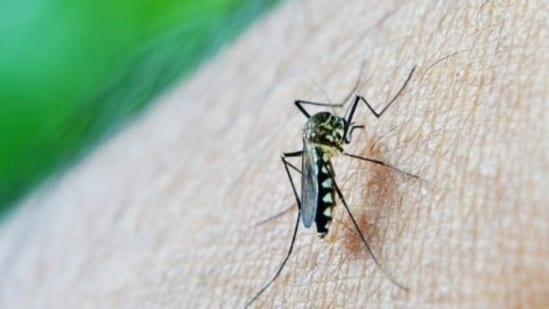
Zika Virus: A five-year-old girl from Karnataka has tested positive for Zika virus, marking the first case of the virus in the state. Zika virus, a mosquito-borne virus, usually transmitted by Aedes mosquitoes, causes the illness known as Zika (ZEE ka). Dr. Sanjay Gupta, senior consultant, internal medicine, Paras Hospital spoke of the ways that the virus can spread to HT Lifestyle – “By having unprotected sex with an infected individual or by being bitten by an infected Aedes mosquito, a person might contract the disease. Babies’ birth abnormalities have been demonstrated to be associated with infections during pregnancy. It can be challenging to pinpoint precise regions where the Zika Virus is spreading, and those locations may vary over time.”

Dr Neha Rastogi Panda, Consultant Infectious Diseases, Fortis Memorial Research Institute, Gurugram further added the prevention tips that we should take in order to avoid contracting the virus:

Zika Virus: Prevention tips from experts

Vector or mosquito-based precautions – Avoid stagnant water collection, cleaning pots and coolers. Using EPA approved mosquito repellent (DEET) is preferred. Larvicidal measures such as permethrin is desirable. Prefer full clothing and light wear clothes while going out and for kids.

Sexual prevention: Use of condoms for safe sex and sexual abstinence for 2 -3 months for both women and men if suspected or while travelling to area of ongoing Zika transmission. It is recommended if there is an accidental exposure, to consider emergency contraception measures at an earliest.

For traveling: Avoiding travel to areas with ongoing Zika transmission via travel health and vaccine clinic and expertise is recommended. Even in case of traveling, active screening of infection and using full blown preventive measures should be taken.

Dr Sanjay Gupta further added prevention tips for pregnant women – “Avoid going to any places where the Zika virus is present. If you must visit these locations, see your doctor first and firmly adhere to the recommended mosquito-bite prevention measures. -When using condoms with male partners who have visited these regions, always use them correctly.” For babies, he recommended, that bug repellent should not be used on them. Instead, child carrier or car seat should be enclosed in a mosquito net.

Read more at-https://bit.ly/3FrMjUf

Categories
Government Guidelines Medical Equipments Medical Updates Medicine & Health Techniques

How oxytocin drives connections of newly integrated adult-born neurons: Research

To better understand brain plasticity, a team of researchers at Baylor College of Medicine and Texas Children’ Hospital used mouse models to investigate how brain cells build connections with new neurons born in adult brains.

The brain’s capacity to change itself by reorganising preexisting neural networks and establishing new ones to gain new functional qualities enables learning new skills, mastering a musical instrument, and adapting to the environment’s constant change. Additionally, this aids in the stability, strength, and health of neuronal circuits.

To better understand brain plasticity, a team of researchers at Baylor College of Medicine and Texas Children’ Hospital used mouse models to investigate how brain cells build connections with new neurons born in adult brains. Their findings, published in the journal Genes & Development, not only expand our understanding of brain plasticity but also open new possibilities for treating certain neurodevelopmental disorders and repairing injured circuits in the future.

How oxytocin drives connections of newly integrated adult-born neurons: Research

“In this study, we wanted to identify new molecules that help new neurons build connections in the brain,” said corresponding author Dr. Benjamin R. Arenkiel, professor of molecular and human genetics and neuroscience at Baylor and the Duncan Neurological Research Institute at Texas Children’s. “We worked with the olfactory bulb, the part of the brain that is involved in the sense of smell. In mice, the olfactory bulb is a highly plastic sensory area and has a remarkable capacity to maintain plasticity into adulthood via continuous integration of adult-born neurons. We discovered that oxytocin, a peptide, or short protein, produced in the brain, drives events that contribute to neural circuit plasticity.”

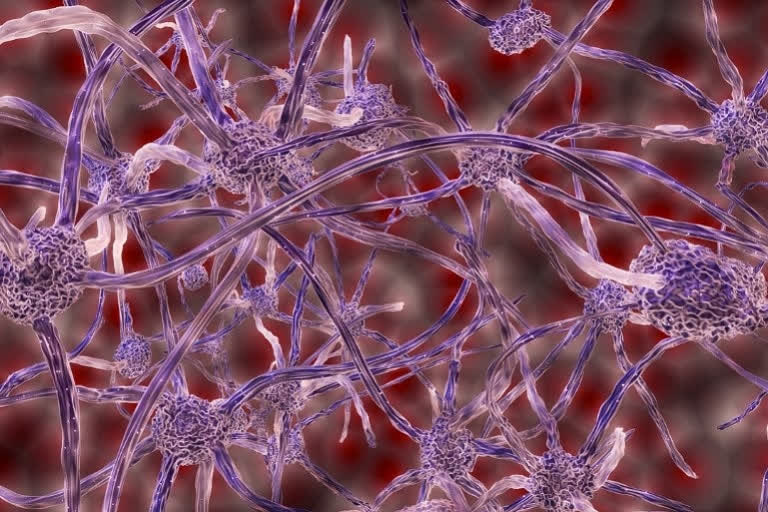
The researchers discovered that the levels of oxytocin increase in the olfactory bulb, peaking at the time the new neurons incorporate themselves into neural networks. Using viral labeling, confocal microscopy and cell-type specific RNA sequencing, the team discovered that oxytocin triggers a signaling pathway – a series of molecular events inside cells – that promotes the maturation of synapses, that is, the connections of newly integrated adult-born neurons. When the researchers eliminated the oxytocin receptor, the cells had underdeveloped synapses and impaired function.

“Importantly, we found that synapse maturation occurs by regulating the morphological development of cells and the expression of a number of structural proteins,” said Arenkiel, a MacNair Scholar at Baylor.

“The most exciting aspect of this study is that our findings suggest that oxytocin drives development and synaptic integration of new neurons within the adult brain, directly contributing to adaptability and circuit plasticity,” said first author Brandon T. Pekarek, a graduate student – research assistant in the Arenkiel lab.

The findings, which are relevant to all mammals, including humans, open new possibilities to improve neurological conditions. “Oxytocin is normally present in our brain, so if we understand how to turn it on or off or mobilize it, we can help keep our circuit connections healthy by promoting the growth of underdeveloped connections or strengthening new ones,” Arenkiel said. “Our findings also suggest that oxytocin could promote the growth of new neurons to repair damaged tissue. Further studies are needed to explore these possibilities.”

Read more at-https://bit.ly/3hfj8vC

Categories
COVID-19 Government Guidelines Medical Equipments Medical Updates Medicine & Health

Ayurveda expert on herbs to help keep flu, RSV and Omicron at bay

A strong immune system protects one from disease-causing agents and lowers chances of experiencing severe symptoms in case of any infections, says Dr Archana Sukumaran.

Winter is the season of piping hot tea and coffee, staying curled up in your blankets and also of cold, cough and fever that threaten to ruin the joy associated with the cold months. A good immunity can help you be at the top of your health and cut risk of getting infected with seasonal flu, RSV and new strains of Covid and Omicron. The symptoms of all these viral and respiratory infections are similar and most of the people are reporting fever, cough, cold, runny nose, sore throat, headaches and sneezing. In fact, flu, RSV and Covid are together raising hospitalisation cases especially in children in US and other parts of the world.

Ayurveda recommends different herbs, foods and other tips depending on the Ritucharya to cope with seasonal changes. According to the ancient medicinal practice, winter season is divided into two spans based on the intensity of the cold. The first half is called Hemanta, with comparatively milder chill, while the other half, with a more chill, is known as Sisira.

Ayurveda expert on herbs to help keep flu, RSV and Omicron at bay

“As we all know, winters are more or less lethargic. This feeling tends to escalate the dosha in the body with this same lethargy, the Kapha. Winters are generally believed to be the Kapha season. When it is stabilised, it brings strength to the body, while on its countermand, it causes all the winter blues in the form of cold, flu, muscle stiffness, etc,” says Dr Archana Sukumaran of Kerala Ayurveda.

“Some authors also believe that Vata dosha is also on the verge of rising due to increased coldness and dryness in the atmosphere. According to Ayurveda, the winters are also the season that gives the most strength to the body,” adds Dr Archana.

Herbs and remedies to boost your immunity

Dr Archana says the endurance of the body changes as the conditions change and a strong immune system protects one from disease-causing agents and lowers chances of experiencing severe symptoms in case of any infections.

“Each season requires a distinct regimen and food to deal with the outside environment and temperature,” says the Ayurveda experts.

She also suggests a few herbs that can be effectively incorporated into your diet to boost your immunity.

● Shundi (Zingiber officinale): The constant companion of all delicious Indian meals, dry ginger is the best herb that can impart immunity. It has abundant potential to normalize the digestive fire and reduce the accumulation of Ama, the product of improper digestion, the key factor for forming flu-like symptoms. This Gastrointestinal stimulant has an expressive immunomodulatory property that helps to impart tissue-level protection.

How to include in your diet

Dry ginger can be most effectively incorporated into your diet as an infusion to teas, mild sugar, dry ginger candy, or even a pinch to enhance the taste of your salads. Tuss nil syrup is enriched with Shundi, which can help keep a dry cough away.

● Amla (Emblica Officinalis): The sour goodness of Indian gooseberry is well acclaimed throughout the world. This tiny fruit is filled with innumerable health benefits.

How to include in your diet

Simply munching on this sour punch, pickling it, or even having a glass of gooseberry juice can tremendously help you gain Vitamin C. You can also try Amla effervescent tablets or Chyavanprash to improve your strength, immunity, and longevity. Although there are plenty of companies manufacturing chyavanprash, for best results, go for the original formula that uses a wild variety of amlas rich in tannin instead of the large hybrid ones.

● Tulsi (Ocimum sanctum): The aromatic goodness of Indian basil is not only a compulsory component of religious rituals but a vital factor available in our homes that can enhance immunity responses to its optimum. Although it mildly increases pitta content, it normalises the function of both Vata and Kapha entities. It has antimicrobial action that helps to protect the body, particularly the respiratory system, against pathogenic interventions.

How to take

Inhaling the steam of tulsi-infused water is an ideal method to relieve respiratory congestion.

● Haridra (Curcuma longa): The compulsory ingredient of every Indian home, turmeric is a must-have herb to boost immunity. It has Usha Virya (Hot potency) with Krimighna (Antimicrobial) action. It is a natural detoxifying agent that helps to improve immunity. It relieves depression, anxiety, and other cognitive malfunctions and improves mental health.

How to add it to your diet

Consuming the revolutionary Golden milk is the best yet most simple you can adopt daily to impart the wellness of Haridra in your lives. You can also try turmeric effervescent tablets to improve your immunity.

● Black pepper/Long pepper: Pepper is one of the best herbs to balance Kapha because of its hot potency.

How to add it to your diet

You can include pepper in your diet or in delicious recipes such as soups or Rasam to keep cold at bay. Agasthyarasayanam, an original formula with long pepper as one of the ingredients, helps keep cold and cough at bay while acting as a lung detox.

Other Ayurveda recipes for Flu season

Doing nasya with Anu thailam, a unique blend of 30 balancing ingredients such as leptadenia or jivanti, liquorice or yashtimadhu, fragrant swamp mallow or hrivera & Indian bael or Bilva, and other herbs processed in goat’s milk and sesame oil helps in clearing the accumulated doshas from the nasal passage and helps you breathe better.

– Similarly, another popular Ayurvedic remedy- Karpooradi Thailam- a warming chest rub oil, soothes down and clears congestion in winter. Suitable even for kids, simply rub the oil over your chest and steam inhalation to enjoy uninterrupted breathing.

“Along with these, the proper dietary habits and the right regimen according to seasonal change is necessary to tune the body with the music of nature,” says Dr Archana.

Read more at-https://bit.ly/3W0TGJ5