Categories
Government Guidelines Medical Equipments Medical Updates Medicine & Health

Tips on how to avoid infection during the rainy season

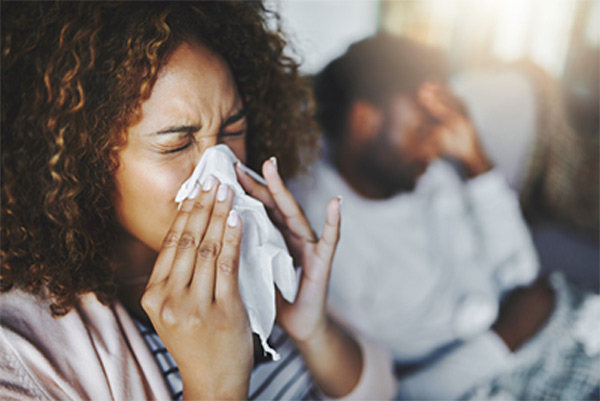
High humidity during the monsoon season encourages the growth of bacteria and viruses. Here are tips to avoid infection during the rainy season.

The rainy season brings relief from the scorching heat but it can also increase the risk of infections as the moisture in the air and the waterlogging on roads create an environment that is conducive to the growth of bacteria and viruses. Many of us love the rainy season and want a break from the summer sweat however, monsoon rains bring many diseases including eye related infections therefore, it is very important to take proper care of your eyes.

Eye infections are one of the most common ailments during the monsoon season, with over 20 million cases reported annually in India alone, according to the Indian Journal of Ophthalmology. By taking necessary precautions and seeking medical attention when necessary, we can help protect our eyes and prevent potentially serious eye infections.

In an interview with HT Lifestyle, Dr Sandeep Buttan, Technical Lead at Eye Health and Health System Strengthening at Sightsavers India, said, “As an ophthalmologist, I cannot stress enough the importance of taking necessary precautions to prevent eye infections during the monsoon season. This time of year presents a number of challenges for maintaining good ocular hygiene, but with the right strategies, we can help protect our eyes and prevent potentially serious eye infections. One of the biggest challenges during the monsoon season is the high humidity, which encourages the growth of bacteria and viruses. Wet surfaces also retain agents of infections, and there is a potential for exposure to contaminated water. Frequent contact between hands and eyes can also increase the risk of eye infections, particularly for children.”

He added, “There are certain high-risk cases to consider, such as those with existing eye conditions like diabetes, allergies, or dry eyes, as well as contact lens wearers and those who have recently had eye surgery. In these cases, it is particularly important to take extra precautions to protect the eyes. The symptoms of eye infections during the monsoon season may include increased irritability, redness, and discomfort, as well as lid infections (stye – painful swelling over the lids) and conjunctivitis (red/ pink eyes) with sticky eyes. If you experience any of these symptoms, it is important to seek medical attention from an eye specialist.”

Tips on how to avoid infection during the rainy season

To prevent eye infections during the monsoon season, he suggested that it is important to improve the general level of cleanliness through regular hand washing and face washing. Dr Sandeep Buttan said, “It is also important to avoid rubbing the eyes, particularly for children. Contact lens users should avoid exposure to rainwater and follow proper lens care practices to reduce the risk of infection. Finally, use of antibiotic eye drops should only be done on the advice of a specialist. Statistics from reputable organizations help support the importance of these practices. For example, the American Academy of Ophthalmology reports that contact lens wearers are more likely to develop eye infections if they use tap water or do not properly clean their lenses. Additionally, a study published in the Journal of Hospital Infection found that hand hygiene interventions can reduce the incidence of eye infections by up to 50%.”

Dr Pankaj Chaudhary, Senior Consultant, Internal Medicine at Max Hospital in Vaishali, recommended five tips to avoid infection during the rainy season –

  1. Keep yourself clean and dry: One of the most effective ways to prevent infections is to keep yourself clean and dry. Make sure to take a bath daily and dry yourself thoroughly. Avoid wearing wet clothes or shoes for a long time as it can create a breeding ground for bacteria.
  2. Drink clean water: Waterborne diseases like cholera and typhoid are common during the rainy season. Make sure to drink only clean and filtered water. If you are not sure about the quality of water, boil it before drinking.
  3. Eat healthy and hygienic food: The rainy season is also a time when food contamination is high. Avoid street food and unhygienic eateries. Make sure to wash fruits and vegetables thoroughly before consuming them.
  4. Boost your immunity: A strong immune system can help you fight off infections. Eat a balanced diet, exercise regularly and get enough sleep to boost your immunity. You can also take supplements like vitamin C to strengthen your immune system.
    1. Avoid crowded places: Crowded places like markets, malls and public transport are breeding grounds for infections. If possible, avoid going to crowded places during the rainy season. If you must go, wear a mask and maintain social distancing.

    Bringing his expertise to the same, Dr Shantanu Mukherjee, Senior Consultant at Sharp Sight Eye Hospitals, advised five eye care tips to keep your eyes healthy this summer –

    1. Keep your eyes protected from rainwater: Even if you like to play, dance and bath in the rain, don’t let the rainwater get directly into your eyes. Don’t open your eyes and enjoy the rain hitting your face. Although the rain is clean, it collects tons of germs, microbes and atmospheric pollutants as it falls, which are harmful for the eyes. That’s why you need to protect your eyes from the rain to avoid any potential eye infections.

    2. Never share your towels or napkins with anyone: Eye infections are contagious. Therefore, the transmission of germs and diseases from one person to another through personal hygiene items (such as hand towels, bath towels, and handkerchiefs) can cause the spread of this disease.

    3. Eat healthy food: Rain and roadside chai-pakoda may seem like a match made in heaven to many but may also cause a magnified risk of contracting eye problems. Therefore, avoid the consumption of oily snacks, and aerated drinks. Instead, you should opt for healthy snacks, fruits, and salads. During the rainy season, include green leafy vegetables, corn, strawberries, yogurt and eggs in your diet.

    4. Try to avoid wearing contact lenses: Try to avoid wearing contact lenses during rainy season as they can cause extreme dryness in the eyes which may result in redness and irritation. Sometimes, it may also lead to severe corneal infection and loss of vision. Always try to keep your glasses clean and dry.

    5. Do not self medicate: We often think that our eye related infections are a trouble for only a few days and will pass away in a couple of days. During this time, most of the people visit a nearby chemist store and get some eye drops or medication not prescribed by a doctor to treat their eye problems, which is not a correct practice. In case you experience even the slightest symptoms of eye infections during monsoon season, you must seek an appointment with your eye doctor.

    Dr Shantanu Mukherjee concluded, “If you wake up with red, swollen and itchy eyes, there is a strong possibility that your eyes are infected. A little eye care goes a long way in preventing infections and keeping your eyes healthy so you can enjoy the rainy season without any problems. However, if you still have symptoms of an eye infection despite taking all precautions, consult your ophthalmologist immediately.”

    By following these simple tips, you can avoid infections during the rainy season. Remember to keep yourself clean and dry, drink clean water, eat healthy and hygienic food, boost your immunity and avoid crowded places.

    Read more at-https://shorturl.at/oBL28
Categories
COVID-19 Government Guidelines Medical Equipments Medical Updates Medicine & Health

Overflowing Yamuna raises risk of dengue; common signs and symptoms of the disease you should know

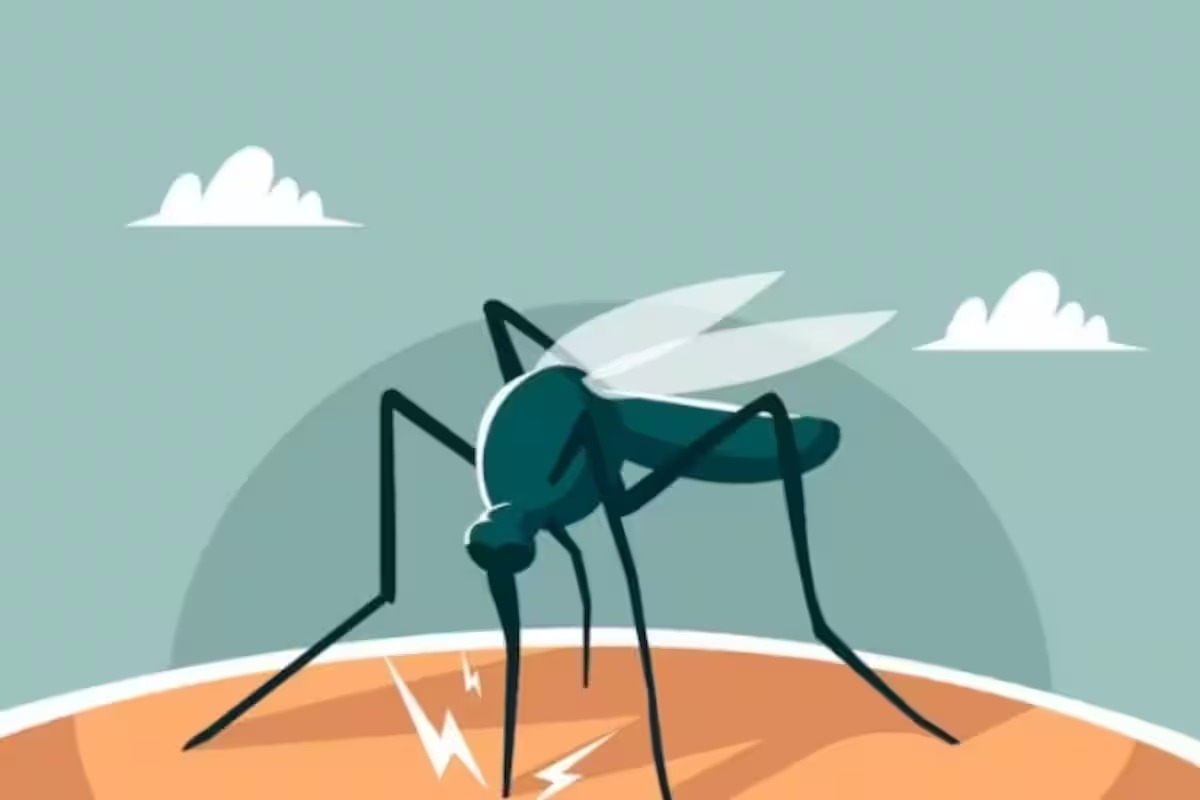
The flooding of Yamuna river inundating low-lying areas has led to the fear of dengue spread. High-grade fever to severe headaches, here’re symptoms of dengue.

While dengue cases have been on the rise ever since the monsoon rains began in the national capital, the flooding of Yamuna river inundating low-lying areas has led to the fear of virus spread growing multi-fold. Almost 140 cases of dengue were reported in Delhi which has raised alarm over the spread of the deadly virus. Transmitted by bite of mosquito, dengue can have both mild and major symptoms. People who have suffered from dengue previously are at higher risk of getting severe dengue. Prevention is always better than cure in case of dengue. The mosquitoes that spread the disease are active during the day and people are at risk of getting bitten while doing their chores, working or even sitting. To tackle this, full sleeved clothes should be worn, and use of mosquito repellents are suggested even during the day.

“With monsoon around the corner, we anticipate dengue and other vector borne diseases. Till last year, statistics show number of cases of the vector-borne disease climbing to over 3000 plus in national capital, according to NVBDCP report. We all are aware that dengue is a viral illness which gets transmitted through the bite of female Aedes mosquitoes. Dengue fever cannot spread directly from person to person unlike Covid-19 or flu, says Dr Neha Rastogi Panda, Consultant, Infectious Disease, Fortis Memorial Research Institute, Gurugram.

Overflowing Yamuna raises risk of dengue; common signs and symptoms of the disease you should know

Dengue is a viral disease transmitted by the infective bite of a mosquito called Aedes aegypti. Human beings develop disease after 5–6 days of being bitten by infected female mosquitoes that feed both indoors and outdoors during the daytime (from dawn to dusk). These mosquitoes thrive in areas with standing water including puddles, water tanks, containers and old tires. It occurs in two forms – classical dengue fever also known as ‘break bone’ fever and dengue haemorrhagic fever (DHF) which is life threatening. It is highly contagious and spreads from one person to another through mosquito bites,” says Dr Tushar Tayal, Consultant- Internal Medicine, CK Birla Hospital, Gurugram.

“The infection is characterized by flu-like symptoms which include a sudden high-grade fever coming in separate waves, pain behind the eyes, muscle, joint and bone pain, severe headache, abdominal fullness and discomfort and a skin rash with red spots which happens by the fifth day of illness,” says Dr Tayal.

Dengue illness can be prevented by using basic steps of hygiene and source control to ensure and eliminate any possible breeding locations in your home, such as watering cans, buckets, and clogged drains.

Signs and symptoms of dengue explained by Dr Panda

1. High fever: One of the primary signs of dengue fever is a sudden onset of high fever, often reaching 104°F (40°C). The fever typically lasts for 2 to 7 days.

2. Severe headache: Dengue fever is often accompanied by an intense headache, especially behind the eyes. This headache can be debilitating and persistent.

3. Pain behind the eyes: Individuals with dengue fever may experience pain and discomfort behind their eyes. This symptom is often described as a deep ache.

4. Joint and muscle pain: Dengue fever is known for causing severe joint and muscle pain, earning it the nickname ‘breakbone fever.’ The pain can be widespread and excruciating.

5. Rash: A characteristic rash may develop on the skin after a few days of fever. It typically appears as small, red, and raised spots and can be itchy.

6. Nausea and vomiting: Dengue fever can cause gastrointestinal symptoms such as nausea, vomiting, and abdominal pain. These symptoms may contribute to dehydration.

7. Fatigue: Individuals affected by dengue often experience extreme fatigue and weakness, even after the fever subsides. This fatigue can persist for weeks.

8. Bleeding: In some cases, dengue fever can lead to bleeding manifestations, such as nosebleeds, bleeding gums, or easy bruising. If severe, it may indicate dengue hemorrhagic fever, a potentially life-threatening condition.

Myths associated with dengue

“More than this illness, myths and panic associated with dengue is viral. The majority (90%) of people recover from this viral infection without much medical intervention following simple dictum of preventing dehydration by drinking with plenty of water, ensuring rest and relief of fever and pain with paracetamol. Severe/complicated dengue is seen in only about 10 per cent patients and only 5 per cent of dengue patients need to be hospitalised,” says Dr Panda.

“It is essential to note that dengue symptoms can vary from person to person, and some individuals may have mild or no symptoms at all. However, anyone experiencing the aforementioned symptoms, especially in areas with a high prevalence of dengue, should seek medical attention promptly,” concludes Dr Panda.

Read more at-https://shorturl.at/DEKQV

Categories
Government Guidelines Medical Equipments Medical Updates Medicine & Health

Cancer can occur at any time or age; symptoms and warning signs to look out for

Cancer can occur at any time or age, although the risk generally increases with age. Be aware of these symptoms whether they be genetic or related to lifestyle.

Cancer is characterised by the abnormal growth and division of cells in the body, which can form tumours or invade nearby tissues and there are numerous types of cancer, each with its own unique characteristics and treatment approaches but can have devastating effects on individuals and their families, causing physical, emotional and financial challenges. However, advancements in medical research and technology have led to improved diagnosis, treatment and survival rates for many types of cancer where prevention and early detection play a crucial role in fighting against cancer, emphasising the importance of healthy lifestyle choices, regular screenings and awareness of risk factors.

Support networks, medical professionals and research institutions tirelessly work towards finding better treatments and ultimately, a cure for this disease but the battle against cancer requires a collective effort from individuals, communities and organisations to raise awareness, support those affected and contribute to ongoing research efforts, with the ultimate goal of eradicating cancer and improving the quality of life for those impacted by it. In an interview with HT Lifestyle, Dr Vikram Vora, Medical Director at Indian Subcontinent – International SOS, shared, “Cancer can indeed occur at any time or age, although the risk generally increases with age. It’s essential to be aware of the risks whether they be genetic or related to lifestyle.”

Cancer can occur at any time or age; symptoms and warning signs to look out for

He advised, “Vulnerable individuals must be aware of the symptoms and signs of cancer so that they can seek early medical intervention. Some common symptoms and warning signs like unexplained weight loss, fatigue, changes in skin colour, persistent pain, changes in bowel or bladder habits, unusual bleeding, difficulty swallowing or persistent indigestion, changes in a cough or hoarseness, lumps or thickening are associated with cancer and could indicate malignancies. These abnormalities can occur at any age and not gender-specific. Regular check-ups and screenings can help detect cancer early, when there is a high likelihood of a favourable response to treatment.”

Bringing his expertise to the same, Dr (Prof) Vijay Patil, Consultant – Medical Oncology at PD Hinduja Hospital and MRC in Mumbai, echoed that cancer is a disease that can occur at any time or age, though it is commonly known to affect older individuals. He said, “It is important to understand that cancer does not discriminate based on age, gender or lifestyle choices. While certain factors such as exposure to harmful chemicals, smoking and poor dietary habits can contribute to the development of cancer, there are cases where people with no known risk factors have also been diagnosed with the disease. Early detection and regular screening are crucial in detecting cancer in its early stages, regardless of age, and can significantly improve outcomes for patients.”

He too highlighted that the common symptoms and warning signs of cancer include unexplained weight loss, persistent fatigue, changes in bowel or bladder habits, difficulty swallowing, persistent coughing or hoarseness, unusual bleeding or discharge, lumps or thickening in the breast or other body parts, unexplained pain and fever. He concluded, “It is important to note that these symptoms are not exclusive to cancer and could also be due to other medical conditions. If you experience any of these symptoms for an extended period, it is recommended that you see a healthcare professional for further evaluation. Early detection and treatment can improve the chances of successful cancer treatment.”

Read more at-https://shorturl.at/zBGZ4

Categories
COVID-19 Government Guidelines Medicine & Health

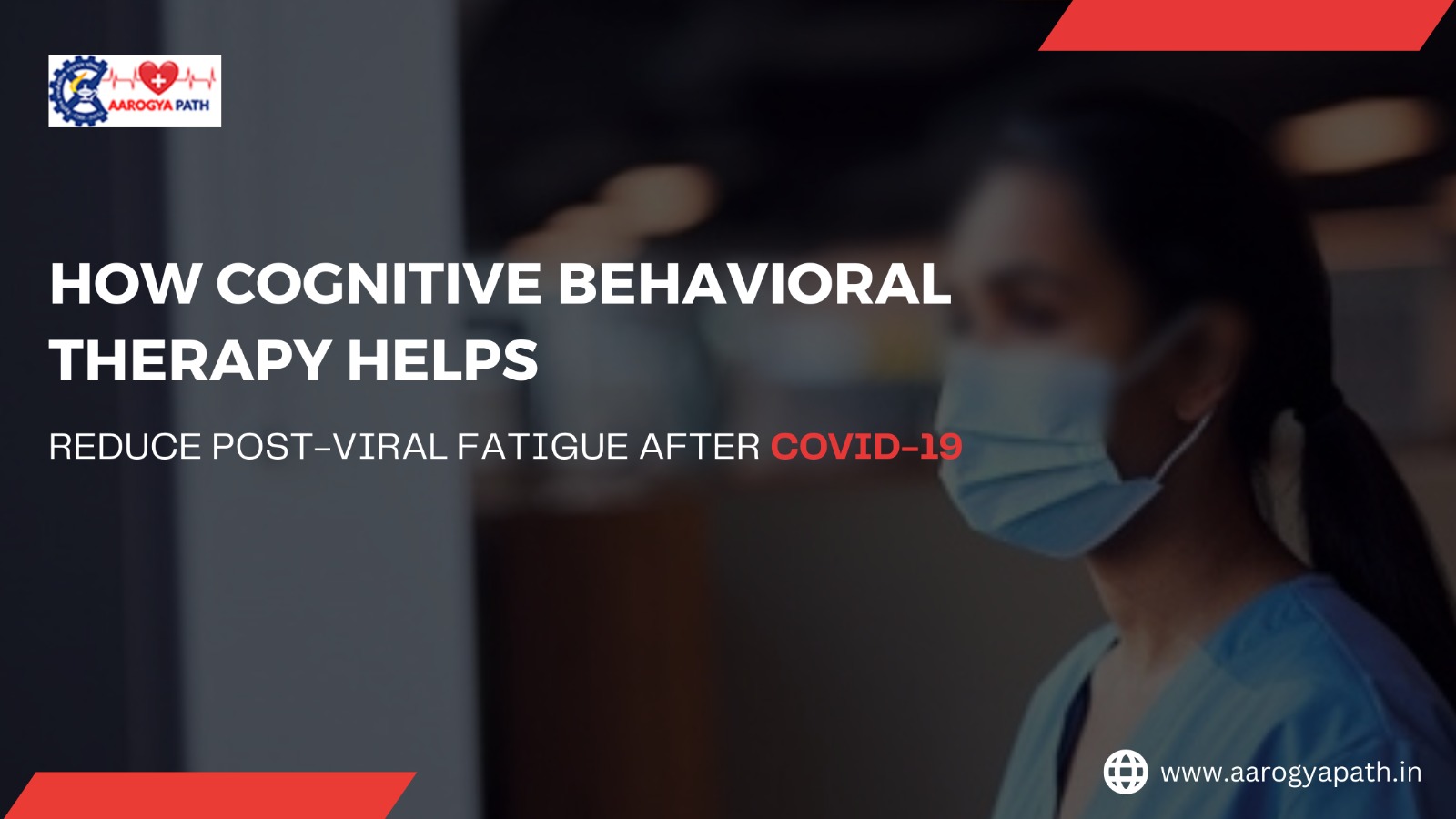
How cognitive behavioral therapy helps reduce post-viral fatigue after Covid-19: Study

Those who suffer from COVID-19 post-viral fatigue benefit from cognitive behavioural treatment, which results in fewer fatigue and attention issues.

Those who suffer from COVID-19 post-viral fatigue benefit from cognitive behavioural treatment, which results in fewer fatigue and attention issues.

Lead researcher, Hans Knoop, Professor of Medical Psychology at Amsterdam UMC found that “After behavioural therapy, patients not only had less symptoms but also functioned better both physically and socially. Those improvements were still present even after six months.” Today, research from Amsterdam UMC, RadboudUMC and three other hospitals is published in Clinical Infectious Diseases.

How cognitive behavioral therapy helps reduce post-viral fatigue after Covid-19

Following a COVID-19 infection, a significant majority of individuals experience persistent symptoms. The most prevalent symptom is extreme and persistent exhaustion, which is also known as long-COVID or Post-Covid Syndrome. those who underwent cognitive behavioural therapy were compared to those who got standard treatment in the ReCOVer research, which was supported by ZonMw. Typical care included GP or expert monitoring, physiotherapy, and/or occupational therapy.

Cognitive behavioural therapy for patients with persistent fatigue after COVID-19 focuses on reducing fatigue by dealing with the symptoms differently. “Together with patients, we look, for example, at how they can improve their sleep-wake rhythm. We also help them become more active again with small, safe steps. For example, by going for short walks,” said Knoop.

Cognitive behavioural therapy has clear results for these patients. Most participants experienced significantly less fatigue and improved concentration after treatment. They also made significant progress socially and physically. The results also proved to be stable over time. After six months, the differences, compared with those received regular care, were still present. “Cognitive behavioural therapy also appears to be a safe treatment. Our research shows that the symptoms did not worsen, and new symptoms arose less often,” added Knoop.

Read more at-https://bit.ly/3Bm1ltg

Categories
Government Guidelines Medical Equipments Medical Updates Medicine & Health

Health expert on the best treatments for asthma

You should know that best symptoms are controlled via medication only. Health expert reveals the best treatments for asthma.

Asthma is a lung disease leading to the narrowing of the airways and is blocked by excess mucus thus, one will have breathing problems. The symptoms of asthma are wheezing, fatigue, cough, chest tightness and even weakness and if left untreated, asthma can lead to higher morbidity and mortality rates in the country.

The causes of asthma can be attributed to pollen, dust mites, feathers, smoke, fumes, and pollution thus, it will be imperative for one to seek treatment without any delay. You will have to follow the instructions given by the doctor only and you should know that symptoms are controlled via medication only.

In an interview with HT Lifestyle, Dr Abhijit Ahuja, Pulmonologist at Zen Multispeciality Hospital in Chembur, suggested the following as the best treatments for asthma:

· You need to sit with the doctor and decide on the action plan. One will be prescribed medication to manage the symptoms of asthma. You shouldn’t self-medicate as doing so can be risky. You will have to note down the triggers and manage them accordingly.

· Take bronchodilators which are medications beneficial for making breathing easier by relaxing the muscles in the lungs and widening the airways (bronchi). They can help to deal with the symptoms of asthma. You should take the medication in the mentioned dosage. Do not skip the medication at all. If you are taking steroids then you will have to do so under the guidance of the treating doctor.

Health expert on the best treatments for asthma

· One can even take injections. If you are detected with severe asthma then injections containing medicines called biologic therapies are given to the patient. These can help to control the symptoms of asthma. These medications are not advised to each and every one. The doctor will examine you and then only recommend the symptoms.

· Bronchial thermoplasty is the type of surgery that can be recommended by the doctor for asthma patients.

· One with asthma will have to do breathing exercises to improve lung capacity. You can ask the expert about the exercises that are suitable for you.

· Follow a well-balanced diet. It will be imperative for you to eat well. Avoid eating foods that are high in fat and calories. Stay away from sweets, desserts, sodas, and colas. Take supplements advised by the doctor only and do not go overboard on them.

· Exercise daily for at least 30 minutes every day and you will surely feel better. But, do not do any rigorous activities. You will have to speak to the fitness trainer before initiating any fitness routine.

Read more at-https://bit.ly/3VmAvKL

Categories
COVID-19 Government Guidelines Medical Updates Medicine & Health

India’s new COVID-19 cases jump 30% to 10,158; active tally nears 45,000-mark

Synopsis

The detection of new cases over the last 24 hours is a sharp 29.7% jump from 7,830 cases reported on Wednesday. Amid the recent upsurge in the number of Covid cases, medical experts have warned that the new XBB1.16 variant is able to evade the immune system of the people and the upcoming four weeks are very crucial.

Total instances of Covid-19 infections went up by 10,158 over the last 24 hours while active infections rose to 44,998, as per the latest data available on the Union Health Ministry website.

The detection of new cases over the last 24 hours is a sharp 29.7% jump from 7,830 cases reported on Wednesday.

The number of active cases has increased to 44,998, the data updated on Thursday showed.

India had reported 7,830 coronavirus infections on Wednesday.

The daily positivity rate was recorded at 4.42 per cent while the weekly positivity rate was 4.02 per cent. The active cases now constitute 0.10 per cent of the total infections.

India's new COVID-19 cases jump 30% to 10,158; active tally nears 45,000-mark

The nationwide COVID-19 recovery rate has been recorded at 98.71 per cent,according to the health ministry website. The case fatality rate was recorded at 1.19 per cent.

The number of people who have recuperated from the disease rose to 4,42,10,127.

According to the ministry’s website, 220.66 crore doses of Covid vaccine have been administered in the country.

Covid in India is moving towards the endemic stage, so the cases may keep rising for the next 10-12 days after which they will subside, official sources told PTI on Wednesday. The sources said even though the cases are increasing, hospitalisation is low and expected to remain low.

The current rise in Covid cases is being driven by XBB.1.16, which is a sub variant of Omicron, they added.

While Omicron and its sub-lineages continue to be the dominant variant, most of the assigned variants have little or no significant transmissibility, disease severity or immune escape.

The prevalence of XBB.1.16 increased from 21.6 per cent in February this year to 35.8 per cent in March. However, no evidence of an increase in hospitalisation or mortality has been reported, the source added.

Officials say more than 10 lakh beds are currently available across the country. Out of which, over 3 lakh beds are oxygen-supported, 90,785 are ICU beds, and 54,040 are ICU-cum-ventilator beds.

As part of the government healthcare infrastructure preparedness, 77,923 ventilators are functional, 261,534 oxygen concentrators, 685,567 oxygen cylinders are functional.

Besides a total 8,652,974 PPE kits and 28,039,957 N-95 masks are in stock. The health ministry has also stocked 668,432,658 paracetamol doses, 97,170,149 doses of Azithromycin and other essentials.

Also, 14,698 total Basic Life Support Ambulances and 4,557 Advance Life Support Ambulances are available. In addition to this, the government has 208,386 doctors oriented on Covid-19 management.

Read more at-https://bit.ly/41GgO28

Categories
COVID-19 Government Guidelines Medical Equipments Medical Updates Medicine & Health

New Covid variant Arcturus or XBB.1.16: Experts on tips for people with diabetes, hypertension

A new Covid variant Arcturus or XBB.1.16 is leading to rise in infections across the country. Here’s what people with chronic diseases should do.

Covid variant Arcturus or XBB.1.16 is driving the current surge of Covid infections across the country and while this has left people worried, experts assure that there is no need to panic and with social distancing, masking, vaccination and other precautions, one can curb the spread. While people infected with Covid are largely reporting mild symptoms, those who have chronic diseases need to be careful as experts warn they are at risk of severe complications from the disease. Experts note that people with diabetes, blood pressure or other chronic diseases may have more risk of ICU admission and death as compared to others and thus it’s important for them to manage their disease well.

“Cardiovascular disease risk is increased in such patients. Diabetes mellitus causes micro and macrovascular problems, including cardiovascular disease. It has been shown that diabetic people with Covid-19 are at a greater risk of developing it. Covid-19 might cause an increase in blood pressure, so make sure to take your medicines as prescribed. Ask your doctor if you should start monitoring your blood pressure at home or adjust your medications. If you’re unwell, you should check your blood sugar more frequently. If it remains above 250 mg/dL, see your doctor,” says Dr Aniket Mule, Consultant Internal Medicine, Wockhardt Hospitals, Mira Road.

New Covid variant Arcturus or XBB.1.16: Experts on tips for people with diabetes, hypertension

“Non-communicable diseases such as diabetes, hypertension and other metabolic problems are known as the bedrock for many other life-threatening health conditions. During the second wave of the pandemic, it was widely documented that people with diabetes and poor glycaemic control had 5 times higher rate of ICU admissions and deaths compared to those without the condition. Therefore, it is imperative for them to focus on glycaemic control. A recent study by ICMR revealed that 60% of Indians with diabetes have poor glycaemic control, and we can imagine how challenging it has been for all stakeholders to keep the ICU admissions and fatalities as low as possible in these circumstances,” says Dr Arbinder Singal, CEO and Co-Founder, Fitterfly.

Hypertension can cause Covid complications too

Dr Singal says hypertension also affects patients in ways similar to diabetes as far as Covid risk is concerned.

“It was also revealed that in 40% of the people with diabetes, hypertension was a co-existing condition. It has also been observed that in many cases where patients had diabetes and hypertension co-existing, there was a greater occurrence of blood clotting, and the impact of Covid proved to be extremely severe in these instances. Another important thing to note is that in the case of people with severe Covid infections, steroids were administered as medicines, and they can cause a sharp spike in blood glucose,” says Dr Singal.

How people with chronic diseases can manage Covid

“Isolate the individual who has Covid or is awaiting test results within the home. You and everyone the sick person lives with or has lately lived with are now considered close contacts of a Covid patient,” says Dr Mule.

“The most important thing is to continuously monitor blood glucose and blood pressure levels. COVID can cause a spike in both. If there is a rise in blood glucose, then appropriate medication etc. should be taken in consultation with the healthcare specialist,” says Dr Singal.

What preventive measures can people take

“Do not enter the same room as the ill individual unless both of you wear a mask covering your mouth and nose. If using cotton masks, they should fit securely and have many layers; surgical masks or N95 masks provide better protection. By cracking up a window, they may keep air moving in their space. Set up a fan aiming out the window if feasible or use an air filtration device that you buy or create.

To keep virus particles out of the air, make sure the ill person coughs into their mask or cloth, or their elbow or a tissue. Tissues should be discarded after one use. Wash your hands frequently and thoroughly with soap or an alcohol rub. Soap or disinfectants can be used to clean surfaces,” adds Dr Mule.

“People with diabetes must be extremely careful about their blood sugar levels and regularly monitor them. It is a must to ensure adherence to the medication schedule alongside regular exercise, nutrition, rest, hydration etc. Good blood sugar control of HbA1c of less than 7 and fasting levels of less than 126 can be very helpful in preventing the risk of Covid infections. For achieving a good glycaemic control, lifestyle interventions using as digital therapeutics programs can help. Another important thing is to ensure adequate nutrition through a healthy diet that includes fruits and vegetables and meets the body’s need for micro-nutrients,” adds Dr Singal.

Read more at-https://bit.ly/41wkmUG

Categories
COVID-19 Government Guidelines Medical Equipments Medical Updates Medicine & Health

Chromosomal breakage caused by virus can lead to cancer: Study reveals

EBV is a common virus that spreads through saliva and affects over 90% of the global population during childhood.

When people kiss, share drinks, or use the same eating utensils, the Epstein-Barr virus (EBV) primarily transmits through saliva. It should therefore come as no surprise that EBV is one of the most widespread viruses, affecting more than 90% of the population of world, primarily during childhood. The findings of the study were published in the journal Nature.

EBV is a cause of infectious mononucleosis and other infections, however frequently there are no symptoms. Although the majority of infections are small and transient, the virus is still present and can occasionally go dormant or reactivate. Long-lasting latent infections are associated with a number of cancers as well as several chronic inflammatory disorders.

Researchers at University of California San Diego, UC San Diego Moores Cancer Center and Ludwig Cancer Research at UC San Diego, describe for the first time how the virus exploits genomic weaknesses to cause cancer while reducing the body’s ability to suppress it.

These findings show “how a virus can induce cleavage of human chromosome 11, initiating a cascade of genomic instability that can potentially activate a leukemia-causing oncogene and inactivate a major tumor suppressor,” said senior study author Don Cleveland, PhD, Distinguished Professor of Medicine, Neurosciences and Cellular and Molecular Medicine at UC San Diego School of Medicine.

“It’s the first demonstration of how cleavage of a ‘fragile DNA’ site can be selectively induced. “Throughout every person’s genome or full set of genes are fragile sites, specific chromosomal regions more likely to produce mutations, breaks or gaps when replicating. Some are rare, some are common; all are associated with disorders and disease, sometimes heritable conditions, sometimes not, such as many cancers.

Chromosomal breakage caused by virus can lead to cancer: Study reveals

In the new study, Cleveland and colleagues focus on EBNA1, a viral protein that persists in cells infected with EBV. EBNA1 was previously known to bind at a specific genomic sequence in the EBV genome at the origin of replication. The researchers found that EBNA1 also binds a cluster of EBV-like sequences at a fragile site on human chromosome 11 where increasing abundance of the protein triggers chromosomal breakage.

Other prior research has shown that EBNA1 inhibits p53, a gene that plays a key role in controlling cell division and cell death. It also suppresses tumor formation when normal. Mutations of p53, on the other hand, are linked to cancer cell growth.

When the scientists examined whole-genome sequencing data for 2,439 cancers across 38 tumor types from the Pan-Cancer Analysis of Whole Genomes project, they found that cancer tumors with detectable EBV revealed higher levels of chromosome 11 abnormalities, including 100% of the head and neck cancer cases.

“For a ubiquitous virus that is harmless for the majority of the human population, identifying at-risk individuals susceptible to the development of latent infection-associated diseases is still an ongoing effort,” said the study’s first author Julia Li, PhD, a postdoctoral fellow in Cleveland’s lab.

Read more at-https://bit.ly/3okwx93

Categories
COVID-19 Government Guidelines Medical Equipments Medical Updates Medicine & Health

Covid XBB.1.16: Symptoms of new Covid variant Arcturus in adults, children and elderly

Here are the symptoms of new Covid variant Arcturus or XBB.1.16 in adults, children and elderly. All you want to know.

Covid variant XBB.1.16, also known as Arcturus, has been dubbed as the ‘variant under monitoring’ by WHO (World Health Organisation) after it was found to be spreading fast in many parts of the world. According to recent WHO data, a total of 712 XBB.1.16 sequences were found in 21 countries. XBB 1.16 is a subvariant of the Omicron variant, which emerged in late 2021 and has since then replaced delta as the dominant variant around the world. Carrying additional spike mutations, Arcturus variant is considered more transmissible and immune-evasive than its predecessors and may escape immunity acquired by previous infections or vaccines. While the symptoms of XBB.1.16 are not very different from the previous strains and the disease caused by it largely remains mild, in case of vulnerable population like children and elderly, it can cause slightly different symptoms.

What is XBB.1.16 or Arcturus?

“XBB.1.16 variant, a sub-lineage of Omicron variant, is believed to be the cause of recent concerning surge in number of Covid cases. According to available reports based on genome sequencing, XBB 1.16 has few additional spike mutations. As per the available data, it seems to more transmissible and immune evasive, i.e. causing infections in patients with pre-existing natural or vaccine induced immunity,” says Dr Rohit Kumar Garg, Consultant, Department of Infectious Diseases, Amrita Hospital, Faridabad.

Covid XBB.1.16: Symptoms of new Covid variant Arcturus in adults, children and elderly

Common symptoms of XBB.1.16 or Arcturus in adults

Experts say the loss of taste and smell seen in the days of spread of Delta variant is uncommon now while symptoms like fever, sore throat, running nose, body ache, diarrhoea, fatigue are more common in Covid patients.

“The symptoms of XBB 1.16 are not much different from previous variants. Some of the common symptoms in adults include fever, sore throat, running nose, cough, body ache, myalgia, fatigue, diarrhoea. Symptoms due to shortness of breath, low oxygen saturation, respiratory distress can be seen in patients who develop severe illness,” says Dr Garg.

“Infected adults may experience symptoms like fever, cough, cold, nasal discharge/running nose, blocked nose, sneezing, soreness and irritation in throat, scratchy throat, change of voice/hoarse voice, shortness of breath, headache, body aches, fatigue, nausea, diarrhoea, chest pain. Loss of taste and smell as seen with Delta variant of Covid-19 is not much seen now,” says Dr Gurmeet Singh Chabbra, Director- Pulmonology, Marengo Asia Hospitals, Faridabad.

Symptoms of XBB.1.16 or Arcturus in children

Children in addition to sore throat, runny nose, blocked nose may have conjunctivitis or pink eye in this current surge of Covid infections.

“XBB.1.16 variant symptoms reported in children are high fever, cough, itchy conjunctivitis — or pinkeye — without pus, but with ‘sticky eyes’. Scratchy throat also leading to difficulty in swallowing, running nose, blocked nose seems to be more common symptoms in current Covid variant,” says Dr Chabbra.

“In cases of children, an additional symptom i.e., an itchy, pink eye (conjunctivitis) has been noted amongst others,” says Dr Garg.

“XBB covid in children has behaved like any other viral infection. Symptoms are typically indistinguishable from flu-like illness. Children get secondarily affected after someone in the family is infected with Covid. The treatment is aimed at maintaining hydration, giving paracetamol, multivitamins and bedrest with quarantine for 5 days. Most of the children recover very well. There is no need to panic with this new strain, especially for children. Children above 12 years should get Covid vaccination done,” says Dr Prashant Udavant, Paediatrician, Neonatologist at Ruby Hall Clinic.

Symptoms of XBB.1.16 or Arcturus in elderly or those with chronic conditions

Elderly patients must be treated keeping in account their risk factors considering they are more at risk to develop severe disease.

“According to available data, there is no increased severity associated with XBB 1.16 infection, compared to recently circulating variants. The nature of diseases is mild illness in majority of the patients infected with XBB 1.16. A very minor proportion of patients, with high-risk conditions such as elderly age group, immunocompromising condition (cancer, HIV, steroids etc), comorbid conditions such as diabetes, cardiovascular conditions, respiratory conditions etc, have been noted to develop severe disease,” says Dr Garg.

“Symptoms in elderly are usually the same as in an adult. But elderly is more prone to develop severe disease on account of their age-related immunosenescence (age related dysfunction of immune system) and associated co-morbid conditions rendering them prone to a more prolonged suffering and death,” says Dr Chabbra.

“Elderly may have a relatively lower temperature on presentation than an adult as mean body temperature decreases with age. As per IDSA modification of temperature of 99-degree Fahrenheit measured twice or single oral temperature of more than 100-degree Fahrenheit or incremental increase of 2-degree Fahrenheit from base line should be considered as definition of fever in elderly,” as per Dr Chabbra.

“Elderly, especially those over 85 years of age, are more likely to present with delirium and asthenia. It may be difficult to differentiate acute cough and shortness of breath in elderly patients with chronic lung disease,” adds Dr Chabbra.

Prevention tips for XBB.1.16

Dr Chabbra says people should wear triple-layered masks, take care of hand hygiene and follow social distancing measures. According to the expert, vaccination may prevent hospitalisation and severe disease in those with risk factors of severe disease.

“Avoid venturing outside in crowded areas unless necessary. Avoid touching your nose, eyes and mouth.

Isolate yourself immediately if symptoms appear and contact your doctor for further advise. Take adequate rest, maintain hydration, take healthy diet, fruits etc if you have been diagnosed with Covid. You may need multivitamins if found deficient. Your doctor may advise changes in treatment if you are on treatment for some chronic disease. You should monitor your oxygen saturation via pulse oximeter, pulse rate, respiratory rate and inform your doctor accordingly,” says Dr Chabbra.

“Amidst the resurgence of Covid cases and the looming threat of seasonal flu, we must not succumb to fear, but instead empower ourselves with knowledge and take necessary precautions. Influenza symptoms tend to manifest for a brief period of less than a week, with peak intensity lasting 1-2 days. To alleviate these symptoms, the recommended course of action is to administer paracetamol while avoiding antibiotics. Also, patients with comorbidities or underlying health conditions must seek professional assistance. Furthermore, to minimise the likelihood of contracting seasonal infections, it is imperative that basic hygiene protocols and preventive measures are diligently observed. As we presently have a few patients who are hospitalised with moderate to severe Covid pneumonia, it is vital to enforce Covid appropriate conduct, including the use of face masks and self-isolation in the event of influenza-like symptoms, says Dr Arunesh Kumar, Senior Consultant and Head of Pulmonology /Respiratory Medicine, Paras Health, Gurugram.

Read more at-https://bit.ly/3UCYDYV

Categories
COVID-19 Government Guidelines Medical Equipments Medical Updates Medicine & Health

Covid-19 or influenza: dilemma of the day

As H3N2 and Covid-19 present similar symptoms, one can be misconceived as the other; experts help differentiate.

Fever, fatigue and persistent cough are among the many symptoms being witnessed in people across the country in the recent past. But, the question is — is it Covid-19 or H3N2 virus that one is down with?

A subtype of influenza A, H3N2 presents symptoms similar to that of Covid-19. But, experts say the former is leading to more cases of hospitalisation at present. Covid-19 cases are also increasing at a steady pace, with 5,676 cases recorded on April 11 in India.

“We are getting around 20-30 cases every day of people coming in with flu symptoms. Of these, most are testing positive for influenza,” says Dr AK Jhingan, senior director, Internal Medicine at BLK MAX Hospital.

Covid-19 or influenza: dilemma of the day

Key differences

Though testing is the safest way to differentiate, a cursory understanding of the symptoms may help doctors understand whether one is suffering from influenza or Covid-19 and prescribe tests accordingly.

“Both viruses present predominantly with respiratory symptoms as well as flu-like illness, but loss of smell and taste are more common in Covid-19,” says Dr Rahul Roshan, senior consultant, Chest and Respiratory Diseases at a Delhi-based hospital.

While influenza may typically severely impact the elderly population and people with co-morbidities, Covid-19 may give rise to serious illness in people of all ages. Also, when infected with influenza, one may experience symptoms within 1-4 days, while in case of Covid-19, it may take 2-14 days for the symptoms to show.

“Covid-19 mutates faster and attacks the lungs early, whereas influenza may affect the lungs a little later,” says Dr Sunny Kalra, senior consultant, Respiratory Medicine at a Delhi-based hospital.

Coughing is a common symptom. But, it is more prevalent in case of influenza and can leave the patient feeling tired. In case of Covid-19, experts say, cough is comparatively milder.

“H3N2 mainly causes respiratory illness and starts with high fever, sneezing, dry cough and throat pain. On the other hand, Covid-19 may present symptoms such as bodyache, headache, irritability, lethargy and progress later to mild cough, abdominal symptoms such as nausea, vomiting and loss of taste, besides fever and cough,” says Dr Sanjeev Dutta, HOD and senior consultant, Paediatrics at Marengo Asia Hospitals.

Eat right to energise

A wholesome meal is one that is rich in proteins, healthy fats and a moderate quantity of good carbs, besides good vitamin intake. “Regular intake of vitamin C in the form of one lemon a day and prescribed supplements must be taken throughout the year, not just when one catches an infection,” says nutritionist Tripti Tandon. She also suggests opting for fruits over juice: “A glass of juice is made using two-three fruits, increasing the consumption of natural sugar. That can lead to diabetes, if overdone. On the other hand, if you eat a fruit, even a small quantity is filing and the fibre intake is an added advantage.” Some other must-adds to the diet are coconut water, nuts, legumes and sprouts.

Practice Yoga to power through

These cleansing rituals and breathing exercises can help attain physical and mental well-being:

Jal Neti: Cleanses the nasal passage

Vaman DhautiCleanses the digestive track

Anulom Vilom: Increases the oxygen level in the blood, helps attain physical and mental well-being, strengthens immunity

Ujjayi Pranayama: Helps get rid of phlegm in the throat

Surya Bhedi Pranayama: It helps activate the right nostril, which in turn aids in fighting cold, cough and sinus-related problems

Bhramari Pranayama: It helps relieve tension and anxiety

Inputs by Gaurav Chauhan, yoga expert and instructor

Read more at-https://bit.ly/41euq5e