Categories
COVID-19 Government Guidelines Medical Equipments Medical Updates Medicine & Health

Omicron: 7 important tips to prevent Covid infection in winter season

It is important for people to protect themselves from seasonal flu and the possible new immune strains of the Omicron variant of SARS-CoV-2. Here are some tips to follow.

Covid-19 pandemic is far from over and one needs to be especially cautious in winters as it’s the season of viral infections including influenza and Covid. Amid pandemic turning less aggressive and people dropping guards, scientists and infectious disease specialists warn that Covid appropriate measures should continue. WHO Director-General Tedros Adhanom Ghebreyesus said: “Gaps in testing … and vaccination are continuing to create the perfect conditions for a new variant of concern to emerge that could cause significant mortality.” Omicron, the highly contagious variant of Covid, has more than 500 sublineages that is evolving fast. It is important to get tested when one has flu-like symptoms and wear masks in crowded areas. Regular hand-washing should not be ignored and it is important to keep good ventilation in offices, restaurants and other public areas.
Omicron: 7 important tips to prevent Covid infection in winter season

“Covid 19 is a virus and we have been getting viral during the winters. It is important for people to protect themselves from seasonal flu and the possible new immune strains of the Omicron variant of SARS-CoV-2. It’s essential to safeguard yourself from the cold weather and stay healthy throughout the season. Though it seems difficult, there are several ways to keep the commonly suffering ailments away from your family,” says Dr Rajesh Chawla, Senior Consultant Pulmonology and Critical Care, Indraprastha Apollo Hospitals, New Delhi.

Sticking to the basic rules to prevent Covid spread, people should continue to follow measures to keep the deadly infection at bay. Children, elderly and those will chronic illnesses especially should be cautious.

Here are 7 tips to prevent Covid infection this winter season by Dr Chawla:

• Know the symptoms: The flu and COVID-19 are caused by different viruses, but they are both infectious respiratory diseases, spread by droplets and aerosols when infected people cough, sneeze, speak, sing, breathe, etc. They have similar symptoms, including cough, runny nose, sore throat, fever, headache and fatigue. People may have varying levels of illness with both the flu and COVID-19. Because symptoms are similar, it is important to take a test, so that treatment can begin quickly, if needed.

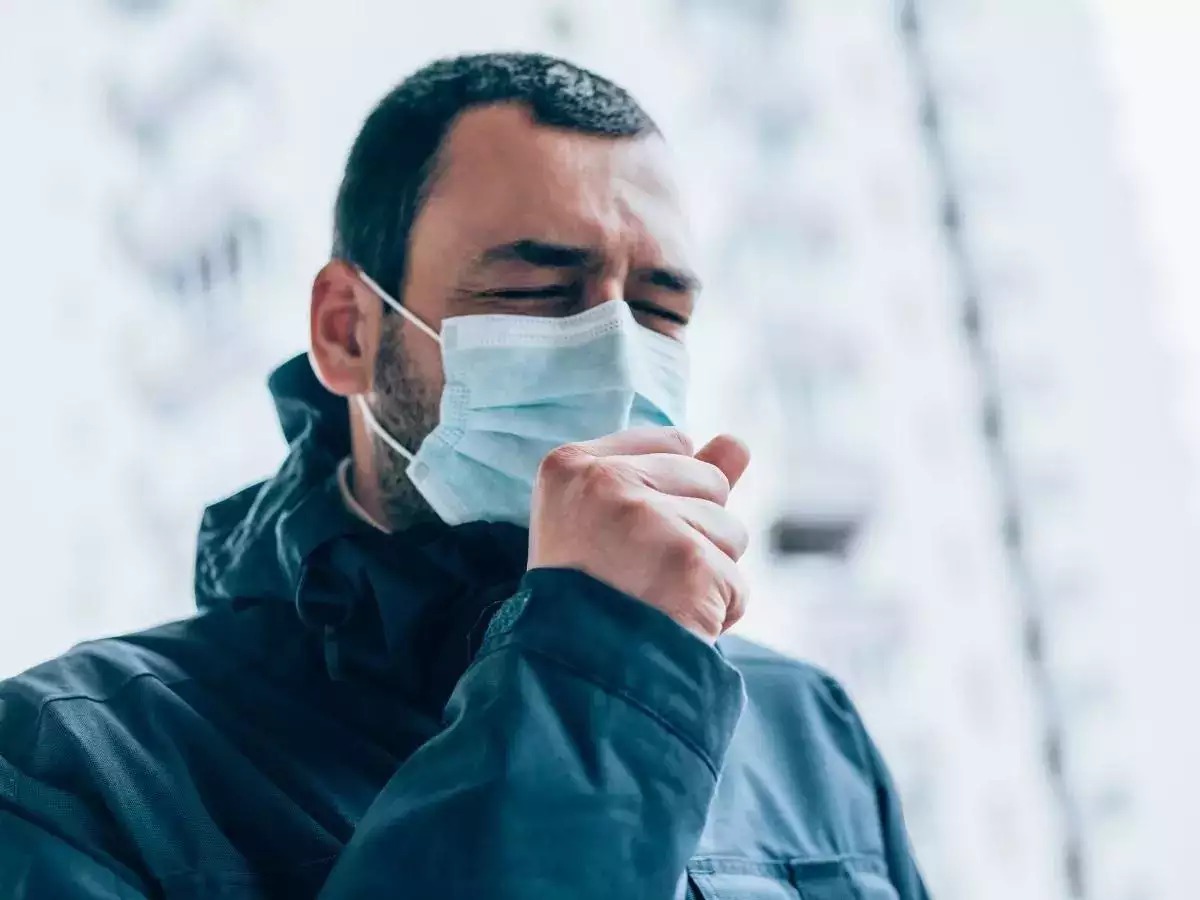
• Cover coughs and sneeze: Following a good respiratory hygiene is extremely important. It is important to cover the mouth and nose with a bent elbow or tissue when one coughs or sneezes.

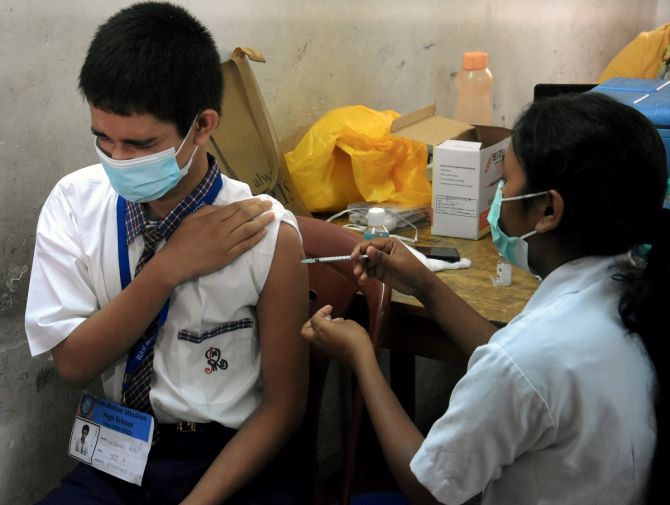
• Get vaccinated: It is essential to get vaccine. Elderly and those with underlying conditions like high blood pressure, lung and heart disease, diabetes, obesity or cancer must get them vaccinated. The more fully vaccinated people there are, the better protected they are as well.

• Wear a mask: Masks help stop people from spreading the virus or being infected when droplets containing the virus are inhaled or come directly into contact with the eyes, nose or mouth

• Keep physical distancing: It is important for all viral infections which can spread from an infected person’s mouth or nose in small liquid particles when they cough, sneeze, speak, sing or breathe. Understanding, the situation, it is advisable to Keep a physical distance of at least 1 metre from other people

• Keep hands clean: People may pick up a virus by touching surfaces that have been contaminated, then touching your eyes, nose or mouth with those hands. Cleaning hands frequently eliminates germs that may be on the hands, including viruses.

• Meet outside or increase ventilation: All these viral infections including COVID-19 is more easily transmitted in crowded and poorly ventilated spaces and where people spend long periods of time together. Settings with increased risk of outbreaks include restaurants, offices and places of worship. Hence, it is advisable to go outside, whenever possible

“There is an increased risk of both the flu and COVID-19 circulating over the next few months. For a safer winter, it is important to understand the symptoms and who is at risk, get vaccinated, take steps to protect, and stay safe,” concludes Dr Chawla.

Read more at-https://bit.ly/3XZrXub

Categories
Medical Equipments Medical Updates Medicine & Health

AIDS awareness: Therapy prescribed for people with HIV

Acquired immunodeficiency syndrome (AIDS) has been in existence for a long time now and people are still not aware of how to deal with the patient. Here’s what doctors recommend.

Acquired immunodeficiency syndrome is a life-threatening chronic condition caused due to the human immunodeficiency virus where HIV is a sexually transmitted infection that damages the body’s immune system further disabling the capability to fight an infection or disease. If HIV is not treated in time, it can lead to AIDS and though AIDS has been in existence for a long time now, people are still not aware of how to deal with the patient.

The stigma around AIDS and HIV continue to exist amongst communities that are unaware of the disease’s know-how hence, it becomes essential to know more about this disease and bust myths surrounding it. HIV still remains to be a major global health issue however, with advancement in diagnosis and treatment, people diagnosed with HIV can live longer and healthy lives.

AIDS awareness: Therapy prescribed for people with HIV

In an interview with HT Lifestyle, Dr Amit Gupta, National Executive Council Member at RSSDI, revealed, “The therapy prescribed for people with HIV usually comprises antiviral medications. Some of these medicines come with the side effect of altering blood sugar levels, especially by increasing the concentration of blood glucose. Therefore, it is recommended that people with HIV should get their glucose levels checked both before starting the course of treatment and during the treatment. This helps keep track of the onset of diabetes.”

Dr Sanjay Gupta, Internal Medicine at Paras Hospital in Gurugram, cautioned, “Infected blood, illicit injection drugs and sharing the same needles with the infected person can spread the disease. If an expecting mother is suffering from AIDS, it can be passed on to the baby during pregnancy and even breastfeeding. Having unprotected sex with an infected can pass on the condition and lead to severe outcomes. According to research, our country has reported more than 17 lakh HIV cases over the past 10 years due to unprotected sex. People are still stubborn about using birth control and this leads to fatal situations in many. Social stigma is a huge culprit and spreads many diseases to the vulnerable crowd as well. Albeit campaigns these days are taking the good initiative to spread the right message and we can also see the numbers dropping.”

Read more at-https://bit.ly/3UBkRcs

Categories
Medical Equipments Medical Updates Medicine & Health

Blood tests are best at detecting Alzheimer’s disease: Study

An important aspect of this study was that p-tau217 was able to monitor such changes in pathology and cognition at very early stages of the disease process. This finding was replicated in an independent cohort from the USA, Wisconsin Registry for Alzheimer’s Prevention (WRAP).

A new study have identified that blood tests are best at detecting Alzheimer’s disease during the earliest stages, and another blood test that is optimal for detecting relevant treatment effects.

The study was published in the journal, ‘Nature Medicine’.

Blood tests are best at detecting Alzheimer's disease

It revealed that multiple blood biomarkers, namely phospho-tau231 and Ab42/40, were sufficient in identifying Alzheimer’s disease pathology, even in participants with no symptoms and thus, could be used as strategy to select the correct individuals for novel disease modifying trials – a task which currently requires expensive molecular imaging technique or lumbar punctures.

ALSO READ: Alzheimer’s disease: 5 daily habits that increase risk of dementia

Yet, over the 6 years tested, it was shown that only phospho-tau217 was related to Alzheimer’s disease pathology, a decline in cognitive performance and increased brain atrophy typical of incipient Alzheimer’s. Therefore, phospho-tau217 will be an ideal marker for detection of relevant disease-modifying effects of novel interventions. The study has large implications on the use of blood test in the recently reported anti-Ab trials.

Distinctive blood tests may be optimal for the identification of Alzheimer’s pathology or for monitoring of disease progression and therefore have different roles in clinical trials” first author of the research study Dr. Nicholas Ashton from the University of Gothenburg explained.

“This study has shown that phospho-tau217 is uniquely placed to be an optimal test for monitoring patients in both a clinical setting and a trial setting because of its longitudinal association with Alzheimer’s development”.

An important aspect of this study was that p-tau217 was able to monitor such changes in pathology and cognition at very early stages of the disease process. This finding was replicated in an independent cohort from the USA, Wisconsin Registry for Alzheimer’s Prevention (WRAP).

“Besides improving the design of clinical trials, the novel blood tests will revolutionize the diagnoses of early stages of Alzheimer’s disease”, says Oskar Hansson. “Further, phospoho-tau217 might be used in the future to monitor the response in individual patients to disease-modifying therapies in clinical practice.

Read More at-https://bit.ly/3gU5jCK

Categories
Medical Equipments Medical Updates Medicine & Health

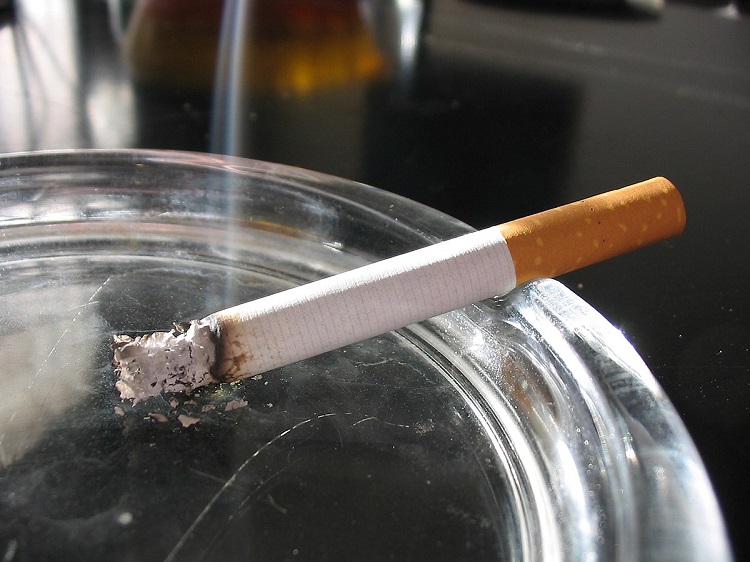
Reduced-nicotine cigarettes make anxious smokers smoke less

Prior studies suggest that lowering nicotine levels could aid smokers in quitting, but there is little proof that these regulations would be harmful to those who already suffer from affective disorders like depression and anxiety disorders.

According to Penn State College of Medicine and Harvard Medical School researchers, reducing the quantity of nicotine in cigarettes to non-addictive levels may help smokers with mood or anxiety issues quit without harming their mental health.

The findings were released in the journal PLOS ONE.

They claimed that lowering the amount of nicotine in cigarettes could minimise addiction, reduce exposure to toxins, and improve smokers’ chances of quitting.

In the United States, tobacco use continues to be the biggest preventable cause of early death and disease. The U.S. Food and Drug Administration and the government of New Zealand recently made plans to reduce the quantity of nicotine in cigarettes to levels that are not highly addictive.

Reduced-nicotine cigarettes make anxious smokers smoke less

Prior studies suggest that lowering nicotine levels could aid smokers in quitting, but there is little proof that these regulations would be harmful to those who already suffer from affective disorders like depression and anxiety disorders, which affect an estimated 38 per cent of smokers in the United States.

Professor of psychiatry and behavioural health Jonathan Foulds asserts that smokers with mental health issues are more likely to have severe nicotine withdrawal symptoms and have less success quitting. He added that there is concern that reducing the amount of nicotine to extremely low levels can exacerbate the psychiatric symptoms of smokers who have mental health disorders, encourage greater smoking, and expose them to more toxicants (hazardous substances).

The study included 188 smokers who had no intentions of quitting smoking and had a history of, or were currently experiencing a mood or anxiety condition. Volunteers were divided into two groups at random and given either study cigarettes with the standard nicotine content (11.6 mg/cigarette) or cigarettes with nicotine that was gradually reduced over an additional 18 weeks until it was just 0.2 mg/cigarette.

Researchers assessed levels of cotinine, a nicotine metabolite, hazardous chemical concentrations, cigarette dependence indices, and various mental health indicators at the start and end of the trial.

At the end of the study, the researchers found no statistically significant differences in the mental health parameters between the two groups. The Kessler Psychological Distress Scale was employed by the researchers; it consisted of six self-report items where participants graded how much they felt “nervous,” “hopeless,” or “so miserable that nothing could cheer them up.” Points for each of the six experiences are added together to get scores.

In contrast to participants in the standard nicotine content group, who scored an average of 6.1 at the start of the trial and finished around 4.9, individuals in the reduced nicotine content group scored an average of 5.3 at the beginning of the study and finished at an average score of 4.6.

“These findings are important because we want to understand the effect these policies would have on smokers with anxiety or depressive disorders,” said Foulds, a Penn State Cancer Institute researcher. “Our data showed that there wasn’t a significant difference in mental health measures between the groups, suggesting reduced nicotine cigarettes might not have adverse psychological effects on this population.”

Foulds and team discovered that groups in the lowered nicotine content group were absorbing less nicotine and eating less dangerous carcinogens such as the biomarker 4-(methylnitrosamino)-1-(3-pyridyl)-1-butanol), also known as NNAL. This finding is consistent with earlier studies. By the time the trial’s randomised phase was up, members of that group had likewise cut back on their cigarette smoking and reported having less nicotine addiction.

Unique to this study, participants in both groups were also given the choice to “choose their treatment,” after the 18-week period. They could go back to using their own cigarettes, continue smoking the research cigarettes or attempt to quit. Of the 188 participants in the study, those randomized to reduced nicotine content cigarettes were more likely to have quit smoking 12 weeks later (18.1 per cent), compared to those in the control (usual nicotine content) group (4.3 per cent).

“We believe this is the first randomized trial to find that smokers who used very low nicotine cigarettes were significantly more likely to have quit smoking (with biochemical verification), three months after the end of the trial,” Foulds said.

“Our results suggest that these policies will likely result in reduced nicotine absorption from cigarettes without worsening the mental health of smokers with mood or anxiety disorders,” said Dr Eden Evins, Cox Family Professor of Psychiatry at Harvard Medical School. “They also suggest that with proper support and resources, smokers with mood and anxiety disorders could quit successfully as a result of these policies.”

Read More At-https://bit.ly/3Vbjmm5

Categories
Medical Equipments Medical Updates Medicine & Health

Extended full cooperation, says Metropolis Healthcare on I-T raids

Synopsis

“Metropolis Healthcare Ltd. strictly adheres to the highest standards of corporate governance and ethics. We ensure today, as we always have, compliance with all rules and regulatory norms to the full extent across the organisation,” the company said in a statement.

Mumbai-based medical diagnostics company Metropolis Healthcare on Tuesday said it had extended cooperation to the income tax department which searched its premises last week. The raids were launched on November 16 and the premises of the company in the capital city of Maharashtra were covered.

“Metropolis Healthcare Ltd. strictly adheres to the highest standards of corporate governance and ethics. We ensure today, as we always have, compliance with all rules and regulatory norms to the full extent across the organisation,” the company said in a statement.

“We have extended our complete cooperation to the team,” it said.

The company is a prominent player in the medical tests and diagnostics domain.

Extended full cooperation, says Metropolis Healthcare on I-T raids

Tax officials said the department is scanning the documents recovered during the searches including those related to the company’s operations during the COVID-19 pandemic.

Early this month, the company reported a consolidated profit after tax of Rs 40.5 crore for the second quarter that ended September 30.

“There were some records that were required of us, and as always keeping with the letter and spirit of compliance, we have shared this with the (income tax) department,” it said.

Read More At-https://bit.ly/3GCzI2S

Categories
Medical Equipments Medical Updates Medicine & Health Techniques

Exercise can reduce side effects of breast cancer: Study

Researchers found out the types of disease affecting women is breast cancer and suggested a diagnosis received by the women.

The most prevalent type of disease affecting women is breast cancer; one in eight Australian women will receive a diagnosis by the time they are 85 years old. The findings of the study were published in Breast Cancer. Radiotherapy has emerged as an important component of breast cancer treatment but can lead to cancer-related fatigue and negatively impact patients’ health-related quality of life including their emotional, physical and social wellbeing.

However, latest research by Edith Cowan University (ECU) has revealed exercise may make radiotherapy more tolerable for patients.

Exercise can reduce side effects of breast cancer: Study

ECU’s Exercise Medicine Research Institute included 89 women in the study, with 43 completing a home-based 12-week program, consisting of a weekly exercise regime of one to two resistance training sessions and an accumulated 30-40 minutes of aerobic exercise.

The remaining patients were a control group who did not participate in the exercise program.

Researchers found patients who exercised recovered from cancer-related fatigue quicker during and after radiotherapy compared to the control group and saw a significant increase in health-related quality of life post radiotherapy.

No adverse effects from the exercise were reported.

Study supervisor Professor Rob Newton said this showed home-based resistance and aerobic exercise during radiotherapy is safe, feasible and effective in accelerating recovery from cancer-related fatigue and improving health-related quality of life.

“A home-based protocol might be preferable for patients, as it is low-cost, does not require travel or in-person supervision and can be performed at a time and location of the patient’s choosing,” he said.

“These benefits may provide substantial comfort to patients.”

Important changes

Australia’s current national guidelines for cancer patients recommend moderately intense aerobic exercise for 30 minutes per day, five days a week, or vigorously intense aerobic exercise for 20 minutes a day for three days a week.

They also call for 8-10 strength-training exercises with 8-12 repetitions per exercise, for two-to-three days per week.

However, study lead Dr Georgios Mavropalias said benefits were still observed with less exercise.

“The amount of exercise was aimed to increase progressively, with the ultimate target of participants meeting the national guideline for recommended exercise levels,” he said.

“However, the exercise programs were relative to the participants’ fitness capacity, and we found even much smaller dosages of exercise than those recommended in the national guidelines can have significant effects on cancer-related fatigue and health-related quality of living during and after radiotherapy.”

The study also found once participants began an exercise program, most stuck with it.

The exercise group reported significant improvements in mild, moderate and vigorous physical activity up to 12 months after the supervised exercise program finished.

“The exercise program in this study seems to have induced changes in the participants’ behaviour around physical activity,” Dr Mavropalias said.

“Thus, apart from the direct beneficial effects on reduction in cancer-related fatigue and improving health-related quality of life during radiotherapy, home-based exercise protocols might result in changes in the physical activity of participants that persist well after the end of the program.”

Read More at-https://bit.ly/3VmJYjK

Categories
Medical Equipments Medical Updates Medicine & Health

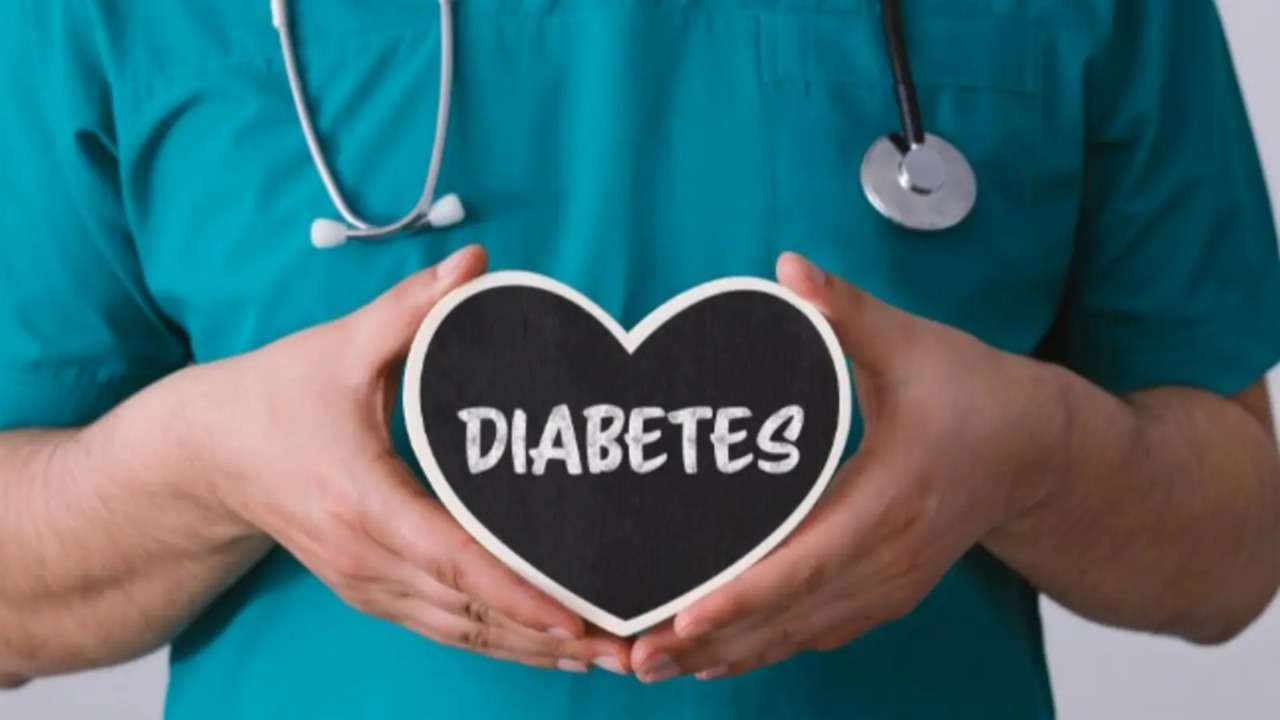
Heart disease and diabetes are interrelated. Here are tips for diabetic patients to keep cardiac problems away

Do you have diabetes? Then, you will be at a greater risk of suffering from cardiovascular problems. You will be shocked to know that heart disease is one of the leading causes of death in diabetic patients. Here’s how to control your blood sugar levels in order to prevent heart problems.

Heart disease includes various problems that impact the heart hence, one can suffer from a stroke and blood vessel disease while the most common type is coronary artery disease, which affects the blood flow to the heart but did you know that there is an association between diabetes and heart problems? Apart from that, problems such as heart failure and heart attack are also seen in a majority of people and having diabetes can worsen one’s heart problem.

Heart disease and diabetes are interrelated. Here are tips for diabetic patients to keep cardiac problems away

Are you having diabetes? Then, you will be at a greater risk of suffering from cardiovascular problems. Yes, you heard us here! You will be shocked to know that heart disease is one of the leading causes of death in those with diabetes so, try to control your blood sugar levels in order to prevent heart problems.

Decoding the connection between diabetes and heart problems, Dr Bipeenchandra Bhamre, Consultant Cardiac Surgeon at Sir HN Reliance Foundation Hospital and Research Centre in Mumbai, explained in an interview with HT Lifestyle, “Having constant high unmanaged blood sugar levels will damage one’s blood vessels, arteries and veins that are responsible for supplying blood to the entire body.”

He elaborated, “If the vessels get exposed to high blood sugar levels for a long time, then plaque is formed on the walls of the arteries. Later, the blood vessels become narrow and the heart will have to make a lot of effort to pump blood. This condition is known as atherosclerosis, which can further put you at risk of heart failure. High blood sugar levels in the body lead to inflammation and decrease the blood flow to the heart. One having diabetes needs to be cautious when it comes to his/her heart health.”

He suggested that those with diabetes should follow these essential tips to keep heart problems away –

· Go for regular check-ups: It will be imperative for you to measure your blood pressure, blood sugar, and cholesterol levels in order to know about your health status. You need to maintain blood sugar levels in the recommended range to avoid heart issues. It is better to check blood sugar levels and BP on a daily basis at home.

· Exercise daily: One will have to opt for walking, jogging, swimming, Parkour training, Pilates, or aerobics to stay in top shape, control blood sugar levels and safeguard himself/herself from heart problems.

· Eat well: Try to stick to a well-balanced diet consisting of all the vital nutrients. You need to add fresh fruits and vegetables to your diet. Opt for spinach, kale, tomatoes, asparagus, whole grains, lentils, pulses, nuts, and seeds, and drink enough water. Limit the intake of saturated and trans fat, sodium and sugar. This means you will have to avoid pizza, pasta, burger, bakery items, Chinese food, sweets, desserts and sugary drinks. Moreover, it is also essential to cut down on alcohol and smoking.

Read More At-https://bit.ly/3Em0cmn


Categories
Medical Equipments Medical Updates Medicine & Health

Gaucher Disease: Understanding the disease burden in India and the available treatment

Since GD manifestations are variable, a high level of suspicion is required to ensure a timely diagnosis.

By Dr. Sankar VH

A rare lysosomal storage disease (LSD), Gaucher disease (GD) affects less than 20,000 people globally, with some remaining undiagnosed. An inherited genetic disorder, it was first described by French physician Philippe Gaucher in 1882.

Significantly, GD is considered one of the most frequent LSD among all ethnic groups. The natural history and clinical manifestations of GD remain highly heterogeneous, showing extreme ethnic and geographic variations. The metabolic defect manifests due to a deficiency of acid β-glucosidase (lysosomal glucocerebrosidase) because of biallelic mutations in the GBA gene. This leads to the accumulation of glucocerebroside in lysosomes, typically in tissue macrophages.

In layman’s terms, people with GD lack an enzyme that breaks down lipids or fatty substances. The lipids then begin building up in specific organs such as the spleen and liver.

Immune cells, hepatocytes and osteoblasts are among other cells linked to disease pathophysiology. Gaucher cells (glucocerebroside-laden macrophages) that accumulate across the body characterise its multi-systemic disease manifestations.

Gaucher Disease treatment are available in india.

Disease Burden in India

Given the convention of consanguineous weddings in some parts of India, the occurrence of GD in the country could be higher. Of 300-plus GD mutations classified in India, L444P seems the most prevalent.

Broadly, Gaucher disease is categorised into three phenotypes, depending on the presence or lack of neurological manifestations and their severity. Type 1 is the most common, affecting around 95% of those with the disorder. Such patients lack adequate platelets in their blood, making them prone to bruising easily and feeling fatigued.

Manifestation and Complications

Those with type 1 GD in India manifest the symptoms in early infancy up to late childhood, with 3.6 years being the median age. Without treatment, this extremely aggressive phenotype with cytopenia, spleno-hepatomegaly, irritability, bone issues and failure to thrive is linked to early mortality.

Type 2 is a form of GD that affects infants within the first three to six months. Since it is fatal, these children don’t survive more than two years. As for type 3, unlike in Western nations, it is comparatively common in India. In such patients, a common, early neurological manifestation includes oculomotor apraxia. To help differentiate between type 1 and 3 GD, this ocular sign needs to be evaluated in every patient during each clinic visit.

A range of complications arises in GD. These include splenic rupture; bleeding diathesis due to thrombocytopenia and acquired coagulopathy; hypersplenism and pancytopenia; fractures and collapsed vertebral bodies; hepatic fibrosis; portal hypertension; avascular osteonecrosis, chronic bone pain and bone crisis; haematological malignancies (multiple myeloma and hepatocellular carcinoma); hepatopulmonary syndrome; Parkinson’s disease with Lewy body dementia; and progressive neurodegenerative disease in GD type 2 and 3.

Diagnosis and Treatment

Since GD manifestations are variable, a high level of suspicion is required to ensure a timely diagnosis. Due to frequent diagnostic delays, patients can develop severe and irreversible complications. As a result, it is mandatory to undertake leucocyte acid β-glucosidase activity to establish GD diagnosis.

Management of GD includes ERT (enzyme replacement therapy) and SRT (substrate reduction therapy). For GD type 1 and 3, ERT is the preferred standard of care. With early therapy initiation, the favourable outcomes can be achieved before irreversible and potentially life-threatening complications emerge.

But ERT is not recommended in cases of progressive neurological symptoms such as neuro-regression and seizures, as the blood-brain barrier cannot be breached. Herein, the recommendations are for diagnosis, therapy initiation, monitoring and follow-ups of patients. Additionally, in India, preventing the recurrence of GD through prenatal diagnosis and genetic counselling is imperative because of the consistently severe phenotypes that occur in the local populace.

ERT greatly improves haematological and skeletal manifestations while ameliorating organomegaly and preventing avascular necrosis. Usually, GD patients in India are affected more severely with earlier disease onset than those in the West. Therefore, ERT can be considered even after the occurrence of avascular osteonecrosis since studies show that it reduces the risk of these complications.

A lifelong treatment, ERT is given once every 14 days as an intravenous infusion. As a recombinant enzyme that needs reconstitution before infusion, one must strictly adhere to the precautions stated in the pack insert to obtain optimum drug activity. Yet, as disease manifestations are heterogeneous, personalised modification of doses on a need basis could be necessary.

Coming to SRT, this works by partially blocking the body from making glucocerebroside – the fatty chemical that accumulates in the bodies of GD patients. While excess glucocerebroside is broken down by ERT, SRT works differently. While ERT helps the body in recycling more waste (glucocerebroside), SRT assists it in producing less of this. Although it doesn’t wholly shut down production, it allows the present enzymes to keep one’s body in balance.

Ultimately, the management of GD requires a multidisciplinary approach. This team generally includes a geneticist, gastroenterologist, haematologist, paediatrician, neurologist, orthopaedic surgeon and occupational therapist. By following the standard therapy guidelines, physicians and allied healthcare providers can ensure the efficient management of patients with Gaucher disease.

Read More At-https://bit.ly/3TQuIdM

Categories
Medical Equipments Medical Updates Medicine & Health Techniques

Namma Homeopathy clinic gains popularity in Maharashtra and Karnataka due to its effective treatment

Synopsis

Homeopathy is a proven and effective method of medicine to fight diseases and Namma Homeopathy clinic have shown effective treatment all over India and have successfully treated more than 1 lakh acute and chronic diseases.

The science of homeopathy medicines was founded more than 200 years ago. It is a proven and effective method of medicine to fight diseases. Its classification of medicine is to cure the disease with no side effects and in a natural way. These medicines improve the immunity power of individuals helping the disease condition to reduce gradually and permanently and thereby removing the disease cause from the root. Homeopathy medicine is devoid of chemicals and particles causing adverse patient effect. On the contrary, it improves the overall well-being of the patient.

Keeping in mind these enormous benefits of Homeopathy and to uphold humanity’s quest to have a healthy life, Namma Homeopathy, a unit of Namma Vaidyashaala Pvt Ltd, was established in the year 2017. Today, the homeopathy clinic stands tall with a total of 20 branches across Maharashtra and Karnataka and 200+highly experienced and qualified doctors who have successfully treated more than 1 lakh acute and chronic diseases. Its clinic in Dadar, Mumbai is one of the biggest Homeopathic corporate branches in Asia.

Namma Homeopathy clinic gains popularity in Maharashtra and Karnataka due to its effective treatment

And the impetus behind starting the advanced chain of Homeopathic clinics for promoting wellness among people is none other than Dr More Raghu Prasad, who has carved a niche for himself as a renowned and well-known homeopathic physician. Furthermore, he has earned a name for pioneering research in homeopathic medicine for incurable diseases.

The vision of Namma is to make India a disease-free country, and it has a deep connection with Dr Prasad’s growing years in a rural area. He witnessed the pain of diseased people very closely with no facilities available for treatment. The experience stirred his conscience and paved the way for pursuing the subject of homeopathy in the later part of his life.
He completed his Bachelor of Homeopathic Medicine and Surgery and started Namma Homeopathy to provide a low-cost and effective treatment to the diseased.

Namma Homeopathy is an integrated health system and emphasises treating patients for all chronic problems and incurable conditions like infertility, diabetes, thyroid disorders, PCOD, allergies, asthma, psoriasis, vitiligo, back pain, varicose veins, hair loss, joint pains, gastritis, piles, migraines, anxiety, depression and sexual problems.

Highlighting more on the subject, Dr Prasad says, “At Namma, what comes first is an inclusive approach. The name ‘NAMMA’ means ‘ours’, and it has been coined to align with our belief that the responsibility of creating a healthy society is ‘ours’. It motivates us to act with conscience, perform responsibly, and function with integrity. We have a team of 50+ highly qualified and talented doctors in the research department at Bangalore researching new medicines and formulas for treating incurable diseases, including the Immunogenic Miasmatic 6th Generation Homeopathic Medicines.”

In Immunogenic Miasmatic 6th Generation Homeopathic Treatment, the Medicines act in the immune cells, which improves the immunity power, which is called immunogenic. The medicines work on the disease’s root cause removing the causative factor, which is called miasmatic. It acts according to the new generation’s present lifestyle and environmental condition, which is called the 6th generation. After a lot of research on new diseases, viruses, bacteria, pandemics, and present lifestyle conditions, Dr Prasad’s research team developed this treatment method, and it has successfully treated chronic diseases at their clinics.

“Research Department plays an important role in treating patients at Namma Homeopathy. Our doctors’ research considers the disease pattern, cause, symptom and condition. We have researched a new formula called Advanced Nano Genetic Constitutional medicines, which has helped patients treat diseases from cold to cancer. Its effectiveness has also been found in treating different kinds of arthritis, diabetes, varicose veins, asthma, infertility, and autoimmune disorders. A lot of effort is put into offering the best to our patients without any side effects and with a complete solution. Namma Homeopathy medicines can make a patient better emotionally and mentally,” adds Dr Prasad.

As a part of the diagnosis, doctors at Namma spend good quality time with the patient to understand the cause of the disease. Its research department studies the patient’s case details continuously and upgrades the way of treatment and medicines from time to time. The service team continuously follows up with the patients for appointments, feedback on the services and senior doctor appointments with the patients if needed.

Dr Prasad believes a conducive atmosphere within the clinic is necessary to promote the happiness and well-being of doctors who are the backbone of the Namma. To achieve this, regular CME programs are conducted where specialists, experts and renowned homeopaths from around the world come to train, motivate and enrich the lives of the doctors. The effectiveness of this program has led to a 90-95% success rate of Namma in treating diseases.

It also has a 24/7 call centre to help people to reach this modern science and to get free advice. All 20 branches of Namma Homeopathy are connected and interlinked with software. Patients can start the treatment anywhere and can continue the treatment whereever they are comfortable. The case details are available to doctors on the system, and they can treat patients remotely or else the patients can visit any branch in Karnataka and Maharashtra for their medicines and treatment. It aims to open branches at every 100 km distance and spread awareness about the benefits of Homeopathy treatments.

Namma Homeopathy has launched a web portal where people can get advice online at any time and from any part of the world.

About Namma Homeopathy
Namma Homeopathy, a unit of Namma Vaidyashaala Pvt Ltd, was established in the year 2017. The centre has 11 branches across Karnataka (Malleshwaram, Jayanagar, Mysore, Hassan, Davangere, Hubbli, Shimoga, Gulbarga, Hospete, Udupi, Belgaum) and 9 Branches in Maharashtra (Mumbai – Dadar, Thane, Solapur, Pune, Kolhapur, Aurangabad, Nashik, Nagpur, Nanded). It is home to more than 600 employees who work in various departments, including HR, IT, Patient Counselling, Pharmacy, Call Centre, and other integral services.

Times Group awarded the ‘Excellence award in medical services and treatment in the field of Homeoapthy’ to Namma, which was given by Padmashri Awardee Anupam Kher.

About Dr More Raghu Prasad
Dr More Raghu Prasad, Chairman and Managing Director of Namma Homeopathy, has been a dedicated practitioner of Homeopathy for more than 15 years. He is the founder of Namma Homeopathy, a unit of Namma Vaidyashaala Pvt Ltd.

Read more at-https://bit.ly/3OaJElN

Categories
Medical Equipments Medical Updates Medicine & Health

‘Measles deaths’: Health ministry sends team to Mumbai

“The team will also undertake field visits to investigate the outbreak and assist the state health department in terms of public health measures, management guidelines, and protocols to manage the increasing cases of measles being reported in Mumbai,” said the ministry in a statement.

AFTER REPORTS of increase in suspected measles cases and three deaths in children, the Union Health Ministry on Wednesday rushed a multi-disciplinary team to Mumbai. It is yet to be determined whether the deaths could have been due to measles that can sometimes lead to complications such as encephalitis (swelling in the brain), blindness, and pneumonia.

“We don’t even know whether the deaths are because of measles; the state government has also not categorised these deaths as measles. The team of experts from different fields will determine whether these were in fact measles cases. The team will also see the vaccination status of the children who have died; measles deaths should not occur because our vaccination coverage is nearly 100%,” said an official from the Health Ministry. The team is likely to submit a preliminary report by Thursday evening.

‘Measles deaths’: Health ministry sends team to Mumbai

AFTER REPORTS of increase in suspected measles cases and three deaths in children, the Union Health Ministry on Wednesday rushed a multi-disciplinary team to Mumbai. It is yet to be determined whether the deaths could have been due to measles that can sometimes lead to complications such as encephalitis (swelling in the brain), blindness, and pneumonia.

“We don’t even know whether the deaths are because of measles; the state government has also not categorised these deaths as measles. The team of experts from different fields will determine whether these were in fact measles cases. The team will also see the vaccination status of the children who have died; measles deaths should not occur because our vaccination coverage is nearly 100%,” said an official from the Health Ministry. The team is likely to submit a preliminary report by Thursday evening.

The three-member team is headed by Dr Anubhav Srivastava, Deputy Director, Integrated Disease Surveillance Programme (IDSP), NCDC.

India has seen an increase in the number of measles cases – 11,156 cases of measles have been reported in 2022 till September, according to data from the World Health Organization. To compare, there were 6,078 recorded in 2021, 5,598 cases in 2020, and 10,708 cases in 2019.

Measles is a highly contagious infection with vaccination considered to be one of the most effective intervention for reducing cases and deaths. With a goal of eliminating measles and rubella (another similar viral infection), India launched a one-time immunisation campaign for all children between the ages of 9 months to 15 years in a phased manner 2017 onwards, with almost all states including Maharashtra having completed the vaccination.

Read more at-https://bit.ly/3tiRYGM