Categories
Medical Updates Medicine & Health

India bans use of anti-cold drug combination for kids below 4 years

India’s drugs regulator has banned the use of an anti-cold drug combination for children below four years of age and said drugs should be labelled accordingly, reported Reuters.

The regulatory body addressed concerns regarding the promotion of an unapproved anti-cold drug formulation for infants, leading to a discussion and a subsequent recommendation against using the combination for that age group.

India bans use of anti-cold drug combination for kids below 4 years

This directive follows a series of child deaths in India since 2019, linked to toxic cough syrups produced domestically. These incidents, which include at least 141 deaths in Gambia, Uzbekistan, and Cameroon since the middle of last year, have raised questions about the quality of pharmaceutical exports from India, often referred to as the “world’s pharmacy” due to its provision of life-saving drugs at affordable prices.

The regulator issued an order on December 18, publicly disclosed on Wednesday, mandating drug manufacturers to label their products with a warning that the fixed-drug combination (FDC) “should not be used in children below 4 years of age.” This FDC comprises chlorpheniramine maleate and phenylephrine, commonly used in syrups or tablets to address common cold symptoms. Notably, the World Health Organisation does not recommend the use of over-the-counter cough syrups or medicines for treating coughs and cold symptoms in children under five years old.

Since June, India has implemented mandatory testing for cough syrup exports and intensified scrutiny of drug manufacturers. Despite these measures, companies whose cough syrups were associated with child deaths have consistently denied any wrongdoing.

Visit us – https://shorturl.at/stzCR
Categories
Medical Updates Medicine & Health

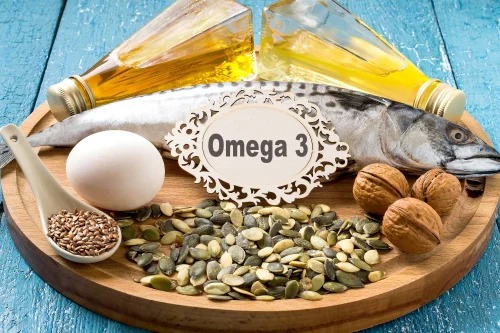
Why Omega-3 and Omega-6 fatty acids need to be balanced via diet to avoid heart attacks, diabetes and body fat

Maintaining a balanced ratio between Omega-3 and Omega-6 fatty acids cannot be overstated when maintaining good health. These essential fats are often overlooked, but an imbalance in their intake can lead to several health issues.

Functions and Importance of Omega-3 and Omega-6 Fatty Acids

Omega-3 and Omega-6 are polyunsaturated fats essential for various bodily functions but have opposite effects. Omega-3 fats are crucial for brain health, including cognitive and behavioural functions. They reduce inflammation, which is beneficial in preventing chronic diseases like heart disease and arthritis. Omega-3 fats also play a role in maintaining cardiovascular health by regulating blood clotting and vessel constrict

Why Omega-3 and Omega-6 fatty acids need to be balanced via diet to avoid heart attacks, diabetes and body fat


Daily Intake recommendations

The recommended daily intake of Omega-3 and Omega-6 varies based on age, sex and life stage. However, the general principle is to maintain a balanced ratio. The ideal Omega-6 to Omega-3 ratio should be at most 4:1. Which means for every 1 gram of Omega-3, one should only consume 4 grams of Omega-6. For instance, the American Heart Association (AHA) recommends eating two servings of fish, approximately 170 to 230 grams per week, as part of a heart-healthy diet. Each serving is equivalent to about 3 grams of Omega-3 fatty acids. This recommendation emphasises including Omega-3-rich fish in the diet for cardiovascular health benefits. To give you a clearer picture, if we consume 130 grams of fish weekly as the primary source of Omega-3 fats, which provide us with 3 grams of omega-3 fats, our weekly consumption of Omega-6 fats from grains and seed oils should also be limited to or capped at 12 grams.

Dietary Sources

Omega-3 sources include green leafy vegetables, fruits, chia seeds, flaxseeds, fish and eggs from organically raised poultry. Fatty fish like Rawas, pomfret and tuna are exceptionally high in Omega-3. On the other hand, Omega-6 is commonly found in grains like wheat and seed oils like sunflower, corn, rice bran, canola, soybean and peanut oil.

What does an imbalance do to your body?

In many Indian diets, there has been a shift from traditional cooking oils (ghee, mustard oil, coconut oil) to refined seed oils, leading to a disproportionate increase in Omega-6 consumption. This change contributes to a higher Omega-6:Omega-3 ratio, with rural India consuming a 6:1 ratio and often reaching alarming levels in urban India of around 50:1. Such an imbalance is associated with several health risks, including heart disease, cholesterol, diabetes and arthritis. It can lead to weight gain, particularly belly fat. Eating right is not the whole deal, mindful eating is.

Visit us – https://shorturl.at/glHPU

Categories
Medical Updates

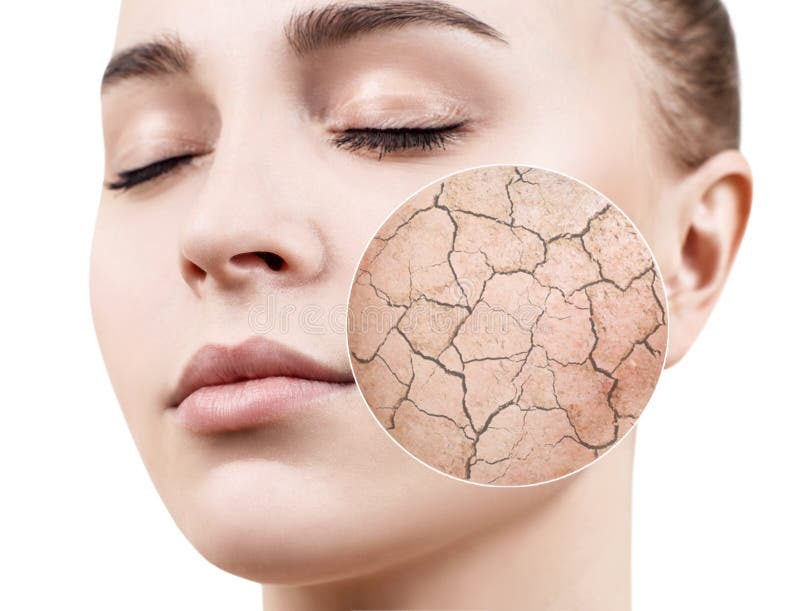
Itching and dry skin in winter? Best natural remedies to treat winter skin issues

Common winter skin problems

During the winter, additional care for our skin is essential as low humidity and extremely low temperatures can make our skin more sensitive than usual. In this season, we are prone to taking hot showers that can lead to dry skin, eczema, and psoriasis causing discomfort and itchiness. One of the main causes behind these are pollution, dust, and environmental disturbances. However, you do not need to spend much money on costly lotions and moisturizers to cure your skin issues. Maintain your skin’s hydration and softness by adopting the following natural remedies and holistic approaches throughout the winter.

Itching and dry skin in winter? Best natural remedies to treat winter skin issues

​​Coconut Oil​

This oil is known as a natural moisturizer which is extracted from coconut milk and is highly absorbable into the skin. It is a safe and effective natural remedy for issues like skin dryness, eczema, and psoriasis. Its anti-inflammatory properties help the skin protect from inflammation and pain. According to the National Eczema Association, coconut oil has antibacterial qualities which protect the skin from infection. Always make sure to choose cold-pressed coconut oil that is processed without the use of chemicals. It helps you to moisturize and soothe your skin and also reduces the itchiness and discomfort.

Aloe vera gel​

It is one of the best natural remedies that you can find in every home. It has soothing and anti-inflammatory properties that are known to reduce redness, itching, and skin irritations associated with dryness, eczema, and psoriasis. This gel is enriched with nutrients like Vitamin A & E which is wonderful for the skin. It is an organic moisturizer that contains 96% water which provides relief in hydrating and soothing dry and irritated skin.

Turmeric​

According to Dr. Mugdha Agarwal, Director of Medicine, Healthmug Pvt. Ltd, “This natural remedy is not only limited to the kitchen but is also a secret for skin issues. It is renowned for its ability to reduce inflammation which is used as a healing remedy in numerous skin infections. It is enriched with Curcumin which reduces inflammatory cytokines, which is helpful in the treatment of psoriasis. Applying a diluted turmeric paste directly with water or oil not only reduces redness and itching but also strengthens the immune system by enhancing the overall health and well-being of the skin.”

​​Sunflower Oil​

This natural oil is extracted from sunflower seeds and is known to protect the top layer of the skin. It keeps the skin moisturized and helps in healing skin infections by preventing the entry of bacteria. You can use it directly on your skin to reduce inflammation and itching which is usually caused by eczema and psoriasis.

​​Holistic practices to treat dry skin​

Having a nutritious diet which will be rich in fruits and vegetables can be beneficial by providing essential nutrients for healthy skin.
Get yourself in the habit of doing yoga and meditation as it will help keep your inner self healthy which indirectly helps your skin to glow.
Stay hydrated by drinking plenty of water
Try using 100% cotton blended clothes as it can protect your body from eczema and allow your skin to breathe.

Visit us – www.Aarogyapath.in for more details !!

Categories
Government Guidelines Medical Updates Medicine & Health

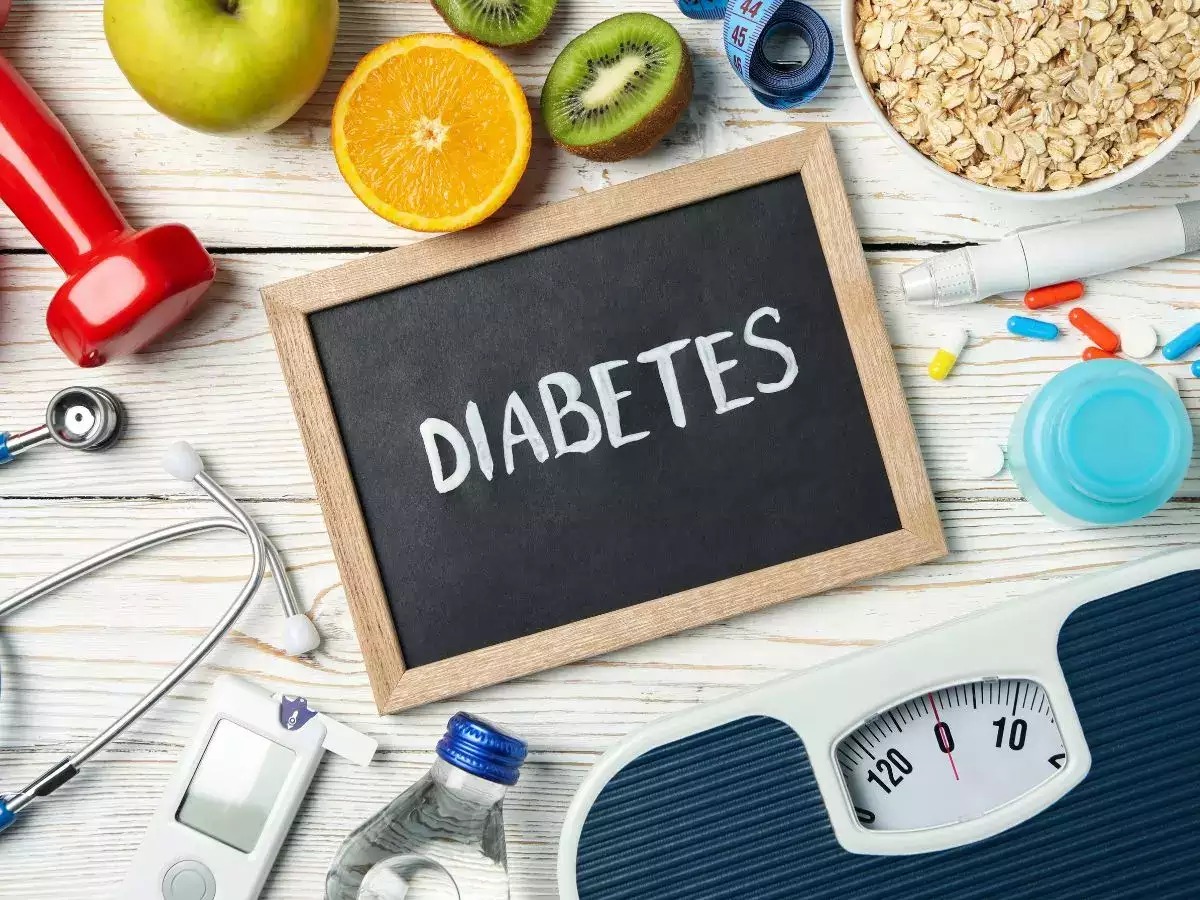
JDRF International with William J Clinton Foundation to improve Type 1 diabetes care in India

JDRF International, the leading global type 1 diabetes (T1D) research and advocacy organisation, in partnership with the community, clinical partners and William J Clinton Foundation (WJCF), an affiliate of the Clinton Health Access Initiative in India, announced a sweeping set of collaborations that aims to drastically improve T1D care.

THIS CAN BE YOUR ADVERTISEMENT

The efforts include supporting public health programmes, innovative grassroots initiatives, and dedicated clinician networks converging to create a multi-dimensional strategy to tackle T1D. This approach reflects a holistic understanding of health care. Ensuring that essential social and educational needs are met, as all partners work in concert to promote more effective diabetes management for people living with T1D in India. 

JDRF International with William J Clinton Foundation to improve Type 1 diabetes care in India

“We are incredibly humbled to have the opportunity to work closely with our Indian colleagues who are making great strides in removing barriers to access and improving outcomes around the country,” said Sanjoy Dutta, Chief Scientific Officer, JDRF. “Increasing care for people living with type 1 diabetes in India is vital to JDRF’s global access work.”

According to the T1D Index, a first-of-its-kind data simulation tool that measures the human and public health impact of type 1 diabetes, India has the largest ‘missing’ prevalence of type 1 diabetes in the world. Increasing focus on screening for diagnosing T1D and helping manage care will improve longevity and quality of life for them. 

As part of this process, the Government of India has initiated several comprehensive programs that address immediate health care needs and pave the way for long-term systemic improvements in T1D care. Several Indian states are at the forefront, with significant T1D programmes, serving as models of innovation and effectiveness and select states will be served by the support currently being developed in partnership with JDRF International, William J Clinton Foundation, The Helmsley Charitable Trust with support from Eli Lilly and Company. 

At William J Clinton Foundation, we are deeply committed to partnering with and supporting public health programmes for comprehensive management of type 1 diabetes in select states of India. Our approach is that of collaboration and facilitation and our partnership with JDRF is designed to complement and enhance government-led diabetes care programs,” said Harkesh Dabas, Managing Director, William J Clinton Foundation. “We aim to bolster the implementation and scaling of these important initiatives. Our involvement underscores a public healthcare-owned and led initiative and collaborative spirit, ensuring that the strides made in type 1 diabetes care are both impactful and sustainable, and reach every individual in need across the country.” 

These dramatic advances in diabetes care are supported by The Impatient Network, a dynamic coalition of grassroots and community-based diabetes advocates working across India. Made up of people living with diabetes and their loved ones, The Impatient Network is working with partner organisations to provide access to peer-led education, support services and resources that will help to combat stigma and raise T1D awareness. 

As someone who personally navigates the challenges of type 1 diabetes, I’ve seen firsthand the critical need for comprehensive support and care. My involvement with The Impatient Network, starting from its first meeting, has been a journey of hope”, said Princess Padmaja Kumari Parmar, Founder and President of Friends of Mewar. “This network is a vital link in the collaboration between people with diabetes, government bodies, and clinicians. By joining hands with policymakers and medical experts, we are not just voicing our needs; we’re actively shaping a future where diabetes care is inclusive, innovative, and accessible to all. This collaborative approach is key to ensuring that every person with type 1 diabetes in India has access to the best possible care and support.” 

“The Impatient Network stands as a beacon of hope and change in India’s type 1 diabetes landscape. As a united force of grassroots advocates, we embody the collective voice and determination of communities striving for better diabetes care,” said Jazz Sethi, global diabetes advocate, Impatient Network member, and founder of The Diabesties Foundation. “Our focus on peer-led education and innovative awareness initiatives is more than just filling gaps in health care; it is about building trust, understanding, and a sustainable framework for comprehensive diabetes management. We’re crafting a future where type 1 diabetes care is accessible, empathetic, and effectively meets the real needs of those it serves.” 

The initiative aims to create a synergy between medical experts and peer groups, fostering a cooperative environment where clinical knowledge meets community wisdom. This work is essential in making diabetes care more accessible and tailored to the needs of people living with T1D in India. 

“In our mission to advance T1D care in India, collaboration is key. A key part of that is a partnership with the existing work being done by clinical communities such as the Diabesties & Blue Circle and institutions such as RSSDI, ISPAE, and ESI,” said Professor Partha Kar, NHS National Specialty Advisor in Diabetes. “Our Clinical Stewardship Program embodies this collaborative ethos, bridging the gap between medical professionals and the T1D communities we serve. It is a personal privilege to be given this opportunity by JDRF – to be able to give back something to the country to which I owe so much of my life. As the saying goes: ‘Phir Bhi Dil Hai Hindustani’ (still my heart is Indian).”

Visit us – www.arogyapath.in  

Categories
Medical Updates Medicine & Health

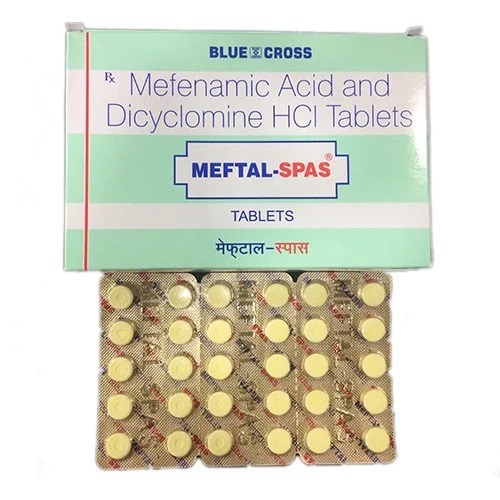
Meftal: Alert does not compromise the safety, says Blue Cross Laboratories

Blue Cross Laboratories, the pharmaceutical company behind the Meftal and Meftal Spas brands, has issued a clarification regarding the recent safety alert by the Indian Pharmacopeia Commission (IPC) concerning mefenamic acid, a key component in both medications.

According to the company, Meftal and Meftal-Spas are trusted brands recommended by doctors in India for addressing pain, fever and spasms. Both products contain mefenamic acid as an active ingredient.

Meftal: Alert does not compromise the safety, says Blue Cross Laboratories

In response to the IPC alert, Blue Cross Laboratories emphasised that the commission’s advisory aimed to encourage doctors and patients to monitor the potential occurrence of an adverse drug reaction (ADR) related to mefenamic acid.

However, the company stressed that this alert does not compromise the safety, effectiveness, or high quality of the established brands, which are backed by clinical studies and real-world evidence.

“We wish to issue a clarification regarding the recent media coverage of the alert issued by the Indian Pharmacopeia Commission (IPC) on mefenamic acid. The alert issued by IPC was to advise Doctors and patients to monitor the possibility of an adverse drug reaction (ADR) of mefenamic acid, which does not in any way impact the safety, efficacy and high quality of the brands that are established and supported by clinical studies and real-world evidence,” reads the company’s statement.

The company pointed out that mefenamic acid, under the names Meftal and Meftal-Spas, has been prescribed in countries such as the USA, UK, Japan, and others for over four decades. With billions of doses administered, the medication has benefitted millions of patients worldwide.

Regarding the specific adverse effect mentioned by the IPC – DRESS syndrome – the company highlighted that this is an extremely rare disease. Blue Cross Laboratories noted that DRESS syndrome, also known as ADR, is associated with various drugs, including widely used ones like paracetamol and ibuprofen.

“The ADR i.e. DRESS syndrome, mentioned in the IPC alert, is a very rare event that is previously documented in the medical literature, both in India and globally. It is a known ADR of many drugs and published reports are available for paracetamol and ibuprofen. When prescribing any medicine, doctors take patient history and other individual factors into account to reduce the risk of any ADR,” the statement reads.

Blue Cross Laboratories also highlighted its strong internal pharmacovigilance system and expressed support for the efforts of the Pharmacovigilance Programme of India (PVPI), operating under the IPC and the Health Ministry.

“The Pharmacovigilance Programme of India (PVPI) operates under the purview of IPC and the Ministry of Health and Family Welfare to collect data on adverse events of all drugs. It works in the interest of patients to ensure the safety and efficacy of all drugs for all disease conditions. Blue Cross Laboratories as a responsible company has a strong pharmacovigilance system internally and supports the efforts of PvPI,” reads the statement.

visit us -https://shorturl.at/gvxyV

Categories
Medical Updates Medicine & Health

​Home remedies for low blood pressure​

​Manage low blood pressure with these remedies​

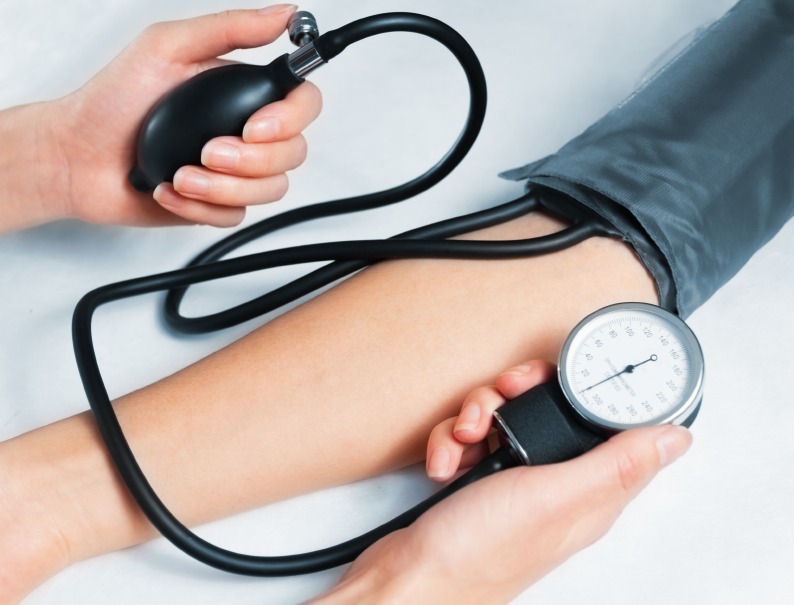
Low blood pressure, or hypotension, can lead to dizziness, and fatigue. While medical consultation is crucial for severe cases, several home remedies can complement professional care and help manage mild instances of low blood pressure.

​Add a little more salt to your food​

Adding a slightly higher amount of salt to your diet can help raise blood pressure. However, it’s essential to consult with a healthcare provider before making significant dietary changes, especially for individuals with underlying health conditions.

​Do not skip drinking water​

Dehydration can contribute to low blood pressure. Ensure an adequate intake of fluids, including water, herbal teas, and electrolyte-rich beverages. Coconut water, in particular, can be beneficial due to its electrolyte content

Home remedies for low blood pressure​

Elevate your legs when you see the symptoms​

Lying down and elevating the legs can help improve blood flow to the brain. This simple technique can alleviate dizziness and fatigue.

​A cup of coffee can help you in low blood pressure​

Drinking a cup of coffee or tea can provide a temporary increase in blood pressure. However, moderation is key, as excessive caffeine intake may lead to dehydration and other health issues.

​Yoga and breathing exercises​

Practices like yoga and deep breathing exercises promote relaxation and can help regulate blood pressure. Yoga poses that involve gentle inversions may be particularly beneficial.

​Beetroot juice​

Beetroot is rich in nitrates, which can dilate blood vessels and improve blood flow. Consuming beetroot juice may help regulate blood pressure. However, individuals with kidney issues should be cautious due to the high oxalate content.

​Basil tea​

Basil is known for its adaptogenic properties, which may help regulate blood pressure. Prepare basil tea by steeping fresh or dried basil leaves in hot water. Strain and drink the tea to potentially alleviate symptoms of low blood pressure.

Aromatherapy can help too​

Aromatherapy with rosemary essential oil may have stimulating effects on the cardiovascular system, potentially aiding in increasing blood pressure. Add a few drops of rosemary oil to a diffuser or inhale the aroma directly.

​Exercise regularly​

Activities such as walking, swimming, or cycling are beneficial, but it’s essential to consult with a healthcare professional before starting a new exercise routine.

​Always have small and frequent meals​

Consuming smaller, more frequent meals throughout the day helps prevent sudden drops in blood pressure after meals. Large, heavy meals can cause a temporary drop in blood pressure as blood is directed to the digestive system.

​Count your sleep hours!​

Ensure sufficient and quality sleep, as inadequate rest can contribute to low blood pressure. Establish a consistent sleep routine and create a comfortable sleep environment.

Visit us – www.aarogyapath.in for more info !!!


Categories
Medical Updates Medicine & Health

Hormonal Imbalance Impacting Weight Loss? Here’s Effective Ways To Treat It

Hormonal imbalance and its relation to weight gain​

Maintaining ideal levels of some hormones, such as estrogen and cortisol, can help you lose weight. Important molecules called hormones act as chemical messengers in your body. They help with almost all of the body’s functions, such as appetite, fullness, and metabolism. Some hormones are strongly correlated with appetite, which means that they also affect body weight.

Were you aware that your weight and hormones are directly related? We frequently forget this when we’re on the protracted and challenging weight loss journey. For our bodies to maintain a healthy weight for our body composition, a delicate hormone balance is required. Insulin, ghrelin, leptin, cortisol, estrogen are some of the hormones that can make your weight sway. Here are some strategies to manage the hormonal levels and prevent weight gain:

Hormonal Imbalance Impacting Weight Loss? Here's Effective Ways To Treat It

Sleep well​

Make the most of your sleep time. Elevated cortisol levels may be caused by chronic sleep disorders such as insomnia, sleep apnea, and irregular sleep patterns such as those experienced by shift workers. Make an effort to establish a consistent sleep routine and bedtime. Hormone abnormalities can worsen as a result of inadequate sleep. To make sure your body functions at its best, try to get seven hours of sleep at a time.

​​Exercise each day​

Increasing your physical activity level can aid in weight loss. Exercise can take the form of strength training, jogging, swimming, walking for 150 minutes a week on average, and intense aerobic activity (cardio). Although strength training doesn’t increase calorie burn as much as exercise, it does increase muscle mass, which benefits your metabolism and general health.

Consume adequate protein at each meal​

It is crucial to include enough protein in your diet if you wish to reverse hormonal weight gain. In addition to providing your body with necessary amino acids that it is unable to create on its own, protein is also necessary for the production of peptide hormones, or hormones produced from proteins. For instance, eating enough protein affects hormones that regulate hunger and food consumption and alert your brain about your energy level.

​​Live a stress free life​

The adrenal glands release cortisol to control your body’s stress levels during stressful situations. Constant stress causes the release of extra cortisol, which throws your body out of balance. Regularly engaging in mindfulness exercises such as walking and meditation decreases cortisol levels. Consider including meditation in your everyday schedule.

​​Maintain a healthy gut health​

More than 100 trillion friendly bacteria live in your stomach, and they create a wide range of metabolites that can have both beneficial and bad effects on hormone health. Your gut microbiota affects insulin resistance and sensations of fullness to modulate hormone levels. Eat foods that are good for the intestines, such as kimchi, curd, and buttermilk.

Visit us – www.aarogyapath.in for more details

Categories
Medical Updates Medicine & Health

Vitamin D deficiency: Supplements not enough for your children, research reveals

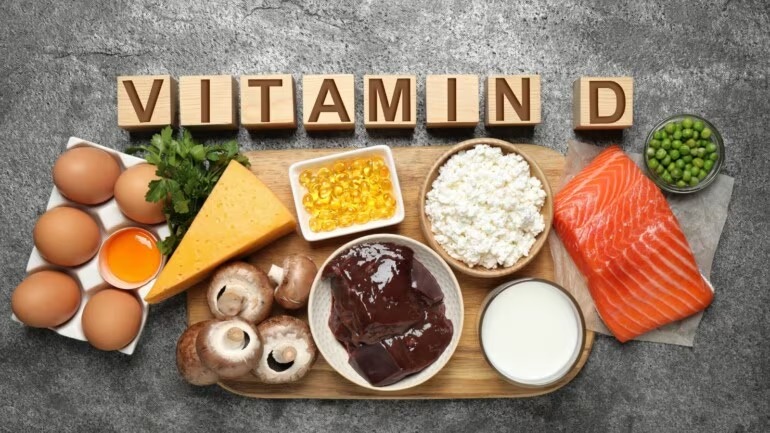
Childhood fractures are a significant health concern globally. It affects over a third of children before age 18, potentially causing long-term disability or reduced quality of life. However, a recent study by Harvard T.H. Chan School of Public Health and Queen Mary University of London found that vitamin D supplements do not improve bone strength or prevent fractures in children with vitamin D deficiency.

Despite vitamin D’s role in bone mineralisation, the study suggests that supplements may not be the solution to strengthen bones in children. It challenges the common belief about vitamin D’s benefits for bone health.

Vitamin D deficiency: Supplements not enough for your children, research reveals

However, there have never before been any clinical studies done to see if vitamin D supplementation can shield kids from bone fractures.

In order to ascertain whether vitamin D supplementation would reduce the risk of bone fractures or increase bone strength in schoolchildren, researchers from Queen Mary and Harvard collaborated with partners in Mongolia, a country with a particularly high fracture burden and a high prevalence of vitamin D deficiency. Published in Lancet Diabetes & Endocrinology today, December 1, the study represents the largest randomised controlled trial on vitamin D supplementation in children to date.

Over the course of three years, 8,851 schoolchildren aged 6-13 living in Mongolia received a weekly oral dose of vitamin D supplementation. 95.5 per cent of participants had vitamin D deficiency at baseline, and study supplements were highly effective in boosting vitamin D levels into the normal range. However, they had no effect on fracture risk or bone strength, measured in a subset of 1,438 participants using quantitative ultrasound.

The trial findings are likely to prompt scientists, doctors and public health specialists to re-consider the effects of vitamin D supplements on bone health.

Dr Ganmaa Davaasambuu, Associate Professor at the Harvard T.H. Chan School of Public Health, said, “The absence of any effect of sustained, generous vitamin D supplementation on fracture risk or bone strength in vitamin D deficient children is striking.”

“In adults, vitamin D supplementation works best for fracture prevention when calcium is given at the same time – so the fact that we did not offer calcium alongside vitamin D to trial participants may explain the null findings from this study,” ANI quoted him as saying.

Professor Adrian Martineau, Lead of the Centre for Immunobiology at Queen Mary University of London, added, “It is also important to note that children who were found to have rickets during screening for the trial were excluded from participation, as it would not have been ethical to offer them placebo (dummy medication).”

Thus, our findings only have relevance for children with low vitamin D status who have not developed bone complications. The importance of adequate vitamin D intake for prevention of rickets should not be ignored, and UK government guidance recommending a daily intake of 400 IU vitamin D remains important and should still be followed,” he added.

Visit us – https://shorturl.at/nGWX3

Categories
Medical Updates

Cinnamon water: Here’s how it helps in weight loss

Cinnamon water has gained popularity as a beverage believed to aid in weight loss, thanks to its potential health benefits. While it’s important to note that no single ingredient can guarantee significant weight loss on its own, incorporating cinnamon water into a healthy diet and lifestyle may contribute to overall well-being and support weight management.

Cinnamon is known to have thermogenic properties, meaning it may help increase the body’s metabolic rate. The spice contains compounds that activate thermogenesis, a process where the body generates heat and burns calories to digest food. While the impact may not be dramatic, a slightly elevated metabolism could contribute to the overall calorie-burning process.

Cinnamon water: Here's how it helps in weight loss
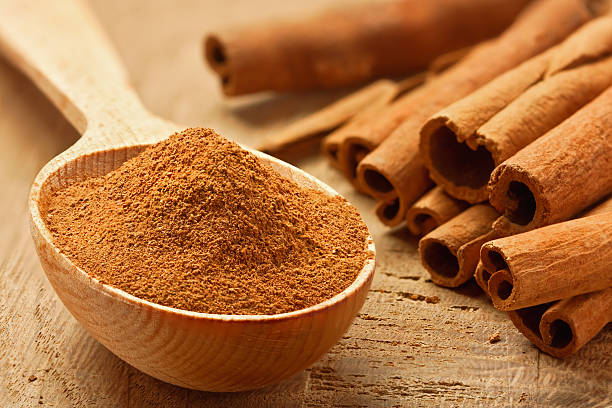
Cinnamon sticks and powder, studio shot, wood surface,

Cinnamon has been studied for its potential role in improving insulin sensitivity and lowering blood sugar levels. Stable blood sugar levels can help prevent excessive insulin spikes and crashes, which may reduce cravings for sugary or high-calorie foods. By promoting better blood sugar control, cinnamon may indirectly support weight loss efforts by preventing overeating and reducing the likelihood of storing excess glucose as fat.

Some studies suggest that cinnamon may have appetite-suppressing effects. The aroma of cinnamon is thought to influence brain function and may help reduce the desire for sweet and high-calorie foods. By curbing cravings and promoting a feeling of fullness, individuals may be less inclined to consume excessive calories, aiding weight management.

Cinnamon has traditionally been used to aid digestion. It may help reduce bloating, indigestion, and discomfort after meals. Efficient digestion is crucial for nutrient absorption and overall gut health. When the digestive system functions optimally, the body can better extract essential nutrients from food, potentially supporting weight loss by promoting overall health.

Chronic inflammation has been linked to obesity and other metabolic disorders. Cinnamon possesses anti-inflammatory properties, which may help mitigate inflammation in the body. By reducing inflammation, cinnamon may support metabolic processes and contribute to an environment conducive to weight loss.

Cinnamon is rich in antioxidants, which help combat oxidative stress in the body. Antioxidants play a role in protecting cells from damage caused by free radicals. While the direct impact on weight loss may be indirect, the overall health benefits of antioxidants contribute to general well-being, supporting a healthy lifestyle conducive to weight management.

Staying hydrated is essential for overall health and can contribute toealthcare  weight loss. Cinnamon water provides a flavorful option for hydration, potentially encouraging individuals to drink more water throughout the day. Additionally, some proponents suggest that cinnamon water may have mild detoxifying properties, aiding the body’s natural processes of eliminating waste and toxins.

To incorporate cinnamon water into your routine, consider the following tips:

Cinnamon stick or powder: You can use either cinnamon sticks or ground cinnamon to infuse your water. Cinnamon sticks can be added directly to water, while ground cinnamon may be stirred into warm water and strained.

Combine with other ingredients: Enhance the flavor and potential benefits by adding other ingredients like a slice of lemon or a few mint leaves.

While cinnamon water can be a flavorful addition to your routine, it’s essential to prioritize overall hydration by drinking an adequate amount of plain water throughout the day.

Visit for more info – http://surl.li/nxtbk

Categories
Medical Updates

Soaked groundnuts: Wonderful health benefits and delicious ways to add them to your diet

The versatile groundnuts or peanuts can be a wonderful addition to your diet in winter season. While roasted groundnuts are a more popular snacking choice for people on the go, soaking them overnight can multiply benefits by improving their absorption and getting rid of certain anti-nutrients. High in fibre content and an amazing source of protein, good fat and antioxidants, soaked peanut is a breakfast option that will help you stay full and nourished for long, curbing hunger pangs and aiding in weight loss. Many people prepare soaked peanut chaat or add them to their dalia, upma or poha. Soaked peanut can be eaten at any point of the day, even in dinner, considering the process of overnight soaking improves their digestibility.
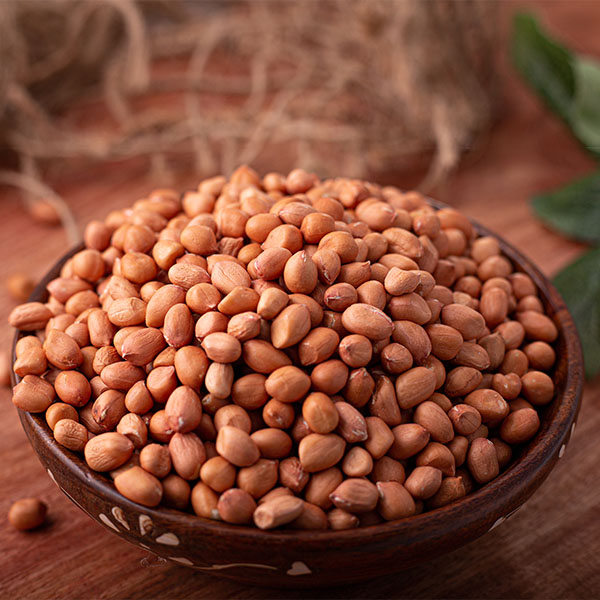
Soaked groundnuts: Wonderful health benefits and delicious ways to add them to your diet

Groundnuts have an impressive nutritional profile that not only helps to add the essential nutrients to the body but also aid in improving heart health. Groundnuts have monosaturated and polyunsaturated fats that can cut cholesterol. Being a low GI food, peanuts can be an ideal breakfast choice for people with diabetes as they help control blood sugar levels.

Peanuts are also called monkey nuts. Soaking enhances digestibility and nutritional benefits. When we soak peanuts, it helps in breaking down phytic acid and reduce enzyme inhibitors. Soaked peanuts can be consumed in a variety of ways. You can add them in your breakfast meal or even dinner. Just like almonds, peanuts are powerhouse of nutrients. They are a good source of protein, fibre, good fat and antioxidants. So, enjoy the richness of soaked peanuts which will help in muscle building, good for skin and heart. The right time to consume soaked peanuts is in breakfast, evening snack or dinner. Soaking improves digestibility so even in night it will not cause gastric trouble,” says Shruti K Bhardwaj, Chief Dietician Zydus Hospitals Ahmedabad.

BENEFITS OF SOAKED GROUNDNUT

Groundnuts, also known as peanuts, are a versatile legume that offer a multitude of health benefits. Here are some compelling reasons to include groundnuts in your diet, as suggested by Nutritionist Sakshi Lalwani.

1. Rich in nutrients: Groundnuts are packed with essential nutrients such as protein, fibre, vitamins, and minerals. They provide a concentrated source of energy, making them a valuable addition to a balanced diet.

2. Heart health: Consuming groundnuts has been linked to improved heart health. They contain monounsaturated and polyunsaturated fats, which can help reduce bad cholesterol levels, lowering the risk of cardiovascular diseases.

3. Weight management: Despite being calorically dense, groundnuts can contribute to weight management due to their satiating properties. The combination of protein and healthy fats helps keep you feeling full, reducing overall calorie intake.

4. Antioxidant properties: Groundnuts are a good source of antioxidants, including resveratrol. Antioxidants help neutralize free radicals in the body, protecting cells from damage and reducing the risk of chronic diseases.

5. Blood sugar regulation: The low glycemic index of groundnuts means they have a minimal impact on blood sugar levels. This makes them a suitable snack for individuals with diabetes or those looking to manage their blood sugar.

6. Brain health: The presence of nutrients like niacin and folate in groundnuts is beneficial for brain health. Niacin, in particular, supports cognitive function and helps in the production of neurotransmitters.

7. Aids digestion: Groundnuts are a good source of dietary fibre, promoting a healthy digestive system. Adequate fibre intake can prevent constipation and contribute to overall gut health.

8. Muscle building and repair: With a high protein content, groundnuts are a valuable addition to a diet aimed at muscle building and repair. Protein is essential for the growth and maintenance of muscles, making groundnuts a suitable plant-based protein source.

9. Supports skin health: The presence of vitamins like E and C, along with antioxidants, contributes to healthier skin. These nutrients help protect the skin from oxidative stress and promote a youthful appearance.

10. Energy boost: Groundnuts provide a quick and convenient source of energy, making them an excellent snack option for a pre-workout boost or a mid-day pick-me-up.

How to add soaked peanuts to your diet

As per Bharadwaj peanut can be added to the diet in the following ways:

Poha or Upma: Soaked peanut can transform any carb-rich breakfast into a balanced meal option. Adding it to your poha, upma, dalia etc will add to the protein and also to the taste.

Dal and vegetables: One can add soaked peanuts into your dal and vegetable too for adding more fibre and protein to your meals. This will also ensure evening hunger pangs stay away from you.

Incorporating groundnuts into your diet can be as simple as enjoying a handful as a snack, adding them to salads, or using peanut butter in various recipes. However, it’s crucial to be mindful of portion sizes, as groundnuts are energy-dense, and moderation is key to reaping their health benefits. Always consult with a healthcare professional or a nutritionist for personalized advice on dietary choices,” concludes Lalwani.

visit us – https://shorturl.at/alrux