Categories
Medical Updates

Fenugreek can help control blood sugar, cholesterol; 7 wonderful benefits

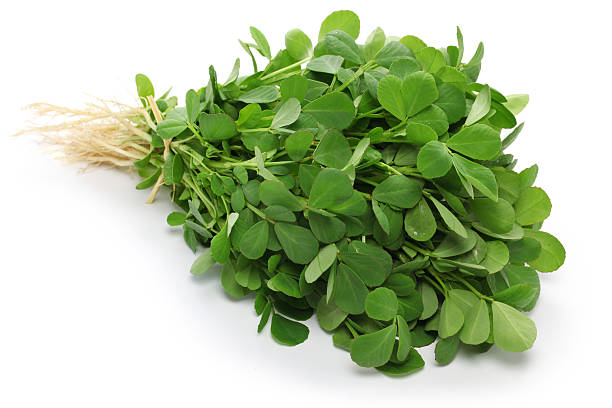
Fresh fenugreek or methi leaves are abundant in winter season and is looked forward to by everyone for flavour as well as nutrition. Methi finds it way into many delicacies from crunchy mathris to delectable saag and stir-fries. It can also be incorporated into your breakfast plate in the form of parathas. Besides, fenugreek is also known for its medicinal properties since time immemorial. Back in the time, fenugreek seeds were recommended to those who had symptoms like fever, vomiting and poor appetite. Fenugreek is especially regarded therapeutic for diabetics; it has glucomannan fibre that delays intestinal absorption of ingested sugars and alkaloids such as fenugrecin and trigonelline have demonstrated to possess hypoglycemic action. Also 4 hydroxyisoleucine (4-OH Ile) amino acids act on pancreas to release insulin.
Fenugreek can help control blood sugar, cholesterol; 7 wonderful benefits

“Fenugreek seeds were made into a gruel, halwa and were given to nursing mothers to increase the flow of milk. Fenugreek has excellent medicinal virtues. It was used in fever, vomiting, poor appetite, diabetes, constipation and many other ailments in ancient times. It was used for beauty aids too. Seeds were used as hair packs and face packs too,”

Fenugreek (Trigonella foenum-graecum), also known as methi, methya, menthya, vendhayam or venthayam menthulu, brings with it nostalgic smells of saag, parathas, malai methi curries, kashiphal etc along with key ingredients in panch-phoron, curry powder, sambar and tadkas. But along with its distinct flavours, its leaves and seeds are very beneficial for our system.

It is an annual herb which has compound leaves of light green colour. The seeds are brownish -yellow and have a peculiar odour.This nutritious microgreens is grown in the cooler months of autumn to spring. It is grown in both the cropping seasons of Rabi and Kharif in South India.

“Fenugreek seeds and leaves contain moisture 13.7%, protein 26.2%, fat 5.8%, minerals 3.0%, fibre 7.2% and carbohydrate 44.1% per 100 gms. Its leaves are rich in calcium, phosphorus, carotene, thiamine, riboflavin, niacin. Fenugreek seeds are used as an ingredient in spice blends and as a flavoring agent in foods, beverages, and tobacco. Fenugreek leaves fresh and dry are main ingredients in Indian cooking because it has aromatic flavours,” says Khanna Roy Chowdhury.

The nutritionist says fenugreek seeds were used for curing fever, given to nursing mothers for increasing flow of milk and also as face packs in ancient times.

“It is believed that fenugreek was known in the Indian cuisine even 3,000 years ago. Traditionally fenugreek seeds were not only used by each and every household as a wonder condiment for flavouring or food but also used in cattle feeds. Fenugreek seeds were made into a gruel, halwa were given to nursing mothers to increase the flow of milk,” says Khanna Roy Chowdhury.

Fenugreek has excellent medicinal virtues. It was used in fever, vomiting, poor appetite, diabetes ,constipation and many other ailments in ancient times. It was used for beauty aids too. Seeds were used as hair packs and face packs too.

Benefits of fenugreek seeds and leaves

● Fenugreek seeds exercise a smoothing effect on the skin and mucous membranes, relieving any skin irritation of the skin and alleviating swelling and pain.

● Methi seeds increase the secretion and discharge of urine and also relieve flatulence.

● Methi is popularly included in the diets of new mothers as it helps promote lactation in nursing mothers.

● Since fenugreek leaves are high in fibre and antioxidants they are excellent for diabetics. Fenugreek has compounds that slow down release of sugar and help control blood sugar.

Fenugreek is your go-to preventive herb for cardiac health as it has high fibre content and antioxidants properties that help in reducing cholesterol thus preventing heart diseases.

● Fenugreek is a wonder leaf which helps in reducing abdominal fat. Galactomannan, a water-soluble component found in fenugreek seeds, is very effective in suppressing appetite. It’s high fibre content helps in reducing bloating and acts as a laxative too.

“This winter superfood is full of benefits but remember moderation is the key role. Weight Loss is not a measure of fitness. Enjoy the goodness of these leaves as chapati, vegetables and traditional snacks. Strengthen your core. Keep a check on your parameters,” concludes Khanna Roy Chowdhury.

Visit – https://shorturl.at/giBEQ
Categories
Medical Updates Medicine & Health

Winter-friendly millets: 5 delectable ways to enjoy Ragi in cold weather

Ragi, also known as finger millet, not only keeps you warm during winters but is also a protein, mineral and fibre powerhouse. Here’s how to consume it.

Winter-friendly millets: 5 delectable ways to enjoy Ragi in cold weather

Warm and nutrient-rich, ragi can be the perfect grain for nourishing your body with the goodness of minerals, protein and dietary fibre. Also known as finger millets, the ancient grain, were cultivated thousands of years back in India and found mention in ancient texts of Sangam literature (300 BCE – 300 CE). Ragi has been finding acceptance among wellness enthusiasts after millets have made a comeback of sorts in recent years. 2023 has been declared the year of millets by UN at the behest of Indian government. Being drought resistant increases their importance in food security

With so many benefits, it’s probably a good idea to include this amazing grain as part of your winter diet. Not only roti or paratha, ragi can also be added to your soup for texture and nutrition. A healthy porridge, halwa, dosa, laddoo, muffins are the other tasty ways of adding ragi to your winter diet.

Ragi, also known as finger millet, is a superfood that has a multitude of health benefits. Ragi is a nutritious and versatile grain and including it into your diet can be both delicious and beneficial. Rich in fibre, essential nutrients, vitamins, and minerals, it is a powerhouse of nutrition. It is an excellent source of protein, calcium, potassium, and iron. Being gluten-free, it caters to various dietary preferences and is as an ideal winter food,” says Parminder Kaur, Dietician, Manipal Hospital Patiala.

Ragi is exceptionally high in dietary fibre, aiding digestion and promoting a feeling of fullness. The protein content in ragi is beneficial for muscle health and is a valuable addition to vegetarian diets. With an impressive calcium content of 34 mg/100g, ragi supports bone health and is particularly valuable for individuals with lactose intolerance. The high fibre content aids in weight management by promoting a feeling of satiety and the nutritional profile of ragi may contribute to better sleep quality, aiding in insomnia prevention,” adds Kaur.

“As winter envelops us in its crisp embrace, the importance of nourishing, wholesome foods cannot be overstated. Enter ragi, the versatile grain that not only provides comfort but also an array of health benefits. Rich in dietary fibre, calcium, and essential amino acids, ragi is a winter superhero. It offers sustained energy, aids weight management, and ensures robust blood circulation. In the cold months, ragi emerges as an ally against lethargy and nutrient deficiencies, making it an ideal addition to our winter diets. Let’s explore five creative and delicious ways to incorporate ragi into our seasonal menus,” says Dietitian Vidhi Chawla, the creator of Fisico Diet and Aesthetic Clinic.

Ways to eat Ragi in winters

Shruti Bharadwaj, Clinical Nutritionist, Zydus Hospitals Ahmedabad says one can make dosa, pancakes, chapati, laddoo, and halwa with ragi in winter.

If you have diabetes, please consult qualified dietician before consuming it to know more on how you can include it in your daily diet with other combinations to prevent sugar spikes,” says Bharadwaj.

Here are 5 ragi delights you can try during winter as suggested by Dietitian Vidhi Chawla.

1. Ragi walnut muffins: Kickstart your winter mornings with a burst of nutrients by indulging in ragi walnut muffins. These delectable treats seamlessly combine the earthy goodness of ragi with the crunch of walnuts. The fibre-rich muffins not only provide a delightful start to your day but also keep you energized and satisfied throughout the morning. Whether enjoyed with a cup of hot tea or as a quick on-the-go snack, these muffins are a delicious way to infuse your winter routine with the wholesome benefits of ragi.

2. Warm ragi apple crisp: Embrace the winter warmth with a comforting dessert – warm ragi apple crisp. This delightful creation marries the sweetness of baked apples with the nutty flavour of ragi crumble. The result is a satisfying and nourishing treat that not only pleases the palate but also provides a dose of essential nutrients. Laden with fibre and antioxidants, this dessert is a guilt-free indulgence that captures the essence of winter, making it a perfect finale to a cozy family dinner or a sweet retreat on a chilly evening.

3. Spiced ragi latte: Elevate your winter beverage game with the spiced ragi latte. Blend ragi flour with warm milk, honey, and a dash of cinnamon or nutmeg to create a comforting and nutritious drink. This spiced latte not only warms you from within but also adds a unique twist to your daily cuppa. Packed with the goodness of ragi and aromatic spices, it transforms your beverage into a wholesome experience, making it an ideal companion during cold evenings or a revitalizing pick-me-up in the afternoons.

4. Ragi veggie wraps: For a quick and wholesome lunch, consider the Ragi Veggie Wraps. Create a pliable dough using ragi flour and water, roll it into wraps, and fill them with an assortment of colourful winter vegetables. The result is a nutritious, portable meal that combines the robustness of ragi with the freshness of seasonal veggies. These wraps are not only a convenient option for those busy winter days but also a tasty way to ensure a well-rounded and satisfying lunch.

5. Ragi coconut laddoos: Conclude your winter feasts on a sweet note with Ragi Coconut Laddoos. These bite-sized delights bring together the nutty flavour of ragi, the sweetness of jaggery, and the richness of coconut. Offering a healthier alternative to traditional sweets, these laddoos are easy to prepare and make for a guilt-free indulgence. Packed with energy and natural sweetness, they serve as a delightful treat for festive occasions or a cozy dessert to share with loved ones by the fireplace.

visit us – www.aarogyapath.in

Categories
Medical Updates Medicine & Health

5 nutrition tips to manage arthritis pain in winter

Winters can be distressing for people with arthritis as they experience exacerbation in their symptoms and find it difficult to move around and do their daily activities with ease. Arthritis pain and swelling can shoot up in winter months due to changes in barometric pressure that may affect the joint health. Our body tissues expand and contract as the pressure fluctuates putting pressure on the nerves and this can result in joint pain. If you or any of your loved one is suffering from arthritis, you would know that pain, stiffness, swelling and fatigue are some of the common symptoms and can impact quality of their life if they aren’t managed well.

While arthritis pain or discomfort cannot be completely avoided in winter season, adding more nutrients to your diet and some activity to your routine can help. Studies say that people with inflammatory conditions such as rheumatoid arthritis must consume Omega-3 fatty acids found in oily fish like sardines and salmon. Mediterranean diet with lots of green leafy vegetables, fruits, nuts and seeds can also ease your arthritis distress.

“As winter’s chill settles in, individuals grappling with arthritis find themselves facing heightened discomfort. A holistic approach can be followed to alleviate arthritis pain during the colder months through strategic dietary choices. Arthritis, characterized by joint inflammation, often intensifies in winter due to the drop in temperature,” says Dr. Akhilesh Yadav, Associate Director of Orthopaedics & Joint Replacement at Max Super Speciality Hospital Vaishali.

Dr. Yadav advocates incorporating anti-inflammatory foods into one’s diet to mitigate the impact of arthritis. Chief among these are fatty fish like salmon and mackerel, rich in omega-3 fatty acids known for their potent anti-inflammatory properties. Consuming these fish can help manage arthritis symptoms and promote joint health.

NUTRITION TIPS TO MANAGE ARTHRITIS DURING WINTER

Here are other nutrition tips suggested by Dr Yadav are:

1. Green vegetables

Vegetables such as leafy greens, broccoli, and Brussels sprouts are also recommended for arthritis patients. Packed with vitamins, minerals, and antioxidants, they contribute to reducing inflammation and strengthening the immune system. Incorporating these nutrient-dense veggies into daily meals can be a flavourful and effective way to combat arthritis-related discomfort.

2. Nuts and seeds

Nuts and seeds, particularly walnuts and flaxseeds, must be preferred by people with arthritis for their omega-3 content. These elements play a crucial role in suppressing inflammation and supporting overall joint function. Adding a handful of these nutritious bites to snacks or meals can be a simple yet impactful step toward managing arthritis pain.

3. Foods that promote weight loss

In addition to specific food choices, it is important to maintain a healthy weight to alleviate strain on joints. It is advised to avoid excessive consumption of processed foods, sugary snacks, and red meat, as they can contribute to inflammation and weight gain, exacerbating arthritis symptoms.

4. Vitamin D-rich foods

Ensuring an adequate intake of vitamin D is also crucial, especially during the winter months when sunlight exposure is limited. Incorporating vitamin D-rich foods like fortified dairy products, eggs, and mushrooms into the diet can benefit people with joint trouble. Alternatively, consulting a healthcare professional for vitamin D supplements can be beneficial.

5. Hydration

This is another key factor in managing arthritis, as water helps maintain joint lubrication and supports overall bodily functions. People must stay well-hydrated, opting for water and herbal teas over sugary or caffeinated beverages.

visit us – www.aarogyapath.in

Categories
Medical Updates

Sweets Without Regrets! Nutritionist Shares Guilt-Free Dessert Recipes To Enjoy This Festive Season

As the festive season approaches, where twinkling lights adorn streets, and hearts resonate with cheer. The holiday season beckons, offering a respite—a time to reflect, connect, and embrace the magic of traditions. The anticipation of indulging in delectable treats becomes a highlight for many. However, for those on a health and fitness journey, the fear of compromising their goals can cast a shadow on the celebrations.

As we navigate the whirlwind of festivities, let’s delve into the essence of the season, celebrating love, gratitude, and the simple pleasures that make this time of year truly special. Nutritionist Aman Puri, Founder of Steadfast Nutrition comes to the rescue with guilt-free dessert recipes that promise to add sweetness to your festivities without any regrets.

Dry Fruit Ladoos: Nutrient-packed Delight

Bid farewell to the guilt associated with traditional ladoos laden with sugar and ghee. Puri’s dry fruit ladoos are a healthier alternative. Begin by blending de-seeded dates, incorporating finely-chopped almonds, cashews, figs, pistachios, and raisins.
Sauté the mixture in a touch of ghee until the nuts release their aroma. To this, add a pinch of cardamom powder and desiccated coconut. Allow the concoction to cool for a few minutes before shaping it into your preferred-sized ladoos.

Pumpkin Barfi: Orange-Colored Nutrient Powerhouse

Featuring the goodness of beta-carotene, vitamins C and E, potassium, magnesium, and iron, Puri’s pumpkin barfi is a delightful and nutritious addition to your festive menu. Roast besan until aromatic, sauté grated pumpkin in ghee until its rawness subsides, and then combine with milk and jaggery powder.
Stir continuously over medium heat until the mixture thickens, adding ghee until it leaves the sides. Sprinkle cardamom powder, let it cool, and cut it into your desired shapes after greasing a plate with ghee.

Quinoa Phirni: Superfood Twist

Embrace the superfood craze with Quinoa Phirni, a complete meal that caters to gluten intolerance. Roast quinoa until golden brown, cook it with water until reduced by half, and add preferred milk and kesar-infused milk.
Sweeten with stevia or jaggery powder, sprinkle cardamom, and simmer until perfection. Garnish with chopped cashews, almonds, and raisins for a festive finish.

These guilt-free dessert recipes from Nutritionist Aman Puri redefine the celebration of sweetness during festivals. Embrace the joy of festive indulgence without compromising your health and fitness goals. After all, a celebration that nourishes the body is truly a cause for happiness.

visit us – www.aarogyapath.in

Categories
Medical Updates Medicine & Health

​Which food is highest in vitamin B12?​

​Vitamin B12 or cobalamin performs several functions in the body​

Vitamin B12, or cobalamin, is crucial for several essential functions in the body. It plays a key role in the formation of red blood cells, aiding in the prevention of anemia and supporting oxygen transport. B12 is also vital for the maintenance of the nervous system, contributing to the production of myelin, a protective coating around nerve fibers. This vitamin is involved in DNA synthesis and cellular energy production, influencing metabolism. Additionally, B12 supports cognitive function and mood regulation by participating in neurotransmitter synthesis .

Why is it important to know the right food source for vitamin B12?​

Vitamin B12 performs several functions in the body and deficiency of this leads to complications including those related to the nervous system. As the body cannot produce B12 on its own, obtaining it through dietary sources or supplements is crucial for overall health, particularly for the proper functioning of the blood, nervous system, and metabolic processe .

​How much vitamin B12 you need to consume on a daily basis?​

The daily requirement of vitamin B12 varies from individual to individual. Up to 18 years of age, an individual needs 0.4 mcg to 1.8 mcg of vitamin B12 in their diet daily. Adults need 2.4 mcg of vitamin B12. Pregnant woman and lactating moms need up to 2.8 mcg of vitamin B12 daily.

Which food is a rich source of vitamin B12?​

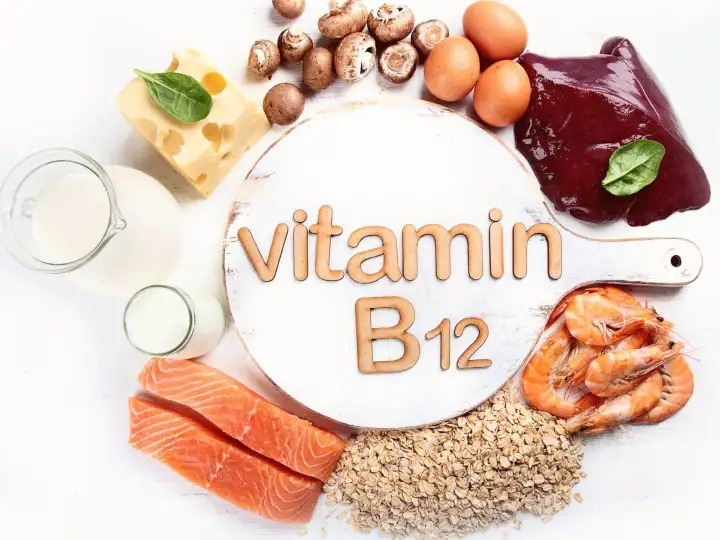
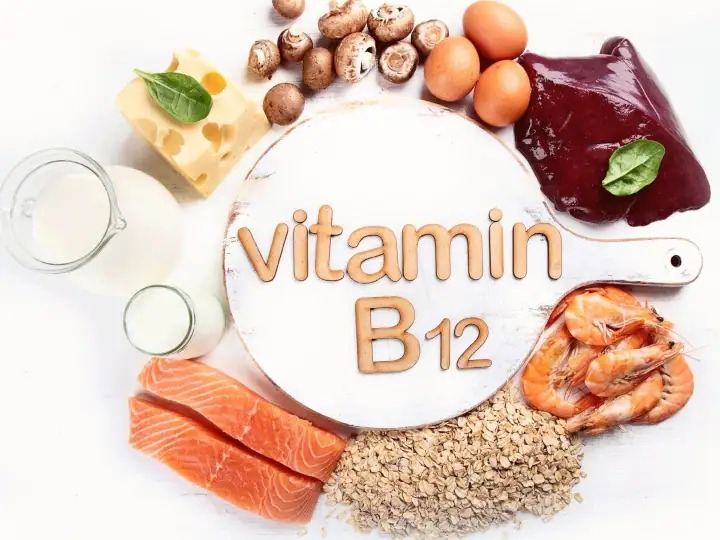
Vitamin B12 is primarily found in animal products, making it challenging for individuals following a strict vegetarian or vegan diet to obtain sufficient amounts naturally. Rich food sources of vitamin B12 include:

Meat: Pork, lamb, and other meats are excellent sources of vitamin B12.

Poultry: Chicken and turkey are good sources.

Fish: Fish, particularly oily fish like salmon, trout, tuna, and sardines, are rich in B12.

Shellfish: Clams, mussels, crabs, and oysters contain significant amounts of vitamin B12.

Dairy Products: Milk, cheese, and yogurt are good sources, although the B12 content may be lower than in meat.

Eggs: Eggs, especially the yolk, contain vitamin B12.

​Vitamin B12 foods for vegetarians​

For individuals who follow a vegetarian or vegan diet, fortified foods or B12 supplements may be necessary to meet their B12 requirements. Some plant-based foods, such as fortified cereals, plant-based milk alternatives, and nutritional yeast, can provide supplemental B12. It’s essential for those on restrictive diets to monitor their B12 intake and, if needed, consult with a healthcare professional for appropriate supplementation.

What happens when you have vitamin B12 deficiency?​

Vitamin B12 deficiency can lead to various health problems due to its critical role in several bodily functions. Common symptoms include fatigue, weakness, and anemia, as B12 is essential for the production of red blood cells. Anemia can result in pale or jaundiced skin, shortness of breath, and cognitive difficulties. Neurological symptoms may also manifest, such as tingling or numbness in the hands and feet, difficulty walking, and memory loss. Since B12 is crucial for the synthesis of myelin, a protective covering around nerve fibers, its deficiency can lead to nerve damage and neurological complications. Long-term B12 deficiency can contribute to more severe conditions, such as megaloblastic anemia, which causes the production of larger-than-normal red blood cells. Prolonged deficiency may also result in irreversible nerve damage.

​Who is at risk?​

Certain populations are at a higher risk of B12 deficiency, including older adults, individuals with gastrointestinal disorders that affect nutrient absorption, and those following strict vegetarian or vegan diets without adequate supplementation.

visit – www.aarogyapath,in

Categories
Medical Updates

Anti-Pollution Diet: Leafy Greens To Turmeric – Foods You Must Have To Cleanse Your System

With parts of the country having an air quality index (AQI) consistently falling in the ‘very poor’ and ‘severe’ categories, the health of people inhabiting these areas is undoubtedly at stake. However, by being in charge of what you put on your plate, you can mitigate the effects of air pollution to an extent.

Besides minimizing your exposure to outdoor air pollutants, when possible, following an anti-pollution diet can help you live healthily.

Say Yes to Leafy Greens

Start your anti-pollution journey with leafy greens like spinach, kale, and collard greens. Packed with antioxidants and essential nutrients, they act as your body’s natural air purifiers. These greens help reduce oxidative stress and inflammation caused by air pollutants.

Berries: Bursting with Antioxidants

Sweet, juicy, and antioxidant-rich, berries like blueberries, strawberries, and raspberries are your allies in the fight against pollution. Their vibrant colors signal the presence of potent antioxidants, which combat free radicals and keep your system clean.

Cruciferous Vegetables: Detox Powerhouses

Broccoli, cauliflower, and Brussels sprouts are like detox superstars. They are loaded with compounds, such as sulforaphane, that help your liver detoxify harmful pollutants. These veggies will keep your body running like a well-oiled machine.

Citrus Fruits: Vitamin C Boosters

Oranges, lemons, and grapefruits are rich in vitamin C. This vitamin not only boosts your immune system but also helps your body cope with the oxidative stress brought on by polluted air. Enjoy them in your salads, smoothies, or just as a refreshing snack.

Turmeric: The Golden Spice

All that glitters is not gold, but turmeric is. Turmeric, with its potent anti-inflammatory properties, is your secret weapon against inflammation caused by pollution. Incorporate it into your cooking to reduce the risk of respiratory problems and allergies.

Ginger: Soothe Your System

Ginger is a natural anti-inflammatory and antioxidant powerhouse. It can help reduce the inflammation in your airways caused by air pollutants. Add ginger to your tea and soups for a soothing effect.

Green Tea: Pollution-Proof Elixir

Green tea is rich in antioxidants, particularly epigallocatechin gallate (EGCG), which can protect your body from the harmful effects of pollution. Sip on a cup of green tea daily to keep your system fortified.

Nuts and Seeds: Healthy Fats and Antioxidants

Almonds, walnuts, chia seeds, and flaxseeds are rich sources of healthy fats and antioxidants. They provide essential nutrients to help your body cope with the oxidative stress and inflammation caused by air pollution.

Oily Fish: Omega-3 Powerhouse

Omega-3 fatty acids, which are abundant in salmon, mackerel, and sardines, have anti-inflammatory properties. These healthy fats can reduce the risk of respiratory problems and protect your heart from the effects of pollution.

Whole Grains: Fiber and Nutrients

Include whole grains in your diet, such as oats, brown rice, and quinoa. They provide fiber and essential nutrients that help your body combat inflammation and boost your overall health.

Water: Hydration is Key

Do not underestimate the power of sipping small amounts of water throughout the day. Staying hydrated is crucial to help your body flush out toxins and maintain overall health.

An anti-pollution diet can be your natural defense against the harmful effects of polluted air. The above-mentioned foods can be your allies in the fight for clean, healthy living amid the deteriorating AQI. Remember to minimize outdoor activities during peak pollution hours and nourish your body with healthy foods to keep the effects of pollution at arm’s length.

visit – www.aarogyapath.in

Categories
Medical Updates

High Cholesterol Control To Weight Loss, 7 Reasons Why Jowar Bhakri Can Be Your Alternative To Regular Atta Rotis

Jowar bhakri is a local delicacy that is widely consumed in the states of Maharashtra, Rajasthan, and Gujarat. Jowar or sorghum is one of the common millets consumed all across India. In this health-conscious world, people often switch of millet-based rotis or chapatis for weight loss and a better health outlook. High cholesterol control to weight loss, jowar is an effective diet addition to make.

High Cholesterol Control To Weight Loss, 7 Reasons Why Jowar Bhakri Can Be Your Alternative To Regular Atta Rotis

Wondering what is a bhakri? Bakri is a type of flatbread that is made by hand patting the dough. Unlike regular chapatis, it is slightly more grainy, bigger and a bit more hard. Bhakris can be a good alternative of everyday rotis and here is what makes jowar bakri all the more special.

JOWAR BHAKRI HEALTH BENEFITS

Sorghum, also known as jowar, is a nutritious and versatile grain that offers a wealth of health benefits.

  1. Rich Source of Fiber: Sorghum is an excellent source of dietary Fiber, which plays a crucial role in digestive health. Fiber helps to promote regular bowel movements, prevent constipation, and maintain a healthy gut microbiome. Additionally, fiber can contribute to a feeling of fullness, aiding in weight management.
  2. High Cholesterol Control: It has certain compounds and anti-inflammatory properties that can help to lower bad cholesterol (LDL) and protect the heart better.
  3. Gluten-Free Alternative: Sorghum is naturally gluten-free, making it a suitable grain option for individuals with celiac disease or gluten sensitivities. It can be used in various culinary preparations, from bread and tortillas to pasta and porridges.
  4. Supports Heart Health: Sorghum contains compounds like tannins and anthocyanins, which have antioxidant and anti-inflammatory properties. These compounds can help lower LDL (bad) cholesterol levels, reduce blood pressure, and protect against atherosclerosis, all of which contribute to heart health.
  5. Promotes Blood Sugar Control: Sorghum is a low-glycemic index (GI) grain, meaning it releases sugar into the bloodstream slowly, preventing spikes in blood sugar levels. This makes it a beneficial choice for individuals with diabetes or prediabetes.
  6. Abundant in Minerals: Sorghum is a rich source of essential minerals, including magnesium, potassium, iron, and phosphorus. Magnesium helps regulate muscle and nerve function, potassium supports blood pressure control, iron is crucial for oxygen transport, and phosphorus plays a role in bone health and energy production.
  7. Enhances Nutrient Absorption: The tannins present in sorghum have been shown to enhance the absorption of certain minerals, such as iron and zinc. This can be particularly beneficial for individuals with iron deficiency or at risk of zinc deficiency.

Incorporating sorghum into your diet can provide a variety of health benefits, ranging from improved digestion and heart health to better blood sugar control and enhanced nutrient absorption. It’s a versatile and nutritious grain that can be enjoyed in various forms, making it an excellent addition to a healthy lifestyle.

visit www.aarogyapath.in now !!!

Categories
Medical Updates

Cold Weather, Hot Risk! Understanding Winter Dehydration And Tips To Prevent, Expert Shares

The key to winter health is not just bundling up against the cold but also staying hydrated from the inside out. Here are some expert tips on how to prevent winter dehydration and take care of your health.

As winter blankets the world in a frosty embrace, the risk of dehydration may not be the first concern on your mind. While dehydration is commonly associated with scorching summer temperatures, the cold weather brings its own set of challenges that can jeopardize your body’s hydration balance.

Cold Weather, Hot Risk! Understanding Winter Dehydration And Tips To Prevent, Expert Shares

In an interview with Zee News English, Dr Disha Sheth, Consultant Physician, Ruby hall Clinic Wanowrie, Pune shares the health risks associated with dehydration in winters and tips to prevent it.

Understanding the dynamics of winter dehydration and implementing preventive measures are essential for maintaining optimal health during the chilly months.

Preventing Dehydration in Winter

Contrary to popular belief, cold weather can increase the risk of dehydration. The lower temperatures may diminish our perception of thirst, leading to reduced water intake. Additionally, the cold can induce more frequent urination as the body works to regulate its temperature. To combat this, health experts recommend a daily water intake of 8-10 glasses, even if you don’t feel thirsty. Opting for electrolyte-fluid replacement beverages containing moderate amounts of glucose, sodium, and potassium aids in better water absorption and retention.

Including fruits and vegetables with high water content in your diet is equally crucial. Gastrointestinal diseases, a common cause of dehydration, may manifest during winter and can lead to vomiting and diarrhea. Children are particularly vulnerable, and prompt administration of oral rehydration solutions is advised to replenish fluid and electrolyte loss. Boiled water consumption and avoidance of contaminated food and water sources are vital precautions to prevent winter dehydration.

Humidity-Induced Sweating and Winter Dehydration

In winter, humidity-induced sweating poses a unique challenge. While the cold air may not trigger the same perceptible sweat response as summer heat, the body still loses water through evaporation. However, in humid conditions, the air is saturated with water, hindering the evaporation process. This results in increased sweating as the body struggles to release heat, potentially leading to dehydration.

Mild dehydration, defined by a 5% loss of total body water, can cause symptoms such as headaches, dry mucous membranes, and reduced urine output. Recognizing these signs is crucial, as moderate (5%-10%) and severe (10%-15%) dehydration can be life-threatening. Immediate medical attention is recommended in severe cases.

As winter settles in, it’s essential to remain vigilant against dehydration. By staying hydrated, incorporating water-rich foods into your diet, and recognizing the signs of dehydration, you can ensure your well-being throughout the cold season.

visit – https://shorturl.at/bisN8

Categories
Medical Updates

Gut-Heart Harmony: Understanding Powerful Link Between Gut Health And Cardiovascular Diseases

Cardiovascular diseases claim millions of lives yearly, prompting a search for innovative approaches to boost heart health. Recent studies reveal an intriguing link between heart well-being and probiotics, the beneficial bacteria in our gut.

According to WHO, cardiovascular diseases (CVDs) account for approximately 17.9 million deaths each year, making it the leading cause of death globally. Studies have shown that an imbalance in the gut microbiota, known as dysbiosis, may contribute to chronic inflammation, obesity, and other risk factors for CVD. Inflammation, in particular, has been recognized as a key driver of atherosclerosis, a condition in which plaque builds up in arteries that can lead to heart attacks and strokes. Some gut microbe derived metabolites have been implicated in atherosclerosis.

Gut-Heart Harmony: Understanding Powerful Link Between Gut Health And Cardiovascular Diseases

As the scientific community continues to unravel the intricate web of connections between our gut microbiota and heart function, the potential for probiotics to revolutionize cardiovascular health remains a topic of great significance and interest.

According to Dr Debojyoti Dhar, Co-Founder and Director (Business Development and Innovation), Leucine Rich Bio Pvt Ltd explains, “An imbalance in gut bacteria contributes to chronic inflammation and obesity, key factors in CVD. Probiotics, specifically strains like Lactobacillus rhamnosus GG, show promise in reducing risk factors, such as Trimethylamine N-oxide (TMAO) linked to atherosclerosis.”

“Emphasizes probiotics’ potential to enhance heart function by regulating inflammation, hypertension, and cholesterol levels. These are critical factors in heart disease”, says Dr Vikas Chopra, Sr. Consultant Interventional Cardiologist, Primus Super Speciality Hospital.

Dr Srikanth H.S, Assistant Chief Officer at Jindal Naturecure Institute, highlights probiotics evolving role in cardiovascular well-being. Traditionally known for digestive health, probiotics now offer promise in reducing oxidative stress, managing blood pressure and cholesterol, and improving metabolic health.

“Studies have hinted at potential connections between probiotics and oxidative stress in metabolic disorders like heart disease, including blood pressure regulation, cholesterol management, inflammation reduction, and metabolic health improvement”, comments Dr Srikanth.

While incorporating probiotics into daily routines seems promising, caution is crucial. Consulting healthcare professionals before significant dietary changes is advised. Probiotics may become a complementary strategy for heart health, but ongoing research is needed to define their precise role.

As science uncovers the links between gut health and heart function, the potential for probiotics to enhance cardiovascular health remains an exciting area of exploration.

visit – https://shorturl.at/bjmuQ

Categories
Medical Updates

What are the healthiest types of salt? Know which one is the best for you

When it comes to choosing the healthiest types of salt, the debate often centres on the mineral content and processing methods.

While no one type of salt can be crowned the healthiest due to their similar sodium content, some salts are favoured for their additional trace minerals and less processed nature.

What are the healthiest types of salt? Know which one is the best for you

But first, one needs to understand why salt is important for your health. Salt is required to maintain the balance of electrolytes and fluids in the body that carry nutrients to the cells.

It helps regulate acid-base balance and supports the transfer of nerve impulses while also maintaining the body’s blood pressure.

TYPES OF SALT

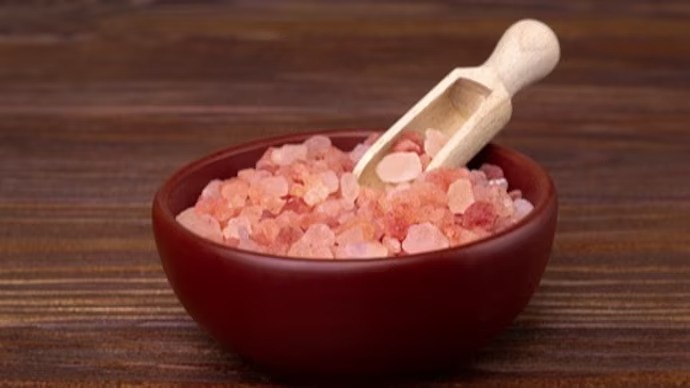
Himalayan pink salt

Pink Himalayan salt exhibits a pinkish tint and contains trace amounts of minerals like potassium, magnesium, and calcium. These minerals can contribute to the overall nutrient intake, although the amounts are too small to have a significant health impact.

Sea salt

Sea salts, such as Celtic or French fleur de sel, are harvested through the evaporation of seawater and retain trace minerals from the marine source.

These can offer a different flavour profile but, like Himalayan salt, do not provide substantial health benefits when consumed in typical dietary amounts. The mineral content in sea salt is considered negligible in terms of health impact.

Potassium salt

Potassium salts are another alternative, containing up to 70% less sodium than standard table salt. They may benefit blood pressure due to potassium’s antagonistic effects on sodium.

A modest reduction in dietary sodium can improve blood pressure by about 5 to 6 mm Hg, highlighting the importance of choosing lower-sodium options for those with hypertension.

Table salt

Table salt stands as the household’s predominant salt variety, sourced from seawater or salt lakes through solar evaporation. This salt undergoes extensive refinement to eliminate impurities and incorporates anti-caking agents for enhanced flow.

A prevalent form of table salt is “iodized salt,” where iodine is introduced to address global iodine deficiency. This method utilizes salt as a widespread vehicle for iodine distribution, simultaneously benefiting large population groups.

It’s essential to consider that all salts contain roughly the same amount of sodium by weight.

visit – www.kisansabha.in