Categories
COVID-19 Government Guidelines Medical Equipments Medical Updates Medicine & Health

COVID XBB 1.16 variant: Tracker finds high cases in India, know the symptoms

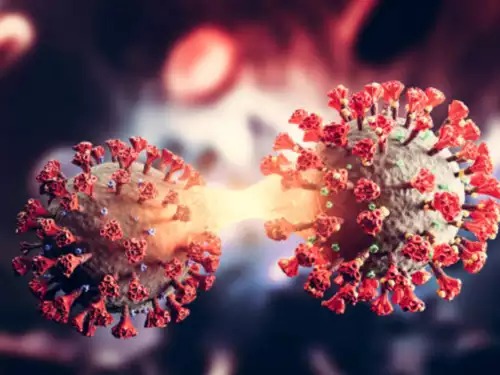
A new variant of COVID XBB, namely XBB 1.16 is in news currently for driving infection cases in the country. As per an international COVID tracking platform, the highest number of sequences of this sublineage have come from India followed by Brunei, the US and Singapore, media reports have said.The prevalence of this variant of COVID virus can lead to a fresh wave of infections, reports have predicted.

The COVID positivity rates in states like Maharashtra, Karnataka and Gujarat have increased. Maharashtra, from where this new variant is believed to have originated, reported 155 COVID positive cases in a single day along with two deaths. Telangana recorded more than 100 cases on Tuesday and Wednesday combinedly. In states like Rajasthan, Madhya Pradesh, Tamil Nadu, HimachalPradesh and J&K the positivity rate is between 5% and 10%.

So far, no different symptom related to the new circulating COVID variant has been reported.The classic symptoms of COVID which give a preliminary idea about the infection are headache, muscle pain, fatigue, sore throat, runny nose and cough.Apart from the classic signs people also experience abdominal pain and discomfort, and diarrhea.

“In India, XBB.1.16 is showing a high prevalence in the states of Maharashtra and Gujarat as per covSPECTRUM. XBB 1.16 has not descended from XBB.1.5 but both have descended from XBB and more recently XBB.1,” TOI has reported quoting a top expert from India’s genome sequencing network.”XBB is currently dominating in India, and the latest uptick in cases in the country could be a result of XBB 1.16 and perhaps XBB 1.5 but a few more sample runs would clear the picture,” the expert has told the media.
COVID XBB 1.16 variant: Tracker finds high cases in India, know the symptoms

The new variant is circulating at a faster pace and is already seen as a threat. Going with the previous experience of dealing with the virus, mutants of COVID virus are smarter in escaping immunity and are contagious in nature. The Omicron variant, of which the XBB 1.16 is a sub-sub variant, is notorious for its high transmission rate. Since the later months of 2021, the Omicron variant has been circulating worldwide replacing the Delta variant.As of now less is known about the course of action of the variant is not known. The rate of hospitalisation which is a serious concern during a COVID wave is also unknown. Hence people need to be careful about their own safety and also take care of those who are in the vulnerable groups.

Avoid going outdoors when you have few symptoms of the infectionAvoid going near to those who have the symptoms of the infectionAvoid going to crowded places without wearing masksDo not touch the face, especially nose, mouth and eyes, without cleaning the handsDo not touch any exposed and unclean surfaceKeep kids and older people isolated when someone in the family or in the neighbourhood has COVID.Keep the indoor air circulating. Stale air indoors is a breeding ground for coronavirus.

XBB 1.16 scare has arised amid scare around the H3N2 influenza virus which has claimed 7 lives in the country so far.H3N2 is a seasonal influenza virus caused by the viruses which are part of the viral family Orthomyxoviridae. Health experts have said that H3N2 virus does not affect the lungs and is mild in nature except for older people and those with comorbidities.COVID led to global pandemic and nationwide shut down in 2020. While things have returned to normalcy health experts are constantly warning people to stay safe from the viral infection. COVID also poses another risk of complications which are combinedly referred to as long COVID.

Read more at-https://bit.ly/42lTUP2
Categories
Government Guidelines Medical Updates Medicine & Health

Diabetes management plan: Understanding medications, diet and exercise

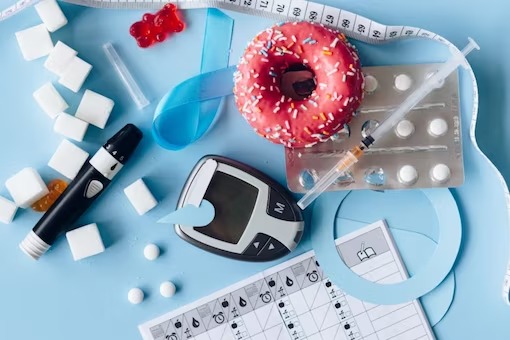
Diabetes management is a life-long intervention and positive health outcomes hugely depend on your commitment, engagement and participation in your own healthcare management. Here’s all you need to know about medications, diet and exercise for diabetics.

Type 2 diabetes still remains undoubtedly a lifestyle malady, the result of abundance, poor food choices, lack of awareness, little need for self control, obesity, reducing need for physical toil for daily living, a curse of human advancement and industrialisation. However, this very scientific advancement is now also paving the way for diabetes cure and urging humankind to unlearn and relearn a lifestyle that can fight this diabetes pandemic.

The discovery of diabetes remission in 2017 is one such scientific marvel that will be looked back upon by humankind as one of the life changing discoveries of the century. This has now led us to rethink the predominant drug-based approach to diabetes and instead bring in strong life-style based interventions as the first step in diabetes management.

Diabetes is one of the major global concerns, which is now turning into an epidemic with more than 463 million adults affected by diabetes and it has nearly quadrupled in the past two decades, growing from 4.7% to 8.5%. This challenging illness is affecting an increasing number of adults and is now more prevalent in young people where according to experts, it is sharply rising in rural and urban India so, there is an immediate need to pay attention to the growing concerns about the health threats posed by this and prioritise preventive care.

Diabetes management plan: Understanding medications, diet and exercise

In an interview with HT Lifestyle, Dr Hema Venkataraman, Consultant Endocrinologist at NHS UK and Medical Advisor, shared, “With the advent of new wonder drugs for diabetes and obesity (eg Munjaro, Semaglutide), the pharma industry in diabetes care is also entering a new era. These new drugs bring unparalleled weight loss and induce a drug induced diabetes remission of sorts. It is well known that the average Indian with diabetes does not meet the required physical activity levels necessary for optimal health (150 min of aerobic activity / week), with over 50% deemed to be inactive as per the ICMR-Indiab-5 report.”

She insisted, “Just like the idea of “diet” should pave the way for “healthy food choices”, so must “exercise” pave the way for “active living”. Our society will have to come full circle from ditching the bicycle for the car and now ditching the car for the bicycle (only this one will have some gears!).”

According to Vilasini Bhaskaran, Specialist Registered Dietitian at NHS UK and Head of Nutrition and Dietetics at Practo in India, there is no one single prescriptive dietary approach to diabetes management as “one-size” doesn’t fit all and nutrition therapy should be aimed at catering to the individual needs of patients. She recomended, “It is high-time we ditch the diet mentality and re-tune our overall approach and behavior towards eating. The ideal way to control blood sugars long term is through intuitive, healthy eating, focusing on food choices, balance, moderation, textures and consistency. A healthy meal plate should consist of vegetables or salad (1/2 plate), proteins (1/4 plate) and carbohydrates (1/4 plate) in recommended portions. Restrict eating out/ takeaways to once a fortnight as they contain a lot of calories and saturated fat even in smaller portions and this could make you put on extra pounds.”

The health expert added, “It is ‘OK’ to include sweets occasionally in smaller portions and choose ‘sugar-free’ alternatives where possible. Non-nutritive artificial sweeteners such as aspartame, stevia, acesulfame and saccharin don’t increase blood glucose and can be safely used as part of a healthy diet. Avoid foods labeled as ‘suitable for diabetics’ as these products have no special health benefits and they are often high in calories, may contain hidden ingredients that can still increase your blood glucose levels and may have a laxative effect!”

Vilasini Bhaskaran advised, “People with diabetes need to be extra careful with alcohol as it significantly increases the risk of hypoglycemia (low blood sugar levels) and adds to calories. Recommended allowance is <14 units (around 6 medium {175ml} glasses of wine) per week spread throughout the week with 2-3 alcohol-free days/ week. Remember, diabetes management is a life-long intervention and positive health outcomes hugely depend on your commitment, engagement and participation in your own healthcare management.”

Read more at-https://bit.ly/3YHS7R7

Categories
Government Guidelines Medical Equipments Medicine & Health

Cancer treatment: Artificial human skin now part of new skin cancer therapy

Artificial skin is the closest we get to real human skin and a new study has been successful in stopping invasive growth in a skin cancer model by utilising synthetic human skin.

A research team from the University of Copenhagen has been successful in stopping invasive growth in a skin cancer model by utilising synthetic human skin.

The study, which examines what exactly occurs when a cell transforms into a cancer cell, has been published in Science Signaling.

“We have been studying one of the cells’ signalling pathways, the so-called TGF beta pathway. This pathway plays a critical role in the cell’s communication with its surroundings, and it controls e.g., cell growth and cell division. If these mechanisms are damaged, the cell may turn into a cancer cell and invade the surrounding tissue,” explains Professor and Team Lead Hans Wandall from the Department of Cellular and Molecular Medicine at the University of Copenhagen.

Under normal circumstances, your skin cells will not just start to invade the hypodermis and wreak havoc. Instead, they will produce a new layer of skin. But when cancer cells emerge, the cells no longer respect the boundaries between skin layers, and they start to invade each other. This is called invasive growth.

Cancer treatment: Artificial human skin now part of new skin cancer therapy

Hans Wandall and his colleagues have been studying the TGF beta pathway and applied methods for blocking invasive growth and thus curbing the invasive growth in skin cancer.

“We already have various drugs that can block these signalling pathways and which may be used in tests. We have used some of them in this study,” explains Associate Professor and co-author of the study Sally Dabelsteen from the School of Dentistry.

Hans Wandall and Sally Dabelsteen have worked together with Dr Zilu Ye and Professor Jesper V. Olsen from the Novo Nordisk Foundation Center for Protein Research at the Faculty of Health and Medical Sciences.

“Some of these drugs have already been tested on humans, and some are in the process of being tested in connection with other types of cancer. They could also be tested on skin cancer specifically,” she says.

Artificial skin is the closest we get to real human skin

The artificial skin used by the researchers in the new study consists of artificial, genetically manipulated human skin cells. Skin cells are produced on subcutaneous tissue made of collagen. This makes the cells grow in layers, just like real human skin.

Unlike mice models, the skin model, which is another word for artificial skin, allows researchers to introduce artificial genetic changes relatively quickly, which provides insight into the systems that support skin development and renewal.

This way they are also able to reproduce and follow the development of other skin disorders, not just skin cancer.

“By using artificial human skin we are past the potentially problematic obstacle of whether results from tests on mice models can be transferred to human tissue. Previously, we used mice models in most studies of this kind. Instead, we can now conclude that these substances probably are not harmful and could work in practice, because the artificial skin means that we are closer to human reality,” says Hans Wandall.

The artificial skin used by the researchers resembles the skin used to test cosmetics in the EU, which banned animal testing in 2004. However, artificial skin does not allow the researchers to test the effect of a drug on the entire organism, Hans Wandall points out. Skin models like the one used here have been used by cosmetics companies since the mid-1980s.

“We can study the effect focussing on the individual organ — the skin — and then we reap experiences with regard to how molecules work, while we seek to determine whether they damage the structure of the skin and the healthy skin cells,” he says.

Read more at-https://bit.ly/3Fk8MUd

Categories
Medical Equipments Medical Updates Medicine & Health

ASG Eye Hospitals takes operation control of Vasan Eye Care

Synopsis

Investors of ASG Eye Hospitals include Foundation Holdings, General Atlantic, and Kedaara Capital. The investors would work closely with the teams of ASG and Vasan to realise the vision of becoming the leading eye care franchise in India by providing high quality eye care services. Foundation Holdings Managing Director Aakash Sachdev, who is also the ASG Eye Hospitals Director, said the strategic acquisition marks an exciting time for ASG and Vasan and a historic milestone in the eye care sector.

Rajasthan-headquartered ASG Eye Hospitals has commenced steps to take operational control of Vasan Eye Care following the completion of all formalities and transfer of ownership, the eye care provider said on Saturday. Post the merger, Vasan Eye Care would remain as an independent eye care brand, ASG Eye Hospitals said.

On February 3, National Company Law Tribunal approved the resolution plan of ASG Hospitals to acquire Vasan Healthcare Pvt Ltd with a bid value of Rs 526 crore with 98 per cent of the votes received from the Committee of Creditors.

The successful completion of acquisition marks a significant milestone in ASG Eye Hospitals’ journey to expand into new and underserved markets in India and make quality eye care accessible to all,” ASG Eye Hospitals said.

ASG Eye Hospitals takes operation control of Vasan Eye Care

Commenting on the development, ASG Eye Hospital Pvt Ltd Chairman and Managing Director Arun Singhvi said: “Post this strategic acquisition, we are proud to expand our network presence in South India. Vasan Eye Care is a valued and respected name in eye care and will continue as an independent brand.”
ASG Eye Hospitals, based in Jodhpur, has served over 7.5 million people through its 54 state-of-the-art speciality eye care hospitals across 17 states in the country. It has a presence abroad in Uganda and Nepal as well.

With the addition of Vasan Eye Care, the network of ASG Eye Hospitals would increase to over 150 across India with presence in 21 states, it said.
The strategic acquisition would strengthen ASG’s position in the healthcare industry and enhance its market presence, ASG Eye Hospitals said.

“We are delighted to welcome the Vasan team to the ASG family to join our mission to enhance the delivery of quality eye care for all and improve the quality of life across India.” Singhvi said.

“We look forward to working closely with all stakeholders in the Vasan ecosystem to ensure a seamless transition as we continue to deliver unparalleled patient care,” he said.

Investors of ASG Eye Hospitals include Foundation Holdings, General Atlantic, and Kedaara Capital. The investors would work closely with the teams of ASG and Vasan to realise the vision of becoming the leading eye care franchise in India by providing high quality eye care services.

Foundation Holdings Managing Director Aakash Sachdev, who is also the ASG Eye Hospitals Director, said the strategic acquisition marks an exciting time for ASG and Vasan and a historic milestone in the eye care sector.

The Vasan acquisition will be a perfect geographic fit with ASG and a unique opportunity to establish ASG as a world-class healthcare delivery platform with a scaled South India presence and pan-India reach,” he said.

Vasan Eye Care network is a premier institution of eye care hospitals in the country and has been serving over six million patients every year. It has over 100 super speciality eye care hospitals in its network, Vasan Eye Care said in its website.

Read more at-https://bit.ly/3mwi88w

Categories
COVID-19 Government Guidelines Medical Equipments Medical Updates

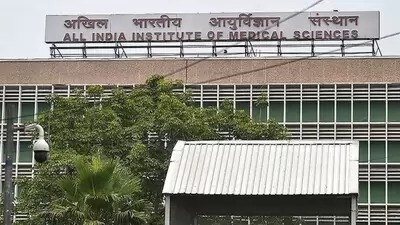
AIIMS Delhi to set up robotic surgery training facility

Synopsis

It said that robotic-assisted surgery is one of the newest areas of innovation in minimally invasive surgery. AIIMS Delhi has been an early adopter of this innovation in medical technology and has a talent pool of faculty using robotic surgical systems for many years.

AIIMS Delhi will soon set up a robotic surgery training facility in its campus here to train its doctors and other healthcare professionals across India. The premier hospital will float an open expression of interest (EOI) to invite Robotic Surgery System manufacturers (OEMs) to co-create and develop robotic surgery training facilities at AIIMS on a not-for-profit basis within the next 3-6 months, according to an office memorandum issued by AIIMS director Dr M Srinivas said on Friday.

AIIMS Delhi will provide around 500 sq ft of space, academic areas, cadavers/tissues for training and a pool of trained faculty among others, the memorandum stated.

It said that robotic-assisted surgery is one of the newest areas of innovation in minimally invasive surgery. AIIMS Delhi has been an early adopter of this innovation in medical technology and has a talent pool of faculty using robotic surgical systems for many years.

AIIMS Delhi to set up robotic surgery training facility

“Keeping in view the availability of adequate number of master trainers at AlIMS New Delhi, there is an immediate requirement to establish Robotic Surgery Training Facilities herein for imparting training to doctors from AIIMS New Delhi and other healthcare facilities in India,” the memorandum said.

“Accordingly, it is desired that an open expression of interest (EOI) should be floated to invite Robotic Surgery System manufacturers (OEMs) to co-create and develop Robotic Surgery Training facilities at various campuses of AIIMS, New Delhi on not-for-profit basis within the next 3-6 months,” it said.

The OEMS shall be expected to install the complete robotic surgery training platform and provide related accessories and consumables, etc free of cost. OEMS may at their own cost, also invite external experts for imparting training on any newer techniques with the prior permission of AIIMS, New Delhi, the document stated.

Read more at-https://bit.ly/3ZmAt6w

Categories
COVID-19 Government Guidelines Medical Equipments Medical Updates Medicine & Health

Influenza (flu) vs Covid: Symptoms, differences and similarities

Despite the fact that COVID-19 and influenza (flu) are both contagious respiratory illnesses, they are caused by separate viruses. COVID-19 is induced by contact with a coronavirus (SARS-CoV-2) that was discovered in 2019. Flu is caused by infection with a flu virus (influenza viruses).

From no signs (asymptomatic) to severe symptoms, COVID-19 and the flu can both have a range of symptoms. The flu and COVID-19 both commonly exhibit these symptoms:

Experiencing chills or feeling feverish, Cough, Respiratory issues or shortness of breath, Fatigue, Sore throat, Runny or congested nostrils, Headache, Vomiting, Diarrhea (more common in children with flu, but can occur in any age with COVID-19), Taste or scent alteration or loss, though this occurs more frequently with COVID-19.

How does it spread?

Similarities:

People who are close to or in direct contact with one another are more likely to contract COVID-19 or the flu. Both are primarily transmitted by virus-containing large and small particles that are released when COVID-19 or flu patients cough, sneeze, or talk. Majority of transmission occurs through the inhalation of large and tiny droplets, it is still possible for someone to become infected by touching another person who has the virus

Differences:

Superspreading episodes for COVID-19 have been found to be higher than those for flu. This implies that the virus that causes COVID-19 can rapidly and easily spread to a large number of people and cause ongoing spreading among people over time.
People without symptoms, people with very mild symptoms, and people who never experience symptoms can all transmit the virus that causes COVID-19 to others (asymptomatic people).

Similarities: For both COVID-19 and the flu, it may take one or more days for a person to start showing signs after contracting the infection. The virus that causes COVID-19 can be contracted even if no signs are present. Flu viruses can also infect people even when they show no signs.

Differences: Compared to the flu, COVID-19 patients may encounter symptoms later in the course of the illness where as an individual typically experiences symptoms one to four days after infection in flu.

Influenza (flu) vs Covid: Symptoms, differences and similarities

Differences:
Compared to the flu, COVID-19 may render an individual more contagious for a prolonged period of time.

Flu
Before showing symptoms, people who have the flu virus are possibly contagious for about one day. However, it is thought that the majority of those who transmit the flu virus infection are already exhibiting flu-like symptoms.
Although some individuals may continue to be contagious for a little longer periods, older children and adults with the flu appear to be most contagious during the first 3–4 days of their illness.

COVID-19
The COVID-19 virus can start spreading between two and three days before symptoms appear, but it reaches its highest infectiousness the day before symptoms start. The COVID-19 virus can also propagate among people even when they are asymptomatic. People are typically deemed contagious for eight days after the onset of their symptoms.

Similarities: COVID-19 and the flu both have the potential to cause serious sickness and complications. Those at higher risk comprise of older people, individuals with particular underlying medical problems, pregnant women.

Differences:

Even healthy individuals can develop a severe COVID-19 illness that requires hospitalisation and results in death. Some COVID-19 patients may go on to acquire multisystem inflammatory syndrome or post-COVID conditions (MIS)

Certified treatments

Similarities:

People who are more likely to develop complications or who have been admitted to the hospital with COVID-19 or the flu should receive the proposed treatments and supportive care to assist with symptom relief and complications.

Differences:

Flu
Guidelines for treating COVID-19 have been established by the National Institutes of Health (NIH), and they are frequently updated as new information about potential treatments becomes available. Antiviral therapy is included here for individuals who aren’t admitted but are at higher risk.

COVID-19
Guidelines for treating COVID-19 have been established by the National Institutes of Health (NIH), and they are frequently updated as new information about potential treatments becomes accessible. This covers both antiviral treatment for patients hospitalised with severe COVID-19 and antiviral treatment for non-hospitalized individuals at higher risk for the virus. People who are more likely to develop severe COVID-19 should get help as soon as their first symptoms appear.

Read more at-https://bit.ly/3SIeeWe

Categories
COVID-19 Government Guidelines Medical Updates

Early-life stress can disrupt brain’s reward circuits: Research

In addition to CRH, projection fibres co-expressed gamma-aminobutyric acid. They found that this new pathway, when stimulated, suppresses several types of reward behaviours in male mice.

A novel brain link may provide a new therapeutic target for the treatment of mental illness by explaining how early stress and adversity cause the reward circuit in the brain to function improperly. This circuit’s dysfunction is regarded to be the root cause of a number of severe illnesses, including depression, drug misuse, and excessive risk-taking.

In an article recently published online in Nature Communications, Dr Tallie Z. Baram, senior author and UCI Donald Bren Professor and Distinguished Professor in the Departments of Anatomy & Neurobiology, Pediatrics, Neurology and Physiology & Biophysics, and Matt Birnie, lead author and a postdoctoral researcher, describe the cellular changes in the brain’s circuitry caused by exposure to adversity during childhood.

“We know that early-life stress impacts the brain, but until now, we didn’t know how,” Baram said. “Our team focused on identifying potentially stress-sensitive brain pathways. We discovered a new pathway within the reward circuit that expresses a molecule called corticotropin-releasing hormone that controls our responses to stress. We found that adverse experiences cause this brain pathway to be overactive.”

“These changes to the pathway disrupt reward behaviours, reducing pleasure and motivation for fun, food and sex cues in mice,” she said. “In humans, such behavioural changes, called ‘anhedonia,’ are associated with emotional disorders. Importantly, we discovered that when we silence this pathway using modern technology, we restore the brain’s normal reward behaviours.”

Early-life stress can disrupt brain's reward circuits

Researchers mapped all the CRH-expressing connections to the nucleus accumbens, a pleasure and motivation hub in the brain, and found a previously unknown projection arising from the basolateral amygdala. In addition to CRH, projection fibres co-expressed gamma-aminobutyric acid. They found that this new pathway, when stimulated, suppresses several types of reward behaviours in male mice.

The study involved two groups of male and female mice. One was exposed to adversity early in life by living for a week in cages with limited bedding and nesting material, and the other was reared in typical cages. As adults, the early adversity-experiencing male mice had little interest in sweet foods or sex cues compared to typically reared mice. In contrast, adversity-experiencing females craved rich, sweet food. Inhibiting the pathway restored normal reward behaviours in males, yet it had no effect in females.

“We believe that our findings provide breakthrough insights into the impact of early-life adversity on brain development and specifically on control of reward behaviours that underlie many emotional disorders. Our discovery of the previously unknown circuit function of the basolateral amygdala-nucleus accumbens brain pathway deepens our understanding of this complex mechanism and identifies a significant new therapeutic target.” Baram said. “Future studies are needed to increase our understanding of the different and sex-specific effects of early-life adversity on behaviour.”

Read more at-https://bit.ly/3m9iulk

Categories
Medical Equipments Medical Updates Medicine & Health

National Protein Day: Everyday tips for healthy protein consumption

While it is important to consume enough protein, it is also crucial to ensure that the sources of protein are healthy and nutritious. Check out some expert approved tips for healthy protein consumption.

Protein is an essential macronutrient that plays a vital role in building and repairing tissues, regulating hormones, and supporting a healthy immune system. While it is important to consume enough protein, it is also crucial to ensure that the sources of protein are healthy and nutritious. Despite its many benefits, many people struggle to consume enough protein in their diet, which can lead to a host of health problems. That’s why National Protein Day is an excellent opportunity to focus on incorporating more high-quality protein into your daily routine. Whether you’re a vegetarian, vegan, or meat-eater, there are plenty of delicious and healthy protein-rich foods to choose from.

On National Protein Day, Soumava Sengupta, CEO, BUILD., shared some tips with HT Lifestyle for healthy protein consumption.

National Protein Day: Everyday tips for healthy protein consumption

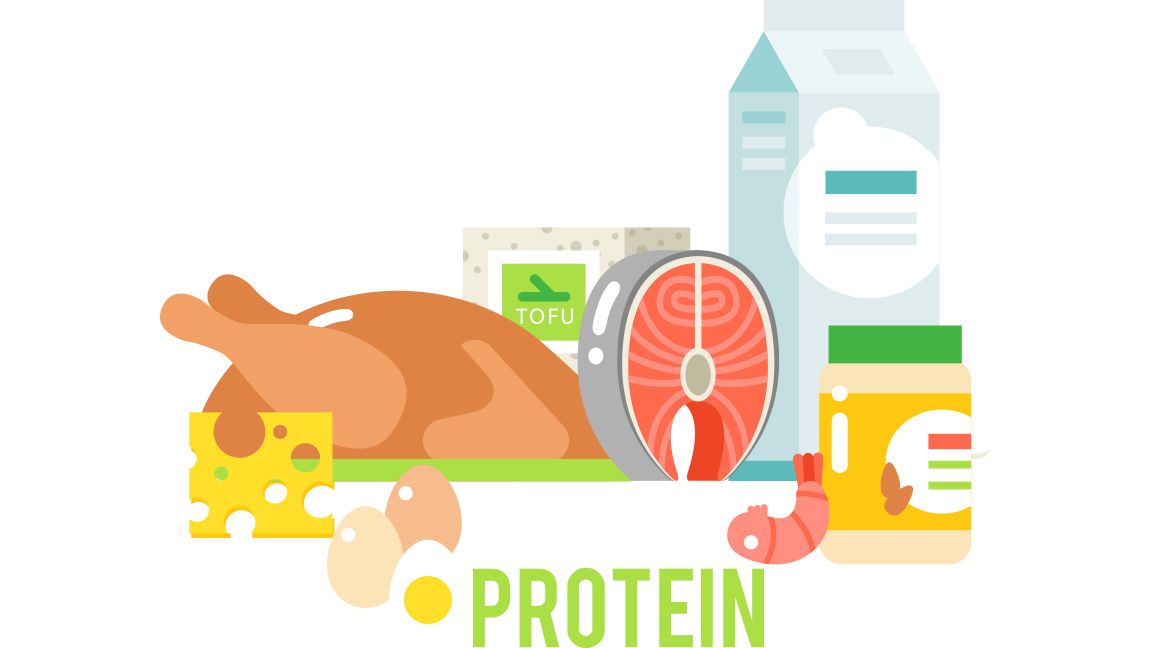
1. Choose lean protein sources: Lean protein sources such as chicken, turkey, fish, and legumes are excellent options for healthy protein consumption. They are low in saturated fat and provide important nutrients like iron, zinc, and vitamin B12.

2. Incorporate plant-based proteins: Plant-based proteins such as tofu, tempeh, nuts, and seeds are great sources of protein for vegetarians and vegans. They are also typically high in fibre and other important nutrients.

3. Don’t forget about eggs: Eggs are an excellent source of protein, as well as vitamin D, vitamin B12, and choline. Aim to incorporate eggs into your diet in a variety of ways, such as scrambled, hard-boiled, or in omelettes.

4. Use protein powder wisely: Protein powder/whey proteins can be a convenient way to add protein to your diet, but it is important to choose a high-quality, minimally processed brand. Additionally, be mindful of added sugars and other additives in protein powders.

5. Balance your meals: When planning meals, aim to include a source of protein, carbohydrates, and healthy fats. This will not only help ensure that you are getting enough protein but also help keep you feeling full and satisfied.

6. Snack smart: Snacks can be a great opportunity to sneak in some extra protein. Some healthy protein-packed snack options include Greek yogurt, string cheese, and hummus with veggies.

7. Watch your portions: While protein is important, it is also important not to overdo it. Aim for a portion size of about 3-4 ounces of lean protein per meal.

8. Stay hydrated: Drinking enough water is important for overall health, including proper digestion and absorption of nutrients like protein. Aim to drink at least 8 cups of water per day.

Incorporating healthy protein sources into your diet is essential for overall health and wellness. By choosing lean protein sources, incorporating plant-based proteins, and balancing your meals, you can ensure that you are getting enough protein to support your body’s needs.

Additionally, snacking smart and watching your portions can help you avoid overdoing it on protein. With these everyday tips for healthy protein consumption, you can feel confident that you are providing your body with the nutrients it needs to thrive.

Read more at-https://bit.ly/3kw32zs

Categories
COVID-19 Government Guidelines Medical Equipments Medical Updates

What is a stem cell transplant?

A third patient was reported HIV-free this week after receiving a stem cell transplant. Here’s everything you need to know about the procedure.

A study published February 9 declared a third person free of HIV after receiving a specific type of bone marrow, or stem cell, transplant. The 53-year-old man, who researchers are calling the “Düsseldorf” patient, received the treatment in 2013 and has been monitored since.

Like the two others — known as the “Berlin” and “London” patients, respectively — the man was positive for Type 1 HIV (HIV-1) and received a specific type of stem cell transplant to help treat a cancer diagnosis.

Both the Düsseldorf and Berlin patients had leukemia, while the London patient had Hodgkin’s lymphoma. (Also Read | ‘Duesseldorf patient’ cured of HIV, cancer after stem cell transplant: Study)

What is a stem cell transplant?

What are stem cells?

“Stem cell” is an umbrella term that refers to cells that are constantly dividing and have the potential to form different cell types.

Most of the body’s cells are very specialized and can’t change type — they will be stuck as heart muscle cells, neurons or intestine wall cells for the rest of their “lives”.

In contrast, stem cells are more like teenagers about to graduate high school.

They have the potential to become pretty much anything — a lawyer, nurse, scientist, journalist, influencer or TikToker — and must adapt to new trends.

What are hematopoietic stem cells?

The three HIV-free patients all received an allogenic hematopoietic stem cell (HSC) transplant.

The terms “bone marrow” and “stem cell” are often used interchangeably when talking about this procedure, because there are HSCs in our bone marrow.

HSCs are a cell-producing machinery that can give rise to blood and immune system cells through a process called hematopoiesis, which comes from two Greek words that together mean “blood making”.

You might not realize it, but every day HSCs produce around 300 billion new cells in your bone marrow.

Different types of stem cells

But not all teenagers are equally flexible when it comes to figuring out what they want to become. Some may be really into art, while others may be passionate about science and incapable of drawing a tree.

Stem cells also have different types of potential. Some can generate many different cell types, while others only a few.

Pluripotent stem cells can generate all the different types of cells required for an embryo to develop. Multipotent stem cells, on the other hand, can only generate a few types of cells.

Adult humans have multipotent stem cells in parts of the body where the cells need constant replenishment, like the skin, bones and gonads.

Scientists received the Nobel Prize in 2012 after proving it’s possible to manipulate already-differentiated cells into becoming pluripotent again through a process called “cell reprogramming”.

Since then, stem cell therapy has become a very active field of research.

Hematopoietic stem cell transplant

There are several types of stem cell therapies, and despite being harsh and risky, the HSC transplant is the most popular.

The procedure attempts to fix unhealthy bone marrow by replacing it with healthy marrow from a donor. It treats conditions that are often life-threatening, like certain types of cancers or blood/immune disorders such as sickle cell disease.

Stem cell transplants are classified by the origin of the stem cells that are being transplanted. For example, if the cells come from the body of the person who is being treated, the procedure is called an autologous stem cell transplant. If they come from someone else, it’s considered allogenic.

Each of the three HIV-free patients received an allogenic HSC transplant.

A high-risk transplant

Before receiving an HSC transplant, a patient is required to undergo a harsh “conditioning” regimen, which can include chemotherapy and radiotherapy.

Both treatments can have serious side effects, like infections, organ failure and even death. They are conducted in order to destroy the patient’s unhealthy bone marrow and heavily suppress their immune system, which allows the transplant to properly integrate.

If the treatment is successful, the transplanted cells will trigger an immune reaction against any residual cancer cells, helping clear them in what’s called a graft-versus-tumour effect.

But things can go awry. In some cases, the donor’s transplanted immune cells may start to recognize the recipient’s body as foreign and attack it, leading to graft-versus-host disease.

Graft-versus-host disease can affect the skin, the intestines and the liver. In some cases, it can even be life-threatening.

Not a treatment for HIV

Due to its high risk, researchers from the three HIV-remission studies have repeatedly cautioned that HSC transplants should not be seen as a treatment for HIV, which can be well managed with anti-retroviral treatment.

Researchers across the world are still looking for a cure or vaccine for the virus.

Read more at-https://bit.ly/3EzfjJY

Categories
Government Guidelines Medical Equipments Medical Updates Medicine & Health

Exam anxiety: 6 ways students can ghost negativity

Exam anxiety frequently has a negative impact on your academic achievement. Here are 6 ways students can ghost negativity.

Examination anxiety limits your outlook on life, your academic or professional performance, as well as how you live your daily life since your body starts to feel anxious weeks before the exam and it reaches a high on the day of the exam. Unfortunately, exam anxiety frequently has a negative impact on your academic achievement.

In an interview with HT Lifestyle, Kanchan Rai, Emotional and Mental Wellbeing Coach and Founder of Let Us Talk, suggested some tips to keep the anxiety at a bay:

Exam anxiety: 6 ways students can ghost negativity

1. Banish all negative energy

Stop what you are doing and clear your mind if you feel like you are brewing a storm of unfavorable thoughts. Permit yourself to fantasize a little and picture yourself relaxing with close pals. Wait until you feel the tension dissipate before returning to studies.

2. Make a plan and stick to it

You can make a plan for studying as soon as you are aware that an exam will soon be upon you. Create a plan for the actual exam as soon as you receive your exam paper. Don’t wait until the last minute to study for a test; the stress you put on yourself and the late night will make you more anxious, and you won’t remember much.

3. Psychological need

It is true that students occasionally put off attending to their physical needs in order to study for an exam. keep up healthy eating and sleeping routines. A student who is hungry and exhausted is likely to perform worse on an exam than one who is well-rested and fed. Exercise frequently, and after you have thoroughly prepared for the exam, relax.

4. Study a little earlier

Studying gradually over time is considerably more beneficial than cramming everything in at once. Additionally, spending time studying in the same or nearby locations as your test can aid in your ability to retain the material when it comes time to take the test.

5. Explore relaxation practices

To be calm and confident both before and during the test, practice relaxation techniques like deep breathing, relaxing each muscle one at a time, or closing your eyes and visualizing a positive outcome.

6. Focus more on discipline

Better plans, goals and interim practice help you find a way to address more discipline. The approach of focus goals builds you to access and get achievements. Lack of motivation also comes from imbalance study routine.

Read more at-https://bit.ly/3EwPpXA