Categories
Government Guidelines Medical Equipments Medical Updates Medicine & Health

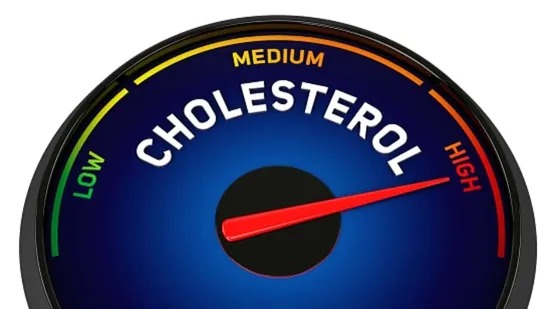
High blood cholesterol increases risk of Alzheimer’s and heart disease: Study

Researchers from the University of Colorado School of Medicine and the Linda Crnic Institute for Down Syndrome have discovered that the harmful effects of cholesterol on the brain and blood vessels may be caused by a single mechanism.

Researchers at the Linda Crnic Institute for Down Syndrome and the University of Colorado School of Medicine have found that a single mechanism may underlie the damaging effect of cholesterol on the brain and on blood vessels. High levels of blood cholesterol increase the risk of both Alzheimer’s disease and heart disease, but it has been unclear exactly how cholesterol damages the brain to promote Alzheimer’s disease and blood vessels to promote atherosclerosis.

Using insights gained from studying two much rarer disorders, Down Syndrome and Niemann Pick-C disease, researchers at the Linda Crnic Institute for Down Syndrome and the Department of Neurology of the University of Colorado School of Medicine found that cholesterol wreaks havoc on the orderly process of cell division, leading to defective daughter cells throughout the body.

In the new study published this week in the on-line journal PLOS ONE, Antoneta Granic, PhD, and Huntington Potter, PhD, show that cholesterol, particularly in the LDL form, called ‘bad cholesterol’, causes cells in both humans and mice to divide incorrectly and distribute their already-duplicated chromosomes unequally to the next generation. The result is an accumulation of defective daughter cells with the wrong number of chromosomes and therefore the wrong number of genes. Instead of the correct two copies of each chromosome, and thus two copies of each gene, some cells acquired three copies and some only one.
High blood cholesterol increases risk of Alzheimer's and heart disease

Granic and Potter’s study of the effects of cholesterol on cell division included a prominent finding of cells carrying three copies of the chromosome (#21 in humans and #16 in mice) that encodes the amyloid peptide that is the key component of the neurotoxic amyloid filaments that accumulate in the brains of Alzheimer patients.

Human trisomy 21 cells are significant because people with Down syndrome have trisomy 21 in all of their cells from the moment of conception, and they all develop the brain pathology and many develop the dementia of Alzheimer’s disease by age 50. Earlier studies by Granic, Potter and others have shown that as many as 10% of cells in an Alzheimer patient, including neurons in the brain, have three copies of chromosome 21 instead of the usual two. Thus, Alzheimer’s disease is, in some ways, a form of acquired Down syndrome. Furthermore, mutant genes that cause inherited Alzheimer’s disease cause the same defect in chromosome segregation as does cholesterol, thus indicating the presence of a common cell division problem in both familial and ‘sporadic’ (non-familial) Alzheimer’s disease.

The new research also found trisomy 21 neurons in the brains of children with what, until now, was thought to be an unrelated neurodegenerative disease (Niemann Pick type C), caused by a mutation affecting cholesterol physiology. This result suggests that neurodegeneration itself might be linked to chromosome missegregation. Such a model is supported by the finding of Thomas Arendt, MD, and colleagues at the University of Leipzig that 90% of the neuronal cell death observed at autopsy in Alzheimer patients is due to the creation and selective loss of neurons with the wrong number of chromosomes.

Identifying the specific problem caused by cholesterol will lead to completely new approaches to therapy for many human diseases, including Alzheimer’s disease, atherosclerosis and possibly cancer, all of which show signs of defective cell division. Granic and Potter already have found a potentially simple approach to preventing cholesterol from causing cells to distribute their chromosomes unequally into their new daughter cells. Specifically, when cells in culture were first treated with ethanol, the subsequent exposure to bad cholesterol was without effect on cell division: Each daughter cell received the correct number of chromosomes.

Read more at-https://bit.ly/3Z4MmOP
Categories
COVID-19 Government Guidelines Medical Equipments Medical Updates Medicine & Health

Cancer vaccine hunt makes progress, finally

A small study shows promise in deploying mRNA technology against melanoma, but fighting tumors is vastly more complex than tackling Covid.

The long-awaited cancer vaccine revolution is getting a little closer to reality. New data from Moderna Inc. and Merck & Co. suggest that after decades of failures, researchers are finally figuring out the right way to design a vaccine that can teach immune cells how to recognize and combat tumors.

Earlier this month, the companies said that when used in concert with Merck’s cancer immunotherapy Keytruda, Moderna’s mRNA cancer vaccine reduced the risk of certain skin cancers from returning or patient deaths by 44% compared with Keytruda alone.

That number justly generated a lot of excitement. It’s the first time an mRNA-based cancer vaccine has proven itself in a randomized study, and with an unambiguously positive outcome. If that result holds up in larger trials, it would be a huge advance both for the mRNA technology behind Covid vaccines and for the field of cancer vaccines in general.

But there are a lot of steps between achieving early, positive data for a subset of melanoma patients and developing a widely accessible, cost-effective treatment. Among the more daunting challenges: The vaccine needs to be tailored to the genetic makeup of an individual patient’s tumors.

The study was small, enrolling just 157 people at high risk of their late-stage skin cancer returning. (Moderna and Merck have yet to make available the full dataset, though they plan to do so at an upcoming conference.) Still, even if the results are slightly less dramatic in a bigger study, the vaccine could make a difference for patients. “That would be a substantial change,” translating into long-term remissions, says Julie Bauman, director of the George Washington University Cancer Center. Bauman led an earlier study of Moderna’s cancer vaccine.

The study enrolled melanoma patients who had undergone surgery to remove any signs of their cancer. Unlike vaccines the public is used to taking — mass-produced shots that aim to prevent people from catching a contagious disease like the flu or polio, Moderna’s cancer vaccine instead is intended to keep the disease from returning. It does that by training immune cells to recognize as dangerous proteins found on a patient’s own tumor cells.

The hope was that the vaccine would amplify the already substantial benefit of Keytruda, which blocks a method that cancer cells use to hide from the immune system. Amazingly, the combination worked.

Cancer vaccine hunt makes progress, finally

Moderna already demonstrated its capacity for developing and manufacturing mRNA vaccines. It had been working on vaccines for cancer and infectious diseases for more than a decade when the coronavirus pandemic hit, prompting the company to pivot to developing a Covid shot that, along with a similar one developed by Pfizer Inc. and BioNTech, became the first widespread commercial application of mRNA technology.

Building a successful cancer vaccine will be much more difficult. Moderna starts with a biopsy of a patient’s tumor, which it then sequences and uses artificial intelligence to pick out the mutations likely allowing the cancer to thrive. Then, mRNAs encoded for the most relevant cancer-driving proteins are packed inside a delivery system called a lipid nanoparticle, the same kind of delivery method used in Covid vaccines.

From tumor biopsy to first vaccine dose, the process can take between eight and 10 weeks, says Moderna Chief Medical Officer Paul Burton. Repeating this over and over for each patient enrolled in the clinical trial was a major undertaking, he adds.

Now imagine doing that for a commercial drug earmarked for thousands rather than for a few hundred people in a controlled study. There are nearly 100,000 cases of melanoma annually in the US, according to the American Cancer Society. While most cases are curable when detected early, more than 7,500 people die every year of the disease.

Bringing down the “needle-to-needle” time between biopsy and immunization will be critical to ensuring the treatment isn’t just promising, but practical and accessible to anyone who might benefit from it. One way to speed things up would be to establish regional hubs to quickly process biopsies.

Another measure that eventually could accelerate the development of the melanoma vaccine would be to simplify the vaccine’s components. Currently, the vaccine targets a laundry list of 34 mutated proteins to garner the full effect. It would be worth figuring out whether returns start to diminish after, say, 15 or 20 proteins.

Researchers also would like to understand whether certain types of tumors rely on common drivers that, if discovered, could be the foundation for a more broadly designed vaccine that could have some tailor-made components sprinkled in.

Burton says that Moderna so far hasn’t seen any common drivers that could help generalize components of the vaccine, but that data are limited — and the hope is that some clues might emerge as the vaccine is used over the long term and many more people are treated.

Scientists also still need to study the best way to use this vaccine for long-term suppression of cancer, considering, for example, whether people need to continue taking it every three weeks for life, or if they can get by with a periodic boost. And if someone’s disease progresses, does the vaccine itself need to be retooled to match new mutations that might have cropped up?

Perhaps the biggest question right now is whether the effect seen in melanoma can be extended to other types of cancer. Moderna Chief Executive Officer Stephane Bancel told CNBC recently that the company is moving aggressively into Phase 3 studies with the belief that “anywhere Keytruda works, this should work.”

Keytruda, meanwhile, is approved to treat a long list of cancers beyond melanoma—so many, in fact, that it’s expected to bring in more than $24 billion in sales in 2023. Bancel suggested that the vaccine might even make possible responses in tumors where Keytruda has failed, either on its own or by acting synergistically with Merck’s drug.

That’s an optimistic claim—worth studying, but a feat that has eluded other cancer immunotherapies. Melanoma is what’s known as a “hot” tumor, or one that features many mutations and has plenty of immune cells milling about, ready to be pushed into doing their cancer-killing job. It’s reasonable to be hopeful that Moderna’s vaccine could extend Keytruda’s benefits in other hot tumors, such as those found in lung cancer.

But “cold” tumors, or ones without that crowd of immune cells ready to be activated, are a much tougher proposition. In an earlier small study of the Moderna vaccine in solid tumors, for example, none of the patients with colon cancer — a notoriously “cold” tumor — responded, Bauman says.

Another immense challenge is the very high likely cost of a personalized therapy on top of Keytruda, which on its own carries a list price of around $185,000 per year. The only upside to that hefty price tag is that the companies will be motivated to answer these questions as quickly as possible. Indeed, Bancel has said that Moderna plans to aggressively invest in cancer.

All that money flowing into Moderna’s cancer vaccine will teach the field not just about that one product, but how to design, test and use other ones. Let’s hope that’s the catalyst for the true cancer vaccine revolution, one that could convert cancer from a potentially lethal illness into a chronic, stable disease.

Read  more at-https://bit.ly/3GuFwe8

Categories
COVID-19 Government Guidelines Medical Updates Medicine & Health

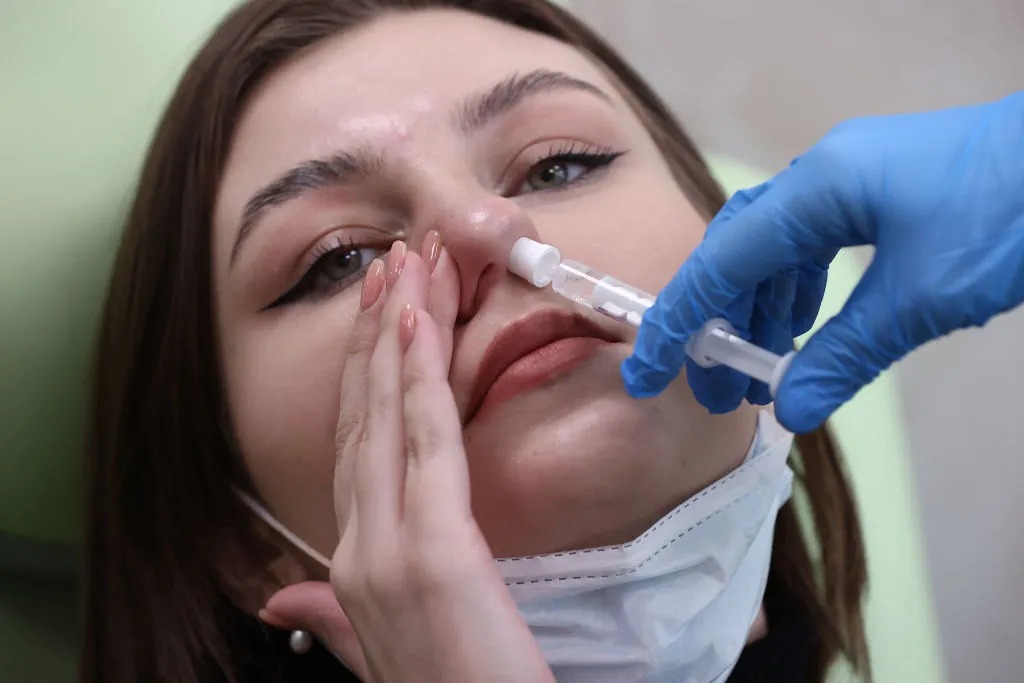
Nasal vaccine to prevent Omicron: Know how it works as booster, side effects

The unique and first of its kind Covid vaccine does not require an injection and is administered as nasal drops. All you want to know about nasal vaccines.

Bharat Biotech’s nasal vaccine, iNCOVACC, will soon be available as booster shot for eligible adults come fourth week of January. Nasal vaccines, which are sprayed into the nose directly, however, cannot be taken by those who have already taken their booster shots and is recommended as first booster shot. People who fear the jab can take a sigh of relief as the administration of these vaccines is quick and painless. This nasal vaccine will be administered to people twice with the gap of 28 days. Known as heterologous booster, any 18 + individual can take it who has already received covaxin or covishield vaccine earlier.

What is nasal vaccine

“In direction towards our efforts to prevent spread of covid 19, India had come up with a yet another novel nasal covid vaccine. It is a unique, first of its kind, covid vaccine as it does not require an injection instead it is administered as nasal drops. It has been cleared by DCGI, for administration, as heterologous booster, in 18+ individuals who have already received covaxin or covishield vaccine earlier,” says Dr. Gurmeet Singh Chabbra, Director Pulmonology Marengo QRG Hospital, Faridabad.

Nasal vaccine to prevent Omicron: Know how it works as booster, side effects

How is nasal vaccine given

It is an adeno virus vector based recombinant replication deficient stabilized spike protein vaccine. Heterologous booster vaccination means administration of vaccine other than the primary vaccination.

“It is given as 0.5ml dose (8 drops – 4 drops in each nostril) to be repeated after 4 weeks interval,” says Dr Chabbra.

How does it work

“Nasal vaccine stimulates immunity by development of neutralizing IgG, mucosal IgA and T cell response. It acts at the site of entry of covid virus – the nasal mucosa by local IgA antibody response and possibly preventing both infection to the individual and spread to others. It would help prevent spread from even asymptomatic and mild cases,” says Dr Chabbra.

Side effects of nasal vaccines

“Mild side effects may include headache, fever, running nose and sneezing. It is not to be given to those who are allergic to any of its component or had a severe allergic reaction to it in past and having acute infection or fever,” adds Dr Chabbra.

Read more at-https://bit.ly/3WxpYvM

Categories
COVID-19 Government Guidelines Medical Updates Medicine & Health

Heart health: Tips to prevent heart attack during early morning walk in winters

Early morning chill can play havoc with your heart health, especially if one exercises without a warm-up or does not wear appropriate clothing. Here are tips from cardiologists on how to prevent early morning heart attacks.

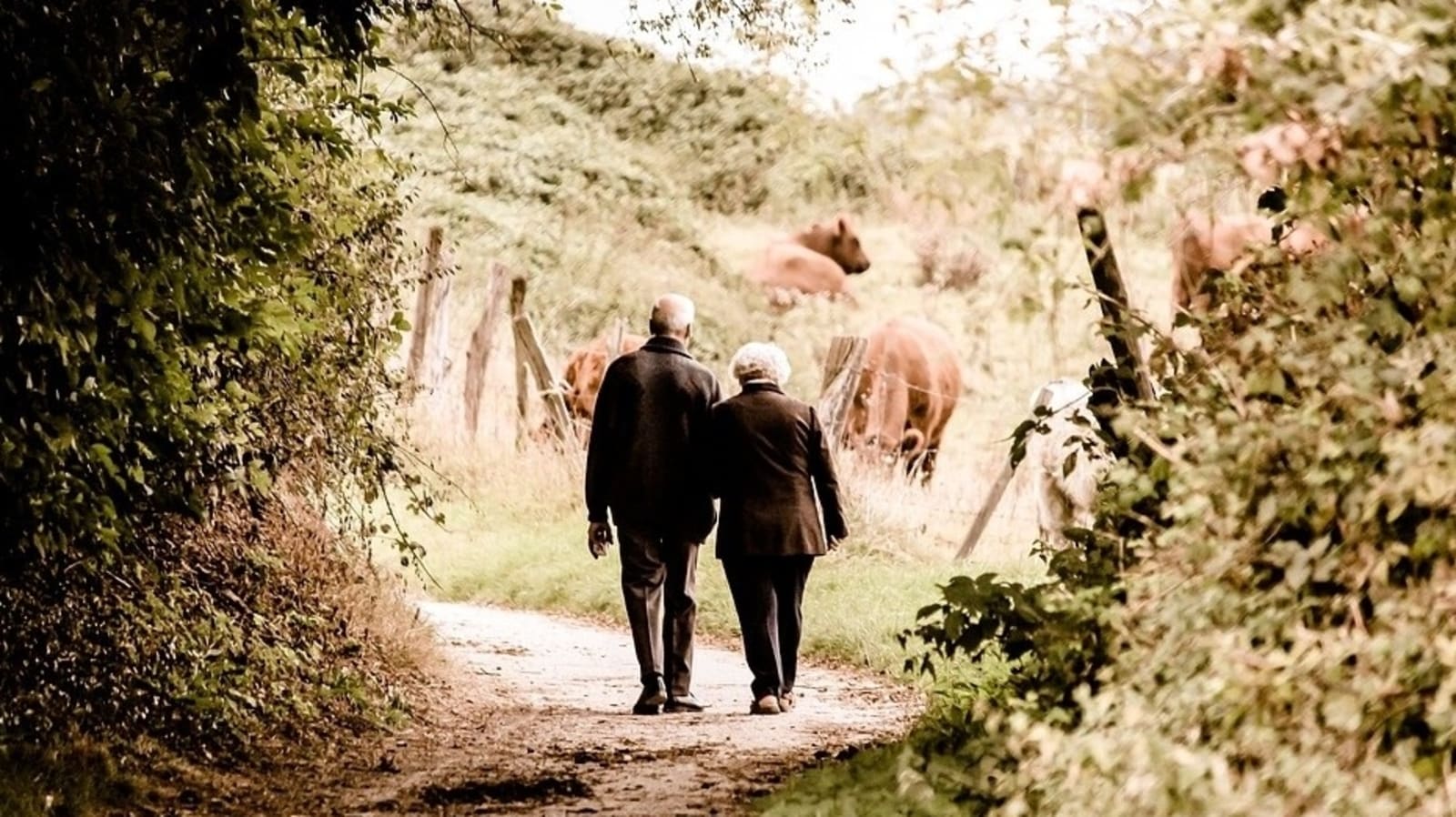
According to researchers most heart attacks happen during early hours of morning from 4am to 10am as there is an increase in secretion of certain hormones like epinephrine, norepinephrine, and cortisol, that may trigger increase in oxygen demand and blood pressure. Also decreased levels of endothelial progenitor cells can also increase chances of heart attack. Winter mornings can further aggravate the risk of heart attack as the morning chill can affect cardiac health of high-risk people meaning those who have hypertension, diabetes or lung issues. Experts say that these people should avoid morning workouts or walks in early hours and even if they go for walks in the morning, they should cover their ears, chest, legs and head well.

“We all know that heart attacks happen during early hours of waking and during winter season because of cold weather. It also further aggravates risk of heart attack. All those people who are high risk which means who have family history of heart disease, have high blood pressure, those who are diabetic and those who have some other lung problem, it is not advisable that they go for early morning winter walks (or workouts),” says Dr Udgeath Dhir, Director and Head of Cardiothoracic and Vascular Surgery (CTVS), Fortis Memorial Research Institute in a telephonic conversation with HT Digital.

Heart health: Tips to prevent heart attack during early morning walk in winters

WHY EARLY MORNING WALK IN WINTER CAN INCREASE RISK OF HEART ATTACK

“During winters the body is already trying to increase metabolism for conserving body heat, already the body is in hyperactive moment. If at all we have to go for early morning walks, we have to protect us from early morning cold. We need to cover our extremities which means the head, the ears, the hands, and our toes. Your chest area should be warm enough and never start exercise without a warm-up. Warm up is most important and it is more crucial during winter season. If we aren’t exercising without proper warm up and those who are at high risk can have heart attack and strokes in winter,” says Dr Dhir.

“Winter mornings increase the risk of cardiovascular conditions. Blood pressure is inversely proportional to winter. Chilly weather increases the pressure and as a result, our heart beats faster and even more blood is required to pump which is not favourable to someone with a weak heart. We cannot do anything about the climate, so taking precautions is the best way to tackle the problem,” says Dr. Manjinder Sandhu, Vice Chairman, Cardiology, Paras Hospitals, Gurugram.

POLLUTION AND COLD CAN BE A DEADLY COMBO

“In present scenario when there is pollution plus winter so there is smog. These are not good for lungs and heart. The air we breathe it is extra load on lungs and lungs are attached to heart, so it is extra load for heart. This can pose problem for patients who have lung issues like asthma, chronic bronchitis, smokers and certain sensitive people and in turn can lead to some heart dysfunction. These people can avoid early morning walks in winter,” says Dr Dhir.

IDEAL TIME FOR WALKS DURING WINTER

“Ideal time is not early morning and late evenings. Exercise is important for us. But we have to take the maximum benefit out of those exercise. Elderly and high-risk people should avoid early morning walk. Once there is a little sun outside, they can go for a walk or evening time. Warm-up, covering extremities, check your blood pressure, or blood sugar level are some of the points to be considered before venturing out. Try to be stress-free. That’s most important,” says Dr Dhir.

TIPS to AVOID HEART ATTACK IN EARLY WINTER MORNINGS

Below are the precautions listed by Dr Sandhu

– Regularly check your blood pressure and get in touch with the nearest healthcare provider as soon as any symptoms are witnessed.

– Stay warm and avoid stepping out in extremely low temperatures, especially early morning walks are a big no.

– Maintain regular indoor physical activities and a healthy diet that further helps you maintain your blood pressure or deal with any issues in winter.

– Do not exert yourself too much. It can result in heart attacks, heart failure, and fatal outcomes.

– Avoid fatty, fried, sweet foods with high cholesterol levels.

– If you have any existing medical conditions, keep a close watch and maintain any treatment or medication.

– Avoid OTC pills and any self-treatment habit.

– Avoid smoking and alcohol consumption.

Read more at-https://bit.ly/3jwjb71

Categories
COVID-19 Government Guidelines Medical Updates Medicine & Health

Mandatory COVID-19 tests for all international passengers if necessary, says Centre

Synopsis

As a health minister, Mandaviya said he has spoken to many countries and WHO about what all precautions are needed to be taken and also understand in which direction the pandemic is moving.

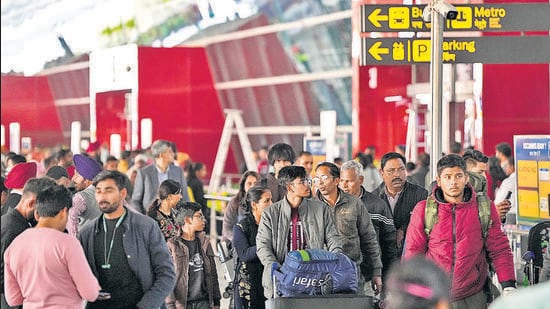
In the wake of surge in COVID-19 cases in many countries, India has started 2 per cent random sampling of international travellers coming to the country and may consider making it mandatory for all if necessary, Health Minister Mansukh Mandaviya said on Thursday. He was responding to queries of some Opposition MPs after his suo moto statement in Rajya Sabha on the latest COVID-19 situation and India’s preparedness.

“We are constantly monitoring the situation. There are no direct flights between China and India but people come via other routes,” he said in response to a query by Raghav Chadha of AAP on whether the government would ban direct flights from China.

As a health minister, Mandaviya said he has spoken to many countries and WHO about what all precautions are needed to be taken and also understand in which direction the pandemic is moving.

“At a primary stage, we have already started doing 2 per cent random sampling of any traveller coming to India,” he said.

The minister further said “in the coming days the percentage could be increased and if necessary we will make it mandatory for everyone coming to India”.

Mandatory COVID-19 tests for all international passengers if necessary, says Centre

Mandaviya also said the focus of the government is to ensure that no unknown variant of the virus enters India and at the same time there is now impediment on travelling.

The minister assured the Upper House that all the oxygen plants were running and a review has also been done about the availability of medicines.

“We are prepared and ready to provide the requirement of medicines and vaccines in the country,” he said.

Mandaviya also informed that an expert committee has given approval to nasal vaccine to combat the virus, doing away with the requirements of jabs.

“We are fully prepared to fight the virus,” he asserted.

Referring to the letter written to Rajasthan Chief Minister Ashok Gehlot and Congress leader Rahul Gandhi to follow appropriate covid protocol during the Bharat Jodo Yatra, he said it was his responsibility as a health minister to write after few MPs from the state had pointed out to him about people, including the Himachal Pradesh chief minister who took part in the event contracted the virus.

“We have never done politics on covid crisis and we don’t even want to do it,” Mandaviya asserted.

In his statement, he said in the recent days there have been reports of rise in COVID-19 cases in many countries such China, Japan, South Korea, the US, France, Greece and Italy.

The evolving nature of the virus poses threat to global health in a way that impacts virtually every country, he said adding the Centre has asked states to remain alert and create awareness about wearing face masks and using hand sanitisers, especially in view of upcoming festivals and new year celebrations.

He further said states have also been advised to focus on heightened surveillance within the community and to undertake requisite control and containment measures, increase the whole genome sequencing of all positive cases for timely detection of newer variants, if any.

Read more at-https://bit.ly/3I8KnmN
Categories
COVID-19 Government Guidelines Medical Updates Medicine & Health

Omicron BF.7: Is mixing Covid vaccines more effective against the new subvariant? What experts say

Omicron BF.7: Is mixing Covid vaccines more effective against the new subvariant?

Amid rising cases of Omicron BF.7 in China and other parts of the world, there has been concerns of a fresh wave triggered by the subvariant in India in the coming months. Omicron BF.7 was first found in India in July and so far, just 4 cases have been detected across Gujarat and Odisha. Experts say we do not need to press the panic button as yet but at the same time renew social distancing measures and keep our guards on.

Getting booster shots is one of the ways to boost immunity against the new variant. According to a new AIG study, Hyderabad-based Biological E’s Corbevax booster in individuals already vaccinated with Covishield can offer maximum protection against Omicron variants. The study found that people who were given Corbevax showed higher levels of antibodies.

Following incidents of people inadvertently taking different vaccines in two separate doses, Indian Council of Medical Research (ICMR) study found that mix and match of vaccines had no adverse effect. There has, however, been concern around whether it is safe or mixing of two different vaccines could actually be more effective and provide better shield against different variants of Coronavirus.

So, can combining vaccines offer better protection against Omicron BF.7 and new emerging subvariants? We asked experts.

Omicron BF.7: Is mixing Covid vaccines more effective against the new subvariant? What experts say

‘MIXING SHOTS A PROMISING STRATEGY’

“Mixing Covid shots or what we call as heterologous boosting is a promising strategy in our fight against this pandemic. As per limited research it has been found that waning immunity is a concern in giving us protection from the virus. Mixing shots such as vector-based vaccines (Covishield) followed by mRNA based (Pfizer) can result in boosted or better immune protection. mRNA based vaccines generate a good antibody response and vector-based vaccines provide a good T Cell response. So, a combination of both seems to provide a promising protection,” says Dr. Shivanshu Raj Goyal, Consultant Pulmonologist, Artemis Hospitals, Gurugram.

“Side effects can vary from individuals but mixing vaccines is a good strategy to provide safe and effective protection and in some cases mixing vaccines mount lifetime immunity by kicking memory B and T cells into action, less seen otherwise. Whatever strategy we should follow and most beneficial to all would be updated timely by MoHFW on timely intervals and should be followed,” says Dr Goyal.

‘NO SIDE EFFECTS, IT CAN BOOST IMMUNITY’

“Mass Covid vaccination has played a key role in limiting the severity of Covid waves across India. Various Covid vaccines have been used globally after scientific approval the curb this pandemic. With the recent news of new variants, booster dose is to protect you and enhance your protection against severe covid infections. Sometimes availability or shortage of the same make of vaccine is a problem. However, mixing the vaccines has no side effects rather it can boost the immunity and give multiple ways to our immune system to identify the offending virus and act rapidly,” says Dr Rahul Sharma, Additional Director Pulmonology, Fortis Hospital Noida.

‘Mixing Covid vaccines need of the hour’

Covid vaccines booster strategy is need of the hour. Usually, sequential boosters are recommended.

Mixing heterologous immune response is an emerging concept. In initial US-based trials and studies it was observed that though it was necessity borne intervention turned out to be useful owing to mixing of vaccines resulted in increase in type of immune responses and potential prolonged immunogenic effect. Researchers have found that following one dose of the AstraZeneca with a dose of the Pfizer-BioNTech vaccine produces more stronger and better immune responses, as measured by blood tests.

Mixing vaccines gives advantage in pathogen recognition and better immunogenic responses in terms of all arms of immunity, says Dr Neha Rastogi Panda, Consultant Infectious Diseases, Fortis Memorial Research Institute, Gurugram.

‘Mixing of vaccines proven to be non-inferior or superior’

“Government of India has permitted the usage of Corbevax vaccine as a precaution dose after completion of six months from administration of second dose of either Covaxin or Covishield vaccines in adult population in August 2022. Decision of this by Covid-19 working Group was based on scientific evidence generated through double blinded randomised control trial of Corbevax vaccine phase-3 clinical study evaluating immunogenicity and safety of booster dose Corbevax vaccine in adult volunteers previously vaccinated with two doses of either Covaxin or Covishield. As per the global scientific evidence, usage of mixing of two different vaccines have been proven to be non-inferior or superior as compared to single vaccine usage in Covid-19 illness in terms of immunogenicity which is measured by antibodies level and T cell mediated immunity measured by CD4 and CD8 levels,” says Dr Manoj Sharma, Senior Consultant, Internal medicine, Fortis Hospital Vasant Kunj.

“Mixing of two different vaccines may give the immune system multiple ways to recognise a pathogen (Virus). In a Spanish study, 448 individuals who received a mix of AstraZenecia dose followed By Pfizer BioNTech dose, robust immune response was noted with fewer side effects. Similarly, Sputnik vaccine when combined with AstraZenecia also revealed stronger immune response,” says Dr Sharma.

Benefits of heterologous vaccination

Although the approved COVID vaccines provide a high level of protection against symptomatic infection and severe illness, there is increasing evidence to suggest waning of immunity over time. Also, it has been seen that some of the subvariants/sub lineages are immune-evasive i.e., can cause infection in those already having some immunity against SARS CoV-2 virus. Heterologous vaccination approach refers to the mixing of more than one type of vaccines. There are reasons to believe that immunization with different types of vaccines might provide immunological advantages. Mixing of vaccines provides a broadened level of protection, and for a longer duration. There is sufficient scientific data available to date to suggest superior immunological response with heterologous vaccines approach. Studies have shown better and prolonged immunological response following mixing and matching, both inactivated as well as mRNA-based vaccines. This benefit has been found with mixing of vaccines in primary series as well as booster dosing,” says Dr Rohit Kumar Garg, Consultant, Department of Infectious Diseases, Amrita Hospital, Faridabad.

Read more at-https://bit.ly/3WEIdjf

Categories
Medical Updates Medicine & Health

Use masks in crowded places, take precaution dose of Covid vaccine: V K Paul

Synopsis

Only 27-28 per cent of India’s eligible population have taken the precaution dose of COVID-19, NITI Aayog member (Health) Dr V K Paul on Wednesday and advised people to take the jab and wear masks in crowded places. He urged people not to panic and clarified that there was no change in the guidelines for international air travel so far.

Only 27-28 per cent of India’s eligible population have taken the precaution dose of COVID-19, NITI Aayog member (Health) Dr V K Paul on Wednesday and advised people to take the jab and wear masks in crowded places. He urged people not to panic and clarified that there was no change in the guidelines for international air travel so far.

Use masks in crowded places, take precaution dose of Covid vaccine: V K Paul

“People should wear masks in crowded areas. Those who have comorbidities or are elderly should especially adhere to this,” Paul said.

Paul made the statements following a review meeting held by Union Health Minister Mansukh Mandaviya amid a surge in Covid cases globally, especially in China.

“In view of the rising cases of COVID-19 in some countries, I reviewed the situation with experts and officials today. Covid is not over yet. I have directed all concerned to be alert and strengthen surveillance. We are prepared to manage any situation,” Mandaviya said in a tweet.

The secretaries of health, department of Pharmaceutical, department of Biotechnology, Ayush, Indian Council of Medical Research (ICMR) Director General Rajiv Bahl, Paul and National Technical Advisory Group on Immunization (NTAGI) Chairman Dr N K Arora attended the meeting among others.

In view of th erise in cases in Japan, the US, Republic of Korea, Brazil and China, the Union Health Ministry on Tuesday had urged all states and Union Territories to ramp up the whole genome sequencing of Covid positive samples to keep track of emerging variants.

In a letter to states and UTs, Union Health Secretary Rajesh Bhushan had said such an exercise will enable timely detection of newer variants, if any, circulating in the country and will facilitate undertaking of requisite public health measures.

Read more at-https://bit.ly/3YLMPFC

Categories
Medical Updates Medicine & Health

Health minister reviews Covid situation, directs officials to be alert, strengthen surveillance

Synopsis

In view of the rise in cases in Japan, the United States of America, Republic of Korea, Brazil and China the Union Health Ministry on Tuesday urged all states and Union territories to ramp up the whole genome sequencing of positive samples of Covid to keep track of emerging variants.

Union Health Minister Mansukh Mandaviya on Wednesday reviewed the COVID-19 situation in the country in view of a sudden spurt in cases in some parts of the world, and directed officials to be alert and strengthen surveillance.
“In view of the rising cases of Covid-19 in some countries, reviewed the situation with experts and officials today. COVID is not over yet. I have directed all concerned to be alert and strengthen surveillance. We are prepared to manage any situation,” Mandaviya said in a tweet.

The secretaries of health, department of pharmaceuticals, department of biotechnology, Ayush, Indian Council of Medical Research (ICMR) Director General Rajiv Bahl, Member (Health) of NITI Aayog Dr V K Paul and National Technical Advisory Group on Immunization (NTAGI) Chairman Dr N K Arora attended the meeting among other officials.

Health minister reviews Covid situation, directs officials to be alert, strengthen surveillance

In a letter to states and UTs, Union Health Secretary Rajesh Bhushan had said such an exercise will enable timely detection of newer variants, if any, circulating in the country and will facilitate undertaking of requisite public health measures.

In view of the rise in cases in Japan, the United States of America, Republic of Korea, Brazil and China the Union Health Ministry on Tuesday urged all states and Union territories to ramp up the whole genome sequencing of positive samples of Covid to keep track of emerging variants.

COVID has been rapidly spreading in China. Informal reports show that about 40 percent of Beijing’s residents are currently infected with COVID. The CCP has, however, changed its agenda to project COVID as a mere flu.

As cases rise in major Chinese cities, even people with mild symptoms are rushing to the hospitals. Emergency call operators are receiving 30,000 calls a day, six times the average number of calls received.

According to Voices Against Autocracy, there are queues outside fever clinics in various cities. Drugs and medicines are in short supply and hospitals are under stress as doctors and nurses catch the virus. Doctors who have tested positive or are asymptomatic are also being asked to come to work, risking further transmission.

According to data from Ctrip, a China-based travel service provider, flight searches in China have increased by 160 per cent. Searches for train tickets have increased by 600 percent.

Many rural areas in China are not prepared to handle the rise in cases. The vaccination rate is low and the vulnerable population is in high numbers. The death toll in China is thus going to remain high, according to the Voices Against Autocracy report.

Recently, Epidemiologists predicted that at least three COVID waves will hit China during the winter.

According to The Hong Kong Post, it is certain that the Chinese government was “under-prepared” as it decided to end its zero-COVID policy abruptly after people held protests across the country.

The Chinese government has so far remained silent on the number of deaths. However, the Chinese authorities have warned of successive waves of COVID infections in the coming months, as cases continue to increase after the lifting of restrictions earlier this month.

Read more at-https://bit.ly/3PMXlbF

Categories
Government Guidelines Medical Updates Medicine & Health

Over 1,500 private hospitals empanelled under Ayushman Bharat in last one year: Mansukh Mandaviya

Synopsis

Under the Ayushman Bharat scheme launched in 2018, the government provides health security cover to 10 crore families or 50 crore people of India.

Union Health Minister Mansukh Mandaviya on Friday said more than 1,500 private hospitals have been empanelled under the Ayushman Bharat scheme in the last one year. The scheme is reviewed every month and out-of-pocket expenditure of patients under the scheme has come down, Mandaviya said, replying to a question in Lok Sabha.

Under the scheme launched in 2018, the government provides health security cover to 10 crore families or 50 crore people of India.

Over 1,500 private hospitals empanelled under Ayushman Bharat in last one year: Mansukh Mandaviya

Today, 4.5 crore needy people have been empanelled under the scheme, the minister said.

He said seven-eight lakh beneficiary cards are printed daily and the ministry was working to ensure that 50 crore cards are made available in the next four-six months.

“Poor and needy people are covered under the Ayushman Bharat scheme and they can avail Rs 5 lakh health security cover. Any hospital can empanel under the scheme … In the last one year, more than 1,500 private hospitals have been empanelled under the scheme,” Mandaviya said during the Question Hour.

The minister said 22,000 hospitals, both public and private, have been empanelled under the scheme so far.

Read more at-https://bit.ly/3HThkDA
Categories
Government Guidelines Medical Updates Medicine & Health Techniques

Vitamin C to zinc; important nutrients you must add to your winter diet

There are few essential nutrients that you must include in your diet in order to prepare your body and mind for the cold weather.

Wonder why you always feel lethargic, sleepy and low on energy during winter? Days are shorter and nights are longer in winter and this disturbs our circadian rhythm causing the body to produce more melatonin. Considering we may not get enough sun exposure on certain days; the levels of Vitamin D may also go down causing mood swings and anxiety. To tackle all these winter woes, one should step out more in the sun and also add the right nutrients to the diet for improving immunity, mood and prevent against winter ailments. Iron is important to regulate body temperature while zinc can provide protection from cold. Vitamin C boosts immunity and protects against seasonal illnesses.

“Winter is just like every season, the cold days also demand special care. So, it’s important to alter your diet according to the needs of the particular season. During winters, people take special care of their diets and try to include as many warm and nutritious foods, to improve their immunity an improve your skin and hair from dryness and dullness. A healthy winter diet is like internal layering of your body to protect against the harsh cold and the diseases that come with it. There are few vitamins that you must include in your diet, in order to prepare your body for the cold weather. During winter mood swings are common and the vitamins in your diet will boost your mood as well,” says Sukanya Poojary, Executive Nutritionist, Cloudnine Group of Hospitals, Malleshwaram, Bangalore.

Vitamin C to zinc; important nutrients you must add to your winter diet

MUST HAVE NUTRIENTS IN YOUR DIET FOR WINTERS

Poojary on all the winter nutrients that you must add to your diet.

IRON

Iron help to regulate body temperature during winter and also helps maintain healthy skin, hair, cells growth apart from maintaining haemoglobin.

Sources: Honey, red meat, green leafy vegetables, dry fruits and seeds, fortified foods, jaggery, beetroot, spinach, broccoli pomegranate.

Recipes: Mixed sprouts and Chana dal tikki,ragi upma, methi and moong sprouts wrap, pineapple and coriander juice, watermelon guava juice.

CALCIUM

Calcium is very important for growing kids. Body needs calcium to build and maintain strong bones. Your heart, muscles and nerves also need calcium to function properly. Some studies suggest that calcium, along with vitamin D, may have benefits beyond bone health: perhaps protecting against cancer, diabetes and high blood pressure.

Sources: Green leafy vegetables, milk and milk products, lean meat, dry fruits and seeds, soya products

Recipes: Guava and paneer salad, turmeric milk, rajma chat, paneer burji, broccoli and almond soup.

ZINC

Research has shown that taking zinc within 24 hours of the first sign of a cold can reduce the duration of the cold. Zinc is the essential mineral that needs to be included in your winter diet because zinc mineral contains more than 300 enzymes that helps in repairing wounds, maintaining growth in children and fertility in adults, and protecting against free radicals along with other functions.

Sources: Eggs, meat, oysters, seafood, tofu, black-eyed peas, and wheat germ

Recipes: Spinach and chickpea soup, Badam milkshake, avocado milkshake, Bean chat, Sesame ladoos, and roasted pumpkin seeds.

FOLIC ACID

Folic acid is essential for proper cell growth. Also referred to as folate or vitamin B9, it is one important nutrient for every woman, especially the ones who are pregnant or trying to conceive.

Sources: Spinach, beetroot, broccoli. Mustard green, orange, Banana, egg.

Recipes: Banana pancakes, broccoli paratha, egg masala, palak dhal.

VITAMIN C

This one’s nature’s immunity booster and is present in a number of seasonal vegetables and fruits. It is important to consume Vitamin C to ward off cold, cough and other seasonal diseases. Drinking a glass of warm water with lemon juice may help you boost Vitamin C levels in the body.

Sources: Carrots, beetroots, citrus fruits, green leafy vegetables, tomato, kiwi fruits

Recipes: Lemon and coriander soup, kiwi jam, orange with mozzarella, lemon rasam, beetroot and orange soup.

VITAMIN A

Vitamin A acts as an antioxidant and supports the health of bones, teeth and soft tissues. It also supports the health of the immune system by maintaining the body’s natural defences.

Sources: Spinach, carrot, apricots and sweet potatoes, pulses, tomato.

Recipes: Spicy potato and roti roll, chana subzi, tomato soup, dalia veg risotto.

VITAMIN D

During winters, days get shorter and nights get longer, the levels of Vitamin D or the sunshine vitamin may be depleted in the body. It’s essential to consume it with your food.

Sources: Egg yolk, orange juice, dairy products, soya milk, fatty fish like tuna, mackerel, salmon.

Recipes: Cream of broccoli and mushroom soup, egg paratha, lassi, fish cutlet, oats idli.

Read more at-https://bit.ly/3FGI33s