Categories
COVID-19 Medical Updates Medicine & Health

New coronavirus strain still not found in India: Health official

India has not witnessed any significant mutation of COVID-19 causing SARS-CoV2 virus so far, the central government said on Tuesday.  adding that it was stepping up efforts to conduct  genome sequencing of the samples of recent travellers from the UK.

“Our labs have done genome sequencing of thousands of viruses isolated in the country and so far there is no signal or any significant mutation in India. But because we live in an interconnected world and Australia and Denmark have reported variants of the virus, we have prioritised genome sequencing of recent samples from incoming passengers from the UK,” VK Paul, a member of NITI Aayog, said.

He said the UK mutation was not a cause for worry but yes it did call for heightened vigilance to ensure India doesn’t squander the gains made so far in pandemic management.

“It’s not a cause for panic. We can say that based on our deep assessment of current data. The new variant of the virus is more transmissible but doesn’t have a greater propensity for death, hospitalisation or severe disease. Nor does it impact the potential of vaccines being developed in India and available elsewhere in the world. So yet we need to be watchful to preserve our gains by intensifying COVID appropriate behaviours and avoiding crowding but no cause for panic,” Paul said.

The new variant of the COVID virus as reported by the UK has 17 changes, the most significant being to its spike protein which the virus used to bind to human cells.

The UK mutation has increased the ability of the virus to infect which in itself is a challenge, said Paul calling for caution on a day when India issued fresh protocols to test everyone coming in or transiting through the UK through the last four weeks.

source:https://www.tribuneindia.com/
Categories
COVID-19 Medical Updates Uncategorized

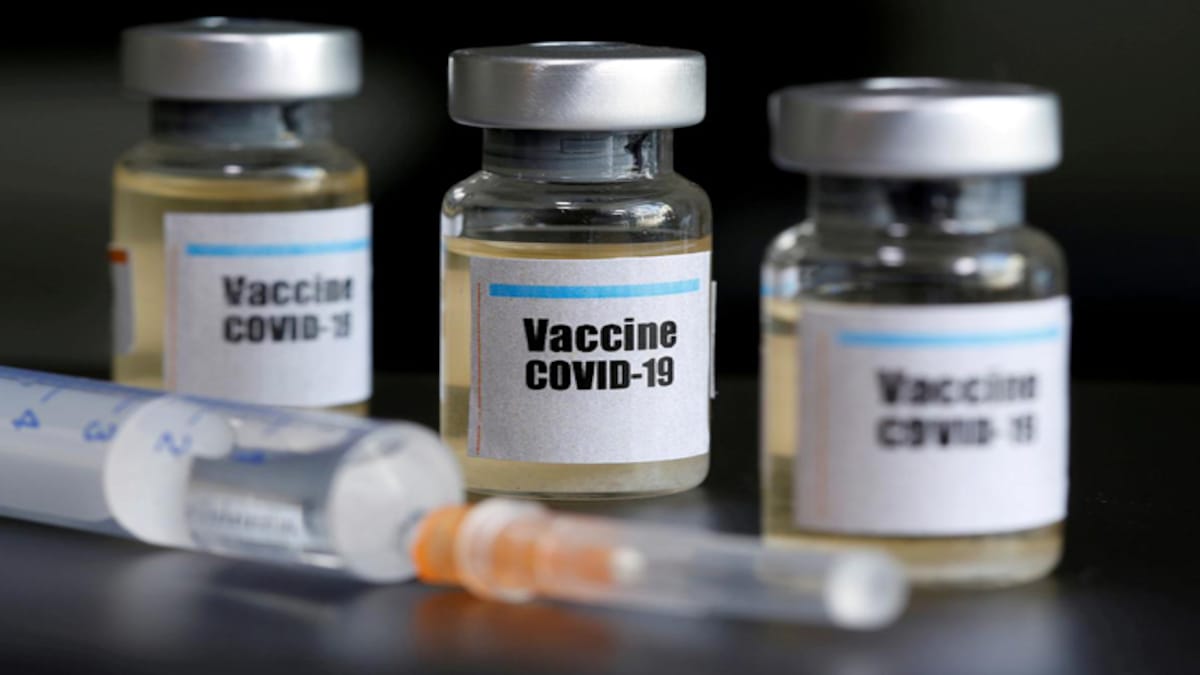
Who will get the first Covid vaccine in India? Health Minister says ‘have prioritised 30 cr people’

  • On voluntary Covid-19 vaccination, the Health Minister said that the government’s effort is that everyone on the priority list takes the vaccine
  • ‘But if anyone decides not to take it, we can’t force them,’ Dr Harsh Vardhan said

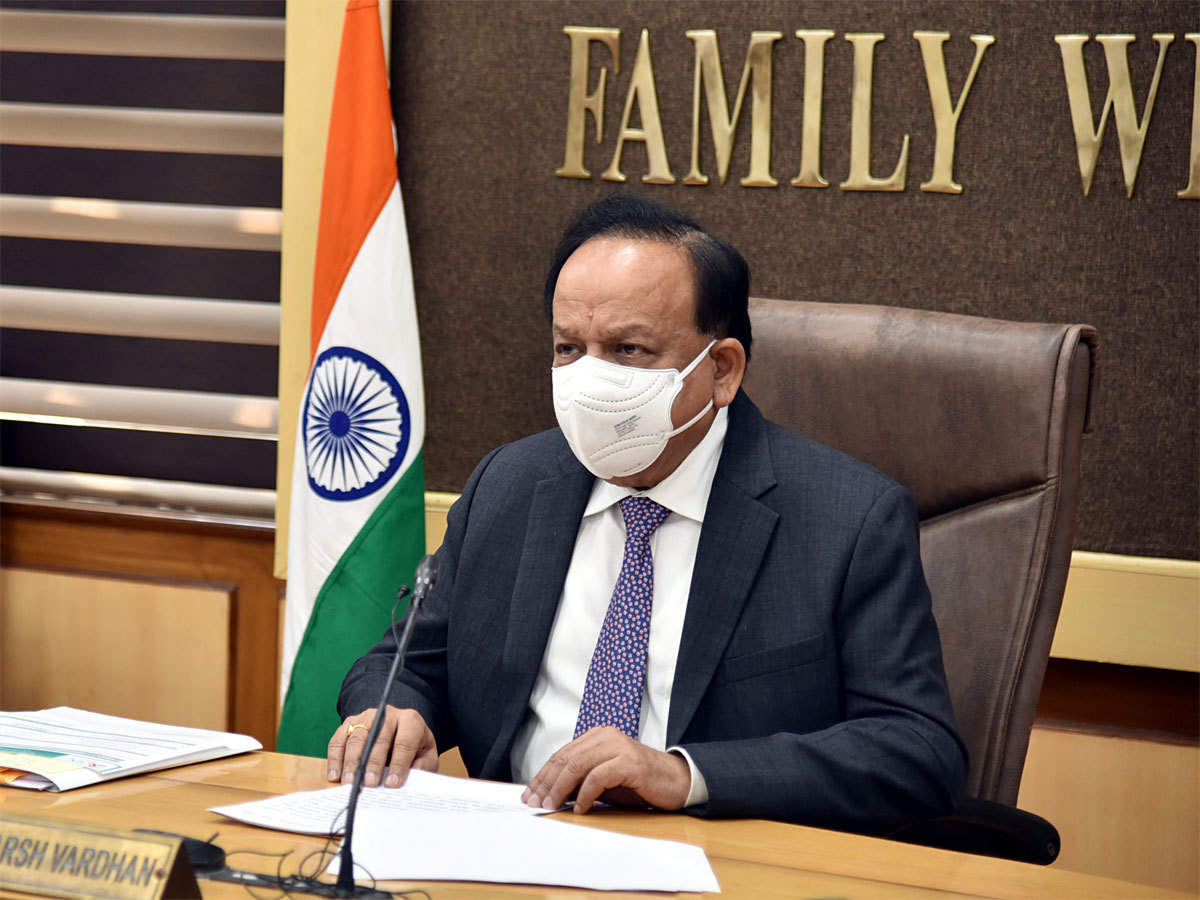
Union Health Minister Harsh Vardhan on Monday said that the Centre has prioritised 30 crore people for a vaccine against the novel coronavirus.

Speaking to news agency ANI, he said, “After consultation with experts, we’ve prioritised 30 crore people for COVID vaccine. It includes health workers, frontline workers like police, military & sanitation staff, people above 50 yrs & those who are below 50 yrs but are suffering from certain diseases”.

On voluntary Covid-19 vaccination, the Health Minister said that the government’s effort is that everyone on the priority list takes the vaccine. “We will address the issue of vaccine hesitancy. But if anyone decides not to take it, we can’t force them,” Dr Harsh Vardhan said.

Meanwhile, Dr. Harsh Vardhan has said that people of India could get a Covid-19 vaccine shot in January.

“Our first priority has been the safety and effectiveness of vaccines. We don’t want to compromise on that. I personally feel, maybe in any week of January, we can be in a position to give the first Covid vaccine shot to people of India,” Vardhan was quoted as saying.

India to start voluntary Covid vaccination

The Central Government had earlier said that it could soon start voluntary inoculation against the Covis-19 as it considers emergency use authorisation for three vaccine candidates including those from AstraZeneca and Pfizer.

Hyderabad-based firm Bharat Biotech has also applied for emergency approval.

“The government of India is geared to launch a vaccine for COVID-19 soon,” the Ministry of Health and Family Welfare had said in a public advisory.

“Vaccination for COVID-19 is voluntary. However, it is advisable to receive the complete schedule of COVID-19 vaccine.”

It also added that even those who have been infected by the killer virus should be vaccinated.

Meanwhile, India on Sunday, recorded 26,624 fresh coronavirus cases, 29,690 recoveries, and 341 deaths.

source: https://www.livemint.com/

Categories
Medical Updates Medicine & Health

Here’s what patients on dialysis need to know about the process and its safety

For people whose kidney functions decline with time, the process of dialysis works as an alternative, and keeps them healthy. It is said that haemodialysis is among the most advanced technologies used in outpatient settings. “Though there are safety checks and controls, the processes of care, the capability of the health care worker delivering the service, and an engaged and informed patient are key to achieving topmost priority at a dialysis centre,” says Dr Suresh Sankar, Nephrologist & Senior VP, Clinical Affairs, NephroPlus.

The doctor says that patient safety events in dialysis can occur in the following aspects of care:

* Initiation and ending of dialysis session
* Type of dialyzer used and whether the appropriate labelled dialyzer was used
* Amount of blood thinner used
* Medications
* Fluid removal on dialysis
* Infections

How can the treatment be made safer?

“It starts with knowing where safety matters and taking the right action,” says Dr Sankar.

– Give time to your technician and nurse for the process of care when starting and ending the session.
– Know about the kind of kidney filter used and if it is to be reused, its identity has been verified. You could gently ask your care provider to recheck it especially if there is another patient with the same or similar name in your centre.
– Ask your doctor about the amount of blood thinner you will need and know the same recommendations are followed.
– Ensure your prescription is updated regularly, and insist on a copy of your medication prescription in your dialysis chart.
– Limit your fluid intake to what is appropriate for you and do not insist on ‘maximal fluid removal’ during the session. Based on each individual’s body weight, duration of the session, there is a limit to how much fluid can be removed.
– Clean your fistula site with soap and water before every dialysis treatment.
– Clean your hands with soap and water or waterless alcohol-based sanitizer before you start your dialysis session and after you leave.
– If you have a catheter, wear a mask and request your care provider to wear a mask when starting and ending dialysis. Know the signs when a catheter could be infected.
– If you don’t have a permanent fistula, but will need dialysis for your lifetime, discuss the early placement of a fistula with your doctor, before the need for dialysis.
– Ensure you have taken the vaccines recommended for you at the right dose and frequency.

Categories
COVID-19 Techniques

Co-WIN: Mobile app for real-time monitoring of COVID-19 vaccination

The Union Health Ministry has developed a digital platform, including a mobile application, for real-time monitoring of COVID-19 vaccine delivery, recording data and to enable people to get themselves registered for vaccination. Addressing a press meet on Tuesday, Health Secretary Rajesh Bhushan said the platform, Co-WIN, will help monitor the entire vaccination process.

“Co-WIN digital platform includes a free downloadable mobile application which can help record vaccine data. One can register themselves on it if they want the vaccine. There are five modules in Co-WIN app — administrator module, registration module, vaccination module, beneficiary acknowledgement module and report module,” he said. Bhushan said the administrator module is for the administrators who will be conducting these vaccination sessions. “Through these modules, they can create sessions and the respective vaccinators and managers will be notified, he said.

The registration module is for people to get registered for vaccination. It will upload bulk data on co-morbidity provided by local authorities or by surveyors. The vaccination module will verify beneficiary details and update vaccination status while the beneficiary acknowledgement module will send SMS to beneficiaries and also generate QR-based certificates after one gets vaccinated.

“The report module will prepare reports of how many vaccine sessions have been conducted, how many people have attended those, how many people have dropped out etc., Bhushan said while elaborating on the digital platform. The mobile application will also send real-time data of temperature of the cold-storage facilities to the main server, he said.

Categories
COVID-19 Government Guidelines Medical Updates Medicine & Health

‘India might not need Pfizer vaccine,’ says health minister Harsh Vardhan

India’s Union Health Minister Harsh Vardhan has said that India may not need Pfizer-BioNTech’s COVID-19 vaccine as there are many other vaccine candidates being tested in India, including the indigenous Bharat Biotech candidate Covaxin, which is currently in the final stage of human trials.

In an interview with The Economics Time, Vardhan said, “United States has not even given license to Pfizer. So it does not make sense for other countries like India to consider it. We are in touch with everyone but I feel that we may not need Pfizer vaccine.”

Pfizer has recently applied for emergency use authorization of its vaccine candidate to the FDA. If granted, they will be able to use the vaccine “in high-risk populations…by the middle to end of December 2020.”

Vardhan also said the vaccine would have to first cater to its own country and then fulfil all the order placed by the other countries according to the deals they have signed. He added that Pfizer does not have the “linkages in India to manufacture the vaccine.”

Scroll reported that Vardhan said that no state will be given any preferential treatment and the distribution of vaccines will be equitable. He also stated that healthcare workers will be the first ones to receive the vaccine.

“There will be equitable distribution of vaccine,” he said. “States are part of the national expert group…nobody will get the vaccine by pulling a favor.”

India is currently testing three vaccines and are in various stages of clinical trials. Vardhan said that the vaccine will be made available by February or March 2021.

In Phase 3 of the trials is Oxford University’s vaccine that it has developed with AstraZeneca. The trials are being conducted by Pune based Serum Institute and they will also be responsible for distribution. The vaccine is expected to come out by January 2021.

Dr Reddy’s Laboratories has partnered with the Russian Direct Investment Fund (RDIF) to test its Sputnik V vaccine. It recently received approvals to start Phase 2/3 trials in India and has partnered with the Biotechnology Industry Research Assistance Council (BIRAC) of the Department of Biotechnology (DBT) which gives them access to its clinical trial centres. Dr Reddy’s will also distribute the vaccine if it gets approval in India.

Covaxin, being developed by Bharat Biotech in association with the Indian Council of Medical Research (ICMR) and is in Phase 3 of clinical trials which are being conducted on 26,000 volunteers across 22 centre.

Categories
COVID-19 Medical Updates Medicine & Health

Government launches ‘Mission COVID Suraksha’ with a corpus of Rs3K cr

To accelerate the process of developing and manufacturing safe and effective COVID-19 vaccines in the country that can be easily accessible and affordable for the public, a ‘Mission COVID Suraksha’ has been proposed to be set up with a corpus of nearly Rs 3,000 crore, sources said.

Piloted by the Department of Biotechnology, the proposed mission will focus on end-to-end vaccine development from clinical trial stage to regulatory facilitation to manufacturing, sources added.

The aim of the mission is to accelerate the development of at least six vaccine candidates and ensure that they are licensed and introduced in the market for emergency use at the earliest, they said.

While there is no official word on the proposed mission as yet, multiple officials confirmed that a proposal has been made. A senior official said this is still in a proposal stage.

According to the draft proposal, the mission has been proposed to have a timeline of 12-18 months and a budget of approximately Rs 3,000 crore.

The proposed mission will also look to ensure that sufficient volumes are manufactured to meet India’s COVID-19 vaccine requirement and to introduce it in public health systems of the Ministry of Health post the approval by the National Technical Advisory Group on Immunisation (NTAGI), to combat further spread of COVID-19 infection.

While several efforts already underway have helped in quickly putting together best groups and for encouraging them to accelerate the COVID-19 vaccine development, it is now imperative that the vaccine development and manufacturing is taken up “in a mission mode and not in a project mode”, the draft proposal said.

“Efforts till now for vaccine development have been fragmented,” it noted.

“Therefore, to ensure a steady supply of vaccines in the next 12-15 months, there is a need to establish a mission with an end-to-end focus from pre-clinical development through clinical trials, manufacturing and scale-up development of the prioritized vaccine candidates that would consolidate all available and funded resources towards a warpath for accelerated product development,” it said.

Accordingly, it is proposed to launch the Indian COVID-19 vaccine development program — ”Mission COVID Suraksha”, it said.

The proposed mission also aims to make available clinical trial sites, immunoassay laboratories, ensure all vaccine candidates being introduced through this program have preferred characteristics applicable for India.

It also aims to support manufacturing capacity in the country for different vaccine platforms and ensure vaccine deployment and its uptake by the National Immunisation Programme. Besides, it aims to work with indigenous and global candidates to ensure their successful trial and manufacture in the country.

source: https://www.expresspharma.in/covid19-updates/govt-may-set-up-mission-covid-suraksha-with-rs-3000-crore-corpus/

Categories
COVID-19 Medical Updates

Over 50,000 Ayushman Bharat Health and Wellness Centres established, Maximum in Maharashtra

Announcing that more than 50,000 Ayushman Bharat Health and Wellness Centres (AB HWCs) have been established in the country, Union Health Minister, Dr. Harsh Vardhan plans to meet the target of making 1.5 lakh AB-HWCs operational by December 2022. The break up of AB HWCs showed that maximum numbers of such centers have been functional in Maharashtra with a total of 6381 including 4117 SHC,1825 PHC, and 439 UPHC followed by Uttar Pradesh, Gujarat, Madhya Pradesh, and others.

A recent release by the Government in this regard stated, “India has crossed a landmark milestone on the journey of universal healthcare. More than 50,000 (50,025) Ayushman Bharat – Health and Wellness Centres (AB-HWCs) are now operational across the country. Aiming at providing Comprehensive Primary Health Care (CPHC) services to the communities closer to their homes, 1.5 lakh AB-HWCs are to be established by December 2022. With more than 50,000 having been established, 1/3 of the target has been met. This has led to improved access to affordable primary healthcare services for more than 25 crore people.”

Dr. Harsh Vardhan, Union Minister of Health & Family Welfare congratulated the States/UTs for their efforts in operationalizing the HWCs despite the challenges posed by the COVID-19 pandemic. “This has been possible due to the joint efforts of the Center and the States/UTs in planning, monitoring at all levels, standardization of processes, the flexibility for adaptation provided to the States/UTs, and building on the health systems created thus far”, he stated. The HFM specially thanked the frontline health workers, the Medical Officers, the Community Health Officers, and ASHAs for their dedication to the cause of providing Comprehensive Primary Health Care services and for supporting millions of people with necessary services in these difficult times. “They are the backbone of the healthcare delivery system. Their contribution during the COVID period has been exemplary”, he said. HWCs have helped in interventions such as risk communication, contact tracing, community surveillance and early identification of cases, and seamless provisioning of non-COVID essential health services for ensuring the protection of vulnerable groups, such as the newborn, elderly, and those with co-morbidities.

Ayushman Bharat was launched in 2018 with its twin pillars of Health & Wellness Centers (HWCs) and Pradhan Mantri Jan Arogya Yojana (PMJAY) with bidirectional linkages between the two for providing the full range of services across the continuum of care. The first AB-HWC was launched by Hon. Prime Minister Shri Narendra Modi on the 14th of April 2018 at Jhangla in Bijapur District of Chhattisgarh.

source:https://medicaldialogues.in/ayush/ayurveda/news/pg-ayurveda-will-soon-be-allowed-to-practice-general-surgery-ent-orthopedics-and-dentistry-71691?infinitescroll=1

Categories
COVID-19 Medical Updates Medicine & Health

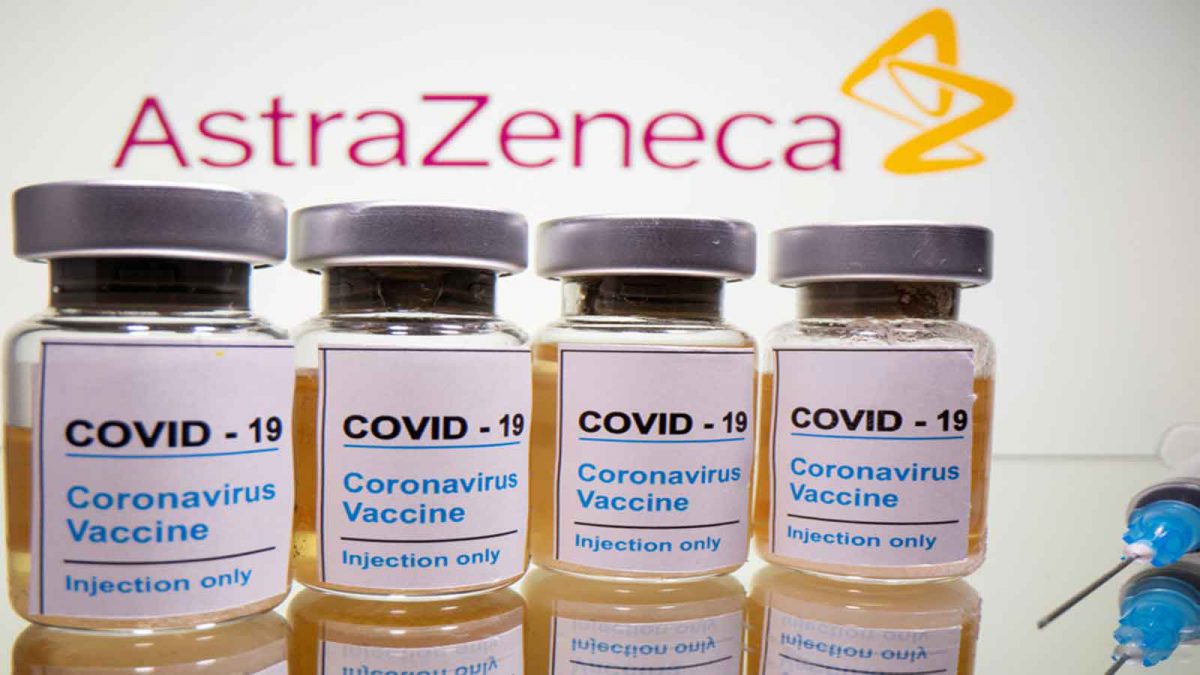
By December, India may get 100 million doses of COVID-19 vaccine AstraZeneca

Serum Institute of India, the world’s largest vaccine producer, is ramping up production of AstraZeneca’s potential Covid-19 vaccine so that it can deliver 100 million doses by December for the vaccination drive that may begin across the country.

Serum Institute of India has joined hands with AstraZeneca for the production of a coronavirus vaccine named ‘Covishield’, developed by Oxford University. The coronavirus vaccine candidate is currently in phase 2-3 clinical trial in the country. Serum Institute of India and AstraZeneca has partnered to produce at least 1 billion doses of the Covid-19 vaccine.

Adar Poonawalla, the CEO of Serum Institute of India, said the SII may get emergency authorization from New Delhi by December if the coronavirus vaccine candidate shows the effective results, Bloomberg report.

According to the report, Adar Poonawalla said that “the initial amount will go to India”.

The AstraZeneca vaccine, co-developed by Oxford University, is the most advanced in human testing in India, Serum said, adding that the company and the Indian Council of Medical Research (ICMR) will pursue “early availability” of the shot in India.

The ICMR had funded the clinical trial site fees for the AstraZeneca vaccine, Serum said. The company and the ICMR are currently conducting Phase 2/3 clinical trials of the shot at 15 centres across India.

While there are no Covid-19 vaccines approved yet and trials are still underway to prove they are safe and effective, leading drugmakers have been funded to begin production early to expedite deliveries, as the pandemic has killed more than 1.2 million people worldwide.

AstraZeneca AZN.L said last week that it was holding back deliveries of its Covid-19 vaccine candidate while it awaits the data from late-stage clinical trials, which got delayed due to a summer dip in UK coronavirus infections.

For the production of the Novavax NVAX.O vaccine, Serum said it has received the bulk of the vaccine from the US company and will soon fill and finish them in vials.

Novavax, which is testing its vaccine in a late-stage study in the UK, last month postponed the start of its US trial by roughly a month due to delays in scaling up the manufacturing process. The vaccine made in the UK is currently being tested in large efficacy trials in the UK, Brazil, South Africa and USA.

Serum said it had enrolled 1,600 participants in India for the late-stage trials of AstraZeneca’s candidate, and also plans to seek regulatory approval to run late-stage trials for the Novavax vaccine.

Categories
COVID-19 Medical Updates

India’s COVID-19 tally crosses 8.8 million: Kerala tops the chart

India’s COVID-19 caseload went past 8.8 million to reach 88,45,617 on Sunday. The nation reported 30,681 new COVID-19 incidences, and the overall active cases totaled 4,65,579 as of now. Meanwhile, the number of people who have recuperated from the disease reached 82,47,950, pushing the national recovery rate to 93.09%, according to the Union Health Ministry data. The death toll climbed to 1,30,109 with 434 new fatalities.

With 4,581 new incidences reported on Sunday, Kerala’s cumulative case burden rose to 5,24,998. The state had tested 46,126 samples on the day. The test positivity rate went down below 10 to reach 9.93%. More recoveries than new cases were reported on the day, with 6,684 COVID-19 patients getting discharged during the day. So far, 4,48,207 persons who contracted COVID-19 recovered from their disease. The active caseload stood at 74,805 cases. Of the active cases, 905 patients were critically ill and in ICUs, with 225 patients on ventilator support.

The state’s cumulative death toll rose to 1,869, with the addition of 21 more deaths. Of the new cases reported on Sunday, 3,920 cases (98%) were locally acquired infections, with the infection in 527 cases remaining untraced to a known source of infection. Among this, the number of healthcare workers who contracted the infection is 49.

Kozhikode district reported the highest cases at 574 cases, followed by Malappuram 558 and Alapuzha 496.

West Bengal added 3,053 new infections taking the total caseload to 4,31,551. The active infections stood at 29,314 in the state. As many as 4,480 patients were recovered yesterday while 51 patients succumbed to ailments from the infection. The total recoveries went up to 3,94,576 till now and the fatalities totaled 7,661.

Delhi reported 3,235 new COVID-19 infections, 7,606 recoveries, and 95 deaths on Sunday. The case tally rose to 4,85,405, of which 39,990 are active infections. The total recoveries have reached 4,37,801 and the deaths stood at 7,614.

Maharashtra reported a low number of cases at 2,544 on Sunday. The overall case tally stood at 17,47,242 with 84,918 active infections. As many as 3,065 patients were found negative during the day taking the total recoveries to 16,15,379. 60 new deaths took the overall deaths due to the pandemic in the state to 45,974.

Categories
COVID-19 Medical Updates Medicine & Health

FELUDA, cheaper COVID-19 test launched by TataMD

TataMD has announced the launch of CHECK

Tata Medical and Diagnostics Ltd (TataMD), the healthcare venture from Tata Group, has announced the commercial launch of TataMD CHECK, novel diagnostic testing for COVID-19. TataMD CHECK is powered by FELUDA, a CRISPR Cas-9 technology that was developed in India by CSIR- IGIB for COVID testing. It is the world’s first CRISPR Cas-9 based diagnostic tool to be launched globally.

Commenting on the launch, Girish Krishnamurthy, CEO, Tata Medical and Diagnostics said, “With TataMD CHECK, we are committed to significantly enhance the testing experience of the consumers as well as work with laboratories and hospitals to ensure wider availability and easier access to testing.” The test kits will be manufactured at a Chennai production facility, which presently has a capacity of producing one million kits in a month.

Outlining the advantages of TataMD Check testing, the company said that it was a paper strip-based test with an image-based visual result read out. It requires standard laboratory equipment and small batches of tests can be conducted, which simplifies the diagnostics process.

The test reaction time in a laboratory is 45-50 minutes and the total testing time from RNA-extracted sample in the lab to result is 75 minutes only. Additionally, it can provide high quality, quick results using standard equipment and minimally trained staff. This allows for rapid adoption and scale with potential to reach remote locations of the country.

TataMD does continuous quality control using sensors and AI-based result reporting tool. This helps patients and authorities with the traceability of the sample and to access the results anywhere, since the findings are stored on cloud storage.

source:https://www.healthcareradius.in/clinical/27030-tatamd-launches-check-a-diagnostic-testing-technology-for-covid-19