Categories
COVID-19 Medical Updates Techniques

Precautions to celebrate safe Diwali in COVID-19

Diwali 2020 is here but the global pandemic of the novel coronavirus has subdued the vibe and energy of the festival. However, don’t worry, keep your excitements intact as you can still have a lot of fun by following a few guidelines. To ensure the safety and security of the people government has issued some rules and regulations on how to celebrate festivals this year. Mostly, large gatherings and events have been cancelled and the experts are suggesting to stay indoors and follow strict rules of safety. Therefore, we are here with a few tips on how to have safe Diwali celebrations this year keeping in mind the physical distancing and hygiene amidst the COVID-19 outbreak.

Don’t use sanitizer before lighting diya/candles

Refrain from using hand sanitizers which are alcohol-based before lighting diyas, candles or any such thing. This is because sanitizers are inflammable and can cause fire hazards. It is recommended by the experts that you wash your hands with soap and water before doing anything which involves lighting fire.

Keep sanitizer away from fire

Sanitizer bottles are common in household and people keep it handy due to ward off the germs during COVID-19 pandemic. But, since maximum sanitizers are alcohol-based, they can easily catch fire. Therefore, keep your sanitizer bottles on a safe place.

Maintain physical distancing

Yes, we know Festivity is all about togetherness and strengthening bonds. This festive season, try and adjust to the new normal and avoid meeting people physically. It is recommended that you celebrate Diwali this year staying indoors mostly. However, if you are meeting someone, fold your hands in namaste or greet in any other way without physical contact.

Don’t forget your mask

It is significant to be responsible and take mandatory precautions. COVID-19  pandemic this year has made the use of mask necessary. Therefore, every time you step out, don’t forget to cover your nose and mouth to save yourself from getting infected.

source: https://www.indiatvnews.com/health/healthcare-tips-how-to-keep-yourself-safe-during-diwali-in-covid-times-660159

Categories
Medical Updates Medicine & Health

Air Pollution: 5 easy ways to cleanse your lungs

With the onset of the winter season and festivities, the national capital and its adjoining cities are dealing with rising levels of air pollution amidst the COVID-19 pandemic. Pollution and novel coronavirus both can damage your lungs, which makes it necessary to include proper measures to keep our lungs healthy.

Regular detoxification and cleansing of the lungs can help get rid of environmental toxins, irritants, and other harmful organisms. It also helps improve lung function, reduces swelling, inflammation, and strengthens lung capacity.

We spoke to Dr. Vishakha Mahindroo, MD, Ph.D. (Sch), Senior Ayurveda Consultant, and Panchakarma Expert to know some easy ways to cleanse and detox your lungs.

  • Ginger tea

One of the most widely used home remedies to cure cough and cold, ginger tea is known for its anti-inflammatory property. Ginger helps remove toxins from the respiratory tract. It also has vitamins and minerals like potassium, magnesium, zinc, and beta-carotene. Some studies have even found that ginger extract can kill lung cancer cells. Thus, one of the best ways to strengthen your lungs and immunity is by having ginger tea every day.

  • Cinnamon tea

Having cinnamon tea also helps a great deal in cleansing your lungs. Cinnamon has been used for ages to treat respiratory issues. The use of cinnamon dates back to the time when Romans used it to treat digestive and respiratory tract issues. Add a small piece of cinnamon to one glass of water and boil it until the water becomes half its quantity. Have it lukewarm. You can also add cinnamon to your regular tea.

  • ​Steam

Steam therapy is one of the best and easiest ways to cleanse your lungs. Inhaling water vapor opens up the air passage and helps the lungs to drain mucus. As winter comes, it’s good to take steam every day for cleaning your congested air passages. Inhaling water vapour can help improve breathing in a short period of time.

  • Gargling with turmeric

Gargling with turmeric water right before you sleep is another easy way to detox your lungs. Add a pinch of turmeric to hot water and gargle with it. Turmeric is loaded with an active compound called curcumin, which helps in dissolving the mucus. It also helps relieve chest congestion and has healing properties that kill the bacteria and treat cold and cough.

  • ​Pranayama followed by sesame oil drops installation

Practicing pranayama helps clear the mucus in the air passages, relieves congestion, reduces bloating, and improves lung function. Putting one drop of sesame oil in each nostril after practicing pranayama can double the benefits of the exercise.

source:https://timesofindia.indiatimes.com/life-style/health-fitness/health-news/air-pollution-5-easy-ways-to-cleanse-your-lungs-as-per-an-ayurvedic-expert/photostory/79084448.cms?picid=79084485

Categories
COVID-19 Medical Updates

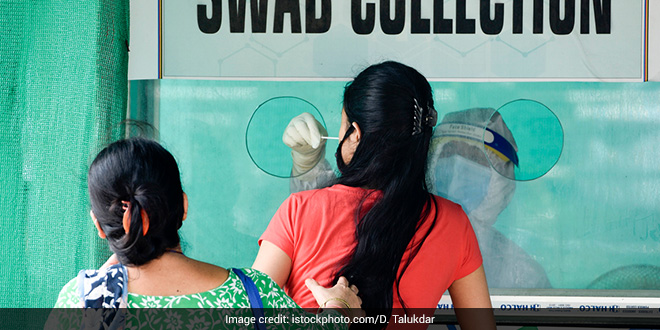
Targeted COVID-19 testing begins in crowded areas in Delhi

The Delhi government has started conducting targeted COVID-19 tests in markets and other crowded areas to strengthen its surveillance mechanism, the city’s Heath Minister Satyendar Jain said on Wednesday amid a surge in daily coronavirus cases in the national capital in the last few days.

Delhi recorded over 6,700 fresh COVID-19 cases for the first time on Tuesday taking the infection tally in the national capital to over four lakh, while the positivity rate was recorded at 11.29 percent amid the festive season and rise pollution levels.

Interacting with reporters, Jain said, the current pandemic situation in the national capital, can be termed as its “third wave”.

It was decided to concentrate efforts in certain key areas, such as targeted RT-PCR testing in sensitive and critical zones such as restaurants, market places, barber shops, and salons; gear up the availability of medical resources including beds, ICUs, and ventilators as a preemptive measure and ensure a high degree of contact tracing along with monitoring of quarantined contacts so as to suppress and break the chain of transmission, the statement said.

Jain told reporters, “Targeted testing has started in market places and other densely crowded areas”. Asked if there these tests will be all RT-PCR ones, he replied RT-PCR tests will also be increased.

As to why COVID-19 cases in Delhi are rising whereas it is showing a declining trend elsewhere, he said, “We are doing aggressive testing and contact tracing. These may be why daily cases are high. About other places, I cannot comment.”

Jain also acknowledges that he was getting reports that many people were either lax in adhering to safety norms or not wearing masks at all.

Jain also said in the initial days of the pandemic, more cases were coming from congested areas.

“This time, more cases are being recorded in upper-middle-class and middle-class segments, and they have an inclination to go to private hospitals. But treatment protocols are the same in private and government hospitals. Beds are available in government facilities,” he said.

Delhi had recorded over 5,000 daily cases for five days on the trot, ending Sunday when the count stood at 5,664. The number of containment zones in Delhi increased to 3,453 on Tuesday from 3,416 the previous day.

The sudden spike in cases comes amid the festive season and rising pollution level. While Durga Puja celebrations ended on October 25, the next major festivals are Diwali and Chhath in November.

source: https://www.financialexpress.com/lifestyle/health/targeted-covid-19-testing-begins-in-market-places-crowded-areas-in-delhi-satyendar-jain/2120942/

Categories
COVID-19 Medical Updates Medicine & Health

Lung Cancer Awareness Month: November

Lungs are one of the most vital organs in the human body. Responsible for the fundamental act of breathing, the lungs play a very important role in keeping the body healthy, and the body functions running efficiently. However, in recent times, diseases such as lung cancer have become extremely common. In fact, lung cancer is the most common type of cancer around the world and is responsible for millions of deaths, every year. The ongoing COVID-19 pandemic, lifestyle factors, and air pollution only add to the already high risk of lung cancer.

Let us understand the factors that make lung cancer the most common cancer globally, and what we can do to minimize our risk of the deadly disease.

What makes lung cancer the most common cancer around the world?

  • Smoking – The number of people who use cigarettes has gone up around the world. Smoking has become extremely common among young people, and even teenagers. Smoking is one of the leading causes of lung cancer. About 80 percent of total lung cancer deaths can be attributed to tobacco smoking, and many others to exposure to second-hand smoke. Smoking has also been found as a risk factor for COVID-19, the disease caused by the novel coronavirus.
  • Gene changes – Changes in genes can also spike the risk of lung cancer, even in people who do not smoke. Certain risk factors for lung cancer can cause changes in the DNA of lung cells. These changes can sometimes lead to abnormal growth of cells in the lungs, and cause cancer. DNA, as most people know, can influence our risk of developing certain diseases, including lung cancer.
  • Increased exposure to pollutants – Air pollution, global warming, and other climatic emergencies can also lead to a rise in the risk of diseases such as lung cancer. Exposure to pollutants can spike the risk of lung diseases such as asthma and COPD, and also lung cancer. Exposure to second-hand smoke from cigarettes also has a similar effect on the body.

It’s important to go organic. Making organic fruits and vegetables will not only keep cancer away but will also bring several lifestyle diseases under control. Of course, the government needs to play an important role by instituting measures to control pollution and adulteration of all types.

source:https://www.timesnownews.com/health/article/lung-cancer-awareness-month-what-makes-it-the-most-common-cancer-globally-tips-for-prevention/675661

Categories
COVID-19 Medical Updates Medicine & Health

Covid-19: Bharat Biotech in talks to take vaccine candidate global

India’s Bharat Biotech is in discussions with more than 10 countries that have shown an interest in a potential COVID-19 vaccine it is developing with a government agency, a company executive told Reuters on Friday.

The company, based in Hyderabad, this week received initial approval from Indian authorities to conduct late-stage trials for its vaccine candidate, COVAXIN.

The potential vaccine was found to be safe without any major adverse events in the first two stages of the trials involving about 1,000 people, Executive Director Sai Prasad said in a phone interview, adding that more than 90% of them developed antibodies against the novel coronavirus.

“We are in active discussions with more than 10 countries that have shown an interest in COVAXIN,” he said.

“We are talking to some of the countries about partnerships to conduct clinical trials and introduce the vaccine, and in some countries, we are in talks to manufacture the vaccine locally.”

He declined to name the countries but said they were located in South America, Asia and Central Asia, and Eastern Europe.

For third-stage trials in India, Bharat Biotech plans to enroll about 25,000 to 26,000 participants in around 12-14 states, he added.

India’s Zydus Cadila is currently conducting mid-stage trials of its own vaccine hopeful, while Serum Institute is making potential vaccines from AstraZeneca NSE 1.51 %, Novavax, and Codagenix Inc, as well as developing its own.

India has the world’s second-highest number of reported coronavirus cases at 7.8 million, more than a 100,000 of whom have died.


Categories
Medical Updates Uncategorized

World Polio Day observed on 24 oct 2020

History of Polio

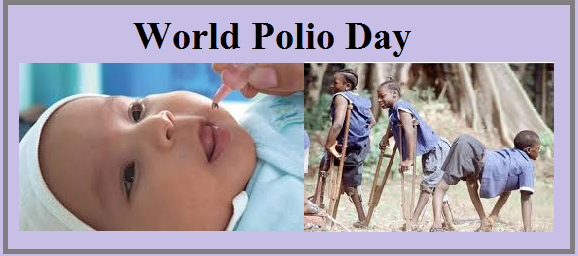
World Polio Day is observed on October 24 every year to raise awareness for polio vaccination and eradication of polio. The World Polio Day was established by Rotary International over a decade ago to commemorate the birth of Jonas Salk who led the first team to develop a vaccine against poliomyelitis.

Theme 2020

2020 theme for World Polio Day is “Stories of Progress: Past and Present.” As per WHO use of the poliovirus vaccine and subsequent widespread use of the oral poliovirus, developed by Albert Sabin, led to the establishment of the Global Polio Eradication Initiative (GPEI) in 1988. As of 2013, GPEI had reduced polio worldwide by 99%.

Through the Global Polio Eradication Initiative (GPEI), CDC works with partners to eradicate polio and end the suffering from this devastating disease. Stopping polio in all forms will require us to be resilient, adapt, and innovate to deliver a polio-free world. CDC and polio partners are adapting polio eradication efforts to mitigate the obstacles presented by covid-19.

What is Polio?

Polio is a crippling and potentially fatal infectious disease. There is no cure, but there are safe and effective vaccines. Polio can be prevented through immunization. The Polio vaccine, given multiple times, almost always protects a child for life. The strategy to eradicate polio is, therefore based on preventing infection by immunizing every child until transmission stops, and the world is polio-free.

World Polio Day: Polio prevention & treatment

There are two types of vaccine that can prevent polio:

  • Inactivated poliovirus vaccine (IPV) given as an injection in the leg or arm, depending on the patient’s age. Only IPV has been used in the United States since 2000.
  • Oral poliovirus vaccine (OPV) is still used throughout much of the world.

The Polio vaccine protects children by preparing their bodies to fight the poliovirus.

The day also celebrates progress and the people, volunteers, and local health workers, who make it possible by getting their own children vaccinated. It honors the people working to reach every last child until no child’s future is threatened by the impact of this disease.

source: https://www.indiatoday.in/information/story/world-polio-day-2020-history-theme-and-all-you-need-to-know-1734679-2020-10-24

Categories
COVID-19 Medical Updates

Dr. Harsh Vardhan launches CuRED, COVID-19 clinical trials portal

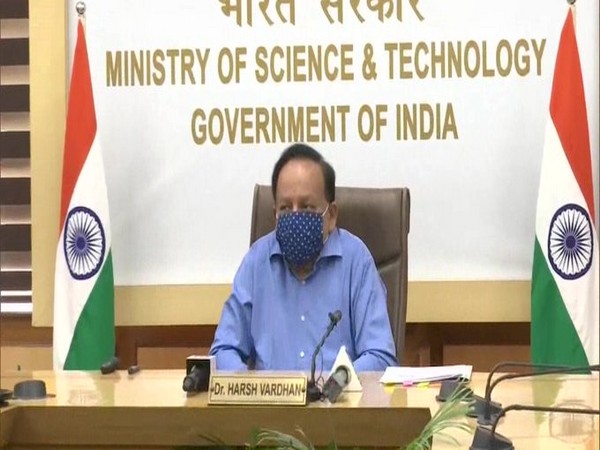
The Union Health Minister Dr. Harsh Vardhan on October 20, 2020, launched CuRED (CSIR Ushered Repurposed Drugs). A website that will provide comprehensive information about the COVID-19 trials that CSIR- Council of Scientific and Industrial Research is engaged in a partnership with ministries, government departments, and industries.

The Minister lauded the efforts of CSIR for being at the forefront of the ongoing fight against COVID-19 and prioritizing clinical trials, generating data for their regulatory approval, and helping launch drugs and diagnostics in the market. He commended the approach of using repurposed drugs and also, synthesizing COVID-19 drugs through new processes and transferring to Industry.

CSIR is also working with the Ministry of AYUSH for clinical trials of AYUSH drugs and has undertaken safety & efficacy trials of AYUSH prophylactics and therapeutics based on individual plant-based compounds and in combination. Five clinical trials involving Withaniasomnifera, Tinosporacordifolia + Piper longum(in combination), Glycyrrhizaglabra, Tinosporacordifolia & Adhatodavasica (individually and in combination) and AYUSH-64 formulation are undergoing safety and efficacy trials.

A key clinical trial of CSIR is the Sepsivac (Mw) against COVID -19 in partnership with Cadila. The phase 2 clinical trial has been completed successfully on critically ill COVID-19 patients, and more extensive Phase 3 trial is on the anvil. Further, the Phase 2 trial of phytopharmaceutical AQCH on Covid-19 patients with Sun Pharma and DBT is underway.

In addition to clinical trials of repurposed drugs and vaccines, CSIR has been involved in clinical trials of diagnostics and devices.

Dr. Harsh Vardhan emphasized that while the scientists are working on developing drugs and vaccines, as of now, social distancing, wearing masks and other precautions are essential and must be duly followed if we have to win the fight against COVID-19.

Dr. Shekhar C Mande, Secretary, DSIR and DG-CSIR, Dr.Ranjana Aggarwal, Dir, NISTADS, and Dr. Geetha Vani Rayasam, Senior Principal Scientist & Head, Science Communication and Dissemination Directorate CSIR HQ, were present on the occasion. CSIR Directors, Heads of Departments, and Scientists involved in Clinical Trials joined the event virtually.

Categories
COVID-19 Medical Updates

No Fasting: Doctor’s advice to COVID -19 patients

COVID-19 is an ongoing pandemic, affects different people in different ways. Most infected people will develop mild to moderate illness and recover without hospitalization. As the festive season has started in India celebrates Navratri, followed by Karwachauth. People of the country do fast during these festivals.

Doctors have advised people to avoid fasting during this festive season and make necessary changes to safeguard their health, especially if they are recovering from a Covid infection or belong to the high-risk group.

“People who are Covid positive or are recovering from Covid infection should avoid fasting during Navratri or Karwa Chauth. Those who are considered highly susceptible to the virus — elderly, people with diabetes, hypertension or other comorbidities, and pregnant and lactating women — should in no way fast during the pandemic,” said Col Vijay Dutta, senior consultant, internal and respiratory medicine at Indian Spinal Injuries Centre, New Delhi.

“Intermittent fasting shifts the primary energy source of the body from glucose to free fatty acid (FFA) which helps burn fat. However, fasting may reduce the body’s innate defence mechanisms as well as adaptive immune responses as immune cells which rely on glucose to sustain their function and proliferation. Reduced glucose availability and hypoinsulinemia during fasting may have negative effects on immune mechanisms,” he explained.

The doctors also advised pregnant and lactating women not to fast in such conditions. They cautioned that the whole day fasting could interfere with natural metabolism causing a hormonal imbalance which may lead to acidity, bloating, nausea, and discomfort.

Gauri Agarwal, a senior gynaecologist & fertility expert at Seeds of Innocence, New Delhi, said that the whole day of fasting can affect the blood sugar levels in pregnant women.

Pregnant women or lactating mothers should avoid fasting on both Navratri and Karwa Chauth. Day-long fasting can create stress on the body and adversely impact the blood sugar level, pushing it higher than normal.

source:https://www.tribuneindia.com/news/health/avoid-fasting-docs-advice-to-high-risk-covid-candidates-158017

Categories
COVID-19 Government Guidelines Medicine & Health Techniques

‘India to become healthcare provider to the world’


‘India to become a healthcare provider to the world’

The Medical device sector has a crucial role to play in improving accessibility and affordability of healthcare especially with regard to the availability of precision devices stated D V Sadananda Gowda , Union Minister for Chemicals & Fertilizers during his inaugural address at the 12th MedTech Global Summit .

We now must turn our attention to correct our high import dependence. Our pharmaceutical sector will become Atmanirbhar in a short period of 2-3 years, not only domestically but globally providing low cost and high-quality equipment and drugs.

Our Product Linked Investment schemes will attract cumulative investment of INR 78,000 crore and generate 250,000 in employment, with Med tech attracting at least 40,000 crore and employing 140,000 new employees.

The government is committed to providing low cost, affordable health care to every citizen through PMJAY and Ayushman Bharat with both schemes significantly reducing out of pocket expenditure for our citizens.

The medical device industry has labored and helped prepare indigenous products in our fight against COVID, with our production of ventilators proof of the success of Indian indignity stated Piyush Goyal.

It showed to the world that India can be a trusted partner when it comes to global engagement and global trade. This is the time to leverage the tools of technology to recharge our health systems with the power of: Access, Awareness and Availability, he added.

Chandrajit Banerjee , Director General, Confederation of Indian Industry expressed his gratitude towards the Department of Pharmaceuticals and the phenomenal work undertaken through the recent PLI schemes launched for bulk drug parks and med tech parks. These are the progressive steps required for us to become Aatma Nirbhar.

The Industry and Government need to work together to steer India to become global suppliers of medical Technology. There should be a greater streamlining of the regulatory process, a single national Med-Tech policy and a signal nodal body to govern and support the sector is imperative, he added.

In this pandemic, all the healthcare ecosystem has come together, and have eliminated the need for importing stated Dr Naresh Trehan , Chairman, CII National Committee on Healthcare & Chairman & Managing Director, Medanta – The Medicity. In order to further move up the value chain, Med-Tech, the entire healthcare spectrum, Scientific Intuitions and Government need to be brought on to the same platform to allow for convergence. We need to make a plan to take to the government so that all stakeholders across can help collaborate and innovate.

Source:  http://Source: http://www.smetimes.in/smetimes/news/top-stories/2020/Aug/24/india-healthcare53157.html


Categories
Medicine & Health

High blood sugar may limit aerobic exercise capacity

A study finds that hyperglycemia makes it more difficult for people to increase their aerobic capacity.

Regular aerobic exercise provides various health benefits, which heighten as a person increases their aerobic capacity. Doctors recommend this form of exercise to help control diabetes, but people with diabetes often have trouble improving this capacity.

Now, scientists at the Joslin Diabetes Center, an affiliate of Harvard Medical School, in Boston, MA, have published a new study that may explain why.

Hyperglycemia, or higher-than-normal levels of blood sugar, may prevent people from increasing their aerobic capacity and gaining the health benefits that this type of exercise can provide.

The researchers have observed this diminished effect of aerobic exercise in humans with chronic hyperglycemia when blood sugar levels are within the prediabetes range, as well as in mouse models.

Hyperglycemic mice

“The idea behind this study was to see: If we induce high blood sugar in mice, will we impair their ability to improve their aerobic fitness?” says Prof. Lessard.

In designing the study, the researchers hoped to learn more about the mechanisms behind this potential effect, in an effort to find new ways to help people with hyperglycemia boost their fitness levels.

Initially, Prof. Lessard and colleagues increased blood sugar levels in two groups of mice:

  • The first group received a Western diet high in saturated fat and sugar. The mice became hyperglycemic and gained weight.
  • The second group consumed a diet with less sugar and fat and did not gain weight. However, these mice acquired hyperglycemia as a result of modifications that caused them to produce less insulin.

The mice in both groups exercised equally, running roughly 500 kilometers, or about 311 miles, over the course of the study.

Still, compared with a control group that had lower blood sugar levels, both sets of hyperglycemic mice failed to gain significant aerobic capacity.

The fact that both groups developed the condition suggests that the effect is related to blood sugar, not obesity or the effects of insulin.

Mouse muscles

According to Prof. Lessard, muscle tissues typically change as a result of aerobic exercise, and muscle fibers become more efficient at using oxygen. “We also grow new blood vessels,” says Prof. Lessard, “to allow more oxygen to be delivered to the muscle, which helps to increase our aerobic fitness levels.”

However, the researchers saw no such muscle adaptation in the hyperglycemic mice.

They suggest that high levels of sugar are interrupting the remodeling of muscle by altering proteins in the space between muscle cells, where new blood vessels would typically have formed.

The study authors add that another possible factor may be a malfunctioning of the c-Jun N-terminal kinase (JNK) pathway. This signaling pathway may act as a molecular switch that programs a muscle to react to a particular type of exercise.

In earlier research using hyperglycemic mice, Prof. Lessard found that the JNK pathway may get this wrong. She determined that “The muscles of hyperglycemic animals have bigger fibers and fewer blood vessels, which is more typical of strength training, rather than aerobic training.”

People with hyperglycemia

Prof. Lessard and her team followed up with clinical tests in humans and found similar results. They also identified one group for whom the issue was particularly acute.

The researchers saw that individuals with impaired glucose intolerance — in which blood sugar levels rise with the consumption of glucose — had the least increases in aerobic capacity.

This was, at least in part, due to the malfunction of the JNK pathway. “Looking at how their muscles responded to a single bout of typical aerobic exercise, we also saw that those with the lowest glucose tolerance had the highest activation of the JNK signaling pathway, which blocks aerobic adaptations,” says Prof. Lessard.

Recommendations

To that end, the team recommends that individuals with hyperglycemia consider following a diet designed to lower blood sugar levels. In addition, diabetes drugs can help get these levels under control.

The researcher emphasizes that aerobic exercise has health benefits, even when taking into account the inhibiting effect of high blood sugar, saying:

“Regular aerobic exercise is still a key recommendation for maintaining health in people with or without hyperglycemia.”

Prof. Lessard also notes that other forms of exercise, such as strength training, can help with health and fitness.

Source: https://bit.ly/31kpG09