Categories
COVID-19 Government Guidelines

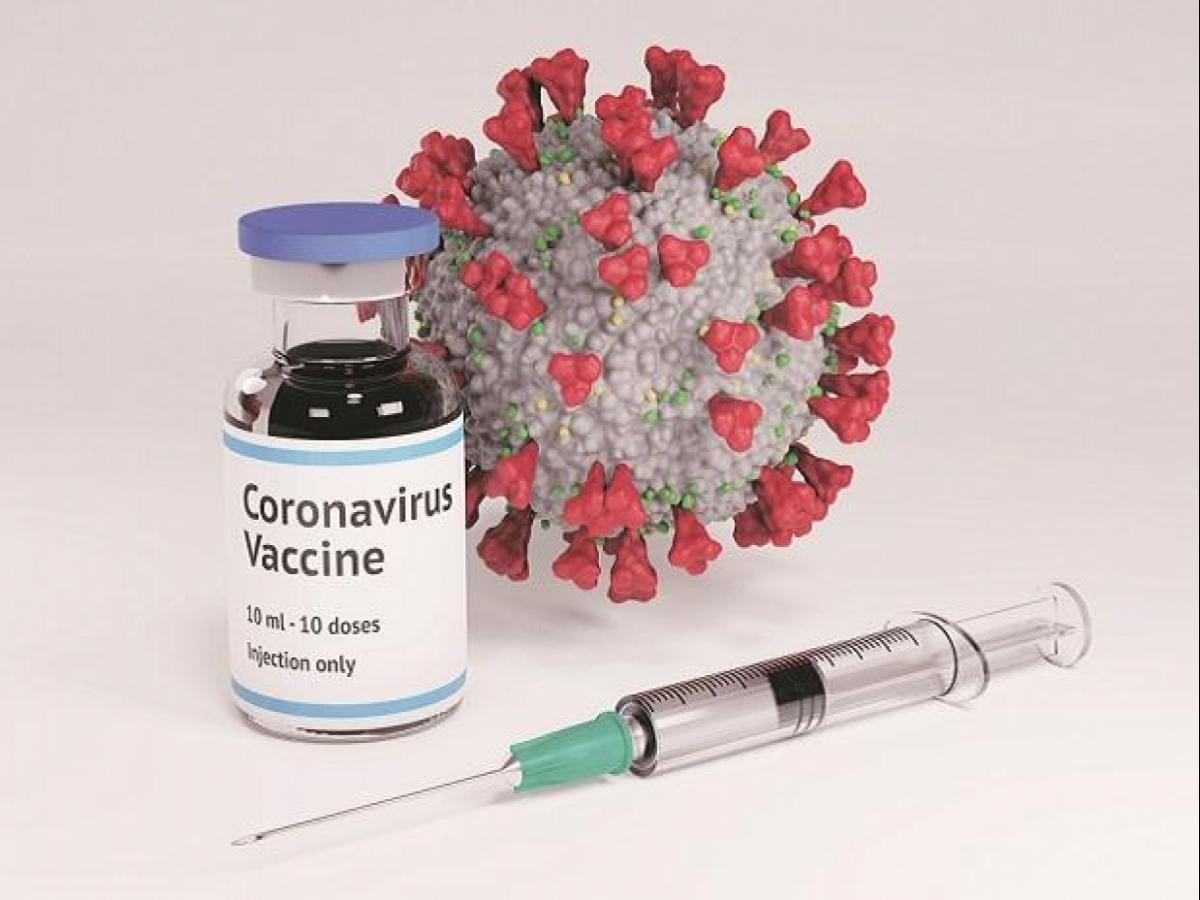
Covid-19 vaccine for 60-plus and above 45 with comorbidity from March 1

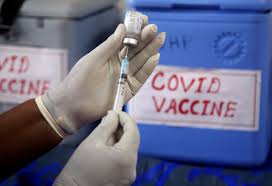
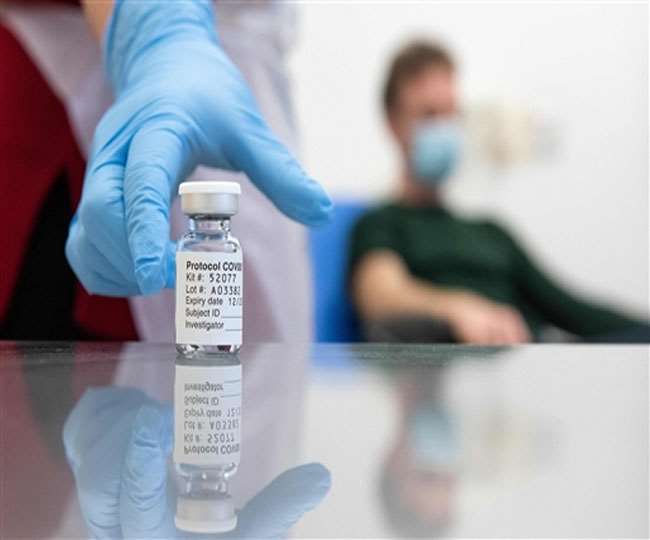
People aged more than 60 years and those who are 45 plus and have comorbidities will be able to get a vaccine against Covid-19 at a government centre or a private hospital from March 1.

Announcing this, the central government on Wednesday said people above 45 years of age will have to show a certificate stating they have comorbidities.

Addressing a press briefing on Cabinet decisions, Union minister Prakash Javadekar said the vaccination will be carried out at more than 10,000 government centres and over 20,000 private vaccination centres across the country.

“From March 1, people above 60 years of age and those above 45 years of age with comorbidities will be vaccinated at 10,000 government and over 20,000 private vaccination centres,” Prakash Javadekar said.

Free Covid-19 vaccine at govt centres

The minister said Covid-19 vaccine will be provided free-of-cost at government centres.

However, people will have to pay for the vaccine if they get it from a private centre.

“Those who want to get vaccinated from private hospitals will have to pay. The amount they would need to pay will be decided by the Union Health Ministry within three-four days as they are in discussion with vaccine manufacturers and hospitals,” Prakash Javadekar said.

This is part of the next phase of India’s nationwide Covid-19 vaccination that started on January,16. In the first phase of the vaccination drive, healthcare workers on Covid-19 duty were vaccinated. The second phase covered other frontline workers and people engaged in essential services.

Age limit increased from 50 to 60 years

Government sources privy to the development said earlier all people aged more than 50 years were to be covered in this phase of vaccination, but the government later decided to fix the eligibility age limit at 60 years.

The number of people aged more than 60 years in India is less than those who fall in the age group of 45 to 50 plus.

Sources say, during Covid-19 vaccination, data of only those who are more than 60 years will be recorded in the Co-Win app for free vaccines at government hospitals.

So far, India has approved only two vaccines for it’s Covid-19 vaccination drive. The first one is Covishield which has been developed by the Oxford University and AstraZeneca and is being manufactured by the Serum Institute of India.

The second vaccine is Covaxin, developed and manufactured by Bharat Biotech.

It is unclear at present if people will have a choice to select which vaccine they would like to take.

source: https://www.indiatoday.in/

Categories
Medical Updates Medicine & Health Techniques

‘Technology has power to improve healthcare’: Dr Sangita Reddy

Sangita Reddy, Joint Managing Director, Apollo Hospitals, on Monday said that technology has power to improve healthcare delivery systems. Speaking at a panel discussion on the healthcare sector on the first day of Bio Asia 2021, she said: “Technology has the power and it can provide continues care, seamlessly maintain record of the patient from all the doctors for a better advice. AI models will improve on how data being captured. Skills shift will happen, but we need to use it in aright way to continue the constant delivering of services”.

During the Covid-19 pandemic, we could provide tele healthcare and 5,000 hotel rooms were converted into hospital rooms to deliver service. Staff is been retrained, re-engineering of the system and lay out the machinery to give home nursing is done, she added. Debjani Ghosh, president, NASSCOM, in her address, elaborated on the technology’s pivotal role in digitization of health care. “Digitization was on a slow pace earlier but Covid-19 has accelerated it significantly and it has left efficient room for doctors to interact with patients but humans must be placed at the centre because technology is an enabler and so decisions are to be taken by humans. On the overflooding of data the internet, Ghosh added that data is accessible but setting the framework for how long, what is the purpose, Its safety, security is needed.


View this post on Instagram


A post shared by Aarogyapath (@aarogyapath)

source: https://www.thehansindia.com/news/

Categories
COVID-19 Government Guidelines Medical Updates

Arunachal emerges as state with best Covid recovery rate: Health ministry

Frontier state Arunachal Pradesh has emerged as the state with the best Covid recovery fee within the nation, touching almost 99.56%, stated the Union well being ministry on Tuesday.
Union Territories, nonetheless, have come up with a greater report. Daman and Diu, Dadra and Nagar Haveli are marginally forward with a recovery fee of 99.88%.

The virus made deep penetration into the state regardless of the fortified Line of Actual Control negating the potential of the virus being bodily transmitted into the state. But the unfold of the an infection resulted within the expulsion of staff from neighboring Assam and different states in the course of the months of lockdown.
Many imagine, the tough terrain was a bonus throughout as it naturally remoted dwellers. “The terrain has been the main reason why we have been less affected. Even now about 700 people are getting tested. The rate is very good for a state with a population of 14-15 lakh,” stated Arunachal Pradesh well being secretary P Parthiban. He added that the therapy protocol was adopted even in essentially the most distant districts to isolate instances in early phases. “It’s not only the recovery rate, the death rate is also one of the lowest in the state,” he stated.
Stringent measures have been adopted even to examine vans bringing in necessities from different states into ILP (inside line allow) protected Arunachal.

From October onwards, as soon as the festive season unfurled, many in different states, began flouting Covid security guidelines. Masks and social distance have been put aside. But in Arunachal, the screenings continued at about 11 entry factors until about December final 12 months.

While the nation’s Covid-19 recovery fee has touched 97.32%, among the many best on the earth, seven NE states, excluding Sikkim, have higher recovery proportion than the nationwide common. Arunachal Pradesh is adopted by Mizoram (99.36). The different 5 NE states which are among the many 31 states and UTs with higher than nationwide common are Tripura (98.82), Nagaland (98.80), Assam (98.76), Manipur (98.46) and Meghalaya (98.02).

As on February 16 (until 8 am), the cumulative variety of healthcare and frontline staff vaccinated towards Covid-19 within the nation surpassed 87 lakh. Assam stays approach forward of different NE states by way of vaccination. Including each doses, a complete 1,32,475 healthcare staff have been vaccinated within the state.

source : https://newsrush.in/news/

Categories
Medicine & Health

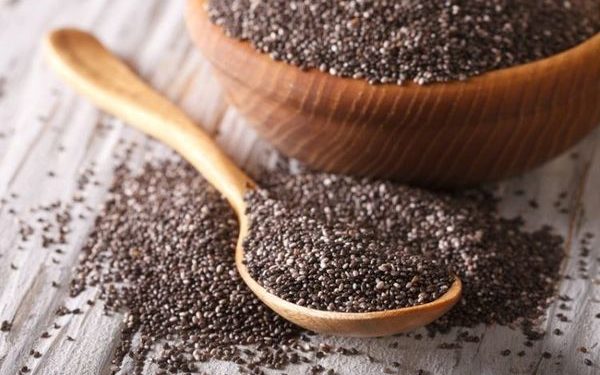
Chia Seeds: Health benefits, nutritional value, health risks

One of the most nutritional edible seeds available to us, chia seeds are among the healthiest superfoods on the planet. It belongs to the salvia hispanica family, native to central and southern Mexico and Guatemala and a part of the mint family. While its nutritional values surfaced in recent times, chia seeds date back to the Aztec Civilization in the 16th century.
Rich in fiber, protein, and other healthy nutrients, chia seeds can be incorporated with almost everything. Whether you choose to have a wholesome breakfast cereal or drink a delicious smoothie, a spoonful of chia seeds can boost your immunity and provide your body with all the essential nutrients.

Nutritional value in chia seeds

Unlike any other food, chia seeds are a powerhouse of nutrients and vitamins. That said, one cup of chia seeds can provide you with a wholesome of nutrition. Here’s a brief look at what it holds.
– 5 grams (g) fiber
– 2 g protein

– 6 g carbs

– 5 g fat (1 g saturated, 7 g polyunsaturated, 1 g monounsaturated, and 0 g trans)

– 7 mg calcium – 2 mg phosphorus

– 8 mg potassium

– 5 IU vitamin A

– 2 mg vitamin C
– 1 mg vitamin E

Possible health benefits of adding chia seeds to your diet
While chia seeds are loaded with nutrients, it can have a positive impact on both your body and your brain. That said, here are some of the effective health benefits of chia seeds.

Chia seeds can aid in weight loss
Chia seeds are rich in fiber and protein, both of which can aid in weight loss. The soluble fiber expands in the stomach and keeps you satiated for a longer period of time, keeping extra and unnecessary calories at bay. Similarly, protein in chia seeds could help reduce appetite and calorie intake. This facilitates effective and healthy weight loss in the long run.

Packed with antioxidants
Chia seeds are a potential source of antioxidants such as chlorogenic acid, caffeic acid, myricetin, quercetin, and kaempferol, which can combat the production of free radicals. Therefore, it can assist your body in fighting chronic illnesses like cancer and can prevent premature aging.

Loaded with Omega-3 Fatty Acids
According to a review in the Journal of Food Science and Technology, chia seeds are a fantastic source of omega-3 fatty acids. This in turn helps reduce the risk of cardiovascular diseases and blood clots in people.

Improves bone health
Chia seeds are packed with calcium, phosphorus, magnesium, and protein, which not only enhances energy levels in the body but also improves bone health and density.

Lowers blood sugar levels
High blood sugar levels can be associated with an increased risk of several chronic diseases, including heart disease. Due to its high fiber content, chia seeds slow down the absorption of sugar, hence decreasing the level of blood sugar in the body.

Health risks associated with chia seeds
Chia seeds come with a load of nutritional values and is a wonderful superfood that goes with almost anything. However, too much of it can also cause various health issues. While one tbsp of chia seeds is sufficient and wholesome, going overboard with it can have a negative effect on you.

Excess consumption of chia seeds can often lead to digestive issues. Its high fibre content can prove too strong for your gut and therefore, it is crucial that you increase your intake gradually and drink a lot of water.

While chia seeds are healthy and nutritious, many studies have claimed that the benefits of chia seeds originate from their incorporation with different wholesome diets.

Some studies have also claimed that eating chia seeds alone can be dangerous too. According to a case study presented to the American College of Gastroenterology in 2014, a patient who first ate chia seeds and then drank some water experienced a blockage in the esophagus. This as per the study was caused because the chia seeds absorbed the water and grew in size and expanded in the throat. Therefore, in order to avoid this, one must either cook them or mix them with water first.

Categories
COVID-19 Medical Updates

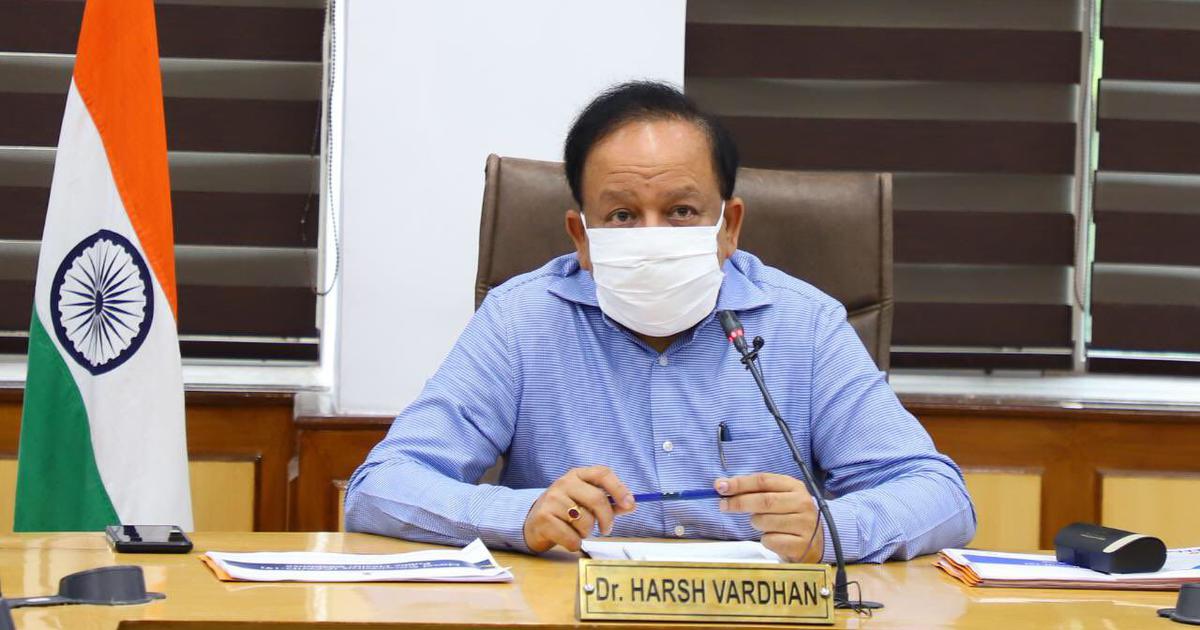
Indian vaccines are safe, says Health Minister Harsh Vardhan

Troubled by fears of a significant section of health care workers refusing to come forward to get vaccinated against Covid-19, the government on Thursday released a set of IEC (Information Education and Communication) posters to address the issue of vaccine hesitancy.

“The paradox is that countries across the world are asking us for access to vaccines while a section of our own is fomenting misinformation and doubts for narrow political ends,” Health Minister Harsh Vardhan said while releasing the posters.

There have been reports that many healthcare workers, mainly paramedical personnel, have stayed away from taking vaccine shots, thus reducing the number of vaccinations carried out in various States. Vaccine hesitance was the second major reason, after the glitches in Co-WIN software, for the poor realization of vaccinations in many States so far.

“Let us put a stop to these falsehoods,” Vardhan said urging people to seek correct information from authentic sources.

Explaining the role of vaccination in eradicating diseases, the Minister said, “The elimination of polio and smallpox was made possible by large scale immunization. Once immunized, not only that person is not capable of catching the disease, he/she is also unable to transmit the disease to others thus passing on the social benefit to the larger society he/she interacts with….Vaccination against Covid will similarly create persons incapable of transmitting the disease and eradicate the disease altogether in some time.”

All eminent doctors of well-known hospitals have taken the vaccine and praised the exercise for its desired end. It is only a handful of vested political interests who are interested in spreading rumors and encouraging vaccine hesitancy among those vulnerable to such propaganda,” he said. Prominent doctors along with many other healthcare workers in the government and private sector have taken the Covid-19 vaccine and have returned to their work without any side effects, the Minister added.

Categories
Uncategorized

You should have these eight winter superfoods for health

Winter brings a divergent change in the weather after the wet monsoon and scorching heat of summer. The changing weather necessitates a modification in nutrition as well. Especially this year, our dietary habits can be a decisive differentiator for our health and immunity. Working from home has become the new norm, resulting in far lesser physical activity and a lot more opportunities for eating. It can lead to weight gain, joint problems, vitamin D deficiency, constipation, and so on, says Pradeep Singh, wellness and nutrition expert, and certified dietitian.

But what are these superfoods, and how do they benefit us? In a nutshell, ‘superfoods’ are those edibles that contain a high nutritional value and provide us with a variety of health benefits.

Below, he shares eight such superfoods that you should be eating this winter.

Garlic: If you’re a fan of garlic, winter is the time for you to have it. Garlic is a great source of selenium, germanium, and sulfhydryl amino acids, which help in boosting immunity. It is also a natural antibiotic and is effective in preventing urinary tract infections, lowering blood pressure, preventing bronchitis and pneumonia. This makes garlic one of the best winter diet additions.

Cinnamon: Everybody’s kitchen has this ingredient for sure. Usually shelved with cloves, nutmeg, and other spices, cinnamon is a great source of iron and calcium. It is essential for the production of healthy red blood cells and can also help in reducing spikes in blood sugar levels. A simple way to incorporate it into your diet would be, adding it to your morning cup of coffee or tea.

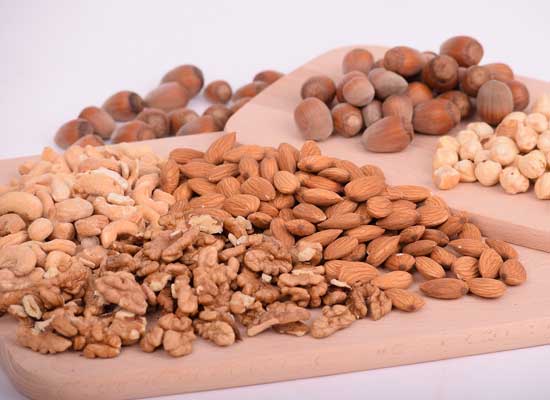
Almond and walnuts: Just like blankets warm you up in winters, these nuts can warm you up on the inside. Both almonds and walnuts lower bad cholesterol, control blood sugar levels, and reduce inflammation. Walnuts are a great source of Omega-3, while almonds are rich in Vitamin E, antioxidants, and magnesium. So if you’re craving a light snack, don’t hesitate to pick up a few almonds and walnuts to munch on in between meals.

Sweet potatoes: Sweet potatoes are great comfort food. They are also a rich source of fiber, Vitamin A, and potassium. If you want to go easy on the calories and high on the nutrients, sweet potatoes are the answer in winter. It can help with relieving constipation, building immunity, and reducing inflammation.

Mustard greens: Mustard greens, just like other green leafy vegetables, are among the most nutritious foods you can eat. These greens are rich in fibre, and vitamin C, which is much needed during winter to help fight infections. Plus, it helps lower cholesterol and improves liver health.

Citrus fruits: By now, we’ve all heard that citrus fruits are synonymous with vitamin C. So, not mentioning them as a winter food would leave the list incomplete, and for a good reason. Fruits such as oranges, grapes, and lemons are jam-packed with minerals and phytochemicals. Therefore, including them in your winter diet, is a must if you want to develop a super-strong immune system.

Carrots: Carrots are rich in beta-carotene that gives them their bright orange color and makes them rich in vitamin A. The high level of fiber they contain also means you can include carrots in your weight loss diet. They are also beneficial for regulating cholesterol levels. As an added benefit, they have high amounts of antioxidants, vitamin K, and improve overall eye health.

Pea protein: Arguably the most complete plant protein, pea protein, is made from yellow split peas. Unlike beans or rice, it contains all the amino acids that your body requires. It’s also a great alternative to whey or soy, especially if you’re allergic or sensitive to either of the two. Plus, it’s a go-to protein source that will warm you up this winter if you’re a vegan.

Apart from winters, these foods should become a part of your daily nutrition regime as they will help you become fit and maximize your healthspan. A combination of these foods will yield clear skin, healthier hair, improved digestion, increased metabolism, and overall higher energy levels, he says.

source:https://indianexpress.com/

Categories
COVID-19 Government Guidelines Medical Updates

Delhi govt identifies 89 sites, health care workers to be vaccinated first: Satyendra Jain

As the country is all set to begin vaccination drive against the coronavirus disease (Covid-19) from January 16, the Delhi government has identified 89 sites which include 36 state-run hospitals and 53 private hospitals, health minister Satyendar Jain said on Sunday.

Jain also said that only health workers will be administered shots against the Covid-19 in the first phase of the vaccination drive.

The list of hospitals includes AIIMS, Safdarjung, Lok Nayak, GTB, and Hindu Rao, among others. The list of private hospitals includes Max, Fortis, Apollo, BL Kapur, and Gangaram, etc. Vaccines to all the centers will be supplied by the Delhi government and will be free for the beneficiaries.

The Centre on Saturday said that the Covid-19 vaccination drive would begin in the country on January 16, when nearly 30 million healthcare and frontline workers will be inoculated. In the second phase, priority will be given to those above 50 years of age and the under-50 population groups with co-morbidities, together numbering around 27 crores.

As per the ministry, over 61,000 program managers, 200,00 vaccinators, and 370,000 other vaccination team members have been trained so far as part of the training at the states, districts, and block levels.

India’s drugs controller on January 3 granted restricted emergency approval to two companies for their Covid-19 vaccines.

The first vaccine to become available in Delhi will likely be the Oxford-AstraZeneca vaccine, called Covishield in India, and manufactured by Pune’s Serum Institute of India. The other vaccine that has been granted approval for “restricted use in emergency situations” is Bharat Biotech’s Cavoxin.

As of Sunday morning, the country has a total of 10,450,284 confirmed cases of Covid-19, according to the numbers published on the Union health ministry’s website. The number of recoveries reached 10,075,950 after more than 19,200 patients recovered from the viral disease in the span of 24 hours. More than 1.5 lakh people have died so far.

The spread of the virus has been majorly contained in the country as the daily number of new cases has dropped to less than 20,000 from a peak of almost 98,000 in September last year. However, it is still the second worst-hit country after the United States.

Categories
COVID-19 Medicine & Health

First coronavirus vaccine shots likely on January 13: Health Ministry

Addressing the media, health ministry secretary Rajesh Bhushan said that “based on the feedback of dry-run”, the government is ready to introduce coronavirus vaccine “within 10 days from the date of emergency use authorization.

Union Health Ministry announced on Tuesday that coronavirus vaccines will be rolled out within 10 days of granting emergency use approval based on the feedback of dry-run across the country.

The announcement by the ministry comes just days after the DCGI (Drugs Controller General of India) approved Oxford-AstraZeneca COVID-19 vaccine, Covishield, domestically manufactured by the Serum Institute of India and Bharat Biotech’s indigenous Covaxin for restricted emergency use.

Addressing the media, health ministry secretary Rajesh Bhushan said that “based on the feedback of dry-run”, the government is ready to introduce coronavirus vaccine “within 10 days from the date of emergency use authorization.

The ministry also put forward the CoWIN Delivery Management plan. “There are 4 primary vaccine stores called GMSD located in Karnal, Mumbai, Chennai, and Kolkata, and there are 37 vaccine stores in the country. They store vaccines in bulk and distribute further,” Bhushan informed during a press briefing, adding that the vaccine will further be taken from these stores and taken to sub-centers “via passive equipment like rice boxes.”

India’s drugs regulator DCGI had on Sunday approved Oxford University’s Covid-19 vaccine ‘Covishield’ being manufactured by the Serum Institute, and the indigenously developed ‘Covaxin’ manufactured by Bharat Biotech for restricted emergency use in the country, paving way for a massive inoculation drive.

Categories
COVID-19 Government Guidelines Medical Updates Medicine & Health

India will have happy New Year with something in hand: DCGI on Covid vax

As India awaits with bated breath for a silver bullet against coronavirus, the Drug Controller General of India(DCGI) on Thursday hinted at the approval of vaccine and said the country will have a ‘happy new year with something in hand.’

The drug regulator is currently analyzing the data submitted by Serum Institute of India, which is manufacturing Oxford-AstraZeneca vaccine and Bharat Biotech, which is making indigenous vaccine in collaboration with ICMR. The expert panel will convene a meeting on January 1 on this.

“The industry and research organisation have stood the test of time. It has been a very wonderful experience. Probably, we will have a happy new year with something in hand. That is what I can hint at,” Drug Controller General of India (DCGI) V G Somani said.

On Wednesday, the Subject Expert Committee (SEC) of the Central Drugs Standard Control Organisation (CDSCO) had met to consider the Emergency Use Authorisation (EUA) request of Pfizer, Serum Institute of India and Bharat Biotech Private Limited.

Further time was, however, requested on behalf of Pfizer. Additional data and information presented by SII and Bharat Biotech was then perused and analysed by the expert panel. The analysis of the additional data and information is going on and it will convene again on January 1, the Centre had said in a statement.

America’s Pfizer was the first one to apply for the accelerated approval on December 4, followed by Serum and Bharat Biotech who applied on December 6 and 7, respectively. Pfizer had, however, requested more time to make a presentation before the committee.

On December 9, the Subject Expert Committee asked Serum Institute of India and Bharat Biotech to submit more data and information to get approval.

The expert panel had then recommended Serum to submit the outcome of the assessment of the UK-MHRA for grant of emergency use approval, the updated safety data of the Phase II/III clinical trial and immunogenicity data from the clinical trial in the UK and India.

Bharat Biotech was recommended to present the safety and efficacy data from the ongoing Phase III clinical trial in the country for further consideration.

Their applications were reviewed again on Wednesday hours after the UK accepted the recommendation of the Medicines and Healthcare Regulatory Agency (MHRA) to authorise Oxford University-AstraZeneca’s Covid-19 vaccine, named Covishield, for emergency use.

The authorisation was significant for India as the Pune-based Serum Institute of India had tied up with the company to conduct clinical trials and manufacture vaccine.

source: https://health.economictimes.indiatimes.com/

Categories
Medical Updates Medicine & Health

India’s first indigenous pneumonia vaccine by SII launched

The first indigenous vaccine against pneumonia, developed by the Serum Institute of India (SII), was launched by Union health minister Harsh Vardhan on Monday. The vaccine would be sold under the name ‘Pneumosil’ and would be available either as a single dose in a vial and pre-filled syringe or as multidose in vials at affordable prices, the Union ministry of health and family welfare (MoHFW) said in a statement.

The pneumococcal conjugate vaccine (PCV) would be used to treat pneumonia in children and has been developed by SII in collaboration with other partners like the Bill and Melinda Gates Foundation, the statement said. Vardhan said that the vaccine has been developed during the Covid-19 pandemic time and is also in line with the Aatmanirbhar Bharat program (self-reliant India) of Prime Minister Narendra Modi.

“Pneumosil has been extensively evaluated in 5 randomized controlled clinical trials and has demonstrated comparable safety and immunogenicity against licensed pneumococcal vaccines across diverse populations of India and Africa, where Pneumosil was administered to adults, toddlers and infants using different vaccination schedules,” Vardhan said. He also said the vaccine has proven safe during these trials and has prevented pneumonia following which the Drugs Controller General (India) approved the vaccine in July 2020 after the approval from the subject expert committee (SEC).

Hailing SII, the world’s largest manufacturer of vaccines by the number of doses produced, the minister said, “Serum Institute’s vaccines are used in 170 countries and every third child in the world is immunized with the manufacturer’s vaccine.” He also appreciated India’s scientific and medical fraternity, saying that the indigenous vaccine would reduce India’s dependency on high priced PCVs from foreign manufacturers.

During the launch of the vaccine, the health minister also noted that pneumonia accounts for nearly 1 million deaths worldwide and is the single largest infectious cause of death among children under five years of age.