Categories
Medical Updates

PM wants NGOs, volunteers to help health sector

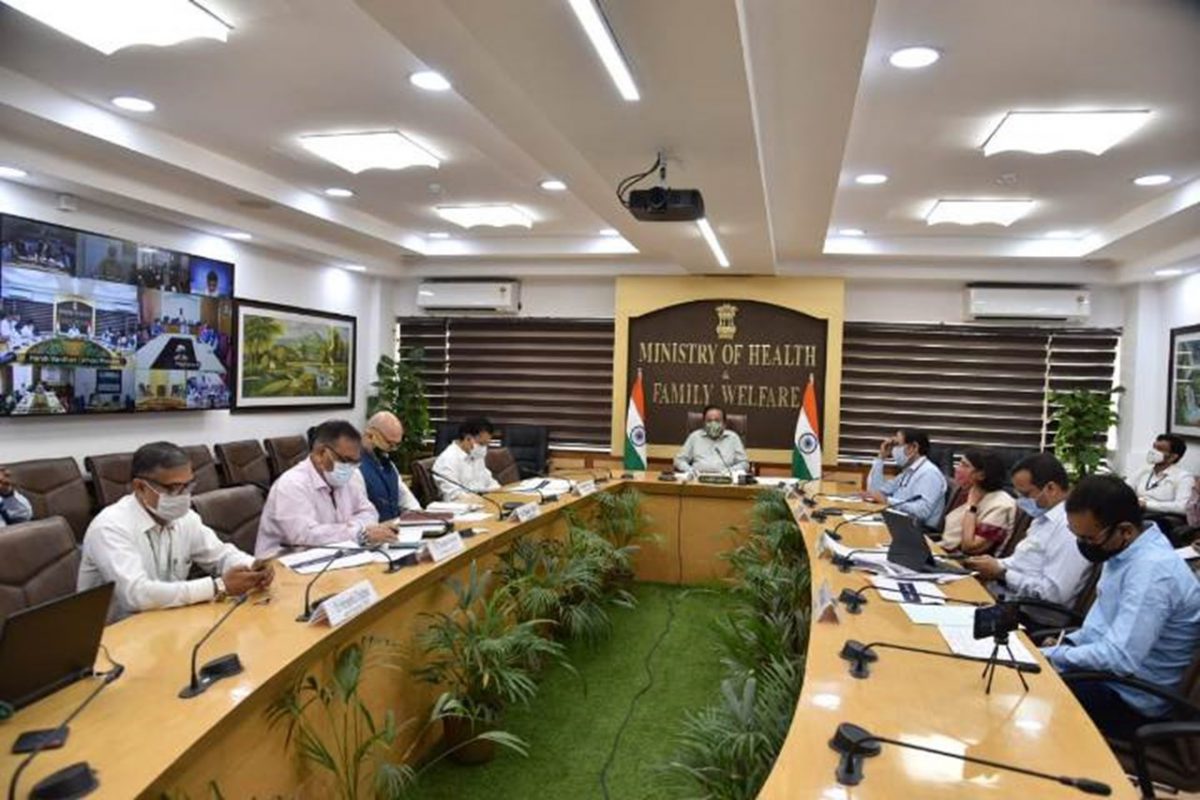
This was conveyed during a meeting to review the functioning of different empowered groups. The Prime Minister chaired the meeting through video conferencing.

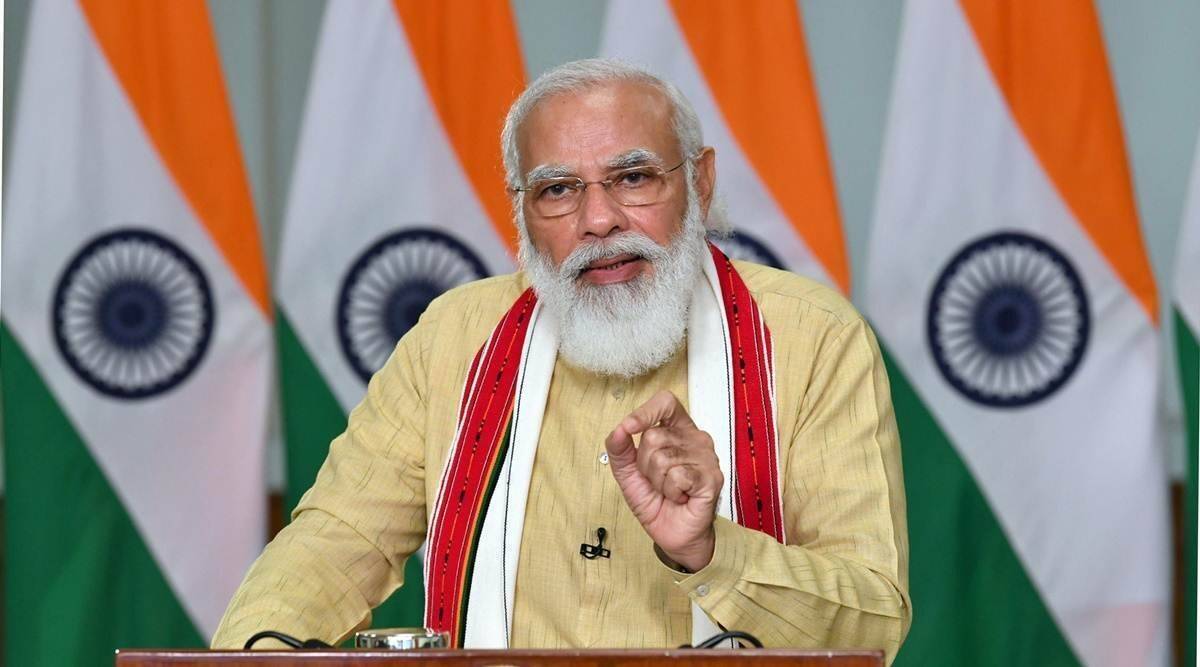
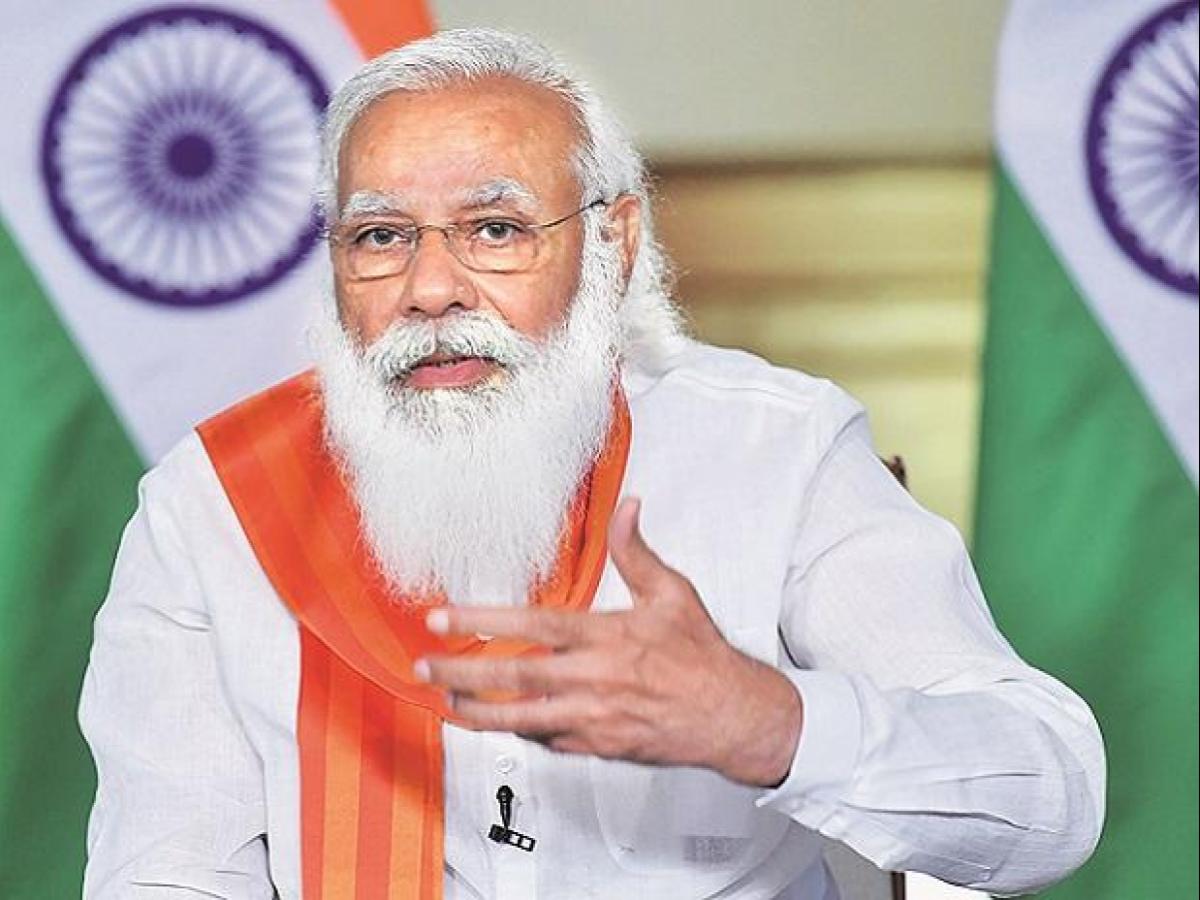
Prime Minister Narendra Modi has asked officials to explore involving civil society volunteers in “non-specialized tasks” to take the pressure off the healthcare sector amid the surge in Covid-19 cases.

This was conveyed during a meeting to review the functioning of different empowered groups. The Prime Minister chaired the meeting through video conferencing.

In a statement, the Prime Minister’s Office said: “PM asked the officials to explore how volunteers from civil society can be utilised to lessen the pressure on healthcare sector by invoking them in non-specialised tasks.”

“It was discussed that NGOs could help to establish and maintain lines of communication between the patients, their dependents & health care personnel,” the statement said.

“Ex Servicemen could be encouraged to handle call centres for communicating with people under home quarantine,” the statement said.

During the meeting, the Empowered Group on coordinating with private sector, NGOs and international organisations, headed by NITI Aayog CEO Amitabh Kant, briefed the Prime Minister “on how the government is working in active partnership with them.

Two other Empowered Groups also briefed the Prime Minister about their activities.

“The Empowered Group on Economic and Welfare measures made a presentation to PM on steps taken such as extension of PM Garib Kalyan Anna Yojana,” the statement said. “It was discussed that portability enabled due to One Nation One Ration Card initiative has helped to benefit more people. Insurance scheme for frontline health workers has been extended for another 6 months.”

“PM directed Central Government should work in close co-ordination with the states to ensure that the poor get the benefits of free food-grain without any issues,” it said.

On April 23, the Centre had announced the restarting of the Pradhan Mantri Garib Kalyan Anna Yojana (PM-GKAY) to provide an additional 5 kg of foodgrains per month free to beneficiaries covered by the National Food Security Act (NFSA), 2013.

The new version of the scheme does not, however, include an important component of last year’s PM-GKAY—1 kg pulses per month free to each household under the NFSA.

The statement further said, “PM also said that steps should be taken to expedite the settlement of pending Insurance claims so that the dependents of the deceased are able to avail of benefits in time.”

“The Empowered Group on issues relating to facilitating supply chain & logistics management gave a presentation on various advisories relating to measures to be taken to contain the pandemic,” the statement said. “PM instructed officials to plan holistically to ensure seamless movement of goods so that supply chain disruptions are avoided,” it added.
Categories
COVID-19 Medical Updates

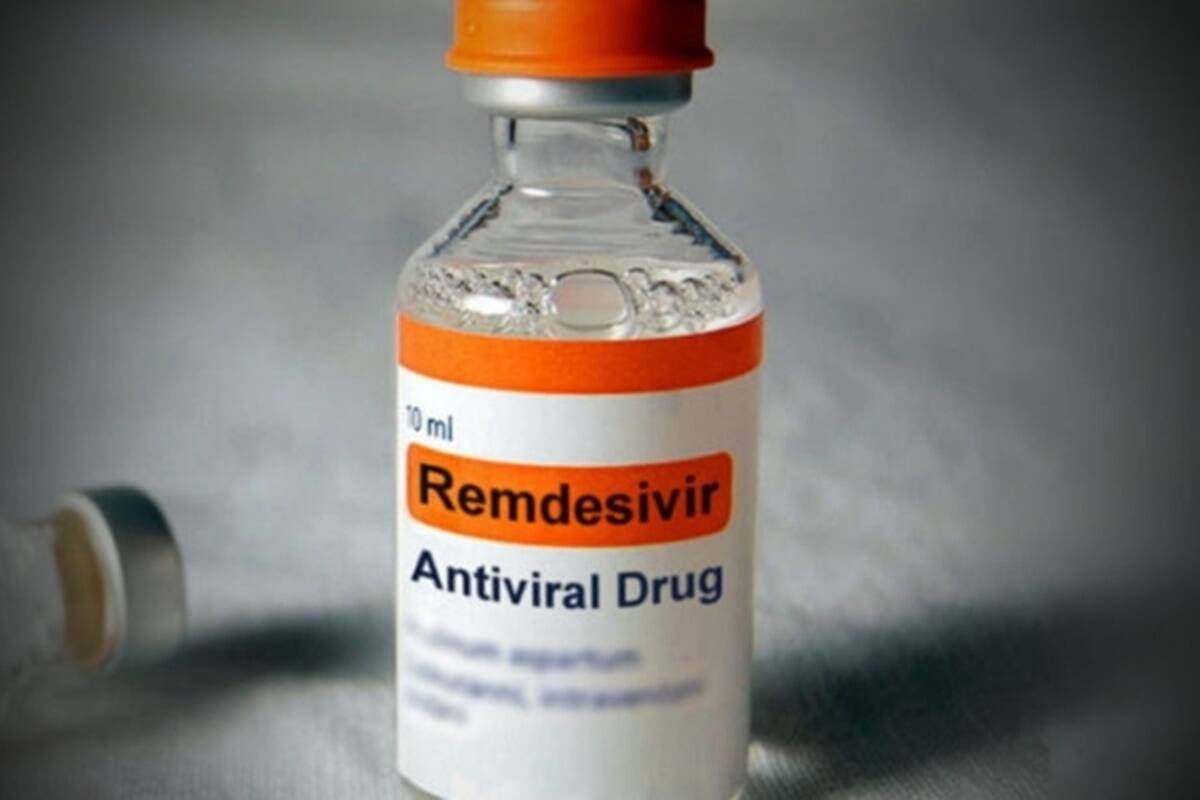
Gilead announces steps to expand availability of remdesivir in India

American biopharmaceutical company Gilead has announced steps to expand the availability of remdesivir, a key therapeutic medicine used in the treatment of COVID-19 patients, in India. The recent surge of COVID-19 cases in India is having a devastating impact on communities and has created unprecedented pressure on health systems, Johanna Mercier, chief commercial officer of Gilead Sciences said on Monday.

The company announced that it was providing its voluntary licensing partners technical assistance, support for addition of new local manufacturing facilities and donation of active pharmaceutical ingredient (API) to rapidly scale up the production of remdesivir. Remdesivir is approved in India for restricted emergency use for the treatment of suspected or laboratory-confirmed COVID-19 in adults and children hospitalised with severe disease.

In addition to providing support to its licensees to expand their local manufacturing capacity, Gilead will also donate at least 450,000 vials of Veklury (remdesivir) to help address the immediate needs of Indian patients, the company said. We are committed to doing our part to help tackle this crisis. Our immediate focus is to help address the needs of patients in India who may benefit from remdesivir as quickly as we can by working together with the government, health authorities and our voluntary licensees, Mercier said.

All seven of Gilead’s licensees based in India have significantly accelerated production of remdesivir by scaling up their batch sizes, adding new manufacturing facilities and/or onboarding local contract manufacturers across the country, it said. While these efforts are expected to increase the availability of remdesivir in the coming weeks, Gilead said that it will also donate at least 450,000 vials of Veklury to the government of India to help ease the immediate need for treatment.

Gilead’s voluntary licensing program for remdesivir, established in May 2020, has already enabled access to the drug for more than 2.3 million people in more than 60 low and middle-income countries. The program, which builds on Gilead’s pioneering voluntary licensing model for its HIV and viral hepatitis medicines, provides long-term licences to nine manufacturers, seven of which are based in India, to enable access to remdesivir in 127 countries.

Categories
COVID-19 Government Guidelines

Save India from lockdown, follow COVID-19 appropriate behaviour, says PM Narendra Modi

Prime Minister Narendra Modi on Tuesday said India has to be saved from a lockdown. He said the state governments should impose lockdown as a last resort. He said if people follow COVID-appropriate behaviour then lockdown, curfew will not be required. The remarks come amid a massive surge in coronavirus cases across the country.

“We have to save the country from a lockdown. States must use micro containment zones as the go-to strategy,” Modi said in his address to the nation on the COVID-19 situation in the country.

He appealed to the youth to help in enforcing COVID-19 appropriate behaviour. “People must not leave their homes unless really necessary. I appeal to children to make sure that family members do not step out without reason or work,” Modi said.

India’s total tally of COVID-19 cases crossed the 1.50-crore mark, while the active cases surpassed the 20-lakh mark, according to the latest Union Health Ministry data. “Things were under control a few weeks ago. The second wave of coronavirus has hit India like a storm. I express my condolences to the families of those who lost their dear ones,” said Modi.

Modi raised the issue of the increase in demand for oxygen and said steps are being taken to transport medical oxygen where needed. “Centre, states, and private sector are working to bridge oxygen deficit. Efforts are on at various levels to increase oxygen production & supply,” he said. He added that even pharma companies are working round the clock and medicines are being manufactured at a greater speed.

Over 12 crore people are being administered vaccine doses. “Today, the world’s cheapest vaccine is in India. We also took an important decision to vaccinate all those who are above 18 years of age from May 1,” he said. The vaccine would be provided free of cost at all the government hospitals. “Our aim is not only to save lives but also ensure that economic activity is least disrupted,” he said.

Modi urged the migrant workers to stay in the cities wherever they are. He said that the states would arrange for their vaccination. This comes after hundreds were seen leaving the cities where lockdown and curfews were announced.

Modi thanked doctors, paramedical staff, sanitation workers, police staff for their selfless service to save people’s lives in this difficult time.

Modi also had a meeting with vaccine manufacturers in the evening and applauded their achievements and professionalism. He said that the biggest strengths of the vaccine industry are its ‘Samarthya, Sansadhan and Seva Bhaav’.

On Monday, Modi interacted with leading doctors from across the country and with top pharma companies via video conferencing, officials said. Modi has been holding regular meetings to deal with the emerging pandemic situation.

source: https://www.cnbctv18.com/

Categories
COVID-19 Government Guidelines

COVID-19 vaccinations near 12 crore-mark in India: Health Ministry

A total of 66,689 COVID Vaccination Centres (CVCs) were operational, marking a rise of an average of 21,689 operational centres (45,000 CVCs on an average are functional on any given day).

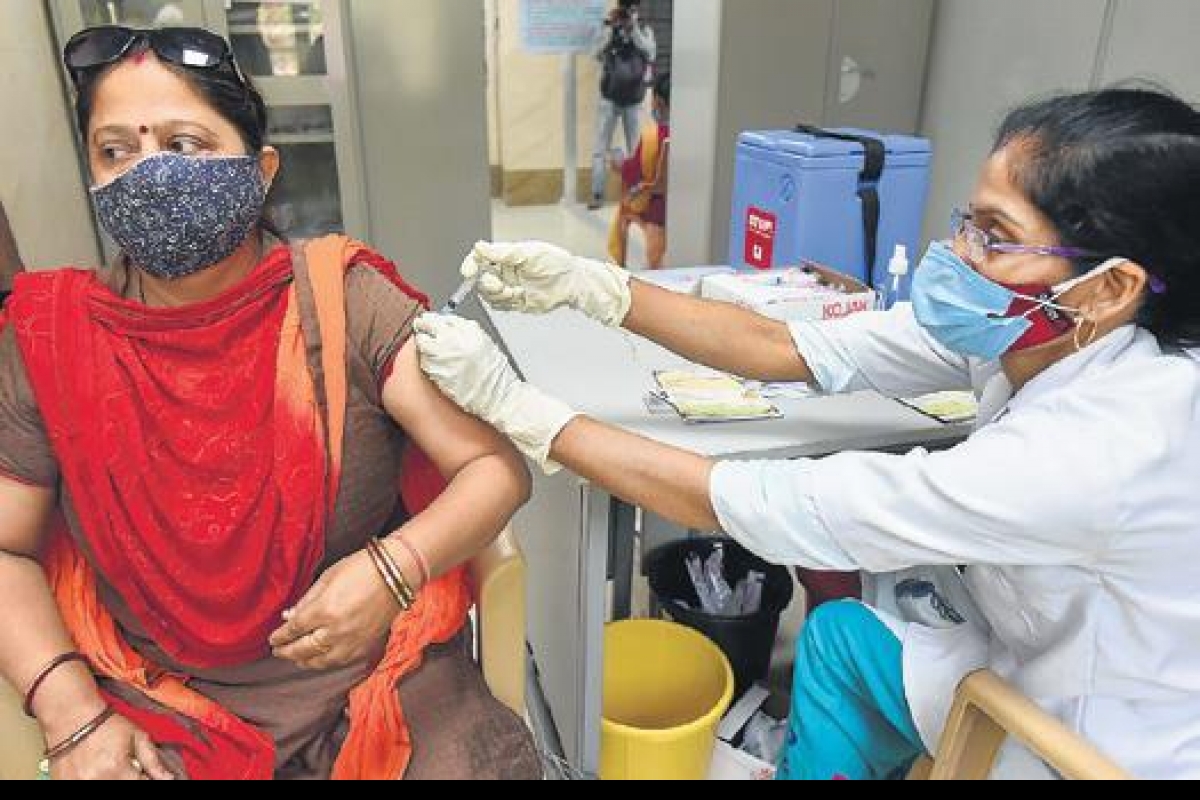
The total number of COVID-19 vaccine doses administered in the country approached the 12 crore-mark on Friday with more than 26.14 lakh doses being given till 8 pm, the Union Health Ministry said on Friday.

A total of 66,689 COVID Vaccination Centres (CVCs) were operational, marking a rise of an average of 21,689 operational centres (45,000 CVCs on an average are functional on any given day).

Workplace vaccinations have also enabled such a high turnout of beneficiaries, it said. The cumulative number of COVID-19 vaccine doses administered in the country stands at 11,97,87,239, according to the 8 pm provisional report.

These include 91,04,680 healthcare workers (HCWs) who have taken the first dose and 56,69,734 HCWs who have taken the second dose, 1,06,58,497 frontline workers (FLWs) who have received the first dose and 52,94,889 FLWs who have taken the second dose.

Besides, 3,96,39,132 and 10,44,958 beneficiaries over 45 to 60 years old have been administered the first and second dose, respectively, while 4,48,99,446 and 34,75,903 people aged above 60 have taken the first and second dose, respectively.

Total 26,14,326 vaccine doses were given till 8 pm on Friday, the ninety-first day of the nationwide COVID-19 vaccination drive.

Out of which 19,91,780 beneficiaries were vaccinated for the first dose and 6,22,546 beneficiaries received the second dose of the vaccine according to the provisional report, the ministry said, adding that final reports would be completed for the day by late night.

The countrywide vaccination drive was rolled out on January 16 with healthcare workers getting inoculated and vaccination of frontline workers started from February 2.

The next phase of COVID-19 vaccination commenced from March 1 for those over 60 years of age and for people aged 45 and above with specified co-morbid conditions. India launched vaccination for all people aged more than 45 from April 1.

source: https://www.newindianexpress.com/

Categories
COVID-19 Medical Updates

DCGI approves SEC’s emergency use recommendation for Sputnik V vaccine

Sputnik V, backed by the RDIF, already has production agreements in India to produce 852 million doses.

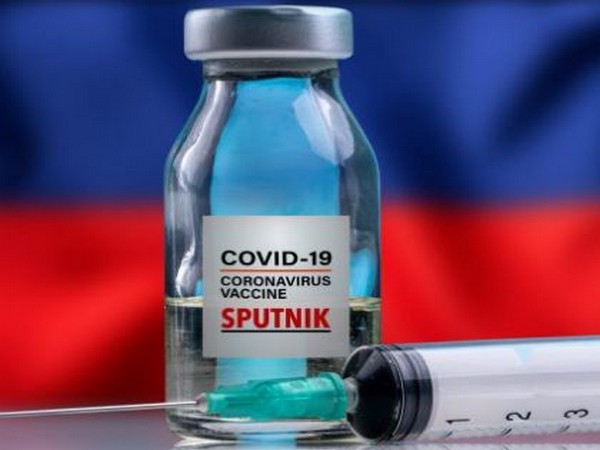
India has authorized emergency use of Russia’s Sputnik V Covid-19 vaccine, the health ministry said Tuesday, as infection rates soar to record highs and some major cities boost their hospital bed capacity. Sputnik V is the third vaccine to be approved by India after the Oxford-AstraZeneca shot and Covaxin, which was developed by Indian firm Bharat Biotech. The recommendation of an expert panel(SEC) had been accepted to authorize its use, the health ministry said in a statement.

“The SEC recommended for grant of permission for restricted use in emergency situations subject to various regulatory provisions.”

G.V. Prasad, the co-chair of pharmaceutical company Dr. Reddy’s Laboratories, said his firm was “very pleased to obtain the emergency use authorization”.

“With the rising cases in India, vaccination is the most effective tool in our battle against COVID-19,” he added.

The South Asian nation of 1.3 billion people has been battling a huge surge in virus cases in recent weeks that has prompted night curfews and a clampdown on movement and activities.

India on Monday reported more than 161,000 new cases – the seventh consecutive day that more than 100,000 infections have been recorded.

In India’s financial and film capital Mumbai, city authorities said Monday that three more field hospitals, each with 2,000 beds including 200 for intensive care, would be built in the next six weeks.

In the national capital New Delhi, officials said Monday that the number of beds for Covid-19 patients would be ramped up, while 14 larger hospitals would be turned into dedicated virus facilities.

The chief minister in New Delhi has said that two-thirds of new COVID-19 patients were younger than 45.

Sputnik V, backed by the Russian Direct Investment Fund (RDIF), already has production agreements in India to produce 852 million doses.

RDIF chief executive Kirill Dmitriev said in a statement that the approval was a “major milestone” after “extensive cooperation” on clinical trials of the shot in India.

Experts welcomed the authorization but warned that the vaccine was unlikely to be available for use in the near term.

“It’s good news as it will boost the supply of vaccines in India… but it’s not going to do too much for the current surge (in cases),” virologist Shahid Jameel told AFP.

Dmitriev told Indian broadcaster NDTV that the first doses could be ready by late April or May, with ramped up production by June.

“We believe by June, we will really be at good production capacity in India and will become a very meaningful player in vaccination program in India,” he added.

India, home to the world’s biggest vaccine manufacturer, kicked off its inoculation drive in mid-January and has administered more than 108 million shots so far.

But the government’s ambitious goal of vaccinating 300 million people by the end of July has been hit by reports of stock shortages in some states and vaccine hesitancy.

The government has also slowed its export of jabs due to the rise in cases

Categories
Government Guidelines Medical Updates

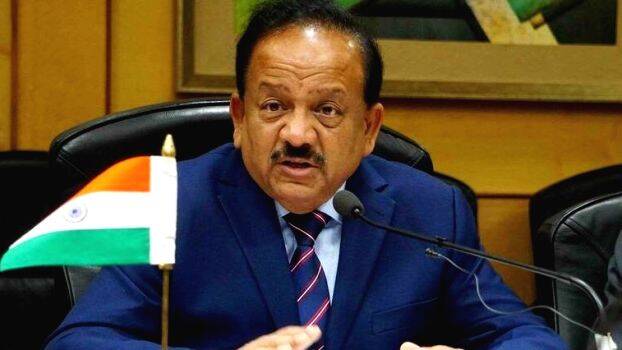
Harsh Vardhan launches Integrated Health Information Platform

Union Minister of Health and Family Welfare Dr Harsh Vardhan virtually launched the Integrated Health Information Platform (IHIP) here on Monday.

Expressing his enthusiasm at the brave, futuristic, and pertinent amalgamation of healthcare and technology, Dr. Harsh Vardhan stated that “This day shall be written in Golden Letters as a day that marks a milestone in the history of disease surveillance. We have started a new chapter in India’s public health trajectory. India is the first country in the world to adopt such an advanced disease surveillance system.”

He pointed out that the new version of IHIP will house the data entry and management for India’s disease surveillance program.

“In addition to tracking 33 diseases now as compared to the earlier 18 diseases, it shall ensure near-real-time data in digital mode, having done away with the paper-mode of working,” the health minister said.

Terming this as the world’s biggest online disease surveillance platform, he stated that it is in sync with the National Digital Health Mission and fully compatible with the other digital information systems presently being used in India.

The refined IHIP with automated -data will help in a big way in real-time data collection, aggregation & further analysis of data that will aid and enable evidence-based policymaking, Vardhan explained.

The health minister said that IHIP will provide a health information system developed for real-time, case-based information, integrated analytics, advanced visualization capability.

“It will provide analyzed reports on mobile or other electronic devices. In addition, outbreak investigation activities can be initiated and monitored electronically. It can easily be integrated with other ongoing surveillance program while having the feature of addition of special surveillance modules,”.

Dr Harsh Vardhan stated that such an advanced digital platform for scouting the earliest signs of disease spread in the smallest of villages and blocks in the country will immensely help in nipping in the bud any potential outbreak or epidemic. He applauded the hard work and commitment of all the grassroots and frontline healthcare workers who have toiled the whole of last year during the COVID pandemic

Terming this as a ‘historic day’ not only for India for global public health, Dr Roderico Ofrin, WHO Representative to India stated that this refined digital surveillance platform will help to provide and connect data and move towards ‘One Health’ approach.

He mentioned that the portal is a great resource for timely health response measures to be mounted; not only programming but also disease prioritization. He applauded India for this timely development.


Categories
COVID-19 Medicine & Health

Serum Institute’s clinical trial for Covovax covid-19 vaccine begins

Under the trial protocol, 460 participants will be part of a cohort to determine whether the vaccine manufactured by Serum Institute provides the same immune response as the one developed by Novavax.

Serum Institute of India’s phase 2 and 3 bridging study of 1,600 participants for the covid-19 vaccine Covovax has started at one of the trial sites in Pune, with at least one more site expected to begin screening as early as Tuesday, two people aware of the development said, on condition of anonymity.

“The trials have started at a hospital in Pune on Thursday. More will start enrolling soon,” one of the sources said.

Another clinical trial site Hamdard Institute of Medical Sciences and Research at New Delhi will begin screening of some participants on Tuesday, another source said.

A spokesperson for Serum Institute decline to comment on the commencement of Covovax trials.

Covovax is Serum Institute’s version of the covid-19 vaccine developed by US-based Novavax, which earlier this month had announced that the jabs have an efficacy of 96% against the original strain determined in a phase 3 trial conducted in the UK. This is the highest efficacy so far achieved for a covid-19 vaccine against the original strain of the coronavirus.

However, the efficacy of the vaccine dropped to 86.3% against the mutant variant that is now the dominant strain in the UK. On average, the efficacy of the vaccine was 89.7%, the company had said.

In another phase 2 trial conducted in South Africa, where another mutant variant is dominant, the overall efficacy dropped to 48.6%.

While the efficacy is lower against the mutant strains, the vaccine still has shown better results as compared to the jab co-developed by AstraZeneca plc and the University of Oxford. In a trial result published with the New England Journal of Medicine earlier this month, the vaccine was found to have only a 10.4% efficacy against the South Africa variant of the coronavirus.

Serum Institute also contract manufactures the AstraZeneca vaccine under the brand Covishield, which is the most-widely available jab in India as well as World Health Organization-led Covax.

The Pune-based company expects to launch Covovax by August, but will start stockpiling the vaccine from April, chief executive officer Adar Poonawalla had said at the Bloomberg Equity Summit earlier this month. The company will be manufacturing 1 billion doses of the vaccine, which will be supplied to both India and Covax.

The trial of 1,600 participants will be conducted at 19 sites across the country, including the Hamdard Institute and All India Institute of Medical Sciences at Delhi, Sahyadri Super specialty Hospital, Noble Hospital and Dr. D. Y. Patil Medical College, Hospital and Research Centre at Pune and School of Tropical Medicine at Kolkata.

Under the trial protocol, 460 participants will be part of a cohort to determine whether the vaccine manufactured by Serum Institute provides the same immune response as the one developed by Novavax. While three-fourths of these will get Covovax, the remaining will be administered Novavax’s vaccine.

The 1,140 participants will be in the cohort for determining safety of the vaccine, with three-fourths getting Covovax, and the rest a placebo.

source: https://www.livemint.com/

Categories
Techniques

Digital tech adoption in healthcare among highest in India

Digital technologies adoption by health and human services (HHS) organizations is among the highest in India, showed a new survey by global consultancy major EY and Imperial College London.

Digital technologies adoption by health and human services (HHS) organizations is among the highest in India, showed a new survey by global consultancy major EY and Imperial College London on Thursday.

The findings showed that 51 percent of respondents in India have increased their use of digital technologies and data solutions since the outbreak of the pandemic.

The results are based on a survey of more than 2,000 global HHS professionals in six countries – India, Australia, Italy, the United Arab Emirates (UAE), the UK, and the US — including 359 respondents from India.

While 74 percent of respondents in India reported that digital technologies and data solutions have increased staff productivity, 75 percent reported that digital solutions have been effective in delivering better outcomes for patients and service users.

“The response to the Covid-19 pandemic has shown that data and technology can make a real difference to the work of health and human services professionals in India, who have worked tirelessly and heroically in the face of this dreadful disease,” Gaurav Taneja, Partner and Leader, Government and Public Sector, EY India, said in a statement.

“With adequate government support and incentives, India has truly set an example to the rest of the world that it can lead and pave the way for technology adoption in healthcare.”

While health organizations have historically often lagged in other sectors in terms of adopting digital technologies and data solutions, the response to the Covid-19 pandemic has driven a change in priorities.

Almost two-thirds of respondents globally report an increase in the use of data and technology solutions, as the industry adapts to new ways of working under pressure.

In terms of specific digital technologies and data solutions, the percentage of respondents using these technologies has more or less doubled across the board since the beginning of the pandemic; and mental health services are more or less equal to physical health and social services in terms of use.

According to the survey, phone and video consultations have seen the greatest uptake across all technology solutions, with phone consultations being offered by 81 percent of HHS organizations (up from 39 percent before the pandemic) and video consultations available from 71 percent of organizations (up from 22 percent before the pandemic).

Compared to this, the uptake has been higher in India at 86 percent for a phone consultation (up from 48 percent before pandemic) and at 83 percent for video consultations (up from 33 percent before pandemic).

The public sector organizations in India preferred digital tools for self-help (92 percent organizations) and online self-assessment tools (89 percent organizations) over the phone consultation and video consultation, said the report.

Also, in India, about three fourth of the respondents reported positive experiences with digital technologies and data solutions, leading to better collaboration and efficiency in the operating model, results showed.

Categories
COVID-19 Government Guidelines Medicine & Health

Over six Covid-19 vaccines to come up in India, says Health Minister Harsh Vardhan

Union Health Minister Harsh Vardhan has said that more than six Covid-19 vaccines will come up in India.

He also said that 1.84 crore coronavirus vaccine doses have been administered till Saturday morning, while 23 crore tests have been conducted.

The latest figures from the Health Ministry say that 2.91 crore people had been vaccinated till 7 pm on Saturday.

“India has developed two vaccines, which have been given to 71 countries. Many more nations are seeking the vaccines, and these are not little-known nations…Canada, Brazil and other developed countries are using Indian vaccines with a great zeal,” he said.

“More than half a dozen vaccines are going to come up,” he said.

“Till Saturday morning, 1.84 crore vaccine shots have been given in the country and 20 lakh people were inoculated yesterday,” the minister added.

He was speaking while inaugurating the new green campus of the National Institute of Research in Environmental Health near here.

Prime Minister Narendra Modi wants to create a new India to turn it into a ‘vishwa guru’ (world leader), he added.

“Respect science. There is a need to end politics over it (vaccine) given that it is a scientific fight not a political one. That is why we should work unitedly,” Vardhan said.

The efforts of our scientists are praiseworthy as due to their labour we have achieved all this. Year 2020, apart from being a COVID-19 year, will be remembered as the year of science and scientists, he added.

He said that initially there was only one laboratory in India for COVID-19 testing. “But we have 2,412 testing facilities now,” he added.

“We were the first in the world to isolate the coronavirus. We isolated its mutation. And our scientists helped the ICMR in vaccine. People have praised it (vaccine). Some people tried to create confusion, but truth is unbeatable,” he said.

Talking about the rising infection cases, the minister said this “disturbing trend” was due to the carelessness and misunderstanding.

“People think that as the vaccine has come and all is well now,” he said, while urging them to follow the COVID-19 rules for protection against the virus.

Vaccine update in India

According to a provision report, of the 2,91,92,547 doses administered till now, 73,31,498 were given to healthcare and 72,96,474 frontline workers who have taken the first dose, and 42,58,297 healthcare and 10,53,732 frontline workers who have been given the second dose.

As many as 78,66,241 senior citizens and 13,86,305 aged 45 and above with specific comorbidities have received vaccine doses.

“A total of 9,74,090 vaccine doses were given till 7 pm on Saturday, the 57th day of the nationwide COVID19 vaccination.

“Of these, 8,05,014 beneficiaries were vaccinated for the first dose and 1,69,076 healthcare and frontline workers received the second dose of vaccine according to the provisional report. The final report for the day would be completed by late in the night,” the ministry said in a statement.

The countrywide vaccination drive was rolled out on January 16 with healthcare workers getting inoculated and vaccination of the frontline workers started from February 2.

The next phase of COVID-19 vaccination commenced on March 1 for those who are above 60 years of age and for people aged 45 and above with specified comorbid conditions.

Categories
Medicine & Health Techniques

8 Signs and Symptoms of Kidney Stones

What Are Kidney Stones?

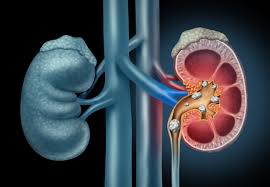
Kidney stones (renal calculi) are clustered deposits of minerals and salts in your kidneys. When the urine gets concentrated, it leads to the crystallization of these salts and minerals, forming these stones. These stones can deposit anywhere in your urinary tract, from your kidneys to even your bladder. Kidney stones formation happens when the urine contains substances that often form crystals— such as uric acid, calcium, and oxalate — then the urine can dilute. Some medical conditions, obesity, excess weight, and not drinking enough water are other causes of kidney stones. These stones don’t cause any permanent damage if diagnosed and treated on time. But, passing these stones through your urethra is very painful. You may need nothing more than to drink lots of water and take painkillers to pass a kidney stone. But if the stone has become stuck in the urinary tract and is causing a urinary infection, you may have to go under surgery.
And if you are at risk of developing the stones again, you’ll have to take other preventive methods recommended by your doctor.

Signs and Symptoms of Kidney Stones:

These stones don’t cause any pain and symptoms if it isn’t moving around into your kidney or passing through your ureters. If the stone is stuck in the ureter, it can block the urine flow, which in turn will cause swelling in your kidneys and ureter spasm. It will cause much pain, and you may experience these symptoms :

  • Severe pain in your back or side of the Abdomen, swelling of the feet.
  • Radiating pain in the lower abdomen and groin.
  • Difficulties while urinating ( burning sensation and pain).
  • Blood in the urine.
  • Vomiting and nausea.
  • Foul-smell in the urine because of the infection.
  • Urinating in small amounts but very often.
  • Chills and fever.