Categories
Uncategorized

Covid vaccines 8 times less effective against Delta variant: Sir Ganga Ram hospital study

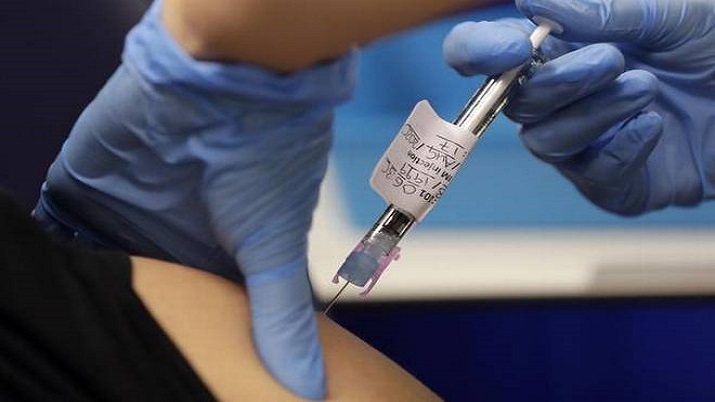
Delta variant of coronavirus is eight times less sensitive to antibodies generated by vaccines, a new study claims. This could mean that Covid-19 vaccines are eight times less effective against the Delta variant compared to the original strain of SARS-CoV-2 first detected in China’s Wuhan.

Findings of the study assert that the Delta Variant is both more transmissible and better able to evade natural immunity mounted by the immune system of recovered Covid-19 patients.

Titled “Sars-Cov-2 B.1.617.2 Delta Variant Emergence and Vaccine Breakthrough: Collaborative Study”, the study was conducted on more than 100 healthcare workers (HCWs) at three centers in India, including Delhi’s Sir Ganga Ram Hospital. Scientists from the Cambridge Institute of Therapeutic Immunology and Infectious Disease were also part of the study.

Researchers found that Delta was the dominant strain among fully vaccinated healthcare workers infected with Covid-19. The respiratory viral loads were also higher in the cases of these healthcare workers compared to those diagnosed with non-Delta variants.

The Delta variant generated greater transmission among the fully vaccinated healthcare workers, the study found.

“Increased replication could be responsible for generating greater numbers of virus particles, or the particles themselves could be more likely to lead to a productive infection,” says the study.

While severe infection was rare among infected healthcare workers, scientists say breakthrough transmission clusters in hospitals associated with the Delta variant is a matter of concern. Breakthrough transmission, in this case, refers to instances of fully vaccinated healthcare workers testing positive for the Delta variant of Covid-19.

The study, which is yet to be submitted for peer review, goes on to say that the Delta variant of the virus has enhanced spike proteins. This enables the virus to attach itself to the epithelial cells found in the lungs and infect more people compared to the Wuhan strain.

“In the absence of published data on the transmissibility of Delta Variant, we predict that this variant will have a transmission advantage relative to Wuhan-1 with D614G in individuals with pre-existing immunity from vaccine/natural infection as well as in settings where there is low vaccine coverage and low prior exposure,” findings of the study read.

Delta variant in India

The Delta variant of SARS-CoV-2 was first identified in Maharashtra in late 2020 and has since spread throughout India. It has now displaced the B.1.1.7 or Alpha variant to become the dominant strain in the country.

The B.1.617.2 or Delta Variant of Coronavirus has already been labeled as a ‘variant of concern’ by the World Health Organisation (WHO). The WHO has confirmed the presence of the Delta variant in as many as 100 countries.

In India, the Delta variant was identified as one of the key drivers of the second wave of Covid infections that devastated parts of the country earlier this year.

This latest study now suggests that re-infection and increased transmissibility played a significant role in the spread of the Delta variant of Covid-19.

“Dominance of the Delta variant in India has been most likely driven by a combination of evasion of neutralizing antibodies in previously infected individuals and increased virus infectivity,” the collaborative study claims.

Chairperson of the Institute of Clinical Microbiology and Immunology at Delhi’s Sir Ganga Ram Hospital, Dr. Chand Wattal told news agency PTI, “From this study, it appears that we have miles to go before we sleep in case of Covid-19 pandemics. These mutations are bound to happen if we lower our guard and allow ourselves to fall prey to this virus, giving it an opportunity to multiply.”

source: https://www.indiatoday.in/

Categories
Uncategorized

Covaxin ‘effectively neutralises’ Alpha, Delta Covid-19 variants, says US National Institute of Health

According to NIH, the US’ primary health agency, the observation is based on results of two studies of blood serum from people who received a Covaxin shot.

The US National Institute of Health has said Covaxin “effectively neutralises” both Alpha and Delta variants of the coronavirus disease (Covid-19) in what is a major endorsement of the anti-Covid vaccine developed by India’s Bharat Biotech International Limited.

“Results of two studies of blood serum from people who received Covaxin suggest that the vaccine generates antibodies which effectively neutralise the Alpha and Delta variants of SARS-CoV-2,” NIH, the top American health institute, said of Bharat Biotech’s shot, developed in collaboration with the government-run Indian Council of Medical Research (ICMR).

Alpha or the B.1.1.7 variant was first detected in the UK, while Delta, or the B1.617 variant was first found in India.

“Unpublished interim results from phase 3 trials indicate that Covaxin is 78% efficient against symptomatic disease while its efficacy against severe Covid-19 is 100%. Further, it has shown 70% efficacy against asymptomatic infection with Sars-CoV-2, the Covid-19 causing virus,” NIH noted, stressing that the vaccine is “safe and well-tolerated.” The vaccine makers recently submitted phase 3 trial data to an expert panel that found it to be 77.8% effective against symptomatic Covid-19, in line with the interim trial analysis.

NIH further said an adjuvant developed with funding from it has contributed to Covaxin’s success, describing the shot as “highly efficacious.” An adjuvant is a substance formulated as part of a vaccine to boost immune responses and enhance its effectiveness.

Covaxin, along with the Oxford University-Astrazeneca shot, has been used since the beginning of India’s nationwide vaccine drive against the viral disease on January 16. Russia’s Sputnik V was given emergency use authorization (EUA) in April, while US pharmaceutical firm Moderna’s mRNA-based vaccine on Tuesday received approval to be used here. In the coming days, Pfizer and Ahmedabad-based Zydus Cadila could also be approved. If approved, the Zydus Cadila shot will be India’s second indigenous anti-Covid vaccine after Covaxin.

source: https://www.hindustantimes.com/

Categories
COVID-19 Medical Updates

Johns Hopkins-supported App to Guide Covid Patients at Home in India

A team of developers in India has created a new app that is supported by Johns Hopkins University in the US and designed to guide people isolating at home after testing Covid-19 positive, right on their smartphones.

The Vee+ Svasa app — developed by Bengaluru and New York-headquartered IT services company Vee Technologies, and made possible by the Valliappa Foundation — delivers educational videos, information about accessing local medical care and Covid vaccines, and other content sourced by medical experts, right to users’ smartphones.

Created by a team of software developers of Vee Technologies located in Bengaluru and Salem, the app has sourced content and expertise of medical practitioners at Johns Hopkins University and Medicine in the US, the company said in a statement.

The Vee+ Svasa was enriched by the inputs of nearly 100 teams of students from Sona College of Technology who competed for a Rs 1 lakh student prize.

The winning teams that emerged from this competition — Senthil Sivaraman S, Harsh Vardhan SM, Ragul P and Shreinik Jain U — were chosen to support the app building and running process.

“We reached out to Johns Hopkins India Institute to give access to the globally accepted standard of care protocols for home isolation cases. For Indians battling the Covid pandemic, this would be immensely helpful,” said Valliappa Foundation Trustee Chocko Valliappa.

The home quarantine app has a wealth of authentic information ranging from treating oneself at home to how to isolate oneself and protect others in the family, to tips for caregivers on measuring oxygen saturation levels as well as an easy-to-understand Covid treatment flowchart.

The information and health protocols presented in the app come only from authentic sources, such as Johns Hopkins University, the Indian Council of Medical Research (ICMR) as well as the All India Institute of Medical Sciences (AIIMS).

“We were overwhelmed by the instant response of Johns Hopkins Medicine International President of global ventures and executive VP and doctor, Mohan Chellappa and his colleagues of Indian origin, to help us gain access to the globally accepted standard of care material,” Valliappa added.

The app will also feature existing services offered by state governments like locating hospital beds, vaccination centres, and doctors on tele-consultation in key cities.

The app is available on Google Play Store while iOS version of the app will be launched soon.

source: https://www.news18.com/
Categories
Uncategorized

From PM Modi’s ‘One Earth, One Health’ mantra to G7 global Covid vaccine pledge: 10 points

The Group of Seven (G7), comprising the United Kingdom (UK), Canada, France, Germany, Italy, Japan and the United States (US), met on Saturday to discuss priority areas, amid a pandemic that has ravaged economies and pushed healthcare to an edge across the world.

Of all, the health crisis owing to the ongoing coronavirus pandemic dominated the G7 summit as Prime Minister Narendra Modi called for a “One Earth, One Health” approach,  Canadian PM Justin Trudeau emphasized the need to build a consensus on “how to work with China” and the G7 announced its global Covid vaccine plan.

During the G7 summit, the “Carbis Bay Declaration” was also adopted which will see the world’s leading democracies commit to a series of measures that are designed to quash future pandemics within the crucial period of the first 100 days.

But some campaigners did not invite the G7 global vaccine plan to vaccinate the poorer countries. They say it “lacked” ambition, was “too slow” and showed the G7 leaders were not yet on top of tackling the worst public health crisis.

1) PM Narendra Modi called for global unity, leadership, and solidarity to prevent future pandemics and sought the support of the G7 grouping to lift patent protections for Covid-19 vaccines. PM Modi called for adopting a “one earth, one health” approach to effectively deal with the coronavirus pandemic globally. “The prime minister committed India’s support for collective endeavors to improve global health governance. He sought the G7’s support for the proposal moved at the WTO by India and South Africa for a TRIPS (Trade-Related Aspects of Intellectual Property Rights) waiver on Covid related technologies,” the statement said.

2)  UN Secretary-General Antonio Guterres has extended support to India and South Africa’s initiative at the WTO to waive intellectual property protection for Covid-19 vaccines and products, though he cautioned that “technology transfer” must be backed up by “technical support”.

3)  The US and Australia have backed the initiative by India and South Africa at the WTO, seen as a breakthrough in the global fight against the deadly pandemic, raising hopes of expanding the supply of vaccines at affordable rates for developing/underdeveloped nations.

4) Britain will set up a new animal vaccine development centre that will aim to stop viruses jumping into the human population, to prevent future pandemics, as part of a landmark global health declaration to be agreed by G7 world leaders at Carbis Bay in Cornwall on Saturday. The move comes amid growing demand for a more thorough investigation into the origin of the virus that causes Covid-19 infections. 

5) British Prime Minister Boris Johnson, the summit’s host, has said the group would pledge at least 1 billion doses, with half that number coming from the United States and 100 million from Britain over the next year.

6)  The head of the World Health Organisation has welcomed the vaccine-sharing announcements coming out of the Group of Seven summit but says “we need more, and we need them faster.”

7)  Canadian Prime Minister Justin Trudeau led a G7 discussion of China on Saturday and called on leaders to come up with a unified approach to the challenges posed by the People’s Republic, a source told Reuters. G7 leaders reached broad alignment on building a concerted approach to China.

8) Hundreds of environmental protesters took to the Cornish seaside in a bid to draw the attention of world leaders and the international media outlets that have descended on southwest England for the G7 summit. Some protesters paddled out to sea, while others sunbathed on the beach wearing masks of leaders’ faces.

9) Meanwhile, G7 leaders will commit on Sunday to increasing their climate finance contributions to meet an overdue spending pledge of $100 billion a year to help poorer countries cut carbon emissions and cope with global warming.

10) G7 leaders are also expected to set out action to cut carbon emissions, including measures such as ending almost all direct government support for the fossil fuel energy sector overseas and phasing out petrol and diesel cars.

Categories
COVID-19 Government Guidelines Uncategorized

Pune ranks first, Delhi-NCR at bottom among top 8 cities in health infra

When it comes to health infrastructure, Pune is the most equipped city in India, shows a recent report by online real estate portal, Housing.com. The Delhi-National Capital Region (NCR), which covers the national capital, Gurugram, Faridabad, Noida, Greater Noida and Ghaziabad, was ranked the lowest in the list, primarily because of the region’s poor scores on air and water quality, sanitation and performance of municipal bodies.

Pune offers 3.5 hospital beds per 1,000 people. This is much higher than India’s national average, where there is only half a bed available per 1,000 people in the public healthcare system, shows the report, titled ‘State of Healthcare in India’, by the Elara Technologies-owned online realty firm.

According to the report that ranks health infrastructure in the country’s most urbanized eight cities of Ahmedabad, Bengaluru, Chennai, Delhi-NCR, Hyderabad, Kolkata, Mumbai (MMR), and Pune, through its Housing City Health Card, Pune also scored significantly high on parameters such as ease of living, water quality, as well as performance and sustainable initiatives taken by its local government.

These rankings are benchmarked against parameters such as number of hospital beds per 1,000 people, air quality, water quality, sanitation, liveability index and 40 per cent weightage has been given to number of hospital beds. However, Pune still struggles with public healthcare delivery, as is highlighted by the fact that it is one of the cities with high COVID-19 caseloads, the report added.

With nearly 3.2 hospital beds per 1,000 people, Ahmedabad is ranked second in the list, while India’s Silicon Valley, Bengaluru, is ranked third in spite of a high number of hospital beds per 1,000 people and its top ranking in the ease of living index.

India’s financial capital Mumbai and its metropolitan region (which is also the largest residential real estate market in the country with a transactional value of $2.5 billion in the first quarter of 2021) were ranked fourth on the Housing.com City Health Card, with parameters such as the number of beds, air quality, and liveability pulling its overall score down.

Hyderabad, Chennai, and Kolkata occupied the fifth, sixth, and seventh positions, respectively.

In the public healthcare system, only half a bed and 1.4 beds are available if we count public plus private hospital beds available per 1,000 people in India, the report said.

source: https://www.livemint.com/

Categories
Medical Updates Medicine & Health

Telangana Gets Ayushman Bharat PM-JAY: 1.3 Crore People Eligible For Health Benefits

Telangana government on Monday tied up with the National Health Authority (NHA) to implement Ayushman Bharat Pradhan Mantri Jan Arogya Yojana (AB PM-JAY) in the state. Telangana already has a state health insurance scheme called ‘Aarogyasri’ which has now been converged as the Ayushman Bharat PM-JAY Aarogyasri. With this Centre-state merger, as many as 26 lakh beneficiary families (around 1.3 cr. individuals) as per SECC, 2011 data will be eligible to avail services under the scheme in Telangana.

“We are happy to onboard the State of Telangana for the rollout of AB PM-JAY in the State. The beneficiaries from the State are now eligible to avail free healthcare services pan India through our network of more than 22,000 hospitals. This is not only going to benefit the eligible families in the state but will also enable the delivery of healthcare services to PM-JAY beneficiaries from other States/UTs living in Telangana,” said Dr RS Sharma, CEO, NHA at the launch event.

“The providers’ base has also increased. Our call center has started getting calls from the eligible population in the State. We are committed to taking the benefit of the scheme to all eligible beneficiaries,” he added.

The launch of the scheme in Telangana is a significant milestone in the country’s journey towards Ayushman Bharat. The NHA along with the State Health Agency in Telangana will undertake necessary action to ensure that all eligible beneficiaries are provided free healthcare services under the converged scheme.

The Ayushman Bharat PM-JAY has been rolled out across 33 states and UTs, with Telangana being the latest on the list. Beneficiaries of the scheme are entitled to avail free healthcare coverage of up to Rs 5 lakhs per family per year for secondary and tertiary care hospitalization.

Health services can be availed in any of the 22,000 empanelled public and private hospitals across the country through the scheme’s portability feature with the help of PM-JAY e-cards issued to the beneficiaries.

Categories
COVID-19 Medicine & Health

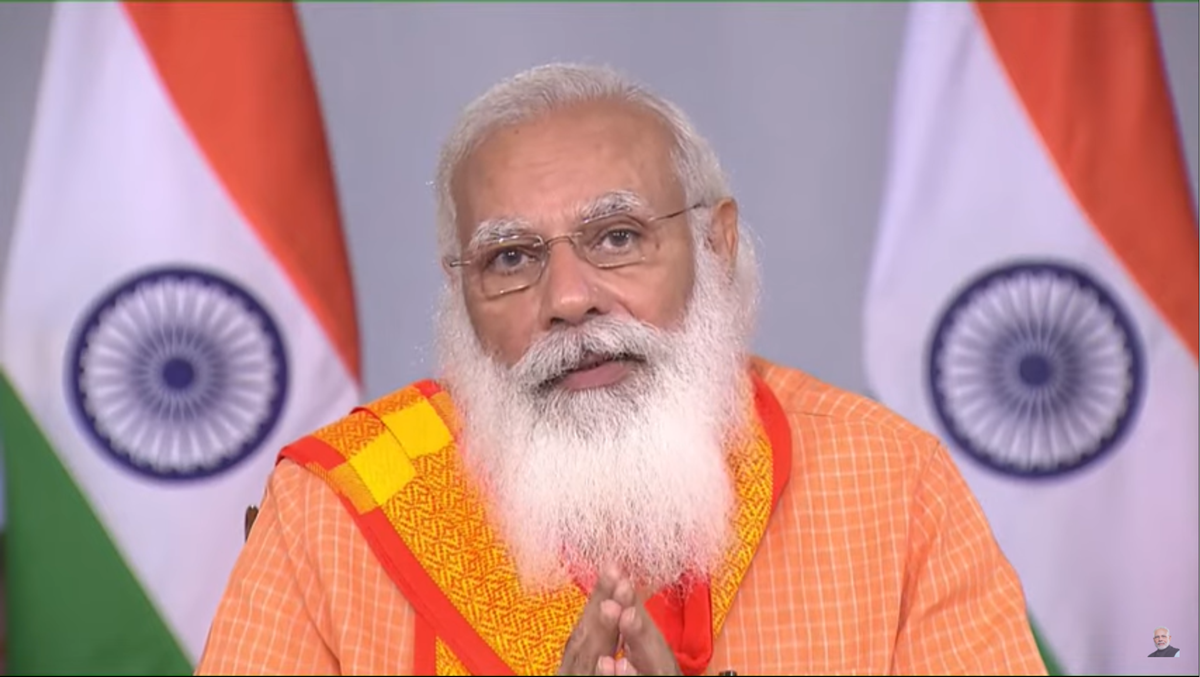
‘Jahan Bimar, Vahan Upchar’: PM Modi asks health workers to continue the fight against Covid

Prime Minister Narendra Modi appreciated the health care and frontline workers for their efforts in the fight against Covid-19 in a virtual interaction with doctors, paramedical staff, and frontline workers of Varanasi on Friday.

He stressed the need to focus on rural areas to curb the spread of COVID-19.

“Fight against COVID-19 is going to be long,” he said while recommending that the administration should follow the motto, ‘Jahan Bimar, Vahan Upchar.’.

He added that Kashi had successfully carried out micro-containment zones and door-to-door distribution of medicines and relief measures. He also highlighted the work of senior doctors of Uttar Pradesh that had helped rural areas through telemedicine.

“Such measures should continue to be up and running even after the number of cases fall,” he added, while also appreciating the efforts of ASHA workers and ANM sisters.

The prime minister commended the short span of time taken by his constituent assembly in increasing the number of oxygen and ICU beds, equipping the Pandit Rajan Mishra COVID hospital and using technology to ensure that the relief measures are available for everyone.

Speaking of the many lives lost due to the pandemic, the prime minister choked with emotions and paid his respects to the deceased. He went on to state that the administration has had to fight on many fronts as the second wave of the coronavirus has hit with higher infectious rates and longer hospital stays, burdening the healthcare system.

He also stated that yoga has helped fight Covid all over the world.

He said that when yoga had been recognized by the UN and had reached the world through International Yoga Day, it was ridiculed and communalized, but today, Yoga and AYUSH have helped fight the pandemic.

He also warned against the challenge of black fungus which had surfaced and stated that “we must focus on taking precautions and preparations to deal with it”.

He further urged everyone to get vaccinated when their turn arrives and continue monitoring statistics and numbers.


Categories
COVID-19 Medicine & Health

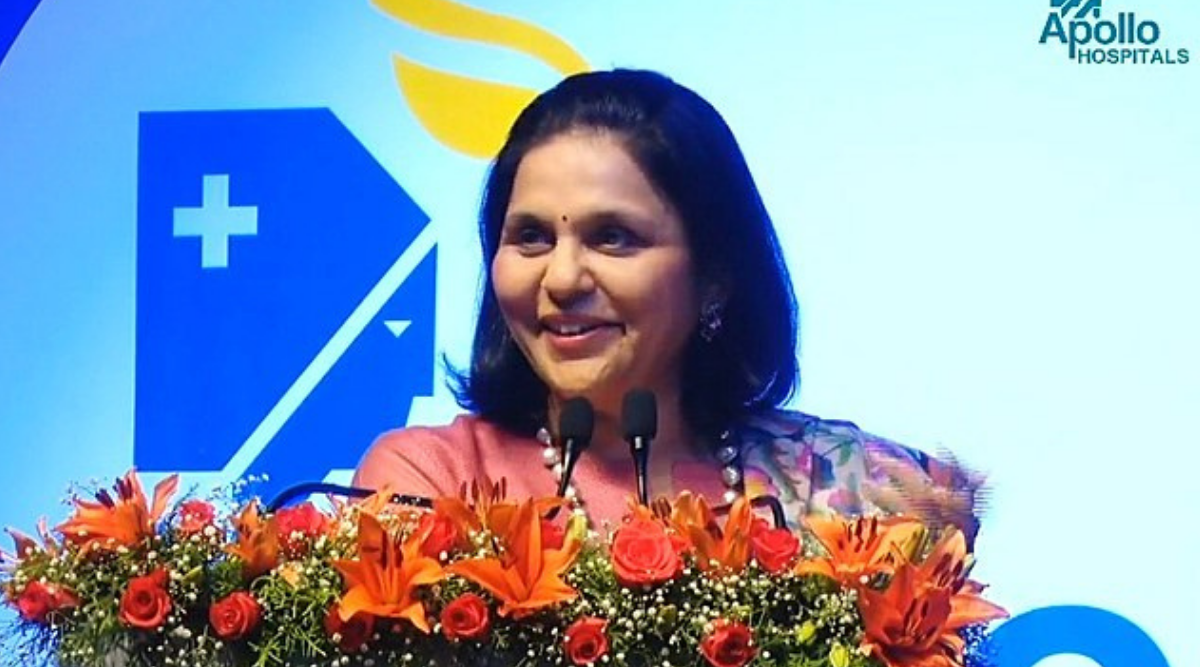
No healthcare worker at Apollo died of Covid after full vaccination: Dr. Sangita Reddy

The IMA on Tuesday said that 269 doctors registered with it have died of Covid in the current wave, with the highest number of deaths in Bihar at 78, followed by Uttar Pradesh at 37 and Delhi at 29.

Only 2.6 percent of Apollo Hospitals’ healthcare workers, who received both Covid vaccine doses, have been infected with the virus in the second wave and it wasn’t fatal in any of the cases, said the group’s Joint Managing Director Dr. Sangita Reddy, after the Indian Medical Association revealed that at least 269 of its members have died of the disease in this wave.

“This is indeed very sad and while I mourn the loss I would like to share important data – Out of 3600 doctors, nurses and healthcare workers vaccinated with two doses at Apollo Hospitals Delhi, only 2.6 got infected with mild Covid-19 and no death,” Dr. Reddy had stated in a social media post.

The IMA on Tuesday said that 269 doctors registered with it have died of Covid in the current wave, with the highest number of deaths in Bihar at 78, followed by Uttar Pradesh at 37 and Delhi at 29.

In the meantime, the Delhi Medical Association is working on finding out the vaccination status of each of the doctors who succumbed to the virus in Delhi in this wave.

Dr. GS Grewal, president, Delhi Medical Association said, “We are conducting a survey to find out the vaccination status of each doctor. We are asking how many got the first dose and how many days after did they get Covid and die. Similarly, we are also finding of the second dose of the vaccine and when they got Covid and died. This should take around 5 days.”

A DMA official said that while the number of doctors who have died in the second wave is 28 on IMA’s list, there is a likelihood that the numbers are higher as not all doctors are members of the IMA or DMA. “We have got more names over the past few days and are finding out how many died in this wave. We have been alerted to the fact that the number in Delhi might be higher and will check details and come out with a final number soon,” another DMA official said.

source: https://indianexpress.com/

Categories
COVID-19 Medicine & Health

Rajasthan CM exhorts Ayush dept to help people

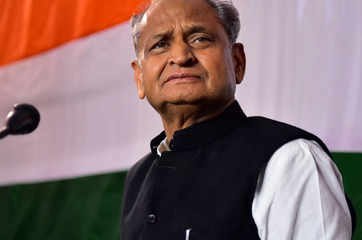
Gehlot was addressing a review meeting of the Ayurveda and the Indian medicine department on Tuesday evening through a video conference.

Chief minister Ashok Gehlot has said that the first wave of Covid-19 was fought valiantly with the help of the Ayush System. He said that in the second wave too, the Ayush department should come forward to save lives.

Gehlot was addressing a review meeting of Ayurveda and Indian medicine department on Tuesday evening through a video conference.

He said that Indian medical practices of Ayush are so effective that they have the ability to cure complex diseases without side effects. The need of the hour is to encourage such methods by disseminating more information to the people.

Gehlot said that there are many examples where people were able to successfully fight serious diseases including Covid by adopting Ayush methods. These methods relate to our way of life, yoga, diet, etc. If we follow them with complete restraint and discipline, it shows the way to a healthy life, he said. The role of these systems becomes more important during pandemic.

source: https://health.economictimes.indiatimes.com/news/

Categories
COVID-19 Medicine & Health

Bayer India extends Covid relief measures to healthcare workers, farmers

Converts nitrogen plant in Vapi manufacturing facility to produce oxygen.

Global life sciences major Bayer’s Indian arm on Monday announced the extension of its Covid-19 relief measures to local communities, healthcare workers, farmers, businesses, and employees in India. The measures include converting its nitrogen plant at Vapi manufacturing facility in Gujarat to supply oxygen and supply to the local hospital, a company press release said.

It quoted D. Narain, Senior Bayer Representative, South Asia, and Chief Executive Officer, Bayer CropScience Limited saying: “During these unprecedented times, it is our responsibility to support the nation’s fight against the pandemic. Our small contribution is an effort to sustain sections of our society where help is needed the most.”

Through these varied initiatives, Bayer India aims to support the India’s healthcare system, mental health of frontline workers and farmers, facilitate vaccination for its employees and their families and support health & nutrition needs of local communities.

Re-purposing Vapi plant

With India’s healthcare sector stretched in view of Covid cases surging, Bayer is re-purposing the Vapi plant to produce oxygen.

Additionally, the German multinational firm, which has been present in India for nearly 125 years, will also provide oxygen concentrators to primary health centers (PHCs) to serve communities across rural India. Over the last 10 months, Bayer India along with the Maharashtra Government has converted its plant at Chittegaon, Aurangabad, into an 80-bed Covid-care facility.

To support those in need, Bayer India has also sponsored beds in major hospitals across multiple cities for emergency support. It has joined hands with the Maharashtra Government, NASSCOM, and WNS Global services to support 30 ICU beds in one of the district hospitals through telemedicine solutions.

Helpline

Bayer India is launching a helpline to support frontline workers and the farming community. This helpline will serve approximately 10,000 beneficiaries and their immediate families. This is in view of an urgent need to support paramedics and frontline workers who are struggling with mental health challenges during these tough times.

The German firm’s arm is also mobilizing communities by conducting awareness drives highlighting the benefits of immunization and reinforcing Covid Appropriate Behaviour (CAB) to accelerate the vaccination process. These efforts will complement Bayer’s ongoing initiative to facilitate vaccination for all employees and their families, the statement added.

Since the pandemic broke out last year, Bayer has been providing holistic support across multiple dimensions.

In addition, through its initiative “Better Farms, Better Lives”, Bayer has provided 4,00,000 smallholder farmers, immediate access to basic agri-inputs and crop advisories in 204 districts across 17 States, spanning key crops such as rice, corn, vegetables and millet to support their critical livelihood needs. The company is also extending support to marginalized communities with nutritious food through the “Roti Foundation, Mumbai”.

Bayer India lauded the efforts of our frontline health workers, the Central Government, State governments, voluntary organizations, and the community at large in fighting the battle against Covid. “We will overcome this crisis together and emerge stronger,” the release said.