Categories
COVID-19 Government Guidelines Medical Equipments Medical Updates Medicine & Health

Omicron: 7 important tips to prevent Covid infection in winter season

It is important for people to protect themselves from seasonal flu and the possible new immune strains of the Omicron variant of SARS-CoV-2. Here are some tips to follow.

Covid-19 pandemic is far from over and one needs to be especially cautious in winters as it’s the season of viral infections including influenza and Covid. Amid pandemic turning less aggressive and people dropping guards, scientists and infectious disease specialists warn that Covid appropriate measures should continue. WHO Director-General Tedros Adhanom Ghebreyesus said: “Gaps in testing … and vaccination are continuing to create the perfect conditions for a new variant of concern to emerge that could cause significant mortality.” Omicron, the highly contagious variant of Covid, has more than 500 sublineages that is evolving fast. It is important to get tested when one has flu-like symptoms and wear masks in crowded areas. Regular hand-washing should not be ignored and it is important to keep good ventilation in offices, restaurants and other public areas.
Omicron: 7 important tips to prevent Covid infection in winter season

“Covid 19 is a virus and we have been getting viral during the winters. It is important for people to protect themselves from seasonal flu and the possible new immune strains of the Omicron variant of SARS-CoV-2. It’s essential to safeguard yourself from the cold weather and stay healthy throughout the season. Though it seems difficult, there are several ways to keep the commonly suffering ailments away from your family,” says Dr Rajesh Chawla, Senior Consultant Pulmonology and Critical Care, Indraprastha Apollo Hospitals, New Delhi.

Sticking to the basic rules to prevent Covid spread, people should continue to follow measures to keep the deadly infection at bay. Children, elderly and those will chronic illnesses especially should be cautious.

Here are 7 tips to prevent Covid infection this winter season by Dr Chawla:

• Know the symptoms: The flu and COVID-19 are caused by different viruses, but they are both infectious respiratory diseases, spread by droplets and aerosols when infected people cough, sneeze, speak, sing, breathe, etc. They have similar symptoms, including cough, runny nose, sore throat, fever, headache and fatigue. People may have varying levels of illness with both the flu and COVID-19. Because symptoms are similar, it is important to take a test, so that treatment can begin quickly, if needed.

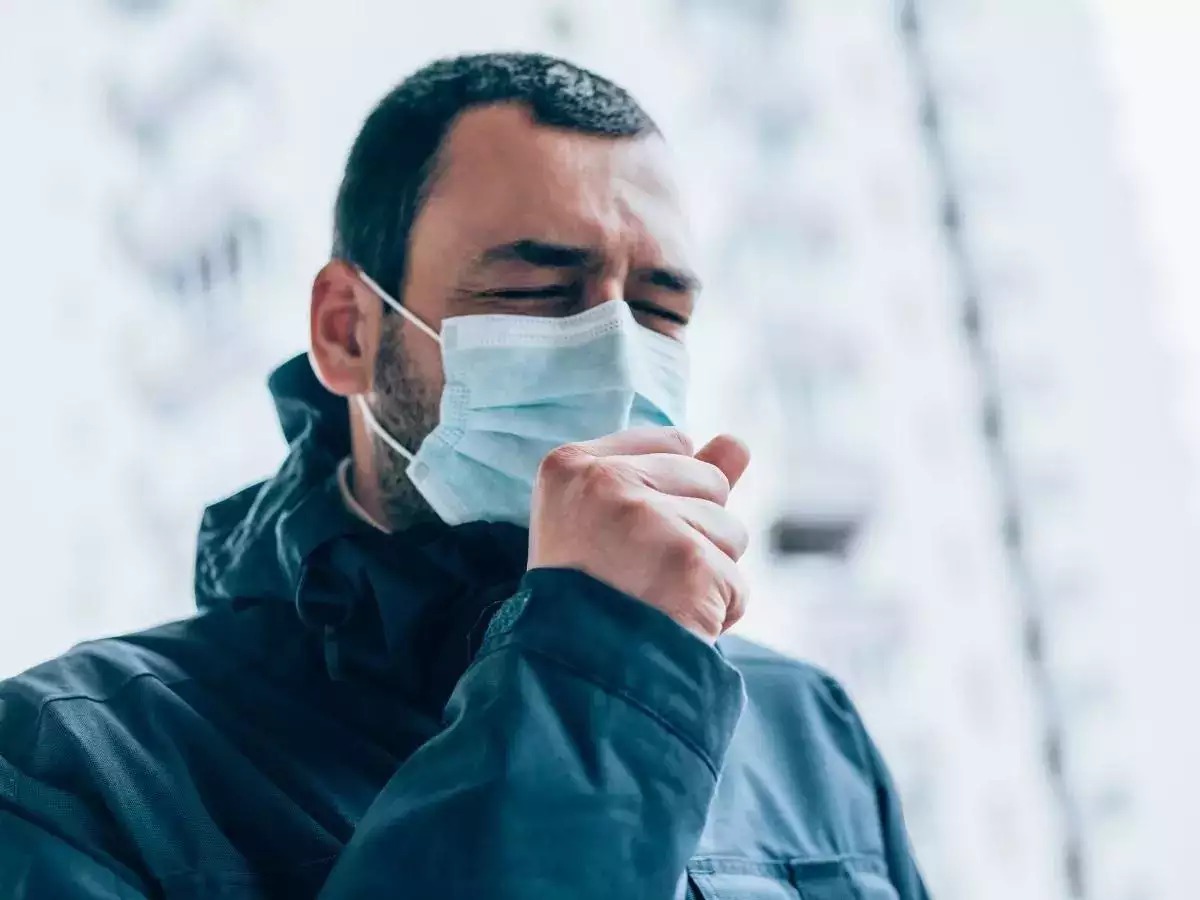
• Cover coughs and sneeze: Following a good respiratory hygiene is extremely important. It is important to cover the mouth and nose with a bent elbow or tissue when one coughs or sneezes.

• Get vaccinated: It is essential to get vaccine. Elderly and those with underlying conditions like high blood pressure, lung and heart disease, diabetes, obesity or cancer must get them vaccinated. The more fully vaccinated people there are, the better protected they are as well.

• Wear a mask: Masks help stop people from spreading the virus or being infected when droplets containing the virus are inhaled or come directly into contact with the eyes, nose or mouth

• Keep physical distancing: It is important for all viral infections which can spread from an infected person’s mouth or nose in small liquid particles when they cough, sneeze, speak, sing or breathe. Understanding, the situation, it is advisable to Keep a physical distance of at least 1 metre from other people

• Keep hands clean: People may pick up a virus by touching surfaces that have been contaminated, then touching your eyes, nose or mouth with those hands. Cleaning hands frequently eliminates germs that may be on the hands, including viruses.

• Meet outside or increase ventilation: All these viral infections including COVID-19 is more easily transmitted in crowded and poorly ventilated spaces and where people spend long periods of time together. Settings with increased risk of outbreaks include restaurants, offices and places of worship. Hence, it is advisable to go outside, whenever possible

“There is an increased risk of both the flu and COVID-19 circulating over the next few months. For a safer winter, it is important to understand the symptoms and who is at risk, get vaccinated, take steps to protect, and stay safe,” concludes Dr Chawla.

Read more at-https://bit.ly/3XZrXub

Categories
Medical Equipments Medical Updates Medicine & Health

AIDS awareness: Therapy prescribed for people with HIV

Acquired immunodeficiency syndrome (AIDS) has been in existence for a long time now and people are still not aware of how to deal with the patient. Here’s what doctors recommend.

Acquired immunodeficiency syndrome is a life-threatening chronic condition caused due to the human immunodeficiency virus where HIV is a sexually transmitted infection that damages the body’s immune system further disabling the capability to fight an infection or disease. If HIV is not treated in time, it can lead to AIDS and though AIDS has been in existence for a long time now, people are still not aware of how to deal with the patient.

The stigma around AIDS and HIV continue to exist amongst communities that are unaware of the disease’s know-how hence, it becomes essential to know more about this disease and bust myths surrounding it. HIV still remains to be a major global health issue however, with advancement in diagnosis and treatment, people diagnosed with HIV can live longer and healthy lives.

AIDS awareness: Therapy prescribed for people with HIV

In an interview with HT Lifestyle, Dr Amit Gupta, National Executive Council Member at RSSDI, revealed, “The therapy prescribed for people with HIV usually comprises antiviral medications. Some of these medicines come with the side effect of altering blood sugar levels, especially by increasing the concentration of blood glucose. Therefore, it is recommended that people with HIV should get their glucose levels checked both before starting the course of treatment and during the treatment. This helps keep track of the onset of diabetes.”

Dr Sanjay Gupta, Internal Medicine at Paras Hospital in Gurugram, cautioned, “Infected blood, illicit injection drugs and sharing the same needles with the infected person can spread the disease. If an expecting mother is suffering from AIDS, it can be passed on to the baby during pregnancy and even breastfeeding. Having unprotected sex with an infected can pass on the condition and lead to severe outcomes. According to research, our country has reported more than 17 lakh HIV cases over the past 10 years due to unprotected sex. People are still stubborn about using birth control and this leads to fatal situations in many. Social stigma is a huge culprit and spreads many diseases to the vulnerable crowd as well. Albeit campaigns these days are taking the good initiative to spread the right message and we can also see the numbers dropping.”

Read more at-https://bit.ly/3UBkRcs

Categories
Medical Equipments Medical Updates Medicine & Health

Blood tests are best at detecting Alzheimer’s disease: Study

An important aspect of this study was that p-tau217 was able to monitor such changes in pathology and cognition at very early stages of the disease process. This finding was replicated in an independent cohort from the USA, Wisconsin Registry for Alzheimer’s Prevention (WRAP).

A new study have identified that blood tests are best at detecting Alzheimer’s disease during the earliest stages, and another blood test that is optimal for detecting relevant treatment effects.

The study was published in the journal, ‘Nature Medicine’.

Blood tests are best at detecting Alzheimer's disease

It revealed that multiple blood biomarkers, namely phospho-tau231 and Ab42/40, were sufficient in identifying Alzheimer’s disease pathology, even in participants with no symptoms and thus, could be used as strategy to select the correct individuals for novel disease modifying trials – a task which currently requires expensive molecular imaging technique or lumbar punctures.

ALSO READ: Alzheimer’s disease: 5 daily habits that increase risk of dementia

Yet, over the 6 years tested, it was shown that only phospho-tau217 was related to Alzheimer’s disease pathology, a decline in cognitive performance and increased brain atrophy typical of incipient Alzheimer’s. Therefore, phospho-tau217 will be an ideal marker for detection of relevant disease-modifying effects of novel interventions. The study has large implications on the use of blood test in the recently reported anti-Ab trials.

Distinctive blood tests may be optimal for the identification of Alzheimer’s pathology or for monitoring of disease progression and therefore have different roles in clinical trials” first author of the research study Dr. Nicholas Ashton from the University of Gothenburg explained.

“This study has shown that phospho-tau217 is uniquely placed to be an optimal test for monitoring patients in both a clinical setting and a trial setting because of its longitudinal association with Alzheimer’s development”.

An important aspect of this study was that p-tau217 was able to monitor such changes in pathology and cognition at very early stages of the disease process. This finding was replicated in an independent cohort from the USA, Wisconsin Registry for Alzheimer’s Prevention (WRAP).

“Besides improving the design of clinical trials, the novel blood tests will revolutionize the diagnoses of early stages of Alzheimer’s disease”, says Oskar Hansson. “Further, phospoho-tau217 might be used in the future to monitor the response in individual patients to disease-modifying therapies in clinical practice.

Read More at-https://bit.ly/3gU5jCK

Categories
Medical Equipments Medical Updates Medicine & Health

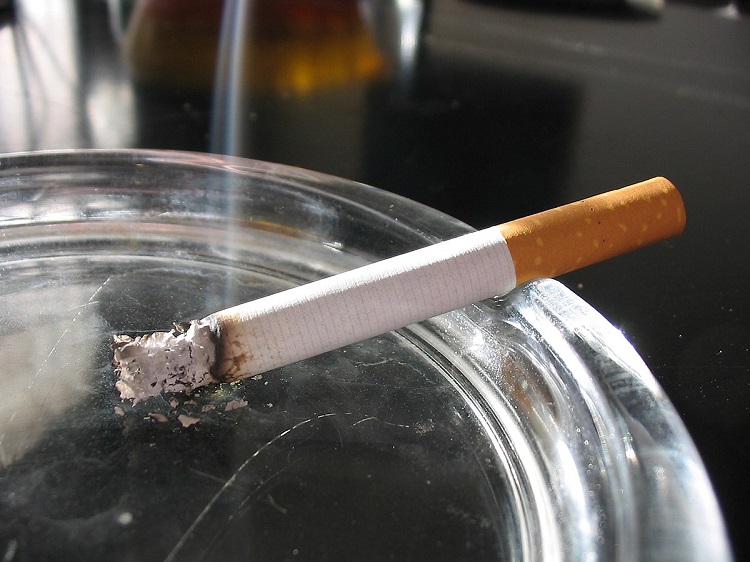
Reduced-nicotine cigarettes make anxious smokers smoke less

Prior studies suggest that lowering nicotine levels could aid smokers in quitting, but there is little proof that these regulations would be harmful to those who already suffer from affective disorders like depression and anxiety disorders.

According to Penn State College of Medicine and Harvard Medical School researchers, reducing the quantity of nicotine in cigarettes to non-addictive levels may help smokers with mood or anxiety issues quit without harming their mental health.

The findings were released in the journal PLOS ONE.

They claimed that lowering the amount of nicotine in cigarettes could minimise addiction, reduce exposure to toxins, and improve smokers’ chances of quitting.

In the United States, tobacco use continues to be the biggest preventable cause of early death and disease. The U.S. Food and Drug Administration and the government of New Zealand recently made plans to reduce the quantity of nicotine in cigarettes to levels that are not highly addictive.

Reduced-nicotine cigarettes make anxious smokers smoke less

Prior studies suggest that lowering nicotine levels could aid smokers in quitting, but there is little proof that these regulations would be harmful to those who already suffer from affective disorders like depression and anxiety disorders, which affect an estimated 38 per cent of smokers in the United States.

Professor of psychiatry and behavioural health Jonathan Foulds asserts that smokers with mental health issues are more likely to have severe nicotine withdrawal symptoms and have less success quitting. He added that there is concern that reducing the amount of nicotine to extremely low levels can exacerbate the psychiatric symptoms of smokers who have mental health disorders, encourage greater smoking, and expose them to more toxicants (hazardous substances).

The study included 188 smokers who had no intentions of quitting smoking and had a history of, or were currently experiencing a mood or anxiety condition. Volunteers were divided into two groups at random and given either study cigarettes with the standard nicotine content (11.6 mg/cigarette) or cigarettes with nicotine that was gradually reduced over an additional 18 weeks until it was just 0.2 mg/cigarette.

Researchers assessed levels of cotinine, a nicotine metabolite, hazardous chemical concentrations, cigarette dependence indices, and various mental health indicators at the start and end of the trial.

At the end of the study, the researchers found no statistically significant differences in the mental health parameters between the two groups. The Kessler Psychological Distress Scale was employed by the researchers; it consisted of six self-report items where participants graded how much they felt “nervous,” “hopeless,” or “so miserable that nothing could cheer them up.” Points for each of the six experiences are added together to get scores.

In contrast to participants in the standard nicotine content group, who scored an average of 6.1 at the start of the trial and finished around 4.9, individuals in the reduced nicotine content group scored an average of 5.3 at the beginning of the study and finished at an average score of 4.6.

“These findings are important because we want to understand the effect these policies would have on smokers with anxiety or depressive disorders,” said Foulds, a Penn State Cancer Institute researcher. “Our data showed that there wasn’t a significant difference in mental health measures between the groups, suggesting reduced nicotine cigarettes might not have adverse psychological effects on this population.”

Foulds and team discovered that groups in the lowered nicotine content group were absorbing less nicotine and eating less dangerous carcinogens such as the biomarker 4-(methylnitrosamino)-1-(3-pyridyl)-1-butanol), also known as NNAL. This finding is consistent with earlier studies. By the time the trial’s randomised phase was up, members of that group had likewise cut back on their cigarette smoking and reported having less nicotine addiction.

Unique to this study, participants in both groups were also given the choice to “choose their treatment,” after the 18-week period. They could go back to using their own cigarettes, continue smoking the research cigarettes or attempt to quit. Of the 188 participants in the study, those randomized to reduced nicotine content cigarettes were more likely to have quit smoking 12 weeks later (18.1 per cent), compared to those in the control (usual nicotine content) group (4.3 per cent).

“We believe this is the first randomized trial to find that smokers who used very low nicotine cigarettes were significantly more likely to have quit smoking (with biochemical verification), three months after the end of the trial,” Foulds said.

“Our results suggest that these policies will likely result in reduced nicotine absorption from cigarettes without worsening the mental health of smokers with mood or anxiety disorders,” said Dr Eden Evins, Cox Family Professor of Psychiatry at Harvard Medical School. “They also suggest that with proper support and resources, smokers with mood and anxiety disorders could quit successfully as a result of these policies.”

Read More At-https://bit.ly/3Vbjmm5

Categories
Medical Updates Medicine & Health

Arthritis: Easy lifestyle changes to prevent joint pain during winters

Experts say there are variety of factors that make winter season difficult for people suffering from arthritis. Here are some easy lifestyle changes to prevent arthritis pain in cold months.

While winters do not cause arthritis, the cold weather is known to worsen aches and pains associated with the autoimmune disease. Experts say there are variety of factors that make winter season difficult for people suffering from arthritis. From changes in barometric pressure to blood vessels around joints turning stiffer, there are some additional challenges around arthritis in cold season that can be easily overcome with few lifestyle changes. Staying active, doing regular exercises, maintaining a good posture, avoiding high-impact activities are some of the things that can help you deal with the debilitating disease when the mercury drops.

WHY WINTER IS TROUBLESOME FOR PEOPLE WITH ARTHRITIS

“Arthritis is a leading cause of pain and disability worldwide. There are many theories for increased pain during winters, most common one is that people suffering from arthritis and other joint issues may be sensitive to changes in barometric pressure. This could be due to the worn-out cartilage that cushions the bones inside a joint, which would cause nerves in the exposed bones to pick up on the changes in pressure. Another theory is that in winters our body starts to conserve heat and send a larger amount of blood to the organs located at the core. In such circumstances, the blood vessels present in the arms, legs, shoulders, knee joints become stiff, leading to pain and discomfort,” says Dr R A Purnachandra Tejaswi, Consultant Orthopaedic Surgeon with Special Interest in Sports Medicine, Reconstructive Arthroscopy and Joint Preservation Surgery, Yashoda Hospitals Hyderabad.

PEOPLE WITH SEDENTARY LIFESTYLE FACE MORE TROUBLE

Dr. Manoj Kumar Gudluru, Senior Consultant, Orthopaedic & Joint Replacement Surgeon, CARE Hospitals, Banjara Hills, Hyderabad says people with sedentary jobs are likely to face more issues with arthritis during winter season as compared to those who are physically more active.

“During winter, muscle, tendon, and synovium stiffness occur because the synovial fluid present in the kneecap thickens in fewer temperatures. This intends the tight muscles around the knee create friction when there is movement and creates flakes on the surface. The lesser release of synovial fluid results in osteomalacia changes. These touch the nerves which increase pain in patients suffering from arthritis. Labourers and daily wage workers often do not face these issues as they are prone to continuous physical activities. This produces heat in the joints in turn releasing synovial fluid. On the other hand, people with sedentary jobs or desk jobs are not exposed to sunlight or physical activities regularly which makes them victims of osteoarthritis, rheumatoid arthritis, and osteoporosis in the long run. We come across such cases among youngsters aged between 18 to 40 years,” says Dr Gudluru.

Arthritis: Easy lifestyle changes to prevent joint pain during winters

COLD CAN REDUCE PAIN THRESHOLD

Dr Narayan Hulse, Director – Department of Orthopedics, Bone & Joint Surgery, Fortis Hospital, Bannerghatta Road says cold can reduce threshold for pain, cause muscle spasms and reduce blood circulation.

“Even though arthritis is neither caused nor worsened structurally by cold weather, many people experience increased pain and stiffness of joints during winter. Lifestyle changes can help avoid arthritis pain in winter,” says Dr Hulse.

LIFESTYLE CHANGES FOR ARTHRITIS PATIENTS IN WINTER SEASON

Dr Hulse suggests the following lifestyle changes for people with arthritis during winters:

• Equipping yourself with winter clothes, home-heating etc to keep yourself warm.

• Exercises like brisk walking in the sun or gym activities not only increase your metabolic heat but also help to improve joint function. Also indulging in some sports activities may help your body and mind.

• Consumption of healthy foods especially fruits, vegetables, fish, nuts, and seeds.

• Vitamin D supplements are proven to be beneficial.

• Warm baths, warm pool swimming, or warm pool exercises help in maintaining body heat.

Dr R A Purnachandra Tejaswi says paying attention to your joints whether sitting, standing or engaging in activity is important.

“Keep your joints moving. Do daily, gentle stretches that move your joints through their full range of motion. When you have arthritis, movement can decrease your pain and stiffness, improve your range of motion, strengthen your muscles, and increase your endurance. Use good posture. A physical therapist can show you how to sit, stand and move correctly. Manage weight as being overweight can increase complications of arthritis and contribute to arthritis pain. Making incremental, permanent lifestyle changes resulting in gradual weight loss is often the most effective method of weight management,” says Dr Tejaswi, adding, “Know your limits. Balance activity and rest, and don’t overdo.”

Dr Tejaswi says the following things must be avoided by arthritis patients:

– Avoid activities that involve high impact and repetitive motion, such as running, jumping, high-impact aerobics, repeating the same movement, such as a tennis serve, again and again.

– Quit smoking. Smoking causes stress on connective tissues, which can increase arthritis pain.

Need for healthy lifestyle

“A healthy lifestyle is very crucial at any stage of life. It is important to start early to take care of your body. It is suggested to do joint strengthening and suppleness exercises. Additionally, they should keep themselves warm and relax the muscles around the joints,” says Dr Gudluru.

He suggests the following tips for arthritis patients during winters:

– Protecting the skin around the joint area is very important because when the skin becomes dry, it causes a burning sensation over the joints.

– Moisturisers containing vitamins A and E will ease the pain.

– Enough exposure to the sun (Vitamin D) will help in building and improving the bones.

– People with rheumatoid arthritis should take warm tub baths to ease the pain.

– Exercise helps the knees release adequate amounts of synovial fluid for better movements.

– A balanced diet with a rich amount of Vitamin D, and Vitamin C, Omega 3 fatty acids, ginger, soya bean, fatty fish, green vegetables, nuts and seeds, plenty of water, and other collagen supplements will be helpful in joints and bone care during winter.

Read more at-https://bit.ly/3Vb2wUv

Categories
Medical Equipments Medical Updates Medicine & Health

Extended full cooperation, says Metropolis Healthcare on I-T raids

Synopsis

“Metropolis Healthcare Ltd. strictly adheres to the highest standards of corporate governance and ethics. We ensure today, as we always have, compliance with all rules and regulatory norms to the full extent across the organisation,” the company said in a statement.

Mumbai-based medical diagnostics company Metropolis Healthcare on Tuesday said it had extended cooperation to the income tax department which searched its premises last week. The raids were launched on November 16 and the premises of the company in the capital city of Maharashtra were covered.

“Metropolis Healthcare Ltd. strictly adheres to the highest standards of corporate governance and ethics. We ensure today, as we always have, compliance with all rules and regulatory norms to the full extent across the organisation,” the company said in a statement.

“We have extended our complete cooperation to the team,” it said.

The company is a prominent player in the medical tests and diagnostics domain.

Extended full cooperation, says Metropolis Healthcare on I-T raids

Tax officials said the department is scanning the documents recovered during the searches including those related to the company’s operations during the COVID-19 pandemic.

Early this month, the company reported a consolidated profit after tax of Rs 40.5 crore for the second quarter that ended September 30.

“There were some records that were required of us, and as always keeping with the letter and spirit of compliance, we have shared this with the (income tax) department,” it said.

Read More At-https://bit.ly/3GCzI2S

Categories
Medical Equipments Medical Updates Medicine & Health Techniques

Exercise can reduce side effects of breast cancer: Study

Researchers found out the types of disease affecting women is breast cancer and suggested a diagnosis received by the women.

The most prevalent type of disease affecting women is breast cancer; one in eight Australian women will receive a diagnosis by the time they are 85 years old. The findings of the study were published in Breast Cancer. Radiotherapy has emerged as an important component of breast cancer treatment but can lead to cancer-related fatigue and negatively impact patients’ health-related quality of life including their emotional, physical and social wellbeing.

However, latest research by Edith Cowan University (ECU) has revealed exercise may make radiotherapy more tolerable for patients.

Exercise can reduce side effects of breast cancer: Study

ECU’s Exercise Medicine Research Institute included 89 women in the study, with 43 completing a home-based 12-week program, consisting of a weekly exercise regime of one to two resistance training sessions and an accumulated 30-40 minutes of aerobic exercise.

The remaining patients were a control group who did not participate in the exercise program.

Researchers found patients who exercised recovered from cancer-related fatigue quicker during and after radiotherapy compared to the control group and saw a significant increase in health-related quality of life post radiotherapy.

No adverse effects from the exercise were reported.

Study supervisor Professor Rob Newton said this showed home-based resistance and aerobic exercise during radiotherapy is safe, feasible and effective in accelerating recovery from cancer-related fatigue and improving health-related quality of life.

“A home-based protocol might be preferable for patients, as it is low-cost, does not require travel or in-person supervision and can be performed at a time and location of the patient’s choosing,” he said.

“These benefits may provide substantial comfort to patients.”

Important changes

Australia’s current national guidelines for cancer patients recommend moderately intense aerobic exercise for 30 minutes per day, five days a week, or vigorously intense aerobic exercise for 20 minutes a day for three days a week.

They also call for 8-10 strength-training exercises with 8-12 repetitions per exercise, for two-to-three days per week.

However, study lead Dr Georgios Mavropalias said benefits were still observed with less exercise.

“The amount of exercise was aimed to increase progressively, with the ultimate target of participants meeting the national guideline for recommended exercise levels,” he said.

“However, the exercise programs were relative to the participants’ fitness capacity, and we found even much smaller dosages of exercise than those recommended in the national guidelines can have significant effects on cancer-related fatigue and health-related quality of living during and after radiotherapy.”

The study also found once participants began an exercise program, most stuck with it.

The exercise group reported significant improvements in mild, moderate and vigorous physical activity up to 12 months after the supervised exercise program finished.

“The exercise program in this study seems to have induced changes in the participants’ behaviour around physical activity,” Dr Mavropalias said.

“Thus, apart from the direct beneficial effects on reduction in cancer-related fatigue and improving health-related quality of life during radiotherapy, home-based exercise protocols might result in changes in the physical activity of participants that persist well after the end of the program.”

Read More at-https://bit.ly/3VmJYjK

Categories
COVID-19 Medical Equipments Medicine & Health

Novel test can identify patients at risk of severe COVID-19

The test proved over 90 per cent accurate at predicting patient outcomes for COVID-19 among over two dozen patients in intensive care and 100 patients from publicly available data, the researchers said.

Scientists in the US have developed a new genomic test that can predict a patient’s risk of developing severe COVID-19, an advance that could help doctors quickly begin tailored treatment. The test proved over 90 per cent accurate at predicting patient outcomes for COVID-19 among over two dozen patients in intensive care and 100 patients from publicly available data, the researchers said.

The test, called CovGENE, analyses genes expressed in a person’s blood to determine whether they may experience a severe disease course with increased risk of death, they said. “We have come far in the prevention and treatment of COVID-19 in the past two years. Regardless, we still struggle to identify patients at highest risk for severe disease,” said Alexandra Kadl, from the University of Virginia, US.

Novel test can identify patients at risk of severe COVID-19

“Our study uses a gene-analysis approach to identify an immune cell signature, distinct from other respiratory illnesses, that correlates with worse outcomes,” Kadl said in a statement. The approach, described recently in the journal Frontiers in Immunology, has the potential to help evaluate patients’ immune profile with commonly, readily available tests to identify patients at risk for bad outcomes.

Such patients would benefit from closer monitoring and advanced therapies to aid their recovery, the researchers said. Immune profiling helps to understand why one person may differ from another in their immune response to a virus, looking specifically at the immune markers (proteins) and cells present over time. This analysis can help determine the likelihood of disease, individual response to a virus and the impact of vaccinations. CovGENE’s developer, AMPEL Biosolutions, is seeking to partner with a diagnostic testing company or pharmaceutical company to bring the approach to market as a simple PCR-based blood test.

Novel test can identify patients at risk of severe COVID-19

“This unique collaboration with our colleagues from the University of Virginia has provided an easy and novel means to assess an individual patient’s response to the SARS-CoV-2 virus and predict the clinical outcome,” said Peter Lipsky, AMPEL’s CEO, chief medical officer and co-founder. “Now that this unique approach has been validated, we look forward to its rapid development as a precision-medicine tool that can improve the outcome of patients with COVID-19 and reduce the number of hospitalisations, especially the most vulnerable,” Lipsky added.

Read More At:-shorturl.at/NOZ26