
Categories
COVID-19 Medical Updates Techniques

Precautions to celebrate safe Diwali in COVID-19

Diwali 2020 is here but the global pandemic of the novel coronavirus has subdued the vibe and energy of the festival. However, don’t worry, keep your excitements intact as you can still have a lot of fun by following a few guidelines. To ensure the safety and security of the people government has issued some rules and regulations on how to celebrate festivals this year. Mostly, large gatherings and events have been cancelled and the experts are suggesting to stay indoors and follow strict rules of safety. Therefore, we are here with a few tips on how to have safe Diwali celebrations this year keeping in mind the physical distancing and hygiene amidst the COVID-19 outbreak.

Don’t use sanitizer before lighting diya/candles

Refrain from using hand sanitizers which are alcohol-based before lighting diyas, candles or any such thing. This is because sanitizers are inflammable and can cause fire hazards. It is recommended by the experts that you wash your hands with soap and water before doing anything which involves lighting fire.

Keep sanitizer away from fire

Sanitizer bottles are common in household and people keep it handy due to ward off the germs during COVID-19 pandemic. But, since maximum sanitizers are alcohol-based, they can easily catch fire. Therefore, keep your sanitizer bottles on a safe place.

Maintain physical distancing

Yes, we know Festivity is all about togetherness and strengthening bonds. This festive season, try and adjust to the new normal and avoid meeting people physically. It is recommended that you celebrate Diwali this year staying indoors mostly. However, if you are meeting someone, fold your hands in namaste or greet in any other way without physical contact.

Don’t forget your mask

It is significant to be responsible and take mandatory precautions. COVID-19  pandemic this year has made the use of mask necessary. Therefore, every time you step out, don’t forget to cover your nose and mouth to save yourself from getting infected.

source: https://www.indiatvnews.com/health/healthcare-tips-how-to-keep-yourself-safe-during-diwali-in-covid-times-660159
Categories
Medical Updates Medicine & Health

Air Pollution: 5 easy ways to cleanse your lungs

With the onset of the winter season and festivities, the national capital and its adjoining cities are dealing with rising levels of air pollution amidst the COVID-19 pandemic. Pollution and novel coronavirus both can damage your lungs, which makes it necessary to include proper measures to keep our lungs healthy.

Regular detoxification and cleansing of the lungs can help get rid of environmental toxins, irritants, and other harmful organisms. It also helps improve lung function, reduces swelling, inflammation, and strengthens lung capacity.

We spoke to Dr. Vishakha Mahindroo, MD, Ph.D. (Sch), Senior Ayurveda Consultant, and Panchakarma Expert to know some easy ways to cleanse and detox your lungs.

  • Ginger tea

One of the most widely used home remedies to cure cough and cold, ginger tea is known for its anti-inflammatory property. Ginger helps remove toxins from the respiratory tract. It also has vitamins and minerals like potassium, magnesium, zinc, and beta-carotene. Some studies have even found that ginger extract can kill lung cancer cells. Thus, one of the best ways to strengthen your lungs and immunity is by having ginger tea every day.

  • Cinnamon tea

Having cinnamon tea also helps a great deal in cleansing your lungs. Cinnamon has been used for ages to treat respiratory issues. The use of cinnamon dates back to the time when Romans used it to treat digestive and respiratory tract issues. Add a small piece of cinnamon to one glass of water and boil it until the water becomes half its quantity. Have it lukewarm. You can also add cinnamon to your regular tea.

  • ​Steam

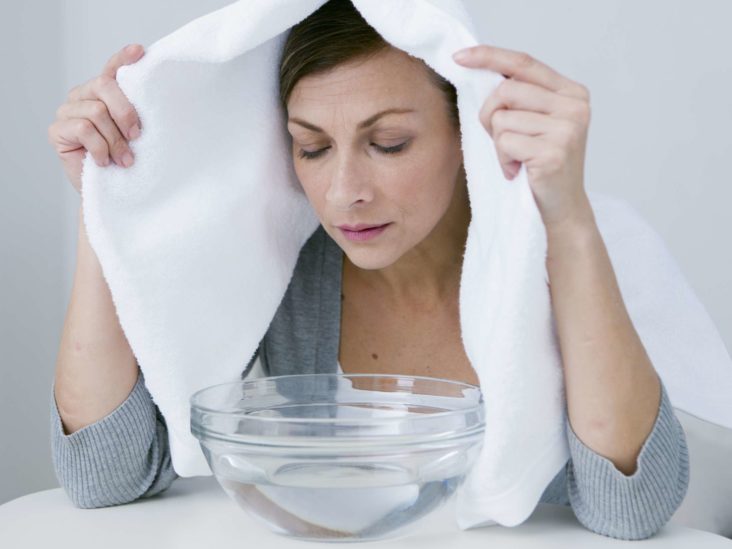
Steam therapy is one of the best and easiest ways to cleanse your lungs. Inhaling water vapor opens up the air passage and helps the lungs to drain mucus. As winter comes, it’s good to take steam every day for cleaning your congested air passages. Inhaling water vapour can help improve breathing in a short period of time.

  • Gargling with turmeric

Gargling with turmeric water right before you sleep is another easy way to detox your lungs. Add a pinch of turmeric to hot water and gargle with it. Turmeric is loaded with an active compound called curcumin, which helps in dissolving the mucus. It also helps relieve chest congestion and has healing properties that kill the bacteria and treat cold and cough.

  • ​Pranayama followed by sesame oil drops installation

Practicing pranayama helps clear the mucus in the air passages, relieves congestion, reduces bloating, and improves lung function. Putting one drop of sesame oil in each nostril after practicing pranayama can double the benefits of the exercise.

source:https://timesofindia.indiatimes.com/life-style/health-fitness/health-news/air-pollution-5-easy-ways-to-cleanse-your-lungs-as-per-an-ayurvedic-expert/photostory/79084448.cms?picid=79084485

Categories
COVID-19 Medical Updates

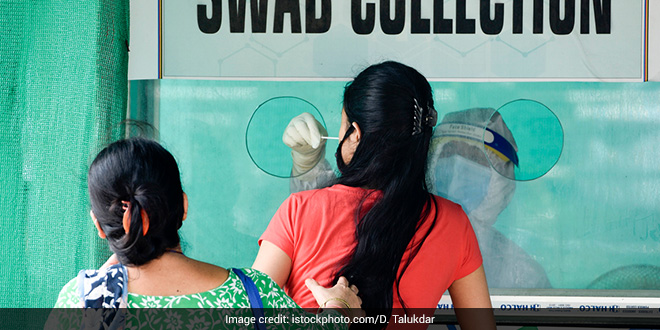
Targeted COVID-19 testing begins in crowded areas in Delhi

The Delhi government has started conducting targeted COVID-19 tests in markets and other crowded areas to strengthen its surveillance mechanism, the city’s Heath Minister Satyendar Jain said on Wednesday amid a surge in daily coronavirus cases in the national capital in the last few days.

Delhi recorded over 6,700 fresh COVID-19 cases for the first time on Tuesday taking the infection tally in the national capital to over four lakh, while the positivity rate was recorded at 11.29 percent amid the festive season and rise pollution levels.

Interacting with reporters, Jain said, the current pandemic situation in the national capital, can be termed as its “third wave”.

It was decided to concentrate efforts in certain key areas, such as targeted RT-PCR testing in sensitive and critical zones such as restaurants, market places, barber shops, and salons; gear up the availability of medical resources including beds, ICUs, and ventilators as a preemptive measure and ensure a high degree of contact tracing along with monitoring of quarantined contacts so as to suppress and break the chain of transmission, the statement said.

Jain told reporters, “Targeted testing has started in market places and other densely crowded areas”. Asked if there these tests will be all RT-PCR ones, he replied RT-PCR tests will also be increased.

As to why COVID-19 cases in Delhi are rising whereas it is showing a declining trend elsewhere, he said, “We are doing aggressive testing and contact tracing. These may be why daily cases are high. About other places, I cannot comment.”

Jain also acknowledges that he was getting reports that many people were either lax in adhering to safety norms or not wearing masks at all.

Jain also said in the initial days of the pandemic, more cases were coming from congested areas.

“This time, more cases are being recorded in upper-middle-class and middle-class segments, and they have an inclination to go to private hospitals. But treatment protocols are the same in private and government hospitals. Beds are available in government facilities,” he said.

Delhi had recorded over 5,000 daily cases for five days on the trot, ending Sunday when the count stood at 5,664. The number of containment zones in Delhi increased to 3,453 on Tuesday from 3,416 the previous day.

The sudden spike in cases comes amid the festive season and rising pollution level. While Durga Puja celebrations ended on October 25, the next major festivals are Diwali and Chhath in November.

source: https://www.financialexpress.com/lifestyle/health/targeted-covid-19-testing-begins-in-market-places-crowded-areas-in-delhi-satyendar-jain/2120942/

Categories
COVID-19 Medical Updates Medicine & Health

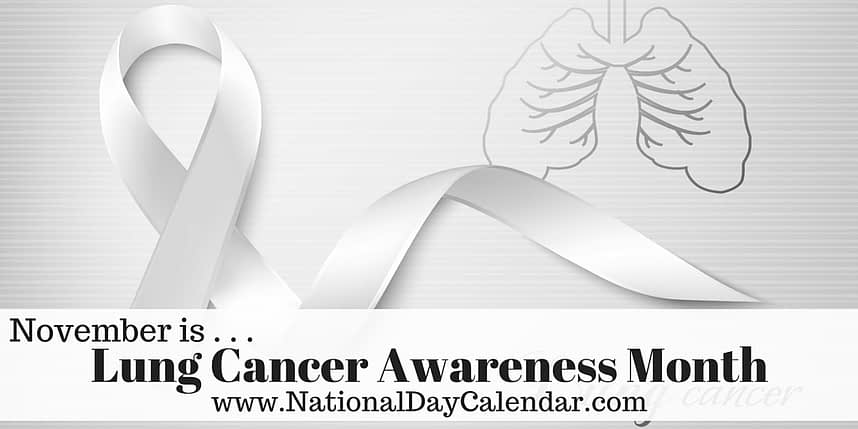
Lung Cancer Awareness Month: November

Lungs are one of the most vital organs in the human body. Responsible for the fundamental act of breathing, the lungs play a very important role in keeping the body healthy, and the body functions running efficiently. However, in recent times, diseases such as lung cancer have become extremely common. In fact, lung cancer is the most common type of cancer around the world and is responsible for millions of deaths, every year. The ongoing COVID-19 pandemic, lifestyle factors, and air pollution only add to the already high risk of lung cancer.

Let us understand the factors that make lung cancer the most common cancer globally, and what we can do to minimize our risk of the deadly disease.

What makes lung cancer the most common cancer around the world?

  • Smoking – The number of people who use cigarettes has gone up around the world. Smoking has become extremely common among young people, and even teenagers. Smoking is one of the leading causes of lung cancer. About 80 percent of total lung cancer deaths can be attributed to tobacco smoking, and many others to exposure to second-hand smoke. Smoking has also been found as a risk factor for COVID-19, the disease caused by the novel coronavirus.
  • Gene changes – Changes in genes can also spike the risk of lung cancer, even in people who do not smoke. Certain risk factors for lung cancer can cause changes in the DNA of lung cells. These changes can sometimes lead to abnormal growth of cells in the lungs, and cause cancer. DNA, as most people know, can influence our risk of developing certain diseases, including lung cancer.
  • Increased exposure to pollutants – Air pollution, global warming, and other climatic emergencies can also lead to a rise in the risk of diseases such as lung cancer. Exposure to pollutants can spike the risk of lung diseases such as asthma and COPD, and also lung cancer. Exposure to second-hand smoke from cigarettes also has a similar effect on the body.

It’s important to go organic. Making organic fruits and vegetables will not only keep cancer away but will also bring several lifestyle diseases under control. Of course, the government needs to play an important role by instituting measures to control pollution and adulteration of all types.

source:https://www.timesnownews.com/health/article/lung-cancer-awareness-month-what-makes-it-the-most-common-cancer-globally-tips-for-prevention/675661

Categories
COVID-19 Medical Updates Medicine & Health

Covid-19: Bharat Biotech in talks to take vaccine candidate global

India’s Bharat Biotech is in discussions with more than 10 countries that have shown an interest in a potential COVID-19 vaccine it is developing with a government agency, a company executive told Reuters on Friday.

The company, based in Hyderabad, this week received initial approval from Indian authorities to conduct late-stage trials for its vaccine candidate, COVAXIN.

The potential vaccine was found to be safe without any major adverse events in the first two stages of the trials involving about 1,000 people, Executive Director Sai Prasad said in a phone interview, adding that more than 90% of them developed antibodies against the novel coronavirus.

“We are in active discussions with more than 10 countries that have shown an interest in COVAXIN,” he said.

“We are talking to some of the countries about partnerships to conduct clinical trials and introduce the vaccine, and in some countries, we are in talks to manufacture the vaccine locally.”

He declined to name the countries but said they were located in South America, Asia and Central Asia, and Eastern Europe.

For third-stage trials in India, Bharat Biotech plans to enroll about 25,000 to 26,000 participants in around 12-14 states, he added.

India’s Zydus Cadila is currently conducting mid-stage trials of its own vaccine hopeful, while Serum Institute is making potential vaccines from AstraZeneca NSE 1.51 %, Novavax, and Codagenix Inc, as well as developing its own.

India has the world’s second-highest number of reported coronavirus cases at 7.8 million, more than a 100,000 of whom have died.


Categories
Medical Updates Uncategorized

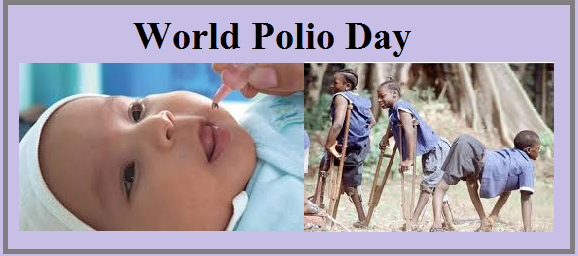
World Polio Day observed on 24 oct 2020

History of Polio

World Polio Day is observed on October 24 every year to raise awareness for polio vaccination and eradication of polio. The World Polio Day was established by Rotary International over a decade ago to commemorate the birth of Jonas Salk who led the first team to develop a vaccine against poliomyelitis.

Theme 2020

2020 theme for World Polio Day is “Stories of Progress: Past and Present.” As per WHO use of the poliovirus vaccine and subsequent widespread use of the oral poliovirus, developed by Albert Sabin, led to the establishment of the Global Polio Eradication Initiative (GPEI) in 1988. As of 2013, GPEI had reduced polio worldwide by 99%.

Through the Global Polio Eradication Initiative (GPEI), CDC works with partners to eradicate polio and end the suffering from this devastating disease. Stopping polio in all forms will require us to be resilient, adapt, and innovate to deliver a polio-free world. CDC and polio partners are adapting polio eradication efforts to mitigate the obstacles presented by covid-19.

What is Polio?

Polio is a crippling and potentially fatal infectious disease. There is no cure, but there are safe and effective vaccines. Polio can be prevented through immunization. The Polio vaccine, given multiple times, almost always protects a child for life. The strategy to eradicate polio is, therefore based on preventing infection by immunizing every child until transmission stops, and the world is polio-free.

World Polio Day: Polio prevention & treatment

There are two types of vaccine that can prevent polio:

  • Inactivated poliovirus vaccine (IPV) given as an injection in the leg or arm, depending on the patient’s age. Only IPV has been used in the United States since 2000.
  • Oral poliovirus vaccine (OPV) is still used throughout much of the world.

The Polio vaccine protects children by preparing their bodies to fight the poliovirus.

The day also celebrates progress and the people, volunteers, and local health workers, who make it possible by getting their own children vaccinated. It honors the people working to reach every last child until no child’s future is threatened by the impact of this disease.

source: https://www.indiatoday.in/information/story/world-polio-day-2020-history-theme-and-all-you-need-to-know-1734679-2020-10-24

Categories
COVID-19 Medical Updates

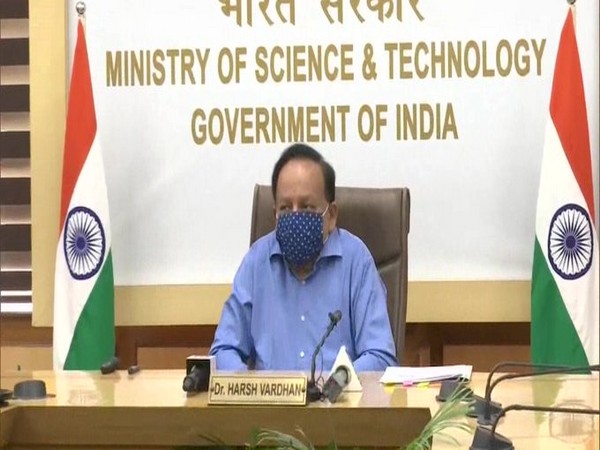
Dr. Harsh Vardhan launches CuRED, COVID-19 clinical trials portal

The Union Health Minister Dr. Harsh Vardhan on October 20, 2020, launched CuRED (CSIR Ushered Repurposed Drugs). A website that will provide comprehensive information about the COVID-19 trials that CSIR- Council of Scientific and Industrial Research is engaged in a partnership with ministries, government departments, and industries.

The Minister lauded the efforts of CSIR for being at the forefront of the ongoing fight against COVID-19 and prioritizing clinical trials, generating data for their regulatory approval, and helping launch drugs and diagnostics in the market. He commended the approach of using repurposed drugs and also, synthesizing COVID-19 drugs through new processes and transferring to Industry.

CSIR is also working with the Ministry of AYUSH for clinical trials of AYUSH drugs and has undertaken safety & efficacy trials of AYUSH prophylactics and therapeutics based on individual plant-based compounds and in combination. Five clinical trials involving Withaniasomnifera, Tinosporacordifolia + Piper longum(in combination), Glycyrrhizaglabra, Tinosporacordifolia & Adhatodavasica (individually and in combination) and AYUSH-64 formulation are undergoing safety and efficacy trials.

A key clinical trial of CSIR is the Sepsivac (Mw) against COVID -19 in partnership with Cadila. The phase 2 clinical trial has been completed successfully on critically ill COVID-19 patients, and more extensive Phase 3 trial is on the anvil. Further, the Phase 2 trial of phytopharmaceutical AQCH on Covid-19 patients with Sun Pharma and DBT is underway.

In addition to clinical trials of repurposed drugs and vaccines, CSIR has been involved in clinical trials of diagnostics and devices.

Dr. Harsh Vardhan emphasized that while the scientists are working on developing drugs and vaccines, as of now, social distancing, wearing masks and other precautions are essential and must be duly followed if we have to win the fight against COVID-19.

Dr. Shekhar C Mande, Secretary, DSIR and DG-CSIR, Dr.Ranjana Aggarwal, Dir, NISTADS, and Dr. Geetha Vani Rayasam, Senior Principal Scientist & Head, Science Communication and Dissemination Directorate CSIR HQ, were present on the occasion. CSIR Directors, Heads of Departments, and Scientists involved in Clinical Trials joined the event virtually.

Categories
COVID-19 Medical Updates

No Fasting: Doctor’s advice to COVID -19 patients

COVID-19 is an ongoing pandemic, affects different people in different ways. Most infected people will develop mild to moderate illness and recover without hospitalization. As the festive season has started in India celebrates Navratri, followed by Karwachauth. People of the country do fast during these festivals.

Doctors have advised people to avoid fasting during this festive season and make necessary changes to safeguard their health, especially if they are recovering from a Covid infection or belong to the high-risk group.

“People who are Covid positive or are recovering from Covid infection should avoid fasting during Navratri or Karwa Chauth. Those who are considered highly susceptible to the virus — elderly, people with diabetes, hypertension or other comorbidities, and pregnant and lactating women — should in no way fast during the pandemic,” said Col Vijay Dutta, senior consultant, internal and respiratory medicine at Indian Spinal Injuries Centre, New Delhi.

“Intermittent fasting shifts the primary energy source of the body from glucose to free fatty acid (FFA) which helps burn fat. However, fasting may reduce the body’s innate defence mechanisms as well as adaptive immune responses as immune cells which rely on glucose to sustain their function and proliferation. Reduced glucose availability and hypoinsulinemia during fasting may have negative effects on immune mechanisms,” he explained.

The doctors also advised pregnant and lactating women not to fast in such conditions. They cautioned that the whole day fasting could interfere with natural metabolism causing a hormonal imbalance which may lead to acidity, bloating, nausea, and discomfort.

Gauri Agarwal, a senior gynaecologist & fertility expert at Seeds of Innocence, New Delhi, said that the whole day of fasting can affect the blood sugar levels in pregnant women.

Pregnant women or lactating mothers should avoid fasting on both Navratri and Karwa Chauth. Day-long fasting can create stress on the body and adversely impact the blood sugar level, pushing it higher than normal.

source:https://www.tribuneindia.com/news/health/avoid-fasting-docs-advice-to-high-risk-covid-candidates-158017

Categories
Government Guidelines Medical Equipments Medical Updates Medicine & Health

Emerging Opportunity for Medical Equipment Manufacturing in India

The central governments’ initiatives on national health programs like Ayushman Bharat are propelling India to become a nation with advanced diagnostic facilities thus boosting the prospects of medical equipment manufacturing in several states

The COVID lockdown situation and the call by the Indian Prime Minister, Narendra Modi towards becoming more self-reliant or Aatma Nirbhar has brought in several opportunities to many sectors, prominent among them being the medical device manufacturing in India.

The cost of healthcare in India is almost 35 per cent more competitive as compared to developed countries such as the US and UK. That is the reason many foreign tourists visit India to get affordable treatment. There is also an exponential rise in the domestic demand in the preventive healthcare segment. This segment has been growing at 18 per cent CAGR and expected to be worth US$100 billion in the next 2-3 years. The current demand and supply-side dynamics do provide a huge opportunity for local manufacturers for producing medical devices in India.

At the moment, India imports almost 85-90 per cent of the sophisticated medical devices from other countries, prominent among them being China. In the year, 2019-2020, medical equipment worth almost Rs 4560 crores was imported from China. India as a market for medical devices is among the top 20 countries in the world, worth almost US$11 billion. With several initiatives launched by the Central Government such as the Ayushman Bharat scheme – to provide access to affordable health care services to all, this market is expected to grow to US$50 billion in the next five years. Presently, local medical equipment manufacturers are mostly involved in the production of low-end products for domestic and as well as international consumption. After Japan, China and South Korea, India is the fourth largest market in Asia with the potential to grow at 28 per cent.

Niti Aayog, the think tank body of the Government of India, has started working out a roadmap for the promotion of medical equipment manufacturers in the country. The Government has also allowed 100 per cent foreign direct investments (FDI) in companies manufacturing medical devices through the automatic route. The Indian Government has already chalked out plans intending to remove all roadblocks and offer tailor-made solutions to attract investment to make India a manufacturing hub for medical devices.

Medical device manufacturing comprises of five broad segments, including patient aids like pacemakers and hearing devices, dental products like braces and dentures, MRI and other diagnostic machines, prosthetics like knee implants and artificial joints, and disposal & consumables like needles and syringes.

Under initiatives like Make in India, several state governments have taken up the onus of setting up medical device manufacturing parks in their respective states and have got the approval from the Government of India to do so. There would be six medical devices manufacturing clusters in the country in states like Andhra Pradesh, Kerala, Telangana, Tamil Nadu, Maharashtra, and Sikkim. These clusters would provide a huge boost to domestic manufacturing of high-end medical devices at a lower cost and significantly enhance job creation.

The unfolding crisis has displayed the potential of Indian manufacturers to scale up the manufacturing to meet the higher demand for PPE kits, ventilators, and other lifesaving equipment. However, there are a lot of challenges that the Government needs to address to make the country a hub of manufacturing medical equipment. Firstly, there is a need to set necessary infrastructures like supply chain and logistics channels. There is an irregular power supply in several parts of the country which impairs the manufacturing process. The Government also needs to take steps to reduce the high cost of finance for local manufacturers.

The medical equipment manufacturers have been long demanding to reduce the effective rate of Goods and Service Tax (GST) on medical devices to 5 per cent from the present 18 per cent. Due to the high GST rate, it becomes more advantageous to import the equipment than manufacturers the same in the country. There is also a need to rationalize custom duty for necessary components and transitional inputs going into the production of medical equipment in India. It will further help if the government begins to incentivize high-end medical equipment manufacturers in order to promote the production of these devices in the country.

There is also a need for the Government to set up import restrictions and duty protection on the import of medical devices in India. This would restrict imports and at the same time, provide a boost to local manufacturers. There is a need to increase the skilling and training programs to tackle the shortage of talented and trained people in the sector. The Government also needs to put in place a robust regulatory framework to maintain high-quality standards and create a healthcare ecosystem in India.

India has some of the best doctors in the world and state-of-the-art healthcare facilities, the strong foothold in the medical devices manufacturing sector will only further reduce the cost of treatment and at the same time enhance the country’s image as a global healthcare destination.

Source: https://bit.ly/3i2bzDe


Categories
COVID-19 Medical Updates Medicine & Health

Delhi: 2nd sero survey from today, 15k samples targeted

New Delhi: The second round of the serological survey in the capital will begin on Saturday, with the authorities targeting to cover nearly 15,000 people to analyse the prevalence of antibodies in Delhiites in different districts. The tests will have to be completed by August 7.

All arrangements have been made in the 11 districts to start the exercise, which will be crucial to find out if Delhi is heading towards herd immunity from novel coronavirus. The first serological survey in Delhi, in which the sample size was 21,387, revealed nearly a quarter of its population had developed antibodies.

Teams of lab technicians, doctors, civil defence volunteers and ASHA workers will go to selected areas to collect samples in the morning. Earlier, the sero survey was scheduled to be completed by the fifth day of every month, but the deadline has been extended this time due to festivals.

The districts have been given different targets of sample collection. North West district, which collected the largest number of samples at 3,548 during the last survey, will have to collect 2,200 samples, and West district 2,150 samples against 2,373 in the previous one. Central district, which collected 2,702 samples earlier, has been asked to gather 1,548 samples.

Sandeep Kumar Mishra, district magistrate of North West district, said he had directed all 16 collection teams to ensure multi-stage systematic random representative sampling as per the guidelines. “It is critical in projecting the accurate prevalence of antibodies in people. It is more important than the size of samples,” Mishra said.

In Central district, 16 teams will collect samples from different areas across various age groups to ensure that the samples represent the entire administrative unit, said district magistrate Nidhi Srivastava.

Arun Gupta, additional district magistrate of South, said no sample would be collected from the areas covered in the last survey.

Since the sero survey reveals the prevalence of antibodies in population at a micro level, it helps the district authorities plan interventions for mitigation and containment of Covid-19.

The samples will be collected from various areas, including those without any any Covid-19 case, containment and buffer zones, those with only isolated cases, upscale and middle colonies, and slums. All individuals covered in the first survey will be excluded from sampling this time.

Directions have been issued to the field teams to ensure that out of the total number of samples, 25% should be of those younger than 18 years, another 25% of those in the age group of 50 years and above, and the remaining 50% from those in the age group of 18-49 years. All districts have been allocated different laboratories to send their samples for tests.

Source: https://bit.ly/2PoHLnX