Categories
Medical Updates

High Cholesterol Control To Weight Loss, 7 Reasons Why Jowar Bhakri Can Be Your Alternative To Regular Atta Rotis

Jowar bhakri is a local delicacy that is widely consumed in the states of Maharashtra, Rajasthan, and Gujarat. Jowar or sorghum is one of the common millets consumed all across India. In this health-conscious world, people often switch of millet-based rotis or chapatis for weight loss and a better health outlook. High cholesterol control to weight loss, jowar is an effective diet addition to make.

High Cholesterol Control To Weight Loss, 7 Reasons Why Jowar Bhakri Can Be Your Alternative To Regular Atta Rotis

Wondering what is a bhakri? Bakri is a type of flatbread that is made by hand patting the dough. Unlike regular chapatis, it is slightly more grainy, bigger and a bit more hard. Bhakris can be a good alternative of everyday rotis and here is what makes jowar bakri all the more special.

JOWAR BHAKRI HEALTH BENEFITS

Sorghum, also known as jowar, is a nutritious and versatile grain that offers a wealth of health benefits.

  1. Rich Source of Fiber: Sorghum is an excellent source of dietary Fiber, which plays a crucial role in digestive health. Fiber helps to promote regular bowel movements, prevent constipation, and maintain a healthy gut microbiome. Additionally, fiber can contribute to a feeling of fullness, aiding in weight management.
  2. High Cholesterol Control: It has certain compounds and anti-inflammatory properties that can help to lower bad cholesterol (LDL) and protect the heart better.
  3. Gluten-Free Alternative: Sorghum is naturally gluten-free, making it a suitable grain option for individuals with celiac disease or gluten sensitivities. It can be used in various culinary preparations, from bread and tortillas to pasta and porridges.
  4. Supports Heart Health: Sorghum contains compounds like tannins and anthocyanins, which have antioxidant and anti-inflammatory properties. These compounds can help lower LDL (bad) cholesterol levels, reduce blood pressure, and protect against atherosclerosis, all of which contribute to heart health.
  5. Promotes Blood Sugar Control: Sorghum is a low-glycemic index (GI) grain, meaning it releases sugar into the bloodstream slowly, preventing spikes in blood sugar levels. This makes it a beneficial choice for individuals with diabetes or prediabetes.
  6. Abundant in Minerals: Sorghum is a rich source of essential minerals, including magnesium, potassium, iron, and phosphorus. Magnesium helps regulate muscle and nerve function, potassium supports blood pressure control, iron is crucial for oxygen transport, and phosphorus plays a role in bone health and energy production.
  7. Enhances Nutrient Absorption: The tannins present in sorghum have been shown to enhance the absorption of certain minerals, such as iron and zinc. This can be particularly beneficial for individuals with iron deficiency or at risk of zinc deficiency.

Incorporating sorghum into your diet can provide a variety of health benefits, ranging from improved digestion and heart health to better blood sugar control and enhanced nutrient absorption. It’s a versatile and nutritious grain that can be enjoyed in various forms, making it an excellent addition to a healthy lifestyle.

visit www.aarogyapath.in now !!!

Categories
Medical Updates

Cold Weather, Hot Risk! Understanding Winter Dehydration And Tips To Prevent, Expert Shares

The key to winter health is not just bundling up against the cold but also staying hydrated from the inside out. Here are some expert tips on how to prevent winter dehydration and take care of your health.

As winter blankets the world in a frosty embrace, the risk of dehydration may not be the first concern on your mind. While dehydration is commonly associated with scorching summer temperatures, the cold weather brings its own set of challenges that can jeopardize your body’s hydration balance.

Cold Weather, Hot Risk! Understanding Winter Dehydration And Tips To Prevent, Expert Shares

In an interview with Zee News English, Dr Disha Sheth, Consultant Physician, Ruby hall Clinic Wanowrie, Pune shares the health risks associated with dehydration in winters and tips to prevent it.

Understanding the dynamics of winter dehydration and implementing preventive measures are essential for maintaining optimal health during the chilly months.

Preventing Dehydration in Winter

Contrary to popular belief, cold weather can increase the risk of dehydration. The lower temperatures may diminish our perception of thirst, leading to reduced water intake. Additionally, the cold can induce more frequent urination as the body works to regulate its temperature. To combat this, health experts recommend a daily water intake of 8-10 glasses, even if you don’t feel thirsty. Opting for electrolyte-fluid replacement beverages containing moderate amounts of glucose, sodium, and potassium aids in better water absorption and retention.

Including fruits and vegetables with high water content in your diet is equally crucial. Gastrointestinal diseases, a common cause of dehydration, may manifest during winter and can lead to vomiting and diarrhea. Children are particularly vulnerable, and prompt administration of oral rehydration solutions is advised to replenish fluid and electrolyte loss. Boiled water consumption and avoidance of contaminated food and water sources are vital precautions to prevent winter dehydration.

Humidity-Induced Sweating and Winter Dehydration

In winter, humidity-induced sweating poses a unique challenge. While the cold air may not trigger the same perceptible sweat response as summer heat, the body still loses water through evaporation. However, in humid conditions, the air is saturated with water, hindering the evaporation process. This results in increased sweating as the body struggles to release heat, potentially leading to dehydration.

Mild dehydration, defined by a 5% loss of total body water, can cause symptoms such as headaches, dry mucous membranes, and reduced urine output. Recognizing these signs is crucial, as moderate (5%-10%) and severe (10%-15%) dehydration can be life-threatening. Immediate medical attention is recommended in severe cases.

As winter settles in, it’s essential to remain vigilant against dehydration. By staying hydrated, incorporating water-rich foods into your diet, and recognizing the signs of dehydration, you can ensure your well-being throughout the cold season.

visit – https://shorturl.at/bisN8

Categories
Medical Updates

Gut-Heart Harmony: Understanding Powerful Link Between Gut Health And Cardiovascular Diseases

Cardiovascular diseases claim millions of lives yearly, prompting a search for innovative approaches to boost heart health. Recent studies reveal an intriguing link between heart well-being and probiotics, the beneficial bacteria in our gut.

According to WHO, cardiovascular diseases (CVDs) account for approximately 17.9 million deaths each year, making it the leading cause of death globally. Studies have shown that an imbalance in the gut microbiota, known as dysbiosis, may contribute to chronic inflammation, obesity, and other risk factors for CVD. Inflammation, in particular, has been recognized as a key driver of atherosclerosis, a condition in which plaque builds up in arteries that can lead to heart attacks and strokes. Some gut microbe derived metabolites have been implicated in atherosclerosis.

Gut-Heart Harmony: Understanding Powerful Link Between Gut Health And Cardiovascular Diseases

As the scientific community continues to unravel the intricate web of connections between our gut microbiota and heart function, the potential for probiotics to revolutionize cardiovascular health remains a topic of great significance and interest.

According to Dr Debojyoti Dhar, Co-Founder and Director (Business Development and Innovation), Leucine Rich Bio Pvt Ltd explains, “An imbalance in gut bacteria contributes to chronic inflammation and obesity, key factors in CVD. Probiotics, specifically strains like Lactobacillus rhamnosus GG, show promise in reducing risk factors, such as Trimethylamine N-oxide (TMAO) linked to atherosclerosis.”

“Emphasizes probiotics’ potential to enhance heart function by regulating inflammation, hypertension, and cholesterol levels. These are critical factors in heart disease”, says Dr Vikas Chopra, Sr. Consultant Interventional Cardiologist, Primus Super Speciality Hospital.

Dr Srikanth H.S, Assistant Chief Officer at Jindal Naturecure Institute, highlights probiotics evolving role in cardiovascular well-being. Traditionally known for digestive health, probiotics now offer promise in reducing oxidative stress, managing blood pressure and cholesterol, and improving metabolic health.

“Studies have hinted at potential connections between probiotics and oxidative stress in metabolic disorders like heart disease, including blood pressure regulation, cholesterol management, inflammation reduction, and metabolic health improvement”, comments Dr Srikanth.

While incorporating probiotics into daily routines seems promising, caution is crucial. Consulting healthcare professionals before significant dietary changes is advised. Probiotics may become a complementary strategy for heart health, but ongoing research is needed to define their precise role.

As science uncovers the links between gut health and heart function, the potential for probiotics to enhance cardiovascular health remains an exciting area of exploration.

visit – https://shorturl.at/bjmuQ

Categories
Medical Updates

What are the healthiest types of salt? Know which one is the best for you

When it comes to choosing the healthiest types of salt, the debate often centres on the mineral content and processing methods.

While no one type of salt can be crowned the healthiest due to their similar sodium content, some salts are favoured for their additional trace minerals and less processed nature.

What are the healthiest types of salt? Know which one is the best for you

But first, one needs to understand why salt is important for your health. Salt is required to maintain the balance of electrolytes and fluids in the body that carry nutrients to the cells.

It helps regulate acid-base balance and supports the transfer of nerve impulses while also maintaining the body’s blood pressure.

TYPES OF SALT

Himalayan pink salt

Pink Himalayan salt exhibits a pinkish tint and contains trace amounts of minerals like potassium, magnesium, and calcium. These minerals can contribute to the overall nutrient intake, although the amounts are too small to have a significant health impact.

Sea salt

Sea salts, such as Celtic or French fleur de sel, are harvested through the evaporation of seawater and retain trace minerals from the marine source.

These can offer a different flavour profile but, like Himalayan salt, do not provide substantial health benefits when consumed in typical dietary amounts. The mineral content in sea salt is considered negligible in terms of health impact.

Potassium salt

Potassium salts are another alternative, containing up to 70% less sodium than standard table salt. They may benefit blood pressure due to potassium’s antagonistic effects on sodium.

A modest reduction in dietary sodium can improve blood pressure by about 5 to 6 mm Hg, highlighting the importance of choosing lower-sodium options for those with hypertension.

Table salt

Table salt stands as the household’s predominant salt variety, sourced from seawater or salt lakes through solar evaporation. This salt undergoes extensive refinement to eliminate impurities and incorporates anti-caking agents for enhanced flow.

A prevalent form of table salt is “iodized salt,” where iodine is introduced to address global iodine deficiency. This method utilizes salt as a widespread vehicle for iodine distribution, simultaneously benefiting large population groups.

It’s essential to consider that all salts contain roughly the same amount of sodium by weight.

visit – www.kisansabha.in

Categories
Medical Updates

Most effective breathing exercises to cleanse & boost your lungs: Here’s how you exercise safely, as air pollution rises

It’s very unfortunate that, come winter, the smog and pollution levels in India skyrocket. Poor air quality and chilly temperatures can make exercising outdoors difficult or even dangerous. However, it’s important to keep in mind that you can maintain an active lifestyle and improve lung health indoors too.

Aerobic exercises like spot jogging or cycling using a stationary bike can improve the condition of your heart and lungs, increase muscular strength, endurance, and motor fitness. Jumping jacks, which involve softly bouncing over the ground and gently landing back down, are an excellent cardiovascular workout to strengthen your heart.

However, when your cities are experiencing such high pollution levels, two indoor exercises stand out: breathing exercises and yoga.

Breathing exercises

Breathing exercises are so powerful that they can help you eliminate physiological and psychological toxins from the body and mind. Taking a deep breath in and a deep breath out through the nose can help filter out dust and allergens, dilute your sinuses, and elevate your temperature, especially during exercise. Deep breathing, in one sense, is good, but heavy taxing exercises are ruled out. Especially in smog and pollution conditions, I would advise that alternate nostril breathing could be the best approach. While doing your exercises, breathe slowly and deeply, maintaining a smooth rhythm and flow. This will empower your lungs, save your lungs, and enhance your body’s filter mechanism.

I would also recommend “Double Breathing.” Double breathing oxygenates the blood and energizes the body, drawing cosmic energy into the body through the medulla oblongata, which is where the skull joins the spinal column.

For the Double Breathing exercise, stand comfortably with your feet apart. Inhale through the nose with a short, sharp inhalation followed by a long, strong inhalation. Exhale twice through the mouth with a short, then long exhalation. While breathing in, stand tall with your spine erect, and while exhaling, squat a little.

Yoga

Yoga is excellent for strengthening and flexing the heart and lung muscles. Chest-opening asanas like Setu Bandhasana, Ustrasana, and upward stretching Tadasana are very effective. Surya Namaskar is also highly recommended for optimum utilization of the lungs and the respiratory system, expanding and contracting the air sacs or alveoli of the lungs and preventing the buildup of germs and respiratory diseases. You can do 15, 20, or 30 Surya Namaskars in a row, and in between every 8 to 10 Surya Namaskars, you can incorporate forward bending, backward bending, side bending, and gentle twisting to aid in recovery. During the winter season, we can also perform Surya Bhedi pranayama which activates the right nostril, thus increasing body heat.

visit – https://shorturl.at/yLW28

Categories
Medical Updates Medicine & Health

How can high air pollution levels harm your heart? Understanding the risks and prevention

In this pollution season why you need to adopt a heart-healthy lifestyle, highlights Dr Nishith Chandra Principal Director, Interventional Cardiology, Fortis Escorts Heart Institute, Delhi

In our rapidly urbanizing world, pollution has become an inevitable part of our daily lives. While we often associate pollution with respiratory issues, its impact on the heart is equally concerning. Air pollution poses a significant threat to cardiovascular health.

However, by understanding the risks, taking preventive measures, and adopting a heart-healthy lifestyle, individuals can significantly reduce their susceptibility to pollution-related heart problems.

Air Pollution and Heart Disease

Studies have shown a direct connection between exposure to air pollution and an increased risk of heart disease. Air pollutants, such as particulate matter (PM2.5 and PM10), nitrogen dioxide (NO2), and carbon monoxide (CO), can infiltrate the bloodstream, leading to inflammation and oxidative stress in the arteries. This, in turn, contributes to atherosclerosis, a major precursor to heart attacks and strokes.

Preventing Pollution-Related Heart Issues

1) Reduce Exposure to Air Pollution

To promote healthier living in areas with elevated air pollution, it’s advisable to minimize outdoor activities on days when pollution levels are high. Furthermore, ensuring clean indoor air quality can be achieved by employing air purifiers at home. Additionally, it’s important to advocate for and actively support policies and initiatives aimed at mitigating emissions from both vehicles and industrial sources

Most importantly, improve indoor air quality. To enhance indoor air quality, it is essential to prioritize proper ventilation in both your home and workplace. You can also consider incorporating indoor plants to aid in air purification, while refraining from smoking indoors to minimize the substantial contribution it makes to indoor air pollution.

2) Heart-Healthy Lifestyle Choices in a Polluted World

1. Diet and Nutrition: To maintain a heart-healthy diet, prioritize foods rich in fruits, vegetables, whole grains, and lean proteins. High pollution levels introduce free radicals into your body, leading to oxidative stress and cellular damage, accelerating the aging process. Vitamins C and E act as powerful antioxidants, shielding your body from these harmful free radicals. Hence, it’s wise to include antioxidants like vitamins C and E in your diet to counteract the oxidative stress caused by pollution. For instance, almonds are a great source of Vitamin E, while avocados offer a dual advantage, providing both Vitamin E and Vitamin C.

2. Exercise Regularly: Physical activity improves cardiovascular health and can counteract some of the negative effects of pollution. If possible, exercise in green spaces with lower pollution levels.

3. Stress Management: Chronic stress can exacerbate the harmful effects of pollution on the heart. Practice stress-reduction techniques like meditation, yoga, or mindfulness.

4. Medication and Medical Check-Ups: If you have pre-existing heart conditions, consult your healthcare provider for appropriate medications and regular check-ups to monitor your heart health.

visit – www.kisansabha.in now !!!

Categories
Government Guidelines Medical Updates Medicine & Health

​Side effects of taking too many paracetamol​

​Do you self–prescribe paracetamol?​

Taking too many paracetamol can have serious health consequences as it is available over the counter even without prescriptions. Although it is a widely used pain reliever and fever reducer, exceeding the recommended dosage can lead to several harmful side effects.

​Overdose of paracetamol can affect liver function​

First and important, an overdose of paracetamol can overwhelm the liver’s ability to process the drug, leading to potential liver damage. This is because paracetamol is primarily metabolized in the liver, and excessive consumption can cause a build-up of toxic by-products that damage liver cells. Symptoms of liver damage may not appear immediately, which can make early detection challenging.

​Side effects of taking too many paracetamol​

​Paracetamol poisoning​

Additionally, an overdose of paracetamol can lead to ‘Paracetamol Poisoning’ with symptoms like nausea, vomiting, abdominal pain, and loss of appetite. These symptoms can be mistaken for other illnesses, delaying the recognition of the overdose.

Paracetamol overdose can cause acute liver failure, and very long use may lead to even irreversible liver injury requiring liver transplantation. which is a life-threatening condition. It can result in jaundice, confusion, and even coma. If left untreated, it can be fatal. Sometimes it may lead to kidney injury also.

To prevent these harmful effects, it’s crucial to follow the recommended dosage instructions on the medication’s label and seek medical attention immediately if an overdose is suspected. Prompt treatment can help mitigate the damage and improve the chances of a full recovery.

visit – https://shorturl.at/ixHJN


Categories
Medical Updates

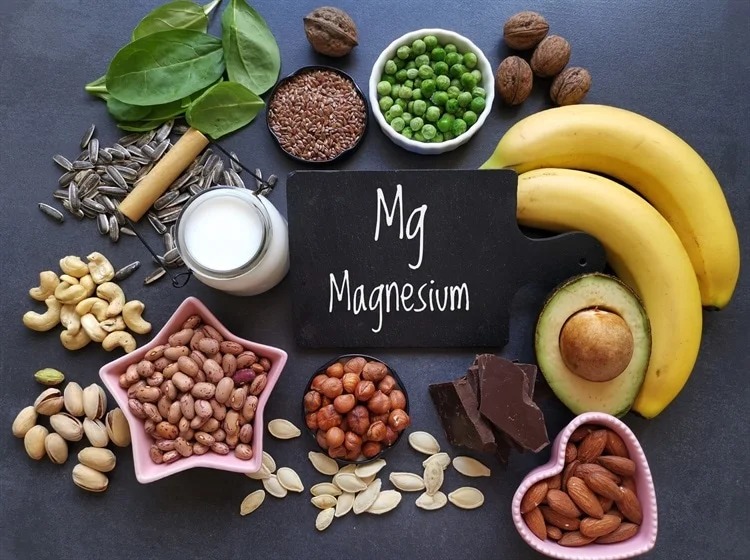
​Having just a spoonful of these foods can help meet your daily requirement of magnesium​

​Why is Magnesium essential?​

Magnesium is a vital mineral that plays a crucial role in the proper functioning of our bodies. It is involved in over 300 biochemical processes, from muscle and nerve function to bone health and energy production. Meeting your daily magnesium requirement is essential for maintaining overall well-being. The human body needs 310 to 420 mg of magnesium in a day. While it’s always best to get your nutrients from a balanced diet, there are certain foods where just a spoonful can provide a significant portion of your daily magnesium needs.

​Having just a spoonful of these foods can help meet your daily requirement of magnesium​

​Quinoa​

A tablespoon of cooked quinoa contains approximately 15 milligrams of magnesium. This versatile grain is not only a good source of magnesium but also offers a complete protein profile.

​Dark chocolate​

For those with a sweet tooth, there’s good news. Dark chocolate with a high cocoa content contains approximately 25 milligrams of magnesium per tablespoon. However, be mindful of portion control due to its calorie content.

​Sunflower seed

Just one tablespoon of sunflower seeds contains about 11 milligrams of magnesium. They are also a source of vitamin E and other antioxidants.

​Pumpkin seeds​

A single tablespoon of pumpkin seeds contains approximately 37 milligrams of magnesium, making them a nutritious and convenient magnesium source. These small seeds are also packed with protein, fibre, and healthy fats.

​Spinach​

Dark leafy greens like spinach are a great source of magnesium. A tablespoon of cooked spinach provides roughly 20 milligrams of magnesium. Incorporating more greens into your diet can offer numerous health benefits.

Chia seeds

Chia seeds are another magnesium-rich option, offering around 15 milligrams of magnesium per tablespoon. They are also high in fibre, omega-3 fatty acids, and other essential nutrients.

​Almonds​

A tablespoon of almonds provides about 12 milligrams of magnesium. Almonds are a tasty and portable snack that can easily contribute to your magnesium intake.

Cashews​

Cashews contain roughly 18 milligrams of magnesium in a single tablespoon. They are not only delicious but also a good source of healthy fats and protein.

Sesame seeds​

Sesame seeds are rich in magnesium, offering around 32 milligrams per tablespoon. They are commonly used in cooking and baking and can be sprinkled on various dishes for added flavour and nutrition.

Health benefits of magnesium​

Magnesium is essential for proper muscle and nerve function. It helps muscles relax and contract, and it supports the functioning of the nervous system. Magnesium plays a role in maintaining a steady heartbeat and may help lower blood pressure. It works in harmony with calcium and vitamin D to keep bones strong. It can help regulate blood sugar levels and reduce the risk of developing type 2 diabetes. Magnesium has been linked to improved mood and sleep quality, making it important for overall mental well-being.

Health tips​

The amount of magnesium each of these food items contains might vary depending on the quality and other factors. It is important to check the symptoms of magnesium deficiency and consult a doctor. A health expert can guide you and recommend you the right kind of dosage. While some patients can fill the magnesium deficiency with just foods, some others need supplements.

visit – https://shorturl.at/wyR35

Categories
Uncategorized

7 Simple Daily Habits to Keep Yourself Young

Aging is a natural part of life, but there are daily habits that can help us maintain a youthful and vibrant appearance as we grow older. These habits go beyond just looking young; they also contribute to overall health and well-being.

Regular exercise, a balanced diet, hydration, skincare, quality sleep, stress management, and social engagement can all contribute to maintaining a youthful and vibrant life. By incorporating these habits into your daily routine, you can enjoy the benefits of a more youthful appearance and improved overall health as you age gracefully.

Regular Exercise

Exercise is one of the most effective ways to stay youthful. Regular physical activity helps maintain muscle strength, flexibility, and cardiovascular health. It also promotes the production of endorphins, which improve mood and reduce stress. Aim for at least 30 minutes of moderate exercise most days of the week. Activities like walking, swimming, or yoga can be both enjoyable and beneficial.

Balanced Diet

A balanced diet rich in fruits, vegetables, lean proteins, and whole grains provides essential nutrients that support skin health, boost the immune system, and keep the body functioning optimally. Antioxidant-rich foods, such as blueberries, spinach, and tomatoes, can help fight the signs of aging by reducing oxidative stress.

Hydration

Staying hydrated is crucial for maintaining youthful skin and overall health. Water helps flush toxins from the body, keeps skin moisturized, and supports various bodily functions. Aim to drink at least 8 glasses of water a day and consider adding herbal teas for added hydration and antioxidants.

Skincare Routine

A good skincare routine can help maintain youthful-looking skin. Cleansing, moisturizing, and protecting your skin from the sun are essential steps. Use sunscreen daily to prevent UV damage, and consider incorporating anti-aging products like retinoids or antioxidants for added skin protection.

Quality Sleep

Adequate, quality sleep is essential for the body’s repair and rejuvenation. Lack of sleep can lead to premature aging, increased stress, and a weakened immune system. Aim for 7-9 hours of quality sleep each night to wake up refreshed and ready to face the day.

Stress Management

Chronic stress can accelerate the aging process. Practicing stress-reduction techniques such as meditation, deep breathing, or yoga can help keep stress levels in check. Reducing stress not only promotes a youthful appearance but also supports mental and emotional well-being.

Social Engagement

Maintaining an active social life is linked to longevity and youthfulness. Positive social interactions can reduce stress, increase feelings of happiness, and provide a sense of purpose. Nurture your relationships, make time for friends and family, and engage in activities that bring you joy.

visit – https://shorturl.at/akm28

Categories
Medical Updates Medicine & Health

India’s healthcare ecosystem undergoing change: KPMG India co-head

India’s healthcare ecosystem is undergoing a change in terms of connectivity and accessibility to rural and previously untouched areas, Lalit Mistry, partner and co-head, Healthcare Sector, KPMG India said at the FICCI HEAL conference last week.
More than 20 new kinds of healthcare models have emerged in the aftermath of the COVID-19 pandemic, according to a report on new-age healthcare delivery models in India released by KPMG in collaboration with the Federation of Indian Chamber of Commerce and Industry (FICCI).
“The increased awareness of self-care, bolstered by easy access to information technology, lays a foundation for preventive measures and early interventions. This, along with the advent of telemedicine, has provided for a paradigm shift in how the healthcare sector is seen in India,” Mistry said.
The new models include increased use of healthcare aggregators, non-invasive wellness monitoring, and remote health management. Some prominent examples include Tata 1mg, Practo, and calorie counts done by the Fitbit Tracker.
The report also suggests that newer models are appearing in hospital care as well, with small healthcare organisations (SHCO) such as Apollo’s Cradle hospitals and Fortis La Femme being prime examples. These single-speciality hospitals focus on just one segment with more emphasis on personalised services.
According to the study, India is undergoing an epidemiological transition with a rising burden of non-communicable diseases (NCD), with the death rate due to NCDs increasing from 35.9 per cent in 1990 to 64.9 per cent in 2019.
The figure is in line with concerns over the rising NCD burden in India, which has led to the renaming of the National Programme for Prevention and Control of Cancer, Diabetes, Cardiovascular Diseases and Stroke (NPCDCS) to a combined National Programme for Prevention and Control of Non-Communicable Diseases (NP-NCD) by the central government.
The report also referenced Oxfam’s India Inequality Report, pointing out a rural-urban disparity in accessibility to healthcare. The data suggests that 70 per cent of India’s population is rural, but only 40 per cent of total beds available are present in rural areas.
On the question of tackling this disparity, Mistry said that the gains in telemedicine and connectivity have made it easier for rural health centres to adopt new models of healthcare. Electronic Intensive Care Units (eICU) is one of the ideas that can be used where patient monitoring can be done in both rural and urban areas.
visit – https://shorturl.at/chP36