
Categories
Government Guidelines Medical Equipments Medical Updates Medicine & Health Techniques

Budget 2023: NATHEALTH seeks rationalisation of GST for healthcare sector

Synopsis

​​In its submission to the finance ministry on Wednesday , the industry body said that the healthcare sector has not been able to derive the benefits of the GST transition in comparison to other sectors. In fact, the embedded taxes in the sector have increased in the post-GST regime compared to pre-GST period, it noted.

Healthcare industry body NATHEALTH has sought rationalisation of GST and enhanced insurance coverage especially in smaller cities and towns from the upcoming Budget.

n its submission to the finance ministry on Wednesday , the industry body said that the healthcare sector has not been able to derive the benefits of the GST transition in comparison to other sectors.

In fact, the embedded taxes in the sector have increased in the post-GST regime compared to pre-GST period, it noted.

Budget 2023: NATHEALTH seeks rationalisation of GST for healthcare sector

The industry body has recommended imposition of 5 per cent merit rate on the output healthcare services for all healthcare establishments (both private and government) with the option to claim full input tax credits.
Levying 5 per cent GST rate on output services for all private hospitals and an optional dual rate structure for government healthcare establishments could be an alternative, it added.

Presently GST is exempt on the healthcare services. NATHEALTH recommends imposition of 5 merit rate on these services as this would allow healthcare service providers to claim input tax credit, thereby lowering their embedded taxes burden.

NATHEALTH also sought clearance of working capital arrears both for providers and procurement organisations.

“It is imperative to build infrastructural capabilities so that people have greater access to quality and critical healthcare services. Viability gap funding by the government is essential to set up hospitals in tier-1 and tier-2 cities, encouraging increased investment in the healthcare infrastructure,” NATHEALTH President Shravan Subramanyam said.

Uniform adoption of Ayushman Bharat Digital Mission is another imperative which calls for clearly defined delivery models for innovative modules developed by private players, he added.

“If all payment backlogs both for providers and suppliers under insurance and public procurement are cleared, it would significantly improve the availability of healthcare infrastructure,” Subramanyam said.
It also sought an increase in budgetary allocation for the health sector.

Read more at-https://bit.ly/3hcmL5C
Categories
COVID-19 Government Guidelines Medical Equipments Medical Updates Medicine & Health

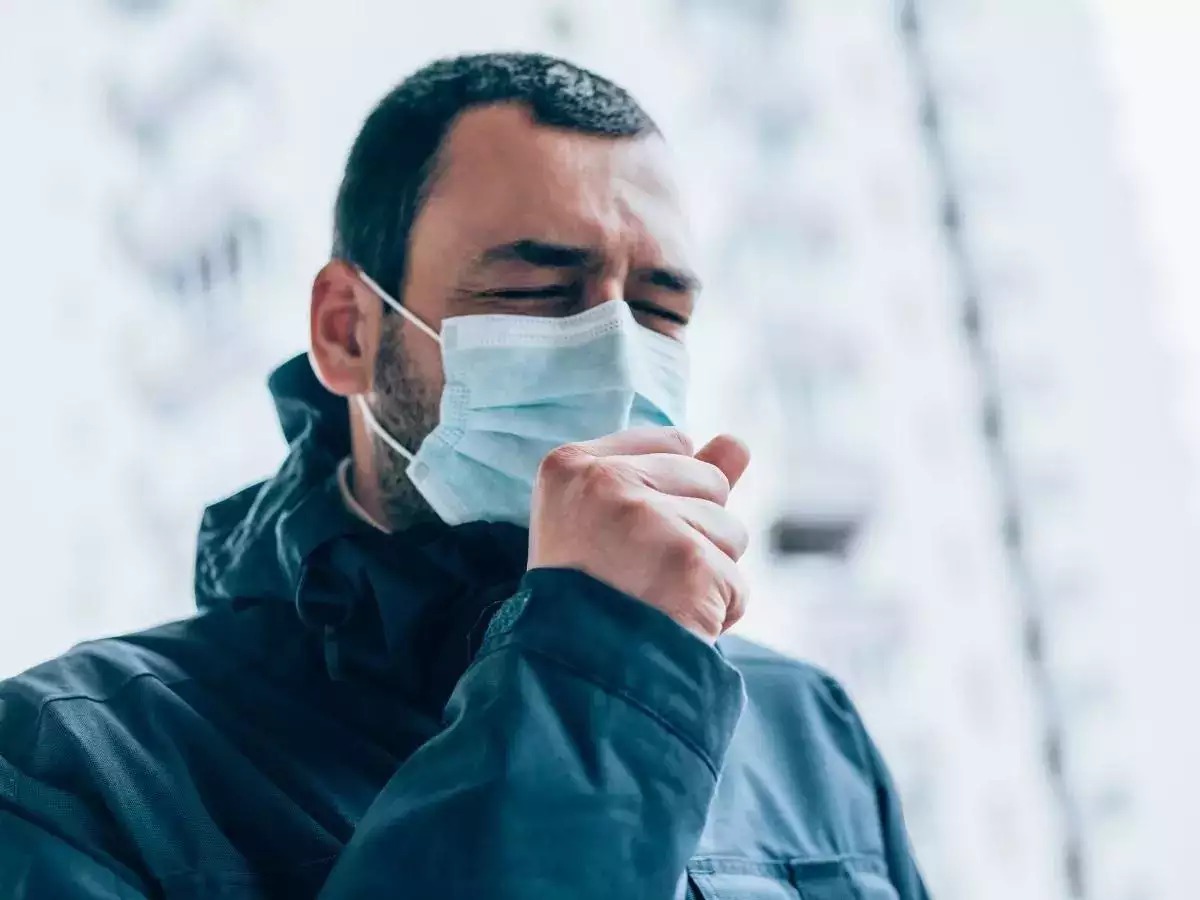
Omicron: 7 important tips to prevent Covid infection in winter season

It is important for people to protect themselves from seasonal flu and the possible new immune strains of the Omicron variant of SARS-CoV-2. Here are some tips to follow.

Covid-19 pandemic is far from over and one needs to be especially cautious in winters as it’s the season of viral infections including influenza and Covid. Amid pandemic turning less aggressive and people dropping guards, scientists and infectious disease specialists warn that Covid appropriate measures should continue. WHO Director-General Tedros Adhanom Ghebreyesus said: “Gaps in testing … and vaccination are continuing to create the perfect conditions for a new variant of concern to emerge that could cause significant mortality.” Omicron, the highly contagious variant of Covid, has more than 500 sublineages that is evolving fast. It is important to get tested when one has flu-like symptoms and wear masks in crowded areas. Regular hand-washing should not be ignored and it is important to keep good ventilation in offices, restaurants and other public areas.

Omicron: 7 important tips to prevent Covid infection in winter season

“Covid 19 is a virus and we have been getting viral during the winters. It is important for people to protect themselves from seasonal flu and the possible new immune strains of the Omicron variant of SARS-CoV-2. It’s essential to safeguard yourself from the cold weather and stay healthy throughout the season. Though it seems difficult, there are several ways to keep the commonly suffering ailments away from your family,” says Dr Rajesh Chawla, Senior Consultant Pulmonology and Critical Care, Indraprastha Apollo Hospitals, New Delhi.

Sticking to the basic rules to prevent Covid spread, people should continue to follow measures to keep the deadly infection at bay. Children, elderly and those will chronic illnesses especially should be cautious.

Here are 7 tips to prevent Covid infection this winter season by Dr Chawla:

• Know the symptoms: The flu and COVID-19 are caused by different viruses, but they are both infectious respiratory diseases, spread by droplets and aerosols when infected people cough, sneeze, speak, sing, breathe, etc. They have similar symptoms, including cough, runny nose, sore throat, fever, headache and fatigue. People may have varying levels of illness with both the flu and COVID-19. Because symptoms are similar, it is important to take a test, so that treatment can begin quickly, if needed.

• Cover coughs and sneeze: Following a good respiratory hygiene is extremely important. It is important to cover the mouth and nose with a bent elbow or tissue when one coughs or sneezes.

• Get vaccinated: It is essential to get vaccine. Elderly and those with underlying conditions like high blood pressure, lung and heart disease, diabetes, obesity or cancer must get them vaccinated. The more fully vaccinated people there are, the better protected they are as well.

• Wear a mask: Masks help stop people from spreading the virus or being infected when droplets containing the virus are inhaled or come directly into contact with the eyes, nose or mouth

• Keep physical distancing: It is important for all viral infections which can spread from an infected person’s mouth or nose in small liquid particles when they cough, sneeze, speak, sing or breathe. Understanding, the situation, it is advisable to Keep a physical distance of at least 1 metre from other people

• Keep hands clean: People may pick up a virus by touching surfaces that have been contaminated, then touching your eyes, nose or mouth with those hands. Cleaning hands frequently eliminates germs that may be on the hands, including viruses.

• Meet outside or increase ventilation: All these viral infections including COVID-19 is more easily transmitted in crowded and poorly ventilated spaces and where people spend long periods of time together. Settings with increased risk of outbreaks include restaurants, offices and places of worship. Hence, it is advisable to go outside, whenever possible

“There is an increased risk of both the flu and COVID-19 circulating over the next few months. For a safer winter, it is important to understand the symptoms and who is at risk, get vaccinated, take steps to protect, and stay safe,” concludes Dr Chawla.

Read more at-https://bit.ly/3XZrXub

Categories
Medical Equipments Medical Updates Medicine & Health

AIDS awareness: Therapy prescribed for people with HIV

Acquired immunodeficiency syndrome (AIDS) has been in existence for a long time now and people are still not aware of how to deal with the patient. Here’s what doctors recommend.

Acquired immunodeficiency syndrome is a life-threatening chronic condition caused due to the human immunodeficiency virus where HIV is a sexually transmitted infection that damages the body’s immune system further disabling the capability to fight an infection or disease. If HIV is not treated in time, it can lead to AIDS and though AIDS has been in existence for a long time now, people are still not aware of how to deal with the patient.

The stigma around AIDS and HIV continue to exist amongst communities that are unaware of the disease’s know-how hence, it becomes essential to know more about this disease and bust myths surrounding it. HIV still remains to be a major global health issue however, with advancement in diagnosis and treatment, people diagnosed with HIV can live longer and healthy lives.

AIDS awareness: Therapy prescribed for people with HIV

In an interview with HT Lifestyle, Dr Amit Gupta, National Executive Council Member at RSSDI, revealed, “The therapy prescribed for people with HIV usually comprises antiviral medications. Some of these medicines come with the side effect of altering blood sugar levels, especially by increasing the concentration of blood glucose. Therefore, it is recommended that people with HIV should get their glucose levels checked both before starting the course of treatment and during the treatment. This helps keep track of the onset of diabetes.”

Dr Sanjay Gupta, Internal Medicine at Paras Hospital in Gurugram, cautioned, “Infected blood, illicit injection drugs and sharing the same needles with the infected person can spread the disease. If an expecting mother is suffering from AIDS, it can be passed on to the baby during pregnancy and even breastfeeding. Having unprotected sex with an infected can pass on the condition and lead to severe outcomes. According to research, our country has reported more than 17 lakh HIV cases over the past 10 years due to unprotected sex. People are still stubborn about using birth control and this leads to fatal situations in many. Social stigma is a huge culprit and spreads many diseases to the vulnerable crowd as well. Albeit campaigns these days are taking the good initiative to spread the right message and we can also see the numbers dropping.”

Read more at-https://bit.ly/3UBkRcs

Categories
Medical Equipments Medical Updates Medicine & Health

Blood tests are best at detecting Alzheimer’s disease: Study

An important aspect of this study was that p-tau217 was able to monitor such changes in pathology and cognition at very early stages of the disease process. This finding was replicated in an independent cohort from the USA, Wisconsin Registry for Alzheimer’s Prevention (WRAP).

A new study have identified that blood tests are best at detecting Alzheimer’s disease during the earliest stages, and another blood test that is optimal for detecting relevant treatment effects.

The study was published in the journal, ‘Nature Medicine’.

Blood tests are best at detecting Alzheimer's disease

It revealed that multiple blood biomarkers, namely phospho-tau231 and Ab42/40, were sufficient in identifying Alzheimer’s disease pathology, even in participants with no symptoms and thus, could be used as strategy to select the correct individuals for novel disease modifying trials – a task which currently requires expensive molecular imaging technique or lumbar punctures.

ALSO READ: Alzheimer’s disease: 5 daily habits that increase risk of dementia

Yet, over the 6 years tested, it was shown that only phospho-tau217 was related to Alzheimer’s disease pathology, a decline in cognitive performance and increased brain atrophy typical of incipient Alzheimer’s. Therefore, phospho-tau217 will be an ideal marker for detection of relevant disease-modifying effects of novel interventions. The study has large implications on the use of blood test in the recently reported anti-Ab trials.

Distinctive blood tests may be optimal for the identification of Alzheimer’s pathology or for monitoring of disease progression and therefore have different roles in clinical trials” first author of the research study Dr. Nicholas Ashton from the University of Gothenburg explained.

“This study has shown that phospho-tau217 is uniquely placed to be an optimal test for monitoring patients in both a clinical setting and a trial setting because of its longitudinal association with Alzheimer’s development”.

An important aspect of this study was that p-tau217 was able to monitor such changes in pathology and cognition at very early stages of the disease process. This finding was replicated in an independent cohort from the USA, Wisconsin Registry for Alzheimer’s Prevention (WRAP).

“Besides improving the design of clinical trials, the novel blood tests will revolutionize the diagnoses of early stages of Alzheimer’s disease”, says Oskar Hansson. “Further, phospoho-tau217 might be used in the future to monitor the response in individual patients to disease-modifying therapies in clinical practice.

Read More at-https://bit.ly/3gU5jCK