Categories
COVID-19 Government Guidelines Medical Equipments Medical Updates Medicine & Health

COVID XBB 1.16 variant: Tracker finds high cases in India, know the symptoms

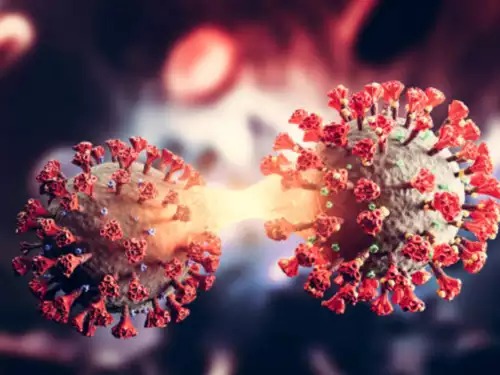
A new variant of COVID XBB, namely XBB 1.16 is in news currently for driving infection cases in the country. As per an international COVID tracking platform, the highest number of sequences of this sublineage have come from India followed by Brunei, the US and Singapore, media reports have said.The prevalence of this variant of COVID virus can lead to a fresh wave of infections, reports have predicted.

The COVID positivity rates in states like Maharashtra, Karnataka and Gujarat have increased. Maharashtra, from where this new variant is believed to have originated, reported 155 COVID positive cases in a single day along with two deaths. Telangana recorded more than 100 cases on Tuesday and Wednesday combinedly. In states like Rajasthan, Madhya Pradesh, Tamil Nadu, HimachalPradesh and J&K the positivity rate is between 5% and 10%.

So far, no different symptom related to the new circulating COVID variant has been reported.The classic symptoms of COVID which give a preliminary idea about the infection are headache, muscle pain, fatigue, sore throat, runny nose and cough.Apart from the classic signs people also experience abdominal pain and discomfort, and diarrhea.

“In India, XBB.1.16 is showing a high prevalence in the states of Maharashtra and Gujarat as per covSPECTRUM. XBB 1.16 has not descended from XBB.1.5 but both have descended from XBB and more recently XBB.1,” TOI has reported quoting a top expert from India’s genome sequencing network.”XBB is currently dominating in India, and the latest uptick in cases in the country could be a result of XBB 1.16 and perhaps XBB 1.5 but a few more sample runs would clear the picture,” the expert has told the media.
COVID XBB 1.16 variant: Tracker finds high cases in India, know the symptoms

The new variant is circulating at a faster pace and is already seen as a threat. Going with the previous experience of dealing with the virus, mutants of COVID virus are smarter in escaping immunity and are contagious in nature. The Omicron variant, of which the XBB 1.16 is a sub-sub variant, is notorious for its high transmission rate. Since the later months of 2021, the Omicron variant has been circulating worldwide replacing the Delta variant.As of now less is known about the course of action of the variant is not known. The rate of hospitalisation which is a serious concern during a COVID wave is also unknown. Hence people need to be careful about their own safety and also take care of those who are in the vulnerable groups.

Avoid going outdoors when you have few symptoms of the infectionAvoid going near to those who have the symptoms of the infectionAvoid going to crowded places without wearing masksDo not touch the face, especially nose, mouth and eyes, without cleaning the handsDo not touch any exposed and unclean surfaceKeep kids and older people isolated when someone in the family or in the neighbourhood has COVID.Keep the indoor air circulating. Stale air indoors is a breeding ground for coronavirus.

XBB 1.16 scare has arised amid scare around the H3N2 influenza virus which has claimed 7 lives in the country so far.H3N2 is a seasonal influenza virus caused by the viruses which are part of the viral family Orthomyxoviridae. Health experts have said that H3N2 virus does not affect the lungs and is mild in nature except for older people and those with comorbidities.COVID led to global pandemic and nationwide shut down in 2020. While things have returned to normalcy health experts are constantly warning people to stay safe from the viral infection. COVID also poses another risk of complications which are combinedly referred to as long COVID.

Read more at-https://bit.ly/42lTUP2

Categories
Government Guidelines Medical Equipments Medicine & Health

400 per cent increase in robotic-assisted surgeries in across Apollo hospitals in last 2 years: Healthcare group

Synopsis

According to a statement from the Apollo Hospitals, the group has expanded and introduced robotic-assisted procedures to 20-plus specialities, offering patients one of the widest and deepest tech-enabled surgical solutions in India. Hospitals under the group have conducted more than 10,000 robotic-assisted surgeries since 2011, it said.

A leading private hospital group has conducted more than 10,000 robotic-assisted surgeries since 2011, with a 400 per cent increase in such procedures in the past two years. According to a statement from the Apollo Hospitals, the group has expanded and introduced robotic-assisted procedures to 20-plus specialities, offering patients one of the widest and deepest tech-enabled surgical solutions in India.

Hospitals under the group have conducted more than 10,000 robotic-assisted surgeries since 2011, it said.

In the last two years alone, the group has witnessed over 400 per cent increase in the number of robotic-assisted procedures performed across its hospitals in India.

Robotic surgeries have seen maximum application across urological, gynaecology, oncology, orthopaedic and cardiothoracic procedures, the statement said.

400 per cent increase in robotic-assisted surgeries in across Apollo hospitals in last 2 years: Healthcare group

Given its superior clinical precision, the use of robotics in surgeries has been instrumental in reducing overall hospital stay of patients, enabling faster recovery in most cases.

For instance, on an average, Apollo Hospitals has witnessed a reduction in its patient hospital time by up to 25 per cent in joint replacement procedures, up to 20 per cent in urological procedures and by up to a whopping 50 per cent in cardiac robotic surgeries, the statement said.

Dr Prathap Reddy, Chairman, Apollo Hospitals Group, said, “For 40 years, Apollo has pioneered the innovation in treatments to give patients the best care. Robotics is one more step in our mission to bring the best healthcare to all and we strongly believe that it will form the backbone of our country’s medical infrastructure in the decade to come.”

In the first two months of 2023, Apollo Hospitals performed more than 450 robotic surgeries in India and expects this number to increase significantly through the year.

Read more at-https://bit.ly/3ThPrbT

Categories
Government Guidelines Medical Equipments Medical Updates Medicine & Health

Morality risk for people with dementia rises after hurricane exposure

It is observed that with disruption in normal routine, such as access to caregiving, changes in living environment, loss in access to medications, and change in daily routines, the mortality risk for dementia patients see a significant rise.

Prior hurricane studies have found general increases in fatality, but nothing is known about how death may differ among older adults living with dementia.

Their increased risk could be due to disruption of normal routine, such as access to caregiving, changes in living environment, loss in access to medications, and change in daily routines, said study first author Sue Anne Bell, assistant professor at the U-M School of Nursing.

The analysis focused on risk for mortality among people with dementia, rather than actual increases in mortality. The findings don’t give a precise number of deaths due to hurricane effects.

Bell and colleagues examined counties in U.S. states affected by Hurricanes Irma, Harvey and Florence in the year before and after the storm. There were 54,340 deaths among the study population of 346,171.

Mortality risk for people with dementia rises after hurricane exposure

Key findings include:

Risk of mortality was highest in those aged 85 and older, with a 9% increase in risk of death compared to adults over 85 without dementia. Older adults who are enrolled in both Medicare and Medicaid had an 11% increased risk for mortality. Among people with dementia who moved a year after the storm, the risks for mortality remained whether they moved or not. The percentage of mortality attributed to exposure among people with dementia ranged from 10.9% for Harvey to 6.2% for Irma. Mortality peaked 3-6 months after hurricanes Irma and Harvey, suggesting the increase in mortality was due to factors other than the immediate harms of the storm, such as lack of health care access and changes in normal routines. Why the impact on dementia patients matters

The Population Reference Bureau estimates that more than 7 million people aged 65 or older had dementia in 2020, Bell said. If current demographic and health trends continue, more than 9 million Americans could have dementia by 2030 and nearly 12 million by 2040. As climate change worsens, disasters will increase along with the numbers of people with dementia.

“The important message is that older adults with dementia have unique needs, most notably that during a disaster, they are almost entirely dependent on caregivers due to their lack of awareness of the crisis,” Bell said. “I think if anything, there is new attention to the needs of older adults during a disaster, and this study is one of an emerging body of evidence that is working to better support the needs of older adults before, during and after disasters.

Next steps in disaster research and dementia

“There is so much more that needs to be studied here that could help inform us about being ready for disasters,” Bell said. “Studying how caregivers have prepared, whether people evacuated, what type of response capabilities their community had–would potentially influence the impact of the disaster on this group of older adults.”

Bell hopes these findings raise awareness about the special needs of people living with dementia during disasters and call for an integrated approach to preparedness and response that includes local, state and federal responders, healthcare regulators, and policy makers.

Read more at-https://bit.ly/407WG8p

Categories
Government Guidelines Medical Updates Medicine & Health

Diabetes management plan: Understanding medications, diet and exercise

Diabetes management is a life-long intervention and positive health outcomes hugely depend on your commitment, engagement and participation in your own healthcare management. Here’s all you need to know about medications, diet and exercise for diabetics.

Type 2 diabetes still remains undoubtedly a lifestyle malady, the result of abundance, poor food choices, lack of awareness, little need for self control, obesity, reducing need for physical toil for daily living, a curse of human advancement and industrialisation. However, this very scientific advancement is now also paving the way for diabetes cure and urging humankind to unlearn and relearn a lifestyle that can fight this diabetes pandemic.

The discovery of diabetes remission in 2017 is one such scientific marvel that will be looked back upon by humankind as one of the life changing discoveries of the century. This has now led us to rethink the predominant drug-based approach to diabetes and instead bring in strong life-style based interventions as the first step in diabetes management.

Diabetes is one of the major global concerns, which is now turning into an epidemic with more than 463 million adults affected by diabetes and it has nearly quadrupled in the past two decades, growing from 4.7% to 8.5%. This challenging illness is affecting an increasing number of adults and is now more prevalent in young people where according to experts, it is sharply rising in rural and urban India so, there is an immediate need to pay attention to the growing concerns about the health threats posed by this and prioritise preventive care.

Diabetes management plan: Understanding medications, diet and exercise

In an interview with HT Lifestyle, Dr Hema Venkataraman, Consultant Endocrinologist at NHS UK and Medical Advisor, shared, “With the advent of new wonder drugs for diabetes and obesity (eg Munjaro, Semaglutide), the pharma industry in diabetes care is also entering a new era. These new drugs bring unparalleled weight loss and induce a drug induced diabetes remission of sorts. It is well known that the average Indian with diabetes does not meet the required physical activity levels necessary for optimal health (150 min of aerobic activity / week), with over 50% deemed to be inactive as per the ICMR-Indiab-5 report.”

She insisted, “Just like the idea of “diet” should pave the way for “healthy food choices”, so must “exercise” pave the way for “active living”. Our society will have to come full circle from ditching the bicycle for the car and now ditching the car for the bicycle (only this one will have some gears!).”

According to Vilasini Bhaskaran, Specialist Registered Dietitian at NHS UK and Head of Nutrition and Dietetics at Practo in India, there is no one single prescriptive dietary approach to diabetes management as “one-size” doesn’t fit all and nutrition therapy should be aimed at catering to the individual needs of patients. She recomended, “It is high-time we ditch the diet mentality and re-tune our overall approach and behavior towards eating. The ideal way to control blood sugars long term is through intuitive, healthy eating, focusing on food choices, balance, moderation, textures and consistency. A healthy meal plate should consist of vegetables or salad (1/2 plate), proteins (1/4 plate) and carbohydrates (1/4 plate) in recommended portions. Restrict eating out/ takeaways to once a fortnight as they contain a lot of calories and saturated fat even in smaller portions and this could make you put on extra pounds.”

The health expert added, “It is ‘OK’ to include sweets occasionally in smaller portions and choose ‘sugar-free’ alternatives where possible. Non-nutritive artificial sweeteners such as aspartame, stevia, acesulfame and saccharin don’t increase blood glucose and can be safely used as part of a healthy diet. Avoid foods labeled as ‘suitable for diabetics’ as these products have no special health benefits and they are often high in calories, may contain hidden ingredients that can still increase your blood glucose levels and may have a laxative effect!”

Vilasini Bhaskaran advised, “People with diabetes need to be extra careful with alcohol as it significantly increases the risk of hypoglycemia (low blood sugar levels) and adds to calories. Recommended allowance is <14 units (around 6 medium {175ml} glasses of wine) per week spread throughout the week with 2-3 alcohol-free days/ week. Remember, diabetes management is a life-long intervention and positive health outcomes hugely depend on your commitment, engagement and participation in your own healthcare management.”

Read more at-https://bit.ly/3YHS7R7

Categories
Government Guidelines Medical Equipments Medicine & Health

Cancer treatment: Artificial human skin now part of new skin cancer therapy

Artificial skin is the closest we get to real human skin and a new study has been successful in stopping invasive growth in a skin cancer model by utilising synthetic human skin.

A research team from the University of Copenhagen has been successful in stopping invasive growth in a skin cancer model by utilising synthetic human skin.

The study, which examines what exactly occurs when a cell transforms into a cancer cell, has been published in Science Signaling.

“We have been studying one of the cells’ signalling pathways, the so-called TGF beta pathway. This pathway plays a critical role in the cell’s communication with its surroundings, and it controls e.g., cell growth and cell division. If these mechanisms are damaged, the cell may turn into a cancer cell and invade the surrounding tissue,” explains Professor and Team Lead Hans Wandall from the Department of Cellular and Molecular Medicine at the University of Copenhagen.

Under normal circumstances, your skin cells will not just start to invade the hypodermis and wreak havoc. Instead, they will produce a new layer of skin. But when cancer cells emerge, the cells no longer respect the boundaries between skin layers, and they start to invade each other. This is called invasive growth.

Cancer treatment: Artificial human skin now part of new skin cancer therapy

Hans Wandall and his colleagues have been studying the TGF beta pathway and applied methods for blocking invasive growth and thus curbing the invasive growth in skin cancer.

“We already have various drugs that can block these signalling pathways and which may be used in tests. We have used some of them in this study,” explains Associate Professor and co-author of the study Sally Dabelsteen from the School of Dentistry.

Hans Wandall and Sally Dabelsteen have worked together with Dr Zilu Ye and Professor Jesper V. Olsen from the Novo Nordisk Foundation Center for Protein Research at the Faculty of Health and Medical Sciences.

“Some of these drugs have already been tested on humans, and some are in the process of being tested in connection with other types of cancer. They could also be tested on skin cancer specifically,” she says.

Artificial skin is the closest we get to real human skin

The artificial skin used by the researchers in the new study consists of artificial, genetically manipulated human skin cells. Skin cells are produced on subcutaneous tissue made of collagen. This makes the cells grow in layers, just like real human skin.

Unlike mice models, the skin model, which is another word for artificial skin, allows researchers to introduce artificial genetic changes relatively quickly, which provides insight into the systems that support skin development and renewal.

This way they are also able to reproduce and follow the development of other skin disorders, not just skin cancer.

“By using artificial human skin we are past the potentially problematic obstacle of whether results from tests on mice models can be transferred to human tissue. Previously, we used mice models in most studies of this kind. Instead, we can now conclude that these substances probably are not harmful and could work in practice, because the artificial skin means that we are closer to human reality,” says Hans Wandall.

The artificial skin used by the researchers resembles the skin used to test cosmetics in the EU, which banned animal testing in 2004. However, artificial skin does not allow the researchers to test the effect of a drug on the entire organism, Hans Wandall points out. Skin models like the one used here have been used by cosmetics companies since the mid-1980s.

“We can study the effect focussing on the individual organ — the skin — and then we reap experiences with regard to how molecules work, while we seek to determine whether they damage the structure of the skin and the healthy skin cells,” he says.

Read more at-https://bit.ly/3Fk8MUd

Categories
Government Guidelines Medical Equipments Medical Updates

Be on alert, closely monitor H3N2 influenza situation, Union Health Minister tells states

Synopsis

In a tweet, Mandaviya said, “Held a meeting to review rising cases of #H3N2 Influenza virus in the country. Advisory issued to states to be on the alert and closely monitor the situation. Government of India is working with states and extending support for public health measures to address the situation.”

As India recorded its first two deaths due to seasonal influenza subtype H3N2, one each from Karnataka and Haryana, Union Health Minister Mansukh Mandaviya on Friday asked states to be on alert and closely monitor the situation in view of “rising” cases. From January 2 to March 5, 451 cases of H3N2 have been reported in the country, according to data shared by the health ministry.

“It can be seen that Influenza H3N2 is the predominant subtype among the samples testing positive for influenza, since the beginning of this year,” it said.

In a tweet, Mandaviya said, “Held a meeting to review rising cases of #H3N2 Influenza virus in the country. Advisory issued to states to be on the alert and closely monitor the situation. Government of India is working with states and extending support for public health measures to address the situation.”

The ministry is also tracking and keeping a close watch on morbidity and mortality due to the H3N2 subtype of the seasonal influenza, according to an official statement.

Be on alert, closely monitor H3N2 influenza situation, Union Health Minister tells states


“Young children and old age persons with comorbidities are the most vulnerable groups in context of seasonal influenza. So far, Karnataka and Haryana have confirmed one death each from H3N2 influenza,” the ministry said.

In an advisory issued by the Indian Council of Medical Research (ICMR) last week, it urged people to wash hands with soap and water if symptomatic, wear masks and avoid crowded places, and cover mouth and nose while sneezing and coughing.

The apex health research body also advised people to take plenty of liquids, avoid touching eyes and nose, and take paracetamol for fever and bodyache.

Among the dont’s, it has urged people not to shake hands or use other contact greetings, spit in public, not to take antibiotics or other medicines without consulting doctor and eat together sitting close to others.

Read more at-https://bit.ly/3Jx8k7y

Categories
Government Guidelines Medical Equipments Medical Updates

Indian scientists identify better drug treatment for severe scrub typhus

Synopsis

The study, published in the New England Journal of Medicine (NEJM), shows that treating patients with a combination of intravenous antibiotics doxycycline and azithromycin is more effective than the current monotherapy of using either drug alone.

A team of Indian scientists has identified a significantly more effective treatment for severe scrub typhus – a life-threatening bacterial infection that kills thousands of people every year. The study, published in the New England Journal of Medicine (NEJM), shows that treating patients with a combination of intravenous antibiotics doxycycline and azithromycin is more effective than the current monotherapy of using either drug alone.

Using data from the Intravenous Treatment for Scrub Typhus (INTREST) clinical trial, researchers from several Indian institutes compared the efficacy and safety of three 7-day intravenous antibiotic treatments (doxycycline, azithromycin, or a combination of both) in patients with severe scrub typhus.

They found that combination therapy was superior to therapy with intravenous doxycycline or azithromycin alone. Patients who were treated with combination antibiotics had fewer complications from the infection on day 7.

The poor outcome, defined as a composite of death, persistent complications or prolonged fever was reduced by nearly one-third, to 33 per cent for combination therapy versus 47 per cent for doxycycline and 48 per cent for azithromycin, according to the researchers.

INTREST is the largest ever randomised controlled trial on the treatment of scrub typhus, and the only one on the treatment of severe scrub typhus.

Indian scientists identify better drug treatment for severe scrub typhus

“Combination therapy with intravenous doxycycline and azithromycin is a better, more effective way to treat severe scrub typhus than monotherapies of either drug by itself,” said INTREST study lead author Professor George M Varghese, from Christian Medical College (CMC) in Vellore, Tamil Nadu.

“This new evidence will change treatment guidelines, leading to swifter recovery and potentially saving thousands of lives of people with scrub typhus in the future,” Varghese said in a statement.

A life-threatening infection caused by the bacteria Orientia tsutsugamushi, scrub typhus is transmitted to humans by bites from tiny infected mites.

Scrub typhus is a major public health threat in India, other South Asian countries and around the tropics and kills an estimated 10 per cent of the approximately one million people infected by it every year.

Scrub typhus typically presents as fever that may be associated with headache, cough, shortness of breath, and brain symptoms like confusion and disorientation.

One-third of patients develop severe disease that affects multiple organs in the body and leads to lethally low blood pressures.

Death rates in severe diseases can reach up to 70 per cent without treatment and 24 per cent with treatment.

Researchers do not know for certain why a combination of doxycycline and azithromycin should be more clinically effective in the treatment of severe scrub typhus than either of the drugs alone.

The study found that when both azithromycin and doxycycline were administered together to patients with severe scrub typhus, the bacteria were cleared away quicker and patients improved faster.

This could be because doxycycline and azithromycin stop the bacteria from producing proteins through different, but complementary, mechanisms, the researchers said.

As a consequence the combination of the two drugs may have reduced bacterial growth and multiplication, leading to quicker control of bacterial growth and more rapid resolution of symptoms, they said.

The team at CMC Vellore collaborated with researchers at Mahidol Oxford Tropical Medicine Research Unit, Thailand, and Wellcome Trust Thailand Asia and Africa Programme for the study.

PGI Chandigarh, IGMC Shimla, PGIMS Rohtak, JIPMER Pondicherry, CMC Vellore, SVIMS Tirupati and KMC Manipal were the seven participating centres across India.

Read more at-https://bit.ly/3ZYwYmC

Categories
COVID-19 Government Guidelines Medical Equipments Medical Updates Medicine & Health

H3N2 influenza in India; tips to prevent infection while playing Holi

Ahead of Holi, a new virus H3N2 has become a cause of concern in India with its rapid spread. Here are precautions you must follow during the festival of colours to prevent infection.

Holi celebrations have already begun in many parts of the country and the preparations for festival special food menu from gujiya, malpua, kheer to dahi vada as well as shopping for gulal, abeer, pichkari, are on in full swing. While Holi is all about keeping your everyday stress aside and soaking in the festive and colourful spirit of the festival, a new virus H3N2 has become a cause of concern in India with its rapid spread. It is thus important to not only take care of your skin and hair during the festival, but also follow social distancing measures to prevent from the infections. If you suffer from any of the symptoms from fever, respiratory symptoms like cough and runny nose, or body aches, nausea, vomiting, or diarrhoea, you must consult your doctor and start medication.

“Skin and hair issues in the festival of colours are not going to be the only concern this year as a new virus H3N2 has been spreading all over India, due to the rapid shift in weather from cold to warmer temperatures. The increase in the number of patients complaining of viral infections and chest congestion demonstrates how seasonal change is having a negative influence on people’s health. Pollution is also playing a significant influence in increasing the number of patients affected by viral diseases. With Holi coming into the picture, the elderly, children, and pregnant women are the most vulnerable to infection. As a result, they must exercise extreme caution while celebrating Holi. Apart from asthmatic patients, there are many additional individuals who have serious lung infections and are having difficulty breathing they need to be extra careful as they can inhale the colours which can cause serious harm to their health,” says Dr. SK Chhabra, Head of Department – Pulmonary, Primus Hospital, New Delhi.

H3N2 influenza in India; tips to prevent infection while playing Holi

“During Holi, even small respiratory problems must be reported to a pulmonologist or a physician to avoid the condition from worsening. Similar to seasonal flu virus H3N2, other viruses are also in circulation, including H1N1 and adenoviruses and these infections can cause fever, respiratory symptoms like cough and runny nose, as well as other symptoms including body aches, nausea, vomiting, or diarrhoea,” adds Dr. SK Chhabra.

Keeping skin and hair concerns in mind Dr. Navya Handa, Consultant Dermatologist and Cosmetologist at Primus Super Specialty Hospital suggests some useful tips such as a few hours before playing Holi, you should apply oil to your body and hair – you may use coconut or almond, or olive oil. “In addition, you should apply a good sunscreen on your face and any exposed skin. It hydrates the skin and reduces the number of colours absorbed by the skin and hair. Tie your hair instead of keeping them open so that there is less space for chemicals to get to the scalp,” says Dr Handa.

PRECAUTIONS TO FOLLOW DURING HOLI FOR PREVENTING FLU SPREAD

These measures will help prevent the flu and limit its spread:

1. Wash your hands frequently: Always and extensively clean your hands with soap and water, or an alcohol-based hand sanitizer if neither is available.

2. Cover your coughs and sneezes: Use a tissue or your elbow to sneeze or cough into if you must expose others to your germs. Do a quick handwashing.

3. Don’t touch your face unnecessarily: Don’t touch your face too much; that includes your eyes, nose, and mouth.

4. Clean surfaces: Keep frequently touched surfaces clean to avoid picking up the virus from them and spreading it to your body.

5. Avoid crowd: If at all possible, avoid congested areas. Keep your distance from those who are ill. You should avoid swine barns at seasonal fairs and elsewhere if you are at high risk of problems from the flu because of your age (younger than 5 or 65 or older), your health (pregnant or have a chronic illness like asthma).

Read more at-https://bit.ly/3ISDncl

Categories
COVID-19 Government Guidelines Medical Equipments Medical Updates

AIIMS Delhi to set up robotic surgery training facility

Synopsis

It said that robotic-assisted surgery is one of the newest areas of innovation in minimally invasive surgery. AIIMS Delhi has been an early adopter of this innovation in medical technology and has a talent pool of faculty using robotic surgical systems for many years.

AIIMS Delhi will soon set up a robotic surgery training facility in its campus here to train its doctors and other healthcare professionals across India. The premier hospital will float an open expression of interest (EOI) to invite Robotic Surgery System manufacturers (OEMs) to co-create and develop robotic surgery training facilities at AIIMS on a not-for-profit basis within the next 3-6 months, according to an office memorandum issued by AIIMS director Dr M Srinivas said on Friday.

AIIMS Delhi will provide around 500 sq ft of space, academic areas, cadavers/tissues for training and a pool of trained faculty among others, the memorandum stated.

It said that robotic-assisted surgery is one of the newest areas of innovation in minimally invasive surgery. AIIMS Delhi has been an early adopter of this innovation in medical technology and has a talent pool of faculty using robotic surgical systems for many years.

AIIMS Delhi to set up robotic surgery training facility

“Keeping in view the availability of adequate number of master trainers at AlIMS New Delhi, there is an immediate requirement to establish Robotic Surgery Training Facilities herein for imparting training to doctors from AIIMS New Delhi and other healthcare facilities in India,” the memorandum said.

“Accordingly, it is desired that an open expression of interest (EOI) should be floated to invite Robotic Surgery System manufacturers (OEMs) to co-create and develop Robotic Surgery Training facilities at various campuses of AIIMS, New Delhi on not-for-profit basis within the next 3-6 months,” it said.

The OEMS shall be expected to install the complete robotic surgery training platform and provide related accessories and consumables, etc free of cost. OEMS may at their own cost, also invite external experts for imparting training on any newer techniques with the prior permission of AIIMS, New Delhi, the document stated.

Read more at-https://bit.ly/3ZmAt6w

Categories
COVID-19 Government Guidelines Medical Equipments Medical Updates Medicine & Health

Influenza (flu) vs Covid: Symptoms, differences and similarities

Despite the fact that COVID-19 and influenza (flu) are both contagious respiratory illnesses, they are caused by separate viruses. COVID-19 is induced by contact with a coronavirus (SARS-CoV-2) that was discovered in 2019. Flu is caused by infection with a flu virus (influenza viruses).

From no signs (asymptomatic) to severe symptoms, COVID-19 and the flu can both have a range of symptoms. The flu and COVID-19 both commonly exhibit these symptoms:

Experiencing chills or feeling feverish, Cough, Respiratory issues or shortness of breath, Fatigue, Sore throat, Runny or congested nostrils, Headache, Vomiting, Diarrhea (more common in children with flu, but can occur in any age with COVID-19), Taste or scent alteration or loss, though this occurs more frequently with COVID-19.

How does it spread?

Similarities:

People who are close to or in direct contact with one another are more likely to contract COVID-19 or the flu. Both are primarily transmitted by virus-containing large and small particles that are released when COVID-19 or flu patients cough, sneeze, or talk. Majority of transmission occurs through the inhalation of large and tiny droplets, it is still possible for someone to become infected by touching another person who has the virus

Differences:

Superspreading episodes for COVID-19 have been found to be higher than those for flu. This implies that the virus that causes COVID-19 can rapidly and easily spread to a large number of people and cause ongoing spreading among people over time.
People without symptoms, people with very mild symptoms, and people who never experience symptoms can all transmit the virus that causes COVID-19 to others (asymptomatic people).

Similarities: For both COVID-19 and the flu, it may take one or more days for a person to start showing signs after contracting the infection. The virus that causes COVID-19 can be contracted even if no signs are present. Flu viruses can also infect people even when they show no signs.

Differences: Compared to the flu, COVID-19 patients may encounter symptoms later in the course of the illness where as an individual typically experiences symptoms one to four days after infection in flu.

Influenza (flu) vs Covid: Symptoms, differences and similarities

Differences:
Compared to the flu, COVID-19 may render an individual more contagious for a prolonged period of time.

Flu
Before showing symptoms, people who have the flu virus are possibly contagious for about one day. However, it is thought that the majority of those who transmit the flu virus infection are already exhibiting flu-like symptoms.
Although some individuals may continue to be contagious for a little longer periods, older children and adults with the flu appear to be most contagious during the first 3–4 days of their illness.

COVID-19
The COVID-19 virus can start spreading between two and three days before symptoms appear, but it reaches its highest infectiousness the day before symptoms start. The COVID-19 virus can also propagate among people even when they are asymptomatic. People are typically deemed contagious for eight days after the onset of their symptoms.

Similarities: COVID-19 and the flu both have the potential to cause serious sickness and complications. Those at higher risk comprise of older people, individuals with particular underlying medical problems, pregnant women.

Differences:

Even healthy individuals can develop a severe COVID-19 illness that requires hospitalisation and results in death. Some COVID-19 patients may go on to acquire multisystem inflammatory syndrome or post-COVID conditions (MIS)

Certified treatments

Similarities:

People who are more likely to develop complications or who have been admitted to the hospital with COVID-19 or the flu should receive the proposed treatments and supportive care to assist with symptom relief and complications.

Differences:

Flu
Guidelines for treating COVID-19 have been established by the National Institutes of Health (NIH), and they are frequently updated as new information about potential treatments becomes available. Antiviral therapy is included here for individuals who aren’t admitted but are at higher risk.

COVID-19
Guidelines for treating COVID-19 have been established by the National Institutes of Health (NIH), and they are frequently updated as new information about potential treatments becomes accessible. This covers both antiviral treatment for patients hospitalised with severe COVID-19 and antiviral treatment for non-hospitalized individuals at higher risk for the virus. People who are more likely to develop severe COVID-19 should get help as soon as their first symptoms appear.

Read more at-https://bit.ly/3SIeeWe