Categories
COVID-19 Government Guidelines Medical Updates Medicine & Health

India extends medical assistance worth about $1 million to North Korea

The medical assistance is under the aegis of an ongoing WHO anti-tuberculosis programme in DPRK, it said.

India has extended medical assistance worth about $1 million to North Korea in response to a request received from the World Health Organisation (WHO), the Ministry of External Affairs said on Friday.

India is sensitive to the shortage of medical supply situation in the Democratic People’s Republic of Korea (DPRK) and decided to grant a humanitarian assistance of $1 million in the form of anti-tuberculosis medicines, the MEA said.

The medical assistance is under the aegis of an ongoing WHO anti-tuberculosis programme in DPRK, it said.

The consignment of medicines was handed over to DPRK authorities by Indian Ambassador to DPRK Atul Malhari Gotsurve in the presence of a WHO representative.

Source: https://bit.ly/3hyF8Ml

Categories
COVID-19 Government Guidelines Medical Updates Medicine & Health

COVID hospitals to ensure ”zero delay” in transfer of patients from triage to ICU

New Delhi, Jul 24 (PTI) Seeking to reduce deaths from COVID-19, authorities have directed dedicated coronavirus hospitals to ensure that there is “absolutely no delay” in transferring a serious patient from triage area to an ICU, a senior official said on Friday.

The decision was taken during a meeting chaired by the principal secretary, Delhi Health Department, on Friday with nodal officers, medical directors, medical superintendents of the Delhi government”s dedicated COVID hospitals, he said.

As per the latest protocol, even suspected COVID-19 patients, in serious condition are to be given immediate medical attention as required when brought to dedicated facilities.

“It was decided that to ensure mortality from COVID-19, dedicated government hospitals would ensure zero-delay in transfer of serious patients from triage area to an ICU, so that oxygen and other requirement can be immediately met,” said a senior official who attended the meeting.

The official, also a senior doctor at a dedicated COVID-19 facility here, said earlier many patients would just be lying in ambulances looking for a bed or medical attention, and ambulances have limited supply of oxygen, so there is a risk.

In the meeting, some other steps that can be taken to reduce deaths due to COVID-19 were also discussed.

Delhi recorded 1,025 fresh coronavirus cases on Friday, taking the tally in the city to over 1.28 lakh, while the death toll from the disease rose to 3,777 authorities said.

Thirty-two fatalities have been recorded in the last 24 hours, according to the Delhi health department bulletin on Friday.

Source: https://bit.ly/2ZWi44q

Categories
COVID-19 Government Guidelines Medical Equipments Medical Updates

स्वास्थ्य देखभाल की आपूर्ति के लिए लॉन्च किया गया ‘आरोग्यपथ’, ये है खासियत

दिल्ली/पटना: सीएसआईआर राष्ट्रीय स्वास्थ्य देखभाल आपूर्ति श्रृंखला पोर्टल https://www.aarogyapath.in  को 12 जून को लॉन्च किया गया. इसका उद्देश्य वास्तविक समय पर महत्वपूर्ण स्वास्थ्य आपूर्ति की उपलब्धता प्रदान करना है. यह आरोग्यपथ निर्माताओं, आपूर्तिकर्ताओं और ग्राहकों की मदद करेगा.

कोविड-19 महामारी से उत्पन्न मौजूदा राष्ट्रीय स्वास्थ्य आपातकाल के दौरान आपूर्ति श्रृंखला में गंभीर समस्या आ रही है. ऐसे में महत्वपूर्ण वस्तुओं के उत्पादन और वितरण की क्षमता विभिन्न कारणों से संकट में पड़ सकती है. इन चुनौतियों से निपटने के लिए “किसी को अरोग्य (स्वस्थ जीवन) की ओर ले जाने वाला मार्ग उपलब्ध कराने”की दृष्टि से आरोग्यपथ नामक यह सूचना मंच विकसित किया गया है.

स्वास्थ्य देखभाल संबंधी सामानों की एक ही जगह उपलब्धता प्रदान कराने वाला यह एकीकृत सार्वजनिक मंच ग्राहकों को रोज महसूस किए जाने वाले कई मुद्दों से निपटने में मददगार साबित हो सकता है.

इन मुद्दों में सीमित आपूर्तिकर्ताओं पर निर्भरता,अच्छी गुणवत्ता वाले उत्पादों की पहचान करने में लगने वाला अधिक समय,वांछित समयसीमा के भीतर उचित मूल्य पर मानकीकृत उत्पादों की आपूर्ति करने वाले आपूर्तिकर्ताओं तक सीमित पहुंच,नवीनतम उत्पादों के बारे में जानकारी का अभाव इत्यादि शामिल हैं.

आरोग्यपथ नाम का यह वेब आधारित सूचना मंच निर्माताओं और आपूर्तिकर्ताओं को पूरी कुशलता से ग्राहकों के एक विस्तृत नेटवर्क तक पहुंचाने, उनके और आस-पास के चिकित्सा जांच केंद्रों, मेडिकल दुकानों, अस्पतालों इत्यादि जैसे मांग केंदों के बीच संपर्क की कमियों को दूर करने मदद करेगा.

यह ग्राहकों की विस्तृत सूची और उत्पादों के लिए दिखने वाली नई जरूरतों की वजह से व्यवसाय का विस्तार करने के अवसर भी उपलब्ध कराएगा. समय के साथ इस मंच से एनालिटिक्स निर्माताओं को उनके अधिक उत्पादन के साथ-साथ जरूरी सामानों की होने वाली कमियों को लेकर भी शुरुआती संकेत दे सकते हैं. यह अपर्याप्त पूर्वानुमान और अधिक विनिर्माण के कारण संसाधनों की बर्बादी को कम करने में मदद करेगा और नई प्रौद्योगिकियों की मांग के बारे में जागरूकता भी पैदा करेगा.

सीएसआईआर को उम्मीद है कि आने वाले वर्षों में आरोग्यपथ राष्ट्रीय पसंद का सूचनात्मक स्वास्थ्य देखभाल मंच बन जाएगा जो भारत में स्वास्थ्य देखभाल सामानों की आपूर्ति की उपलब्धता और उन्हें किफायती बनाते हुए रोगियों के लिए अंतिम समय में जरूरी सामानों की आपूर्ति की खाई को पाटने का अहम काम पूरा करेगा.

आरोग्यपथ सूचना मंच को सीएसआईआरस के महानिदेशक डॉ. शेखर सी. मांडे की उपस्थिति में स्वास्थ्य और परिवार कल्याण मंत्रालय के ऑफिसर ऑन स्पेशल ड्यूटी राजेश भूषण ने लॉन्च किया. इस समारोह में एमएसएमई मंत्रालय के संयुक्त सचिव सुधीर गर्ग और फार्मा सेक्टर के विशेषज्ञ डॉ. विजय चौथियावाले सम्मानित अतिथि थे.

इस पोर्टल को सर्वोदय इन्फोटेक और संस्थागत उपयोगकर्ताओं की साझेदारी में विकसित किया गया। स्वास्थ्य सेवा के लिए जरूरी सामानों के निर्माताओं / अधिकृत आपूर्तिकर्ताओं को पंजीकरण कराने और सक्रिय रुप से अपने काम में भाग लेने के लिए प्रोत्साहित किया गया.

स्रोत – https://bit.ly/2OyRo38
Categories
COVID-19 Government Guidelines Medical Equipments Medical Updates

Aarogya Path पोर्टल लॉन्च, कोरोना वायरस से बचाव में ऐसे मिलेगी मदद

देश में कोरोनावायरस (Coronavirus) का संक्रमण तेजी से बढ़ रहा है. जिस पर रोक पाने के लिए सरकार हर तरह के प्रयास कर रही है. इसी हालात पर कंट्रोल पाने के लिए कॉन्टैक्ट ट्रेसिंग ऐप आरोग्य ऐप की तरह ही एक नई वेबसाइट आरोग्य पाथ (Aarogya Path) लॉन्च की गई है

देश में कोरोनावायरस (Coronavirus) का संक्रमण तेजी से बढ़ रहा है. जिस पर रोक पाने के लिए सरकार हर तरह के प्रयास कर रही है. इसी हालात पर कंट्रोल पाने के लिए कॉन्टैक्ट ट्रेसिंग ऐप आरोग्य ऐप की तरह ही एक नई वेबसाइट आरोग्य पाथ (Aarogya Path) लॉन्च की गई है. इस पोर्टल की मदद से लोगों को हेल्थकेयर प्रोड्कट्स की सुविधा के बारे में जानकारी मिल सकेगी.

CSIR इंडिया ने सभी स्वास्थ्य संबंधी जरूरतों के लिए एक स्टॉप सप्लाई चेन सॉल्यूशन के रूप में Aarogya Path पोर्टल (www.aarogyapath.in)  लॉन्च किया है. इसमें पीपीई, मेडिकल उपकरण, ड्रग्स, डायग्नोस्टिक किट, सहायक आपूर्ति शामिल हैं.

ये एक वेब आधारित हेल्थकेयर सप्लाई चेन सॉल्यूशन हैं. इस पोर्टल से manufacturer और स्पलायर्स दोनों को अस्पताल, लैब और मेडिकल स्टोर तक अपने ग्राहकों तक पहुंचने में मदद मिलेगी.  इस पोर्टल से हेल्थकेयर प्रोडक्ट की सप्लाई में भी सुधार होगा. रिपोर्ट के अनुसार, यह इंटीग्रेड पब्लिक प्लेटफॉर्म रोज़ाना यूजर्स की समस्याओं जैसे लिमीटिड स्पलायर्स ,अच्छी क्वालिटी वाले प्रोडक्ट्स की पहचान करना, सप्लायर्स की सीमित पहुंच आदि से निपटने में मदद करेगा.

स्रोत – https://www.zeebiz.com/hindi/technology/aarogya-path-portal-national-healthcare-supply-chain-launched-csir-how-aarogyapathin-works-29146

Categories
COVID-19 Government Guidelines Medical Equipments Medicine & Health

As Pune faces shortage of beds, ventilators for Covid patients, hospitals asked to step up

District Collector Naval Kishore Ram told The Indian Express that at least two to three incidents of patients being rejected by hospitals due to lack of beds painted a bad picture.

Anticipating a shortfall of over 200 ICU beds, 100 ventilators and more than 1,000 beds with oxygen supply by July 20, as the number of Covid-19 cases surge in the city, the administration on Wednesday asked hospitals to enhance their bed capacity.

District Collector Naval Kishore Ram told The Indian Express that at least two to three incidents of patients being rejected by hospitals due to lack of beds painted a bad picture.

“There is an urgent need for increasing the number of hospital beds for Covid-19 patients,” the Collector said at a meeting, attended by representatives of several hospitals, which went on for more than three hours. The meeting was chaired by Saurabh Rao, Officer on Special Duty at the Divisional Commissioner’s office, who also warned hospitals to update their dasboards about the availability of beds.

Pune is expected to face a shortage of 216 ICU beds and 109 ventilators by July 20, according to projections made by the civic administration. By July 20, Pune will see at least 12,799 active cases and in another 10 days, the figure is set to jump up to 19,599.

“The number of non-Covid patients are few, with only 30 to 40 per cent occupancy in the non-Covid wards,” said Ram, adding that it was the need of the hour to re-allocate these beds for Covid-19 patients.

Of Covid-19 patients in the city, at least 30 to 35 per cent were asymptomatic, and doctors must appeal and convince them to stay in home quarantine, he said. “The patients at home can be counselled by the doctors and there is no need for panic,” said the collector.

“While hospitals are raising the difficulties faced by them, such as manpower crisis, at the administration we strongly believe we can overcome this situation with an encouraging and motivated medical community,” he added.

Pune Municipal Commissioner Vikram Kumar told The Indian Express that hospitals have been urged to update details about their bed strength on a real time basis on the dashboard. On their part, authorities of most private hospitals said that they had already stepped up their bed strength.

At Sahyadri Hospital, group medical director Dr Sunil Rao said the hospital had a total of 315 beds for Covid-19 patients and will again check if more beds could be realigned.

Vinod Sawantwadkar, CEO of Jehangir Hospital, said the hospital already allocated 104 beds for Covid-19 patients. “There has been a request for more beds and we are working out how the arrangements can be made at our hospital,” he said.

Dr Sanjay Pathare, medical director at Ruby Hall Clinic, said the hospital had 160 beds for Covid-19 patients and as per the administration’s request, hospital authorities were checking if they could meet the requirements at their centres at Wanowrie and Hinjewadi.

“All of us are under immense strain and we have been supporting the administration by stepping up bed strength. There are also genuine concerns related to staff’s salary payments and ensuring adequate manpower to treat Covid-19 patients,” said Dr H K Sale, executive director of Noble Hospital.

“In a family, if a couple is infected and the husband may require hospitalisation, how do we tell the wife who has mild symptoms and the child who tests negative to stay at home,” asked Dr Sale, adding, “They insist on staying at the hospital as food and other arrangements are taken care of here”.

Source: https://bit.ly/2D9VtYU

Categories
COVID-19 Government Guidelines Medical Equipments Medical Updates

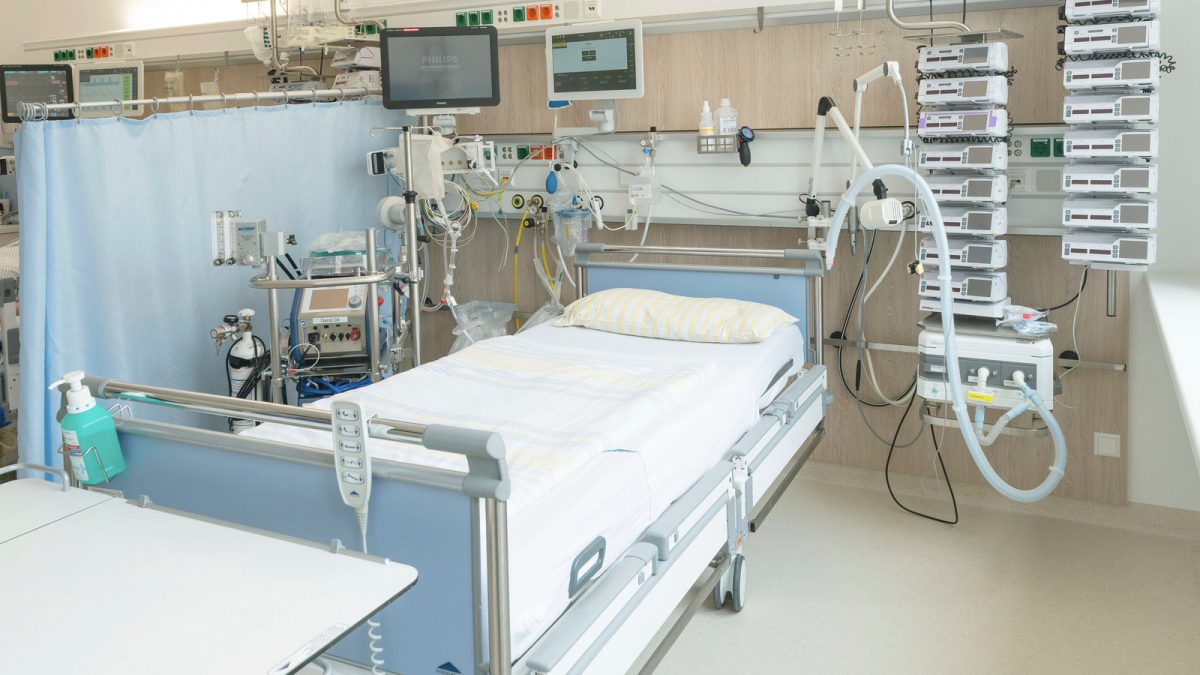
Beds to spare at Covid-19 centres as cases decline in Delhi

NEW DELHI: The falling number of Covid-positive cases in the city has resulted in the major makeshift care facilities witnessing a decline in occupancy.

Billed as the world’s largest Covid care facility with 10,000 beds, Sardar Patel Covid Care Centre and Hospital at Radha Soami Satsang Beas in Chhatarpur currently has only 180 patients. Only 16 patients have been admitted in the DRDO-run 1,000 bedded facility near Dwarka, 72 in the 480-bedded Commonwealth Games Village unit and 20 in the 100-bedded facility at Shehnai banquet hall.

Patients who are not critical and don’t have home isolation facilities are admitted in such makeshift centres. While 15 doctors have been deployed at CWG Village, Shehnai banquet hall has 12.

The Centre and Delhi government rushed to create makeshift Covid-19 facilities when the pandemic was on the verge of explosion in the capital. There was widespread anticipation among the authorities that cases would cross 5 lakh by July-end and the city may need 80,000 beds to treat the patients.

Later, it was found that the number of cases was far below what was anticipated. Delhi government had explained that its anticipation was based on details obtained from central government sources.

Though unused, officials at the makeshift facilities have been reassuring people in that enough healthcare facilities are available for them. This boosts the confidence of people testing positive for Covid-19.

Three patients were discharged from Sardar Patel Covid Care Centre and Hospital on Tuesday. The facility is being managed by Indo-Tibetan Border Police. “A team of 100 medical personnel has been deployed at the facility, including 40 doctors who work in shifts. All those currently admitted are showing signs of recovering. Only five people who turned critical were shifted to Safdarjung Hospital since July 5, when the facility became operational,” said an ITBP official.

Yoga sessions are organised daily for patients, who practice it on their beds to destress and aid their healing process. The centre ahas facilities for recreation, newspapers and books.

Most of the beds at the CWG Village facility, which was created in record six days, are vacant. “We currently have 72 patients and all are in a stable condition. Around 50 beds are oxygen supported, but till now only one patient has required the facility. Patients are discharged after nine days when they don’t have fever for three days. No test is required before the discharge. By July 17, many patients might be discharged,” said Dr Rajat Jain of Doctors For You, an NGO.

Even at the Covid-designated government hospitals, 10,900 of 15,000 beds are vacant. Since the threat of the virus and the possibility of cases peaking has not yet passed, these facilities continue to be important in Delhi’s Covid-19 fight.

Source: https://bit.ly/3iZlD1f

Categories
COVID-19 Government Guidelines Medical Equipments Medical Updates Medicine & Health

स्वास्थ्य देखभाल की आपूर्ति के लिए लॉन्च किया गया ‘आरोग्यपथ’, ये है खासियत

दिल्ली/पटना: सीएसआईआर राष्ट्रीय स्वास्थ्य देखभाल आपूर्ति श्रृंखला पोर्टल https://www.aarogyapath.in  को 12 जून को लॉन्च किया गया. इसका उद्देश्य वास्तविक समय पर महत्वपूर्ण स्वास्थ्य आपूर्ति की उपलब्धता प्रदान करना है. यह आरोग्यपथ निर्माताओं, आपूर्तिकर्ताओं और ग्राहकों की मदद करेगा.

कोविड-19 महामारी से उत्पन्न मौजूदा राष्ट्रीय स्वास्थ्य आपातकाल के दौरान आपूर्ति श्रृंखला में गंभीर समस्या आ रही है. ऐसे में महत्वपूर्ण वस्तुओं के उत्पादन और वितरण की क्षमता विभिन्न कारणों से संकट में पड़ सकती है. इन चुनौतियों से निपटने के लिए “किसी को अरोग्य (स्वस्थ जीवन) की ओर ले जाने वाला मार्ग उपलब्ध कराने”की दृष्टि से आरोग्यपथ नामक यह सूचना मंच विकसित किया गया है.

स्वास्थ्य देखभाल संबंधी सामानों की एक ही जगह उपलब्धता प्रदान कराने वाला यह एकीकृत सार्वजनिक मंच ग्राहकों को रोज महसूस किए जाने वाले कई मुद्दों से निपटने में मददगार साबित हो सकता है.

इन मुद्दों में सीमित आपूर्तिकर्ताओं पर निर्भरता,अच्छी गुणवत्ता वाले उत्पादों की पहचान करने में लगने वाला अधिक समय,वांछित समयसीमा के भीतर उचित मूल्य पर मानकीकृत उत्पादों की आपूर्ति करने वाले आपूर्तिकर्ताओं तक सीमित पहुंच,नवीनतम उत्पादों के बारे में जानकारी का अभाव इत्यादि शामिल हैं.

आरोग्यपथ नाम का यह वेब आधारित सूचना मंच निर्माताओं और आपूर्तिकर्ताओं को पूरी कुशलता से ग्राहकों के एक विस्तृत नेटवर्क तक पहुंचाने, उनके और आस-पास के चिकित्सा जांच केंद्रों, मेडिकल दुकानों, अस्पतालों इत्यादि जैसे मांग केंदों के बीच संपर्क की कमियों को दूर करने मदद करेगा.

यह ग्राहकों की विस्तृत सूची और उत्पादों के लिए दिखने वाली नई जरूरतों की वजह से व्यवसाय का विस्तार करने के अवसर भी उपलब्ध कराएगा. समय के साथ इस मंच से एनालिटिक्स निर्माताओं को उनके अधिक उत्पादन के साथ-साथ जरूरी सामानों की होने वाली कमियों को लेकर भी शुरुआती संकेत दे सकते हैं. यह अपर्याप्त पूर्वानुमान और अधिक विनिर्माण के कारण संसाधनों की बर्बादी को कम करने में मदद करेगा और नई प्रौद्योगिकियों की मांग के बारे में जागरूकता भी पैदा करेगा.

सीएसआईआर को उम्मीद है कि आने वाले वर्षों में आरोग्यपथ राष्ट्रीय पसंद का सूचनात्मक स्वास्थ्य देखभाल मंच बन जाएगा जो भारत में स्वास्थ्य देखभाल सामानों की आपूर्ति की उपलब्धता और उन्हें किफायती बनाते हुए रोगियों के लिए अंतिम समय में जरूरी सामानों की आपूर्ति की खाई को पाटने का अहम काम पूरा करेगा.

आरोग्यपथ सूचना मंच को सीएसआईआरस के महानिदेशक डॉ. शेखर सी. मांडे की उपस्थिति में स्वास्थ्य और परिवार कल्याण मंत्रालय के ऑफिसर ऑन स्पेशल ड्यूटी राजेश भूषण ने लॉन्च किया. इस समारोह में एमएसएमई मंत्रालय के संयुक्त सचिव सुधीर गर्ग और फार्मा सेक्टर के विशेषज्ञ डॉ. विजय चौथियावाले सम्मानित अतिथि थे.

इस पोर्टल को सर्वोदय इन्फोटेक और संस्थागत उपयोगकर्ताओं की साझेदारी में विकसित किया गया। स्वास्थ्य सेवा के लिए जरूरी सामानों के निर्माताओं / अधिकृत आपूर्तिकर्ताओं को पंजीकरण कराने और सक्रिय रुप से अपने काम में भाग लेने के लिए प्रोत्साहित किया गया.

स्रोत- https://bit.ly/39cnxqQ

Categories
COVID-19 Government Guidelines Medical Updates Medicine & Health

The Indian healthcare system needs an overhaul

The Covid-19 pandemic has served a stark reminder that economies can be brought to a grinding halt if public healthcare systems are inadequate, clearly demonstrating the need for increased investment in the sector.

While economic growth may be an important indicator of development, the quality of a country’s public healthcare system better demonstrates the standard of living enjoyed by a wider spectrum of the population. The Covid-19 pandemic has served a stark reminder that economies can be brought to a grinding halt if public healthcare systems are inadequate, clearly demonstrating the need for increased investment in the sector.

Owing to rapid urbanization in recent decades, India faces a development paradox that is widely prevalent among the fast-growing global economies; basic necessities are either unavailable or unaffordable to the vast majority of urban dwellers and secondly, there is tremendous strain on public infrastructure as an increasing number of people chase a diminishing parcel of public goods. While India requires 15 doctors and 20 hospital beds per 10,000 people, we currently only have about half of that number. This translates to 700 million people underserved by the system. There’s also a huge disparity between urban and rural areas in terms of access to specialised care. We urgently need to address this shortfall. Public expenditure on health needs to increase manifold so we can build a well-equipped and self-sufficient network of medical facilities quickly across our Tier II cities, towns, and villages, which will help reduce the burgeoning load on metropolitan healthcare infrastructure.

However, there are significant challenges. Achieving the build quality and maintenance standards of private healthcare projects is still an uphill challenge for government-funded healthcare buildings. A few common issues that plague current hospitals are inadequate day-lighting, poor ventilation systems leading to cross-infection, greater building widths leading to doubly-loaded corridors with no connection to the outside, high energy costs and maintenance problems. One solution to address these issues could be to design interactive facilities that draw from the ideas of biophilia: an innate human tendency to seek connections with nature and other forms of life. Such interventions place patient experience and wellbeing at the core, leading to swifter healing, while also reducing construction and building lifecycle costs.

Cross-infection and contamination can be tackled through design changes such as naturally-ventilated spaces that increase the rate of natural air exchange, segregation of different functions by creating general, semi-sterile and sterile zones (for example, waiting areas to OPDs to ICUs) and creating buffer zones in between. Designing the building with an East-West orientation to improve daylight, providing centralized courtyard landscapes to provide passive evaporative cooling, and adding solar panels to reduce dependency on conventional forms of electricity, are some ways to optimise building energy consumption and improve efficiency. Also, designing decentralized micro-service zones that run parallel to various departments can help make regular servicing and maintenance easier and quicker.

Today, as our understanding of health and wellbeing evolves, new construction technologies provide limitless possibilities in this sector. Building Information Modeling (BIM), for example, which can help determine the optimal geometry of buildings in response to certain parameters, can aid in pre-empting problems and shortening the time of construction to save costs, while ‘temporary and transformable’ architecture has enabled emergency mitigation like never before. Imbibing such innovations within healthcare design holds the key to streamlining our systems for better performance –– from accessibility of essential public services and improved patient care to the wellbeing of our economy.

Source:

Categories
COVID-19 Government Guidelines Medical Equipments Medical Updates

India’s medical needs: Global collaboration matters now more than ever

While the self-reliant model seems promising, it is important to note the role of the global industry, which, so far, has catered to 70% of India’s medical equipment needs

To bring India on the path of rapid development, five things are very important to build a self-reliant India-intent, inclusion, investment, infrastructure and innovation”, said PM Modi in a recent speech as India entered its first phase of ‘unlock’. As the pandemic impacts close to four lakh lives in the country, the dire need for building capacity has set in motion India’s long-awaited dream of self-reliance. From zero, the country now manufactures 4.5 lakh PPE suits a day and has more than 600 companies certified to make them. Inching closer to developing a vaccine, one of India’s pharma giants has entered the second phase of the clinical trials of a drug, which is touted among the most promising treatments of coronavirus. Moreover, three Indian companies also made it to NASA’s list of international manufacturers who were selected to make a new ventilator tailored for coronavirus (Covid-19) patients. India is also leading the race to make affordable, low-cost ventilators. Self-reliance has taken a whole new meaning for the country as we wait for the pandemic to wane. But how self-reliant are we, especially with an abysmally low spend on healthcare?

While it is encouraging to see the domestic industry getting the much-needed impetus, the government must be careful about the quality assurances it is giving its people. For instance, even as the domestic players get the legal nod on making kits and ventilators, the quality of these products has been a cause of concern. One such incidence that questioned the quality of ventilators and focused on patient safety was the Gujarat model of 900 ventilators, where fake ventilators were installed across the state without any mandatory licence from Drug Controller General of India.

India has become the world’s second-largest manufacturer of PPEs, second only to China. This news fits perfectly into India’s self-reliant rhetoric. The demand for PPE kits has brought many players into the market, who are getting the government’s nod to manufacture and sell. However, with little to no information available about the identification of kits, the end consumer is bound to have a trust deficit. Some of them do not even carry a certification notice. We are being told that India is working in line with the global best practices. Recent reports revealed, many PPEs from India don’t carry any certification marks and are not using the GS1 global standards being used by all manufacturers of genuine products. We know that nurses at All India Institute of Medical Sciences (AIIMS) and many other healthcare centres in the country have been complaining about the lack of PPEs and proper guidelines to handle the Covid-19 situation. We also had Dr Srinivas Rajkumar T from the AIIMS raise the issue of the quality of N95 masks provided by the hospital for use.

This is exactly why we need to comply with global standards. Now, let us understand what GS1 means for the Indian market.

GS1 standards are required to enable identification of medical products unambiguously. These standards also help in identifying counterfeit products in the market, thereby, assuring patient safety and quality. In India, GS1 India operates with a ‘Smart Consumer’ app, which gives access to information about products by scanning their barcodes for complete identification. What happens when the products are sold without these identifications in the market? Healthcare workers and patients utilise products that could potentially have serious quality lapses.

So, when we hear the PM speak of the country producing over two lakh PPE kits in a day (with numbers doubling every day), it does little to assure protection and quality if these standards are not met. And, even with a shortage of PPE kits in the country, recent reports were emerging out of Punjab that their kits were unutilised, the state apparently has 35% underused stock. According to media reports, “the Industries Minister Sunder Sham Arora has written to Union minister of commerce and industry, Piyush Goyal, to allow export of PPE kits so that the industry may operate to the fullest”. This is where global partnerships come into play. Battling the disease front and centre, the only way to salvage the situation is for governments and the medical industry to work in tandem to contain the spread.

The push for self-reliance also comes at a time when India is collaborating with the world for everything from vaccines to drugs, medical equipment and more. Even as India speaks of making its ventilators, the industry is still heavily import-dependent. The disruptions in global supply chains have not undermined the potential of the global industry in meeting India’s demands. From ventilators to PPE kits, the country has reached out to the world for better access, and the world has responded to its call.

With India ranking fourth in the number of global Covid cases, we need to upend healthcare systems like never before. And, clearly, relying on the domestic market alone is only putting more lives at risk. While the self-reliant model seems promising, it is important to understand the role of the global industry, which, so far, has catered to 70% of India’s medical equipment needs.

The government must pull all stops to ensure that India has the diagnostics, ventilators, protective gears and equipment our people need to fight the disease. Even as PM Modi assured some $20 billion budget for healthcare professionals, it does not change the fact that the system is still reeling under an acute shortage of diagnostics, testing kits, only 48,000 ventilators and the need for more than 38 million masks to combat the virus.

Even as India tries to create its gear and equipment, it will not happen overnight; we would still need to work in tandem with the global players who are willing to offer help at this point. In a promising step, to evaluate the quality of coronavirus testing kits, the country has given test licenses to around fourteen private companies, which also includes Swiss firm Roche Diagnostics India and Abbott. Partnerships like these matter now, more than ever. The one thing to learn from the crisis is that we need to look at the situation from a global lens.

With the Covid-19 juggernaut rolling at a pace that could put millions of more lives at risk, maybe, what India needs to look at is creating an environment that fosters innovation and improves the quality of care for its people. India needs to create a conducive policy environment to ensure that global innovations come to its shores and reach its people. Moreover, at a time when the world is looking at India as the next big manufacturing hub, the government should look at global partnerships to bolster its stance.

Source: https://bit.ly/2ZrGr9Q

Categories
COVID-19 Government Guidelines Medical Updates

स्‍वास्‍थ्‍य देखभाल संबंधी सामग्री की आपूर्ति के लिए CSIR ने लॉन्च किया Portal Aarogya Path

स्‍वास्‍थ्‍य  देखभाल संबंधी सामग्री की आपूर्ति के लिए एक पोर्टल Aarogya Path बनाया गया है जो कोविड-19 महामारी से प्रभावी तरीके से निपटने में Manufacturers, Distributors और Consumers के लिए सहायक होगा। यह पोर्टल आपूर्ति श्रृंखला में आ रही बाधाओं को दूर करने में मदद करेगा।

इस पोर्टल का उद्देश्‍य राष्‍ट्रीय स्‍तर पर देखभाल संबंधी सामग्री के संबंध में सूचना प्रबंधन और भविष्‍य की जरूरतों का आकलन करना है। इस पर स्‍वास्‍थ्‍य देखभाल संबंधी वस्‍तुओं की मांग और आपूर्ति की जानकारी दर्ज होगी। इससे अस्‍पतालों, प्रयोगशालाओं, शोध संस्‍थानों, चिकित्‍सा कॉलेजों और रोगियों को मदद मिलेगी। यह पोर्टल Distributors, Manufacturers और Importers को Medical devices, Medicine, व्‍यक्तिगत सुरक्षा उपकरण और अन्‍य वस्‍तुओं की मांग का आकलन करने में मदद करेगा।

Council of Scientific and Industrial Research (CSIR) ने कहा है कि आने वाले वर्षों में आरोग्‍य पथ स्‍वास्‍थ्‍य देखभाल की सूचना देने वाला प्रमुख केंद्र होगा। इससे उपभोक्‍ताओं और आपूर्तिकताओं के बीच दूरी घटेगी तथा उचित दरों पर चिकित्‍सा उपकरण उपलब्‍ध हो सकेंगे।

स्रोत – https://www.yuvapress.com/news/csir-launches-aarogyapath-to-provide-real-time-availability-of-critical-healthcare-supplies