Categories
Government Guidelines Medical Updates Medicine & Health Techniques

India to see 80% increase in investment of digital healthcare tools in the next 5 years: MoS Jitendra Singh

Synopsis

Singh added that India has all the essential ingredients for the exponential growth in this sector, including a large population, a robust pharma and medical supply chain, smartphone users, and technical manpower.

The COVID-19 pandemic has accelerated the adoption of digital technologies across industries, including health care, which resulted in new innovations and an uptake in virtual care.

Speaking at the Global Digital Health Summit, Expo & Innovation Awards Addressing the summit, Minister of State for Science and Technology, Jitendra Singh, said, “This summit is an excellent opportunity to focus on research and innovation priorities, particularly in relation to the digital advances in the healthcare sector. Spurred by the COVID-19 pandemic, rapid digitisation, increasing internet and smartphone penetration, and government initiatives like Make in India and National Digital Health Mission, the healthcare sector is digitizing and innovating at an accelerated speed,” said Singh.

The Minister added that under PM Modi’s leadership healthcare has become more focused on innovation and technology over the past few years. 80% of the healthcare systems are aiming to increase their investment in digital healthcare tools in the coming five years. Indian innovators are developing pathbreaking health-tech products and solutions. The government is applying these digital health developments through the Ayushman Bharat Digital Mission,” said Singh.

India to see 80% increase in investment of digital healthcare tools in the next 5 years: MoS Jitendra Singh

Singh added that India has all the essential ingredients for the exponential growth in this sector, including a large population, a robust pharma and medical supply chain, smartphone users, and technical manpower. “As the pace of digital innovation accelerates, the opportunities for healthcare companies and manufacturers will multiply and patient outcomes will improve,” Singh said.

In a bid to address issues critical to building a digital ecosystem aiming at digital health for all and how organisations can adopt digital technologies, the Global Digital Health Summit, Expo & Innovation Awards kicked off at New Delhi’s Vigyan Bhawan on October 28, 2022 with an attendance of more than 1500 delegates from 50 countries.

The two-day summit began with a welcome address by the Summit co-chair Brian O’Connor and a keynote address by Bakul Patel, Senior Director – Global Digital Health, Strategy and Regulatory, Google. It was followed by a panel discussion on ‘Return on Investment in Digital Health’. Chaired by Rajendra Pratap Gupta, Chairman – Dynamic Coalition on Digital Health, IGF – United Nations, and the panel featured Cathy Wolfe, President & CEO, GGM, Wolters Kluwer, USA; Dr Devi Shetty, Chairman & Executive Director, Narayana Health; Rustom Lawyer, Co-founder & CEO, Augnito; Anand Iyer, Chief Analytics Officer, Welldoc Inc, USA; and Manivannan Selvaraj, Founder & MD, Kauvery Group of Hospitals. The session highlighted the importance of the clinical decision support system (CDSS), challenges, and the way forward for affordable and accessible healthcare.

“In India, as of 2020, the ratio of doctors to population stands at 7.35 to 10,000. It is important to overcome the ratio and provide cost-efficient access to quality care and onboard into digital health. CDSS provides evidence-based medicine, which is way faster and diverse than experience-based medicine. This arrangement not only helps with reducing physician burnout but also ensures improved patient outcomes. Equitable healthcare, the right care at the right time, improved outcomes can result in immediate ROI,” said Wolfe.

Commenting on the way forward, Lawyer shared, “I believe that better healthcare for all is possible by leveraging the power of digital tech artificial intelligence. For best results, we need to build ICT strategy and framework keeping technology investment as a profit centre rather than a cost centre, drive population health analytics by investing in technology that introduces and enhances EMR adoption, invest in solutions that make it easier for doctors to adopt digital solutions such as ABDM,  and invest in technology that augments current workforce as shortage of doctors cannot be solved overnight.”

The second half of the event had Patricia Mechael, Co-founder – Global Digital Health Index, delivering the keynote address wherein she highlighted the challenges in data sharing and accessibility, followed by a panel discussion on ‘Adoption of digital health across the continuum of care: hospitals, pharma, clinicians- challenges and solutions’, featuring Rajesh Ranjan Singh, CEO – WISH Foundation; Uma Nambiar, MD – Zeeden Life Sciences; Sudarashan Jain, Secretary-General, Indian Pharmaceuticals Alliance; Manivannan Selvaraj, Founder & MD, Kauvery Group of Hospitals; Ruchi Tushir, VP & GM – Wolters Kluwer GGM India; and Binu Sharma, Senior Director Nursing, Max Healthcare Institute.

“Data accessibility plays an important role in delivering high quality patient care as it provides clinicians with immediate access to patient records, including medical history, test results and relevant information provided by other clinicians. With access to the right data, clinicians can deliver exceptional healthcare by making informed decisions substantially faster,reducing wait times and contributing to providing better healthcare at a better cost. However, access to data that is clean, complete, accurate for use is still an ongoing battle in the healthcare sector. This needs to be addressed immediately,” said Mechael in her keynote address.

The summit concluded with another panel discussion on ‘Making India a World Leader in Digital Health Implementation’ featuring Bharat Lal, Director General – National Centre for Good Governance, GoI; Vaidya Rajesh Kotecha, Secretary – AYUSH, GoI; Vivek Sehgal, Director General – Organisation of Pharmaceutical Producers of India; and Sanjay Sood, Project Director – eSanjeevani (National Telemedicine Service), C-DAC Mohali.

Other highlights of the event included the release of ‘Women’s Health Guideline’ and ‘Digital Health for All – By 2028’, and launch of Project Concern 2028 and Health Parliament.
Read More at-https://bit.ly/3gYmAKD


Categories
Government Guidelines Medical Updates Medicine & Health Techniques

Government to launch national tele-mental health programme, toll-free helpline number soon

Synopsis

The government is preparing to launch a national tele-mental health programme and a toll-free helpline number soon, reported PTI. This is likely to enable wider access to mental health assistance across the country. The national tele-mental health programme (NTMHP) was first announced by Union Finance Minister Nirmala Sitharaman in the Union Budget 2022-23.

The government is preparing to launch a national tele-mental health programme and a toll-free helpline number soon, reported PTI. This is likely to enable wider access to mental health assistance across the country.
The national tele-mental health programme (NTMHP) was first announced by Union Finance Minister Nirmala Sitharaman in the Union Budget 2022-23.

“The pandemic has accentuated mental health problems in people of all ages. To better the access to quality mental health counselling and care services, a ‘National Tele-Mental Health Programme’ will be launched,” she had said.

Government to launch national tele-mental health programme, toll-free helpline number soon

This will include a network of 23 tele-mental health centres of excellence, with the National Institute of Mental Health and Neurosciences (NIMHANS) being the nodal centre and the International Institute of Information Technology, Bengaluru (IIITB) providing technological support.

As part of the programme, at least one tele-MANAS (Tele-Mental Health Assistance and Nationally Actionable Plan) cell would be established in each state and union territory and there will be five regional coordinating centres, reported PTI citing official sources.

A toll-free helpline number will also be set up across the country, allowing callers to select the language of choice for availing services. The calls would be routed to tele-MANAS cells in the respective state and union territory, the source stated.

According to a Lancet study published in October last year, the percentage increase in the prevalence of clinically significant depression and anxiety disorders due to the COVID-19 pandemic in 2020 was estimated to be approximately 35 per cent in India.

There has been a 10 per cent rise in the number of suicides reported in 2020 in India as compared to 2019, according to National Crime Records Bureau (NCRB) data.
A study published this year by Dr Rajesh Sagar, professor of psychiatry at AIIMS, stated that India has a huge burden due to mental health problems with one in every seven persons estimated to be suffering from a clinically diagnosable mental disorder.

Further, the COVID-19 pandemic had significant direct and indirect negative effects on the mental health of the entire population, he said in his study titled ‘National Tele-Mental Health Program in India: A step towards mental health care for all?’

The study stated that the vision of tele-MANAS involves linking these new tele-mental health centres with the existing network of locally available mental health resources at nearby centres of excellence, medical colleges, district hospital and other mental health services run by the central and/or state governments.

This will help in providing immediate mental health care to a person in acute psychological distress and facilitate continuity of care by making appropriate referrals to nearby specialised mental health services depending upon the person’s convenience and severity of the mental health problem, it said.

The NTMHP also envisions linking tele-mental health services with other health-related schemes and services provided by the government under the Ayushman Bharat Digital Mission (national digitalisation of health records and services) and the e-Sanjeevani platform (national tele-consultation service).

The effects of COVID-19 on mental health are prevalent. Long-term social distance protocols, fear of illness, death and future unpredictability, loss of educational and employment opportunities, economic downturn, and high work stress environment experienced by frontline healthcare workers have all been raised as concerns regarding the impact on mental health, Dr Sagar said.

“Social media misinformation and excessive screen time have become major issues in a society that is growing. Increasing common mental disorders at an alarming rate is a trend seen today (PTSD, anxiety, depression, suicidality, substance abuse, and post-Covid syndrome).

“Much stress brought on by infection prevention and control because of lockdown, self-isolation, and quarantine has led to a detrimental effect on mental health,” PTI quoted him as saying.

“Although toll-free numbers and telepsychiatry consultations have had a favourable impact on people’s decisions to seek care, prioritising the need of the most vulnerable individuals when allocating resources for mental health care is crucial,” he said.
Read More At:-http://surl.li/dfbqb


Categories
Techniques

Digital tech adoption in healthcare among highest in India

Digital technologies adoption by health and human services (HHS) organizations is among the highest in India, showed a new survey by global consultancy major EY and Imperial College London.

Digital technologies adoption by health and human services (HHS) organizations is among the highest in India, showed a new survey by global consultancy major EY and Imperial College London on Thursday.

The findings showed that 51 percent of respondents in India have increased their use of digital technologies and data solutions since the outbreak of the pandemic.

The results are based on a survey of more than 2,000 global HHS professionals in six countries – India, Australia, Italy, the United Arab Emirates (UAE), the UK, and the US — including 359 respondents from India.

While 74 percent of respondents in India reported that digital technologies and data solutions have increased staff productivity, 75 percent reported that digital solutions have been effective in delivering better outcomes for patients and service users.

“The response to the Covid-19 pandemic has shown that data and technology can make a real difference to the work of health and human services professionals in India, who have worked tirelessly and heroically in the face of this dreadful disease,” Gaurav Taneja, Partner and Leader, Government and Public Sector, EY India, said in a statement.

“With adequate government support and incentives, India has truly set an example to the rest of the world that it can lead and pave the way for technology adoption in healthcare.”

While health organizations have historically often lagged in other sectors in terms of adopting digital technologies and data solutions, the response to the Covid-19 pandemic has driven a change in priorities.

Almost two-thirds of respondents globally report an increase in the use of data and technology solutions, as the industry adapts to new ways of working under pressure.

In terms of specific digital technologies and data solutions, the percentage of respondents using these technologies has more or less doubled across the board since the beginning of the pandemic; and mental health services are more or less equal to physical health and social services in terms of use.

According to the survey, phone and video consultations have seen the greatest uptake across all technology solutions, with phone consultations being offered by 81 percent of HHS organizations (up from 39 percent before the pandemic) and video consultations available from 71 percent of organizations (up from 22 percent before the pandemic).

Compared to this, the uptake has been higher in India at 86 percent for a phone consultation (up from 48 percent before pandemic) and at 83 percent for video consultations (up from 33 percent before pandemic).

The public sector organizations in India preferred digital tools for self-help (92 percent organizations) and online self-assessment tools (89 percent organizations) over the phone consultation and video consultation, said the report.

Also, in India, about three fourth of the respondents reported positive experiences with digital technologies and data solutions, leading to better collaboration and efficiency in the operating model, results showed.

Categories
Medicine & Health Techniques

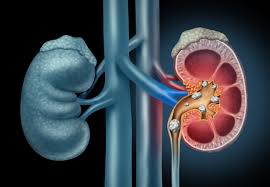
8 Signs and Symptoms of Kidney Stones

What Are Kidney Stones?

Kidney stones (renal calculi) are clustered deposits of minerals and salts in your kidneys. When the urine gets concentrated, it leads to the crystallization of these salts and minerals, forming these stones. These stones can deposit anywhere in your urinary tract, from your kidneys to even your bladder. Kidney stones formation happens when the urine contains substances that often form crystals— such as uric acid, calcium, and oxalate — then the urine can dilute. Some medical conditions, obesity, excess weight, and not drinking enough water are other causes of kidney stones. These stones don’t cause any permanent damage if diagnosed and treated on time. But, passing these stones through your urethra is very painful. You may need nothing more than to drink lots of water and take painkillers to pass a kidney stone. But if the stone has become stuck in the urinary tract and is causing a urinary infection, you may have to go under surgery.
And if you are at risk of developing the stones again, you’ll have to take other preventive methods recommended by your doctor.

Signs and Symptoms of Kidney Stones:

These stones don’t cause any pain and symptoms if it isn’t moving around into your kidney or passing through your ureters. If the stone is stuck in the ureter, it can block the urine flow, which in turn will cause swelling in your kidneys and ureter spasm. It will cause much pain, and you may experience these symptoms :

  • Severe pain in your back or side of the Abdomen, swelling of the feet.
  • Radiating pain in the lower abdomen and groin.
  • Difficulties while urinating ( burning sensation and pain).
  • Blood in the urine.
  • Vomiting and nausea.
  • Foul-smell in the urine because of the infection.
  • Urinating in small amounts but very often.
  • Chills and fever.
Categories
Medical Updates Medicine & Health Techniques

‘Technology has power to improve healthcare’: Dr Sangita Reddy

Sangita Reddy, Joint Managing Director, Apollo Hospitals, on Monday said that technology has power to improve healthcare delivery systems. Speaking at a panel discussion on the healthcare sector on the first day of Bio Asia 2021, she said: “Technology has the power and it can provide continues care, seamlessly maintain record of the patient from all the doctors for a better advice. AI models will improve on how data being captured. Skills shift will happen, but we need to use it in aright way to continue the constant delivering of services”.

During the Covid-19 pandemic, we could provide tele healthcare and 5,000 hotel rooms were converted into hospital rooms to deliver service. Staff is been retrained, re-engineering of the system and lay out the machinery to give home nursing is done, she added. Debjani Ghosh, president, NASSCOM, in her address, elaborated on the technology’s pivotal role in digitization of health care. “Digitization was on a slow pace earlier but Covid-19 has accelerated it significantly and it has left efficient room for doctors to interact with patients but humans must be placed at the centre because technology is an enabler and so decisions are to be taken by humans. On the overflooding of data the internet, Ghosh added that data is accessible but setting the framework for how long, what is the purpose, Its safety, security is needed.


View this post on Instagram


A post shared by Aarogyapath (@aarogyapath)

source: https://www.thehansindia.com/news/

Categories
COVID-19 Techniques

Co-WIN: Mobile app for real-time monitoring of COVID-19 vaccination

The Union Health Ministry has developed a digital platform, including a mobile application, for real-time monitoring of COVID-19 vaccine delivery, recording data and to enable people to get themselves registered for vaccination. Addressing a press meet on Tuesday, Health Secretary Rajesh Bhushan said the platform, Co-WIN, will help monitor the entire vaccination process.

“Co-WIN digital platform includes a free downloadable mobile application which can help record vaccine data. One can register themselves on it if they want the vaccine. There are five modules in Co-WIN app — administrator module, registration module, vaccination module, beneficiary acknowledgement module and report module,” he said. Bhushan said the administrator module is for the administrators who will be conducting these vaccination sessions. “Through these modules, they can create sessions and the respective vaccinators and managers will be notified, he said.

The registration module is for people to get registered for vaccination. It will upload bulk data on co-morbidity provided by local authorities or by surveyors. The vaccination module will verify beneficiary details and update vaccination status while the beneficiary acknowledgement module will send SMS to beneficiaries and also generate QR-based certificates after one gets vaccinated.

“The report module will prepare reports of how many vaccine sessions have been conducted, how many people have attended those, how many people have dropped out etc., Bhushan said while elaborating on the digital platform. The mobile application will also send real-time data of temperature of the cold-storage facilities to the main server, he said.

Categories
COVID-19 Medical Updates Techniques

Precautions to celebrate safe Diwali in COVID-19

Diwali 2020 is here but the global pandemic of the novel coronavirus has subdued the vibe and energy of the festival. However, don’t worry, keep your excitements intact as you can still have a lot of fun by following a few guidelines. To ensure the safety and security of the people government has issued some rules and regulations on how to celebrate festivals this year. Mostly, large gatherings and events have been cancelled and the experts are suggesting to stay indoors and follow strict rules of safety. Therefore, we are here with a few tips on how to have safe Diwali celebrations this year keeping in mind the physical distancing and hygiene amidst the COVID-19 outbreak.

Don’t use sanitizer before lighting diya/candles

Refrain from using hand sanitizers which are alcohol-based before lighting diyas, candles or any such thing. This is because sanitizers are inflammable and can cause fire hazards. It is recommended by the experts that you wash your hands with soap and water before doing anything which involves lighting fire.

Keep sanitizer away from fire

Sanitizer bottles are common in household and people keep it handy due to ward off the germs during COVID-19 pandemic. But, since maximum sanitizers are alcohol-based, they can easily catch fire. Therefore, keep your sanitizer bottles on a safe place.

Maintain physical distancing

Yes, we know Festivity is all about togetherness and strengthening bonds. This festive season, try and adjust to the new normal and avoid meeting people physically. It is recommended that you celebrate Diwali this year staying indoors mostly. However, if you are meeting someone, fold your hands in namaste or greet in any other way without physical contact.

Don’t forget your mask

It is significant to be responsible and take mandatory precautions. COVID-19  pandemic this year has made the use of mask necessary. Therefore, every time you step out, don’t forget to cover your nose and mouth to save yourself from getting infected.

source: https://www.indiatvnews.com/health/healthcare-tips-how-to-keep-yourself-safe-during-diwali-in-covid-times-660159

Categories
COVID-19 Government Guidelines Medicine & Health Techniques

‘India to become healthcare provider to the world’


‘India to become a healthcare provider to the world’

The Medical device sector has a crucial role to play in improving accessibility and affordability of healthcare especially with regard to the availability of precision devices stated D V Sadananda Gowda , Union Minister for Chemicals & Fertilizers during his inaugural address at the 12th MedTech Global Summit .

We now must turn our attention to correct our high import dependence. Our pharmaceutical sector will become Atmanirbhar in a short period of 2-3 years, not only domestically but globally providing low cost and high-quality equipment and drugs.

Our Product Linked Investment schemes will attract cumulative investment of INR 78,000 crore and generate 250,000 in employment, with Med tech attracting at least 40,000 crore and employing 140,000 new employees.

The government is committed to providing low cost, affordable health care to every citizen through PMJAY and Ayushman Bharat with both schemes significantly reducing out of pocket expenditure for our citizens.

The medical device industry has labored and helped prepare indigenous products in our fight against COVID, with our production of ventilators proof of the success of Indian indignity stated Piyush Goyal.

It showed to the world that India can be a trusted partner when it comes to global engagement and global trade. This is the time to leverage the tools of technology to recharge our health systems with the power of: Access, Awareness and Availability, he added.

Chandrajit Banerjee , Director General, Confederation of Indian Industry expressed his gratitude towards the Department of Pharmaceuticals and the phenomenal work undertaken through the recent PLI schemes launched for bulk drug parks and med tech parks. These are the progressive steps required for us to become Aatma Nirbhar.

The Industry and Government need to work together to steer India to become global suppliers of medical Technology. There should be a greater streamlining of the regulatory process, a single national Med-Tech policy and a signal nodal body to govern and support the sector is imperative, he added.

In this pandemic, all the healthcare ecosystem has come together, and have eliminated the need for importing stated Dr Naresh Trehan , Chairman, CII National Committee on Healthcare & Chairman & Managing Director, Medanta – The Medicity. In order to further move up the value chain, Med-Tech, the entire healthcare spectrum, Scientific Intuitions and Government need to be brought on to the same platform to allow for convergence. We need to make a plan to take to the government so that all stakeholders across can help collaborate and innovate.

Source:  http://Source: http://www.smetimes.in/smetimes/news/top-stories/2020/Aug/24/india-healthcare53157.html


Categories
Medical Updates Medicine & Health Techniques

DNA ‘remembers’ poor blood glucose control in diabetes

A study has revealed how poor management of blood glucose levels in people with type 1 diabetes can increase their risk of complications decades later.

In 2016, around 1.3 million adults in the United States, about 0.55% of the adult population, had type 1 diabetes, according to the Centers for Disease Control and Prevention (CDC).

Early in the course of the disease, the immune system destroys cells in the pancreas that produce insulin.

As a result, people with the condition are unable to generate enough insulin to regulate the amount of glucose, or sugar, circulating in their blood.

Over time, high levels of blood glucose, an issue called hyperglycemia, can damage tissues all over the body, including in the eyes, kidneys, nervous system, and cardiovascular system.

Even if a person regulates their blood glucose later in life, early episodes of poor glycemic control can have permanent effects, increasing the risk of developing complications.

Doctors have long recognized this phenomenon, known as metabolic memory, but its causes have been poorly understood.

Research involving animal models of diabetes had implicated epigenetic changes, which affect the activity of particular genes without altering their DNA sequences. The changes can result from disease or factors relating to a person’s environment or lifestyle.

However, direct evidence that epigenetic changes influence the risk of diabetes complications in humans has been lacking.

Now, however, scientists led by a team from the Beckman Research Institute of City of Hope, in Duarte, CA, have discovered a strong association between early episodes of poor glycemic control, epigenetic changes, and diabetic complications years later.

The research appears in the journal Nature Metabolism.

Genetic switches and type 1 diabetes

The scientists profiled a type of epigenetic modification called methylation in DNA from cells in archived blood samples. Methylation switches off genes, preventing them from producing the proteins that they encode.

The blood samples were collected some 2 decades earlier, from patients with diabetes who were closely monitored as part of the Diabetes Control and Complications Trial (DCCT). This study showed that people who kept their blood glucose levels close to the normal range had significantly fewer diabetic complications during the 10 years of the study.

The researchers behind the current investigation analyzed the DNA in samples from 499 randomly selected DCCT participants who had been subsequently included in a follow-up study, called Epidemiology of Diabetes Interventions and Complications.

They looked for associations between how well the patients controlled their blood glucose during the earlier trial, DNA methylation at the end of that trial, and the development of diabetic complications over the next 18 years.

Specifically, they focused on damage to the retina of the eye, called retinopathy, which can lead to blindness, and damage to the kidneys, called nephropathy, which can lead to kidney failure.

The team found associations between early blood glucose control and methylation at 186 sites in the participants’ DNA. Many of these sites were in genes known to be involved in diabetic complications.

The epigenetic changes collectively accounted for at least 68% of the association with subsequent diabetic retinopathy and up to 97% of the association with diabetic kidney disease.

In other words, the findings suggest that epigenetic changes in DNA are what constitute metabolic memory in people with type 1 diabetes.

Source: https://bit.ly/3g0dOGF

Categories
Medical Updates Medicine & Health Techniques

Researchers reveal simpler way to generate sensory hearing cells called ‘hair cells’

A team of researchers is revealing the secrets of a simpler way to generate the sensory cells of the inner ear. Their approach uses direct reprogramming to produce sensory cells known as “hair cells,” due to their hair-like protrusions that sense sound waves.

A team of researchers is revealing the secrets of a simpler way to generate the sensory cells of the inner ear. Their approach uses direct reprogramming to produce sensory cells known as “hair cells,” due to their hair-like protrusions that sense sound waves.

Led by scientists from the USC Stem Cell laboratories of Neil Segil and Justin Ichida, the results of study were published in the journal eLife.

“We’ve succeeded in directly reprogramming a variety of mouse cell types into what we’re calling ‘induced hair cell-like cells, or iHCs. This allows us to efficiently generate large numbers of iHCs to identify causes and treatments for hearing loss,” said PhD student Louise Menendez, the study’s lead author.

The scientists successfully reprogrammed three different types of mouse cells to become iHCs. The first two types were embryonic and adult versions of connective tissue cells, known as fibroblasts. The third was a different type of inner ear cell, known as a supporting cell.

A team of researchers is revealing the secrets of a simpler way to generate the sensory cells of the inner ear. Their approach uses direct reprogramming to produce sensory cells known as “hair cells,” due to their hair-like protrusions that sense sound waves.

Led by scientists from the USC Stem Cell laboratories of Neil Segil and Justin Ichida, the results of study were published in the journal eLife.

“We’ve succeeded in directly reprogramming a variety of mouse cell types into what we’re calling ‘induced hair cell-like cells, or iHCs. This allows us to efficiently generate large numbers of iHCs to identify causes and treatments for hearing loss,” said PhD student Louise Menendez, the study’s lead author.

The scientists successfully reprogrammed three different types of mouse cells to become iHCs. The first two types were embryonic and adult versions of connective tissue cells, known as fibroblasts. The third was a different type of inner ear cell, known as a supporting cell.

“Hair cells are easy to damage, and currently impossible to repair in humans,” said Segil, a professor in the Department of Stem Cell Biology and Regenerative Medicine, and the USC Tina and Rick Caruso Department of Otolaryngology – Head and Neck Surgery, and one of the corresponding authors of the study.

“Aging, loud noises, and certain chemotherapy drugs and antibiotics can all lead to the permanent loss of hair cells, which is the leading contributor to hearing loss worldwide,” Segil added.

iHCs have the potential to accelerate hearing loss research in at least two important ways, according to Ichida, who is the John Douglas French Alzheimer’s Foundation Associate Professor of Stem Cell Biology and Regenerative Medicine at USC, and the other corresponding author of the study.

“In the near term, researchers can use iHCs to screen large numbers of drug candidates that might prevent or treat hearing loss,” said Ichida, who is also a New York Stem Cell Foundation-Robertson Investigator.

“And further in the future, it could become possible to directly reprogram supporting cells in the inner ear of a deafened individual, as a way to restore hearing,” added Ichida.

Source: https://bit.ly/32tA3AZ