Categories
Medical Updates Medicine & Health

Here’s what patients on dialysis need to know about the process and its safety

For people whose kidney functions decline with time, the process of dialysis works as an alternative, and keeps them healthy. It is said that haemodialysis is among the most advanced technologies used in outpatient settings. “Though there are safety checks and controls, the processes of care, the capability of the health care worker delivering the service, and an engaged and informed patient are key to achieving topmost priority at a dialysis centre,” says Dr Suresh Sankar, Nephrologist & Senior VP, Clinical Affairs, NephroPlus.

The doctor says that patient safety events in dialysis can occur in the following aspects of care:

* Initiation and ending of dialysis session
* Type of dialyzer used and whether the appropriate labelled dialyzer was used
* Amount of blood thinner used
* Medications
* Fluid removal on dialysis
* Infections

How can the treatment be made safer?

“It starts with knowing where safety matters and taking the right action,” says Dr Sankar.

– Give time to your technician and nurse for the process of care when starting and ending the session.
– Know about the kind of kidney filter used and if it is to be reused, its identity has been verified. You could gently ask your care provider to recheck it especially if there is another patient with the same or similar name in your centre.
– Ask your doctor about the amount of blood thinner you will need and know the same recommendations are followed.
– Ensure your prescription is updated regularly, and insist on a copy of your medication prescription in your dialysis chart.
– Limit your fluid intake to what is appropriate for you and do not insist on ‘maximal fluid removal’ during the session. Based on each individual’s body weight, duration of the session, there is a limit to how much fluid can be removed.
– Clean your fistula site with soap and water before every dialysis treatment.
– Clean your hands with soap and water or waterless alcohol-based sanitizer before you start your dialysis session and after you leave.
– If you have a catheter, wear a mask and request your care provider to wear a mask when starting and ending dialysis. Know the signs when a catheter could be infected.
– If you don’t have a permanent fistula, but will need dialysis for your lifetime, discuss the early placement of a fistula with your doctor, before the need for dialysis.
– Ensure you have taken the vaccines recommended for you at the right dose and frequency.
Categories
COVID-19 Government Guidelines Medical Updates Medicine & Health

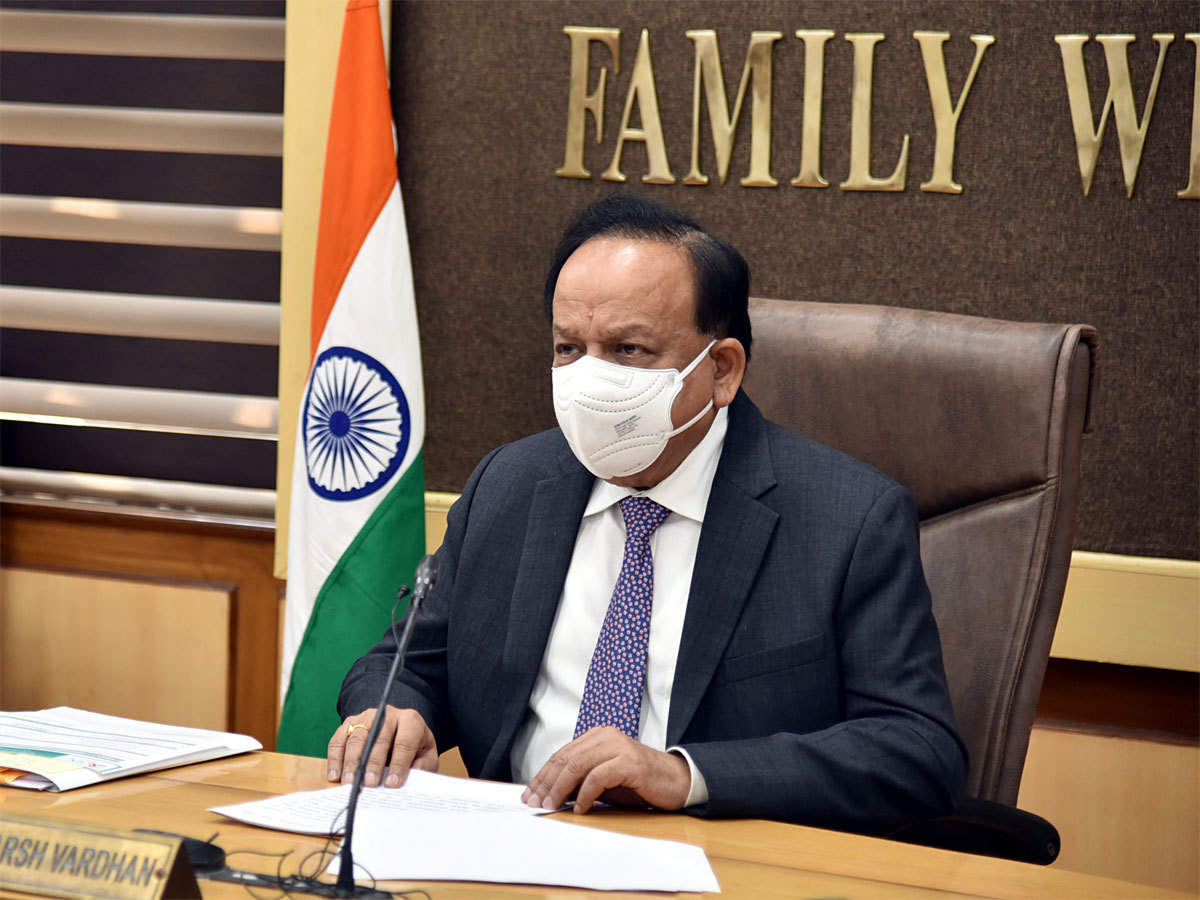
‘India might not need Pfizer vaccine,’ says health minister Harsh Vardhan

India’s Union Health Minister Harsh Vardhan has said that India may not need Pfizer-BioNTech’s COVID-19 vaccine as there are many other vaccine candidates being tested in India, including the indigenous Bharat Biotech candidate Covaxin, which is currently in the final stage of human trials.

In an interview with The Economics Time, Vardhan said, “United States has not even given license to Pfizer. So it does not make sense for other countries like India to consider it. We are in touch with everyone but I feel that we may not need Pfizer vaccine.”

Pfizer has recently applied for emergency use authorization of its vaccine candidate to the FDA. If granted, they will be able to use the vaccine “in high-risk populations…by the middle to end of December 2020.”

Vardhan also said the vaccine would have to first cater to its own country and then fulfil all the order placed by the other countries according to the deals they have signed. He added that Pfizer does not have the “linkages in India to manufacture the vaccine.”

Scroll reported that Vardhan said that no state will be given any preferential treatment and the distribution of vaccines will be equitable. He also stated that healthcare workers will be the first ones to receive the vaccine.

“There will be equitable distribution of vaccine,” he said. “States are part of the national expert group…nobody will get the vaccine by pulling a favor.”

India is currently testing three vaccines and are in various stages of clinical trials. Vardhan said that the vaccine will be made available by February or March 2021.

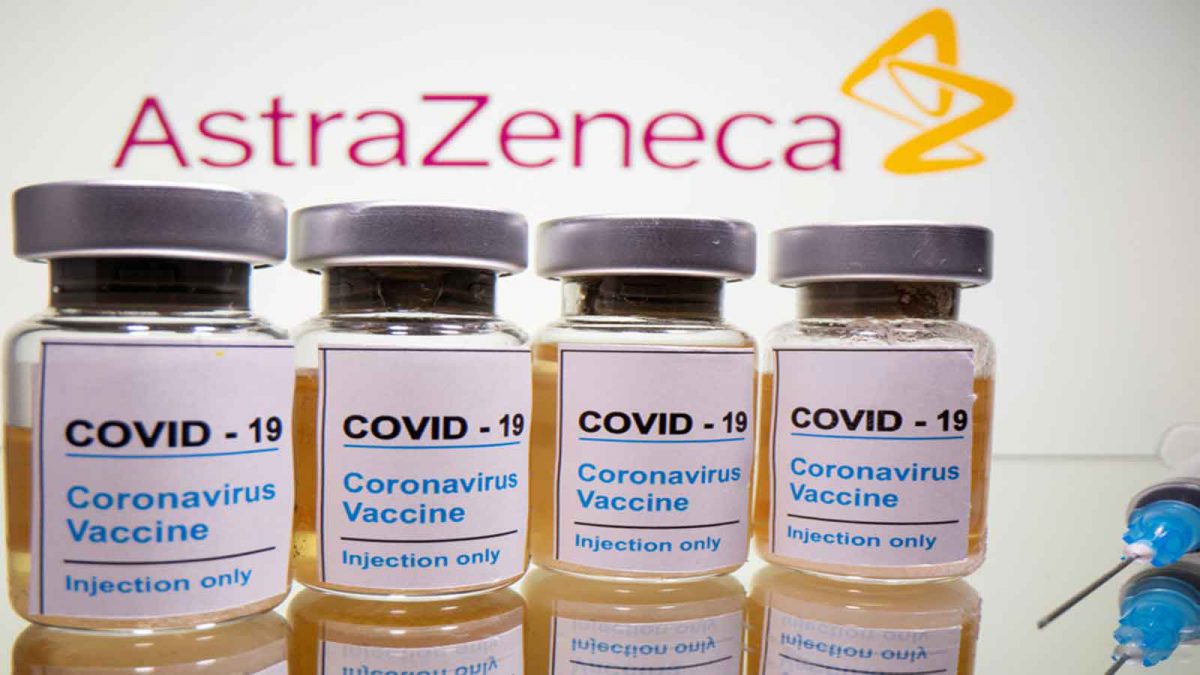
In Phase 3 of the trials is Oxford University’s vaccine that it has developed with AstraZeneca. The trials are being conducted by Pune based Serum Institute and they will also be responsible for distribution. The vaccine is expected to come out by January 2021.

Dr Reddy’s Laboratories has partnered with the Russian Direct Investment Fund (RDIF) to test its Sputnik V vaccine. It recently received approvals to start Phase 2/3 trials in India and has partnered with the Biotechnology Industry Research Assistance Council (BIRAC) of the Department of Biotechnology (DBT) which gives them access to its clinical trial centres. Dr Reddy’s will also distribute the vaccine if it gets approval in India.

Covaxin, being developed by Bharat Biotech in association with the Indian Council of Medical Research (ICMR) and is in Phase 3 of clinical trials which are being conducted on 26,000 volunteers across 22 centre.

Categories
COVID-19 Medical Updates Medicine & Health

Government launches ‘Mission COVID Suraksha’ with a corpus of Rs3K cr

To accelerate the process of developing and manufacturing safe and effective COVID-19 vaccines in the country that can be easily accessible and affordable for the public, a ‘Mission COVID Suraksha’ has been proposed to be set up with a corpus of nearly Rs 3,000 crore, sources said.

Piloted by the Department of Biotechnology, the proposed mission will focus on end-to-end vaccine development from clinical trial stage to regulatory facilitation to manufacturing, sources added.

The aim of the mission is to accelerate the development of at least six vaccine candidates and ensure that they are licensed and introduced in the market for emergency use at the earliest, they said.

While there is no official word on the proposed mission as yet, multiple officials confirmed that a proposal has been made. A senior official said this is still in a proposal stage.

According to the draft proposal, the mission has been proposed to have a timeline of 12-18 months and a budget of approximately Rs 3,000 crore.

The proposed mission will also look to ensure that sufficient volumes are manufactured to meet India’s COVID-19 vaccine requirement and to introduce it in public health systems of the Ministry of Health post the approval by the National Technical Advisory Group on Immunisation (NTAGI), to combat further spread of COVID-19 infection.

While several efforts already underway have helped in quickly putting together best groups and for encouraging them to accelerate the COVID-19 vaccine development, it is now imperative that the vaccine development and manufacturing is taken up “in a mission mode and not in a project mode”, the draft proposal said.

“Efforts till now for vaccine development have been fragmented,” it noted.

“Therefore, to ensure a steady supply of vaccines in the next 12-15 months, there is a need to establish a mission with an end-to-end focus from pre-clinical development through clinical trials, manufacturing and scale-up development of the prioritized vaccine candidates that would consolidate all available and funded resources towards a warpath for accelerated product development,” it said.

Accordingly, it is proposed to launch the Indian COVID-19 vaccine development program — ”Mission COVID Suraksha”, it said.

The proposed mission also aims to make available clinical trial sites, immunoassay laboratories, ensure all vaccine candidates being introduced through this program have preferred characteristics applicable for India.

It also aims to support manufacturing capacity in the country for different vaccine platforms and ensure vaccine deployment and its uptake by the National Immunisation Programme. Besides, it aims to work with indigenous and global candidates to ensure their successful trial and manufacture in the country.

source: https://www.expresspharma.in/covid19-updates/govt-may-set-up-mission-covid-suraksha-with-rs-3000-crore-corpus/

Categories
COVID-19 Medical Updates Medicine & Health

By December, India may get 100 million doses of COVID-19 vaccine AstraZeneca

Serum Institute of India, the world’s largest vaccine producer, is ramping up production of AstraZeneca’s potential Covid-19 vaccine so that it can deliver 100 million doses by December for the vaccination drive that may begin across the country.

Serum Institute of India has joined hands with AstraZeneca for the production of a coronavirus vaccine named ‘Covishield’, developed by Oxford University. The coronavirus vaccine candidate is currently in phase 2-3 clinical trial in the country. Serum Institute of India and AstraZeneca has partnered to produce at least 1 billion doses of the Covid-19 vaccine.

Adar Poonawalla, the CEO of Serum Institute of India, said the SII may get emergency authorization from New Delhi by December if the coronavirus vaccine candidate shows the effective results, Bloomberg report.

According to the report, Adar Poonawalla said that “the initial amount will go to India”.

The AstraZeneca vaccine, co-developed by Oxford University, is the most advanced in human testing in India, Serum said, adding that the company and the Indian Council of Medical Research (ICMR) will pursue “early availability” of the shot in India.

The ICMR had funded the clinical trial site fees for the AstraZeneca vaccine, Serum said. The company and the ICMR are currently conducting Phase 2/3 clinical trials of the shot at 15 centres across India.

While there are no Covid-19 vaccines approved yet and trials are still underway to prove they are safe and effective, leading drugmakers have been funded to begin production early to expedite deliveries, as the pandemic has killed more than 1.2 million people worldwide.

AstraZeneca AZN.L said last week that it was holding back deliveries of its Covid-19 vaccine candidate while it awaits the data from late-stage clinical trials, which got delayed due to a summer dip in UK coronavirus infections.

For the production of the Novavax NVAX.O vaccine, Serum said it has received the bulk of the vaccine from the US company and will soon fill and finish them in vials.

Novavax, which is testing its vaccine in a late-stage study in the UK, last month postponed the start of its US trial by roughly a month due to delays in scaling up the manufacturing process. The vaccine made in the UK is currently being tested in large efficacy trials in the UK, Brazil, South Africa and USA.

Serum said it had enrolled 1,600 participants in India for the late-stage trials of AstraZeneca’s candidate, and also plans to seek regulatory approval to run late-stage trials for the Novavax vaccine.

Categories
COVID-19 Medical Updates Medicine & Health

FELUDA, cheaper COVID-19 test launched by TataMD

TataMD has announced the launch of CHECK

Tata Medical and Diagnostics Ltd (TataMD), the healthcare venture from Tata Group, has announced the commercial launch of TataMD CHECK, novel diagnostic testing for COVID-19. TataMD CHECK is powered by FELUDA, a CRISPR Cas-9 technology that was developed in India by CSIR- IGIB for COVID testing. It is the world’s first CRISPR Cas-9 based diagnostic tool to be launched globally.

Commenting on the launch, Girish Krishnamurthy, CEO, Tata Medical and Diagnostics said, “With TataMD CHECK, we are committed to significantly enhance the testing experience of the consumers as well as work with laboratories and hospitals to ensure wider availability and easier access to testing.” The test kits will be manufactured at a Chennai production facility, which presently has a capacity of producing one million kits in a month.

Outlining the advantages of TataMD Check testing, the company said that it was a paper strip-based test with an image-based visual result read out. It requires standard laboratory equipment and small batches of tests can be conducted, which simplifies the diagnostics process.

The test reaction time in a laboratory is 45-50 minutes and the total testing time from RNA-extracted sample in the lab to result is 75 minutes only. Additionally, it can provide high quality, quick results using standard equipment and minimally trained staff. This allows for rapid adoption and scale with potential to reach remote locations of the country.

TataMD does continuous quality control using sensors and AI-based result reporting tool. This helps patients and authorities with the traceability of the sample and to access the results anywhere, since the findings are stored on cloud storage.

source:https://www.healthcareradius.in/clinical/27030-tatamd-launches-check-a-diagnostic-testing-technology-for-covid-19

Categories
Medical Updates Medicine & Health

Air Pollution: 5 easy ways to cleanse your lungs

With the onset of the winter season and festivities, the national capital and its adjoining cities are dealing with rising levels of air pollution amidst the COVID-19 pandemic. Pollution and novel coronavirus both can damage your lungs, which makes it necessary to include proper measures to keep our lungs healthy.

Regular detoxification and cleansing of the lungs can help get rid of environmental toxins, irritants, and other harmful organisms. It also helps improve lung function, reduces swelling, inflammation, and strengthens lung capacity.

We spoke to Dr. Vishakha Mahindroo, MD, Ph.D. (Sch), Senior Ayurveda Consultant, and Panchakarma Expert to know some easy ways to cleanse and detox your lungs.

  • Ginger tea

One of the most widely used home remedies to cure cough and cold, ginger tea is known for its anti-inflammatory property. Ginger helps remove toxins from the respiratory tract. It also has vitamins and minerals like potassium, magnesium, zinc, and beta-carotene. Some studies have even found that ginger extract can kill lung cancer cells. Thus, one of the best ways to strengthen your lungs and immunity is by having ginger tea every day.

  • Cinnamon tea

Having cinnamon tea also helps a great deal in cleansing your lungs. Cinnamon has been used for ages to treat respiratory issues. The use of cinnamon dates back to the time when Romans used it to treat digestive and respiratory tract issues. Add a small piece of cinnamon to one glass of water and boil it until the water becomes half its quantity. Have it lukewarm. You can also add cinnamon to your regular tea.

  • ​Steam

Steam therapy is one of the best and easiest ways to cleanse your lungs. Inhaling water vapor opens up the air passage and helps the lungs to drain mucus. As winter comes, it’s good to take steam every day for cleaning your congested air passages. Inhaling water vapour can help improve breathing in a short period of time.

  • Gargling with turmeric

Gargling with turmeric water right before you sleep is another easy way to detox your lungs. Add a pinch of turmeric to hot water and gargle with it. Turmeric is loaded with an active compound called curcumin, which helps in dissolving the mucus. It also helps relieve chest congestion and has healing properties that kill the bacteria and treat cold and cough.

  • ​Pranayama followed by sesame oil drops installation

Practicing pranayama helps clear the mucus in the air passages, relieves congestion, reduces bloating, and improves lung function. Putting one drop of sesame oil in each nostril after practicing pranayama can double the benefits of the exercise.

source:https://timesofindia.indiatimes.com/life-style/health-fitness/health-news/air-pollution-5-easy-ways-to-cleanse-your-lungs-as-per-an-ayurvedic-expert/photostory/79084448.cms?picid=79084485

Categories
COVID-19 Medical Updates Medicine & Health

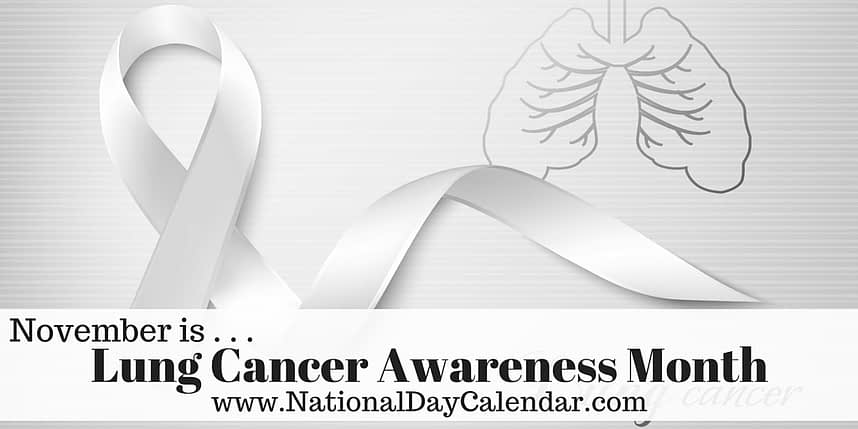
Lung Cancer Awareness Month: November

Lungs are one of the most vital organs in the human body. Responsible for the fundamental act of breathing, the lungs play a very important role in keeping the body healthy, and the body functions running efficiently. However, in recent times, diseases such as lung cancer have become extremely common. In fact, lung cancer is the most common type of cancer around the world and is responsible for millions of deaths, every year. The ongoing COVID-19 pandemic, lifestyle factors, and air pollution only add to the already high risk of lung cancer.

Let us understand the factors that make lung cancer the most common cancer globally, and what we can do to minimize our risk of the deadly disease.

What makes lung cancer the most common cancer around the world?

  • Smoking – The number of people who use cigarettes has gone up around the world. Smoking has become extremely common among young people, and even teenagers. Smoking is one of the leading causes of lung cancer. About 80 percent of total lung cancer deaths can be attributed to tobacco smoking, and many others to exposure to second-hand smoke. Smoking has also been found as a risk factor for COVID-19, the disease caused by the novel coronavirus.
  • Gene changes – Changes in genes can also spike the risk of lung cancer, even in people who do not smoke. Certain risk factors for lung cancer can cause changes in the DNA of lung cells. These changes can sometimes lead to abnormal growth of cells in the lungs, and cause cancer. DNA, as most people know, can influence our risk of developing certain diseases, including lung cancer.
  • Increased exposure to pollutants – Air pollution, global warming, and other climatic emergencies can also lead to a rise in the risk of diseases such as lung cancer. Exposure to pollutants can spike the risk of lung diseases such as asthma and COPD, and also lung cancer. Exposure to second-hand smoke from cigarettes also has a similar effect on the body.

It’s important to go organic. Making organic fruits and vegetables will not only keep cancer away but will also bring several lifestyle diseases under control. Of course, the government needs to play an important role by instituting measures to control pollution and adulteration of all types.

source:https://www.timesnownews.com/health/article/lung-cancer-awareness-month-what-makes-it-the-most-common-cancer-globally-tips-for-prevention/675661

Categories
COVID-19 Medical Updates Medicine & Health

Covid-19: Bharat Biotech in talks to take vaccine candidate global

India’s Bharat Biotech is in discussions with more than 10 countries that have shown an interest in a potential COVID-19 vaccine it is developing with a government agency, a company executive told Reuters on Friday.

The company, based in Hyderabad, this week received initial approval from Indian authorities to conduct late-stage trials for its vaccine candidate, COVAXIN.

The potential vaccine was found to be safe without any major adverse events in the first two stages of the trials involving about 1,000 people, Executive Director Sai Prasad said in a phone interview, adding that more than 90% of them developed antibodies against the novel coronavirus.

“We are in active discussions with more than 10 countries that have shown an interest in COVAXIN,” he said.

“We are talking to some of the countries about partnerships to conduct clinical trials and introduce the vaccine, and in some countries, we are in talks to manufacture the vaccine locally.”

He declined to name the countries but said they were located in South America, Asia and Central Asia, and Eastern Europe.

For third-stage trials in India, Bharat Biotech plans to enroll about 25,000 to 26,000 participants in around 12-14 states, he added.

India’s Zydus Cadila is currently conducting mid-stage trials of its own vaccine hopeful, while Serum Institute is making potential vaccines from AstraZeneca NSE 1.51 %, Novavax, and Codagenix Inc, as well as developing its own.

India has the world’s second-highest number of reported coronavirus cases at 7.8 million, more than a 100,000 of whom have died.


Categories
COVID-19 Government Guidelines Medicine & Health Techniques

‘India to become healthcare provider to the world’


‘India to become a healthcare provider to the world’

The Medical device sector has a crucial role to play in improving accessibility and affordability of healthcare especially with regard to the availability of precision devices stated D V Sadananda Gowda , Union Minister for Chemicals & Fertilizers during his inaugural address at the 12th MedTech Global Summit .

We now must turn our attention to correct our high import dependence. Our pharmaceutical sector will become Atmanirbhar in a short period of 2-3 years, not only domestically but globally providing low cost and high-quality equipment and drugs.

Our Product Linked Investment schemes will attract cumulative investment of INR 78,000 crore and generate 250,000 in employment, with Med tech attracting at least 40,000 crore and employing 140,000 new employees.

The government is committed to providing low cost, affordable health care to every citizen through PMJAY and Ayushman Bharat with both schemes significantly reducing out of pocket expenditure for our citizens.

The medical device industry has labored and helped prepare indigenous products in our fight against COVID, with our production of ventilators proof of the success of Indian indignity stated Piyush Goyal.

It showed to the world that India can be a trusted partner when it comes to global engagement and global trade. This is the time to leverage the tools of technology to recharge our health systems with the power of: Access, Awareness and Availability, he added.

Chandrajit Banerjee , Director General, Confederation of Indian Industry expressed his gratitude towards the Department of Pharmaceuticals and the phenomenal work undertaken through the recent PLI schemes launched for bulk drug parks and med tech parks. These are the progressive steps required for us to become Aatma Nirbhar.

The Industry and Government need to work together to steer India to become global suppliers of medical Technology. There should be a greater streamlining of the regulatory process, a single national Med-Tech policy and a signal nodal body to govern and support the sector is imperative, he added.

In this pandemic, all the healthcare ecosystem has come together, and have eliminated the need for importing stated Dr Naresh Trehan , Chairman, CII National Committee on Healthcare & Chairman & Managing Director, Medanta – The Medicity. In order to further move up the value chain, Med-Tech, the entire healthcare spectrum, Scientific Intuitions and Government need to be brought on to the same platform to allow for convergence. We need to make a plan to take to the government so that all stakeholders across can help collaborate and innovate.

Source:  http://Source: http://www.smetimes.in/smetimes/news/top-stories/2020/Aug/24/india-healthcare53157.html


Categories
Medicine & Health

High blood sugar may limit aerobic exercise capacity

A study finds that hyperglycemia makes it more difficult for people to increase their aerobic capacity.

Regular aerobic exercise provides various health benefits, which heighten as a person increases their aerobic capacity. Doctors recommend this form of exercise to help control diabetes, but people with diabetes often have trouble improving this capacity.

Now, scientists at the Joslin Diabetes Center, an affiliate of Harvard Medical School, in Boston, MA, have published a new study that may explain why.

Hyperglycemia, or higher-than-normal levels of blood sugar, may prevent people from increasing their aerobic capacity and gaining the health benefits that this type of exercise can provide.

The researchers have observed this diminished effect of aerobic exercise in humans with chronic hyperglycemia when blood sugar levels are within the prediabetes range, as well as in mouse models.

Hyperglycemic mice

“The idea behind this study was to see: If we induce high blood sugar in mice, will we impair their ability to improve their aerobic fitness?” says Prof. Lessard.

In designing the study, the researchers hoped to learn more about the mechanisms behind this potential effect, in an effort to find new ways to help people with hyperglycemia boost their fitness levels.

Initially, Prof. Lessard and colleagues increased blood sugar levels in two groups of mice:

  • The first group received a Western diet high in saturated fat and sugar. The mice became hyperglycemic and gained weight.
  • The second group consumed a diet with less sugar and fat and did not gain weight. However, these mice acquired hyperglycemia as a result of modifications that caused them to produce less insulin.

The mice in both groups exercised equally, running roughly 500 kilometers, or about 311 miles, over the course of the study.

Still, compared with a control group that had lower blood sugar levels, both sets of hyperglycemic mice failed to gain significant aerobic capacity.

The fact that both groups developed the condition suggests that the effect is related to blood sugar, not obesity or the effects of insulin.

Mouse muscles

According to Prof. Lessard, muscle tissues typically change as a result of aerobic exercise, and muscle fibers become more efficient at using oxygen. “We also grow new blood vessels,” says Prof. Lessard, “to allow more oxygen to be delivered to the muscle, which helps to increase our aerobic fitness levels.”

However, the researchers saw no such muscle adaptation in the hyperglycemic mice.

They suggest that high levels of sugar are interrupting the remodeling of muscle by altering proteins in the space between muscle cells, where new blood vessels would typically have formed.

The study authors add that another possible factor may be a malfunctioning of the c-Jun N-terminal kinase (JNK) pathway. This signaling pathway may act as a molecular switch that programs a muscle to react to a particular type of exercise.

In earlier research using hyperglycemic mice, Prof. Lessard found that the JNK pathway may get this wrong. She determined that “The muscles of hyperglycemic animals have bigger fibers and fewer blood vessels, which is more typical of strength training, rather than aerobic training.”

People with hyperglycemia

Prof. Lessard and her team followed up with clinical tests in humans and found similar results. They also identified one group for whom the issue was particularly acute.

The researchers saw that individuals with impaired glucose intolerance — in which blood sugar levels rise with the consumption of glucose — had the least increases in aerobic capacity.

This was, at least in part, due to the malfunction of the JNK pathway. “Looking at how their muscles responded to a single bout of typical aerobic exercise, we also saw that those with the lowest glucose tolerance had the highest activation of the JNK signaling pathway, which blocks aerobic adaptations,” says Prof. Lessard.

Recommendations

To that end, the team recommends that individuals with hyperglycemia consider following a diet designed to lower blood sugar levels. In addition, diabetes drugs can help get these levels under control.

The researcher emphasizes that aerobic exercise has health benefits, even when taking into account the inhibiting effect of high blood sugar, saying:

“Regular aerobic exercise is still a key recommendation for maintaining health in people with or without hyperglycemia.”

Prof. Lessard also notes that other forms of exercise, such as strength training, can help with health and fitness.

Source: https://bit.ly/31kpG09