Categories
COVID-19 Medical Equipments Medical Updates

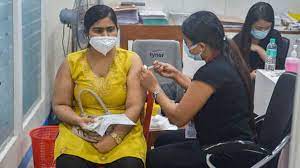
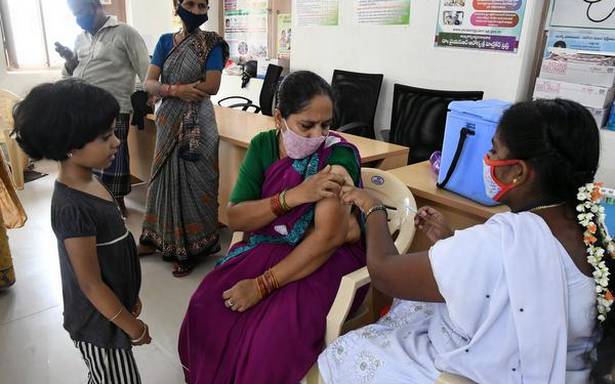
India sets a record with 20 mn covid jabs in a single day

India administered more than 20 million covid-19 vaccine doses on Friday, creating a record and furthering the aim of the Union ministry of health and family welfare’s Vaccine Seva campaign.

The country aims to achieve 1 billion cumulative vaccinations by 10 October, said, senior government officials.

“I acknowledge our doctors, innovators, administrators, nurses, healthcare, and all frontline workers who have toiled to make the vaccination drive a success. Let us keep boosting vaccination to defeat covid-19,” Prime Minister Narendra Modi tweeted.

Mansukh Mandaviya, Union minister for health and family welfare, who visited Safdarjung Hospital, New Delhi, congratulated health workers who have played a significant role in administering more than 20 million doses in a single day.

“Due to your efforts, the country was able to achieve this milestone,” he said.

The minister celebrated the achievement with all the health workers engaged in the vaccination campaign at Safdarjung Hospital.

The World Health Organization South-East Asia Regional Office (WHO SEARO) congratulated India for reaching the milestone.

States and Union territories have got more than 777.7 million vaccine doses so far from the central government and through the direct state procurement channel, according to a separate statement by the health ministry. States and Union territories have more than 61.7 million unutilized vaccine doses, the Centre said.

Modi will interact with healthcare workers and beneficiaries of the covid vaccination program, through video conferencing at 10.30 am on Saturday on the completion of 100% first dose coverage for the adult population in Goa.

The efforts of the state government that resulted in successful vaccination coverage include the organization of successive Tika Utasvs for community mobilization and grassroots outreach, targeted vaccination for priority groups such as vaccination at workplaces, old-age homes, and for differently-abled people, as well as continuous community engagement to remove doubts and apprehensions.

The state also overcame challenges such as Cyclone Tauktae to ensure rapid vaccination coverage. The chief minister of Goa, Pramod Sawant, will also be present during the event.
source: https://www.livemint.com/
Categories
COVID-19 Medical Equipments Medical Updates Medicine & Health

‘Made in India’ testing kit for black fungus developed in West Bengal

A group of scientists in West Bengal has created the first indigenously developed testing kit to detect mucormycosis or black fungus in patients. These kits will bring down the price of mucormycosis diagnosis from Rs 7,000-8,000 to Rs Rs 1,000.

A group of scientists in West Bengal’s South 24 Parganas district has developed the first indigenous testing kit to detect mucormycosis or black fungus, a fungal infection that is observed among patients who recovered from Covid-19.

The DiAGSure Mucormycosis Detection Kit has been prepared by the scientists at a laboratory in the South 24 Parganas’ Bakrahat area.

Diagnosis of a black fungus with the available kits costs around Rs 7,000-8000 because they are imported and the new technology will bring down this cost to Rs 1,000, claimed Raja Majumdar, the managing director of GCC Biotech Pvt Ltd, the company that developed the kit.

“The goal is to provide the best quality testing kit at an extremely affordable price. So, that RT-PCR testing of mucormycosis can be done at a faster rate. We are the first and only Indian organization to produce this kit, all other tests are done through foreign kits,” Majumdar told India Today.

As per the company, DiAGSure Mucormycosis Detection Kit was approved by the Central Drugs Standard Control Organisation (CDSCO) under the Directorate General of Health Services (DGHS), Union Ministry of Health, and Family Welfare in 2021.

source: https://www.indiatoday.in/

Categories
COVID-19 Medical Equipments Medicine & Health

PM Modi lauds record 1 crore vaccination doses in single day

Earlier today, the ministry of health and family welfare said the cumulative vaccination coverage of India crossed the 61 crore landmark on Thursday.

India on Friday administered a record 1 crore vaccine doses against coronavirus disease (Covid-19), the ministry of health and family welfare announced. Prime Minister Narendra Modi lauded the record vaccination numbers, saying it is a momentous feat.

“Record vaccination numbers today! Crossing 1 crore is a momentous feat. Kudos to those getting vaccinated and those making the vaccination drive a success,” PM Modi tweeted.

Earlier in the day, Union health minister Mansukh Mandaviya had said that India administered 90 lakh vaccine doses, adding that the number was expected to increase.

“Congratulations to the citizens as India today administers historic 90 lakh #COVID19 vaccines until now – and still counting!” tweeted Mandaviya.

After Mandaviya’s tweet, the ministry of health and family welfare said in a separate statement that India administered more than 93 lakh doses under its nationwide vaccination drive.

“This is the highest ever vaccination achieved in a single day since the start of our vaccination drive,” the ministry said.

As per the latest provisional report, India’s Covid-19 vaccination coverage has now surpassed the cumulative figure of 62 crores.

Over 83 lakh healthcare workers and more than 1.29 crore frontline workers have been fully vaccinated, according to government data. In the age group of 18-44, over 2.45 crore individuals have been fully vaccinated while about 23.72 crore individuals have received at least one dose of the Covid-19 vaccine.

“The Union Government is committed to accelerating the pace and expanding the scope of Covid-19 vaccination throughout the country,” the health ministry had said in a statement.

India has been reporting less than 50,000 daily new infections for 61 consecutive days now. The health ministry data shows the active caseload currently stands around 3.44 lakh.

India has so far conducted over 51.49 crore cumulative tests and the last 24 hours witnessed a total of 18,24,931 tests being conducted across the country.

https://www.hindustantimes.com/

Categories
Government Guidelines Medical Equipments Medical Updates Medicine & Health

Emerging Opportunity for Medical Equipment Manufacturing in India

The central governments’ initiatives on national health programs like Ayushman Bharat are propelling India to become a nation with advanced diagnostic facilities thus boosting the prospects of medical equipment manufacturing in several states

The COVID lockdown situation and the call by the Indian Prime Minister, Narendra Modi towards becoming more self-reliant or Aatma Nirbhar has brought in several opportunities to many sectors, prominent among them being the medical device manufacturing in India.

The cost of healthcare in India is almost 35 per cent more competitive as compared to developed countries such as the US and UK. That is the reason many foreign tourists visit India to get affordable treatment. There is also an exponential rise in the domestic demand in the preventive healthcare segment. This segment has been growing at 18 per cent CAGR and expected to be worth US$100 billion in the next 2-3 years. The current demand and supply-side dynamics do provide a huge opportunity for local manufacturers for producing medical devices in India.

At the moment, India imports almost 85-90 per cent of the sophisticated medical devices from other countries, prominent among them being China. In the year, 2019-2020, medical equipment worth almost Rs 4560 crores was imported from China. India as a market for medical devices is among the top 20 countries in the world, worth almost US$11 billion. With several initiatives launched by the Central Government such as the Ayushman Bharat scheme – to provide access to affordable health care services to all, this market is expected to grow to US$50 billion in the next five years. Presently, local medical equipment manufacturers are mostly involved in the production of low-end products for domestic and as well as international consumption. After Japan, China and South Korea, India is the fourth largest market in Asia with the potential to grow at 28 per cent.

Niti Aayog, the think tank body of the Government of India, has started working out a roadmap for the promotion of medical equipment manufacturers in the country. The Government has also allowed 100 per cent foreign direct investments (FDI) in companies manufacturing medical devices through the automatic route. The Indian Government has already chalked out plans intending to remove all roadblocks and offer tailor-made solutions to attract investment to make India a manufacturing hub for medical devices.

Medical device manufacturing comprises of five broad segments, including patient aids like pacemakers and hearing devices, dental products like braces and dentures, MRI and other diagnostic machines, prosthetics like knee implants and artificial joints, and disposal & consumables like needles and syringes.

Under initiatives like Make in India, several state governments have taken up the onus of setting up medical device manufacturing parks in their respective states and have got the approval from the Government of India to do so. There would be six medical devices manufacturing clusters in the country in states like Andhra Pradesh, Kerala, Telangana, Tamil Nadu, Maharashtra, and Sikkim. These clusters would provide a huge boost to domestic manufacturing of high-end medical devices at a lower cost and significantly enhance job creation.

The unfolding crisis has displayed the potential of Indian manufacturers to scale up the manufacturing to meet the higher demand for PPE kits, ventilators, and other lifesaving equipment. However, there are a lot of challenges that the Government needs to address to make the country a hub of manufacturing medical equipment. Firstly, there is a need to set necessary infrastructures like supply chain and logistics channels. There is an irregular power supply in several parts of the country which impairs the manufacturing process. The Government also needs to take steps to reduce the high cost of finance for local manufacturers.

The medical equipment manufacturers have been long demanding to reduce the effective rate of Goods and Service Tax (GST) on medical devices to 5 per cent from the present 18 per cent. Due to the high GST rate, it becomes more advantageous to import the equipment than manufacturers the same in the country. There is also a need to rationalize custom duty for necessary components and transitional inputs going into the production of medical equipment in India. It will further help if the government begins to incentivize high-end medical equipment manufacturers in order to promote the production of these devices in the country.

There is also a need for the Government to set up import restrictions and duty protection on the import of medical devices in India. This would restrict imports and at the same time, provide a boost to local manufacturers. There is a need to increase the skilling and training programs to tackle the shortage of talented and trained people in the sector. The Government also needs to put in place a robust regulatory framework to maintain high-quality standards and create a healthcare ecosystem in India.

India has some of the best doctors in the world and state-of-the-art healthcare facilities, the strong foothold in the medical devices manufacturing sector will only further reduce the cost of treatment and at the same time enhance the country’s image as a global healthcare destination.

Source: https://bit.ly/3i2bzDe


Categories
COVID-19 Government Guidelines Medical Equipments Medical Updates

स्वास्थ्य देखभाल की आपूर्ति के लिए लॉन्च किया गया ‘आरोग्यपथ’, ये है खासियत

दिल्ली/पटना: सीएसआईआर राष्ट्रीय स्वास्थ्य देखभाल आपूर्ति श्रृंखला पोर्टल https://www.aarogyapath.in  को 12 जून को लॉन्च किया गया. इसका उद्देश्य वास्तविक समय पर महत्वपूर्ण स्वास्थ्य आपूर्ति की उपलब्धता प्रदान करना है. यह आरोग्यपथ निर्माताओं, आपूर्तिकर्ताओं और ग्राहकों की मदद करेगा.

कोविड-19 महामारी से उत्पन्न मौजूदा राष्ट्रीय स्वास्थ्य आपातकाल के दौरान आपूर्ति श्रृंखला में गंभीर समस्या आ रही है. ऐसे में महत्वपूर्ण वस्तुओं के उत्पादन और वितरण की क्षमता विभिन्न कारणों से संकट में पड़ सकती है. इन चुनौतियों से निपटने के लिए “किसी को अरोग्य (स्वस्थ जीवन) की ओर ले जाने वाला मार्ग उपलब्ध कराने”की दृष्टि से आरोग्यपथ नामक यह सूचना मंच विकसित किया गया है.

स्वास्थ्य देखभाल संबंधी सामानों की एक ही जगह उपलब्धता प्रदान कराने वाला यह एकीकृत सार्वजनिक मंच ग्राहकों को रोज महसूस किए जाने वाले कई मुद्दों से निपटने में मददगार साबित हो सकता है.

इन मुद्दों में सीमित आपूर्तिकर्ताओं पर निर्भरता,अच्छी गुणवत्ता वाले उत्पादों की पहचान करने में लगने वाला अधिक समय,वांछित समयसीमा के भीतर उचित मूल्य पर मानकीकृत उत्पादों की आपूर्ति करने वाले आपूर्तिकर्ताओं तक सीमित पहुंच,नवीनतम उत्पादों के बारे में जानकारी का अभाव इत्यादि शामिल हैं.

आरोग्यपथ नाम का यह वेब आधारित सूचना मंच निर्माताओं और आपूर्तिकर्ताओं को पूरी कुशलता से ग्राहकों के एक विस्तृत नेटवर्क तक पहुंचाने, उनके और आस-पास के चिकित्सा जांच केंद्रों, मेडिकल दुकानों, अस्पतालों इत्यादि जैसे मांग केंदों के बीच संपर्क की कमियों को दूर करने मदद करेगा.

यह ग्राहकों की विस्तृत सूची और उत्पादों के लिए दिखने वाली नई जरूरतों की वजह से व्यवसाय का विस्तार करने के अवसर भी उपलब्ध कराएगा. समय के साथ इस मंच से एनालिटिक्स निर्माताओं को उनके अधिक उत्पादन के साथ-साथ जरूरी सामानों की होने वाली कमियों को लेकर भी शुरुआती संकेत दे सकते हैं. यह अपर्याप्त पूर्वानुमान और अधिक विनिर्माण के कारण संसाधनों की बर्बादी को कम करने में मदद करेगा और नई प्रौद्योगिकियों की मांग के बारे में जागरूकता भी पैदा करेगा.

सीएसआईआर को उम्मीद है कि आने वाले वर्षों में आरोग्यपथ राष्ट्रीय पसंद का सूचनात्मक स्वास्थ्य देखभाल मंच बन जाएगा जो भारत में स्वास्थ्य देखभाल सामानों की आपूर्ति की उपलब्धता और उन्हें किफायती बनाते हुए रोगियों के लिए अंतिम समय में जरूरी सामानों की आपूर्ति की खाई को पाटने का अहम काम पूरा करेगा.

आरोग्यपथ सूचना मंच को सीएसआईआरस के महानिदेशक डॉ. शेखर सी. मांडे की उपस्थिति में स्वास्थ्य और परिवार कल्याण मंत्रालय के ऑफिसर ऑन स्पेशल ड्यूटी राजेश भूषण ने लॉन्च किया. इस समारोह में एमएसएमई मंत्रालय के संयुक्त सचिव सुधीर गर्ग और फार्मा सेक्टर के विशेषज्ञ डॉ. विजय चौथियावाले सम्मानित अतिथि थे.

इस पोर्टल को सर्वोदय इन्फोटेक और संस्थागत उपयोगकर्ताओं की साझेदारी में विकसित किया गया। स्वास्थ्य सेवा के लिए जरूरी सामानों के निर्माताओं / अधिकृत आपूर्तिकर्ताओं को पंजीकरण कराने और सक्रिय रुप से अपने काम में भाग लेने के लिए प्रोत्साहित किया गया.

स्रोत – https://bit.ly/2OyRo38
Categories
COVID-19 Government Guidelines Medical Equipments Medical Updates

Aarogya Path पोर्टल लॉन्च, कोरोना वायरस से बचाव में ऐसे मिलेगी मदद

देश में कोरोनावायरस (Coronavirus) का संक्रमण तेजी से बढ़ रहा है. जिस पर रोक पाने के लिए सरकार हर तरह के प्रयास कर रही है. इसी हालात पर कंट्रोल पाने के लिए कॉन्टैक्ट ट्रेसिंग ऐप आरोग्य ऐप की तरह ही एक नई वेबसाइट आरोग्य पाथ (Aarogya Path) लॉन्च की गई है

देश में कोरोनावायरस (Coronavirus) का संक्रमण तेजी से बढ़ रहा है. जिस पर रोक पाने के लिए सरकार हर तरह के प्रयास कर रही है. इसी हालात पर कंट्रोल पाने के लिए कॉन्टैक्ट ट्रेसिंग ऐप आरोग्य ऐप की तरह ही एक नई वेबसाइट आरोग्य पाथ (Aarogya Path) लॉन्च की गई है. इस पोर्टल की मदद से लोगों को हेल्थकेयर प्रोड्कट्स की सुविधा के बारे में जानकारी मिल सकेगी.

CSIR इंडिया ने सभी स्वास्थ्य संबंधी जरूरतों के लिए एक स्टॉप सप्लाई चेन सॉल्यूशन के रूप में Aarogya Path पोर्टल (www.aarogyapath.in)  लॉन्च किया है. इसमें पीपीई, मेडिकल उपकरण, ड्रग्स, डायग्नोस्टिक किट, सहायक आपूर्ति शामिल हैं.

ये एक वेब आधारित हेल्थकेयर सप्लाई चेन सॉल्यूशन हैं. इस पोर्टल से manufacturer और स्पलायर्स दोनों को अस्पताल, लैब और मेडिकल स्टोर तक अपने ग्राहकों तक पहुंचने में मदद मिलेगी.  इस पोर्टल से हेल्थकेयर प्रोडक्ट की सप्लाई में भी सुधार होगा. रिपोर्ट के अनुसार, यह इंटीग्रेड पब्लिक प्लेटफॉर्म रोज़ाना यूजर्स की समस्याओं जैसे लिमीटिड स्पलायर्स ,अच्छी क्वालिटी वाले प्रोडक्ट्स की पहचान करना, सप्लायर्स की सीमित पहुंच आदि से निपटने में मदद करेगा.

स्रोत – https://www.zeebiz.com/hindi/technology/aarogya-path-portal-national-healthcare-supply-chain-launched-csir-how-aarogyapathin-works-29146

Categories
COVID-19 Government Guidelines Medical Equipments Medicine & Health

As Pune faces shortage of beds, ventilators for Covid patients, hospitals asked to step up

District Collector Naval Kishore Ram told The Indian Express that at least two to three incidents of patients being rejected by hospitals due to lack of beds painted a bad picture.

Anticipating a shortfall of over 200 ICU beds, 100 ventilators and more than 1,000 beds with oxygen supply by July 20, as the number of Covid-19 cases surge in the city, the administration on Wednesday asked hospitals to enhance their bed capacity.

District Collector Naval Kishore Ram told The Indian Express that at least two to three incidents of patients being rejected by hospitals due to lack of beds painted a bad picture.

“There is an urgent need for increasing the number of hospital beds for Covid-19 patients,” the Collector said at a meeting, attended by representatives of several hospitals, which went on for more than three hours. The meeting was chaired by Saurabh Rao, Officer on Special Duty at the Divisional Commissioner’s office, who also warned hospitals to update their dasboards about the availability of beds.

Pune is expected to face a shortage of 216 ICU beds and 109 ventilators by July 20, according to projections made by the civic administration. By July 20, Pune will see at least 12,799 active cases and in another 10 days, the figure is set to jump up to 19,599.

“The number of non-Covid patients are few, with only 30 to 40 per cent occupancy in the non-Covid wards,” said Ram, adding that it was the need of the hour to re-allocate these beds for Covid-19 patients.

Of Covid-19 patients in the city, at least 30 to 35 per cent were asymptomatic, and doctors must appeal and convince them to stay in home quarantine, he said. “The patients at home can be counselled by the doctors and there is no need for panic,” said the collector.

“While hospitals are raising the difficulties faced by them, such as manpower crisis, at the administration we strongly believe we can overcome this situation with an encouraging and motivated medical community,” he added.

Pune Municipal Commissioner Vikram Kumar told The Indian Express that hospitals have been urged to update details about their bed strength on a real time basis on the dashboard. On their part, authorities of most private hospitals said that they had already stepped up their bed strength.

At Sahyadri Hospital, group medical director Dr Sunil Rao said the hospital had a total of 315 beds for Covid-19 patients and will again check if more beds could be realigned.

Vinod Sawantwadkar, CEO of Jehangir Hospital, said the hospital already allocated 104 beds for Covid-19 patients. “There has been a request for more beds and we are working out how the arrangements can be made at our hospital,” he said.

Dr Sanjay Pathare, medical director at Ruby Hall Clinic, said the hospital had 160 beds for Covid-19 patients and as per the administration’s request, hospital authorities were checking if they could meet the requirements at their centres at Wanowrie and Hinjewadi.

“All of us are under immense strain and we have been supporting the administration by stepping up bed strength. There are also genuine concerns related to staff’s salary payments and ensuring adequate manpower to treat Covid-19 patients,” said Dr H K Sale, executive director of Noble Hospital.

“In a family, if a couple is infected and the husband may require hospitalisation, how do we tell the wife who has mild symptoms and the child who tests negative to stay at home,” asked Dr Sale, adding, “They insist on staying at the hospital as food and other arrangements are taken care of here”.

Source: https://bit.ly/2D9VtYU

Categories
COVID-19 Medical Equipments Medical Updates

Delhi: Sacked for seeking PPE kits, says nurses

Joldin Francis, general secretary of United Nurses Association Delhi-NCR, said they had written to the chief minister about the problems. “The hospital was also not reducing duty hours. It is difficult for nurses to work for 13-14 hours, especially in the night shift. There is no health policy for them,” Francis added.

NEW DELHI: Eighty-four nurses, whose services were terminated by the Hamdard hospital on Monday, claimed they were thrown out after demanding adequate PPE kitsmasksdrinking water and other necessary facilities for Covid duties.

Most of the nurses TOI spoke to said they had received a termination letter on their department WhatsApp group at 8.15pm on Sunday without any prior intimation. Some of the nurses who have tested Covid-positive at work had to even pay for their tests, they said.

“I tested positive and am in home quarantine, but received my termination letter. This is mental harassment. We all work 12-14 hours in a shift,” said a nurse. “If they wanted to terminate us, they should have done it when the contract ended. But they asked us to continue, and we have now been shown the door for demanding basic facilities,” she added. The terminated nurses will protest on Wednesday.

Joldin Francis, general secretary of United Nurses Association Delhi-NCR, said they had written to the chief minister about the problems. “The hospital was also not reducing duty hours. It is difficult for nurses to work for 13-14 hours, especially in the night shift. There is no health policy for them,” Francis added.

Many nurses said they had been raising these demands for some time on all platforms. “The scrubs we wear on duty are torn. They gave us five normal surgical masks for 25 days. These are not even N95,” said Anjum, one of the terminated nurses.

Nurses were provided transport for a few days initially, and the authorities have terminated those who couldn’t come to work due to lack of transport for “absence from work”, Anjum added. Many nurses claimed some were on duty even on Saturday.

“We are risking the lives of our family members and they are also accommodating with us as we stay in isolation,” Anjum said.

Dr Sunil Kohli, officiating medical superintendent for Hakeem Abdul Hameed Centenary Hospital, said, “These employees have not been terminated but their contracts have expired. We have set up a reassessment board and all are welcome to sit for the interview.”

The hospital provides single-use 3m and N95 masks to each employee and two PPE kits for those on night shifts so that they can take a break, he claimed. The authorities are trying to sort out hostel accommodation problems, he added.

Source: https://bit.ly/2Woc16i

Categories
COVID-19 Government Guidelines Medical Equipments Medical Updates

Beds to spare at Covid-19 centres as cases decline in Delhi

NEW DELHI: The falling number of Covid-positive cases in the city has resulted in the major makeshift care facilities witnessing a decline in occupancy.

Billed as the world’s largest Covid care facility with 10,000 beds, Sardar Patel Covid Care Centre and Hospital at Radha Soami Satsang Beas in Chhatarpur currently has only 180 patients. Only 16 patients have been admitted in the DRDO-run 1,000 bedded facility near Dwarka, 72 in the 480-bedded Commonwealth Games Village unit and 20 in the 100-bedded facility at Shehnai banquet hall.

Patients who are not critical and don’t have home isolation facilities are admitted in such makeshift centres. While 15 doctors have been deployed at CWG Village, Shehnai banquet hall has 12.

The Centre and Delhi government rushed to create makeshift Covid-19 facilities when the pandemic was on the verge of explosion in the capital. There was widespread anticipation among the authorities that cases would cross 5 lakh by July-end and the city may need 80,000 beds to treat the patients.

Later, it was found that the number of cases was far below what was anticipated. Delhi government had explained that its anticipation was based on details obtained from central government sources.

Though unused, officials at the makeshift facilities have been reassuring people in that enough healthcare facilities are available for them. This boosts the confidence of people testing positive for Covid-19.

Three patients were discharged from Sardar Patel Covid Care Centre and Hospital on Tuesday. The facility is being managed by Indo-Tibetan Border Police. “A team of 100 medical personnel has been deployed at the facility, including 40 doctors who work in shifts. All those currently admitted are showing signs of recovering. Only five people who turned critical were shifted to Safdarjung Hospital since July 5, when the facility became operational,” said an ITBP official.

Yoga sessions are organised daily for patients, who practice it on their beds to destress and aid their healing process. The centre ahas facilities for recreation, newspapers and books.

Most of the beds at the CWG Village facility, which was created in record six days, are vacant. “We currently have 72 patients and all are in a stable condition. Around 50 beds are oxygen supported, but till now only one patient has required the facility. Patients are discharged after nine days when they don’t have fever for three days. No test is required before the discharge. By July 17, many patients might be discharged,” said Dr Rajat Jain of Doctors For You, an NGO.

Even at the Covid-designated government hospitals, 10,900 of 15,000 beds are vacant. Since the threat of the virus and the possibility of cases peaking has not yet passed, these facilities continue to be important in Delhi’s Covid-19 fight.

Source: https://bit.ly/3iZlD1f

Categories
COVID-19 Government Guidelines Medical Equipments Medical Updates Medicine & Health

स्वास्थ्य देखभाल की आपूर्ति के लिए लॉन्च किया गया ‘आरोग्यपथ’, ये है खासियत

दिल्ली/पटना: सीएसआईआर राष्ट्रीय स्वास्थ्य देखभाल आपूर्ति श्रृंखला पोर्टल https://www.aarogyapath.in  को 12 जून को लॉन्च किया गया. इसका उद्देश्य वास्तविक समय पर महत्वपूर्ण स्वास्थ्य आपूर्ति की उपलब्धता प्रदान करना है. यह आरोग्यपथ निर्माताओं, आपूर्तिकर्ताओं और ग्राहकों की मदद करेगा.

कोविड-19 महामारी से उत्पन्न मौजूदा राष्ट्रीय स्वास्थ्य आपातकाल के दौरान आपूर्ति श्रृंखला में गंभीर समस्या आ रही है. ऐसे में महत्वपूर्ण वस्तुओं के उत्पादन और वितरण की क्षमता विभिन्न कारणों से संकट में पड़ सकती है. इन चुनौतियों से निपटने के लिए “किसी को अरोग्य (स्वस्थ जीवन) की ओर ले जाने वाला मार्ग उपलब्ध कराने”की दृष्टि से आरोग्यपथ नामक यह सूचना मंच विकसित किया गया है.

स्वास्थ्य देखभाल संबंधी सामानों की एक ही जगह उपलब्धता प्रदान कराने वाला यह एकीकृत सार्वजनिक मंच ग्राहकों को रोज महसूस किए जाने वाले कई मुद्दों से निपटने में मददगार साबित हो सकता है.

इन मुद्दों में सीमित आपूर्तिकर्ताओं पर निर्भरता,अच्छी गुणवत्ता वाले उत्पादों की पहचान करने में लगने वाला अधिक समय,वांछित समयसीमा के भीतर उचित मूल्य पर मानकीकृत उत्पादों की आपूर्ति करने वाले आपूर्तिकर्ताओं तक सीमित पहुंच,नवीनतम उत्पादों के बारे में जानकारी का अभाव इत्यादि शामिल हैं.

आरोग्यपथ नाम का यह वेब आधारित सूचना मंच निर्माताओं और आपूर्तिकर्ताओं को पूरी कुशलता से ग्राहकों के एक विस्तृत नेटवर्क तक पहुंचाने, उनके और आस-पास के चिकित्सा जांच केंद्रों, मेडिकल दुकानों, अस्पतालों इत्यादि जैसे मांग केंदों के बीच संपर्क की कमियों को दूर करने मदद करेगा.

यह ग्राहकों की विस्तृत सूची और उत्पादों के लिए दिखने वाली नई जरूरतों की वजह से व्यवसाय का विस्तार करने के अवसर भी उपलब्ध कराएगा. समय के साथ इस मंच से एनालिटिक्स निर्माताओं को उनके अधिक उत्पादन के साथ-साथ जरूरी सामानों की होने वाली कमियों को लेकर भी शुरुआती संकेत दे सकते हैं. यह अपर्याप्त पूर्वानुमान और अधिक विनिर्माण के कारण संसाधनों की बर्बादी को कम करने में मदद करेगा और नई प्रौद्योगिकियों की मांग के बारे में जागरूकता भी पैदा करेगा.

सीएसआईआर को उम्मीद है कि आने वाले वर्षों में आरोग्यपथ राष्ट्रीय पसंद का सूचनात्मक स्वास्थ्य देखभाल मंच बन जाएगा जो भारत में स्वास्थ्य देखभाल सामानों की आपूर्ति की उपलब्धता और उन्हें किफायती बनाते हुए रोगियों के लिए अंतिम समय में जरूरी सामानों की आपूर्ति की खाई को पाटने का अहम काम पूरा करेगा.

आरोग्यपथ सूचना मंच को सीएसआईआरस के महानिदेशक डॉ. शेखर सी. मांडे की उपस्थिति में स्वास्थ्य और परिवार कल्याण मंत्रालय के ऑफिसर ऑन स्पेशल ड्यूटी राजेश भूषण ने लॉन्च किया. इस समारोह में एमएसएमई मंत्रालय के संयुक्त सचिव सुधीर गर्ग और फार्मा सेक्टर के विशेषज्ञ डॉ. विजय चौथियावाले सम्मानित अतिथि थे.

इस पोर्टल को सर्वोदय इन्फोटेक और संस्थागत उपयोगकर्ताओं की साझेदारी में विकसित किया गया। स्वास्थ्य सेवा के लिए जरूरी सामानों के निर्माताओं / अधिकृत आपूर्तिकर्ताओं को पंजीकरण कराने और सक्रिय रुप से अपने काम में भाग लेने के लिए प्रोत्साहित किया गया.

स्रोत- https://bit.ly/39cnxqQ