Categories
Medical Updates Medicine & Health

Mental health, suicide prevention needs greater attention during pandemic: WHO

Early identification of mental health conditions, recognition of suicidal behaviors, and appropriate management through a multi-sectoral approach is important, even as we continue to focus on arresting the further spread of the pandemic, Dr. Poonam Khetrapal Singh, Regional Director, WHO South-East Asia Region said.​

New Delhi: With the COVID-19 pandemic still accelerating and impacting people in multiple ways, WHO today called upon countries in South-East Asia Region to pay greater attention to mental health and suicide prevention.

“Hitting lives and livelihoods, the pandemic is causing fear, anxiety, depression and stress among people. Social distancing, isolation and coping with perpetually evolving and changing information about the virus has both triggered and aggravated existing and pre-existing mental health conditions which need urgent attention,” said Dr Poonam Khetrapal Singh, Regional Director, WHO South-East Asia Region.

Early identification of mental health conditions, recognition of suicidal behaviours and appropriate management through a multi-sectoral approach is important, even as we continue to focus on arresting further spread of the pandemic, Dr Khetrapal Singh added.


Stigma related to COVID-19 infection may also lead to feeling of isolation and depression, the Regional Director said, adding that another precipitating factor impacting mental health amidst COVID-19 could be domestic violence, which is reported to have increased during lockdowns imposed by almost all countries in the Region.

Suicide claims almost 800,000 lives every year globally and is the leading cause of death among young people aged 15-29 years of age. Evidence shows that for each adult who dies of suicide there are more than 20 others attempting suicide.The WHO South-East Asia Region accounts for 39% of global suicide mortality.

Though preventable, suicide a serious public health problem. Survivors of suicide attempts and their family often face stigma and discrimination in many forms. The impact of suicide on families, friends and communities is devastating and far-reaching.” the Regional Director said.

As individual vulnerabilities and sociocultural factors differ between and within populations, the Regional Suicide Prevention Strategy guides countries on strategizing and planning for suicide prevention through a multi-sectoral public health approach.

“These initiatives are most needed today. Together we must work towards promoting mental health and preventing suicide,” Dr Khetrapal Singh added.

Source: https://bit.ly/32oJOQU

Categories
Medical Updates Medicine & Health Techniques

Researchers reveal simpler way to generate sensory hearing cells called ‘hair cells’

A team of researchers is revealing the secrets of a simpler way to generate the sensory cells of the inner ear. Their approach uses direct reprogramming to produce sensory cells known as “hair cells,” due to their hair-like protrusions that sense sound waves.

A team of researchers is revealing the secrets of a simpler way to generate the sensory cells of the inner ear. Their approach uses direct reprogramming to produce sensory cells known as “hair cells,” due to their hair-like protrusions that sense sound waves.

Led by scientists from the USC Stem Cell laboratories of Neil Segil and Justin Ichida, the results of study were published in the journal eLife.

“We’ve succeeded in directly reprogramming a variety of mouse cell types into what we’re calling ‘induced hair cell-like cells, or iHCs. This allows us to efficiently generate large numbers of iHCs to identify causes and treatments for hearing loss,” said PhD student Louise Menendez, the study’s lead author.

The scientists successfully reprogrammed three different types of mouse cells to become iHCs. The first two types were embryonic and adult versions of connective tissue cells, known as fibroblasts. The third was a different type of inner ear cell, known as a supporting cell.

A team of researchers is revealing the secrets of a simpler way to generate the sensory cells of the inner ear. Their approach uses direct reprogramming to produce sensory cells known as “hair cells,” due to their hair-like protrusions that sense sound waves.

Led by scientists from the USC Stem Cell laboratories of Neil Segil and Justin Ichida, the results of study were published in the journal eLife.

“We’ve succeeded in directly reprogramming a variety of mouse cell types into what we’re calling ‘induced hair cell-like cells, or iHCs. This allows us to efficiently generate large numbers of iHCs to identify causes and treatments for hearing loss,” said PhD student Louise Menendez, the study’s lead author.

The scientists successfully reprogrammed three different types of mouse cells to become iHCs. The first two types were embryonic and adult versions of connective tissue cells, known as fibroblasts. The third was a different type of inner ear cell, known as a supporting cell.

“Hair cells are easy to damage, and currently impossible to repair in humans,” said Segil, a professor in the Department of Stem Cell Biology and Regenerative Medicine, and the USC Tina and Rick Caruso Department of Otolaryngology – Head and Neck Surgery, and one of the corresponding authors of the study.

“Aging, loud noises, and certain chemotherapy drugs and antibiotics can all lead to the permanent loss of hair cells, which is the leading contributor to hearing loss worldwide,” Segil added.

iHCs have the potential to accelerate hearing loss research in at least two important ways, according to Ichida, who is the John Douglas French Alzheimer’s Foundation Associate Professor of Stem Cell Biology and Regenerative Medicine at USC, and the other corresponding author of the study.

“In the near term, researchers can use iHCs to screen large numbers of drug candidates that might prevent or treat hearing loss,” said Ichida, who is also a New York Stem Cell Foundation-Robertson Investigator.

“And further in the future, it could become possible to directly reprogram supporting cells in the inner ear of a deafened individual, as a way to restore hearing,” added Ichida.

Source: https://bit.ly/32tA3AZ

Categories
Medical Updates Medicine & Health Techniques

8 Effective And Natural Ways to Manage High Blood Pressure

Medications alone will never suffice because a lifestyle disease like high blood pressure can only be managed through lifestyle changes.

Blood pressure – simply put, this is the force your blood applies to the walls of your blood vessels. If this force is high, then the increased pressure can damage the blood vessels, which in turn can increasingly damage the heart and different organs of the body. Call it high blood pressure or hypertension, but living with this chronic disease is not easy.

According to research published in the Indian Heart Journal in 2019, almost one in every three adults in India suffers from high blood pressure. This disease, therefore, has a high prevalence in India and can lead to cardiovascular diseases, strokes, aneurysms, metabolic syndromes and even dementia. Early diagnosis of high blood pressure can help you cope with much more ease, because like all chronic diseases, this one can be managed but not cured.

Medications to help you control high blood pressure levels are easily available in the market, and it’s likely that your doctor will recommend these medications to you if your blood pressure is particularly high. But medications alone will never suffice because a lifestyle disease like this can only be managed through lifestyle changes. The good thing is that most lifestyle changes are natural and all you need to implement them is determination. The following are some of the easiest ways to manage high blood pressure naturally:

1. Reduce salt intake: This is the first recommendation any expert would make, because a low-sodium diet is known to improve symptoms of hypertension. But this is easier said than done, because sodium is hidden in many foods, from ketchup to bread. You might have to learn to read labels to monitor your salt intake better.

2. Get more potassium: According to the US’ Cleveland Clinic, a daily intake of 3,000 to 3,500 mg of potassium can reduce your blood pressure levels effectively. So, increase your intake of potassium by eating more bananas, tomatoes, spinach, broccoli, mushrooms, etc. However, if you also have kidney problems then consult your doctor about potassium intake.

3. Lose weight: Being overweight or obese can increase your blood pressure. So, inversely, shedding some kilos can reduce your blood pressure levels. Even reducing four kilos can improve your condition.

4. Limit alcohol: Drinking too much or too often can spike your blood pressure levels, so keep your alcohol intake to a minimum.

5. Kick the butt: Cigarette butt, that is. Nicotine addiction can keep your blood pressure elevated for long periods of time, so quit smoking immediately.

6. Off with the stress: Stress not only increases your blood pressure levels but chronic stress can keep those levels elevated for a prolonged period. Adopt effective means of de-stressing, like yoga, meditation, etc.

7. Exercise: Walking, jogging, swimming, cycling, playing a sport – these are all forms of exercise that can help improve your blood pressure levels. Try being active for at least 30 minutes to an hour every day.

8. Follow the DASH diet: The Dietary Approaches to Stop Hypertension (DASH) diet is one of the most effective ways to manage your blood pressure in the long run. It involves eliminating high-fat foods and eating fruits, vegetables, whole grains, low-fat dairy products, lean meats and fish, nuts and seeds.

Source: https://bit.ly/3j7Lq7g

Categories
Medical Updates Medicine & Health

Mindful hypnotherapy may reduce stress

A new study shows that combining hypnotherapy with mindfulness training has a significant positive effect on stress levels.

Mindfulness is an ancient mental technique that is an acknowledged means of helping people manage stress and anxiety. It involves learning how to stop and become consciously aware of one’s present moment as a revitalizing respite from the ongoing rush of daily life.

A new study from Baylor University in Waco, Texas, finds that combining mindfulness with hypnotherapy may make its benefits more accessible.

The researchers concluded that hypnotherapy might allow people to achieve mindfulness goals more readily and quickly.

“Mindfulness is a type of meditation that involves focusing attention on present moment awareness. It can help people cope with stress but can require months of practice and training. Hypnosis also involves focusing attention, but it includes mental imagery, relaxation, and suggestions for symptom reduction.”

– study co-author Gary Elkins,

The new study features in the International Journal of Clinical and Experimental Hypnosis.

Mindful hypnotherapy

The researchers call their new mind-body therapy “mindful hypnotherapy.”

It represents a novel use of hypnotherapy, which more commonly serves as a treatment for pain and symptom management. The study authors assert that applying hypnosis to the practice of mindfulness speeds up the acquisition of mindfulness skills.

They hope to address concerns that learning to manage stress and anxiety with mindfulness can be a prohibitively extended, expensive process involving more than 24 hours of training.

Corresponding author Elkins cites mindfulness curricula that involve eight weekly sessions of 2–2.5 hours, in addition to an all day retreat that can last more than 8 hours. Such training can involve a major investment of time and money in what Elkins says research has not unequivocally proven to be more effective than standard cognitive therapy.

According to the authors:

“Therefore, if a mindfulness treatment could be developed that obtains results equal to or better than existing treatments but with shorter or fewer sessions, it could have advantages and represent a valuable contribution to treatment options for anxiety and stress reduction.”

The study

To ascertain the effectiveness of mindful hypnotherapy, the researchers analyzed its effect in a study of 42 participants of college age who self-reported high levels of stress. Half of the participants served as a control group, receiving no hypnosis and no mindfulness training.

The remaining half took part in eight weekly, 1-hour hypnosis interventions that incorporated hypnotic induction as well as mindfulness suggestions. Over the course of the 8 weeks, the interventions progressed through a series of topics:

  • present moment awareness
  • nonjudgmental awareness of the five senses
  • nonjudgmental awareness of thoughts and feelings
  • self-hypnosis
  • compassion for self and others
  • awareness of personal values and meaning in life
  • integrated mindfulness
  • termination/transition to long-term practice.

The intervention group also received 20-minute self-hypnosis audio CDs designed to promote daily mindfulness and were required to log their practice.

Individuals in this group reported keeping up with their practice almost daily and rated their satisfaction with the process as 8.9 out of a possible 10.

The participants reported a significant reduction in perceived distress and an increase in mindfulness, supporting the value of mindful hypnotherapy. In comparison, the control group reported no such benefits.

Elkin summarizes: “Combining mindfulness and hypnotherapy in a single session is a novel intervention that may be equal to or better than existing treatments, with the advantage of being more time effective, less daunting, and easier to use. This could be a valuable option for treating anxiety and stress reduction.”

Next steps

Elkins notes that one of the study’s limitations is its relatively small sample size, and he looks forward to studies with a larger cohort of participants.

He also suggests that there is a need for more targeted studies that examine the effectiveness of mindful therapy for providing relief from specific conditions, such as anxiety, depression, or chronic pain.

Source: https://bit.ly/3j4Yieu

Categories
COVID-19 Government Guidelines Medical Equipments Medical Updates Medicine & Health

स्वास्थ्य देखभाल की आपूर्ति के लिए लॉन्च किया गया ‘आरोग्यपथ’, ये है खासियत

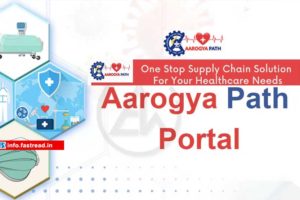
दिल्ली/पटना: सीएसआईआर राष्ट्रीय स्वास्थ्य देखभाल आपूर्ति श्रृंखला पोर्टल https://www.aarogyapath.in  को 12 जून को लॉन्च किया गया. इसका उद्देश्य वास्तविक समय पर महत्वपूर्ण स्वास्थ्य आपूर्ति की उपलब्धता प्रदान करना है. यह आरोग्यपथ निर्माताओं, आपूर्तिकर्ताओं और ग्राहकों की मदद करेगा.

कोविड-19 महामारी से उत्पन्न मौजूदा राष्ट्रीय स्वास्थ्य आपातकाल के दौरान आपूर्ति श्रृंखला में गंभीर समस्या आ रही है. ऐसे में महत्वपूर्ण वस्तुओं के उत्पादन और वितरण की क्षमता विभिन्न कारणों से संकट में पड़ सकती है. इन चुनौतियों से निपटने के लिए “किसी को अरोग्य (स्वस्थ जीवन) की ओर ले जाने वाला मार्ग उपलब्ध कराने”की दृष्टि से आरोग्यपथ नामक यह सूचना मंच विकसित किया गया है.

स्वास्थ्य देखभाल संबंधी सामानों की एक ही जगह उपलब्धता प्रदान कराने वाला यह एकीकृत सार्वजनिक मंच ग्राहकों को रोज महसूस किए जाने वाले कई मुद्दों से निपटने में मददगार साबित हो सकता है.

इन मुद्दों में सीमित आपूर्तिकर्ताओं पर निर्भरता,अच्छी गुणवत्ता वाले उत्पादों की पहचान करने में लगने वाला अधिक समय,वांछित समयसीमा के भीतर उचित मूल्य पर मानकीकृत उत्पादों की आपूर्ति करने वाले आपूर्तिकर्ताओं तक सीमित पहुंच,नवीनतम उत्पादों के बारे में जानकारी का अभाव इत्यादि शामिल हैं.

आरोग्यपथ नाम का यह वेब आधारित सूचना मंच निर्माताओं और आपूर्तिकर्ताओं को पूरी कुशलता से ग्राहकों के एक विस्तृत नेटवर्क तक पहुंचाने, उनके और आस-पास के चिकित्सा जांच केंद्रों, मेडिकल दुकानों, अस्पतालों इत्यादि जैसे मांग केंदों के बीच संपर्क की कमियों को दूर करने मदद करेगा.

यह ग्राहकों की विस्तृत सूची और उत्पादों के लिए दिखने वाली नई जरूरतों की वजह से व्यवसाय का विस्तार करने के अवसर भी उपलब्ध कराएगा. समय के साथ इस मंच से एनालिटिक्स निर्माताओं को उनके अधिक उत्पादन के साथ-साथ जरूरी सामानों की होने वाली कमियों को लेकर भी शुरुआती संकेत दे सकते हैं. यह अपर्याप्त पूर्वानुमान और अधिक विनिर्माण के कारण संसाधनों की बर्बादी को कम करने में मदद करेगा और नई प्रौद्योगिकियों की मांग के बारे में जागरूकता भी पैदा करेगा.

सीएसआईआर को उम्मीद है कि आने वाले वर्षों में आरोग्यपथ राष्ट्रीय पसंद का सूचनात्मक स्वास्थ्य देखभाल मंच बन जाएगा जो भारत में स्वास्थ्य देखभाल सामानों की आपूर्ति की उपलब्धता और उन्हें किफायती बनाते हुए रोगियों के लिए अंतिम समय में जरूरी सामानों की आपूर्ति की खाई को पाटने का अहम काम पूरा करेगा.

आरोग्यपथ सूचना मंच को सीएसआईआरस के महानिदेशक डॉ. शेखर सी. मांडे की उपस्थिति में स्वास्थ्य और परिवार कल्याण मंत्रालय के ऑफिसर ऑन स्पेशल ड्यूटी राजेश भूषण ने लॉन्च किया. इस समारोह में एमएसएमई मंत्रालय के संयुक्त सचिव सुधीर गर्ग और फार्मा सेक्टर के विशेषज्ञ डॉ. विजय चौथियावाले सम्मानित अतिथि थे.

इस पोर्टल को सर्वोदय इन्फोटेक और संस्थागत उपयोगकर्ताओं की साझेदारी में विकसित किया गया। स्वास्थ्य सेवा के लिए जरूरी सामानों के निर्माताओं / अधिकृत आपूर्तिकर्ताओं को पंजीकरण कराने और सक्रिय रुप से अपने काम में भाग लेने के लिए प्रोत्साहित किया गया.

स्रोत- https://bit.ly/39cnxqQ

Categories
COVID-19 Government Guidelines Medical Updates Medicine & Health

The Indian healthcare system needs an overhaul

The Covid-19 pandemic has served a stark reminder that economies can be brought to a grinding halt if public healthcare systems are inadequate, clearly demonstrating the need for increased investment in the sector.

While economic growth may be an important indicator of development, the quality of a country’s public healthcare system better demonstrates the standard of living enjoyed by a wider spectrum of the population. The Covid-19 pandemic has served a stark reminder that economies can be brought to a grinding halt if public healthcare systems are inadequate, clearly demonstrating the need for increased investment in the sector.

Owing to rapid urbanization in recent decades, India faces a development paradox that is widely prevalent among the fast-growing global economies; basic necessities are either unavailable or unaffordable to the vast majority of urban dwellers and secondly, there is tremendous strain on public infrastructure as an increasing number of people chase a diminishing parcel of public goods. While India requires 15 doctors and 20 hospital beds per 10,000 people, we currently only have about half of that number. This translates to 700 million people underserved by the system. There’s also a huge disparity between urban and rural areas in terms of access to specialised care. We urgently need to address this shortfall. Public expenditure on health needs to increase manifold so we can build a well-equipped and self-sufficient network of medical facilities quickly across our Tier II cities, towns, and villages, which will help reduce the burgeoning load on metropolitan healthcare infrastructure.

However, there are significant challenges. Achieving the build quality and maintenance standards of private healthcare projects is still an uphill challenge for government-funded healthcare buildings. A few common issues that plague current hospitals are inadequate day-lighting, poor ventilation systems leading to cross-infection, greater building widths leading to doubly-loaded corridors with no connection to the outside, high energy costs and maintenance problems. One solution to address these issues could be to design interactive facilities that draw from the ideas of biophilia: an innate human tendency to seek connections with nature and other forms of life. Such interventions place patient experience and wellbeing at the core, leading to swifter healing, while also reducing construction and building lifecycle costs.

Cross-infection and contamination can be tackled through design changes such as naturally-ventilated spaces that increase the rate of natural air exchange, segregation of different functions by creating general, semi-sterile and sterile zones (for example, waiting areas to OPDs to ICUs) and creating buffer zones in between. Designing the building with an East-West orientation to improve daylight, providing centralized courtyard landscapes to provide passive evaporative cooling, and adding solar panels to reduce dependency on conventional forms of electricity, are some ways to optimise building energy consumption and improve efficiency. Also, designing decentralized micro-service zones that run parallel to various departments can help make regular servicing and maintenance easier and quicker.

Today, as our understanding of health and wellbeing evolves, new construction technologies provide limitless possibilities in this sector. Building Information Modeling (BIM), for example, which can help determine the optimal geometry of buildings in response to certain parameters, can aid in pre-empting problems and shortening the time of construction to save costs, while ‘temporary and transformable’ architecture has enabled emergency mitigation like never before. Imbibing such innovations within healthcare design holds the key to streamlining our systems for better performance –– from accessibility of essential public services and improved patient care to the wellbeing of our economy.

Source:

Categories
COVID-19 Government Guidelines Medical Equipments Medical Updates

India’s medical needs: Global collaboration matters now more than ever

While the self-reliant model seems promising, it is important to note the role of the global industry, which, so far, has catered to 70% of India’s medical equipment needs

To bring India on the path of rapid development, five things are very important to build a self-reliant India-intent, inclusion, investment, infrastructure and innovation”, said PM Modi in a recent speech as India entered its first phase of ‘unlock’. As the pandemic impacts close to four lakh lives in the country, the dire need for building capacity has set in motion India’s long-awaited dream of self-reliance. From zero, the country now manufactures 4.5 lakh PPE suits a day and has more than 600 companies certified to make them. Inching closer to developing a vaccine, one of India’s pharma giants has entered the second phase of the clinical trials of a drug, which is touted among the most promising treatments of coronavirus. Moreover, three Indian companies also made it to NASA’s list of international manufacturers who were selected to make a new ventilator tailored for coronavirus (Covid-19) patients. India is also leading the race to make affordable, low-cost ventilators. Self-reliance has taken a whole new meaning for the country as we wait for the pandemic to wane. But how self-reliant are we, especially with an abysmally low spend on healthcare?

While it is encouraging to see the domestic industry getting the much-needed impetus, the government must be careful about the quality assurances it is giving its people. For instance, even as the domestic players get the legal nod on making kits and ventilators, the quality of these products has been a cause of concern. One such incidence that questioned the quality of ventilators and focused on patient safety was the Gujarat model of 900 ventilators, where fake ventilators were installed across the state without any mandatory licence from Drug Controller General of India.

India has become the world’s second-largest manufacturer of PPEs, second only to China. This news fits perfectly into India’s self-reliant rhetoric. The demand for PPE kits has brought many players into the market, who are getting the government’s nod to manufacture and sell. However, with little to no information available about the identification of kits, the end consumer is bound to have a trust deficit. Some of them do not even carry a certification notice. We are being told that India is working in line with the global best practices. Recent reports revealed, many PPEs from India don’t carry any certification marks and are not using the GS1 global standards being used by all manufacturers of genuine products. We know that nurses at All India Institute of Medical Sciences (AIIMS) and many other healthcare centres in the country have been complaining about the lack of PPEs and proper guidelines to handle the Covid-19 situation. We also had Dr Srinivas Rajkumar T from the AIIMS raise the issue of the quality of N95 masks provided by the hospital for use.

This is exactly why we need to comply with global standards. Now, let us understand what GS1 means for the Indian market.

GS1 standards are required to enable identification of medical products unambiguously. These standards also help in identifying counterfeit products in the market, thereby, assuring patient safety and quality. In India, GS1 India operates with a ‘Smart Consumer’ app, which gives access to information about products by scanning their barcodes for complete identification. What happens when the products are sold without these identifications in the market? Healthcare workers and patients utilise products that could potentially have serious quality lapses.

So, when we hear the PM speak of the country producing over two lakh PPE kits in a day (with numbers doubling every day), it does little to assure protection and quality if these standards are not met. And, even with a shortage of PPE kits in the country, recent reports were emerging out of Punjab that their kits were unutilised, the state apparently has 35% underused stock. According to media reports, “the Industries Minister Sunder Sham Arora has written to Union minister of commerce and industry, Piyush Goyal, to allow export of PPE kits so that the industry may operate to the fullest”. This is where global partnerships come into play. Battling the disease front and centre, the only way to salvage the situation is for governments and the medical industry to work in tandem to contain the spread.

The push for self-reliance also comes at a time when India is collaborating with the world for everything from vaccines to drugs, medical equipment and more. Even as India speaks of making its ventilators, the industry is still heavily import-dependent. The disruptions in global supply chains have not undermined the potential of the global industry in meeting India’s demands. From ventilators to PPE kits, the country has reached out to the world for better access, and the world has responded to its call.

With India ranking fourth in the number of global Covid cases, we need to upend healthcare systems like never before. And, clearly, relying on the domestic market alone is only putting more lives at risk. While the self-reliant model seems promising, it is important to understand the role of the global industry, which, so far, has catered to 70% of India’s medical equipment needs.

The government must pull all stops to ensure that India has the diagnostics, ventilators, protective gears and equipment our people need to fight the disease. Even as PM Modi assured some $20 billion budget for healthcare professionals, it does not change the fact that the system is still reeling under an acute shortage of diagnostics, testing kits, only 48,000 ventilators and the need for more than 38 million masks to combat the virus.

Even as India tries to create its gear and equipment, it will not happen overnight; we would still need to work in tandem with the global players who are willing to offer help at this point. In a promising step, to evaluate the quality of coronavirus testing kits, the country has given test licenses to around fourteen private companies, which also includes Swiss firm Roche Diagnostics India and Abbott. Partnerships like these matter now, more than ever. The one thing to learn from the crisis is that we need to look at the situation from a global lens.

With the Covid-19 juggernaut rolling at a pace that could put millions of more lives at risk, maybe, what India needs to look at is creating an environment that fosters innovation and improves the quality of care for its people. India needs to create a conducive policy environment to ensure that global innovations come to its shores and reach its people. Moreover, at a time when the world is looking at India as the next big manufacturing hub, the government should look at global partnerships to bolster its stance.

Source: https://bit.ly/2ZrGr9Q

Categories
COVID-19 Medical Equipments Medical Updates

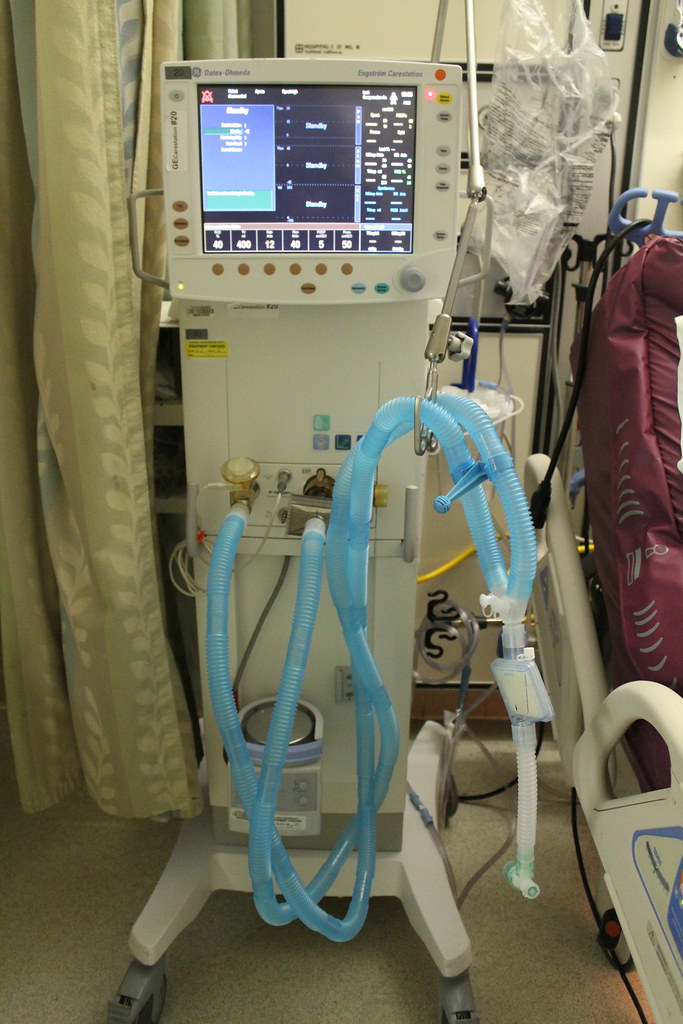
Govt COVID hospitals to receive 50,000 ‘Made in India’ ventilators through PM-CARES Fund

According to the Prime Minister’s Office (PMO), so far 2,923 ventilators have been manufactured, out of which 1,340 ventilators have already been delivered to the States/UTs.

New Delhi: A sum of Rs 2,000 crore has been allocated for supplying 50,000 ‘Made in India’ ventilators to government-run COVID hospitals across the country through the PM-CARES Fund.

Apart from this, Rs 1,000 crore has been allocated for the welfare of migrant labourers from the fund.

According to the Prime Minister’s Office (PMO), so far 2,923 ventilators have been manufactured, out of which 1,340 ventilators have already been delivered to the States/UTs.

The recipients of these include Maharashtra (275), Delhi (275), Gujarat (175), Bihar (100), Karnataka (90), Rajasthan (75), among other States and Union Territories. By the end of June, additional 14,000 ventilators will be delivered to all States and UTs.

While 30,000 ventilators are being manufactured by M/s Bharat Electronics Limited, the remaining 20,000 ventilators are being manufactured by AgVa Healthcare (10,000), AMTZ Basic (5,650), AMTZ High End (4,000) and Allied Medical (350), respectively.

Meanwhile, the sum of Rs 1,000 crore has been distributed on the formula of 50 per cent weightage for the population as per 2011 census, 40 per cent weightage for the number of positive COVID-19 cases and 10 per cent for equal distribution among all the States/UTs.

The sum provided under this measure will be used for arranging accommodation, food, medical treatment and transportation of the returnee workers.

While Maharashtra has received Rs 181 crore under this, Uttar Pradesh (Rs 103 cr), Tamil Nadu (Rs 83 cr), Gujarat (Rs 66 cr), Delhi (Rs 55 cr), West Bengal (Rs 53 cr), Bihar (Rs 51 cr), Madhya Pradesh (Rs 50 cr), Rajasthan (Rs 50 cr) and Karnataka (Rs 34 cr).

Following the COVID-19 pandemic in India, the Prime Minister’s Citizen Assistance and Relief in Emergency Situations Fund (PM-CARES Fund) was created on March 28 this year by the Prime Minister of India, Narendra Modi.

The contributions in the fund are being used for combating, containment and relief efforts against the coronavirus outbreak.

Source: https://bit.ly/3fuZ4iT

Categories
COVID-19 Government Guidelines Medical Updates

स्‍वास्‍थ्‍य देखभाल संबंधी सामग्री की आपूर्ति के लिए CSIR ने लॉन्च किया Portal Aarogya Path

स्‍वास्‍थ्‍य  देखभाल संबंधी सामग्री की आपूर्ति के लिए एक पोर्टल Aarogya Path बनाया गया है जो कोविड-19 महामारी से प्रभावी तरीके से निपटने में Manufacturers, Distributors और Consumers के लिए सहायक होगा। यह पोर्टल आपूर्ति श्रृंखला में आ रही बाधाओं को दूर करने में मदद करेगा।

इस पोर्टल का उद्देश्‍य राष्‍ट्रीय स्‍तर पर देखभाल संबंधी सामग्री के संबंध में सूचना प्रबंधन और भविष्‍य की जरूरतों का आकलन करना है। इस पर स्‍वास्‍थ्‍य देखभाल संबंधी वस्‍तुओं की मांग और आपूर्ति की जानकारी दर्ज होगी। इससे अस्‍पतालों, प्रयोगशालाओं, शोध संस्‍थानों, चिकित्‍सा कॉलेजों और रोगियों को मदद मिलेगी। यह पोर्टल Distributors, Manufacturers और Importers को Medical devices, Medicine, व्‍यक्तिगत सुरक्षा उपकरण और अन्‍य वस्‍तुओं की मांग का आकलन करने में मदद करेगा।

Council of Scientific and Industrial Research (CSIR) ने कहा है कि आने वाले वर्षों में आरोग्‍य पथ स्‍वास्‍थ्‍य देखभाल की सूचना देने वाला प्रमुख केंद्र होगा। इससे उपभोक्‍ताओं और आपूर्तिकताओं के बीच दूरी घटेगी तथा उचित दरों पर चिकित्‍सा उपकरण उपलब्‍ध हो सकेंगे।

स्रोत – https://www.yuvapress.com/news/csir-launches-aarogyapath-to-provide-real-time-availability-of-critical-healthcare-supplies
Categories
COVID-19 Government Guidelines Medical Equipments Medical Updates

सरकार ने वेब आधारित स्‍वास्‍थ्‍य देखभाल संबंधी सामग्री की आपूर्ति के लिए आरोग्‍य पथ की शुरूआत की

स्‍वास्‍थ्‍य देखभाल संबंधी सामग्री की आपूर्ति के लिए एक पोर्टल आरोग्‍य-पथ बनाया गया है जो कोविड-19 महामारी से प्रभावी तरीके से निपटने में विनिर्माताओं, वितरकों और उपभोक्‍ताओं के लिए सहायक होगा। यह पोर्टल आपूर्ति श्रृंखला में आ रही बाधाओं को दूर करने में मदद करेगा।

इस पोर्टल का उद्देश्‍य राष्‍ट्रीय स्‍तर पर देखभाल संबंधी सामग्री के संबंध में सूचना प्रबंधन और भविष्‍य की जरूरतों का आकलन करना है। इस पर स्‍वास्‍थ्‍य देखभाल संबंधी वस्‍तुओं की मांग और आपूर्ति की जानकारी दर्ज होगी। इससे अस्‍पतालों, प्रयोगशालाओं, शोध संस्‍थानों, चिकित्‍सा कॉलेजों और रोगियों को मदद मिलेगी।

यह पोर्टल वितरकों, विनिर्माताओं और आयातकों को चिकित्‍सा उपकरणों, दवा, व्‍यक्तिगत सुरक्षा उपकरण और अन्‍य वस्‍तुओं की मांग का आकलन करने में मदद करेगा।

वैज्ञानिक और औद्योगिक अनुसंधान परिषद ने कहा है कि आने वाले वर्षों में आरोग्‍य पथ स्‍वास्‍थ्‍य देखभाल की सूचना देने वाला प्रमुख केंद्र होगा। इससे उपभोक्‍ताओं और आपूर्तिकताओं के बीच दूरी घटेगी तथा उचित दरों पर चिकित्‍सा उपकरण उपलब्‍ध हो सकेंगे।

स्रोत- https://bit.ly/3fBRaEp