Categories
Medical Equipments Medical Updates

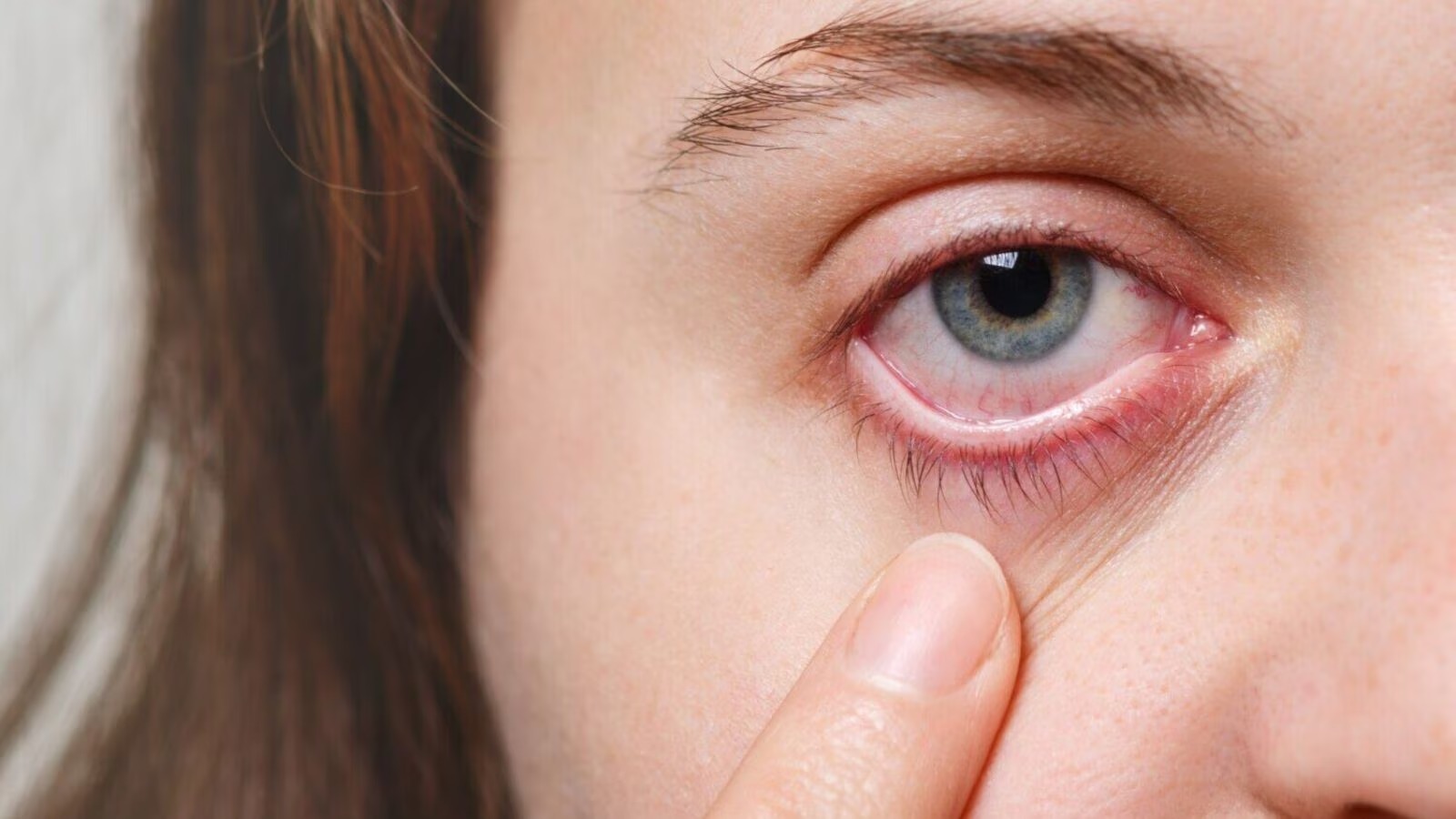
Eye flu cases rising in schools; how to protect your child from conjunctivitis

Due to heavy rains and floods, eye flu cases are surging in schools, putting kids at risk of the infection. Here’s how parents can safeguard their young ones.

As conjunctivitis cases continue to surge in various parts of the country, many schools have issued guidelines to tackle the spread. The rapid spread of the highly contagious infection in Delhi, Maharashtra, Gujarat, Northeast is being attributed to floods and waterlogging due to heavy monsoon rains. Schools in Arunachal Pradesh were closed to contain the spread while in many other educational institutions, students have been asked to practice hygiene measures like washing hands frequently, avoiding touching eyes, not share hand towels and maintain social distance

Which kind of conjunctivitis is spreading nowadays?

While conjunctivitis is of many types and can be caused by bacteria, virus or allergy, the infection that is widespread nowadays is mostly acute viral infection which takes its own course and is self-limiting. The symptoms range from redness, itchiness, stickiness in eyes and swollen eyelids. In case of bacterial infection, the thick discharge from the eyes is yellow or green. While there is no immediate relief from medicine or eyedrops in case of viral infection, the symptoms take 1-2 weeks to ease.

Why children are more at risk of conjunctivitis

Kids are more likely to get conjunctivitis simply because they are more physically active than adults and stay in groups be it in school or parks. The little ones may also get their hands dirty frequently and are more likely to rub and touch their eyes which makes exposure to virus or bacteria high.

“As the seasons change, eye flu cases are surging within school premises, putting our children’s precious vision at risk. It’s crucial for parents and guardians to be proactive in safeguarding their young ones from this alarming trend,” says Dr. Rishi Raj Borah, Country Director – India, Orbis who suggests tips to prevent the infections among children.
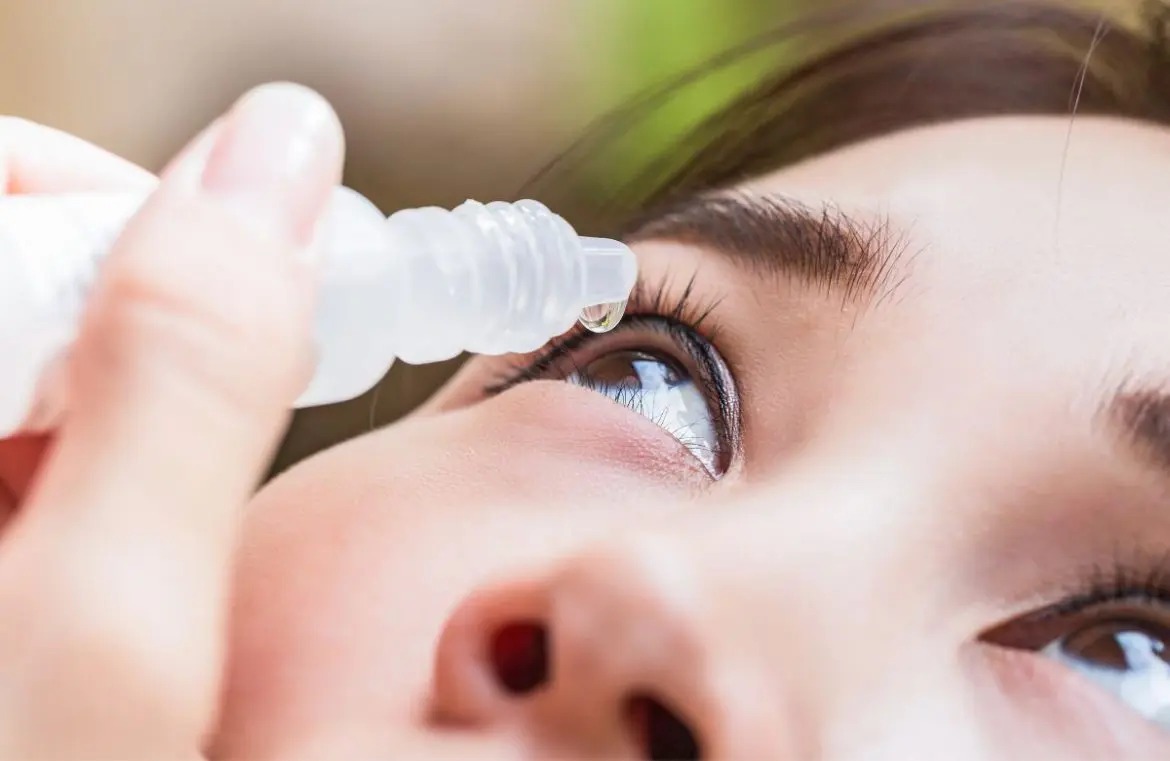
Eye flu cases rising in schools; how to protect your child from conjunctivitis

How to prevent eye flu in children

1. Hand hygiene

Your little ones should keep their hands clean and parents must encourage regular handwashing to prevent the spread of germs, as eye flu can be transmitted through contaminated hands.

2. Avoid touching eyes

Children often rub or touch their eyes more frequently than adults. Teach your child to refrain from touching their eyes to minimize the chance of infection.

3. Proper use of tissues

Emphasize the importance of using tissues when sneezing or coughing to reduce exposure to airborne viruses.

4. Keep personal belongings clean

Regularly sanitize eyeglasses, contact lenses, and any items that come in contact with the eyes.

5. Maintain distance

Encourage maintaining a safe distance from peers displaying symptoms to prevent transmission.

6. Seek medical attention

If your child exhibits any signs of eye flu, promptly seek medical attention to prevent complications and further spread.

Read more at-https://shorturl.at/bmFX7

Categories
Government Guidelines Medical Equipments Medical Updates Medicine & Health

Tips on how to avoid infection during the rainy season

High humidity during the monsoon season encourages the growth of bacteria and viruses. Here are tips to avoid infection during the rainy season.

The rainy season brings relief from the scorching heat but it can also increase the risk of infections as the moisture in the air and the waterlogging on roads create an environment that is conducive to the growth of bacteria and viruses. Many of us love the rainy season and want a break from the summer sweat however, monsoon rains bring many diseases including eye related infections therefore, it is very important to take proper care of your eyes.

Eye infections are one of the most common ailments during the monsoon season, with over 20 million cases reported annually in India alone, according to the Indian Journal of Ophthalmology. By taking necessary precautions and seeking medical attention when necessary, we can help protect our eyes and prevent potentially serious eye infections.

In an interview with HT Lifestyle, Dr Sandeep Buttan, Technical Lead at Eye Health and Health System Strengthening at Sightsavers India, said, “As an ophthalmologist, I cannot stress enough the importance of taking necessary precautions to prevent eye infections during the monsoon season. This time of year presents a number of challenges for maintaining good ocular hygiene, but with the right strategies, we can help protect our eyes and prevent potentially serious eye infections. One of the biggest challenges during the monsoon season is the high humidity, which encourages the growth of bacteria and viruses. Wet surfaces also retain agents of infections, and there is a potential for exposure to contaminated water. Frequent contact between hands and eyes can also increase the risk of eye infections, particularly for children.”

He added, “There are certain high-risk cases to consider, such as those with existing eye conditions like diabetes, allergies, or dry eyes, as well as contact lens wearers and those who have recently had eye surgery. In these cases, it is particularly important to take extra precautions to protect the eyes. The symptoms of eye infections during the monsoon season may include increased irritability, redness, and discomfort, as well as lid infections (stye – painful swelling over the lids) and conjunctivitis (red/ pink eyes) with sticky eyes. If you experience any of these symptoms, it is important to seek medical attention from an eye specialist.”

Tips on how to avoid infection during the rainy season

To prevent eye infections during the monsoon season, he suggested that it is important to improve the general level of cleanliness through regular hand washing and face washing. Dr Sandeep Buttan said, “It is also important to avoid rubbing the eyes, particularly for children. Contact lens users should avoid exposure to rainwater and follow proper lens care practices to reduce the risk of infection. Finally, use of antibiotic eye drops should only be done on the advice of a specialist. Statistics from reputable organizations help support the importance of these practices. For example, the American Academy of Ophthalmology reports that contact lens wearers are more likely to develop eye infections if they use tap water or do not properly clean their lenses. Additionally, a study published in the Journal of Hospital Infection found that hand hygiene interventions can reduce the incidence of eye infections by up to 50%.”

Dr Pankaj Chaudhary, Senior Consultant, Internal Medicine at Max Hospital in Vaishali, recommended five tips to avoid infection during the rainy season –

  1. Keep yourself clean and dry: One of the most effective ways to prevent infections is to keep yourself clean and dry. Make sure to take a bath daily and dry yourself thoroughly. Avoid wearing wet clothes or shoes for a long time as it can create a breeding ground for bacteria.
  2. Drink clean water: Waterborne diseases like cholera and typhoid are common during the rainy season. Make sure to drink only clean and filtered water. If you are not sure about the quality of water, boil it before drinking.
  3. Eat healthy and hygienic food: The rainy season is also a time when food contamination is high. Avoid street food and unhygienic eateries. Make sure to wash fruits and vegetables thoroughly before consuming them.
  4. Boost your immunity: A strong immune system can help you fight off infections. Eat a balanced diet, exercise regularly and get enough sleep to boost your immunity. You can also take supplements like vitamin C to strengthen your immune system.
    1. Avoid crowded places: Crowded places like markets, malls and public transport are breeding grounds for infections. If possible, avoid going to crowded places during the rainy season. If you must go, wear a mask and maintain social distancing.

    Bringing his expertise to the same, Dr Shantanu Mukherjee, Senior Consultant at Sharp Sight Eye Hospitals, advised five eye care tips to keep your eyes healthy this summer –

    1. Keep your eyes protected from rainwater: Even if you like to play, dance and bath in the rain, don’t let the rainwater get directly into your eyes. Don’t open your eyes and enjoy the rain hitting your face. Although the rain is clean, it collects tons of germs, microbes and atmospheric pollutants as it falls, which are harmful for the eyes. That’s why you need to protect your eyes from the rain to avoid any potential eye infections.

    2. Never share your towels or napkins with anyone: Eye infections are contagious. Therefore, the transmission of germs and diseases from one person to another through personal hygiene items (such as hand towels, bath towels, and handkerchiefs) can cause the spread of this disease.

    3. Eat healthy food: Rain and roadside chai-pakoda may seem like a match made in heaven to many but may also cause a magnified risk of contracting eye problems. Therefore, avoid the consumption of oily snacks, and aerated drinks. Instead, you should opt for healthy snacks, fruits, and salads. During the rainy season, include green leafy vegetables, corn, strawberries, yogurt and eggs in your diet.

    4. Try to avoid wearing contact lenses: Try to avoid wearing contact lenses during rainy season as they can cause extreme dryness in the eyes which may result in redness and irritation. Sometimes, it may also lead to severe corneal infection and loss of vision. Always try to keep your glasses clean and dry.

    5. Do not self medicate: We often think that our eye related infections are a trouble for only a few days and will pass away in a couple of days. During this time, most of the people visit a nearby chemist store and get some eye drops or medication not prescribed by a doctor to treat their eye problems, which is not a correct practice. In case you experience even the slightest symptoms of eye infections during monsoon season, you must seek an appointment with your eye doctor.

    Dr Shantanu Mukherjee concluded, “If you wake up with red, swollen and itchy eyes, there is a strong possibility that your eyes are infected. A little eye care goes a long way in preventing infections and keeping your eyes healthy so you can enjoy the rainy season without any problems. However, if you still have symptoms of an eye infection despite taking all precautions, consult your ophthalmologist immediately.”

    By following these simple tips, you can avoid infections during the rainy season. Remember to keep yourself clean and dry, drink clean water, eat healthy and hygienic food, boost your immunity and avoid crowded places.

    Read more at-https://shorturl.at/oBL28

Categories
Government Guidelines Medical Equipments Medical Updates

Conjunctivitis alert: Follow these tips to prevent red eye infection

After months of high temperatures, Monsoon brings the much needed relief from summers. But it also brings with it a range of vector borne and other infectious diseases. As cases of conjunctivitis continues to rise in India, follow these precautions to stay safe.

On the flip side of all the green trees, tantalising rain showers and mouth-watering snacks, monsoon brings with it a host of infections and disease for people. Out of all the people of different age groups, children and elders are the worst affected.

There have been a spurt in cases of conjunctivitis, also known as red eyes, in Delhi NCR. These cases are rising continously not only in Delhi but also in states like Gujarat, Arunachal Pradesh,etc.

In Delhi, there are around 100 cases of the red eye infection being reported daily, according to Dr JS Titiyal, Chief RP Centre for Ophthalmic Sciences, AIIMS.

“We are getting at least 100 cases of conjunctivitis per day. There is usually a seasonal increase in conjunctivitis cases, which coincides with the flu season. The conjunctivitis cases are mostly caused by virus,” Dr Titiyal told ANI.

The conjunctivitis cases are reported each year during monsoon season, “Red eye returns with monsoon, itching, redness, watering and sometimes discharge,” Dr Harsh Kumar, Opthalmologist, Centre for Sight said.

Before your loved ones get affected with this infection, follow these preventive measures to keep you and your family safe this monsoon season.

Conjunctivitis alert: Follow these tips to prevent red eye infection

Tips to prevent Conjunctivitis

-Wash your hands regularly: We keep touching different surfaces at home and in public with our hands. This practice makes it easier for infections to take entry inside our bodies. Hence, regularly wash your hands, especially before eating.

-Avoid touching your eyes: Always avoid touching your eyes unnecessarily. Make sure that you don’t touch your face without any reason throughout the day.

-Use artificial tears: It is advisable to use artificial tears to avoid dry eyes and other irritation to eyes.

-“General hygiene measures should be followed. You should wash your hands whenever coming from outside. Try to avoid closed contact with anyone in your family who has eye flu,” he said.

-“If you have conjunctivitis, use dark goggles, avoid swimming, avoid close contact with others, do not touch your eyes, children may avoid going to school for few days to avoid spread to other students, “he said.

– “Avoid crowded places and avoid touching common objects like railings or handles. Use only antibiotic eye drops,” Dr Harsh Kumar said.

-“In order to reduce the risk of transmitting conjunctivitis, it is essential to maintain strict hygiene practices. Thoroughly washing hands, avoiding touching the eyes, and refraining from sharing personal items like towels or eye makeup can contribute to preventing the infection’s transmission,” Dr Samir Sud said.

Read more at-https://shorturl.at/bnRS6

Categories
Government Guidelines Medical Equipments Medical Updates

38% urban Indians consume artificial sweeteners every month, survey finds

Synopsis

A recent survey conducted by Local Circles in India found that 38% of urban Indians consume artificial sweeteners every month. In May 2023, the World Health Organization (WHO) warned against the use of artificial sweeteners, stating they increase the risk of type 2 diabetes and cardiovascular diseases. The International Agency for Research on Cancer (IARC) has not concluded that there is definitive proof of a link between aspartame and liver cancer.

Following the buzz around the World Health Organization (WHO) stating aspartame to be categorized as “possibly carcinogenic to humans”, a recent survey by Local Circles found that 38 per cent urban Indians consume artificial sweeteners every month.

As many as 11,342 people responded to the question of which 38 per cent people confirmed their consumption of artificial sweeteners in food every month.

Aspartame is a popular artificial sweetener used in food products like diet soda, sugar-free gums, etc. Apart from this, the Indian food regulatory body, Food Safety and Standards Authority of India (FSSAI), has allowed the use of five other artificial sweeteners.

These include saccharin sodium, aspartame, acesulfame potassium, sucralose, neotame, and isomaltulose.

The survey which received as many as 23,000 responses found that 1 in 3 urban Indians consuming artificial sweeteners, consume diet soda or chewing gum.

Several respondents of the total of 4,310 consumers who responded to this query indicated consumption of these sweeteners in more than one food product.

Besides diet soda and chewing gum, both being consumed by 32 per cent of the respondents, other food products were also found to be in rising trends.

As many as 26 per cent people indicated consumption of energy drinks, while 18 percent consume sugar free chocolates. Meanwhile, 18 per cent of consumption was recorded for sugar free ice creams, 5 per cent for energy bars and 37 per cent indicated other foods and drinks.
38% urban Indians consume artificial sweeteners every month, survey finds

The International Agency for Research on Cancer (IARC), WHO’s cancer research arm, has not ruled that there is conclusive proof of a link between aspartame and liver cancer, as suggested by some research papers.

In May 2023, the global health body, WHO warned against artificial sweeteners stating that these products are not helpful in losing weight. In fact, the consumption of these increases the risk of type 2 diabetes and cardiovascular diseases.

After a meeting of the IARC’s external experts, the cancer research body’s ruling in June is based on all the published evidence thereby ending confusion among the public over varied reports.

However, 90 per cent of the respondents said they want food brands to display the use of artificial sweeteners prominently on the front of the pack.

Several food and beverage brands, who have major consumers as minors, use artificial sweeteners like aspartame, sucralose and steviol glycoside in their energy drinks, gums, ice creams etc.

Few also say zero sugar on their packaging.

“By the health regulator at least making it mandatory for all such products to carry prominently on the front of the pack the fact that the product has artificial sweeteners, at least parents will be able to make an informed decision,” Local Circles said in its report.
Read more at-https://shorturl.at/oxSW1
Categories
COVID-19 Government Guidelines Medical Equipments Medical Updates Medicine & Health

Overflowing Yamuna raises risk of dengue; common signs and symptoms of the disease you should know

The flooding of Yamuna river inundating low-lying areas has led to the fear of dengue spread. High-grade fever to severe headaches, here’re symptoms of dengue.

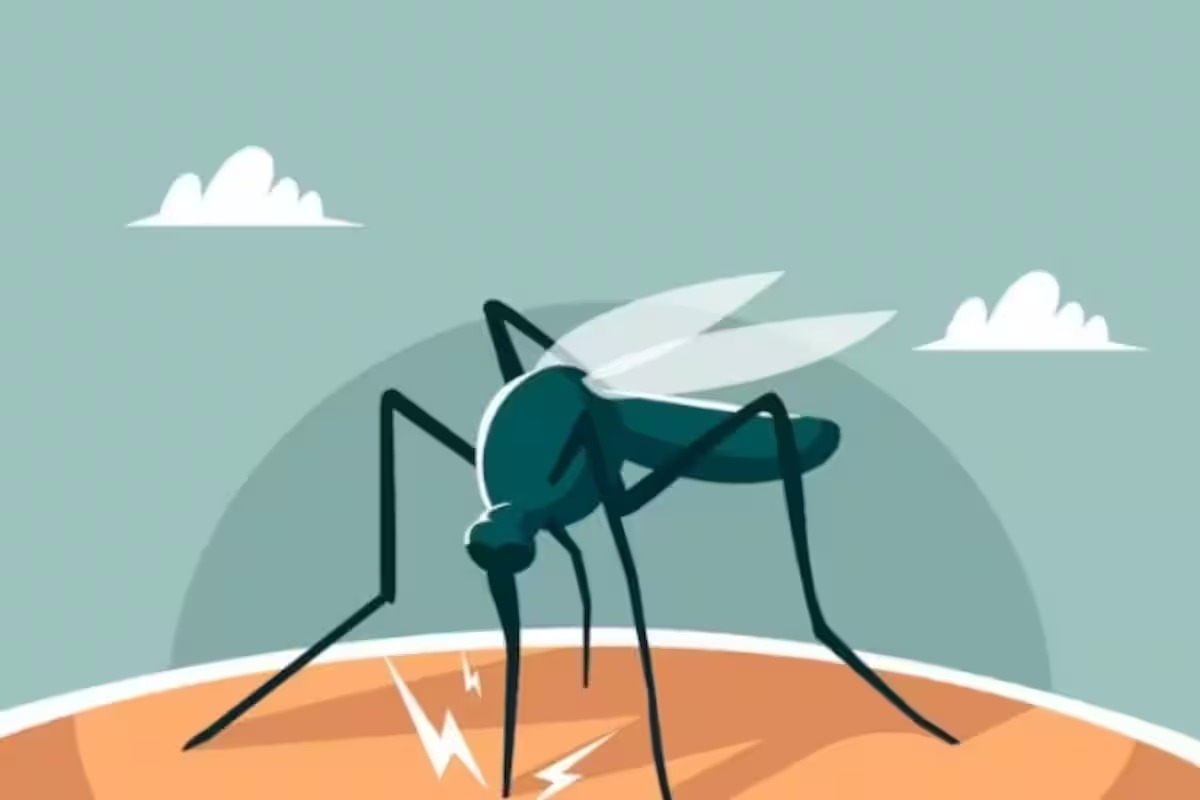
While dengue cases have been on the rise ever since the monsoon rains began in the national capital, the flooding of Yamuna river inundating low-lying areas has led to the fear of virus spread growing multi-fold. Almost 140 cases of dengue were reported in Delhi which has raised alarm over the spread of the deadly virus. Transmitted by bite of mosquito, dengue can have both mild and major symptoms. People who have suffered from dengue previously are at higher risk of getting severe dengue. Prevention is always better than cure in case of dengue. The mosquitoes that spread the disease are active during the day and people are at risk of getting bitten while doing their chores, working or even sitting. To tackle this, full sleeved clothes should be worn, and use of mosquito repellents are suggested even during the day.

“With monsoon around the corner, we anticipate dengue and other vector borne diseases. Till last year, statistics show number of cases of the vector-borne disease climbing to over 3000 plus in national capital, according to NVBDCP report. We all are aware that dengue is a viral illness which gets transmitted through the bite of female Aedes mosquitoes. Dengue fever cannot spread directly from person to person unlike Covid-19 or flu, says Dr Neha Rastogi Panda, Consultant, Infectious Disease, Fortis Memorial Research Institute, Gurugram.

Overflowing Yamuna raises risk of dengue; common signs and symptoms of the disease you should know

Dengue is a viral disease transmitted by the infective bite of a mosquito called Aedes aegypti. Human beings develop disease after 5–6 days of being bitten by infected female mosquitoes that feed both indoors and outdoors during the daytime (from dawn to dusk). These mosquitoes thrive in areas with standing water including puddles, water tanks, containers and old tires. It occurs in two forms – classical dengue fever also known as ‘break bone’ fever and dengue haemorrhagic fever (DHF) which is life threatening. It is highly contagious and spreads from one person to another through mosquito bites,” says Dr Tushar Tayal, Consultant- Internal Medicine, CK Birla Hospital, Gurugram.

“The infection is characterized by flu-like symptoms which include a sudden high-grade fever coming in separate waves, pain behind the eyes, muscle, joint and bone pain, severe headache, abdominal fullness and discomfort and a skin rash with red spots which happens by the fifth day of illness,” says Dr Tayal.

Dengue illness can be prevented by using basic steps of hygiene and source control to ensure and eliminate any possible breeding locations in your home, such as watering cans, buckets, and clogged drains.

Signs and symptoms of dengue explained by Dr Panda

1. High fever: One of the primary signs of dengue fever is a sudden onset of high fever, often reaching 104°F (40°C). The fever typically lasts for 2 to 7 days.

2. Severe headache: Dengue fever is often accompanied by an intense headache, especially behind the eyes. This headache can be debilitating and persistent.

3. Pain behind the eyes: Individuals with dengue fever may experience pain and discomfort behind their eyes. This symptom is often described as a deep ache.

4. Joint and muscle pain: Dengue fever is known for causing severe joint and muscle pain, earning it the nickname ‘breakbone fever.’ The pain can be widespread and excruciating.

5. Rash: A characteristic rash may develop on the skin after a few days of fever. It typically appears as small, red, and raised spots and can be itchy.

6. Nausea and vomiting: Dengue fever can cause gastrointestinal symptoms such as nausea, vomiting, and abdominal pain. These symptoms may contribute to dehydration.

7. Fatigue: Individuals affected by dengue often experience extreme fatigue and weakness, even after the fever subsides. This fatigue can persist for weeks.

8. Bleeding: In some cases, dengue fever can lead to bleeding manifestations, such as nosebleeds, bleeding gums, or easy bruising. If severe, it may indicate dengue hemorrhagic fever, a potentially life-threatening condition.

Myths associated with dengue

“More than this illness, myths and panic associated with dengue is viral. The majority (90%) of people recover from this viral infection without much medical intervention following simple dictum of preventing dehydration by drinking with plenty of water, ensuring rest and relief of fever and pain with paracetamol. Severe/complicated dengue is seen in only about 10 per cent patients and only 5 per cent of dengue patients need to be hospitalised,” says Dr Panda.

“It is essential to note that dengue symptoms can vary from person to person, and some individuals may have mild or no symptoms at all. However, anyone experiencing the aforementioned symptoms, especially in areas with a high prevalence of dengue, should seek medical attention promptly,” concludes Dr Panda.

Read more at-https://shorturl.at/DEKQV

Categories
Government Guidelines Medical Equipments Medical Updates

Full provisions of medical devices regulation to come into force from October 1: DCGI

Synopsis

Speaking to reporters on the sidelines of the 9th International Pharmaceutical Exhibition (iPHEX) being organised by the Pharmaceuticals Exports Promotion Council (Pharmexcil) here, Raghuvanshi said the regulations would ensure quality in the production of medical devices. “In the medical devices, we are categorising into four groups. Two groups (A and B) are already notified. C and D are left which will happen from October 1,” he said.

Medical devices of all four categories (A, B, C, and D) will be brought under the regulation by October 1 and as of now only two groups (A and B) are being regulated, Drugs Controller General of India (DCGI) Rajeev Singh Raghuvanshi said on Wednesday. Speaking to reporters on the sidelines of the 9th International Pharmaceutical Exhibition (iPHEX) being organised by the Pharmaceuticals Exports Promotion Council (Pharmexcil) here, Raghuvanshi said the regulations would ensure quality in the productivity in the production of medical devices.

“In the medical devices, we are categorising into four groups. Two groups (A and B) are already notified. C and D are left which will happen from October 1,” he said.

The Union Cabinet on April 26 approved the National Medical Devices Policy, 2023 to give a thrust to the sector with quality controls. The market size of the medical devices sector in India is estimated to be USD 11 billion (approximately Rs 90,000 crore) in 2020 and its share in the global medical device market is estimated to be 1.5 per cent, an official release had earlier said.

Full provisions of medical devices regulation to come into force from October 1: DCGI
Earlier during the inaugural session of iPHEX, S V Veeramani, Chairman of Pharmexcil, highlighted that the Indian pharmaceutical industry has carved out a unique distinction in reaching 200 countries in the world.

He said the Indian pharma exports were pegged at USD 25.39 billion in FY 23 and the target for the current year is USD 28 billion.

Ravi Udaya Bhaskar, Director General of Pharmexcil, said the Indian pharmaceutical industry has contributed substantially to healthcare through the supply of quality, affordable generic medicines to nearly 200 countries and is popularly called as the ‘Pharmacy of the World’.

Bhaskar further said earlier all the eight editions attracted over 4,500 foreign delegates, including regulatory officials, public procurement agencies, journalists and importers from more than 120 countries, 3,500 exhibitors and one lakh visitors.

Read more at-https://shorturl.at/egjMZ

Categories
COVID-19 Government Guidelines Medical Equipments Medical Updates

Immune response against bystander virus, not SARS-CoV-2 causes long Covid: Study

Immune inflammatory reaction not against Covid, but against a harmless bystander virus present in the body, driving a cytokine storm, may be behind long Covid.

Immune inflammatory reaction not against COVID-19, but against a common, harmless, dormant “bystander” virus present in the body, driving a cytokine storm, may be behind long Covid, a new research has found. Analysing Covid-patients’ blood samples, researchers found that 3 months after being hospitalised for severe infection, there was no rapid increase in the immune cells targeting SARS-CoV-2, but an increase in those targeting the dormant Cytomegalovirus (CMV). CMV is usually harmless but can stay in your body for life once infected with it.

The finding indicated that the prolonged inflammation at 3 months in severe patients may not be driven by SARS-CoV-2 but instead may be “bystander driven”.

Immune response against bystander virus, not SARS-CoV-2 causes long Covid: Study

“Long Covid occurs in one out of ten COVID-19 cases, but we still don’t understand what causes it.

“Several theories proposed include whether it might be triggered by an inflammatory immune response towards the virus that is still persisting in our body, sending our immune system into overdrive or the reactivation of latent viruses such as human cytomegalovirus (CMV) and Epstein Barr virus (EBV),” said Laura Rivino, senior lecturer at the University of Bristol, UK, and the study’s lead author.

The researchers analysed blood samples of 63 patients hospitalised for mild, moderate or severe COVID-19 infection at the start of the pandemic when vaccines were not available.

The study also found patients with severe COVID-19 to display a higher number of long Covid symptoms compared to mild and moderate patients, even as the team’s analysis revealed no direct association between long Covid symptoms and Covid-related immune inflammatory responses.

Further, 79 per cent of all the patients reported at least one ongoing long Covid symptom with breathlessness and excessive fatigue being the most common, the study published in the journal eLife said.

The significant dysfunction found in the immune profiles of severe patients at 3 months indicated that inflammation may persist even for months post-recovery, even though results showed the inflammation in these patients to resolve over time.

At 12 months, the researchers found, both the immune profiles and inflammatory levels of patients with severe disease were similar to those of mild and moderate patients.

“Our findings suggest that prolonged immune activation and long Covid may correlate independently with severe COVID-19.

“Larger studies should be conducted looking at both a larger number of patients, including if possible vaccinated and non-vaccinated COVID-19 patients, and measuring a larger range of markers and cytokines.

“Understanding whether inflammation and immune activation associate with long Covid would allow us to understand whether targeting these factors may be a useful therapy for this debilitating condition,” said Rivino.

Read more at-https://shorturl.at/lnoM8

Categories
Government Guidelines Medical Equipments Medical Updates

Soon you may need doctor’s prescription for cough syrups

Synopsis

The Drugs Technical Advisory Board (DTAB), India’s apex drug advisory body, in its meeting last month was also considering a proposal for exempting dried Ivy leaf extract sugar free cough syrup from the requirements of a prescription.

The government is considering whether cough syrups should be sold on the prescription of a registered medical practitioner (RMP) only. A sub-committee of experts has been constituted to examine the requirement of RMPs for the sale of various cough syrups in the country, people in the know told ET.

Cough syrups are widely available over the counter as of now.

Soon you may need doctor's prescription for cough syrups

The Drugs Technical Advisory Board (DTAB), India’s apex drug advisory body, in its meeting last month was also considering a proposal for exempting dried Ivy leaf extract sugar free cough syrup from the requirements of a prescription.

However, after deliberating the matter, the DTAB recommended “that a sub-committee should be constituted to examine the requirement of RMP for sale of various cough syrups in the country,” the minutes of the meeting said.

The sub-committee will also examine the proposal to exempt dried Ivy leaf extract cough syrup from the warning “to be sold by retail in the prescription of RMP only.”

India-made cough syrups have been under the scanner in the recent past with many countries linking it with deaths of children in their countries.

Read more at-https://shorturl.at/bjnzM

Categories
Government Guidelines Medical Equipments Medical Updates Medicine & Health

Cancer can occur at any time or age; symptoms and warning signs to look out for

Cancer can occur at any time or age, although the risk generally increases with age. Be aware of these symptoms whether they be genetic or related to lifestyle.

Cancer is characterised by the abnormal growth and division of cells in the body, which can form tumours or invade nearby tissues and there are numerous types of cancer, each with its own unique characteristics and treatment approaches but can have devastating effects on individuals and their families, causing physical, emotional and financial challenges. However, advancements in medical research and technology have led to improved diagnosis, treatment and survival rates for many types of cancer where prevention and early detection play a crucial role in fighting against cancer, emphasising the importance of healthy lifestyle choices, regular screenings and awareness of risk factors.

Support networks, medical professionals and research institutions tirelessly work towards finding better treatments and ultimately, a cure for this disease but the battle against cancer requires a collective effort from individuals, communities and organisations to raise awareness, support those affected and contribute to ongoing research efforts, with the ultimate goal of eradicating cancer and improving the quality of life for those impacted by it. In an interview with HT Lifestyle, Dr Vikram Vora, Medical Director at Indian Subcontinent – International SOS, shared, “Cancer can indeed occur at any time or age, although the risk generally increases with age. It’s essential to be aware of the risks whether they be genetic or related to lifestyle.”

Cancer can occur at any time or age; symptoms and warning signs to look out for

He advised, “Vulnerable individuals must be aware of the symptoms and signs of cancer so that they can seek early medical intervention. Some common symptoms and warning signs like unexplained weight loss, fatigue, changes in skin colour, persistent pain, changes in bowel or bladder habits, unusual bleeding, difficulty swallowing or persistent indigestion, changes in a cough or hoarseness, lumps or thickening are associated with cancer and could indicate malignancies. These abnormalities can occur at any age and not gender-specific. Regular check-ups and screenings can help detect cancer early, when there is a high likelihood of a favourable response to treatment.”

Bringing his expertise to the same, Dr (Prof) Vijay Patil, Consultant – Medical Oncology at PD Hinduja Hospital and MRC in Mumbai, echoed that cancer is a disease that can occur at any time or age, though it is commonly known to affect older individuals. He said, “It is important to understand that cancer does not discriminate based on age, gender or lifestyle choices. While certain factors such as exposure to harmful chemicals, smoking and poor dietary habits can contribute to the development of cancer, there are cases where people with no known risk factors have also been diagnosed with the disease. Early detection and regular screening are crucial in detecting cancer in its early stages, regardless of age, and can significantly improve outcomes for patients.”

He too highlighted that the common symptoms and warning signs of cancer include unexplained weight loss, persistent fatigue, changes in bowel or bladder habits, difficulty swallowing, persistent coughing or hoarseness, unusual bleeding or discharge, lumps or thickening in the breast or other body parts, unexplained pain and fever. He concluded, “It is important to note that these symptoms are not exclusive to cancer and could also be due to other medical conditions. If you experience any of these symptoms for an extended period, it is recommended that you see a healthcare professional for further evaluation. Early detection and treatment can improve the chances of successful cancer treatment.”

Read more at-https://shorturl.at/zBGZ4

Categories
Medical Equipments Medical Updates

Eye drops slow nearsightedness progression in children: Study

The study shows that daily drop of low dose of atropine in each eye is better than placebo at limiting eyeglass prescription changes.

According to the findings of recent clinical research, the first medication therapy to reduce the onset of nearsightedness in children may be on the horizon.

The three-year study found that a daily drop in each eye of a low dose of atropine, a drug used to dilate pupils, was better than a placebo at limiting eyeglass prescription changes and inhibiting elongation of the eye in nearsighted children aged 6 to 10.

That elongation leads to myopia, or nearsightedness, which starts in young kids and continues to get worse into the teen years before leveling off in most people. In addition to requiring life-long vision correction, nearsightedness increases the risk for retinal detachment, macular degeneration, cataracts and glaucoma later in life – and most corrective lenses don’t do anything to stop myopia progression.

“The idea of keeping eyeballs smaller isn’t just so people’s glasses are thinner – it would also be so that in their 70s they don’t suffer visual impairment,” said lead study author Karla Zadnik, professor and dean of the College of Optometry at The Ohio State University.


“This is exciting work for the myopia research community, which I’ve been part of for 35 years. We’ve talked about treatment and control for decades,” she said. “And it’s exciting to think that there could be options in the future for millions of children we know are going to be myopic.”

The results of the CHAMP (Childhood Atropine for Myopia Progression) trial are published today (June 1, 2023) in JAMA Ophthalmology.

Eye drops slow nearsightedness progression in children: Study

About one in three adults worldwide is nearsighted, and the global prevalence of myopia is predicted to increase to 50% by 2050. Though one federally approved contact lens can slow progression of nearsightedness, no pharmaceutical products are approved in the United States or Europe to treat myopia.

Animal studies years ago hinted at atropine’s ability to slow the growth of the eye, but the full-strength drug’s interference with near vision and concerns about pupil dilation hindered early considerations of its potential as a human therapy for myopia. More recent research has suggested a low dose of atropine might be the ticket.

This new double-masked, randomized phase 3 trial assessed the safety and effectiveness of two low-dose solutions, with atropine concentrations of either .01% or .02%, versus placebo. Treatment for each of the 489 children aged 6 to 10 assessed for the drug’s effectiveness consisted of one daily drop per eye at bedtime, which minimized the disruption of any blurring effects atropine might have on vision.

Researchers were a bit surprised to find that the most significant improvements at all time points compared to placebo resulted from the solution containing .01% of atropine. Though the .02% atropine formulation was also better at slowing progression of myopia than placebo, the results were less consistent.

“The .01% story is clearer and more obvious in terms of significantly slowing both the growth of the eye as well as then resulting in a lower glasses prescription,” Zadnik said.

Including a measure of the eye’s growth was a key component of the study because “the field is actually moving toward axial elongation being as important as, or more important than, the glasses prescription in terms of the most meaningful outcome,” she said. “If we’re trying to slow eye growth to prevent bad outcomes for people in their 80s, measuring the eye growth directly is really important.”

The drugs’ safety was assessed in a larger sample of 573 participants that also included children as young as 3 and up to age 16. Both low-dose formulations were safe and well tolerated. The most common side effects were sensitivity to light, allergic conjunctivitis, eye irritation, dilated pupils and blurred vision, although reports of these side effects were few.

The CHAMP trial was the first study of low-dose atropine to include placebo controls for three years and to involve a large, diverse population recruited from 26 clinical sites in North America and five countries in Europe. In a second section of the trial, researchers are evaluating how the eyes respond when the treatment is over.

The experimental drug is made without preservatives and, if federally approved as a therapy, would be distributed in single-use packaging for convenience and to prevent contamination. Off-label low-dose atropine that can currently be obtained at compounding pharmacies may contain preservatives that can lead to dry eye and corneal irritation, researchers noted.

The experimental product studied in the CHAMP trial is manufactured by Vyluma, a New Jersey development-stage biopharmaceutical company with a focus on pharmaceutical treatments for refractive errors of the eye. A subsidiary of Nevakar Inc., Vyluma sponsored the trial, has submitted a New Drug Application to the FDA to seek approval in the U.S. and has partnered with two companies to commercialize the product outside the United States..

Zadnik led the study as a paid expert consultant to Vyluma. Jennifer Fogt, assistant professor at Ohio State, also worked on the trial. Additional co-authors Erica Schulman of SUNY College of Optometry; Ian Flitcroft of the Center for Eye Research in Dublin, Ireland; Louis Blumenfeld of Eye Physicians of Central Florida; and Tung Fong, Eric Lang, Houman Hemmati and Simon Chandler of Vyluma represented the CHAMP trial group investigators.

Read more at-https://shorturl.at/krDJ9