Categories
Medical Updates

Tips for understanding and addressing separation anxiety in children

Separation anxiety in children is a normal but challenging phase. Check out practical tips to ease distress and promote emotional well-being during separations.

Before we know it, children grow up and stand prepared to step into daycares and preschools. The formative years are crucial for laying a strong foundation for a child’s future, and early childhood education plays a vital role in fostering their holistic development. However, for some preschoolers, the experience of being away from their home and parents can trigger intense emotions, such as fear and distress, resulting in separation anxiety. Understanding and addressing separation anxiety is crucial in ensuring a smooth transition for both children and parents. Recognising the signs, helps parents provide necessary support and comfort to their little ones.

Tips for understanding and addressing separation anxiety in children

Separation anxiety is a normal developmental phase that occurs in children around the age of 18 months and often gets resolved by the time the child is 3 years of age. But sometimes even children who are used to going to daycare and preschool will cling to their parents after an extended stay at home due to holidays or sickness. A child with separation anxiety worries a lot about being apart from family members or caregivers.

Identifying separation anxiety

a) They cling: Children may cling to their parents, unwilling to let go, even in familiar environments.

b) There are tears and tantrums: Preschoolers may cry, scream, or throw tantrums when their caregivers try to leave them.

c) Fear of separation triggers: Activities like going to school, daycare, or even leaving the house, can become anxiety triggers causing stomachaches, headaches, or nausea.

d) Difficulty in sleeping alone: Sleep disturbances, nightmares, and refusing to sleep alone in a separate room from the caregiver, are common during this phase.

“Experts believe that separation anxiety is caused by both biological and environmental factors. A child may inherit a tendency to be anxious. An imbalance of 2 chemicals in the brain (norepinephrine and serotonin) most likely plays a part. However, it’s important to acknowledge that children can also pick up anxiety and fear from their family members and other individuals around them. Children are perceptive and can pick up on their parent’s emotions,” says Sibi.

She added, “If caregivers display anxious behaviour during separations, it can amplify the child’s anxiety. Sudden changes in the environment or a traumatic incident like the loss of a grandparent can also intensify their feelings. While it is natural for children to experience this phase, extended duration (more than 8 weeks) and interference with typical daily activities call for careful consideration.”

Addressing Separation Anxiety

Here are several strategies suggested by Sibi that parents and caregivers can implement to help their tiny tots overcome separation anxiety and help them adjust to the new setting and environment

a) Prepare your child: Inform your child about the transition and visit the daycare or preschool beforehand with them. Exchange a hello with the people who will be there.

) Encourage expression: Let your child express their feelings and fears about separation. Listening to them and acknowledging their emotions can help them feel understood. Sit and reason with them, giving them an understanding of the bigger world they are a part of.

c) Rely on empathetic thinking: Read books about characters who face similar fears but end up enjoying preschool. Arrange playdates with other preschoolers and role-play real-life scenarios with toys, showcasing the experience of going to a preschool and returning home as fun.

d) Gradual separation: Start with short periods of separation and gradually increase the duration. This helps the child become more comfortable with the idea of being away from their caregiver.

e) Use a visual calendar: Uncertainty can fuel separation anxiety. So create a visual calendar or a picture schedule to help them understand how their day will proceed and when they will be reunited with their family.

Bring in some comfort: A special toy or blanket can provide comfort to a child during separations, serving as a familiar reminder of their caregiver.

g) Stay calm and reassuring: When saying goodbye to your child, remain calm and reassuring. Let them know that you will return and stick to your promises. “I will be back, right here to pick you up after school” “You can call me anytime you need me” and “I want you to know how much I love you” Such comforting statements can help put the child at ease and more open to the idea of a short separation.

h) Encourage independence: Allow children to practice age-appropriate life skills such as eating on their own, wearing shoes, and so forth so that they can gain confidence in doing things on their own.

“Patience, empathy, and open communication are key elements in supporting preschoolers through this sensitive period. By nurturing a supportive and understanding approach, primary caregivers, educators, and parents can empower preschoolers to overcome separation anxiety and embark on a path of healthy emotional development and successful learning,” Sibi concluded.

Visit us – https://shorturl.at/muA46
Categories
Medical Updates

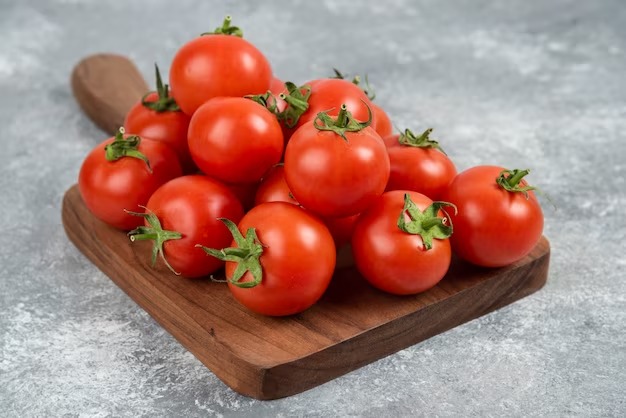
Can tomatoes lower high blood pressure? If you eat them raw and fresh

What many do not know is that high blood pressure or hypertension is largely a condition caused by poor lifestyle management. That’s why my first control for a just-diagnosed blood pressure patient is not about prescribing medication but an intensive two to three weeks of diet therapy and exercise. You wouldn’t believe it but 30 per cent of my patients get back into range through lifestyle and diet changes. I go for medication when the blood pressure doesn’t go down despite making determined lifestyle corrections.

Can tomatoes lower high blood pressure? If you eat them raw and fresh

When it comes to making dietary interventions, a recent study confirmed what we had known about for a long time. That having tomatoes can help you reduce your blood pressure. The study, published in the European Journal of Preventive Cardiology, found that those who ate the most tomatoes or tomato products every day lowered their risk of high blood pressure by more than a third. People without high blood pressure, who ate the most tomatoes or tomato-based foods, had a 36 per cent lower risk of developing hypertension than those who ate the least. In people who already had high blood pressure, especially those in stage one hypertension, moderate consumption of tomatoes was associated with a reduction in blood pressure too. Before this study, the American Heart Association had also recommended that tomatoes be included in the diet to lower blood pressure.

HOW TOMATO LOWERS BP

So what are the protective effects of tomatoes? High blood pressure is caused by increased uptake of sodium in the diet. That’s why we ask patients to limit salt intake. Your total amount of sodium per day should be no more than 1,500-2,000 milligrams (mg). Now sodium’s effect on blood pressure can be countered by potassium and having foods rich in them. Tomato is an easily available source of potassium.

Tomato is also rich in lycopene, which stabilises the endothelium or the walls of the arteries. It promotes the generation of nitric oxide in the endothelium, scavenging them so to speak, improving blood flow and lowering blood pressure in the process. It also limits formation of angiotensin 2, which can narrow blood vessels and force the heart to work harder at pushing blood through.

THE RIGHT WAY TO HAVE TOMATOES

Of course, tomatoes should be consumed in the right manner. If you sprinkle salt on them or cook them on high heat, their nutritional and cardio-protective benefits just evaporate. That’s why though Indians use a lot of tomato in their diet, they don’t get its nutritional benefits. Even sprinkling salt on a tomato salad takes away its food value. Yet the Mediterranean diet, which is being considered the friendliest diet for cardiovascular health, uses tomatoes. But the tomato is never cooked, it is just eaten as is, with a dribbling of olive oil maybe. So including tomatoes the right way in your diet would surely help you keep your blood pressure in range, along with exercise and sleep.

Visit www.aarogyapath.in for more details .

Categories
Medical Updates

These fruits can boost mental health in a few days

​New study sheds light on the role of furry fruits in improving mental health​

A new study published in The British Journal of Nutrition has found that kiwifruit are powerful mood boosters and can improve “vitality and mood in as little as four days.” With this the study by researchers from the University of Otago has found an effective way for people take care of their well-being. “It’s great for people to know that small changes in their diet, like adding kiwifruit, could make a difference in how they feel every day,” Co-author Professor Tamlin Conner, of the Department of Psychology has said.

What are furry fruits?​

Furry fruits” typically refer to fruits with a fuzzy or hairy outer surface. One common example is the kiwifruit, known for its brown, fuzzy skin and vibrant green flesh. The tiny hairs on the kiwi skin are edible, and the fruit offers a sweet and tangy flavor. Another example is the rambutan, a tropical fruit with a hairy red or yellow skin and translucent, juicy flesh inside. These fruits often have unique textures and flavours , making them not only visually distinctive but also appealing to those seeking diverse and exotic taste experiences.

How did the researchers zero in on furry fruits?​

The researchers connected the link between vitamin C and its impact on mental health. Vitamin C intake has been associated with improved mood, vitality, well-being, and lower depression, while vitamin C deficiency is associated with higher depression and cognitive impairment. A total of 155 participants were studied. The participants took daily either a vitamin C supplement, placebo, or two kiwifruit. They then reported their vitality, mood, flourishing, sleep quality, sleep quantity, and physical activity using smartphone surveys. The researchers found kiwifruit supplementation improved vitality and mood within four days, peaking around 14–16 days, and improved flourishing from day 14. Vitamin C, on the other hand, marginally improved mood until day 12.

Role of vitamin C in improving mood​

Vitamin C, an essential nutrient found in fruits and vegetables, plays a crucial role in mental health. As an antioxidant, it helps combat oxidative stress, protecting the brain from free radical damage linked to cognitive decline and mental disorders. Additionally, vitamin C supports the synthesis of neurotransmitters like serotonin, vital for mood regulation. Adequate intake enhances cognitive function, memory, and concentration. Its anti-inflammatory properties further contribute to overall brain health. While not a cure for mental health conditions, maintaining sufficient vitamin C levels through a balanced diet may positively influence emotional well-being and cognitive resilience.

​Fruits vs. vitamin C supplements: Which is better?​

Our study suggests that kiwifruit consumption, and to a lesser extent vitamin C supplementation, can lead to mood-related improvements in a relatively short time (from 4 to 16 days), even in a relatively healthy population with good mental health,” the researchers have said. “Whole food sources (kiwifruit) showed greater and more consistent improvements over time than vitamin C alone, and improvements were more notable for individuals who had consistently low vitamin C levels at baseline,” they added.

Visit us – www.aarogyapath.in for more details .

Categories
Medical Updates

7 amazing benefits of mushrooms from lowering cholesterol to managing blood pressure

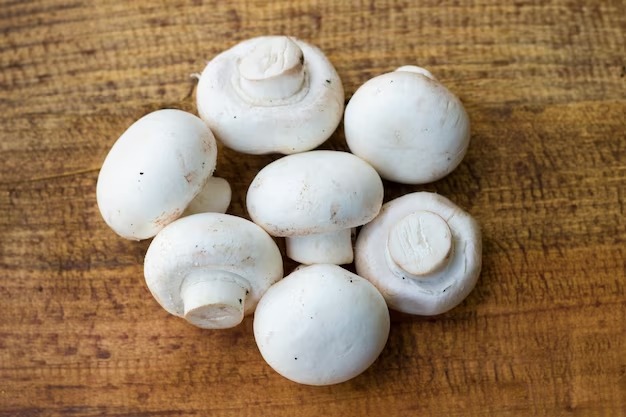
If there is one great addition to your diet that can promise a burst of nutrients along with a strong protective effect on your health, you can bank on mushrooms. A nutrient powerhouse and a savoury treat, mushrooms can be turned into a variety of mouth-watering dishes. Mushroom isn’t a vegetable but a type of fungi, yet it’s a storehouse of antioxidants, protein, vitamins and minerals that can give your health a big boost. While mushrooms prevent you from deadly chronic diseases of the body and brain such as cancer, Alzheimer’s disease, diabetes, and high blood pressure, they also help you maintain your weight. From boosting your immunity, lowering cholesterol to stimulating gut health, mushroom consumption is associated with a range of health benefits.

Low in calorie and sodium, eating mushroom can also reduce your white salt consumption and help manage hypertension. If high cholesterol level is what bothers you, including mushroom in your diet can help you naturally reduce it. Keeping you satiated for long, mushroom aid your weight loss efforts and fulfil the promise of holistic health.

Mushrooms contain a high amount of protein content with an average value of 23.80 g/100 g dry weight (DW). They are also a rich, low-calorie source of fibre, protein, selenium and antioxidants. Consuming mushrooms can prevent cognitive decline, diabetes, heart disease, cancer among others.

“Mushrooms contain high amounts of selenium, Vitamin D, and Vitamin B6. Selenium can help prevent cell damage in our bodies. Vitamin D helps with cell growth while Vitamin B6 helps our bodies form red blood cells. All these nutrients in mushrooms help to maintain a healthy immune system,” says Geetika Bajaj, Nutritionist and Lifestyle Management Consultant.

WONDERFUL BENEFITS OF MUSHROOM

Bajaj also shares amazing benefits of eating mushrooms in an interview with HT Digital:

1. Decreases risk of cancer

Mushroom not only possesses anti-cancer properties, but their consumption is also associated with minimising side effects like nausea, bone marrow suppression, anaemia, and insomnia, and lower drug resistance after chemotherapy and radiation therapy. Research shows that people who eat two mushrooms a day (around 18g) have a 45% lower risk of cancer compared with those who do not eat mushrooms. In China and Japan, medicinal mushrooms are used as adjunct in cancer treatment.

2. Reduces sodium intake

To decrease your sodium intake, consider adding mushrooms to your meals. Mushrooms are naturally low in sodium and an entire cup of white button mushrooms has just five milligrams of sodium. They offer savoury flavour that reduces the need for added salt and keep your blood pressure low.

3. Protects brain health

Eating mushrooms can also improve your brain prowess. Certain mushrooms have been linked to everything from improved neurotransmitter function, lowered inflammation and oxidative stress in the brain, and supporting the growth of brain-derived neurotrophic factor.

4. Stimulates healthier gut

One way to keep your gut healthy is to stimulate the growth of healthy bacteria in that space with the use of prebiotics, such as mushrooms. Research shows that mushroom polysaccharides, their most abundant carbohydrate, stimulate the growth of healthy bacteria.

5. Supports healthy immune system

Mushrooms contain macronutrients that support a healthy immune system. According to the Mushroom Council, your immune system will benefit from mushrooms whose nutrients include selenium that helps your body make antioxidant enzymes to prevent cell damage.

6. Good source of Vitamin D

Mushrooms are one of the few food sources where the precursor to Vitamin D occurs naturally. Ergosterol, found in mushrooms (21- 107 mg/100 gm) is converted to ergocalciferol or Vitamin D2 by exposure to UV light.

Promotes lower cholesterol

Mushrooms have been shown to have some therapeutic properties that may help lower cholesterol, particularly in overweight adults. They also contribute nutrients and plant compounds that may help prevent cells from sticking to blood vessel walls and forming plaque build-up.

Visit us – www.aarogyapath.in

Categories
Medical Updates Medicine & Health

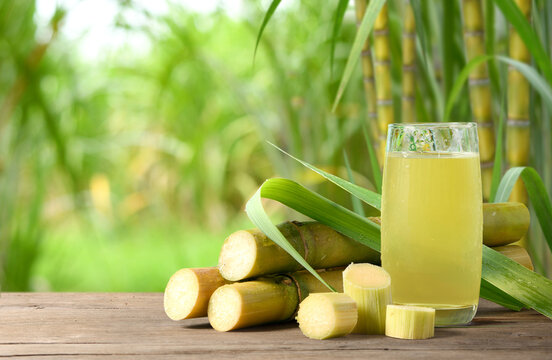
Sugarcane Juice Help To Cure Jaundice? See What Experts Say

Jaundice is defined colloquially as yellowish discolouration of eyes and highly coloured urine, which occurs mainly due to a disorder of the liver, generally medical cause, and biliary tract – usually surgical cause. It is a symptom and not a disease and is associated with liver conditions like hepatitis, liver cirrhosis and other liver conditions where bilirubin levels in the blood get high. Sugar cane juice is considered popular in treating jaundice. According to Ayurveda, sugarcane juice helps strengthen the liver and has been suggested since ancient times as a potent home remedy for jaundice.

But, in a recent tweet, Abby Philips who is known by the name TheLiverDoc on Twitter, said, “Sugarcane juice for jaundice is an old-wives tale and traditional healers belief-based illogical advice – it is a healthcare myth. It does nothing, other than provide energy in the form of sugars and increase water content in the human body.”

Does Sugarcane Juice Help To Cure Jaundice?

Dr. Saibal Chakravorty, who is a Senior Consultant – Internal Medicine at Metro Hospital, Noida said, “Hepatitis A, B, and C are among the viruses that are the main cause of hepatitis, a common condition that appears as jaundice. Sugarcane juice is frequently seen as a diet rich in carbohydrates, and some people believe that it can offer nutritional support during acute hepatitis, particularly in people who are not diabetic.”
“It’s important to stress, nevertheless, that jaundice or hepatitis cannot be cured with sugarcane juice. Depending on the underlying cause, hepatitis usually requires medical intervention and specialised therapies. A healthy diet is crucial for maintaining general health, but sugarcane juice alone cannot take the place of medical care,” he added.

What Does The Unani System Of Medicine Have To Say:

Pooja Shah Bhave, who is a Consultant Clinical Dietician and Diabetes Educator, Mumbai said, “According to the Unani system of medicine, sugarcane juice is considered good for patients with jaundice. It is considered beneficial for the liver and is recommended that jaundice patients take in a large amount of sugarcane juice for immediate relief. There are several animal and human studies which have reported sugar cane juice or extracts been protective against liver toxicity happening due to drugs or other toxins, owing to immense antioxidant properties in sugarcane juice.”

“But one must be cautious as to how much quantity to consume. As suggested earlier in the review to have plenty of juice continuously through the course of treatment of jaundice. It is wise to not exceed one glass (200ml) of sugar cane juice in a day. One should always consult a dietician or doctor treating you before making any major changes in the diet. Having an excess quantity of juice may cause elevated blood sugar levels or indigestion and diarrhoea,” she added.

More Of Cultural Belief…

Dr. Santosh Pandey, an Acupuncturist and Naturopath, at Rejua Energy Center, Mumbai said, “Sugarcane juice contains essential nutrients such as antioxidants, vitamins, and minerals. It is hydrating and may provide a quick source of energy due to its natural sugars and is often regarded as a home remedy for jaundice. But, its effectiveness in curing the condition is more of a cultural belief than a scientifically proven fact. While sugarcane juice does offer some nutritional benefits, claiming it as a cure for jaundice oversimplifies a complex medical condition.”

“Relying solely on home remedies, like sugarcane juice, without proper medical guidance may delay effective intervention and compromise overall health. The key to treating jaundice lies in addressing its underlying causes. Hepatitis, liver cirrhosis, or other liver-related issues often contribute to jaundice. Medical interventions, including identifying and treating the root cause, dietary adjustments, and sometimes medication, are essential components of effective jaundice management,” he added.

Ways To Treat Jaundice:

Talking about the underlying causes of jaundice Dr. Pradeepta Kumar Sethy, who is the Director and Senior Consultant of Gastroenterology at Medica Superspecialty Hospital, shared, “The approach to jaundice management varies based on its underlying causes, which are categorized into three types. Hepatocellular jaundice results from liver damage, obstructive jaundice stems from bile duct obstruction, and hemolytic jaundice occurs due to the breakdown of blood haemoglobin.”

He then went on to share the treatment strategies which are tailored to the specific cause of jaundice.

  • For hepatocellular jaundice, which is associated with liver damage, supportive treatment is typically administered through medication. The treatment plan is contingent upon identifying and addressing the root cause.
  • In the case of obstructive jaundice, prompt intervention is crucial, especially if there is a delayed obstruction. Procedures such as Endoscopic Retrograde Cholangiopancreatography (ERCP) or Percutaneous Transhepatic Biliary Drainage (PTBD) may be employed to remove obstacles like CBD stones or address biliary strictures, relieving the obstruction and alleviating jaundice. Dietary considerations also play a role in jaundice management, with recommendations varying based on the specific cause.
  • In instances of hemolytic jaundice, a low-fat diet is often advised, and dietary restrictions may be implemented in the initial days

In addition, Dr. Prasanta Debnath, who is an Associate Consultant of Gastroenterology at Medica Superspecialty Hospital, shared ways to treat jaundice through diet and medications:

Visit for more details – https://shorturl.at/fprA5

Categories
Medical Updates Medicine & Health

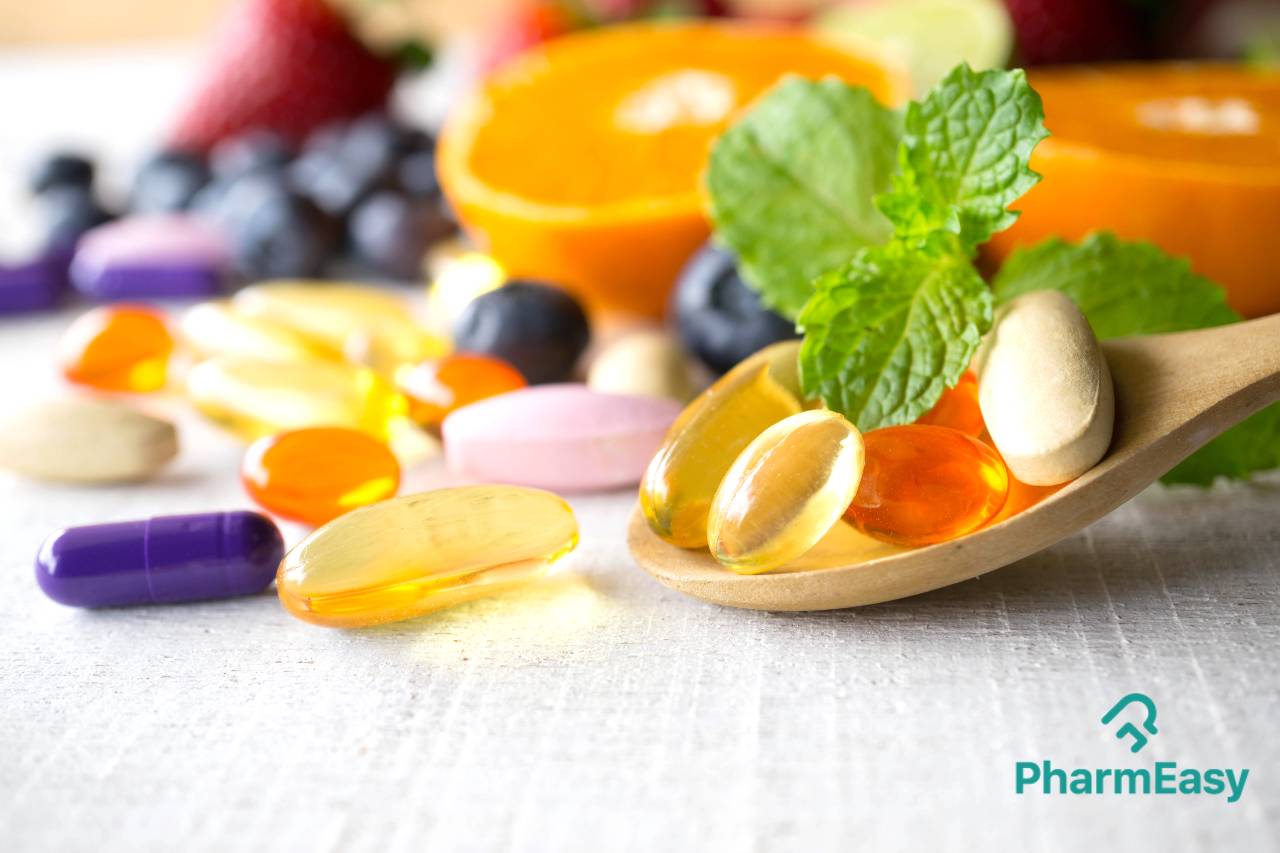
Daily multivitamins could improve memory, thinking skills

Incorporating a daily multivitamin into your routine could potentially delay cognitive decline by up to two years, new research from Mass General Brigham.

The COcoa Supplement and Multivitamin Outcomes Study (COSMOS), conducted by Mass General Brigham researchers, explored a large-scale, nationwide, randomised trial about the effects of cocoa extract and multivitamin supplements.

Daily multivitamins could improve memory, thinking skills

This is a significant finding as cognitive decline is a key indicator of conditions like Alzheimer’s disease and dementia, impacting 55 million people globally, according to the World Health Organisation (WHO).

Addressing the concerns of older adults, lead author Chirag Vyas said, “Cognitive decline is among the top health concerns for most older adults, and a daily supplement of multivitamins has the potential as an appealing and accessible approach to slow cognitive ageing.”

The study, published in the American Journal of Clinical Nutrition, highlighted the positive impact of a daily multivitamin containing 20 essential nutrients.

According to senior author Dr Olivia Okereke, this regimen “helps prevent memory loss and slow down cognitive ageing.”

Over a two-year period, the study assessed 573 individuals, revealing that those taking the multivitamin showed significant improvements in learning, memory retention, and information recall compared to a placebo group.

Notably, enhancements were observed in orientation, attention, language fluency, and overall cognitive abilities, effectively delaying the ageing process by up to two years.

Expressing enthusiasm about the findings, Howard Sesso from Brigham and Women’s Hospital emphasised the importance of delving into the mechanisms behind how a daily multivitamin could shield against memory loss and cognitive decline.

He said that there is a need to focus on nutritional status and other ageing-related factors to understand this exciting discovery better.

Visit us – www.aarogyapath.in

Categories
Medical Updates Medicine & Health

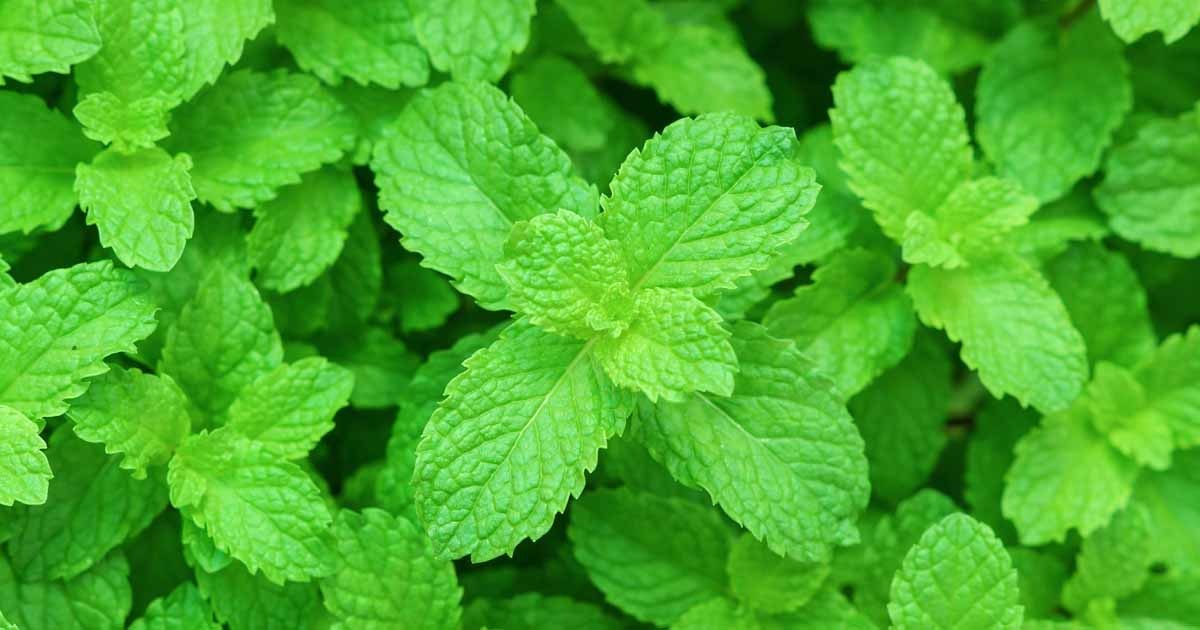
Here’s what a 100-gram serving of peppermint leaves contains

In the realm of aromatic herbs, few carry the invigorating essence and potent health benefits quite like peppermint leaves. Beyond their delightful flavour, these vibrant green leaves house a myriad of wellness wonders that have been cherished for centuries.

Here’s what a 100-gram serving of peppermint leaves contains

From soothing digestive discomforts to awakening the senses, Ekta Singhwal, dietician, Ujala Cygnus Group of Hospitals elaborated on the potential benefits of peppermint leaves for a revitalised and healthier lifestyle.

Nutritional Profile of Peppermint

A 100-gram serving of peppermint contains the following nutrients:

Calories: 70 kcal
– Carbohydrates: 14.79 grams
– Dietary Fibre: 8 grams
– Sugars: 0.2 grams
– Protein: 3.75 grams
– Fat: 0.94 grams

Health Benefits of Peppermint

– Digestive Health: Peppermint can soothe digestive issues, relieve indigestion, and reduce symptoms of irritable bowel syndrome (IBS).
– Respiratory Health: Peppermint’s menthol content can help relieve respiratory symptoms, including congestion and cough.
– Headache Relief: Peppermint oil may provide relief from headaches and migraines due to its calming and muscle relaxant properties.
– Stress Reduction: The aroma of peppermint may have stress-relieving effects and improve mental clarity.
– Antimicrobial Properties: Peppermint has antimicrobial properties that may help combat bacteria and fungi.

Things to Keep in Mind

– Be cautious if you have allergies to mint or menthol.
– Peppermint is generally low in sugar, but it’s essential to be mindful if you are monitoring sugar intake.
– Overconsumption may lead to heartburn or digestive issues.

Myths and Facts

Myth 1: Peppermint can cure digestive issues completely.
Fact: While peppermint can alleviate symptoms, it’s not a cure for underlying digestive conditions.

Myth 2: Peppermint oil can replace antibiotics for infections.
Fact: While peppermint has antimicrobial properties, it should not replace prescribed antibiotics for treating infections.

Visit us – www.aarogyapath.in

Categories
Medical Updates

Indian medtech industry urges govt action to reduce import dependency

In a bid to reduce India’s 80-85 per cent dependence on medical device imports, the Association of Indian Medical Device Industry in its pre-budget recommendations wants the government to address the soaring import bill, which currently stands over Rs 63,200 crore.
According to the Global Trade Research Initiative (GTRI) report from August 2023, the Indian medical devices industry has the potential to expand from $12 billion today to $50 billion by 2030. This expansion could reduce import reliance to 35 per cent and boost exports from the current $3.4 billion to $18 billion by 2030. The ripple effect of this shift could generate over 1.5 million jobs in medical device manufacturing and related healthcare services.
Indian medtech industry urges govt action to reduce import dependency
Rajiv Nath, Forum Coordinator at AiMeD, emphasises the need for the government to withdraw Duty Exemption notifications on medical devices and provide nominal protection to neutralise competitiveness disabilities in manufacturing medical devices in India. Additionally, the industry seeks a phased approach to custom duty increases on critical components, ensuring the viability of manufacturing and avoiding erosion of competitiveness with zero-duty Free Trade Agreement (FTA) countries.
“Consumers do need to be protected but instead of a low duty strategy, we have been recommending for Customs to monitor MRP of imports and when found unreasonably higher than imports’ landed price, recommend to NPPA to consider capping MRP,” Nath further added.
Categories
Medical Updates

Cold wave hits north India: How to increase vitamin D intake during foggy days

The capital city and the areas surrounding it are covered with dense fog with people waking up to cloudy mornings at 6 degrees Celsius. The India Meteorological Department (IMD) forecasted a cold wave looming across Delhi and several parts of north India, including Punjab, Haryana, Chandigarh and Uttar Pradesh.

With temperatures dropping gradually for the next few days, many people have been experiencing joint pains, swelling and even depression due to lack of sunlight, especially low levels of vitamin D.

Cold wave hits north India: How to increase vitamin D intake during foggy days

Sunlight, more especially ultraviolet B (UVB) rays, is the main source of vitamin D. Skin exposure to sunlight initiates the synthesis of vitamin D. Shorter days and lower temperatures in the cold months can make it harder to spend time outside, which lowers vitamin D levels,” said Dr G Krishna Mohan Reddy, Consultant Physician and Diabetologist, Yashoda Hospitals, Hyderabad.

Typically, an adult needs 600 to 800 IUs (international units) of vitamin D each day. These amounts are important. Not enough can lead to serious health issues. In the long term, lack of vitamin D can lead to fragile bones or osteoporosis.

Speaking to India Today. In earlier, Dr Gaurav Prakash Bhardwaj, Director, Sports Injury, Joint Preservation & Replacement Surgery at PSRI Hospital, said that besides bone health, vitamin D makes the muscles strong to protect the lungs, heart and kidneys.

The main sources of vitamin D are one’s diet and the sunlight. While sun exposure helps with vitamin D synthesis in the body, factors like sunblock, clothing and even melanin percentage can affect the amount absorbed by the skin.

How to get vitamin D from the sun in winter?

Dr Karishma Mohan Reddy advised aiming for brief periods of sun exposure on the face, arms, and legs.

“The duration required varies based on factors such as skin type, time of day, and geographic location. Generally, 10 to 30 minutes of sunlight at least twice a week is recommended,” said the expert.

For those spending more time indoors, Dr Reddy added, “Positioning yourself near windows can maximise exposure to natural light. Engage in indoor activities near windows and incorporate exercise into your daily routine.”

Vitamin D and your diet

Diet plays an important role in getting vitamin D as well. Food items such as egg yolks, fortified dairy products, fatty fish (tuna, salmon, and mackerel), and some types of mushrooms are some sources of vitamin D.

“But depending only on dietary sources might not be enough, particularly for people who have restricted diets or limited access to certain foods,” said Dr Reddy, implying that many times supplements can help after consulting a medical professional.

“Supplementation is a viable option to ensure adequate vitamin D intake. Consultation with a healthcare professional is important before starting any supplementation, as individual needs vary. One requires a blood test to assess vitamin D levels, helping tailor the approach to the specific requirements of the individual,” said Dr Reddy.

Visit us – www.aarogyapath.in

Categories
Medical Updates

10 winter-friendly beverages to boost immunity, hydration

Winter can invite many seasonal ailments but eating and drinking according to the season can give a boost to your immunity. When it comes to beverages, tea and coffee are preferred by most over other warm drinks in winter. However, excess of high-caffeine drinks can lead to dehydration which may further cause constipation, burning sensation in stomach and exacerbation in anxiety symptoms. While your first instinct might be to reach for a hot cup of tea, to avoid winter-specific ailments you must swap it for a more nourishing and hydrating drink. Soups, infused water, cinnamon tea, jeera water, ragi malt are some of the warm beverages that are perfect in biting cold and at the same time hydrate you well.

10 winter-friendly beverages to boost immunity, hydration10 winter-friendly beverages to boost immunity, hydration

While winter may reduce the sensation of feeling the thirst, but it remains crucial to sustain proper hydration to support the body’s temperature regulation and functions throughout the day. Despite the diminished inclination to drink water in colder weather, maintaining adequate hydration is essential for overall well-being. Consistent hydration ensures that the body’s vital processes continue to function optimally, even in the face of lower temperatures, promoting overall health and comfort during the winter season,” says Vyuhitha Motupalli, Executive Nutritionist, Cloudnine Group of Hospitals, Bengaluru, Electronic City.

Choosing warm or hot soups and beverages, along with a daily intake of eight glasses of warm water, is a recommended practice during the winter months. The thermogenic properties of warm drinks aid the body in preserving warmth, promoting activity, and ensuring consistent hydration in the face of cold weather. This approach not only contributes to maintaining a comfortable body temperature but also supports overall well-being during the winter season,” adds Motupalli.

BEST WINTER BEVERAGES TO COMBAT DEHYDRATION

The nutritionist also shared a list of 10 winter-friendly warm beverages that can help maintain immunity and hydration.

1. Herbal teas: If you are a tea person, you can go for herbal teas like peppermint, green tea, chamomile, ginger, and lemon. To add in healthy twist to the teas, 2 tablespoons of soaked chia seeds can be added which are good source of omega 3 FFA.

2. Sattu drink: Sattu is a nutritious flour made from roasted chickpeas (chana) which is a good source of energy and protein. Mix it with hot water, a pinch of black salt and a dash of lemon juice for a satisfying and protein-rich drink. To add flavour, it can be combined with roasted cumin powder and jaggery powder (optional). It is a healthy drink for pregnant and lactating mothers.

. Warm winter fruit punch: Take fruit juice of ½ litre orange, 250 ml pineapple juice and 250 ml apple juice. Heat the mix of all fruit juices in a saucepan and add 1 medium sized cinnamon stick, few cloves, nutmeg and cinnamon powder. Heat over low flame, simmer for 20 minutes and turn off the stove. Let it cool slightly. Once it turns warm, filter it and serve it by adding fresh cut fruits like oranges, apple, lemon juice and 2-3 tablespoons soaked chia seeds as they are good source of omega 3 FFA and garnish with mint leaves and serve warm. As it contains citrus juice and spices too, they help in fighting against the infection and also maintain the body temperature.

. Warm infused water: A healthy and delightful infused drink can be made by adding slices of cucumber, lemon, orange, mint, piece of ginger to a pitcher of hot water. Once the mix turns lukewarm, filter the infused water and serve it with soaked chia seeds and 1.2 tsp honey (optional) which is a healthy alternative for hydration. It also works as a detoxifier.

5. Soups: Healthy as well nutritious, veg soups or meat broths which are rich in vitamins and minerals can be taken to maintain hydration, warmth and energy. Sprinkling pepper definitely helps in case of cold/nose congestion.

6. Golden milk: In a sauce pan, add 2 cups milk, pinch each of turmeric powder, pepper, cinnamon and grated ginger (½ inch). Mix all the ingredients and bring it to boil. Lower the heat and let it boil for another 5 minutes and serve hot. For sweetness, 1 tsp of honey can be added (optional) . Turmeric has anti-inflammatory properties, which helps to keep the infections at bay during winter. All the spices provide warmth to the body.

. Warm jeera water: Add one cup of water and one teaspoon of jeera or 1 tbs of jeera powder in a saucepan and boil well. Strain it and drink warm. During winter, consumption of lukewarm jeera water helps to provide relief from cold and sore throat due to its hot nature. It has strong anti-congestive property and it helps in clearing the mucus collected in the chest/respiratory tract. The anti-bacterial property of jeera water aids in fighting against infection-causing bacteria.

8. Cinnamon tea: A pinch of powdered cinnamon can be added to the boiling water and simmered for sometime. It can then be filtered and consumed with a few drops of honey and lemon. It a healthy and refreshing drink which also helps in boosting the metabolism during winters.

. Hot barley water: Take ½ cup of barley along with 4 cups of water. After washing the barley, add it to the water and pressure cook for 3 whistles. Strain the water and add flavouring of your choice like black salt, lemon, pepper, honey etc. Barley has excellent antioxidant properties and it also helps to maintain the body temperature and hydration in winter.

10. Classic warm ragi malt: Add 2-3 tbs of ragi malt to a cup of hot milk and mix well without forming lumps. Add jaggery for taste (optional) along with a pinch of cinnamon and elaichi powder. Ragi is a good source of calcium and iron apart from providing warmth. Hence, it’s a good option for pregnant women and growing children due to its nutritional benefits.

Visit us – www.aarogyapath.in for more details .