
Categories
Medical Updates Medicine & Health Techniques

8 Effective And Natural Ways to Manage High Blood Pressure

Medications alone will never suffice because a lifestyle disease like high blood pressure can only be managed through lifestyle changes.

Blood pressure – simply put, this is the force your blood applies to the walls of your blood vessels. If this force is high, then the increased pressure can damage the blood vessels, which in turn can increasingly damage the heart and different organs of the body. Call it high blood pressure or hypertension, but living with this chronic disease is not easy.

According to research published in the Indian Heart Journal in 2019, almost one in every three adults in India suffers from high blood pressure. This disease, therefore, has a high prevalence in India and can lead to cardiovascular diseases, strokes, aneurysms, metabolic syndromes and even dementia. Early diagnosis of high blood pressure can help you cope with much more ease, because like all chronic diseases, this one can be managed but not cured.

Medications to help you control high blood pressure levels are easily available in the market, and it’s likely that your doctor will recommend these medications to you if your blood pressure is particularly high. But medications alone will never suffice because a lifestyle disease like this can only be managed through lifestyle changes. The good thing is that most lifestyle changes are natural and all you need to implement them is determination. The following are some of the easiest ways to manage high blood pressure naturally:

1. Reduce salt intake: This is the first recommendation any expert would make, because a low-sodium diet is known to improve symptoms of hypertension. But this is easier said than done, because sodium is hidden in many foods, from ketchup to bread. You might have to learn to read labels to monitor your salt intake better.

2. Get more potassium: According to the US’ Cleveland Clinic, a daily intake of 3,000 to 3,500 mg of potassium can reduce your blood pressure levels effectively. So, increase your intake of potassium by eating more bananas, tomatoes, spinach, broccoli, mushrooms, etc. However, if you also have kidney problems then consult your doctor about potassium intake.

3. Lose weight: Being overweight or obese can increase your blood pressure. So, inversely, shedding some kilos can reduce your blood pressure levels. Even reducing four kilos can improve your condition.

4. Limit alcohol: Drinking too much or too often can spike your blood pressure levels, so keep your alcohol intake to a minimum.

5. Kick the butt: Cigarette butt, that is. Nicotine addiction can keep your blood pressure elevated for long periods of time, so quit smoking immediately.

6. Off with the stress: Stress not only increases your blood pressure levels but chronic stress can keep those levels elevated for a prolonged period. Adopt effective means of de-stressing, like yoga, meditation, etc.

7. Exercise: Walking, jogging, swimming, cycling, playing a sport – these are all forms of exercise that can help improve your blood pressure levels. Try being active for at least 30 minutes to an hour every day.

8. Follow the DASH diet: The Dietary Approaches to Stop Hypertension (DASH) diet is one of the most effective ways to manage your blood pressure in the long run. It involves eliminating high-fat foods and eating fruits, vegetables, whole grains, low-fat dairy products, lean meats and fish, nuts and seeds.

Source: https://bit.ly/3j7Lq7g
Categories
Medical Updates Medicine & Health

Mindful hypnotherapy may reduce stress

A new study shows that combining hypnotherapy with mindfulness training has a significant positive effect on stress levels.

Mindfulness is an ancient mental technique that is an acknowledged means of helping people manage stress and anxiety. It involves learning how to stop and become consciously aware of one’s present moment as a revitalizing respite from the ongoing rush of daily life.

A new study from Baylor University in Waco, Texas, finds that combining mindfulness with hypnotherapy may make its benefits more accessible.

The researchers concluded that hypnotherapy might allow people to achieve mindfulness goals more readily and quickly.

“Mindfulness is a type of meditation that involves focusing attention on present moment awareness. It can help people cope with stress but can require months of practice and training. Hypnosis also involves focusing attention, but it includes mental imagery, relaxation, and suggestions for symptom reduction.”

– study co-author Gary Elkins,

The new study features in the International Journal of Clinical and Experimental Hypnosis.

Mindful hypnotherapy

The researchers call their new mind-body therapy “mindful hypnotherapy.”

It represents a novel use of hypnotherapy, which more commonly serves as a treatment for pain and symptom management. The study authors assert that applying hypnosis to the practice of mindfulness speeds up the acquisition of mindfulness skills.

They hope to address concerns that learning to manage stress and anxiety with mindfulness can be a prohibitively extended, expensive process involving more than 24 hours of training.

Corresponding author Elkins cites mindfulness curricula that involve eight weekly sessions of 2–2.5 hours, in addition to an all day retreat that can last more than 8 hours. Such training can involve a major investment of time and money in what Elkins says research has not unequivocally proven to be more effective than standard cognitive therapy.

According to the authors:

“Therefore, if a mindfulness treatment could be developed that obtains results equal to or better than existing treatments but with shorter or fewer sessions, it could have advantages and represent a valuable contribution to treatment options for anxiety and stress reduction.”

The study

To ascertain the effectiveness of mindful hypnotherapy, the researchers analyzed its effect in a study of 42 participants of college age who self-reported high levels of stress. Half of the participants served as a control group, receiving no hypnosis and no mindfulness training.

The remaining half took part in eight weekly, 1-hour hypnosis interventions that incorporated hypnotic induction as well as mindfulness suggestions. Over the course of the 8 weeks, the interventions progressed through a series of topics:

  • present moment awareness
  • nonjudgmental awareness of the five senses
  • nonjudgmental awareness of thoughts and feelings
  • self-hypnosis
  • compassion for self and others
  • awareness of personal values and meaning in life
  • integrated mindfulness
  • termination/transition to long-term practice.

The intervention group also received 20-minute self-hypnosis audio CDs designed to promote daily mindfulness and were required to log their practice.

Individuals in this group reported keeping up with their practice almost daily and rated their satisfaction with the process as 8.9 out of a possible 10.

The participants reported a significant reduction in perceived distress and an increase in mindfulness, supporting the value of mindful hypnotherapy. In comparison, the control group reported no such benefits.

Elkin summarizes: “Combining mindfulness and hypnotherapy in a single session is a novel intervention that may be equal to or better than existing treatments, with the advantage of being more time effective, less daunting, and easier to use. This could be a valuable option for treating anxiety and stress reduction.”

Next steps

Elkins notes that one of the study’s limitations is its relatively small sample size, and he looks forward to studies with a larger cohort of participants.

He also suggests that there is a need for more targeted studies that examine the effectiveness of mindful therapy for providing relief from specific conditions, such as anxiety, depression, or chronic pain.

Source: https://bit.ly/3j4Yieu

Categories
COVID-19 Government Guidelines Medical Equipments Medical Updates Medicine & Health

स्वास्थ्य देखभाल की आपूर्ति के लिए लॉन्च किया गया ‘आरोग्यपथ’, ये है खासियत

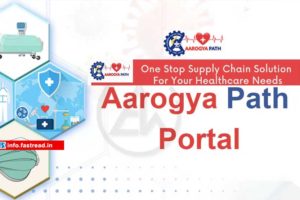
दिल्ली/पटना: सीएसआईआर राष्ट्रीय स्वास्थ्य देखभाल आपूर्ति श्रृंखला पोर्टल https://www.aarogyapath.in  को 12 जून को लॉन्च किया गया. इसका उद्देश्य वास्तविक समय पर महत्वपूर्ण स्वास्थ्य आपूर्ति की उपलब्धता प्रदान करना है. यह आरोग्यपथ निर्माताओं, आपूर्तिकर्ताओं और ग्राहकों की मदद करेगा.

कोविड-19 महामारी से उत्पन्न मौजूदा राष्ट्रीय स्वास्थ्य आपातकाल के दौरान आपूर्ति श्रृंखला में गंभीर समस्या आ रही है. ऐसे में महत्वपूर्ण वस्तुओं के उत्पादन और वितरण की क्षमता विभिन्न कारणों से संकट में पड़ सकती है. इन चुनौतियों से निपटने के लिए “किसी को अरोग्य (स्वस्थ जीवन) की ओर ले जाने वाला मार्ग उपलब्ध कराने”की दृष्टि से आरोग्यपथ नामक यह सूचना मंच विकसित किया गया है.

स्वास्थ्य देखभाल संबंधी सामानों की एक ही जगह उपलब्धता प्रदान कराने वाला यह एकीकृत सार्वजनिक मंच ग्राहकों को रोज महसूस किए जाने वाले कई मुद्दों से निपटने में मददगार साबित हो सकता है.

इन मुद्दों में सीमित आपूर्तिकर्ताओं पर निर्भरता,अच्छी गुणवत्ता वाले उत्पादों की पहचान करने में लगने वाला अधिक समय,वांछित समयसीमा के भीतर उचित मूल्य पर मानकीकृत उत्पादों की आपूर्ति करने वाले आपूर्तिकर्ताओं तक सीमित पहुंच,नवीनतम उत्पादों के बारे में जानकारी का अभाव इत्यादि शामिल हैं.

आरोग्यपथ नाम का यह वेब आधारित सूचना मंच निर्माताओं और आपूर्तिकर्ताओं को पूरी कुशलता से ग्राहकों के एक विस्तृत नेटवर्क तक पहुंचाने, उनके और आस-पास के चिकित्सा जांच केंद्रों, मेडिकल दुकानों, अस्पतालों इत्यादि जैसे मांग केंदों के बीच संपर्क की कमियों को दूर करने मदद करेगा.

यह ग्राहकों की विस्तृत सूची और उत्पादों के लिए दिखने वाली नई जरूरतों की वजह से व्यवसाय का विस्तार करने के अवसर भी उपलब्ध कराएगा. समय के साथ इस मंच से एनालिटिक्स निर्माताओं को उनके अधिक उत्पादन के साथ-साथ जरूरी सामानों की होने वाली कमियों को लेकर भी शुरुआती संकेत दे सकते हैं. यह अपर्याप्त पूर्वानुमान और अधिक विनिर्माण के कारण संसाधनों की बर्बादी को कम करने में मदद करेगा और नई प्रौद्योगिकियों की मांग के बारे में जागरूकता भी पैदा करेगा.

सीएसआईआर को उम्मीद है कि आने वाले वर्षों में आरोग्यपथ राष्ट्रीय पसंद का सूचनात्मक स्वास्थ्य देखभाल मंच बन जाएगा जो भारत में स्वास्थ्य देखभाल सामानों की आपूर्ति की उपलब्धता और उन्हें किफायती बनाते हुए रोगियों के लिए अंतिम समय में जरूरी सामानों की आपूर्ति की खाई को पाटने का अहम काम पूरा करेगा.

आरोग्यपथ सूचना मंच को सीएसआईआरस के महानिदेशक डॉ. शेखर सी. मांडे की उपस्थिति में स्वास्थ्य और परिवार कल्याण मंत्रालय के ऑफिसर ऑन स्पेशल ड्यूटी राजेश भूषण ने लॉन्च किया. इस समारोह में एमएसएमई मंत्रालय के संयुक्त सचिव सुधीर गर्ग और फार्मा सेक्टर के विशेषज्ञ डॉ. विजय चौथियावाले सम्मानित अतिथि थे.

इस पोर्टल को सर्वोदय इन्फोटेक और संस्थागत उपयोगकर्ताओं की साझेदारी में विकसित किया गया। स्वास्थ्य सेवा के लिए जरूरी सामानों के निर्माताओं / अधिकृत आपूर्तिकर्ताओं को पंजीकरण कराने और सक्रिय रुप से अपने काम में भाग लेने के लिए प्रोत्साहित किया गया.

स्रोत- https://bit.ly/39cnxqQ

Categories
COVID-19 Government Guidelines Medical Updates Medicine & Health

The Indian healthcare system needs an overhaul

The Covid-19 pandemic has served a stark reminder that economies can be brought to a grinding halt if public healthcare systems are inadequate, clearly demonstrating the need for increased investment in the sector.

While economic growth may be an important indicator of development, the quality of a country’s public healthcare system better demonstrates the standard of living enjoyed by a wider spectrum of the population. The Covid-19 pandemic has served a stark reminder that economies can be brought to a grinding halt if public healthcare systems are inadequate, clearly demonstrating the need for increased investment in the sector.

Owing to rapid urbanization in recent decades, India faces a development paradox that is widely prevalent among the fast-growing global economies; basic necessities are either unavailable or unaffordable to the vast majority of urban dwellers and secondly, there is tremendous strain on public infrastructure as an increasing number of people chase a diminishing parcel of public goods. While India requires 15 doctors and 20 hospital beds per 10,000 people, we currently only have about half of that number. This translates to 700 million people underserved by the system. There’s also a huge disparity between urban and rural areas in terms of access to specialised care. We urgently need to address this shortfall. Public expenditure on health needs to increase manifold so we can build a well-equipped and self-sufficient network of medical facilities quickly across our Tier II cities, towns, and villages, which will help reduce the burgeoning load on metropolitan healthcare infrastructure.

However, there are significant challenges. Achieving the build quality and maintenance standards of private healthcare projects is still an uphill challenge for government-funded healthcare buildings. A few common issues that plague current hospitals are inadequate day-lighting, poor ventilation systems leading to cross-infection, greater building widths leading to doubly-loaded corridors with no connection to the outside, high energy costs and maintenance problems. One solution to address these issues could be to design interactive facilities that draw from the ideas of biophilia: an innate human tendency to seek connections with nature and other forms of life. Such interventions place patient experience and wellbeing at the core, leading to swifter healing, while also reducing construction and building lifecycle costs.

Cross-infection and contamination can be tackled through design changes such as naturally-ventilated spaces that increase the rate of natural air exchange, segregation of different functions by creating general, semi-sterile and sterile zones (for example, waiting areas to OPDs to ICUs) and creating buffer zones in between. Designing the building with an East-West orientation to improve daylight, providing centralized courtyard landscapes to provide passive evaporative cooling, and adding solar panels to reduce dependency on conventional forms of electricity, are some ways to optimise building energy consumption and improve efficiency. Also, designing decentralized micro-service zones that run parallel to various departments can help make regular servicing and maintenance easier and quicker.

Today, as our understanding of health and wellbeing evolves, new construction technologies provide limitless possibilities in this sector. Building Information Modeling (BIM), for example, which can help determine the optimal geometry of buildings in response to certain parameters, can aid in pre-empting problems and shortening the time of construction to save costs, while ‘temporary and transformable’ architecture has enabled emergency mitigation like never before. Imbibing such innovations within healthcare design holds the key to streamlining our systems for better performance –– from accessibility of essential public services and improved patient care to the wellbeing of our economy.

Source: