Categories
Government Guidelines Medical Equipments Medical Updates Medicine & Health

Emerging Opportunity for Medical Equipment Manufacturing in India

The central governments’ initiatives on national health programs like Ayushman Bharat are propelling India to become a nation with advanced diagnostic facilities thus boosting the prospects of medical equipment manufacturing in several states

The COVID lockdown situation and the call by the Indian Prime Minister, Narendra Modi towards becoming more self-reliant or Aatma Nirbhar has brought in several opportunities to many sectors, prominent among them being the medical device manufacturing in India.

The cost of healthcare in India is almost 35 per cent more competitive as compared to developed countries such as the US and UK. That is the reason many foreign tourists visit India to get affordable treatment. There is also an exponential rise in the domestic demand in the preventive healthcare segment. This segment has been growing at 18 per cent CAGR and expected to be worth US$100 billion in the next 2-3 years. The current demand and supply-side dynamics do provide a huge opportunity for local manufacturers for producing medical devices in India.

At the moment, India imports almost 85-90 per cent of the sophisticated medical devices from other countries, prominent among them being China. In the year, 2019-2020, medical equipment worth almost Rs 4560 crores was imported from China. India as a market for medical devices is among the top 20 countries in the world, worth almost US$11 billion. With several initiatives launched by the Central Government such as the Ayushman Bharat scheme – to provide access to affordable health care services to all, this market is expected to grow to US$50 billion in the next five years. Presently, local medical equipment manufacturers are mostly involved in the production of low-end products for domestic and as well as international consumption. After Japan, China and South Korea, India is the fourth largest market in Asia with the potential to grow at 28 per cent.

Niti Aayog, the think tank body of the Government of India, has started working out a roadmap for the promotion of medical equipment manufacturers in the country. The Government has also allowed 100 per cent foreign direct investments (FDI) in companies manufacturing medical devices through the automatic route. The Indian Government has already chalked out plans intending to remove all roadblocks and offer tailor-made solutions to attract investment to make India a manufacturing hub for medical devices.

Medical device manufacturing comprises of five broad segments, including patient aids like pacemakers and hearing devices, dental products like braces and dentures, MRI and other diagnostic machines, prosthetics like knee implants and artificial joints, and disposal & consumables like needles and syringes.

Under initiatives like Make in India, several state governments have taken up the onus of setting up medical device manufacturing parks in their respective states and have got the approval from the Government of India to do so. There would be six medical devices manufacturing clusters in the country in states like Andhra Pradesh, Kerala, Telangana, Tamil Nadu, Maharashtra, and Sikkim. These clusters would provide a huge boost to domestic manufacturing of high-end medical devices at a lower cost and significantly enhance job creation.

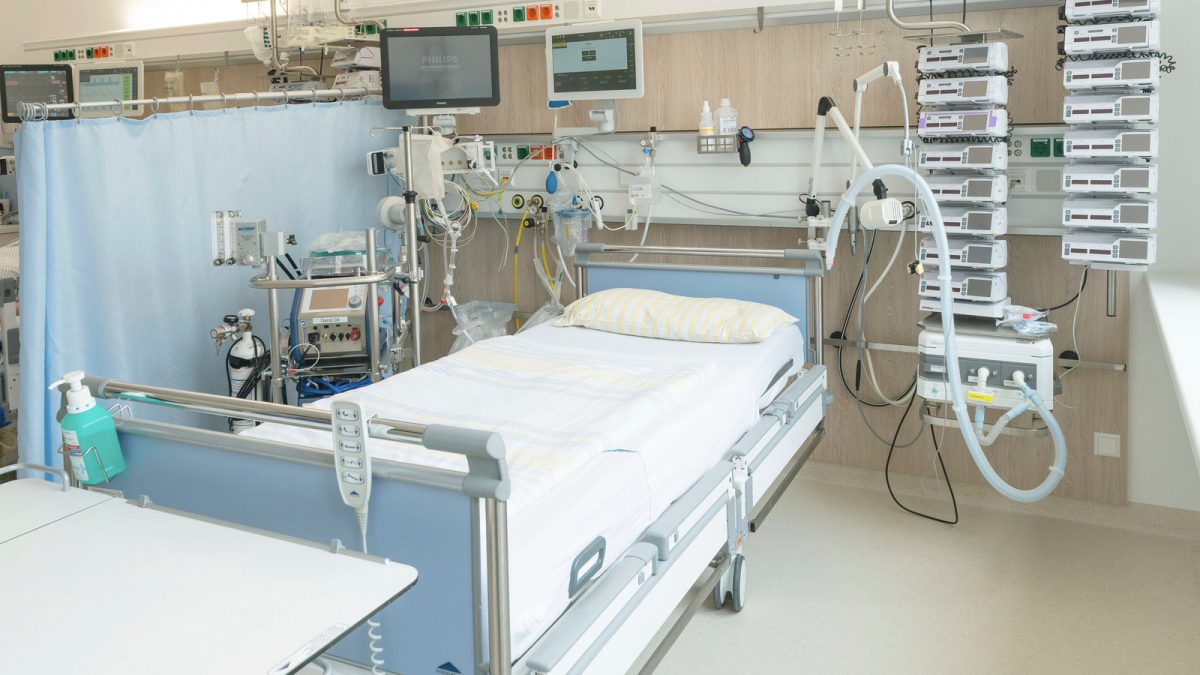
The unfolding crisis has displayed the potential of Indian manufacturers to scale up the manufacturing to meet the higher demand for PPE kits, ventilators, and other lifesaving equipment. However, there are a lot of challenges that the Government needs to address to make the country a hub of manufacturing medical equipment. Firstly, there is a need to set necessary infrastructures like supply chain and logistics channels. There is an irregular power supply in several parts of the country which impairs the manufacturing process. The Government also needs to take steps to reduce the high cost of finance for local manufacturers.

The medical equipment manufacturers have been long demanding to reduce the effective rate of Goods and Service Tax (GST) on medical devices to 5 per cent from the present 18 per cent. Due to the high GST rate, it becomes more advantageous to import the equipment than manufacturers the same in the country. There is also a need to rationalize custom duty for necessary components and transitional inputs going into the production of medical equipment in India. It will further help if the government begins to incentivize high-end medical equipment manufacturers in order to promote the production of these devices in the country.

There is also a need for the Government to set up import restrictions and duty protection on the import of medical devices in India. This would restrict imports and at the same time, provide a boost to local manufacturers. There is a need to increase the skilling and training programs to tackle the shortage of talented and trained people in the sector. The Government also needs to put in place a robust regulatory framework to maintain high-quality standards and create a healthcare ecosystem in India.

India has some of the best doctors in the world and state-of-the-art healthcare facilities, the strong foothold in the medical devices manufacturing sector will only further reduce the cost of treatment and at the same time enhance the country’s image as a global healthcare destination.

Source: https://bit.ly/3i2bzDe
 

Categories
COVID-19 Medical Updates Medicine & Health

Delhi: 2nd sero survey from today, 15k samples targeted

New Delhi: The second round of the serological survey in the capital will begin on Saturday, with the authorities targeting to cover nearly 15,000 people to analyse the prevalence of antibodies in Delhiites in different districts. The tests will have to be completed by August 7.

All arrangements have been made in the 11 districts to start the exercise, which will be crucial to find out if Delhi is heading towards herd immunity from novel coronavirus. The first serological survey in Delhi, in which the sample size was 21,387, revealed nearly a quarter of its population had developed antibodies.

Teams of lab technicians, doctors, civil defence volunteers and ASHA workers will go to selected areas to collect samples in the morning. Earlier, the sero survey was scheduled to be completed by the fifth day of every month, but the deadline has been extended this time due to festivals.

The districts have been given different targets of sample collection. North West district, which collected the largest number of samples at 3,548 during the last survey, will have to collect 2,200 samples, and West district 2,150 samples against 2,373 in the previous one. Central district, which collected 2,702 samples earlier, has been asked to gather 1,548 samples.
Sandeep Kumar Mishra, district magistrate of North West district, said he had directed all 16 collection teams to ensure multi-stage systematic random representative sampling as per the guidelines. “It is critical in projecting the accurate prevalence of antibodies in people. It is more important than the size of samples,” Mishra said.

In Central district, 16 teams will collect samples from different areas across various age groups to ensure that the samples represent the entire administrative unit, said district magistrate Nidhi Srivastava.

Arun Gupta, additional district magistrate of South, said no sample would be collected from the areas covered in the last survey.

Since the sero survey reveals the prevalence of antibodies in population at a micro level, it helps the district authorities plan interventions for mitigation and containment of Covid-19.

The samples will be collected from various areas, including those without any any Covid-19 case, containment and buffer zones, those with only isolated cases, upscale and middle colonies, and slums. All individuals covered in the first survey will be excluded from sampling this time.

Directions have been issued to the field teams to ensure that out of the total number of samples, 25% should be of those younger than 18 years, another 25% of those in the age group of 50 years and above, and the remaining 50% from those in the age group of 18-49 years. All districts have been allocated different laboratories to send their samples for tests.

Source: https://bit.ly/2PoHLnX

Categories
COVID-19 Medical Updates Medicine & Health

5 people to be vaccinated today as India’s first COVID-19 vaccine COVAXIN trial starts at AIIMS Delhi

Five volunteers will be vaccinated on Friday as the first phase of human clinical trials of COVAXIN, India’s first indigenous vaccine begins at AIMS, New Delhi.

New Delhi: Five volunteers will be vaccinated on Friday as the first phase of human clinical trials of COVAXIN, India’s first indigenous vaccine begins at the All India Institute of Medical Sciences, New Delhi, according to a report. About 3,500 people have registered to take part in the trial of the vaccine being developed by Bharat Biotech in collaboration with the Indian Council of Medical Research (ICMR).

The phase 1 trial in AIIMS will involve 100 healthy people. A report in the Jagran, citing AIIMS doctor Dr Sanjay Roy, professor of Community Medicine, stated that screening of study subjects is going on. Dr Roy, who is leading the trial at AIIMS, said that they have received investigation reports of many people, adding that vaccination will start if all goes well. Initially, 10 participants will receive the vaccine and their report will be reviewed by the institute’s Ethics Committee for safety, after which the rest of the subjects will be vaccinated.

The report added that all 3,500 people who have volunteered for the vaccine trial are being screened for various parameters at AIIMS. About 50 types of tests, including diabetes, hypertension, heart disease, kidney and liver diseases are being conducted on study participants to ensure that they are healthy and fit for the trial.

It may be noted that Bharat Biotech has partnered with Delhi-based Dr Dangs Lab for the clinical trial of its COVID-19 vaccine. The lab has already started processing samples from study participants from various trial sites to assess the safety of the vaccine.

The ICMR has picked 12 medical institutions to conduct the clinical trials of COVAXIN, which is derived from a strain of SARS-CoV-2 virus isolated in NIV, Pune. The virus strain was then transferred to Bharat Biotech to develop into a vaccine.

Source: https://bit.ly/3jQpmP8

Categories
COVID-19 Government Guidelines Medical Updates Medicine & Health

Cipla launching Covid-19 treatment drug Ciplenza in August at Rs 68 per tablet

Ciplenza will be introduced through hospital channels and will be prioritised for areas with high Covid prevalence

Pharmaceutical major Cipla Limited has announced receiving regulatory approval by the drug controller general of India (DCGI) for launching Favipiravir in the country to be sold under the brand name Ciplenza for restricted emergency use for the treatment of coronavirus patients.

The company said that as part of its efforts to meet the demand for the medicine, it will commercially launch Ciplenza in the first week of August and each tablet will be priced at Rs 68.

“To ensure fair and equitable distribution of the drug, supplies will be undertaken predominantly through hospital channels and via open channels, prioritised for regions with a high burden of Covid-19 cases,” a press release on the company’s website stated.

The statement claims that an accelerated approval for Ciplenza’s manufacturing and marketing is aimed at meeting the urgent and unmet medical need for Covid-19 treatment options in the country.

The drug has been jointly developed by Cipla and CSIR-Indian Institute of Chemical Technology (IICT).

“As part of this partnership, CSIR-IICT has successfully developed a convenient and cost-effective synthetic process for Favipiravir. The entire process and Active Pharmaceutical Ingredient (API) of the drug has been transferred to Cipla to manufacture and market the drug at scale,” the statement says.

Favipiravir is an off patent, oral antiviral drug, originally discovered by Fuji Pharma in Japan, and has shown promise in clinical trials for treatment of Covid-19 patients, especially in mild and moderate cases.

Director of CSIR-IICR S Chandrashekhar was quoted by news agency PTI as saying that the technology transferred to Cipla is very efficient and affordable, allowing the company to make large quantities of the product within a short span of time.

CSIR director general Shekhar C Mande said Ciplenza was another example of the institute’s commitment to work with the industry to develop quick solutions and products for mitigation of Covid-19.

Earlier in June, drug manufacturing firm Glenmark Pharmaceuticals was given approval from the Indian drug regulator to launch oral antiviral drug favipiravir for treatment of mild to moderate Covid-19 patients in the country.

Another Indian pharmaceutical company Dr. Reddy’s Laboratories (Dr Reddy’s) had recently announced signing a tripartite agreement with two international firms based in Japan and the UAE for the development, manufacturing and sales of favipiravir innovator brand Avigan.

Source: https://bit.ly/3g2HOl0

Categories
COVID-19 Government Guidelines Medical Updates Medicine & Health

India extends medical assistance worth about $1 million to North Korea

The medical assistance is under the aegis of an ongoing WHO anti-tuberculosis programme in DPRK, it said.

India has extended medical assistance worth about $1 million to North Korea in response to a request received from the World Health Organisation (WHO), the Ministry of External Affairs said on Friday.

India is sensitive to the shortage of medical supply situation in the Democratic People’s Republic of Korea (DPRK) and decided to grant a humanitarian assistance of $1 million in the form of anti-tuberculosis medicines, the MEA said.

The medical assistance is under the aegis of an ongoing WHO anti-tuberculosis programme in DPRK, it said.

The consignment of medicines was handed over to DPRK authorities by Indian Ambassador to DPRK Atul Malhari Gotsurve in the presence of a WHO representative.

Source: https://bit.ly/3hyF8Ml

Categories
COVID-19 Government Guidelines Medical Updates Medicine & Health

COVID hospitals to ensure ”zero delay” in transfer of patients from triage to ICU

New Delhi, Jul 24 (PTI) Seeking to reduce deaths from COVID-19, authorities have directed dedicated coronavirus hospitals to ensure that there is “absolutely no delay” in transferring a serious patient from triage area to an ICU, a senior official said on Friday.

The decision was taken during a meeting chaired by the principal secretary, Delhi Health Department, on Friday with nodal officers, medical directors, medical superintendents of the Delhi government”s dedicated COVID hospitals, he said.

As per the latest protocol, even suspected COVID-19 patients, in serious condition are to be given immediate medical attention as required when brought to dedicated facilities.

“It was decided that to ensure mortality from COVID-19, dedicated government hospitals would ensure zero-delay in transfer of serious patients from triage area to an ICU, so that oxygen and other requirement can be immediately met,” said a senior official who attended the meeting.

The official, also a senior doctor at a dedicated COVID-19 facility here, said earlier many patients would just be lying in ambulances looking for a bed or medical attention, and ambulances have limited supply of oxygen, so there is a risk.

In the meeting, some other steps that can be taken to reduce deaths due to COVID-19 were also discussed.

Delhi recorded 1,025 fresh coronavirus cases on Friday, taking the tally in the city to over 1.28 lakh, while the death toll from the disease rose to 3,777 authorities said.

Thirty-two fatalities have been recorded in the last 24 hours, according to the Delhi health department bulletin on Friday.

Source: https://bit.ly/2ZWi44q

Categories
Medical Updates Medicine & Health Techniques

DNA ‘remembers’ poor blood glucose control in diabetes

A study has revealed how poor management of blood glucose levels in people with type 1 diabetes can increase their risk of complications decades later.

In 2016, around 1.3 million adults in the United States, about 0.55% of the adult population, had type 1 diabetes, according to the Centers for Disease Control and Prevention (CDC).

Early in the course of the disease, the immune system destroys cells in the pancreas that produce insulin.

As a result, people with the condition are unable to generate enough insulin to regulate the amount of glucose, or sugar, circulating in their blood.

Over time, high levels of blood glucose, an issue called hyperglycemia, can damage tissues all over the body, including in the eyes, kidneys, nervous system, and cardiovascular system.

Even if a person regulates their blood glucose later in life, early episodes of poor glycemic control can have permanent effects, increasing the risk of developing complications.

Doctors have long recognized this phenomenon, known as metabolic memory, but its causes have been poorly understood.

Research involving animal models of diabetes had implicated epigenetic changes, which affect the activity of particular genes without altering their DNA sequences. The changes can result from disease or factors relating to a person’s environment or lifestyle.

However, direct evidence that epigenetic changes influence the risk of diabetes complications in humans has been lacking.

Now, however, scientists led by a team from the Beckman Research Institute of City of Hope, in Duarte, CA, have discovered a strong association between early episodes of poor glycemic control, epigenetic changes, and diabetic complications years later.

The research appears in the journal Nature Metabolism.

Genetic switches and type 1 diabetes

The scientists profiled a type of epigenetic modification called methylation in DNA from cells in archived blood samples. Methylation switches off genes, preventing them from producing the proteins that they encode.

The blood samples were collected some 2 decades earlier, from patients with diabetes who were closely monitored as part of the Diabetes Control and Complications Trial (DCCT). This study showed that people who kept their blood glucose levels close to the normal range had significantly fewer diabetic complications during the 10 years of the study.

The researchers behind the current investigation analyzed the DNA in samples from 499 randomly selected DCCT participants who had been subsequently included in a follow-up study, called Epidemiology of Diabetes Interventions and Complications.

They looked for associations between how well the patients controlled their blood glucose during the earlier trial, DNA methylation at the end of that trial, and the development of diabetic complications over the next 18 years.

Specifically, they focused on damage to the retina of the eye, called retinopathy, which can lead to blindness, and damage to the kidneys, called nephropathy, which can lead to kidney failure.

The team found associations between early blood glucose control and methylation at 186 sites in the participants’ DNA. Many of these sites were in genes known to be involved in diabetic complications.

The epigenetic changes collectively accounted for at least 68% of the association with subsequent diabetic retinopathy and up to 97% of the association with diabetic kidney disease.

In other words, the findings suggest that epigenetic changes in DNA are what constitute metabolic memory in people with type 1 diabetes.

Source: https://bit.ly/3g0dOGF

Categories
COVID-19 Government Guidelines Medical Equipments Medicine & Health

As Pune faces shortage of beds, ventilators for Covid patients, hospitals asked to step up

District Collector Naval Kishore Ram told The Indian Express that at least two to three incidents of patients being rejected by hospitals due to lack of beds painted a bad picture.

Anticipating a shortfall of over 200 ICU beds, 100 ventilators and more than 1,000 beds with oxygen supply by July 20, as the number of Covid-19 cases surge in the city, the administration on Wednesday asked hospitals to enhance their bed capacity.

District Collector Naval Kishore Ram told The Indian Express that at least two to three incidents of patients being rejected by hospitals due to lack of beds painted a bad picture.

“There is an urgent need for increasing the number of hospital beds for Covid-19 patients,” the Collector said at a meeting, attended by representatives of several hospitals, which went on for more than three hours. The meeting was chaired by Saurabh Rao, Officer on Special Duty at the Divisional Commissioner’s office, who also warned hospitals to update their dasboards about the availability of beds.

Pune is expected to face a shortage of 216 ICU beds and 109 ventilators by July 20, according to projections made by the civic administration. By July 20, Pune will see at least 12,799 active cases and in another 10 days, the figure is set to jump up to 19,599.

“The number of non-Covid patients are few, with only 30 to 40 per cent occupancy in the non-Covid wards,” said Ram, adding that it was the need of the hour to re-allocate these beds for Covid-19 patients.

Of Covid-19 patients in the city, at least 30 to 35 per cent were asymptomatic, and doctors must appeal and convince them to stay in home quarantine, he said. “The patients at home can be counselled by the doctors and there is no need for panic,” said the collector.

“While hospitals are raising the difficulties faced by them, such as manpower crisis, at the administration we strongly believe we can overcome this situation with an encouraging and motivated medical community,” he added.

Pune Municipal Commissioner Vikram Kumar told The Indian Express that hospitals have been urged to update details about their bed strength on a real time basis on the dashboard. On their part, authorities of most private hospitals said that they had already stepped up their bed strength.

At Sahyadri Hospital, group medical director Dr Sunil Rao said the hospital had a total of 315 beds for Covid-19 patients and will again check if more beds could be realigned.

Vinod Sawantwadkar, CEO of Jehangir Hospital, said the hospital already allocated 104 beds for Covid-19 patients. “There has been a request for more beds and we are working out how the arrangements can be made at our hospital,” he said.

Dr Sanjay Pathare, medical director at Ruby Hall Clinic, said the hospital had 160 beds for Covid-19 patients and as per the administration’s request, hospital authorities were checking if they could meet the requirements at their centres at Wanowrie and Hinjewadi.

“All of us are under immense strain and we have been supporting the administration by stepping up bed strength. There are also genuine concerns related to staff’s salary payments and ensuring adequate manpower to treat Covid-19 patients,” said Dr H K Sale, executive director of Noble Hospital.

“In a family, if a couple is infected and the husband may require hospitalisation, how do we tell the wife who has mild symptoms and the child who tests negative to stay at home,” asked Dr Sale, adding, “They insist on staying at the hospital as food and other arrangements are taken care of here”.

Source: https://bit.ly/2D9VtYU

Categories
Medical Updates Medicine & Health

Mental health, suicide prevention needs greater attention during pandemic: WHO

Early identification of mental health conditions, recognition of suicidal behaviors, and appropriate management through a multi-sectoral approach is important, even as we continue to focus on arresting the further spread of the pandemic, Dr. Poonam Khetrapal Singh, Regional Director, WHO South-East Asia Region said.​

New Delhi: With the COVID-19 pandemic still accelerating and impacting people in multiple ways, WHO today called upon countries in South-East Asia Region to pay greater attention to mental health and suicide prevention.

“Hitting lives and livelihoods, the pandemic is causing fear, anxiety, depression and stress among people. Social distancing, isolation and coping with perpetually evolving and changing information about the virus has both triggered and aggravated existing and pre-existing mental health conditions which need urgent attention,” said Dr Poonam Khetrapal Singh, Regional Director, WHO South-East Asia Region.

Early identification of mental health conditions, recognition of suicidal behaviours and appropriate management through a multi-sectoral approach is important, even as we continue to focus on arresting further spread of the pandemic, Dr Khetrapal Singh added.


Stigma related to COVID-19 infection may also lead to feeling of isolation and depression, the Regional Director said, adding that another precipitating factor impacting mental health amidst COVID-19 could be domestic violence, which is reported to have increased during lockdowns imposed by almost all countries in the Region.

Suicide claims almost 800,000 lives every year globally and is the leading cause of death among young people aged 15-29 years of age. Evidence shows that for each adult who dies of suicide there are more than 20 others attempting suicide.The WHO South-East Asia Region accounts for 39% of global suicide mortality.

Though preventable, suicide a serious public health problem. Survivors of suicide attempts and their family often face stigma and discrimination in many forms. The impact of suicide on families, friends and communities is devastating and far-reaching.” the Regional Director said.

As individual vulnerabilities and sociocultural factors differ between and within populations, the Regional Suicide Prevention Strategy guides countries on strategizing and planning for suicide prevention through a multi-sectoral public health approach.

“These initiatives are most needed today. Together we must work towards promoting mental health and preventing suicide,” Dr Khetrapal Singh added.

Source: https://bit.ly/32oJOQU

Categories
Medical Updates Medicine & Health Techniques

Researchers reveal simpler way to generate sensory hearing cells called ‘hair cells’

A team of researchers is revealing the secrets of a simpler way to generate the sensory cells of the inner ear. Their approach uses direct reprogramming to produce sensory cells known as “hair cells,” due to their hair-like protrusions that sense sound waves.

A team of researchers is revealing the secrets of a simpler way to generate the sensory cells of the inner ear. Their approach uses direct reprogramming to produce sensory cells known as “hair cells,” due to their hair-like protrusions that sense sound waves.

Led by scientists from the USC Stem Cell laboratories of Neil Segil and Justin Ichida, the results of study were published in the journal eLife.

“We’ve succeeded in directly reprogramming a variety of mouse cell types into what we’re calling ‘induced hair cell-like cells, or iHCs. This allows us to efficiently generate large numbers of iHCs to identify causes and treatments for hearing loss,” said PhD student Louise Menendez, the study’s lead author.

The scientists successfully reprogrammed three different types of mouse cells to become iHCs. The first two types were embryonic and adult versions of connective tissue cells, known as fibroblasts. The third was a different type of inner ear cell, known as a supporting cell.

A team of researchers is revealing the secrets of a simpler way to generate the sensory cells of the inner ear. Their approach uses direct reprogramming to produce sensory cells known as “hair cells,” due to their hair-like protrusions that sense sound waves.

Led by scientists from the USC Stem Cell laboratories of Neil Segil and Justin Ichida, the results of study were published in the journal eLife.

“We’ve succeeded in directly reprogramming a variety of mouse cell types into what we’re calling ‘induced hair cell-like cells, or iHCs. This allows us to efficiently generate large numbers of iHCs to identify causes and treatments for hearing loss,” said PhD student Louise Menendez, the study’s lead author.

The scientists successfully reprogrammed three different types of mouse cells to become iHCs. The first two types were embryonic and adult versions of connective tissue cells, known as fibroblasts. The third was a different type of inner ear cell, known as a supporting cell.

“Hair cells are easy to damage, and currently impossible to repair in humans,” said Segil, a professor in the Department of Stem Cell Biology and Regenerative Medicine, and the USC Tina and Rick Caruso Department of Otolaryngology – Head and Neck Surgery, and one of the corresponding authors of the study.

“Aging, loud noises, and certain chemotherapy drugs and antibiotics can all lead to the permanent loss of hair cells, which is the leading contributor to hearing loss worldwide,” Segil added.

iHCs have the potential to accelerate hearing loss research in at least two important ways, according to Ichida, who is the John Douglas French Alzheimer’s Foundation Associate Professor of Stem Cell Biology and Regenerative Medicine at USC, and the other corresponding author of the study.

“In the near term, researchers can use iHCs to screen large numbers of drug candidates that might prevent or treat hearing loss,” said Ichida, who is also a New York Stem Cell Foundation-Robertson Investigator.

“And further in the future, it could become possible to directly reprogram supporting cells in the inner ear of a deafened individual, as a way to restore hearing,” added Ichida.

Source: https://bit.ly/32tA3AZ