Categories
Medical Updates Medicine & Health

National Toothache Day: Medical solutions for severe dental pain

Dental health, a seemingly ignored department in the world of hygiene, helps in maintaining our overall well-being. Toothaches which refer to pain in or around your tooth can cause disruptions in your everyday activities.

Some might experience minor toothaches from gum irritation, but there are cases of severity that need professional dental treatment.

In many ways, though rare, toothaches can be indicators of infection in the mouth that can spread to other parts of the body, including the brain and the bloodstream.

However, the cause of toothache varies from person to person. On National Toothache Day, understand the possible reasons and expert-backed solutions for toothache.

REASONS FOR TOOTHACHE

Dr Bhumika Madan, Senior Consultant in Dentistry at Aakash Healthcare, said that the most common types of toothaches result from tooth decay due to cavity formation, brought about by erosion of enamel by bacterial acid.
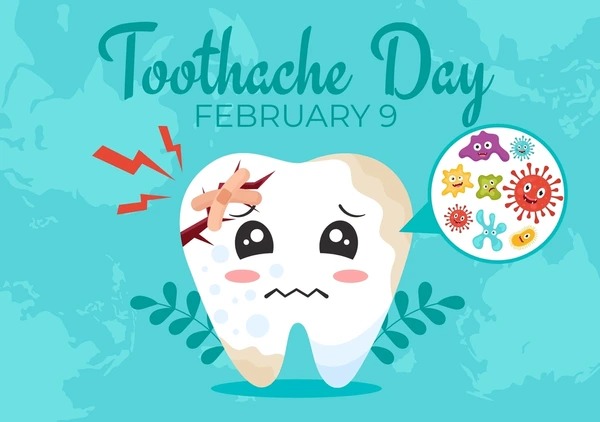
National Toothache Day: Medical solutions for severe dental pain

“Maintaining oral hygiene-brushing twice daily, daily flossing and using fluoride toothpaste are important in decay prevention. Limiting intake of sugary and acidic foods can prevent aches,” Dr Bhumika Madan told IndiaToday.In.

Tooth Injury

If you’ve been biting hard foods or engaging in sports without proper mouth protection, then injury-induced toothaches can be experienced.

Precautionary measures such as using mouthguards during contact sports and refraining from biting on hard objects can mitigate the risks of harming your teeth.

Dr Bhumika Madan advised that a quick dental check-up after getting injured can help evaluate the extent of the damage. Corrective actions can then be taken to reduce the pain.

Gum Disease

Gum disease, an infection of the tissues surrounding the teeth, causes massive discomfort. Consistent oral care such as regular brushing, flossing, and dental cleanings, can prevent gum disease.

Bruxism

Toothaches resulting from bruxism, an activity in which teeth grinding or clenching is witnessed, can lead to jaw pain, headaches, and tooth sensitivity.

You can the toothaches from bruxism by managing stress, avoiding stimulants before bedtime, altering sleeping positions, and using mouthguards.

Bruxism can lead to TMJ dysfunctions (Temporomandibular joint dysfunction) a condition that connects your jaws joints and the surrounding muscles. Jaw clenching and teeth grinding during high-stress periods can lead to tooth discomfort as well pain in area connecting the jaw to the skull.

SOLUTIONS FOR TOOTHACHE

There are numerous methods to make sure the pain subsides. This ranges from prescription drugs to natural cures. However, nothing tops maintaining good oral hygiene to prevent dental issues.

Rinse with salt water

An effective way to ease pain and reduce inflammation is to rinse your mouth with salt water.

Medication for pain relief

Acetaminophen and ibuprofen, two over-the-counter pain medications, can help reduce toothache pain and discomfort. Make sure to take medication as directed by your dentist.

Pain management gels

Over-the-counter pain management gels are available and can be applied to the affected area. If the pain persists even after applying it for two days, it is time to see a dentist.

Cold compress

A cold compress can make the affected area less painful and reduce swelling.

Annual dental examination

Annual dental visits are a good way to stay ahead of any potential pain and discomfort. Remember that dental health is vital for physical fitness, so don’t ignore it.

Visit us – http://www.aarogyapath.in now !!!

Categories
Medical Updates Medicine & Health

Why PCOS has to be managed early on to prevent diabetes and cholesterol

Women with hormonal imbalances linked to polycystic ovary syndrome (PCOS), complex menopause and excessive weight gain during pregnancy are likely to develop obesity with elevated levels of blood sugar and cholesterol. These are the findings of a study, published in Cell Metabolism, which advocates screening of these markers early on in a woman’s reproductive span.

According to Dr Richa Chaturvedi, Senior Consultant, Endocrinology, Indraprastha Apollo Hospitals, New Delhi, the study has made it clear how important it is to address hormonal imbalances, which can be done easily with early life lifestyle corrections and medication.

Why are women with PCOS at a higher risk of developing Type 2 diabetes and cholesterol?

This is because of hormonal imbalances. In PCOS, women have higher-than-normal male hormone (androgen) levels, which can interfere with ovulation, impacting menstruation cycles, and disrupt glucose and insulin metabolism, which can eventually trigger diabetes.


Why PCOS has to be managed early on to prevent diabetes and cholesterol

Unregulated, hormone fluctuations and imbalances in the early years of menstruation can worsen menopause symptoms later in life, lead to excessive weight gain during pregnancy which may persist in later years, increase bad cholesterol and so on.

That’s why it is important for women with reproductive health issues to watch out for insulin resistance and inflammation early so that they can avoid chronic diabetes and cardiovascular diseases later.

Which hormone marker is most bothersome for women with PCOS?

PCOS involves higher levels of testosterone levels, which can directly contribute to insulin resistance. This means cells in the body become less responsive to the effects of insulin. To compensate, the pancreas starts overproducing insulin in an effort to lower blood sugar. Over the years, all that excess insulin stresses out the pancreatic beta cells that make it, and they can eventually become damaged or exhausted. Once these beta cells fail, insulin production drops and blood glucose levels start to spiral, resulting in Type 2 diabetes.

How does hormonal imbalance impact belly fat?

The higher testosterone and other hormonal fluctuations of PCOS encourage visceral fat accumulation, what we call belly fat. This releases fatty acids and inflammatory compounds that worsen insulin resistance and increase the diabetes risk even further.

Detecting and managing the early warning signs, like elevated testosterone and blood sugar levels, are crucial. Lifestyle interventions targetting insulin sensitivity and weight management are much-needed.

What are some of the major reproductive milestones that can impact a woman’s long-term health?

1. Onset of puberty/first period: An early period cycle (before age 12) signals faster maturation and hormone changes, which increase risks of reproductive cancers and chronic diseases later on.

2. Pregnancy: Excess weight gain during pregnancy makes it harder to lose weight afterwards and raises risks of gestational diabetes/high blood pressure. These increase chances of developing Type 2 diabetes and heart disease post-pregnancy.

3. Perimenopause/menopause: Hormone shifts leading up to menopause may indicate higher risk of heart disease or osteoporosis over time.

4. Conditions like PCOS or endometriosis: These reproductive health disorders involve hormone imbalances that can trigger wider inflammatory and metabolic changes. They raise risks of numerous health issues down the road.

So what signs and symptoms should women look out for?

Watch out for shifts in menstrual cycles, such as cycles shortening or lengthening dramatically or becoming irregular after previously being regular.

The development of many new and intensified premenstrual syndrome (PMS) symptoms can also signal changing hormone patterns. Rapid weight gain that is difficult to control, excess facial or body hair, severe acne or thinning scalp hair may indicate PCOS.

Worsening reproductive symptoms over time, such as a progression of cramping and pelvic pain or the observation via ultrasound of small ovarian cysts, warrant medical attention as well.

Visit us – http://www.aarogyapath.in for more details .

Categories
Medical Updates Medicine & Health

Yoga for insomnia and sleep disorders: 8 exercises for relaxation and better sleep

In winter, practicing Yoga can be particularly beneficial for managing insomnia and sleep disorders. The cold weather and shorter days may disrupt sleep patterns for many individuals, making it essential to adopt strategies that promote relaxation and better sleep.

In an interview with HT Lifestyle, Himalayan Siddhaa Akshar, Founder of Akshar Yoga Kendraa, suggested some straightforward and practical yoga poses and techniques to help alleviate insomnia and improve sleep during the winter months –

Start by kneeling on the mat, sit back on your heels, and extend your arms forward with your forehead resting on the ground. This pose helps to calm the mind, relieve stress, and gently stretch the spine, promoting a sense of relaxation conducive to better sleep.

1 .Child’s Pose (Balasana):

Start by kneeling on the mat, sit back on your heels, and extend your arms forward with your forehead resting on the ground. This pose helps to calm the mind, relieve stress, and gently stretch the spine, promoting a sense of relaxation conducive to better sleep.

2.  Legs Up the Wall (Viparita Karani):

Lie on your back and place your legs up against a wall, keeping your arms by your sides. This pose promotes blood circulation, relaxes the nervous system, and is known for its calming effect on the mind. It’s particularly helpful for individuals dealing with insomnia.

3. Corpse Pose (Savasana):

Lie flat on your back with your arms by your sides and palms facing up. Close your eyes and focus on your breath. Savasana helps in releasing tension from the body and calming the mind, preparing you for a restful sleep.

4. Seated Forward Bend (Paschimottanasana):

Sit with your legs extended in front of you and hinge at your hips to reach for your toes. This forward bend stretches the spine and hamstrings, promoting a soothing effect on the nervous system. It is beneficial for easing stress and anxiety.

4. Seated Forward Bend (Paschimottanasana):

Sit with your legs extended in front of you and hinge at your hips to reach for your toes. This forward bend stretches the spine and hamstrings, promoting a soothing effect on the nervous system. It is beneficial for easing stress and anxiety.

5. Alternate Nostril Breathing (Nadi Shodhana):

Sit comfortably and use your right thumb to close off your right nostril. Inhale through the left nostril, then close it with your right ring finger. Open and exhale through the right nostril. This pranayama technique helps balance the left and right hemispheres of the brain, promoting relaxation and mental clarity.

6. Reclining Bound Angle Pose (Supta Baddha Konasana):

Lie on your back, bringing the soles of your feet together and allowing your knees to fall open. This pose opens the hips and groin, releasing tension from these areas. It’s a gentle pose that encourages relaxation and can be beneficial for individuals with sleep disorders.

7. Deep Breathing (Pranayama):

Practice deep, rhythmic breathing to calm the nervous system. Inhale deeply through your nose, hold for a moment, and exhale slowly through your mouth. Repeat this process several times, focusing on the breath and letting go of any tension.

8. Standing Forward Bend (Uttanasana):

Stand with your feet hip-width apart, hinge at your hips, and reach for the floor. This forward bend stretches the entire back of the body, promoting relaxation and relieving stress. It also helps calm the mind and improve focus.

Remember to practice these Yoga poses and techniques consistently to experience their full benefits. Incorporating them into your routine, especially during the winter months, can contribute to better sleep and overall well-being.

Visit us – http://www.aarogyapath.in for more details .


Categories
Medical Updates Medicine & Health

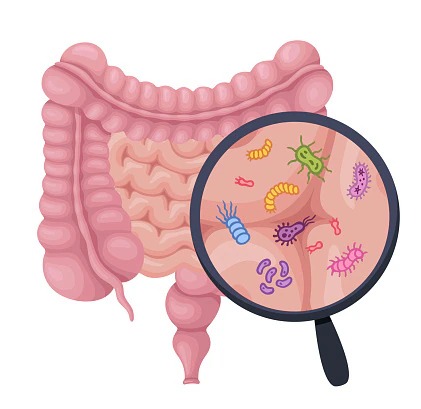
Viruses living in human gut play a quiet role in stress management, finds study

In Short

  • The viruses in the gut are crucial in the stress management
  • The researchers saw a change in the composition of viruses in the gut of chronic stressed mice
  • Personalised medicine for stress-related disorders might become possible in the future

While viruses are typically viewed as harmful to health, a subset of viruses residing in the gut might play a crucial role in stress regulation.

According to a new study, this discovery contributes to the growing body of evidence indicating that interactions between the gut and the brain influence human behaviour.


This research potentially paves the way for treatments targeting viruses within our bodies for stress-related conditions

While previous studies have primarily focused on the changes in gut bacteria composition in response to stress, this new research sheds light on the “virome,” an area that has been largely unexplored in understanding its interaction with bacteria and its impact on stress-related health and diseases.

Dr Nathaniel Ritz from the APC Microbiome Ireland research centre at University College Cork emphasised the potential of targeting the virome to alleviate the effects of stress.

The study, led by Ritz and his colleagues, specifically focused on a subset of viruses known as bacteriophages, which infect and replicate alongside bacteria.

Chronic social stress exposure in mice resulted in alterations in the composition of both the viruses and bacteria in their guts. Subsequent experiments involved harvesting viruses from the faeces of unstressed, healthy animals and transplanting them into mice subjected to chronic social stress.

The findings, published in Nature Microbiology, suggested that these transplants reduced stress hormone levels and mitigated depression- and anxiety-like behaviours in the mice.

While further research is required to determine the potential benefits of virus transplants for humans with stress-related conditions, this study provides early evidence that gut viruses are involved in stress response, and manipulating them could hold therapeutic promise.

Professor John Cryan, who led the research at APC Microbiome Ireland, said that the variability of virome composition in individuals, suggests that personalised medicine approaches for stress-related disorders might become possible in the future.

He highlighted the crucial role of some viruses in keeping harmful bacteria in check, especially during stressful periods.

.

Categories
Medical Updates Medicine & Health

Cervical cancer: HPV vaccines available, cost and age groups

Cervical cancer, a significant health concern for women in India, is primarily caused by high-risk Human Papillomavirus (HPV).

This cancer forms in the cervix, the entrance of a woman’s uterus to the vagina. When a high-risk HPV enters the cervix, via sexual contact, it can cause dysplasia, the growing and spreading of abnormal cells.

Fortunately, the advent of HPV vaccines has provided a powerful tool in the fight against this disease. In India, several vaccines are available to prevent HPV-associated cancers and genital warts.


Cervical cancer: HPV vaccines available, cost and age groups

Dr Tanaya Narendra, known as ‘Dr Cuterus’ on social media, spoke about the importance of taking the HPV vaccine.

“More than 90% of all cervical cancer cases are linked to the Human Papilloma Virus (HPV), and since 2006 we’ve had a vaccine against HPV. A simple shot can protect you from the second most common cancer in Indian women, why not take it?” Dr Tanaya Narendra told IndiaToday.In.

CERVICAL CANCER VACCINES, COSTS AND AGE GROUPS

The most well-known vaccine is Gardasil 9, which offers protection against nine types of HPV that are responsible for a majority of HPV-related cancers.

The vaccine is approved for use in both males and females aged 9 to 45 years. As of the latest information, Gardasil 9 is priced at Rs 10,850 per dose in India.

Another vaccine, Gardasil, targets four strains of HPV 6, 11, 16, and 18, and has been licenced for use in India since 2008. It is commercially available for Rs 2,000 to Rs 4,000 per dose.

Cervavac is the first Indian-made HPV vaccine by the Serum Institute of India. Approved for girls and boys aged between 9 and 26, Cervavac is priced relatively lower than its international counterparts, with a two-dose vial available for Rs 4,000, making it Rs 2,000 per dose.

This vaccine has shown high efficacy in preventing HPV infection, precancerous lesions, and cervical cancer, particularly against HPV types 16 and 18.

HPV VACCINATION IN INDIA

The Indian government has taken steps to make these vaccines more accessible. States such as Punjab, Sikkim, Karnataka, Tamil Nadu, Chhattisgarh, and Maharashtra have announced free HPV vaccination programs for school girls in specific districts as part of pilot projects.

Moreover, the National Technical Advisory Group on Immunization (NTAGI) recommended the introduction of the HPV vaccine into the universal immunization program, targeting adolescent girls in the 9-14 age group with routine introduction at nine years of age.

While HPV vaccines are recommended for boys and girls starting from the age of 9, the ideal candidates for vaccination are those who have not yet been exposed to the virus, typically before they become sexually active.

Finance Minister Nirmala Sitharaman announced, during her interim Budget 2024-25 speech in Parliament, that the government encourages girls aged 9 to 14 to get vaccinated against cervical cancer.

Visit  for more info – https://shorturl.at/lEJKT


Categories
Medical Updates Medicine & Health

Sugarcane Juice Help To Cure Jaundice? See What Experts Say

Jaundice is defined colloquially as yellowish discolouration of eyes and highly coloured urine, which occurs mainly due to a disorder of the liver, generally medical cause, and biliary tract – usually surgical cause. It is a symptom and not a disease and is associated with liver conditions like hepatitis, liver cirrhosis and other liver conditions where bilirubin levels in the blood get high. Sugar cane juice is considered popular in treating jaundice. According to Ayurveda, sugarcane juice helps strengthen the liver and has been suggested since ancient times as a potent home remedy for jaundice.

But, in a recent tweet, Abby Philips who is known by the name TheLiverDoc on Twitter, said, “Sugarcane juice for jaundice is an old-wives tale and traditional healers belief-based illogical advice – it is a healthcare myth. It does nothing, other than provide energy in the form of sugars and increase water content in the human body.”

Does Sugarcane Juice Help To Cure Jaundice?

Dr. Saibal Chakravorty, who is a Senior Consultant – Internal Medicine at Metro Hospital, Noida said, “Hepatitis A, B, and C are among the viruses that are the main cause of hepatitis, a common condition that appears as jaundice. Sugarcane juice is frequently seen as a diet rich in carbohydrates, and some people believe that it can offer nutritional support during acute hepatitis, particularly in people who are not diabetic.”
“It’s important to stress, nevertheless, that jaundice or hepatitis cannot be cured with sugarcane juice. Depending on the underlying cause, hepatitis usually requires medical intervention and specialised therapies. A healthy diet is crucial for maintaining general health, but sugarcane juice alone cannot take the place of medical care,” he added.

What Does The Unani System Of Medicine Have To Say:

Pooja Shah Bhave, who is a Consultant Clinical Dietician and Diabetes Educator, Mumbai said, “According to the Unani system of medicine, sugarcane juice is considered good for patients with jaundice. It is considered beneficial for the liver and is recommended that jaundice patients take in a large amount of sugarcane juice for immediate relief. There are several animal and human studies which have reported sugar cane juice or extracts been protective against liver toxicity happening due to drugs or other toxins, owing to immense antioxidant properties in sugarcane juice.”

“But one must be cautious as to how much quantity to consume. As suggested earlier in the review to have plenty of juice continuously through the course of treatment of jaundice. It is wise to not exceed one glass (200ml) of sugar cane juice in a day. One should always consult a dietician or doctor treating you before making any major changes in the diet. Having an excess quantity of juice may cause elevated blood sugar levels or indigestion and diarrhoea,” she added.

More Of Cultural Belief…

Dr. Santosh Pandey, an Acupuncturist and Naturopath, at Rejua Energy Center, Mumbai said, “Sugarcane juice contains essential nutrients such as antioxidants, vitamins, and minerals. It is hydrating and may provide a quick source of energy due to its natural sugars and is often regarded as a home remedy for jaundice. But, its effectiveness in curing the condition is more of a cultural belief than a scientifically proven fact. While sugarcane juice does offer some nutritional benefits, claiming it as a cure for jaundice oversimplifies a complex medical condition.”

“Relying solely on home remedies, like sugarcane juice, without proper medical guidance may delay effective intervention and compromise overall health. The key to treating jaundice lies in addressing its underlying causes. Hepatitis, liver cirrhosis, or other liver-related issues often contribute to jaundice. Medical interventions, including identifying and treating the root cause, dietary adjustments, and sometimes medication, are essential components of effective jaundice management,” he added.

Ways To Treat Jaundice:

Talking about the underlying causes of jaundice Dr. Pradeepta Kumar Sethy, who is the Director and Senior Consultant of Gastroenterology at Medica Superspecialty Hospital, shared, “The approach to jaundice management varies based on its underlying causes, which are categorized into three types. Hepatocellular jaundice results from liver damage, obstructive jaundice stems from bile duct obstruction, and hemolytic jaundice occurs due to the breakdown of blood haemoglobin.”

He then went on to share the treatment strategies which are tailored to the specific cause of jaundice.

  • For hepatocellular jaundice, which is associated with liver damage, supportive treatment is typically administered through medication. The treatment plan is contingent upon identifying and addressing the root cause.
  • In the case of obstructive jaundice, prompt intervention is crucial, especially if there is a delayed obstruction. Procedures such as Endoscopic Retrograde Cholangiopancreatography (ERCP) or Percutaneous Transhepatic Biliary Drainage (PTBD) may be employed to remove obstacles like CBD stones or address biliary strictures, relieving the obstruction and alleviating jaundice. Dietary considerations also play a role in jaundice management, with recommendations varying based on the specific cause.
  • In instances of hemolytic jaundice, a low-fat diet is often advised, and dietary restrictions may be implemented in the initial days

In addition, Dr. Prasanta Debnath, who is an Associate Consultant of Gastroenterology at Medica Superspecialty Hospital, shared ways to treat jaundice through diet and medications:

Visit for more details – https://shorturl.at/fprA5

Categories
Medical Updates Medicine & Health

Daily multivitamins could improve memory, thinking skills

Incorporating a daily multivitamin into your routine could potentially delay cognitive decline by up to two years, new research from Mass General Brigham.

The COcoa Supplement and Multivitamin Outcomes Study (COSMOS), conducted by Mass General Brigham researchers, explored a large-scale, nationwide, randomised trial about the effects of cocoa extract and multivitamin supplements.

Daily multivitamins could improve memory, thinking skills

This is a significant finding as cognitive decline is a key indicator of conditions like Alzheimer’s disease and dementia, impacting 55 million people globally, according to the World Health Organisation (WHO).

Addressing the concerns of older adults, lead author Chirag Vyas said, “Cognitive decline is among the top health concerns for most older adults, and a daily supplement of multivitamins has the potential as an appealing and accessible approach to slow cognitive ageing.”

The study, published in the American Journal of Clinical Nutrition, highlighted the positive impact of a daily multivitamin containing 20 essential nutrients.

According to senior author Dr Olivia Okereke, this regimen “helps prevent memory loss and slow down cognitive ageing.”

Over a two-year period, the study assessed 573 individuals, revealing that those taking the multivitamin showed significant improvements in learning, memory retention, and information recall compared to a placebo group.

Notably, enhancements were observed in orientation, attention, language fluency, and overall cognitive abilities, effectively delaying the ageing process by up to two years.

Expressing enthusiasm about the findings, Howard Sesso from Brigham and Women’s Hospital emphasised the importance of delving into the mechanisms behind how a daily multivitamin could shield against memory loss and cognitive decline.

He said that there is a need to focus on nutritional status and other ageing-related factors to understand this exciting discovery better.

Visit us – www.aarogyapath.in

Categories
Medical Updates Medicine & Health

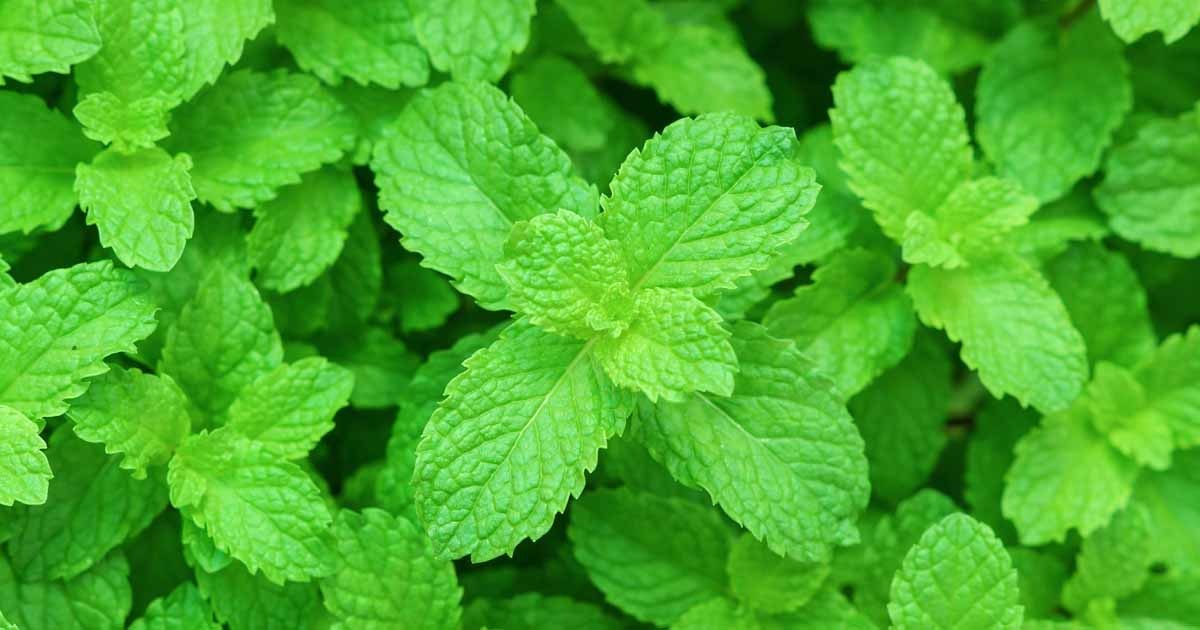
Here’s what a 100-gram serving of peppermint leaves contains

In the realm of aromatic herbs, few carry the invigorating essence and potent health benefits quite like peppermint leaves. Beyond their delightful flavour, these vibrant green leaves house a myriad of wellness wonders that have been cherished for centuries.

Here’s what a 100-gram serving of peppermint leaves contains

From soothing digestive discomforts to awakening the senses, Ekta Singhwal, dietician, Ujala Cygnus Group of Hospitals elaborated on the potential benefits of peppermint leaves for a revitalised and healthier lifestyle.

Nutritional Profile of Peppermint

A 100-gram serving of peppermint contains the following nutrients:

Calories: 70 kcal
– Carbohydrates: 14.79 grams
– Dietary Fibre: 8 grams
– Sugars: 0.2 grams
– Protein: 3.75 grams
– Fat: 0.94 grams

Health Benefits of Peppermint

– Digestive Health: Peppermint can soothe digestive issues, relieve indigestion, and reduce symptoms of irritable bowel syndrome (IBS).
– Respiratory Health: Peppermint’s menthol content can help relieve respiratory symptoms, including congestion and cough.
– Headache Relief: Peppermint oil may provide relief from headaches and migraines due to its calming and muscle relaxant properties.
– Stress Reduction: The aroma of peppermint may have stress-relieving effects and improve mental clarity.
– Antimicrobial Properties: Peppermint has antimicrobial properties that may help combat bacteria and fungi.

Things to Keep in Mind

– Be cautious if you have allergies to mint or menthol.
– Peppermint is generally low in sugar, but it’s essential to be mindful if you are monitoring sugar intake.
– Overconsumption may lead to heartburn or digestive issues.

Myths and Facts

Myth 1: Peppermint can cure digestive issues completely.
Fact: While peppermint can alleviate symptoms, it’s not a cure for underlying digestive conditions.

Myth 2: Peppermint oil can replace antibiotics for infections.
Fact: While peppermint has antimicrobial properties, it should not replace prescribed antibiotics for treating infections.

Visit us – www.aarogyapath.in

Categories
Medical Updates Medicine & Health

In winter, these foods can help keep your heart healthy

Our heart and blood vessels are constantly adapting to the changing environment. Besides adhering to the changes happening inside the body, they keep the blood flowing to carry oxygen and nutrients throughout the body.

In winter, however, our heart works harder. When it’s cold, the blood vessels narrow your fingers, toes and skin so that less heat is lost. But this narrowing, known as vasoconstriction, can put more pressure on the heart to pump blood.


In winter, these foods can help keep your heart healthy

Dietitian Ritika Samaddar from Max Healthcare, Delhi, suggested a balanced diet can improve your heart’s ability to pump blood to the body without much pressure.

In the face of colder temperatures, our heart diligently works harder to maintain blood circulation, underscoring the importance of a balanced diet for sustained cardiovascular health,” said Ritika Samaddar.

One of the best foods for a healthy heart is almonds, which can reduce inflammation and lower bad cholesterol in the body.

“Almonds may lower total and LDL cholesterol when included in a healthy diet and reduce levels of heart-damaging inflammation,” the expert said.

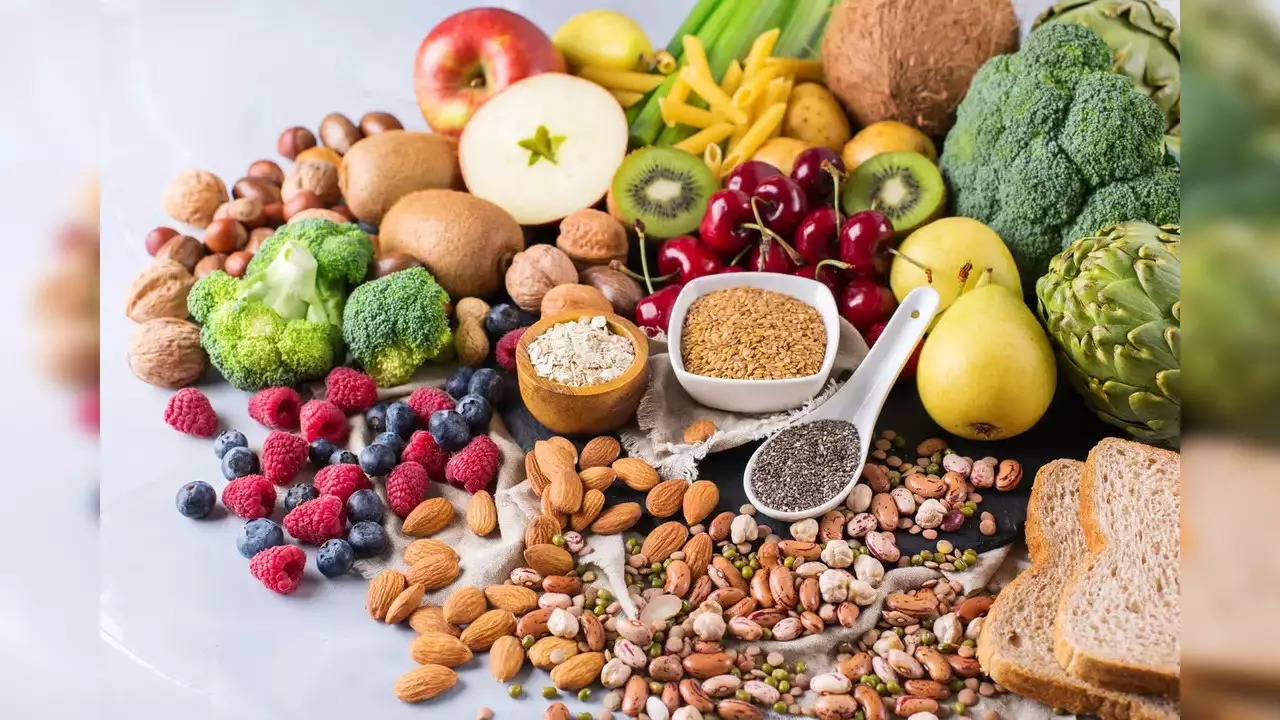
Beyond almonds, some of the other heart-healthy foods you can include in your daily diet are green leafy vegetables, seasonal fruits (especially citrus gems like oranges), nutrient-packed root vegetables, and whole grains.

Visit for more info – https://shorturl.at/iGMQ2

Categories
Medical Updates Medicine & Health

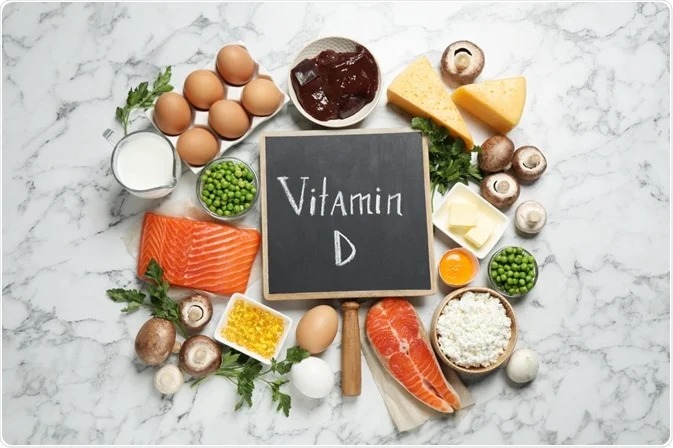
​Signs of vitamin D deficiency that are mostly ignored​

​Key facts about the sunshine vitamin​

From maintaining strong bones to supporting the immune system, vitamin D or the sunshine vitamin plays a crucial role in human body. Despite its significance, many people worldwide experience vitamin D deficiency, which can lead to a range of health issues. Unfortunately, many people do not identify the signs of vitamin D deficiency. Here is a list of symptoms exclusively seen when the body does not have sufficient vitamin D to function.

​Signs of vitamin D deficiency that are mostly ignored​

​Slow wound healing​

Vitamin D deficiency can contribute to slow wound healing due to its vital role in the immune system and tissue repair. The vitamin is essential for promoting cell growth and division, crucial elements in the healing process. Insufficient vitamin D levels may impair the body’s ability to combat infections and generate new, healthy tissue, resulting in delayed wound healing. If you notice that your wounds take longer to heal than usual, it could be a sign of vitamin D deficiency.

​Fatigue and weakness​

One of the early signs of vitamin D deficiency is persistent fatigue and weakness. Vitamin D deficiency has been associated with fatigue due to its crucial role in energy metabolism. Insufficient levels may lead to feelings of tiredness and weakness. Vitamin D regulates the synthesis of adenosine triphosphate (ATP), the primary energy currency of cells. Inadequate ATP production can contribute to persistent fatigue. Moreover, vitamin D supports muscle function, and its deficiency may result in muscle weakness, further contributing to fatigue. If you often feel tired despite getting adequate rest, it may be worth considering your vitamin D levels.

Frequent illnesses and infections​

Vitamin D plays a crucial role in supporting the immune system. If you find yourself falling ill frequently or experiencing prolonged recovery from infections, it could be a sign of deficient vitamin D levels.

​Hair loss​

Although not as well-established as other symptoms, some research suggests that vitamin D deficiency may contribute to hair loss. If you notice significant hair thinning or loss, it’s worth considering your overall nutritional status.

Depression and mood disorders​

Vitamin D deficiency has been linked to depression and mood disorders, although the relationship is complex and multifactorial. The vitamin plays a role in neurotransmitter synthesis and brain function. Low levels may contribute to an increased risk of mood disturbances. Sunlight exposure, a primary source of vitamin D, also influences serotonin levels, impacting mood regulation.

Bone loss​

Vitamin D is integral to bone health, as it aids in the absorption of calcium, essential for bone strength. Insufficient vitamin D levels can lead to bone loss, weakening the skeletal structure and increasing the risk of conditions like osteoporosis. Without proper vitamin D, the body struggles to utilize calcium effectively, resulting in decreased bone density. Over time, this can lead to brittle bones and an elevated susceptibility to fractures. In more severe cases, vitamin D deficiency can contribute to the development of osteoporosis. This condition makes bones fragile and more prone to fractures.

Visit us – http://surl.li/ovmhk