Categories
COVID-19 Medical Updates Medicine & Health

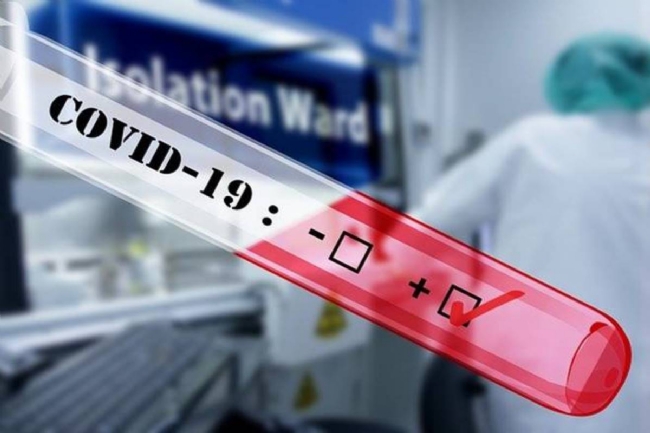
FELUDA, cheaper COVID-19 test launched by TataMD

TataMD has announced the launch of CHECK

Tata Medical and Diagnostics Ltd (TataMD), the healthcare venture from Tata Group, has announced the commercial launch of TataMD CHECK, novel diagnostic testing for COVID-19. TataMD CHECK is powered by FELUDA, a CRISPR Cas-9 technology that was developed in India by CSIR- IGIB for COVID testing. It is the world’s first CRISPR Cas-9 based diagnostic tool to be launched globally.

Commenting on the launch, Girish Krishnamurthy, CEO, Tata Medical and Diagnostics said, “With TataMD CHECK, we are committed to significantly enhance the testing experience of the consumers as well as work with laboratories and hospitals to ensure wider availability and easier access to testing.” The test kits will be manufactured at a Chennai production facility, which presently has a capacity of producing one million kits in a month.

Outlining the advantages of TataMD Check testing, the company said that it was a paper strip-based test with an image-based visual result read out. It requires standard laboratory equipment and small batches of tests can be conducted, which simplifies the diagnostics process.

The test reaction time in a laboratory is 45-50 minutes and the total testing time from RNA-extracted sample in the lab to result is 75 minutes only. Additionally, it can provide high quality, quick results using standard equipment and minimally trained staff. This allows for rapid adoption and scale with potential to reach remote locations of the country.

TataMD does continuous quality control using sensors and AI-based result reporting tool. This helps patients and authorities with the traceability of the sample and to access the results anywhere, since the findings are stored on cloud storage.

source:https://www.healthcareradius.in/clinical/27030-tatamd-launches-check-a-diagnostic-testing-technology-for-covid-19

Categories
COVID-19 Medical Updates Techniques

Precautions to celebrate safe Diwali in COVID-19

Diwali 2020 is here but the global pandemic of the novel coronavirus has subdued the vibe and energy of the festival. However, don’t worry, keep your excitements intact as you can still have a lot of fun by following a few guidelines. To ensure the safety and security of the people government has issued some rules and regulations on how to celebrate festivals this year. Mostly, large gatherings and events have been cancelled and the experts are suggesting to stay indoors and follow strict rules of safety. Therefore, we are here with a few tips on how to have safe Diwali celebrations this year keeping in mind the physical distancing and hygiene amidst the COVID-19 outbreak.

Don’t use sanitizer before lighting diya/candles

Refrain from using hand sanitizers which are alcohol-based before lighting diyas, candles or any such thing. This is because sanitizers are inflammable and can cause fire hazards. It is recommended by the experts that you wash your hands with soap and water before doing anything which involves lighting fire.

Keep sanitizer away from fire

Sanitizer bottles are common in household and people keep it handy due to ward off the germs during COVID-19 pandemic. But, since maximum sanitizers are alcohol-based, they can easily catch fire. Therefore, keep your sanitizer bottles on a safe place.

Maintain physical distancing

Yes, we know Festivity is all about togetherness and strengthening bonds. This festive season, try and adjust to the new normal and avoid meeting people physically. It is recommended that you celebrate Diwali this year staying indoors mostly. However, if you are meeting someone, fold your hands in namaste or greet in any other way without physical contact.

Don’t forget your mask

It is significant to be responsible and take mandatory precautions. COVID-19  pandemic this year has made the use of mask necessary. Therefore, every time you step out, don’t forget to cover your nose and mouth to save yourself from getting infected.

source: https://www.indiatvnews.com/health/healthcare-tips-how-to-keep-yourself-safe-during-diwali-in-covid-times-660159

Categories
COVID-19 Medical Updates

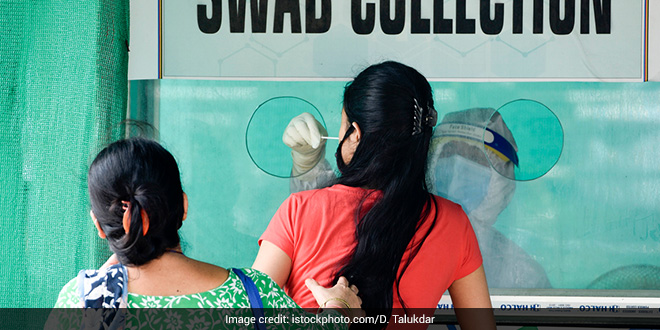
Targeted COVID-19 testing begins in crowded areas in Delhi

The Delhi government has started conducting targeted COVID-19 tests in markets and other crowded areas to strengthen its surveillance mechanism, the city’s Heath Minister Satyendar Jain said on Wednesday amid a surge in daily coronavirus cases in the national capital in the last few days.

Delhi recorded over 6,700 fresh COVID-19 cases for the first time on Tuesday taking the infection tally in the national capital to over four lakh, while the positivity rate was recorded at 11.29 percent amid the festive season and rise pollution levels.

Interacting with reporters, Jain said, the current pandemic situation in the national capital, can be termed as its “third wave”.

It was decided to concentrate efforts in certain key areas, such as targeted RT-PCR testing in sensitive and critical zones such as restaurants, market places, barber shops, and salons; gear up the availability of medical resources including beds, ICUs, and ventilators as a preemptive measure and ensure a high degree of contact tracing along with monitoring of quarantined contacts so as to suppress and break the chain of transmission, the statement said.

Jain told reporters, “Targeted testing has started in market places and other densely crowded areas”. Asked if there these tests will be all RT-PCR ones, he replied RT-PCR tests will also be increased.

As to why COVID-19 cases in Delhi are rising whereas it is showing a declining trend elsewhere, he said, “We are doing aggressive testing and contact tracing. These may be why daily cases are high. About other places, I cannot comment.”

Jain also acknowledges that he was getting reports that many people were either lax in adhering to safety norms or not wearing masks at all.

Jain also said in the initial days of the pandemic, more cases were coming from congested areas.

“This time, more cases are being recorded in upper-middle-class and middle-class segments, and they have an inclination to go to private hospitals. But treatment protocols are the same in private and government hospitals. Beds are available in government facilities,” he said.

Delhi had recorded over 5,000 daily cases for five days on the trot, ending Sunday when the count stood at 5,664. The number of containment zones in Delhi increased to 3,453 on Tuesday from 3,416 the previous day.

The sudden spike in cases comes amid the festive season and rising pollution level. While Durga Puja celebrations ended on October 25, the next major festivals are Diwali and Chhath in November.

source: https://www.financialexpress.com/lifestyle/health/targeted-covid-19-testing-begins-in-market-places-crowded-areas-in-delhi-satyendar-jain/2120942/

Categories
COVID-19 Medical Updates Medicine & Health

Lung Cancer Awareness Month: November

Lungs are one of the most vital organs in the human body. Responsible for the fundamental act of breathing, the lungs play a very important role in keeping the body healthy, and the body functions running efficiently. However, in recent times, diseases such as lung cancer have become extremely common. In fact, lung cancer is the most common type of cancer around the world and is responsible for millions of deaths, every year. The ongoing COVID-19 pandemic, lifestyle factors, and air pollution only add to the already high risk of lung cancer.

Let us understand the factors that make lung cancer the most common cancer globally, and what we can do to minimize our risk of the deadly disease.

What makes lung cancer the most common cancer around the world?

  • Smoking – The number of people who use cigarettes has gone up around the world. Smoking has become extremely common among young people, and even teenagers. Smoking is one of the leading causes of lung cancer. About 80 percent of total lung cancer deaths can be attributed to tobacco smoking, and many others to exposure to second-hand smoke. Smoking has also been found as a risk factor for COVID-19, the disease caused by the novel coronavirus.
  • Gene changes – Changes in genes can also spike the risk of lung cancer, even in people who do not smoke. Certain risk factors for lung cancer can cause changes in the DNA of lung cells. These changes can sometimes lead to abnormal growth of cells in the lungs, and cause cancer. DNA, as most people know, can influence our risk of developing certain diseases, including lung cancer.
  • Increased exposure to pollutants – Air pollution, global warming, and other climatic emergencies can also lead to a rise in the risk of diseases such as lung cancer. Exposure to pollutants can spike the risk of lung diseases such as asthma and COPD, and also lung cancer. Exposure to second-hand smoke from cigarettes also has a similar effect on the body.

It’s important to go organic. Making organic fruits and vegetables will not only keep cancer away but will also bring several lifestyle diseases under control. Of course, the government needs to play an important role by instituting measures to control pollution and adulteration of all types.

source:https://www.timesnownews.com/health/article/lung-cancer-awareness-month-what-makes-it-the-most-common-cancer-globally-tips-for-prevention/675661

Categories
COVID-19 Medical Updates Medicine & Health

Covid-19: Bharat Biotech in talks to take vaccine candidate global

India’s Bharat Biotech is in discussions with more than 10 countries that have shown an interest in a potential COVID-19 vaccine it is developing with a government agency, a company executive told Reuters on Friday.

The company, based in Hyderabad, this week received initial approval from Indian authorities to conduct late-stage trials for its vaccine candidate, COVAXIN.

The potential vaccine was found to be safe without any major adverse events in the first two stages of the trials involving about 1,000 people, Executive Director Sai Prasad said in a phone interview, adding that more than 90% of them developed antibodies against the novel coronavirus.

“We are in active discussions with more than 10 countries that have shown an interest in COVAXIN,” he said.

“We are talking to some of the countries about partnerships to conduct clinical trials and introduce the vaccine, and in some countries, we are in talks to manufacture the vaccine locally.”

He declined to name the countries but said they were located in South America, Asia and Central Asia, and Eastern Europe.

For third-stage trials in India, Bharat Biotech plans to enroll about 25,000 to 26,000 participants in around 12-14 states, he added.

India’s Zydus Cadila is currently conducting mid-stage trials of its own vaccine hopeful, while Serum Institute is making potential vaccines from AstraZeneca NSE 1.51 %, Novavax, and Codagenix Inc, as well as developing its own.

India has the world’s second-highest number of reported coronavirus cases at 7.8 million, more than a 100,000 of whom have died.


Categories
COVID-19 Medical Updates

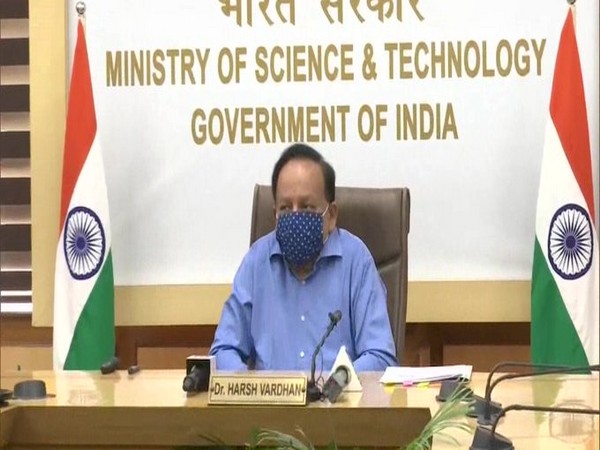
Dr. Harsh Vardhan launches CuRED, COVID-19 clinical trials portal

The Union Health Minister Dr. Harsh Vardhan on October 20, 2020, launched CuRED (CSIR Ushered Repurposed Drugs). A website that will provide comprehensive information about the COVID-19 trials that CSIR- Council of Scientific and Industrial Research is engaged in a partnership with ministries, government departments, and industries.

The Minister lauded the efforts of CSIR for being at the forefront of the ongoing fight against COVID-19 and prioritizing clinical trials, generating data for their regulatory approval, and helping launch drugs and diagnostics in the market. He commended the approach of using repurposed drugs and also, synthesizing COVID-19 drugs through new processes and transferring to Industry.

CSIR is also working with the Ministry of AYUSH for clinical trials of AYUSH drugs and has undertaken safety & efficacy trials of AYUSH prophylactics and therapeutics based on individual plant-based compounds and in combination. Five clinical trials involving Withaniasomnifera, Tinosporacordifolia + Piper longum(in combination), Glycyrrhizaglabra, Tinosporacordifolia & Adhatodavasica (individually and in combination) and AYUSH-64 formulation are undergoing safety and efficacy trials.

A key clinical trial of CSIR is the Sepsivac (Mw) against COVID -19 in partnership with Cadila. The phase 2 clinical trial has been completed successfully on critically ill COVID-19 patients, and more extensive Phase 3 trial is on the anvil. Further, the Phase 2 trial of phytopharmaceutical AQCH on Covid-19 patients with Sun Pharma and DBT is underway.

In addition to clinical trials of repurposed drugs and vaccines, CSIR has been involved in clinical trials of diagnostics and devices.

Dr. Harsh Vardhan emphasized that while the scientists are working on developing drugs and vaccines, as of now, social distancing, wearing masks and other precautions are essential and must be duly followed if we have to win the fight against COVID-19.

Dr. Shekhar C Mande, Secretary, DSIR and DG-CSIR, Dr.Ranjana Aggarwal, Dir, NISTADS, and Dr. Geetha Vani Rayasam, Senior Principal Scientist & Head, Science Communication and Dissemination Directorate CSIR HQ, were present on the occasion. CSIR Directors, Heads of Departments, and Scientists involved in Clinical Trials joined the event virtually.

Categories
COVID-19 Medical Updates

No Fasting: Doctor’s advice to COVID -19 patients

COVID-19 is an ongoing pandemic, affects different people in different ways. Most infected people will develop mild to moderate illness and recover without hospitalization. As the festive season has started in India celebrates Navratri, followed by Karwachauth. People of the country do fast during these festivals.

Doctors have advised people to avoid fasting during this festive season and make necessary changes to safeguard their health, especially if they are recovering from a Covid infection or belong to the high-risk group.

“People who are Covid positive or are recovering from Covid infection should avoid fasting during Navratri or Karwa Chauth. Those who are considered highly susceptible to the virus — elderly, people with diabetes, hypertension or other comorbidities, and pregnant and lactating women — should in no way fast during the pandemic,” said Col Vijay Dutta, senior consultant, internal and respiratory medicine at Indian Spinal Injuries Centre, New Delhi.

“Intermittent fasting shifts the primary energy source of the body from glucose to free fatty acid (FFA) which helps burn fat. However, fasting may reduce the body’s innate defence mechanisms as well as adaptive immune responses as immune cells which rely on glucose to sustain their function and proliferation. Reduced glucose availability and hypoinsulinemia during fasting may have negative effects on immune mechanisms,” he explained.

The doctors also advised pregnant and lactating women not to fast in such conditions. They cautioned that the whole day fasting could interfere with natural metabolism causing a hormonal imbalance which may lead to acidity, bloating, nausea, and discomfort.

Gauri Agarwal, a senior gynaecologist & fertility expert at Seeds of Innocence, New Delhi, said that the whole day of fasting can affect the blood sugar levels in pregnant women.

Pregnant women or lactating mothers should avoid fasting on both Navratri and Karwa Chauth. Day-long fasting can create stress on the body and adversely impact the blood sugar level, pushing it higher than normal.

source:https://www.tribuneindia.com/news/health/avoid-fasting-docs-advice-to-high-risk-covid-candidates-158017

Categories
COVID-19 Government Guidelines Medicine & Health Techniques

‘India to become healthcare provider to the world’


‘India to become a healthcare provider to the world’

The Medical device sector has a crucial role to play in improving accessibility and affordability of healthcare especially with regard to the availability of precision devices stated D V Sadananda Gowda , Union Minister for Chemicals & Fertilizers during his inaugural address at the 12th MedTech Global Summit .
We now must turn our attention to correct our high import dependence. Our pharmaceutical sector will become Atmanirbhar in a short period of 2-3 years, not only domestically but globally providing low cost and high-quality equipment and drugs.

Our Product Linked Investment schemes will attract cumulative investment of INR 78,000 crore and generate 250,000 in employment, with Med tech attracting at least 40,000 crore and employing 140,000 new employees.

The government is committed to providing low cost, affordable health care to every citizen through PMJAY and Ayushman Bharat with both schemes significantly reducing out of pocket expenditure for our citizens.

The medical device industry has labored and helped prepare indigenous products in our fight against COVID, with our production of ventilators proof of the success of Indian indignity stated Piyush Goyal.

It showed to the world that India can be a trusted partner when it comes to global engagement and global trade. This is the time to leverage the tools of technology to recharge our health systems with the power of: Access, Awareness and Availability, he added.

Chandrajit Banerjee , Director General, Confederation of Indian Industry expressed his gratitude towards the Department of Pharmaceuticals and the phenomenal work undertaken through the recent PLI schemes launched for bulk drug parks and med tech parks. These are the progressive steps required for us to become Aatma Nirbhar.

The Industry and Government need to work together to steer India to become global suppliers of medical Technology. There should be a greater streamlining of the regulatory process, a single national Med-Tech policy and a signal nodal body to govern and support the sector is imperative, he added.

In this pandemic, all the healthcare ecosystem has come together, and have eliminated the need for importing stated Dr Naresh Trehan , Chairman, CII National Committee on Healthcare & Chairman & Managing Director, Medanta – The Medicity. In order to further move up the value chain, Med-Tech, the entire healthcare spectrum, Scientific Intuitions and Government need to be brought on to the same platform to allow for convergence. We need to make a plan to take to the government so that all stakeholders across can help collaborate and innovate.

Source:  http://Source: http://www.smetimes.in/smetimes/news/top-stories/2020/Aug/24/india-healthcare53157.html


Categories
COVID-19 Medical Updates Medicine & Health

Delhi: 2nd sero survey from today, 15k samples targeted

New Delhi: The second round of the serological survey in the capital will begin on Saturday, with the authorities targeting to cover nearly 15,000 people to analyse the prevalence of antibodies in Delhiites in different districts. The tests will have to be completed by August 7.

All arrangements have been made in the 11 districts to start the exercise, which will be crucial to find out if Delhi is heading towards herd immunity from novel coronavirus. The first serological survey in Delhi, in which the sample size was 21,387, revealed nearly a quarter of its population had developed antibodies.

Teams of lab technicians, doctors, civil defence volunteers and ASHA workers will go to selected areas to collect samples in the morning. Earlier, the sero survey was scheduled to be completed by the fifth day of every month, but the deadline has been extended this time due to festivals.

The districts have been given different targets of sample collection. North West district, which collected the largest number of samples at 3,548 during the last survey, will have to collect 2,200 samples, and West district 2,150 samples against 2,373 in the previous one. Central district, which collected 2,702 samples earlier, has been asked to gather 1,548 samples.
Sandeep Kumar Mishra, district magistrate of North West district, said he had directed all 16 collection teams to ensure multi-stage systematic random representative sampling as per the guidelines. “It is critical in projecting the accurate prevalence of antibodies in people. It is more important than the size of samples,” Mishra said.

In Central district, 16 teams will collect samples from different areas across various age groups to ensure that the samples represent the entire administrative unit, said district magistrate Nidhi Srivastava.

Arun Gupta, additional district magistrate of South, said no sample would be collected from the areas covered in the last survey.

Since the sero survey reveals the prevalence of antibodies in population at a micro level, it helps the district authorities plan interventions for mitigation and containment of Covid-19.

The samples will be collected from various areas, including those without any any Covid-19 case, containment and buffer zones, those with only isolated cases, upscale and middle colonies, and slums. All individuals covered in the first survey will be excluded from sampling this time.

Directions have been issued to the field teams to ensure that out of the total number of samples, 25% should be of those younger than 18 years, another 25% of those in the age group of 50 years and above, and the remaining 50% from those in the age group of 18-49 years. All districts have been allocated different laboratories to send their samples for tests.

Source: https://bit.ly/2PoHLnX

Categories
COVID-19 Medical Updates Medicine & Health

5 people to be vaccinated today as India’s first COVID-19 vaccine COVAXIN trial starts at AIIMS Delhi

Five volunteers will be vaccinated on Friday as the first phase of human clinical trials of COVAXIN, India’s first indigenous vaccine begins at AIMS, New Delhi.

New Delhi: Five volunteers will be vaccinated on Friday as the first phase of human clinical trials of COVAXIN, India’s first indigenous vaccine begins at the All India Institute of Medical Sciences, New Delhi, according to a report. About 3,500 people have registered to take part in the trial of the vaccine being developed by Bharat Biotech in collaboration with the Indian Council of Medical Research (ICMR).

The phase 1 trial in AIIMS will involve 100 healthy people. A report in the Jagran, citing AIIMS doctor Dr Sanjay Roy, professor of Community Medicine, stated that screening of study subjects is going on. Dr Roy, who is leading the trial at AIIMS, said that they have received investigation reports of many people, adding that vaccination will start if all goes well. Initially, 10 participants will receive the vaccine and their report will be reviewed by the institute’s Ethics Committee for safety, after which the rest of the subjects will be vaccinated.

The report added that all 3,500 people who have volunteered for the vaccine trial are being screened for various parameters at AIIMS. About 50 types of tests, including diabetes, hypertension, heart disease, kidney and liver diseases are being conducted on study participants to ensure that they are healthy and fit for the trial.

It may be noted that Bharat Biotech has partnered with Delhi-based Dr Dangs Lab for the clinical trial of its COVID-19 vaccine. The lab has already started processing samples from study participants from various trial sites to assess the safety of the vaccine.

The ICMR has picked 12 medical institutions to conduct the clinical trials of COVAXIN, which is derived from a strain of SARS-CoV-2 virus isolated in NIV, Pune. The virus strain was then transferred to Bharat Biotech to develop into a vaccine.

Source: https://bit.ly/3jQpmP8