Categories
COVID-19 Medical Updates Medicine & Health

5 people to be vaccinated today as India’s first COVID-19 vaccine COVAXIN trial starts at AIIMS Delhi

Five volunteers will be vaccinated on Friday as the first phase of human clinical trials of COVAXIN, India’s first indigenous vaccine begins at AIMS, New Delhi.

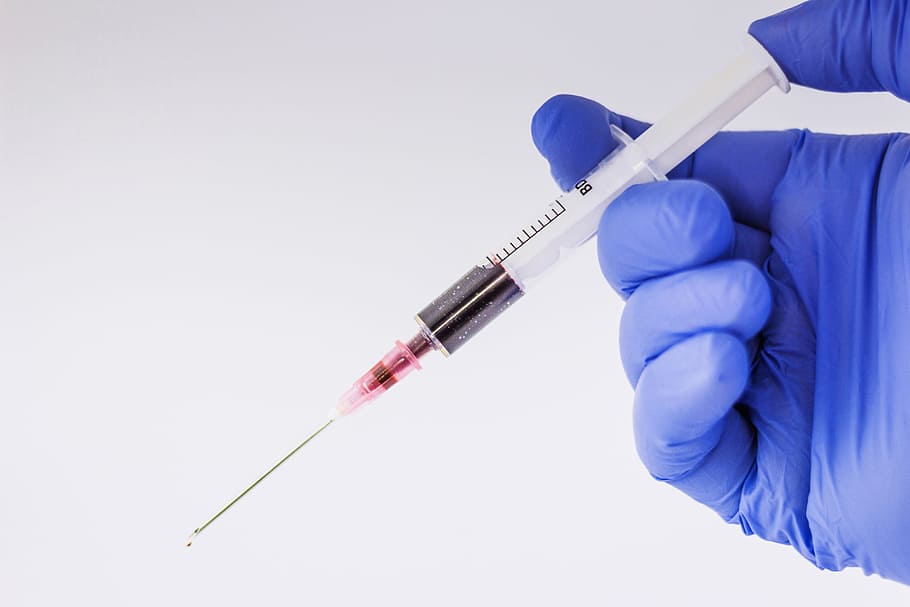
New Delhi: Five volunteers will be vaccinated on Friday as the first phase of human clinical trials of COVAXIN, India’s first indigenous vaccine begins at the All India Institute of Medical Sciences, New Delhi, according to a report. About 3,500 people have registered to take part in the trial of the vaccine being developed by Bharat Biotech in collaboration with the Indian Council of Medical Research (ICMR).

The phase 1 trial in AIIMS will involve 100 healthy people. A report in the Jagran, citing AIIMS doctor Dr Sanjay Roy, professor of Community Medicine, stated that screening of study subjects is going on. Dr Roy, who is leading the trial at AIIMS, said that they have received investigation reports of many people, adding that vaccination will start if all goes well. Initially, 10 participants will receive the vaccine and their report will be reviewed by the institute’s Ethics Committee for safety, after which the rest of the subjects will be vaccinated.

The report added that all 3,500 people who have volunteered for the vaccine trial are being screened for various parameters at AIIMS. About 50 types of tests, including diabetes, hypertension, heart disease, kidney and liver diseases are being conducted on study participants to ensure that they are healthy and fit for the trial.
It may be noted that Bharat Biotech has partnered with Delhi-based Dr Dangs Lab for the clinical trial of its COVID-19 vaccine. The lab has already started processing samples from study participants from various trial sites to assess the safety of the vaccine.

The ICMR has picked 12 medical institutions to conduct the clinical trials of COVAXIN, which is derived from a strain of SARS-CoV-2 virus isolated in NIV, Pune. The virus strain was then transferred to Bharat Biotech to develop into a vaccine.

Source: https://bit.ly/3jQpmP8
Categories
COVID-19 Government Guidelines Medical Updates Medicine & Health

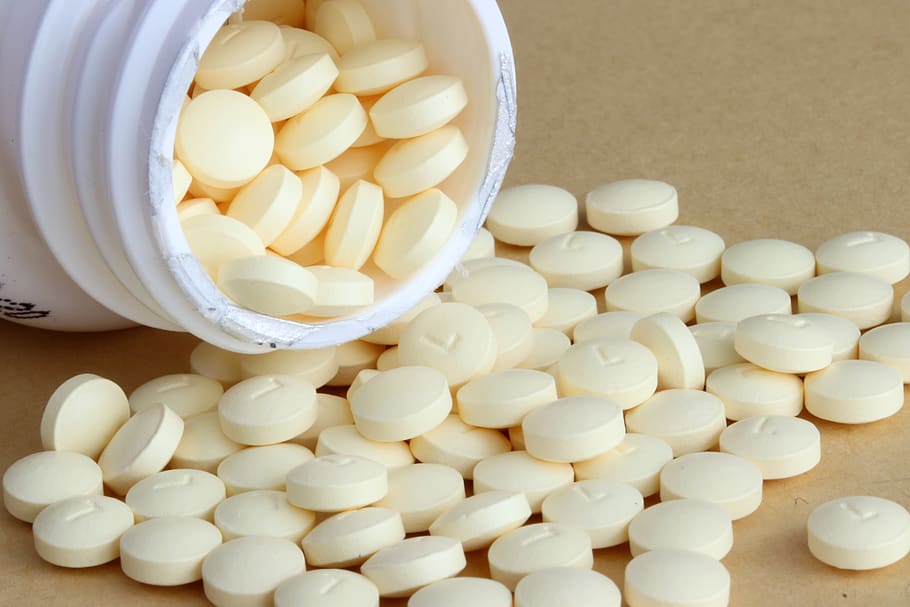
Cipla launching Covid-19 treatment drug Ciplenza in August at Rs 68 per tablet

Ciplenza will be introduced through hospital channels and will be prioritised for areas with high Covid prevalence

Pharmaceutical major Cipla Limited has announced receiving regulatory approval by the drug controller general of India (DCGI) for launching Favipiravir in the country to be sold under the brand name Ciplenza for restricted emergency use for the treatment of coronavirus patients.

The company said that as part of its efforts to meet the demand for the medicine, it will commercially launch Ciplenza in the first week of August and each tablet will be priced at Rs 68.

“To ensure fair and equitable distribution of the drug, supplies will be undertaken predominantly through hospital channels and via open channels, prioritised for regions with a high burden of Covid-19 cases,” a press release on the company’s website stated.

The statement claims that an accelerated approval for Ciplenza’s manufacturing and marketing is aimed at meeting the urgent and unmet medical need for Covid-19 treatment options in the country.

The drug has been jointly developed by Cipla and CSIR-Indian Institute of Chemical Technology (IICT).

“As part of this partnership, CSIR-IICT has successfully developed a convenient and cost-effective synthetic process for Favipiravir. The entire process and Active Pharmaceutical Ingredient (API) of the drug has been transferred to Cipla to manufacture and market the drug at scale,” the statement says.

Favipiravir is an off patent, oral antiviral drug, originally discovered by Fuji Pharma in Japan, and has shown promise in clinical trials for treatment of Covid-19 patients, especially in mild and moderate cases.

Director of CSIR-IICR S Chandrashekhar was quoted by news agency PTI as saying that the technology transferred to Cipla is very efficient and affordable, allowing the company to make large quantities of the product within a short span of time.

CSIR director general Shekhar C Mande said Ciplenza was another example of the institute’s commitment to work with the industry to develop quick solutions and products for mitigation of Covid-19.

Earlier in June, drug manufacturing firm Glenmark Pharmaceuticals was given approval from the Indian drug regulator to launch oral antiviral drug favipiravir for treatment of mild to moderate Covid-19 patients in the country.

Another Indian pharmaceutical company Dr. Reddy’s Laboratories (Dr Reddy’s) had recently announced signing a tripartite agreement with two international firms based in Japan and the UAE for the development, manufacturing and sales of favipiravir innovator brand Avigan.

Source: https://bit.ly/3g2HOl0

Categories
COVID-19 Government Guidelines Medical Updates

India Extends Medical Assistance Worth About $1 Million To North Korea

India is sensitive to the shortage of medical supply situation in the Democratic People’s Republic of Korea and decided to grant assistance of $1 million in the form of anti-tuberculosis medicines, the MEA said
India Extends Medical Assistance Worth About $1 Million To North Korea

The medical assistance is under the aegis of a WHO anti-tuberculosis programme(Representational)

New Delhi: 

India has extended medical assistance worth about USD 1 million to North Korea in response to a request received from the World Health Organisation (WHO), the Ministry of External Affairs (MEA) said on Friday.

“India is sensitive to the shortage of medical supply situation in the Democratic People’s Republic of Korea (DPRK) and decided to grant humanitarian assistance of USD 1 million in the form of anti-tuberculosis medicines,” the MEA said.

The medical assistance is under the aegis of an ongoing WHO anti-tuberculosis programme in DPRK, the ministry added.

Source: https://bit.ly/2D6YTvE

Categories
COVID-19 Government Guidelines Medical Updates Medicine & Health

India extends medical assistance worth about $1 million to North Korea

The medical assistance is under the aegis of an ongoing WHO anti-tuberculosis programme in DPRK, it said.

India has extended medical assistance worth about $1 million to North Korea in response to a request received from the World Health Organisation (WHO), the Ministry of External Affairs said on Friday.

India is sensitive to the shortage of medical supply situation in the Democratic People’s Republic of Korea (DPRK) and decided to grant a humanitarian assistance of $1 million in the form of anti-tuberculosis medicines, the MEA said.

The medical assistance is under the aegis of an ongoing WHO anti-tuberculosis programme in DPRK, it said.

The consignment of medicines was handed over to DPRK authorities by Indian Ambassador to DPRK Atul Malhari Gotsurve in the presence of a WHO representative.

Source: https://bit.ly/3hyF8Ml

Categories
COVID-19 Government Guidelines Medical Updates Medicine & Health

COVID hospitals to ensure ”zero delay” in transfer of patients from triage to ICU

New Delhi, Jul 24 (PTI) Seeking to reduce deaths from COVID-19, authorities have directed dedicated coronavirus hospitals to ensure that there is “absolutely no delay” in transferring a serious patient from triage area to an ICU, a senior official said on Friday.

The decision was taken during a meeting chaired by the principal secretary, Delhi Health Department, on Friday with nodal officers, medical directors, medical superintendents of the Delhi government”s dedicated COVID hospitals, he said.

As per the latest protocol, even suspected COVID-19 patients, in serious condition are to be given immediate medical attention as required when brought to dedicated facilities.

“It was decided that to ensure mortality from COVID-19, dedicated government hospitals would ensure zero-delay in transfer of serious patients from triage area to an ICU, so that oxygen and other requirement can be immediately met,” said a senior official who attended the meeting.

The official, also a senior doctor at a dedicated COVID-19 facility here, said earlier many patients would just be lying in ambulances looking for a bed or medical attention, and ambulances have limited supply of oxygen, so there is a risk.

In the meeting, some other steps that can be taken to reduce deaths due to COVID-19 were also discussed.

Delhi recorded 1,025 fresh coronavirus cases on Friday, taking the tally in the city to over 1.28 lakh, while the death toll from the disease rose to 3,777 authorities said.

Thirty-two fatalities have been recorded in the last 24 hours, according to the Delhi health department bulletin on Friday.

Source: https://bit.ly/2ZWi44q

Categories
Medical Updates Medicine & Health Techniques

DNA ‘remembers’ poor blood glucose control in diabetes

A study has revealed how poor management of blood glucose levels in people with type 1 diabetes can increase their risk of complications decades later.

In 2016, around 1.3 million adults in the United States, about 0.55% of the adult population, had type 1 diabetes, according to the Centers for Disease Control and Prevention (CDC).

Early in the course of the disease, the immune system destroys cells in the pancreas that produce insulin.

As a result, people with the condition are unable to generate enough insulin to regulate the amount of glucose, or sugar, circulating in their blood.

Over time, high levels of blood glucose, an issue called hyperglycemia, can damage tissues all over the body, including in the eyes, kidneys, nervous system, and cardiovascular system.

Even if a person regulates their blood glucose later in life, early episodes of poor glycemic control can have permanent effects, increasing the risk of developing complications.

Doctors have long recognized this phenomenon, known as metabolic memory, but its causes have been poorly understood.

Research involving animal models of diabetes had implicated epigenetic changes, which affect the activity of particular genes without altering their DNA sequences. The changes can result from disease or factors relating to a person’s environment or lifestyle.

However, direct evidence that epigenetic changes influence the risk of diabetes complications in humans has been lacking.

Now, however, scientists led by a team from the Beckman Research Institute of City of Hope, in Duarte, CA, have discovered a strong association between early episodes of poor glycemic control, epigenetic changes, and diabetic complications years later.

The research appears in the journal Nature Metabolism.

Genetic switches and type 1 diabetes

The scientists profiled a type of epigenetic modification called methylation in DNA from cells in archived blood samples. Methylation switches off genes, preventing them from producing the proteins that they encode.

The blood samples were collected some 2 decades earlier, from patients with diabetes who were closely monitored as part of the Diabetes Control and Complications Trial (DCCT). This study showed that people who kept their blood glucose levels close to the normal range had significantly fewer diabetic complications during the 10 years of the study.

The researchers behind the current investigation analyzed the DNA in samples from 499 randomly selected DCCT participants who had been subsequently included in a follow-up study, called Epidemiology of Diabetes Interventions and Complications.

They looked for associations between how well the patients controlled their blood glucose during the earlier trial, DNA methylation at the end of that trial, and the development of diabetic complications over the next 18 years.

Specifically, they focused on damage to the retina of the eye, called retinopathy, which can lead to blindness, and damage to the kidneys, called nephropathy, which can lead to kidney failure.

The team found associations between early blood glucose control and methylation at 186 sites in the participants’ DNA. Many of these sites were in genes known to be involved in diabetic complications.

The epigenetic changes collectively accounted for at least 68% of the association with subsequent diabetic retinopathy and up to 97% of the association with diabetic kidney disease.

In other words, the findings suggest that epigenetic changes in DNA are what constitute metabolic memory in people with type 1 diabetes.

Source: https://bit.ly/3g0dOGF

Categories
COVID-19 Government Guidelines Medical Equipments Medical Updates

स्वास्थ्य देखभाल की आपूर्ति के लिए लॉन्च किया गया ‘आरोग्यपथ’, ये है खासियत

दिल्ली/पटना: सीएसआईआर राष्ट्रीय स्वास्थ्य देखभाल आपूर्ति श्रृंखला पोर्टल https://www.aarogyapath.in  को 12 जून को लॉन्च किया गया. इसका उद्देश्य वास्तविक समय पर महत्वपूर्ण स्वास्थ्य आपूर्ति की उपलब्धता प्रदान करना है. यह आरोग्यपथ निर्माताओं, आपूर्तिकर्ताओं और ग्राहकों की मदद करेगा.

कोविड-19 महामारी से उत्पन्न मौजूदा राष्ट्रीय स्वास्थ्य आपातकाल के दौरान आपूर्ति श्रृंखला में गंभीर समस्या आ रही है. ऐसे में महत्वपूर्ण वस्तुओं के उत्पादन और वितरण की क्षमता विभिन्न कारणों से संकट में पड़ सकती है. इन चुनौतियों से निपटने के लिए “किसी को अरोग्य (स्वस्थ जीवन) की ओर ले जाने वाला मार्ग उपलब्ध कराने”की दृष्टि से आरोग्यपथ नामक यह सूचना मंच विकसित किया गया है.

स्वास्थ्य देखभाल संबंधी सामानों की एक ही जगह उपलब्धता प्रदान कराने वाला यह एकीकृत सार्वजनिक मंच ग्राहकों को रोज महसूस किए जाने वाले कई मुद्दों से निपटने में मददगार साबित हो सकता है.

इन मुद्दों में सीमित आपूर्तिकर्ताओं पर निर्भरता,अच्छी गुणवत्ता वाले उत्पादों की पहचान करने में लगने वाला अधिक समय,वांछित समयसीमा के भीतर उचित मूल्य पर मानकीकृत उत्पादों की आपूर्ति करने वाले आपूर्तिकर्ताओं तक सीमित पहुंच,नवीनतम उत्पादों के बारे में जानकारी का अभाव इत्यादि शामिल हैं.

आरोग्यपथ नाम का यह वेब आधारित सूचना मंच निर्माताओं और आपूर्तिकर्ताओं को पूरी कुशलता से ग्राहकों के एक विस्तृत नेटवर्क तक पहुंचाने, उनके और आस-पास के चिकित्सा जांच केंद्रों, मेडिकल दुकानों, अस्पतालों इत्यादि जैसे मांग केंदों के बीच संपर्क की कमियों को दूर करने मदद करेगा.

यह ग्राहकों की विस्तृत सूची और उत्पादों के लिए दिखने वाली नई जरूरतों की वजह से व्यवसाय का विस्तार करने के अवसर भी उपलब्ध कराएगा. समय के साथ इस मंच से एनालिटिक्स निर्माताओं को उनके अधिक उत्पादन के साथ-साथ जरूरी सामानों की होने वाली कमियों को लेकर भी शुरुआती संकेत दे सकते हैं. यह अपर्याप्त पूर्वानुमान और अधिक विनिर्माण के कारण संसाधनों की बर्बादी को कम करने में मदद करेगा और नई प्रौद्योगिकियों की मांग के बारे में जागरूकता भी पैदा करेगा.

सीएसआईआर को उम्मीद है कि आने वाले वर्षों में आरोग्यपथ राष्ट्रीय पसंद का सूचनात्मक स्वास्थ्य देखभाल मंच बन जाएगा जो भारत में स्वास्थ्य देखभाल सामानों की आपूर्ति की उपलब्धता और उन्हें किफायती बनाते हुए रोगियों के लिए अंतिम समय में जरूरी सामानों की आपूर्ति की खाई को पाटने का अहम काम पूरा करेगा.

आरोग्यपथ सूचना मंच को सीएसआईआरस के महानिदेशक डॉ. शेखर सी. मांडे की उपस्थिति में स्वास्थ्य और परिवार कल्याण मंत्रालय के ऑफिसर ऑन स्पेशल ड्यूटी राजेश भूषण ने लॉन्च किया. इस समारोह में एमएसएमई मंत्रालय के संयुक्त सचिव सुधीर गर्ग और फार्मा सेक्टर के विशेषज्ञ डॉ. विजय चौथियावाले सम्मानित अतिथि थे.

इस पोर्टल को सर्वोदय इन्फोटेक और संस्थागत उपयोगकर्ताओं की साझेदारी में विकसित किया गया। स्वास्थ्य सेवा के लिए जरूरी सामानों के निर्माताओं / अधिकृत आपूर्तिकर्ताओं को पंजीकरण कराने और सक्रिय रुप से अपने काम में भाग लेने के लिए प्रोत्साहित किया गया.

स्रोत – https://bit.ly/2OyRo38
Categories
COVID-19 Government Guidelines Medical Equipments Medical Updates

Aarogya Path पोर्टल लॉन्च, कोरोना वायरस से बचाव में ऐसे मिलेगी मदद

देश में कोरोनावायरस (Coronavirus) का संक्रमण तेजी से बढ़ रहा है. जिस पर रोक पाने के लिए सरकार हर तरह के प्रयास कर रही है. इसी हालात पर कंट्रोल पाने के लिए कॉन्टैक्ट ट्रेसिंग ऐप आरोग्य ऐप की तरह ही एक नई वेबसाइट आरोग्य पाथ (Aarogya Path) लॉन्च की गई है

देश में कोरोनावायरस (Coronavirus) का संक्रमण तेजी से बढ़ रहा है. जिस पर रोक पाने के लिए सरकार हर तरह के प्रयास कर रही है. इसी हालात पर कंट्रोल पाने के लिए कॉन्टैक्ट ट्रेसिंग ऐप आरोग्य ऐप की तरह ही एक नई वेबसाइट आरोग्य पाथ (Aarogya Path) लॉन्च की गई है. इस पोर्टल की मदद से लोगों को हेल्थकेयर प्रोड्कट्स की सुविधा के बारे में जानकारी मिल सकेगी.

CSIR इंडिया ने सभी स्वास्थ्य संबंधी जरूरतों के लिए एक स्टॉप सप्लाई चेन सॉल्यूशन के रूप में Aarogya Path पोर्टल (www.aarogyapath.in)  लॉन्च किया है. इसमें पीपीई, मेडिकल उपकरण, ड्रग्स, डायग्नोस्टिक किट, सहायक आपूर्ति शामिल हैं.

ये एक वेब आधारित हेल्थकेयर सप्लाई चेन सॉल्यूशन हैं. इस पोर्टल से manufacturer और स्पलायर्स दोनों को अस्पताल, लैब और मेडिकल स्टोर तक अपने ग्राहकों तक पहुंचने में मदद मिलेगी.  इस पोर्टल से हेल्थकेयर प्रोडक्ट की सप्लाई में भी सुधार होगा. रिपोर्ट के अनुसार, यह इंटीग्रेड पब्लिक प्लेटफॉर्म रोज़ाना यूजर्स की समस्याओं जैसे लिमीटिड स्पलायर्स ,अच्छी क्वालिटी वाले प्रोडक्ट्स की पहचान करना, सप्लायर्स की सीमित पहुंच आदि से निपटने में मदद करेगा.

स्रोत – https://www.zeebiz.com/hindi/technology/aarogya-path-portal-national-healthcare-supply-chain-launched-csir-how-aarogyapathin-works-29146

Categories
COVID-19 Medical Equipments Medical Updates

Delhi: Sacked for seeking PPE kits, says nurses

Joldin Francis, general secretary of United Nurses Association Delhi-NCR, said they had written to the chief minister about the problems. “The hospital was also not reducing duty hours. It is difficult for nurses to work for 13-14 hours, especially in the night shift. There is no health policy for them,” Francis added.

NEW DELHI: Eighty-four nurses, whose services were terminated by the Hamdard hospital on Monday, claimed they were thrown out after demanding adequate PPE kitsmasksdrinking water and other necessary facilities for Covid duties.

Most of the nurses TOI spoke to said they had received a termination letter on their department WhatsApp group at 8.15pm on Sunday without any prior intimation. Some of the nurses who have tested Covid-positive at work had to even pay for their tests, they said.

“I tested positive and am in home quarantine, but received my termination letter. This is mental harassment. We all work 12-14 hours in a shift,” said a nurse. “If they wanted to terminate us, they should have done it when the contract ended. But they asked us to continue, and we have now been shown the door for demanding basic facilities,” she added. The terminated nurses will protest on Wednesday.

Joldin Francis, general secretary of United Nurses Association Delhi-NCR, said they had written to the chief minister about the problems. “The hospital was also not reducing duty hours. It is difficult for nurses to work for 13-14 hours, especially in the night shift. There is no health policy for them,” Francis added.

Many nurses said they had been raising these demands for some time on all platforms. “The scrubs we wear on duty are torn. They gave us five normal surgical masks for 25 days. These are not even N95,” said Anjum, one of the terminated nurses.

Nurses were provided transport for a few days initially, and the authorities have terminated those who couldn’t come to work due to lack of transport for “absence from work”, Anjum added. Many nurses claimed some were on duty even on Saturday.

“We are risking the lives of our family members and they are also accommodating with us as we stay in isolation,” Anjum said.

Dr Sunil Kohli, officiating medical superintendent for Hakeem Abdul Hameed Centenary Hospital, said, “These employees have not been terminated but their contracts have expired. We have set up a reassessment board and all are welcome to sit for the interview.”

The hospital provides single-use 3m and N95 masks to each employee and two PPE kits for those on night shifts so that they can take a break, he claimed. The authorities are trying to sort out hostel accommodation problems, he added.

Source: https://bit.ly/2Woc16i

Categories
COVID-19 Government Guidelines Medical Equipments Medical Updates

Beds to spare at Covid-19 centres as cases decline in Delhi

NEW DELHI: The falling number of Covid-positive cases in the city has resulted in the major makeshift care facilities witnessing a decline in occupancy.

Billed as the world’s largest Covid care facility with 10,000 beds, Sardar Patel Covid Care Centre and Hospital at Radha Soami Satsang Beas in Chhatarpur currently has only 180 patients. Only 16 patients have been admitted in the DRDO-run 1,000 bedded facility near Dwarka, 72 in the 480-bedded Commonwealth Games Village unit and 20 in the 100-bedded facility at Shehnai banquet hall.

Patients who are not critical and don’t have home isolation facilities are admitted in such makeshift centres. While 15 doctors have been deployed at CWG Village, Shehnai banquet hall has 12.

The Centre and Delhi government rushed to create makeshift Covid-19 facilities when the pandemic was on the verge of explosion in the capital. There was widespread anticipation among the authorities that cases would cross 5 lakh by July-end and the city may need 80,000 beds to treat the patients.

Later, it was found that the number of cases was far below what was anticipated. Delhi government had explained that its anticipation was based on details obtained from central government sources.

Though unused, officials at the makeshift facilities have been reassuring people in that enough healthcare facilities are available for them. This boosts the confidence of people testing positive for Covid-19.

Three patients were discharged from Sardar Patel Covid Care Centre and Hospital on Tuesday. The facility is being managed by Indo-Tibetan Border Police. “A team of 100 medical personnel has been deployed at the facility, including 40 doctors who work in shifts. All those currently admitted are showing signs of recovering. Only five people who turned critical were shifted to Safdarjung Hospital since July 5, when the facility became operational,” said an ITBP official.

Yoga sessions are organised daily for patients, who practice it on their beds to destress and aid their healing process. The centre ahas facilities for recreation, newspapers and books.

Most of the beds at the CWG Village facility, which was created in record six days, are vacant. “We currently have 72 patients and all are in a stable condition. Around 50 beds are oxygen supported, but till now only one patient has required the facility. Patients are discharged after nine days when they don’t have fever for three days. No test is required before the discharge. By July 17, many patients might be discharged,” said Dr Rajat Jain of Doctors For You, an NGO.

Even at the Covid-designated government hospitals, 10,900 of 15,000 beds are vacant. Since the threat of the virus and the possibility of cases peaking has not yet passed, these facilities continue to be important in Delhi’s Covid-19 fight.

Source: https://bit.ly/3iZlD1f