Categories
COVID-19 Government Guidelines Medical Equipments Medical Updates

Aarogya Path पोर्टल लॉन्च, कोरोना वायरस से बचाव में ऐसे मिलेगी मदद

देश में कोरोनावायरस (Coronavirus) का संक्रमण तेजी से बढ़ रहा है. जिस पर रोक पाने के लिए सरकार हर तरह के प्रयास कर रही है. इसी हालात पर कंट्रोल पाने के लिए कॉन्टैक्ट ट्रेसिंग ऐप आरोग्य ऐप की तरह ही एक नई वेबसाइट आरोग्य पाथ (Aarogya Path) लॉन्च की गई है

देश में कोरोनावायरस (Coronavirus) का संक्रमण तेजी से बढ़ रहा है. जिस पर रोक पाने के लिए सरकार हर तरह के प्रयास कर रही है. इसी हालात पर कंट्रोल पाने के लिए कॉन्टैक्ट ट्रेसिंग ऐप आरोग्य ऐप की तरह ही एक नई वेबसाइट आरोग्य पाथ (Aarogya Path) लॉन्च की गई है. इस पोर्टल की मदद से लोगों को हेल्थकेयर प्रोड्कट्स की सुविधा के बारे में जानकारी मिल सकेगी.

CSIR इंडिया ने सभी स्वास्थ्य संबंधी जरूरतों के लिए एक स्टॉप सप्लाई चेन सॉल्यूशन के रूप में Aarogya Path पोर्टल (www.aarogyapath.in)  लॉन्च किया है. इसमें पीपीई, मेडिकल उपकरण, ड्रग्स, डायग्नोस्टिक किट, सहायक आपूर्ति शामिल हैं.

ये एक वेब आधारित हेल्थकेयर सप्लाई चेन सॉल्यूशन हैं. इस पोर्टल से manufacturer और स्पलायर्स दोनों को अस्पताल, लैब और मेडिकल स्टोर तक अपने ग्राहकों तक पहुंचने में मदद मिलेगी.  इस पोर्टल से हेल्थकेयर प्रोडक्ट की सप्लाई में भी सुधार होगा. रिपोर्ट के अनुसार, यह इंटीग्रेड पब्लिक प्लेटफॉर्म रोज़ाना यूजर्स की समस्याओं जैसे लिमीटिड स्पलायर्स ,अच्छी क्वालिटी वाले प्रोडक्ट्स की पहचान करना, सप्लायर्स की सीमित पहुंच आदि से निपटने में मदद करेगा.

स्रोत – https://www.zeebiz.com/hindi/technology/aarogya-path-portal-national-healthcare-supply-chain-launched-csir-how-aarogyapathin-works-29146

Categories
COVID-19 Government Guidelines Medical Equipments Medicine & Health

As Pune faces shortage of beds, ventilators for Covid patients, hospitals asked to step up

District Collector Naval Kishore Ram told The Indian Express that at least two to three incidents of patients being rejected by hospitals due to lack of beds painted a bad picture.

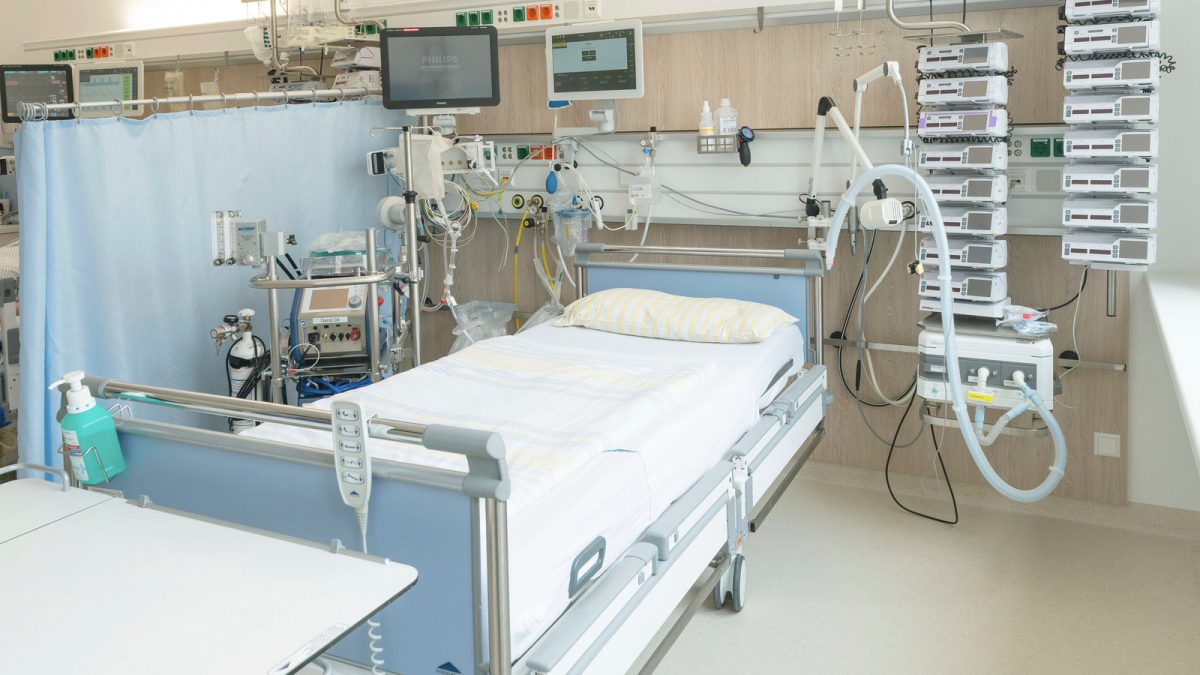
Anticipating a shortfall of over 200 ICU beds, 100 ventilators and more than 1,000 beds with oxygen supply by July 20, as the number of Covid-19 cases surge in the city, the administration on Wednesday asked hospitals to enhance their bed capacity.

District Collector Naval Kishore Ram told The Indian Express that at least two to three incidents of patients being rejected by hospitals due to lack of beds painted a bad picture.

“There is an urgent need for increasing the number of hospital beds for Covid-19 patients,” the Collector said at a meeting, attended by representatives of several hospitals, which went on for more than three hours. The meeting was chaired by Saurabh Rao, Officer on Special Duty at the Divisional Commissioner’s office, who also warned hospitals to update their dasboards about the availability of beds.

Pune is expected to face a shortage of 216 ICU beds and 109 ventilators by July 20, according to projections made by the civic administration. By July 20, Pune will see at least 12,799 active cases and in another 10 days, the figure is set to jump up to 19,599.

“The number of non-Covid patients are few, with only 30 to 40 per cent occupancy in the non-Covid wards,” said Ram, adding that it was the need of the hour to re-allocate these beds for Covid-19 patients.

Of Covid-19 patients in the city, at least 30 to 35 per cent were asymptomatic, and doctors must appeal and convince them to stay in home quarantine, he said. “The patients at home can be counselled by the doctors and there is no need for panic,” said the collector.

“While hospitals are raising the difficulties faced by them, such as manpower crisis, at the administration we strongly believe we can overcome this situation with an encouraging and motivated medical community,” he added.

Pune Municipal Commissioner Vikram Kumar told The Indian Express that hospitals have been urged to update details about their bed strength on a real time basis on the dashboard. On their part, authorities of most private hospitals said that they had already stepped up their bed strength.

At Sahyadri Hospital, group medical director Dr Sunil Rao said the hospital had a total of 315 beds for Covid-19 patients and will again check if more beds could be realigned.

Vinod Sawantwadkar, CEO of Jehangir Hospital, said the hospital already allocated 104 beds for Covid-19 patients. “There has been a request for more beds and we are working out how the arrangements can be made at our hospital,” he said.

Dr Sanjay Pathare, medical director at Ruby Hall Clinic, said the hospital had 160 beds for Covid-19 patients and as per the administration’s request, hospital authorities were checking if they could meet the requirements at their centres at Wanowrie and Hinjewadi.

“All of us are under immense strain and we have been supporting the administration by stepping up bed strength. There are also genuine concerns related to staff’s salary payments and ensuring adequate manpower to treat Covid-19 patients,” said Dr H K Sale, executive director of Noble Hospital.

“In a family, if a couple is infected and the husband may require hospitalisation, how do we tell the wife who has mild symptoms and the child who tests negative to stay at home,” asked Dr Sale, adding, “They insist on staying at the hospital as food and other arrangements are taken care of here”.

Source: https://bit.ly/2D9VtYU

Categories
COVID-19 Medical Equipments Medical Updates

Delhi: Sacked for seeking PPE kits, says nurses

Joldin Francis, general secretary of United Nurses Association Delhi-NCR, said they had written to the chief minister about the problems. “The hospital was also not reducing duty hours. It is difficult for nurses to work for 13-14 hours, especially in the night shift. There is no health policy for them,” Francis added.

NEW DELHI: Eighty-four nurses, whose services were terminated by the Hamdard hospital on Monday, claimed they were thrown out after demanding adequate PPE kitsmasksdrinking water and other necessary facilities for Covid duties.

Most of the nurses TOI spoke to said they had received a termination letter on their department WhatsApp group at 8.15pm on Sunday without any prior intimation. Some of the nurses who have tested Covid-positive at work had to even pay for their tests, they said.

“I tested positive and am in home quarantine, but received my termination letter. This is mental harassment. We all work 12-14 hours in a shift,” said a nurse. “If they wanted to terminate us, they should have done it when the contract ended. But they asked us to continue, and we have now been shown the door for demanding basic facilities,” she added. The terminated nurses will protest on Wednesday.

Joldin Francis, general secretary of United Nurses Association Delhi-NCR, said they had written to the chief minister about the problems. “The hospital was also not reducing duty hours. It is difficult for nurses to work for 13-14 hours, especially in the night shift. There is no health policy for them,” Francis added.

Many nurses said they had been raising these demands for some time on all platforms. “The scrubs we wear on duty are torn. They gave us five normal surgical masks for 25 days. These are not even N95,” said Anjum, one of the terminated nurses.

Nurses were provided transport for a few days initially, and the authorities have terminated those who couldn’t come to work due to lack of transport for “absence from work”, Anjum added. Many nurses claimed some were on duty even on Saturday.

“We are risking the lives of our family members and they are also accommodating with us as we stay in isolation,” Anjum said.

Dr Sunil Kohli, officiating medical superintendent for Hakeem Abdul Hameed Centenary Hospital, said, “These employees have not been terminated but their contracts have expired. We have set up a reassessment board and all are welcome to sit for the interview.”

The hospital provides single-use 3m and N95 masks to each employee and two PPE kits for those on night shifts so that they can take a break, he claimed. The authorities are trying to sort out hostel accommodation problems, he added.

Source: https://bit.ly/2Woc16i

Categories
COVID-19 Government Guidelines Medical Equipments Medical Updates

Beds to spare at Covid-19 centres as cases decline in Delhi

NEW DELHI: The falling number of Covid-positive cases in the city has resulted in the major makeshift care facilities witnessing a decline in occupancy.

Billed as the world’s largest Covid care facility with 10,000 beds, Sardar Patel Covid Care Centre and Hospital at Radha Soami Satsang Beas in Chhatarpur currently has only 180 patients. Only 16 patients have been admitted in the DRDO-run 1,000 bedded facility near Dwarka, 72 in the 480-bedded Commonwealth Games Village unit and 20 in the 100-bedded facility at Shehnai banquet hall.

Patients who are not critical and don’t have home isolation facilities are admitted in such makeshift centres. While 15 doctors have been deployed at CWG Village, Shehnai banquet hall has 12.

The Centre and Delhi government rushed to create makeshift Covid-19 facilities when the pandemic was on the verge of explosion in the capital. There was widespread anticipation among the authorities that cases would cross 5 lakh by July-end and the city may need 80,000 beds to treat the patients.

Later, it was found that the number of cases was far below what was anticipated. Delhi government had explained that its anticipation was based on details obtained from central government sources.

Though unused, officials at the makeshift facilities have been reassuring people in that enough healthcare facilities are available for them. This boosts the confidence of people testing positive for Covid-19.

Three patients were discharged from Sardar Patel Covid Care Centre and Hospital on Tuesday. The facility is being managed by Indo-Tibetan Border Police. “A team of 100 medical personnel has been deployed at the facility, including 40 doctors who work in shifts. All those currently admitted are showing signs of recovering. Only five people who turned critical were shifted to Safdarjung Hospital since July 5, when the facility became operational,” said an ITBP official.

Yoga sessions are organised daily for patients, who practice it on their beds to destress and aid their healing process. The centre ahas facilities for recreation, newspapers and books.

Most of the beds at the CWG Village facility, which was created in record six days, are vacant. “We currently have 72 patients and all are in a stable condition. Around 50 beds are oxygen supported, but till now only one patient has required the facility. Patients are discharged after nine days when they don’t have fever for three days. No test is required before the discharge. By July 17, many patients might be discharged,” said Dr Rajat Jain of Doctors For You, an NGO.

Even at the Covid-designated government hospitals, 10,900 of 15,000 beds are vacant. Since the threat of the virus and the possibility of cases peaking has not yet passed, these facilities continue to be important in Delhi’s Covid-19 fight.

Source: https://bit.ly/3iZlD1f

Categories
Uncategorized

Hello world!

Welcome to WordPress. This is your first post. Edit or delete it, then start writing!

Categories
Medical Updates Medicine & Health

Mental health, suicide prevention needs greater attention during pandemic: WHO

Early identification of mental health conditions, recognition of suicidal behaviors, and appropriate management through a multi-sectoral approach is important, even as we continue to focus on arresting the further spread of the pandemic, Dr. Poonam Khetrapal Singh, Regional Director, WHO South-East Asia Region said.​

New Delhi: With the COVID-19 pandemic still accelerating and impacting people in multiple ways, WHO today called upon countries in South-East Asia Region to pay greater attention to mental health and suicide prevention.

“Hitting lives and livelihoods, the pandemic is causing fear, anxiety, depression and stress among people. Social distancing, isolation and coping with perpetually evolving and changing information about the virus has both triggered and aggravated existing and pre-existing mental health conditions which need urgent attention,” said Dr Poonam Khetrapal Singh, Regional Director, WHO South-East Asia Region.

Early identification of mental health conditions, recognition of suicidal behaviours and appropriate management through a multi-sectoral approach is important, even as we continue to focus on arresting further spread of the pandemic, Dr Khetrapal Singh added.


Stigma related to COVID-19 infection may also lead to feeling of isolation and depression, the Regional Director said, adding that another precipitating factor impacting mental health amidst COVID-19 could be domestic violence, which is reported to have increased during lockdowns imposed by almost all countries in the Region.

Suicide claims almost 800,000 lives every year globally and is the leading cause of death among young people aged 15-29 years of age. Evidence shows that for each adult who dies of suicide there are more than 20 others attempting suicide.The WHO South-East Asia Region accounts for 39% of global suicide mortality.

Though preventable, suicide a serious public health problem. Survivors of suicide attempts and their family often face stigma and discrimination in many forms. The impact of suicide on families, friends and communities is devastating and far-reaching.” the Regional Director said.

As individual vulnerabilities and sociocultural factors differ between and within populations, the Regional Suicide Prevention Strategy guides countries on strategizing and planning for suicide prevention through a multi-sectoral public health approach.

“These initiatives are most needed today. Together we must work towards promoting mental health and preventing suicide,” Dr Khetrapal Singh added.

Source: https://bit.ly/32oJOQU

Categories
Medical Updates Medicine & Health Techniques

Researchers reveal simpler way to generate sensory hearing cells called ‘hair cells’

A team of researchers is revealing the secrets of a simpler way to generate the sensory cells of the inner ear. Their approach uses direct reprogramming to produce sensory cells known as “hair cells,” due to their hair-like protrusions that sense sound waves.

A team of researchers is revealing the secrets of a simpler way to generate the sensory cells of the inner ear. Their approach uses direct reprogramming to produce sensory cells known as “hair cells,” due to their hair-like protrusions that sense sound waves.

Led by scientists from the USC Stem Cell laboratories of Neil Segil and Justin Ichida, the results of study were published in the journal eLife.

“We’ve succeeded in directly reprogramming a variety of mouse cell types into what we’re calling ‘induced hair cell-like cells, or iHCs. This allows us to efficiently generate large numbers of iHCs to identify causes and treatments for hearing loss,” said PhD student Louise Menendez, the study’s lead author.

The scientists successfully reprogrammed three different types of mouse cells to become iHCs. The first two types were embryonic and adult versions of connective tissue cells, known as fibroblasts. The third was a different type of inner ear cell, known as a supporting cell.

A team of researchers is revealing the secrets of a simpler way to generate the sensory cells of the inner ear. Their approach uses direct reprogramming to produce sensory cells known as “hair cells,” due to their hair-like protrusions that sense sound waves.

Led by scientists from the USC Stem Cell laboratories of Neil Segil and Justin Ichida, the results of study were published in the journal eLife.

“We’ve succeeded in directly reprogramming a variety of mouse cell types into what we’re calling ‘induced hair cell-like cells, or iHCs. This allows us to efficiently generate large numbers of iHCs to identify causes and treatments for hearing loss,” said PhD student Louise Menendez, the study’s lead author.

The scientists successfully reprogrammed three different types of mouse cells to become iHCs. The first two types were embryonic and adult versions of connective tissue cells, known as fibroblasts. The third was a different type of inner ear cell, known as a supporting cell.

“Hair cells are easy to damage, and currently impossible to repair in humans,” said Segil, a professor in the Department of Stem Cell Biology and Regenerative Medicine, and the USC Tina and Rick Caruso Department of Otolaryngology – Head and Neck Surgery, and one of the corresponding authors of the study.

“Aging, loud noises, and certain chemotherapy drugs and antibiotics can all lead to the permanent loss of hair cells, which is the leading contributor to hearing loss worldwide,” Segil added.

iHCs have the potential to accelerate hearing loss research in at least two important ways, according to Ichida, who is the John Douglas French Alzheimer’s Foundation Associate Professor of Stem Cell Biology and Regenerative Medicine at USC, and the other corresponding author of the study.

“In the near term, researchers can use iHCs to screen large numbers of drug candidates that might prevent or treat hearing loss,” said Ichida, who is also a New York Stem Cell Foundation-Robertson Investigator.

“And further in the future, it could become possible to directly reprogram supporting cells in the inner ear of a deafened individual, as a way to restore hearing,” added Ichida.

Source: https://bit.ly/32tA3AZ

Categories
Medical Updates Medicine & Health Techniques

8 Effective And Natural Ways to Manage High Blood Pressure

Medications alone will never suffice because a lifestyle disease like high blood pressure can only be managed through lifestyle changes.

Blood pressure – simply put, this is the force your blood applies to the walls of your blood vessels. If this force is high, then the increased pressure can damage the blood vessels, which in turn can increasingly damage the heart and different organs of the body. Call it high blood pressure or hypertension, but living with this chronic disease is not easy.

According to research published in the Indian Heart Journal in 2019, almost one in every three adults in India suffers from high blood pressure. This disease, therefore, has a high prevalence in India and can lead to cardiovascular diseases, strokes, aneurysms, metabolic syndromes and even dementia. Early diagnosis of high blood pressure can help you cope with much more ease, because like all chronic diseases, this one can be managed but not cured.

Medications to help you control high blood pressure levels are easily available in the market, and it’s likely that your doctor will recommend these medications to you if your blood pressure is particularly high. But medications alone will never suffice because a lifestyle disease like this can only be managed through lifestyle changes. The good thing is that most lifestyle changes are natural and all you need to implement them is determination. The following are some of the easiest ways to manage high blood pressure naturally:

1. Reduce salt intake: This is the first recommendation any expert would make, because a low-sodium diet is known to improve symptoms of hypertension. But this is easier said than done, because sodium is hidden in many foods, from ketchup to bread. You might have to learn to read labels to monitor your salt intake better.

2. Get more potassium: According to the US’ Cleveland Clinic, a daily intake of 3,000 to 3,500 mg of potassium can reduce your blood pressure levels effectively. So, increase your intake of potassium by eating more bananas, tomatoes, spinach, broccoli, mushrooms, etc. However, if you also have kidney problems then consult your doctor about potassium intake.

3. Lose weight: Being overweight or obese can increase your blood pressure. So, inversely, shedding some kilos can reduce your blood pressure levels. Even reducing four kilos can improve your condition.

4. Limit alcohol: Drinking too much or too often can spike your blood pressure levels, so keep your alcohol intake to a minimum.

5. Kick the butt: Cigarette butt, that is. Nicotine addiction can keep your blood pressure elevated for long periods of time, so quit smoking immediately.

6. Off with the stress: Stress not only increases your blood pressure levels but chronic stress can keep those levels elevated for a prolonged period. Adopt effective means of de-stressing, like yoga, meditation, etc.

7. Exercise: Walking, jogging, swimming, cycling, playing a sport – these are all forms of exercise that can help improve your blood pressure levels. Try being active for at least 30 minutes to an hour every day.

8. Follow the DASH diet: The Dietary Approaches to Stop Hypertension (DASH) diet is one of the most effective ways to manage your blood pressure in the long run. It involves eliminating high-fat foods and eating fruits, vegetables, whole grains, low-fat dairy products, lean meats and fish, nuts and seeds.

Source: https://bit.ly/3j7Lq7g

Categories
Medical Updates Medicine & Health

Mindful hypnotherapy may reduce stress

A new study shows that combining hypnotherapy with mindfulness training has a significant positive effect on stress levels.

Mindfulness is an ancient mental technique that is an acknowledged means of helping people manage stress and anxiety. It involves learning how to stop and become consciously aware of one’s present moment as a revitalizing respite from the ongoing rush of daily life.

A new study from Baylor University in Waco, Texas, finds that combining mindfulness with hypnotherapy may make its benefits more accessible.

The researchers concluded that hypnotherapy might allow people to achieve mindfulness goals more readily and quickly.

“Mindfulness is a type of meditation that involves focusing attention on present moment awareness. It can help people cope with stress but can require months of practice and training. Hypnosis also involves focusing attention, but it includes mental imagery, relaxation, and suggestions for symptom reduction.”

– study co-author Gary Elkins,

The new study features in the International Journal of Clinical and Experimental Hypnosis.

Mindful hypnotherapy

The researchers call their new mind-body therapy “mindful hypnotherapy.”

It represents a novel use of hypnotherapy, which more commonly serves as a treatment for pain and symptom management. The study authors assert that applying hypnosis to the practice of mindfulness speeds up the acquisition of mindfulness skills.

They hope to address concerns that learning to manage stress and anxiety with mindfulness can be a prohibitively extended, expensive process involving more than 24 hours of training.

Corresponding author Elkins cites mindfulness curricula that involve eight weekly sessions of 2–2.5 hours, in addition to an all day retreat that can last more than 8 hours. Such training can involve a major investment of time and money in what Elkins says research has not unequivocally proven to be more effective than standard cognitive therapy.

According to the authors:

“Therefore, if a mindfulness treatment could be developed that obtains results equal to or better than existing treatments but with shorter or fewer sessions, it could have advantages and represent a valuable contribution to treatment options for anxiety and stress reduction.”

The study

To ascertain the effectiveness of mindful hypnotherapy, the researchers analyzed its effect in a study of 42 participants of college age who self-reported high levels of stress. Half of the participants served as a control group, receiving no hypnosis and no mindfulness training.

The remaining half took part in eight weekly, 1-hour hypnosis interventions that incorporated hypnotic induction as well as mindfulness suggestions. Over the course of the 8 weeks, the interventions progressed through a series of topics:

  • present moment awareness
  • nonjudgmental awareness of the five senses
  • nonjudgmental awareness of thoughts and feelings
  • self-hypnosis
  • compassion for self and others
  • awareness of personal values and meaning in life
  • integrated mindfulness
  • termination/transition to long-term practice.

The intervention group also received 20-minute self-hypnosis audio CDs designed to promote daily mindfulness and were required to log their practice.

Individuals in this group reported keeping up with their practice almost daily and rated their satisfaction with the process as 8.9 out of a possible 10.

The participants reported a significant reduction in perceived distress and an increase in mindfulness, supporting the value of mindful hypnotherapy. In comparison, the control group reported no such benefits.

Elkin summarizes: “Combining mindfulness and hypnotherapy in a single session is a novel intervention that may be equal to or better than existing treatments, with the advantage of being more time effective, less daunting, and easier to use. This could be a valuable option for treating anxiety and stress reduction.”

Next steps

Elkins notes that one of the study’s limitations is its relatively small sample size, and he looks forward to studies with a larger cohort of participants.

He also suggests that there is a need for more targeted studies that examine the effectiveness of mindful therapy for providing relief from specific conditions, such as anxiety, depression, or chronic pain.

Source: https://bit.ly/3j4Yieu

Categories
COVID-19 Government Guidelines Medical Equipments Medical Updates Medicine & Health

स्वास्थ्य देखभाल की आपूर्ति के लिए लॉन्च किया गया ‘आरोग्यपथ’, ये है खासियत

दिल्ली/पटना: सीएसआईआर राष्ट्रीय स्वास्थ्य देखभाल आपूर्ति श्रृंखला पोर्टल https://www.aarogyapath.in  को 12 जून को लॉन्च किया गया. इसका उद्देश्य वास्तविक समय पर महत्वपूर्ण स्वास्थ्य आपूर्ति की उपलब्धता प्रदान करना है. यह आरोग्यपथ निर्माताओं, आपूर्तिकर्ताओं और ग्राहकों की मदद करेगा.

कोविड-19 महामारी से उत्पन्न मौजूदा राष्ट्रीय स्वास्थ्य आपातकाल के दौरान आपूर्ति श्रृंखला में गंभीर समस्या आ रही है. ऐसे में महत्वपूर्ण वस्तुओं के उत्पादन और वितरण की क्षमता विभिन्न कारणों से संकट में पड़ सकती है. इन चुनौतियों से निपटने के लिए “किसी को अरोग्य (स्वस्थ जीवन) की ओर ले जाने वाला मार्ग उपलब्ध कराने”की दृष्टि से आरोग्यपथ नामक यह सूचना मंच विकसित किया गया है.

स्वास्थ्य देखभाल संबंधी सामानों की एक ही जगह उपलब्धता प्रदान कराने वाला यह एकीकृत सार्वजनिक मंच ग्राहकों को रोज महसूस किए जाने वाले कई मुद्दों से निपटने में मददगार साबित हो सकता है.

इन मुद्दों में सीमित आपूर्तिकर्ताओं पर निर्भरता,अच्छी गुणवत्ता वाले उत्पादों की पहचान करने में लगने वाला अधिक समय,वांछित समयसीमा के भीतर उचित मूल्य पर मानकीकृत उत्पादों की आपूर्ति करने वाले आपूर्तिकर्ताओं तक सीमित पहुंच,नवीनतम उत्पादों के बारे में जानकारी का अभाव इत्यादि शामिल हैं.

आरोग्यपथ नाम का यह वेब आधारित सूचना मंच निर्माताओं और आपूर्तिकर्ताओं को पूरी कुशलता से ग्राहकों के एक विस्तृत नेटवर्क तक पहुंचाने, उनके और आस-पास के चिकित्सा जांच केंद्रों, मेडिकल दुकानों, अस्पतालों इत्यादि जैसे मांग केंदों के बीच संपर्क की कमियों को दूर करने मदद करेगा.

यह ग्राहकों की विस्तृत सूची और उत्पादों के लिए दिखने वाली नई जरूरतों की वजह से व्यवसाय का विस्तार करने के अवसर भी उपलब्ध कराएगा. समय के साथ इस मंच से एनालिटिक्स निर्माताओं को उनके अधिक उत्पादन के साथ-साथ जरूरी सामानों की होने वाली कमियों को लेकर भी शुरुआती संकेत दे सकते हैं. यह अपर्याप्त पूर्वानुमान और अधिक विनिर्माण के कारण संसाधनों की बर्बादी को कम करने में मदद करेगा और नई प्रौद्योगिकियों की मांग के बारे में जागरूकता भी पैदा करेगा.

सीएसआईआर को उम्मीद है कि आने वाले वर्षों में आरोग्यपथ राष्ट्रीय पसंद का सूचनात्मक स्वास्थ्य देखभाल मंच बन जाएगा जो भारत में स्वास्थ्य देखभाल सामानों की आपूर्ति की उपलब्धता और उन्हें किफायती बनाते हुए रोगियों के लिए अंतिम समय में जरूरी सामानों की आपूर्ति की खाई को पाटने का अहम काम पूरा करेगा.

आरोग्यपथ सूचना मंच को सीएसआईआरस के महानिदेशक डॉ. शेखर सी. मांडे की उपस्थिति में स्वास्थ्य और परिवार कल्याण मंत्रालय के ऑफिसर ऑन स्पेशल ड्यूटी राजेश भूषण ने लॉन्च किया. इस समारोह में एमएसएमई मंत्रालय के संयुक्त सचिव सुधीर गर्ग और फार्मा सेक्टर के विशेषज्ञ डॉ. विजय चौथियावाले सम्मानित अतिथि थे.

इस पोर्टल को सर्वोदय इन्फोटेक और संस्थागत उपयोगकर्ताओं की साझेदारी में विकसित किया गया। स्वास्थ्य सेवा के लिए जरूरी सामानों के निर्माताओं / अधिकृत आपूर्तिकर्ताओं को पंजीकरण कराने और सक्रिय रुप से अपने काम में भाग लेने के लिए प्रोत्साहित किया गया.

स्रोत- https://bit.ly/39cnxqQ