Categories
Medical Updates Medicine & Health

​Home remedies for low blood pressure​

​Manage low blood pressure with these remedies​

Low blood pressure, or hypotension, can lead to dizziness, and fatigue. While medical consultation is crucial for severe cases, several home remedies can complement professional care and help manage mild instances of low blood pressure.

​Add a little more salt to your food​

Adding a slightly higher amount of salt to your diet can help raise blood pressure. However, it’s essential to consult with a healthcare provider before making significant dietary changes, especially for individuals with underlying health conditions.

​Do not skip drinking water​

Dehydration can contribute to low blood pressure. Ensure an adequate intake of fluids, including water, herbal teas, and electrolyte-rich beverages. Coconut water, in particular, can be beneficial due to its electrolyte content

Home remedies for low blood pressure​

Elevate your legs when you see the symptoms​

Lying down and elevating the legs can help improve blood flow to the brain. This simple technique can alleviate dizziness and fatigue.

​A cup of coffee can help you in low blood pressure​

Drinking a cup of coffee or tea can provide a temporary increase in blood pressure. However, moderation is key, as excessive caffeine intake may lead to dehydration and other health issues.

​Yoga and breathing exercises​

Practices like yoga and deep breathing exercises promote relaxation and can help regulate blood pressure. Yoga poses that involve gentle inversions may be particularly beneficial.

​Beetroot juice​

Beetroot is rich in nitrates, which can dilate blood vessels and improve blood flow. Consuming beetroot juice may help regulate blood pressure. However, individuals with kidney issues should be cautious due to the high oxalate content.

​Basil tea​

Basil is known for its adaptogenic properties, which may help regulate blood pressure. Prepare basil tea by steeping fresh or dried basil leaves in hot water. Strain and drink the tea to potentially alleviate symptoms of low blood pressure.

Aromatherapy can help too​

Aromatherapy with rosemary essential oil may have stimulating effects on the cardiovascular system, potentially aiding in increasing blood pressure. Add a few drops of rosemary oil to a diffuser or inhale the aroma directly.

​Exercise regularly​

Activities such as walking, swimming, or cycling are beneficial, but it’s essential to consult with a healthcare professional before starting a new exercise routine.

​Always have small and frequent meals​

Consuming smaller, more frequent meals throughout the day helps prevent sudden drops in blood pressure after meals. Large, heavy meals can cause a temporary drop in blood pressure as blood is directed to the digestive system.

​Count your sleep hours!​

Ensure sufficient and quality sleep, as inadequate rest can contribute to low blood pressure. Establish a consistent sleep routine and create a comfortable sleep environment.

Visit us – www.aarogyapath.in for more info !!!


Categories
Medical Updates Medicine & Health

Hormonal Imbalance Impacting Weight Loss? Here’s Effective Ways To Treat It

Hormonal imbalance and its relation to weight gain​

Maintaining ideal levels of some hormones, such as estrogen and cortisol, can help you lose weight. Important molecules called hormones act as chemical messengers in your body. They help with almost all of the body’s functions, such as appetite, fullness, and metabolism. Some hormones are strongly correlated with appetite, which means that they also affect body weight.

Were you aware that your weight and hormones are directly related? We frequently forget this when we’re on the protracted and challenging weight loss journey. For our bodies to maintain a healthy weight for our body composition, a delicate hormone balance is required. Insulin, ghrelin, leptin, cortisol, estrogen are some of the hormones that can make your weight sway. Here are some strategies to manage the hormonal levels and prevent weight gain:

Hormonal Imbalance Impacting Weight Loss? Here's Effective Ways To Treat It

Sleep well​

Make the most of your sleep time. Elevated cortisol levels may be caused by chronic sleep disorders such as insomnia, sleep apnea, and irregular sleep patterns such as those experienced by shift workers. Make an effort to establish a consistent sleep routine and bedtime. Hormone abnormalities can worsen as a result of inadequate sleep. To make sure your body functions at its best, try to get seven hours of sleep at a time.

​​Exercise each day​

Increasing your physical activity level can aid in weight loss. Exercise can take the form of strength training, jogging, swimming, walking for 150 minutes a week on average, and intense aerobic activity (cardio). Although strength training doesn’t increase calorie burn as much as exercise, it does increase muscle mass, which benefits your metabolism and general health.

Consume adequate protein at each meal​

It is crucial to include enough protein in your diet if you wish to reverse hormonal weight gain. In addition to providing your body with necessary amino acids that it is unable to create on its own, protein is also necessary for the production of peptide hormones, or hormones produced from proteins. For instance, eating enough protein affects hormones that regulate hunger and food consumption and alert your brain about your energy level.

​​Live a stress free life​

The adrenal glands release cortisol to control your body’s stress levels during stressful situations. Constant stress causes the release of extra cortisol, which throws your body out of balance. Regularly engaging in mindfulness exercises such as walking and meditation decreases cortisol levels. Consider including meditation in your everyday schedule.

​​Maintain a healthy gut health​

More than 100 trillion friendly bacteria live in your stomach, and they create a wide range of metabolites that can have both beneficial and bad effects on hormone health. Your gut microbiota affects insulin resistance and sensations of fullness to modulate hormone levels. Eat foods that are good for the intestines, such as kimchi, curd, and buttermilk.

Visit us – www.aarogyapath.in for more details

Categories
Medical Updates Medicine & Health

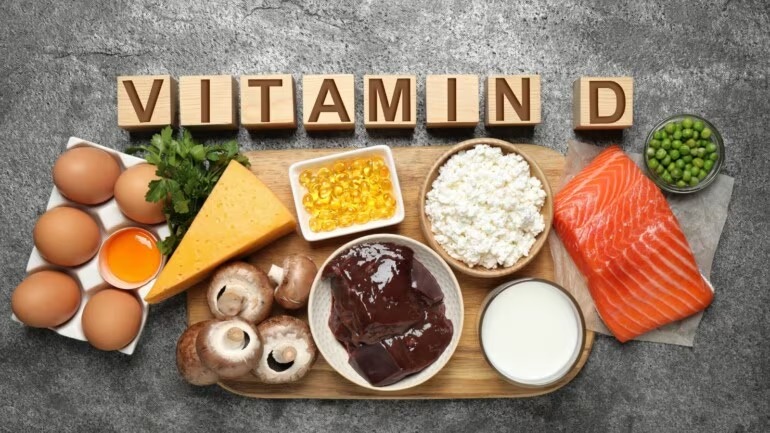
Vitamin D deficiency: Supplements not enough for your children, research reveals

Childhood fractures are a significant health concern globally. It affects over a third of children before age 18, potentially causing long-term disability or reduced quality of life. However, a recent study by Harvard T.H. Chan School of Public Health and Queen Mary University of London found that vitamin D supplements do not improve bone strength or prevent fractures in children with vitamin D deficiency.

Despite vitamin D’s role in bone mineralisation, the study suggests that supplements may not be the solution to strengthen bones in children. It challenges the common belief about vitamin D’s benefits for bone health.

Vitamin D deficiency: Supplements not enough for your children, research reveals

However, there have never before been any clinical studies done to see if vitamin D supplementation can shield kids from bone fractures.

In order to ascertain whether vitamin D supplementation would reduce the risk of bone fractures or increase bone strength in schoolchildren, researchers from Queen Mary and Harvard collaborated with partners in Mongolia, a country with a particularly high fracture burden and a high prevalence of vitamin D deficiency. Published in Lancet Diabetes & Endocrinology today, December 1, the study represents the largest randomised controlled trial on vitamin D supplementation in children to date.

Over the course of three years, 8,851 schoolchildren aged 6-13 living in Mongolia received a weekly oral dose of vitamin D supplementation. 95.5 per cent of participants had vitamin D deficiency at baseline, and study supplements were highly effective in boosting vitamin D levels into the normal range. However, they had no effect on fracture risk or bone strength, measured in a subset of 1,438 participants using quantitative ultrasound.

The trial findings are likely to prompt scientists, doctors and public health specialists to re-consider the effects of vitamin D supplements on bone health.

Dr Ganmaa Davaasambuu, Associate Professor at the Harvard T.H. Chan School of Public Health, said, “The absence of any effect of sustained, generous vitamin D supplementation on fracture risk or bone strength in vitamin D deficient children is striking.”

“In adults, vitamin D supplementation works best for fracture prevention when calcium is given at the same time – so the fact that we did not offer calcium alongside vitamin D to trial participants may explain the null findings from this study,” ANI quoted him as saying.

Professor Adrian Martineau, Lead of the Centre for Immunobiology at Queen Mary University of London, added, “It is also important to note that children who were found to have rickets during screening for the trial were excluded from participation, as it would not have been ethical to offer them placebo (dummy medication).”

Thus, our findings only have relevance for children with low vitamin D status who have not developed bone complications. The importance of adequate vitamin D intake for prevention of rickets should not be ignored, and UK government guidance recommending a daily intake of 400 IU vitamin D remains important and should still be followed,” he added.

Visit us – https://shorturl.at/nGWX3

Categories
Medical Updates

Cinnamon water: Here’s how it helps in weight loss

Cinnamon water has gained popularity as a beverage believed to aid in weight loss, thanks to its potential health benefits. While it’s important to note that no single ingredient can guarantee significant weight loss on its own, incorporating cinnamon water into a healthy diet and lifestyle may contribute to overall well-being and support weight management.

Cinnamon is known to have thermogenic properties, meaning it may help increase the body’s metabolic rate. The spice contains compounds that activate thermogenesis, a process where the body generates heat and burns calories to digest food. While the impact may not be dramatic, a slightly elevated metabolism could contribute to the overall calorie-burning process.

Cinnamon water: Here's how it helps in weight loss
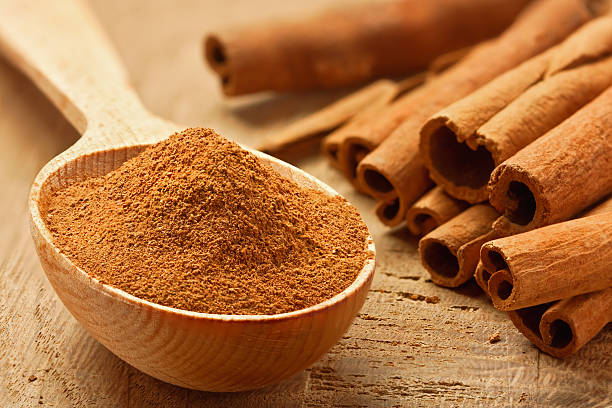
Cinnamon sticks and powder, studio shot, wood surface,

Cinnamon has been studied for its potential role in improving insulin sensitivity and lowering blood sugar levels. Stable blood sugar levels can help prevent excessive insulin spikes and crashes, which may reduce cravings for sugary or high-calorie foods. By promoting better blood sugar control, cinnamon may indirectly support weight loss efforts by preventing overeating and reducing the likelihood of storing excess glucose as fat.

Some studies suggest that cinnamon may have appetite-suppressing effects. The aroma of cinnamon is thought to influence brain function and may help reduce the desire for sweet and high-calorie foods. By curbing cravings and promoting a feeling of fullness, individuals may be less inclined to consume excessive calories, aiding weight management.

Cinnamon has traditionally been used to aid digestion. It may help reduce bloating, indigestion, and discomfort after meals. Efficient digestion is crucial for nutrient absorption and overall gut health. When the digestive system functions optimally, the body can better extract essential nutrients from food, potentially supporting weight loss by promoting overall health.

Chronic inflammation has been linked to obesity and other metabolic disorders. Cinnamon possesses anti-inflammatory properties, which may help mitigate inflammation in the body. By reducing inflammation, cinnamon may support metabolic processes and contribute to an environment conducive to weight loss.

Cinnamon is rich in antioxidants, which help combat oxidative stress in the body. Antioxidants play a role in protecting cells from damage caused by free radicals. While the direct impact on weight loss may be indirect, the overall health benefits of antioxidants contribute to general well-being, supporting a healthy lifestyle conducive to weight management.

Staying hydrated is essential for overall health and can contribute toealthcare  weight loss. Cinnamon water provides a flavorful option for hydration, potentially encouraging individuals to drink more water throughout the day. Additionally, some proponents suggest that cinnamon water may have mild detoxifying properties, aiding the body’s natural processes of eliminating waste and toxins.

To incorporate cinnamon water into your routine, consider the following tips:

Cinnamon stick or powder: You can use either cinnamon sticks or ground cinnamon to infuse your water. Cinnamon sticks can be added directly to water, while ground cinnamon may be stirred into warm water and strained.

Combine with other ingredients: Enhance the flavor and potential benefits by adding other ingredients like a slice of lemon or a few mint leaves.

While cinnamon water can be a flavorful addition to your routine, it’s essential to prioritize overall hydration by drinking an adequate amount of plain water throughout the day.

Visit for more info – http://surl.li/nxtbk

Categories
Medical Updates

Soaked groundnuts: Wonderful health benefits and delicious ways to add them to your diet

The versatile groundnuts or peanuts can be a wonderful addition to your diet in winter season. While roasted groundnuts are a more popular snacking choice for people on the go, soaking them overnight can multiply benefits by improving their absorption and getting rid of certain anti-nutrients. High in fibre content and an amazing source of protein, good fat and antioxidants, soaked peanut is a breakfast option that will help you stay full and nourished for long, curbing hunger pangs and aiding in weight loss. Many people prepare soaked peanut chaat or add them to their dalia, upma or poha. Soaked peanut can be eaten at any point of the day, even in dinner, considering the process of overnight soaking improves their digestibility.

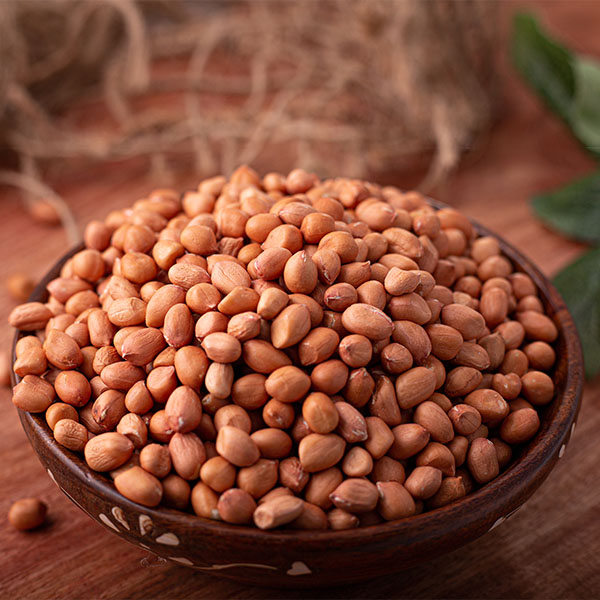
Soaked groundnuts: Wonderful health benefits and delicious ways to add them to your diet

Groundnuts have an impressive nutritional profile that not only helps to add the essential nutrients to the body but also aid in improving heart health. Groundnuts have monosaturated and polyunsaturated fats that can cut cholesterol. Being a low GI food, peanuts can be an ideal breakfast choice for people with diabetes as they help control blood sugar levels.

Peanuts are also called monkey nuts. Soaking enhances digestibility and nutritional benefits. When we soak peanuts, it helps in breaking down phytic acid and reduce enzyme inhibitors. Soaked peanuts can be consumed in a variety of ways. You can add them in your breakfast meal or even dinner. Just like almonds, peanuts are powerhouse of nutrients. They are a good source of protein, fibre, good fat and antioxidants. So, enjoy the richness of soaked peanuts which will help in muscle building, good for skin and heart. The right time to consume soaked peanuts is in breakfast, evening snack or dinner. Soaking improves digestibility so even in night it will not cause gastric trouble,” says Shruti K Bhardwaj, Chief Dietician Zydus Hospitals Ahmedabad.

BENEFITS OF SOAKED GROUNDNUT

Groundnuts, also known as peanuts, are a versatile legume that offer a multitude of health benefits. Here are some compelling reasons to include groundnuts in your diet, as suggested by Nutritionist Sakshi Lalwani.

1. Rich in nutrients: Groundnuts are packed with essential nutrients such as protein, fibre, vitamins, and minerals. They provide a concentrated source of energy, making them a valuable addition to a balanced diet.

2. Heart health: Consuming groundnuts has been linked to improved heart health. They contain monounsaturated and polyunsaturated fats, which can help reduce bad cholesterol levels, lowering the risk of cardiovascular diseases.

3. Weight management: Despite being calorically dense, groundnuts can contribute to weight management due to their satiating properties. The combination of protein and healthy fats helps keep you feeling full, reducing overall calorie intake.

4. Antioxidant properties: Groundnuts are a good source of antioxidants, including resveratrol. Antioxidants help neutralize free radicals in the body, protecting cells from damage and reducing the risk of chronic diseases.

5. Blood sugar regulation: The low glycemic index of groundnuts means they have a minimal impact on blood sugar levels. This makes them a suitable snack for individuals with diabetes or those looking to manage their blood sugar.

6. Brain health: The presence of nutrients like niacin and folate in groundnuts is beneficial for brain health. Niacin, in particular, supports cognitive function and helps in the production of neurotransmitters.

7. Aids digestion: Groundnuts are a good source of dietary fibre, promoting a healthy digestive system. Adequate fibre intake can prevent constipation and contribute to overall gut health.

8. Muscle building and repair: With a high protein content, groundnuts are a valuable addition to a diet aimed at muscle building and repair. Protein is essential for the growth and maintenance of muscles, making groundnuts a suitable plant-based protein source.

9. Supports skin health: The presence of vitamins like E and C, along with antioxidants, contributes to healthier skin. These nutrients help protect the skin from oxidative stress and promote a youthful appearance.

10. Energy boost: Groundnuts provide a quick and convenient source of energy, making them an excellent snack option for a pre-workout boost or a mid-day pick-me-up.

How to add soaked peanuts to your diet

As per Bharadwaj peanut can be added to the diet in the following ways:

Poha or Upma: Soaked peanut can transform any carb-rich breakfast into a balanced meal option. Adding it to your poha, upma, dalia etc will add to the protein and also to the taste.

Dal and vegetables: One can add soaked peanuts into your dal and vegetable too for adding more fibre and protein to your meals. This will also ensure evening hunger pangs stay away from you.

Incorporating groundnuts into your diet can be as simple as enjoying a handful as a snack, adding them to salads, or using peanut butter in various recipes. However, it’s crucial to be mindful of portion sizes, as groundnuts are energy-dense, and moderation is key to reaping their health benefits. Always consult with a healthcare professional or a nutritionist for personalized advice on dietary choices,” concludes Lalwani.

visit us – https://shorturl.at/alrux
Categories
Medical Updates

Fenugreek can help control blood sugar, cholesterol; 7 wonderful benefits

Fresh fenugreek or methi leaves are abundant in winter season and is looked forward to by everyone for flavour as well as nutrition. Methi finds it way into many delicacies from crunchy mathris to delectable saag and stir-fries. It can also be incorporated into your breakfast plate in the form of parathas. Besides, fenugreek is also known for its medicinal properties since time immemorial. Back in the time, fenugreek seeds were recommended to those who had symptoms like fever, vomiting and poor appetite. Fenugreek is especially regarded therapeutic for diabetics; it has glucomannan fibre that delays intestinal absorption of ingested sugars and alkaloids such as fenugrecin and trigonelline have demonstrated to possess hypoglycemic action. Also 4 hydroxyisoleucine (4-OH Ile) amino acids act on pancreas to release insulin.

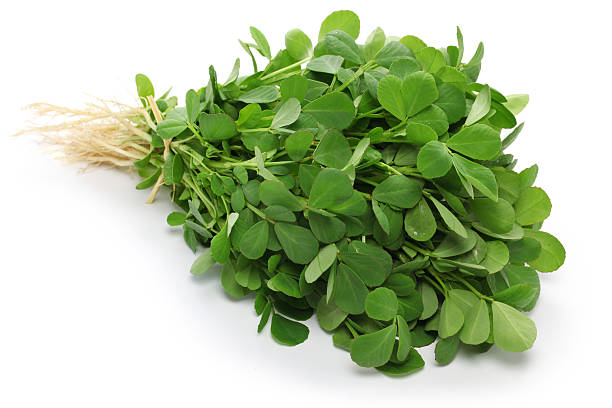
Fenugreek can help control blood sugar, cholesterol; 7 wonderful benefits

“Fenugreek seeds were made into a gruel, halwa and were given to nursing mothers to increase the flow of milk. Fenugreek has excellent medicinal virtues. It was used in fever, vomiting, poor appetite, diabetes, constipation and many other ailments in ancient times. It was used for beauty aids too. Seeds were used as hair packs and face packs too,”

Fenugreek (Trigonella foenum-graecum), also known as methi, methya, menthya, vendhayam or venthayam menthulu, brings with it nostalgic smells of saag, parathas, malai methi curries, kashiphal etc along with key ingredients in panch-phoron, curry powder, sambar and tadkas. But along with its distinct flavours, its leaves and seeds are very beneficial for our system.

It is an annual herb which has compound leaves of light green colour. The seeds are brownish -yellow and have a peculiar odour.This nutritious microgreens is grown in the cooler months of autumn to spring. It is grown in both the cropping seasons of Rabi and Kharif in South India.

“Fenugreek seeds and leaves contain moisture 13.7%, protein 26.2%, fat 5.8%, minerals 3.0%, fibre 7.2% and carbohydrate 44.1% per 100 gms. Its leaves are rich in calcium, phosphorus, carotene, thiamine, riboflavin, niacin. Fenugreek seeds are used as an ingredient in spice blends and as a flavoring agent in foods, beverages, and tobacco. Fenugreek leaves fresh and dry are main ingredients in Indian cooking because it has aromatic flavours,” says Khanna Roy Chowdhury.

The nutritionist says fenugreek seeds were used for curing fever, given to nursing mothers for increasing flow of milk and also as face packs in ancient times.

“It is believed that fenugreek was known in the Indian cuisine even 3,000 years ago. Traditionally fenugreek seeds were not only used by each and every household as a wonder condiment for flavouring or food but also used in cattle feeds. Fenugreek seeds were made into a gruel, halwa were given to nursing mothers to increase the flow of milk,” says Khanna Roy Chowdhury.

Fenugreek has excellent medicinal virtues. It was used in fever, vomiting, poor appetite, diabetes ,constipation and many other ailments in ancient times. It was used for beauty aids too. Seeds were used as hair packs and face packs too.

Benefits of fenugreek seeds and leaves

● Fenugreek seeds exercise a smoothing effect on the skin and mucous membranes, relieving any skin irritation of the skin and alleviating swelling and pain.

● Methi seeds increase the secretion and discharge of urine and also relieve flatulence.

● Methi is popularly included in the diets of new mothers as it helps promote lactation in nursing mothers.

● Since fenugreek leaves are high in fibre and antioxidants they are excellent for diabetics. Fenugreek has compounds that slow down release of sugar and help control blood sugar.

Fenugreek is your go-to preventive herb for cardiac health as it has high fibre content and antioxidants properties that help in reducing cholesterol thus preventing heart diseases.

● Fenugreek is a wonder leaf which helps in reducing abdominal fat. Galactomannan, a water-soluble component found in fenugreek seeds, is very effective in suppressing appetite. It’s high fibre content helps in reducing bloating and acts as a laxative too.

“This winter superfood is full of benefits but remember moderation is the key role. Weight Loss is not a measure of fitness. Enjoy the goodness of these leaves as chapati, vegetables and traditional snacks. Strengthen your core. Keep a check on your parameters,” concludes Khanna Roy Chowdhury.

Visit – https://shorturl.at/giBEQ

Categories
Medical Updates Medicine & Health

Winter-friendly millets: 5 delectable ways to enjoy Ragi in cold weather

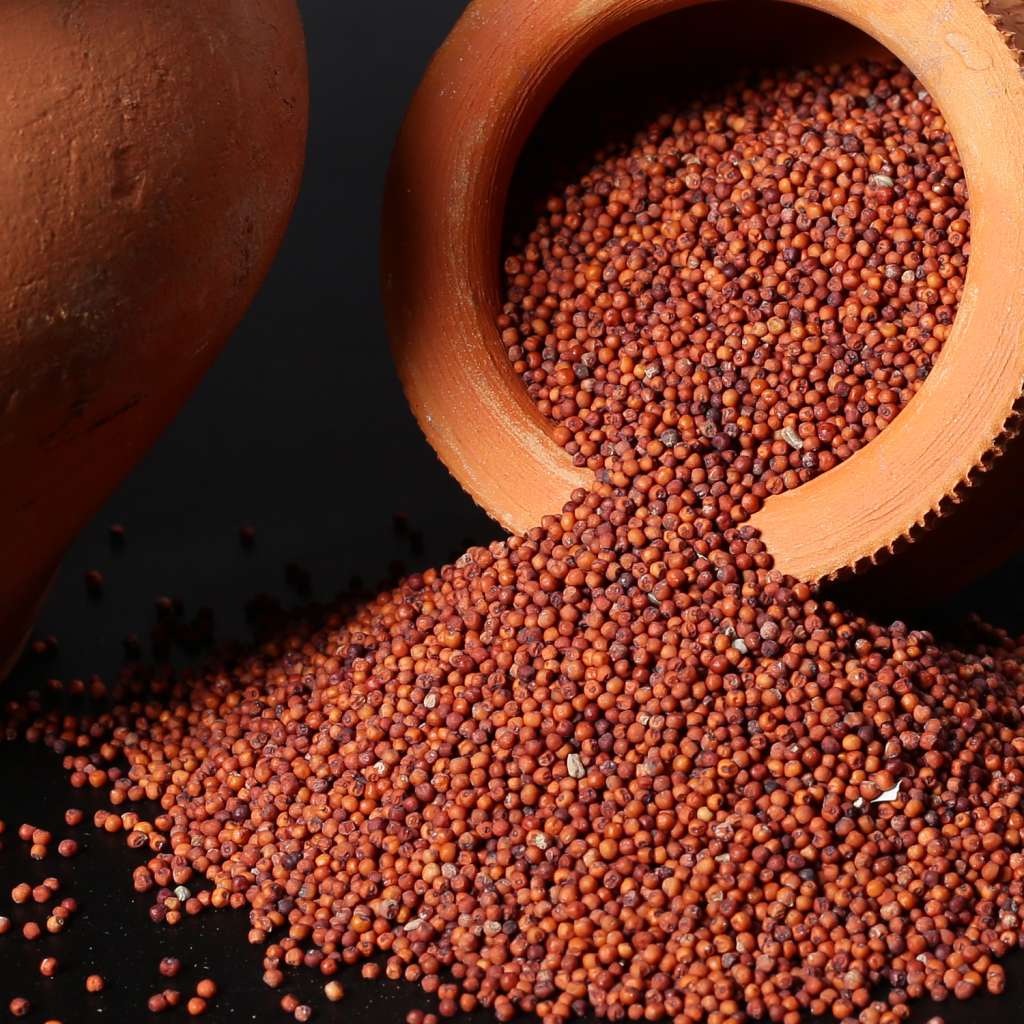
Ragi, also known as finger millet, not only keeps you warm during winters but is also a protein, mineral and fibre powerhouse. Here’s how to consume it.
Winter-friendly millets: 5 delectable ways to enjoy Ragi in cold weather

Warm and nutrient-rich, ragi can be the perfect grain for nourishing your body with the goodness of minerals, protein and dietary fibre. Also known as finger millets, the ancient grain, were cultivated thousands of years back in India and found mention in ancient texts of Sangam literature (300 BCE – 300 CE). Ragi has been finding acceptance among wellness enthusiasts after millets have made a comeback of sorts in recent years. 2023 has been declared the year of millets by UN at the behest of Indian government. Being drought resistant increases their importance in food security

With so many benefits, it’s probably a good idea to include this amazing grain as part of your winter diet. Not only roti or paratha, ragi can also be added to your soup for texture and nutrition. A healthy porridge, halwa, dosa, laddoo, muffins are the other tasty ways of adding ragi to your winter diet.

Ragi, also known as finger millet, is a superfood that has a multitude of health benefits. Ragi is a nutritious and versatile grain and including it into your diet can be both delicious and beneficial. Rich in fibre, essential nutrients, vitamins, and minerals, it is a powerhouse of nutrition. It is an excellent source of protein, calcium, potassium, and iron. Being gluten-free, it caters to various dietary preferences and is as an ideal winter food,” says Parminder Kaur, Dietician, Manipal Hospital Patiala.

Ragi is exceptionally high in dietary fibre, aiding digestion and promoting a feeling of fullness. The protein content in ragi is beneficial for muscle health and is a valuable addition to vegetarian diets. With an impressive calcium content of 34 mg/100g, ragi supports bone health and is particularly valuable for individuals with lactose intolerance. The high fibre content aids in weight management by promoting a feeling of satiety and the nutritional profile of ragi may contribute to better sleep quality, aiding in insomnia prevention,” adds Kaur.

“As winter envelops us in its crisp embrace, the importance of nourishing, wholesome foods cannot be overstated. Enter ragi, the versatile grain that not only provides comfort but also an array of health benefits. Rich in dietary fibre, calcium, and essential amino acids, ragi is a winter superhero. It offers sustained energy, aids weight management, and ensures robust blood circulation. In the cold months, ragi emerges as an ally against lethargy and nutrient deficiencies, making it an ideal addition to our winter diets. Let’s explore five creative and delicious ways to incorporate ragi into our seasonal menus,” says Dietitian Vidhi Chawla, the creator of Fisico Diet and Aesthetic Clinic.

Ways to eat Ragi in winters

Shruti Bharadwaj, Clinical Nutritionist, Zydus Hospitals Ahmedabad says one can make dosa, pancakes, chapati, laddoo, and halwa with ragi in winter.

If you have diabetes, please consult qualified dietician before consuming it to know more on how you can include it in your daily diet with other combinations to prevent sugar spikes,” says Bharadwaj.

Here are 5 ragi delights you can try during winter as suggested by Dietitian Vidhi Chawla.

1. Ragi walnut muffins: Kickstart your winter mornings with a burst of nutrients by indulging in ragi walnut muffins. These delectable treats seamlessly combine the earthy goodness of ragi with the crunch of walnuts. The fibre-rich muffins not only provide a delightful start to your day but also keep you energized and satisfied throughout the morning. Whether enjoyed with a cup of hot tea or as a quick on-the-go snack, these muffins are a delicious way to infuse your winter routine with the wholesome benefits of ragi.

2. Warm ragi apple crisp: Embrace the winter warmth with a comforting dessert – warm ragi apple crisp. This delightful creation marries the sweetness of baked apples with the nutty flavour of ragi crumble. The result is a satisfying and nourishing treat that not only pleases the palate but also provides a dose of essential nutrients. Laden with fibre and antioxidants, this dessert is a guilt-free indulgence that captures the essence of winter, making it a perfect finale to a cozy family dinner or a sweet retreat on a chilly evening.

3. Spiced ragi latte: Elevate your winter beverage game with the spiced ragi latte. Blend ragi flour with warm milk, honey, and a dash of cinnamon or nutmeg to create a comforting and nutritious drink. This spiced latte not only warms you from within but also adds a unique twist to your daily cuppa. Packed with the goodness of ragi and aromatic spices, it transforms your beverage into a wholesome experience, making it an ideal companion during cold evenings or a revitalizing pick-me-up in the afternoons.

4. Ragi veggie wraps: For a quick and wholesome lunch, consider the Ragi Veggie Wraps. Create a pliable dough using ragi flour and water, roll it into wraps, and fill them with an assortment of colourful winter vegetables. The result is a nutritious, portable meal that combines the robustness of ragi with the freshness of seasonal veggies. These wraps are not only a convenient option for those busy winter days but also a tasty way to ensure a well-rounded and satisfying lunch.

5. Ragi coconut laddoos: Conclude your winter feasts on a sweet note with Ragi Coconut Laddoos. These bite-sized delights bring together the nutty flavour of ragi, the sweetness of jaggery, and the richness of coconut. Offering a healthier alternative to traditional sweets, these laddoos are easy to prepare and make for a guilt-free indulgence. Packed with energy and natural sweetness, they serve as a delightful treat for festive occasions or a cozy dessert to share with loved ones by the fireplace.

visit us – www.aarogyapath.in

Categories
Medical Updates Medicine & Health

5 nutrition tips to manage arthritis pain in winter

Winters can be distressing for people with arthritis as they experience exacerbation in their symptoms and find it difficult to move around and do their daily activities with ease. Arthritis pain and swelling can shoot up in winter months due to changes in barometric pressure that may affect the joint health. Our body tissues expand and contract as the pressure fluctuates putting pressure on the nerves and this can result in joint pain. If you or any of your loved one is suffering from arthritis, you would know that pain, stiffness, swelling and fatigue are some of the common symptoms and can impact quality of their life if they aren’t managed well.

While arthritis pain or discomfort cannot be completely avoided in winter season, adding more nutrients to your diet and some activity to your routine can help. Studies say that people with inflammatory conditions such as rheumatoid arthritis must consume Omega-3 fatty acids found in oily fish like sardines and salmon. Mediterranean diet with lots of green leafy vegetables, fruits, nuts and seeds can also ease your arthritis distress.

“As winter’s chill settles in, individuals grappling with arthritis find themselves facing heightened discomfort. A holistic approach can be followed to alleviate arthritis pain during the colder months through strategic dietary choices. Arthritis, characterized by joint inflammation, often intensifies in winter due to the drop in temperature,” says Dr. Akhilesh Yadav, Associate Director of Orthopaedics & Joint Replacement at Max Super Speciality Hospital Vaishali.

Dr. Yadav advocates incorporating anti-inflammatory foods into one’s diet to mitigate the impact of arthritis. Chief among these are fatty fish like salmon and mackerel, rich in omega-3 fatty acids known for their potent anti-inflammatory properties. Consuming these fish can help manage arthritis symptoms and promote joint health.

NUTRITION TIPS TO MANAGE ARTHRITIS DURING WINTER

Here are other nutrition tips suggested by Dr Yadav are:

1. Green vegetables

Vegetables such as leafy greens, broccoli, and Brussels sprouts are also recommended for arthritis patients. Packed with vitamins, minerals, and antioxidants, they contribute to reducing inflammation and strengthening the immune system. Incorporating these nutrient-dense veggies into daily meals can be a flavourful and effective way to combat arthritis-related discomfort.

2. Nuts and seeds

Nuts and seeds, particularly walnuts and flaxseeds, must be preferred by people with arthritis for their omega-3 content. These elements play a crucial role in suppressing inflammation and supporting overall joint function. Adding a handful of these nutritious bites to snacks or meals can be a simple yet impactful step toward managing arthritis pain.

3. Foods that promote weight loss

In addition to specific food choices, it is important to maintain a healthy weight to alleviate strain on joints. It is advised to avoid excessive consumption of processed foods, sugary snacks, and red meat, as they can contribute to inflammation and weight gain, exacerbating arthritis symptoms.

4. Vitamin D-rich foods

Ensuring an adequate intake of vitamin D is also crucial, especially during the winter months when sunlight exposure is limited. Incorporating vitamin D-rich foods like fortified dairy products, eggs, and mushrooms into the diet can benefit people with joint trouble. Alternatively, consulting a healthcare professional for vitamin D supplements can be beneficial.

5. Hydration

This is another key factor in managing arthritis, as water helps maintain joint lubrication and supports overall bodily functions. People must stay well-hydrated, opting for water and herbal teas over sugary or caffeinated beverages.

visit us – www.aarogyapath.in
Categories
Medical Updates Medicine & Health

​Which food is highest in vitamin B12?​

​Vitamin B12 or cobalamin performs several functions in the body​

Vitamin B12, or cobalamin, is crucial for several essential functions in the body. It plays a key role in the formation of red blood cells, aiding in the prevention of anemia and supporting oxygen transport. B12 is also vital for the maintenance of the nervous system, contributing to the production of myelin, a protective coating around nerve fibers. This vitamin is involved in DNA synthesis and cellular energy production, influencing metabolism. Additionally, B12 supports cognitive function and mood regulation by participating in neurotransmitter synthesis .

Why is it important to know the right food source for vitamin B12?​

Vitamin B12 performs several functions in the body and deficiency of this leads to complications including those related to the nervous system. As the body cannot produce B12 on its own, obtaining it through dietary sources or supplements is crucial for overall health, particularly for the proper functioning of the blood, nervous system, and metabolic processe .

​How much vitamin B12 you need to consume on a daily basis?​

The daily requirement of vitamin B12 varies from individual to individual. Up to 18 years of age, an individual needs 0.4 mcg to 1.8 mcg of vitamin B12 in their diet daily. Adults need 2.4 mcg of vitamin B12. Pregnant woman and lactating moms need up to 2.8 mcg of vitamin B12 daily.

Which food is a rich source of vitamin B12?​

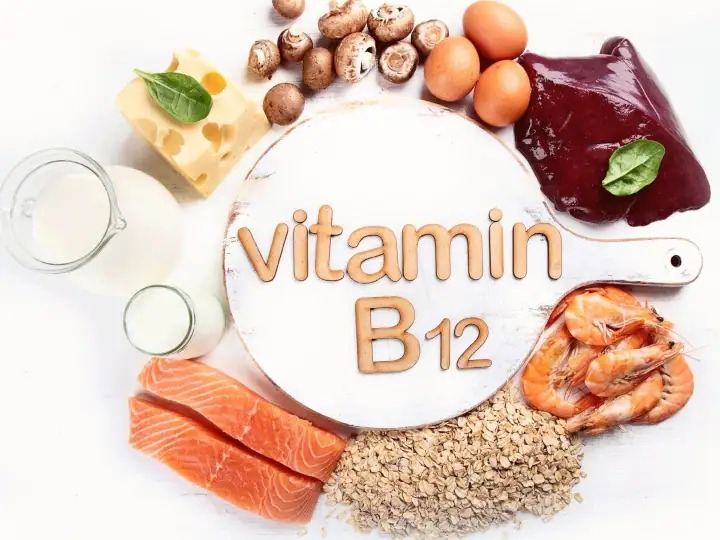
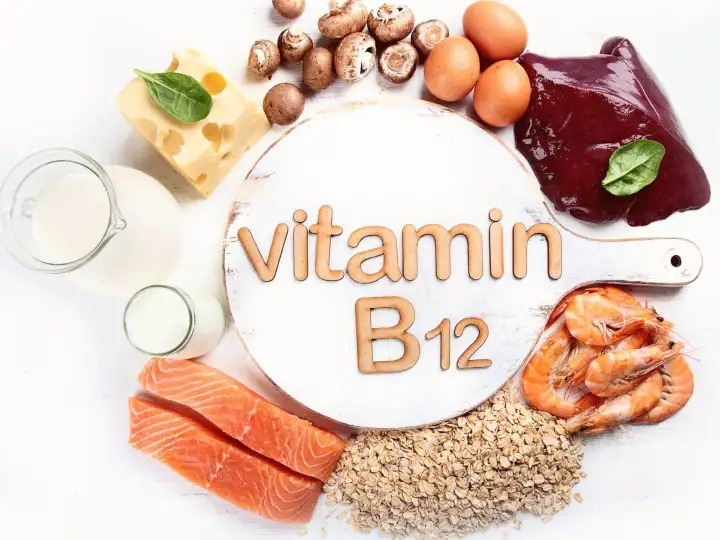
Vitamin B12 is primarily found in animal products, making it challenging for individuals following a strict vegetarian or vegan diet to obtain sufficient amounts naturally. Rich food sources of vitamin B12 include:

Meat: Pork, lamb, and other meats are excellent sources of vitamin B12.

Poultry: Chicken and turkey are good sources.

Fish: Fish, particularly oily fish like salmon, trout, tuna, and sardines, are rich in B12.

Shellfish: Clams, mussels, crabs, and oysters contain significant amounts of vitamin B12.

Dairy Products: Milk, cheese, and yogurt are good sources, although the B12 content may be lower than in meat.

Eggs: Eggs, especially the yolk, contain vitamin B12.

​Vitamin B12 foods for vegetarians​

For individuals who follow a vegetarian or vegan diet, fortified foods or B12 supplements may be necessary to meet their B12 requirements. Some plant-based foods, such as fortified cereals, plant-based milk alternatives, and nutritional yeast, can provide supplemental B12. It’s essential for those on restrictive diets to monitor their B12 intake and, if needed, consult with a healthcare professional for appropriate supplementation.

What happens when you have vitamin B12 deficiency?​

Vitamin B12 deficiency can lead to various health problems due to its critical role in several bodily functions. Common symptoms include fatigue, weakness, and anemia, as B12 is essential for the production of red blood cells. Anemia can result in pale or jaundiced skin, shortness of breath, and cognitive difficulties. Neurological symptoms may also manifest, such as tingling or numbness in the hands and feet, difficulty walking, and memory loss. Since B12 is crucial for the synthesis of myelin, a protective covering around nerve fibers, its deficiency can lead to nerve damage and neurological complications. Long-term B12 deficiency can contribute to more severe conditions, such as megaloblastic anemia, which causes the production of larger-than-normal red blood cells. Prolonged deficiency may also result in irreversible nerve damage.

​Who is at risk?​

Certain populations are at a higher risk of B12 deficiency, including older adults, individuals with gastrointestinal disorders that affect nutrient absorption, and those following strict vegetarian or vegan diets without adequate supplementation.

visit – www.aarogyapath,in

Categories
Medical Updates

High Cholesterol Control To Weight Loss, 7 Reasons Why Jowar Bhakri Can Be Your Alternative To Regular Atta Rotis

Jowar bhakri is a local delicacy that is widely consumed in the states of Maharashtra, Rajasthan, and Gujarat. Jowar or sorghum is one of the common millets consumed all across India. In this health-conscious world, people often switch of millet-based rotis or chapatis for weight loss and a better health outlook. High cholesterol control to weight loss, jowar is an effective diet addition to make.

High Cholesterol Control To Weight Loss, 7 Reasons Why Jowar Bhakri Can Be Your Alternative To Regular Atta Rotis

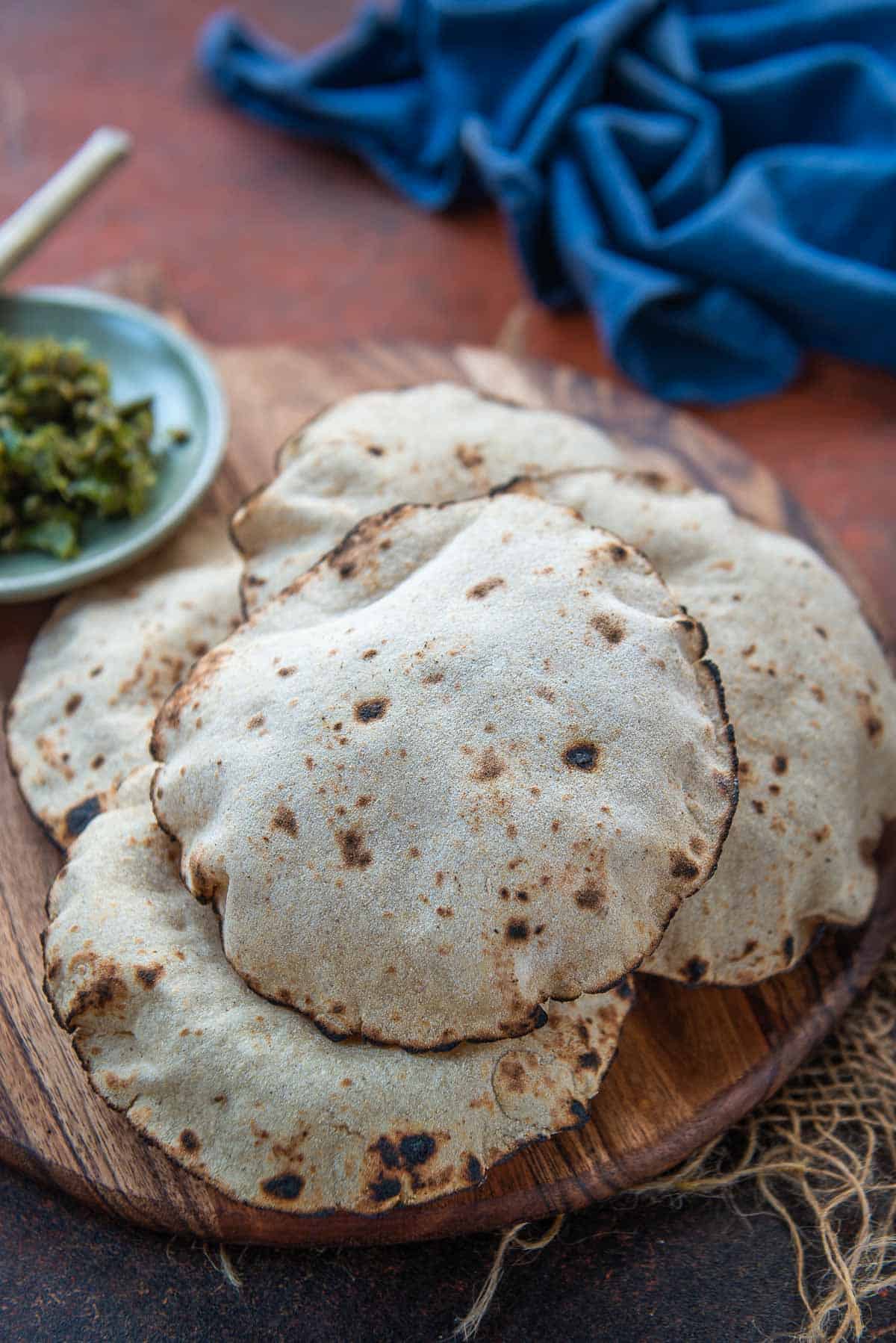
Wondering what is a bhakri? Bakri is a type of flatbread that is made by hand patting the dough. Unlike regular chapatis, it is slightly more grainy, bigger and a bit more hard. Bhakris can be a good alternative of everyday rotis and here is what makes jowar bakri all the more special.

JOWAR BHAKRI HEALTH BENEFITS

Sorghum, also known as jowar, is a nutritious and versatile grain that offers a wealth of health benefits.

  1. Rich Source of Fiber: Sorghum is an excellent source of dietary Fiber, which plays a crucial role in digestive health. Fiber helps to promote regular bowel movements, prevent constipation, and maintain a healthy gut microbiome. Additionally, fiber can contribute to a feeling of fullness, aiding in weight management.
  2. High Cholesterol Control: It has certain compounds and anti-inflammatory properties that can help to lower bad cholesterol (LDL) and protect the heart better.
  3. Gluten-Free Alternative: Sorghum is naturally gluten-free, making it a suitable grain option for individuals with celiac disease or gluten sensitivities. It can be used in various culinary preparations, from bread and tortillas to pasta and porridges.
  4. Supports Heart Health: Sorghum contains compounds like tannins and anthocyanins, which have antioxidant and anti-inflammatory properties. These compounds can help lower LDL (bad) cholesterol levels, reduce blood pressure, and protect against atherosclerosis, all of which contribute to heart health.
  5. Promotes Blood Sugar Control: Sorghum is a low-glycemic index (GI) grain, meaning it releases sugar into the bloodstream slowly, preventing spikes in blood sugar levels. This makes it a beneficial choice for individuals with diabetes or prediabetes.
  6. Abundant in Minerals: Sorghum is a rich source of essential minerals, including magnesium, potassium, iron, and phosphorus. Magnesium helps regulate muscle and nerve function, potassium supports blood pressure control, iron is crucial for oxygen transport, and phosphorus plays a role in bone health and energy production.
  7. Enhances Nutrient Absorption: The tannins present in sorghum have been shown to enhance the absorption of certain minerals, such as iron and zinc. This can be particularly beneficial for individuals with iron deficiency or at risk of zinc deficiency.

Incorporating sorghum into your diet can provide a variety of health benefits, ranging from improved digestion and heart health to better blood sugar control and enhanced nutrient absorption. It’s a versatile and nutritious grain that can be enjoyed in various forms, making it an excellent addition to a healthy lifestyle.

visit www.aarogyapath.in now !!!