Categories
COVID-19 Medical Updates Medicine & Health

In 6 months since launch of drive: Vaccine coverage crosses 50 cr doses

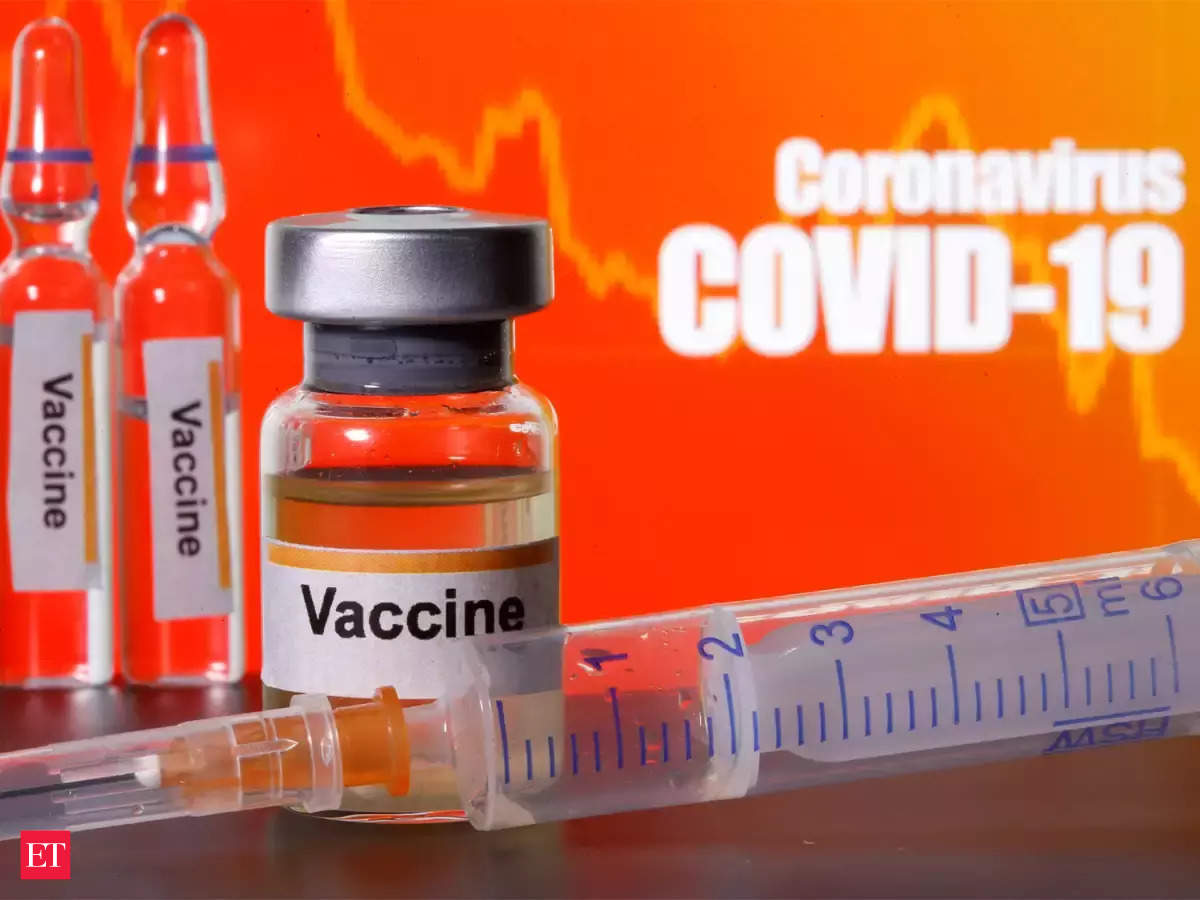
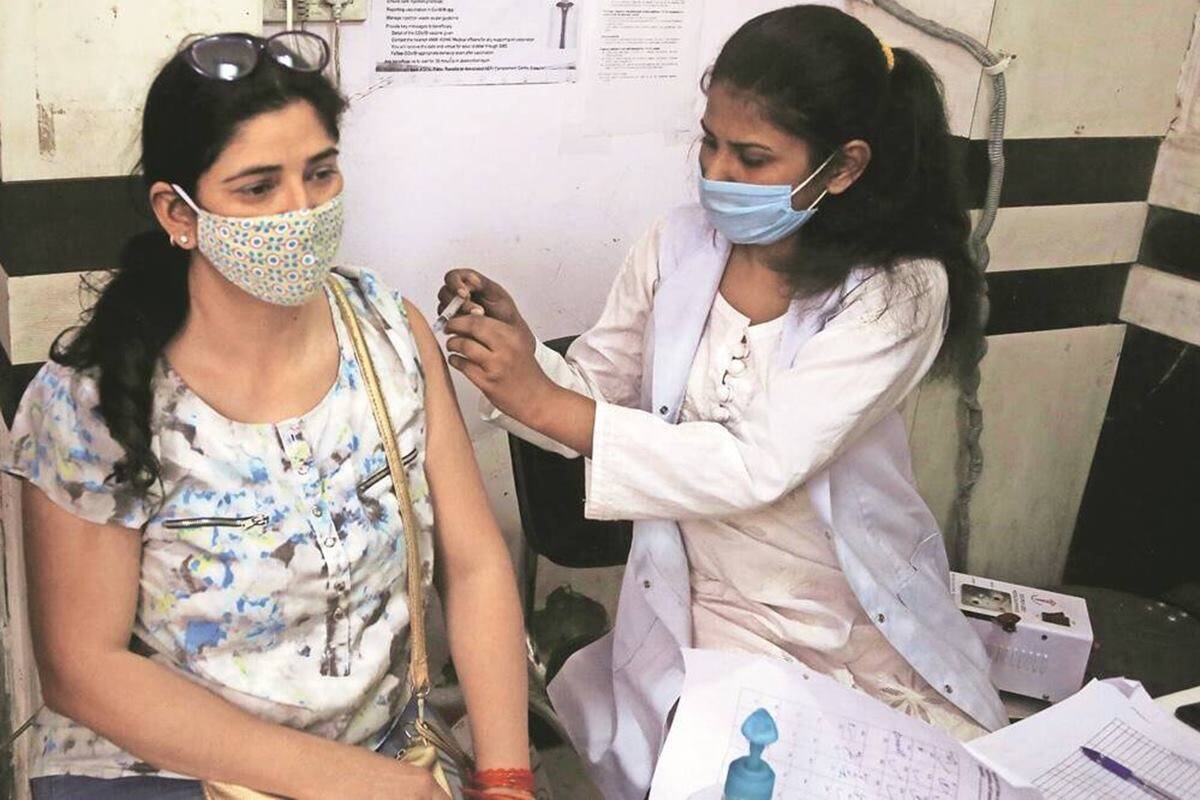
Just over six months after it launched the Covid-19 vaccination drive, India on Friday completed administering a cumulative 50 crore doses.

According to the Union Health Ministry, cumulative vaccination coverage of the country touched 50.03 crore doses, after 43.29 lakh doses were administered on Friday.

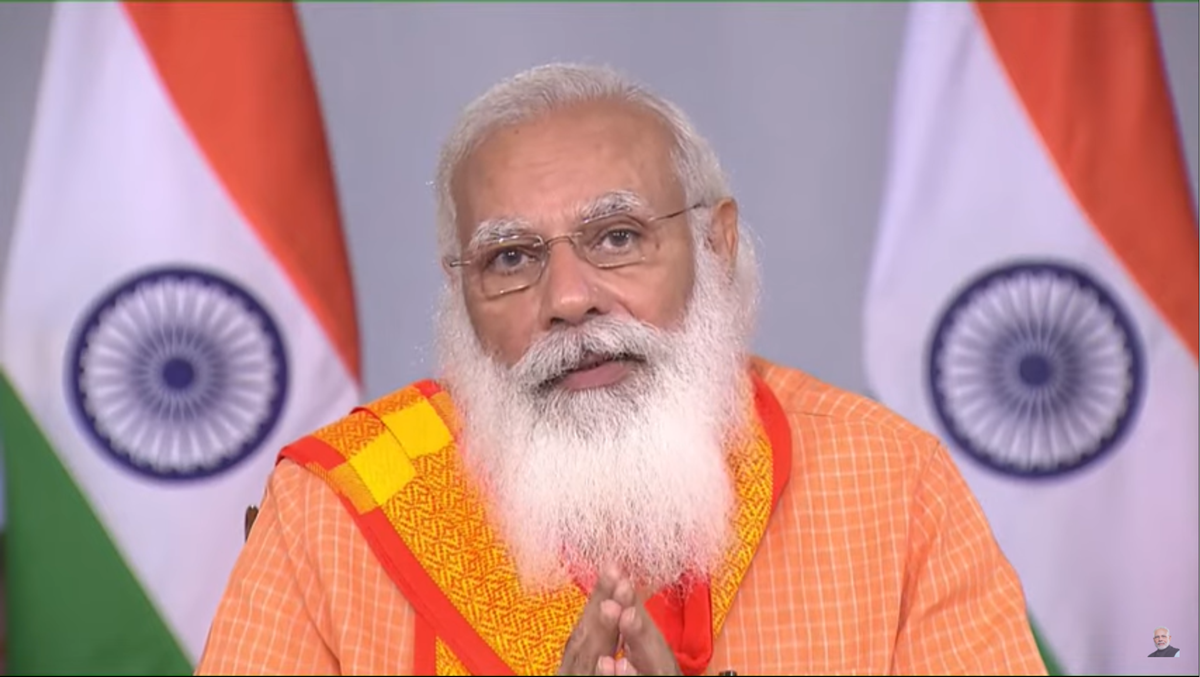
“India’s fight against Covid-19 receives a strong impetus. Vaccination numbers cross the 50 crore mark. We hope to build on these numbers and ensure our citizens are vaccinated under #SabkoVaccineMuftVaccine movement,” Prime Minister Narendra Modi tweeted.

On January 16, India launched the vaccination drive prioritising healthcare and frontline workers. As of Friday, 1.03 crore healthcare workers had received their first dose, and 79.51 lakh had received both doses. Also, 1.8 crore frontline workers had received their first dose, and 1.16 crore their second dose.

On March 1, the Centre opened up vaccination for the most vulnerable groups: people above the age of 60 years, and those above 45 years with associated comorbidities. Amid the second wave, on April 1, India rolled out a new phase, making every person above the age of 45 years eligible for a shot.

According to official data, in the 60-plus age group, 7.8 crore have got the first dose and 3.8 crore the second dose. In the 45-plus age group, 11.07 crore have got the first dose and 4.19 crore the second dose.

On May 1, India expanded its vaccination coverage to include everyone aged 18 years and above; but the 18-44 age group could get vaccinated from only 50 per cent of the doses available in the open market and procured by state governments and private hospitals. On June 21, India returned to centralised procurement of vaccines, after several states faced difficulties in procuring and managing funding of vaccines.

According to the official data, 17.23 crore beneficiaries in the 18-44 years group have received their first dose, and 1.12 crore have got their second dose. Significantly, for the 18-44 years age group, which constitutes the largest cohort, five states have administered more than 1 crore doses: Uttar Pradesh, Maharashtra, Gujarat, Rajasthan and Madhya Pradesh.

The following states have vaccinated more than 10 lakh beneficiaries of the 18-44 years group with the first dose: Andhra Pradesh, Assam, Chhattisgarh, Delhi, Haryana, Jharkhand, Kerala, Telangana, Himachal Pradesh, Odisha, Punjab, Uttarakhand and West Bengal.

On Friday, the Health Ministry said that 43,29,673 vaccine doses were given till 7 pm. “As many as 32,10,613 beneficiaries were vaccinated for 1st dose and 11,19,060 beneficiaries received 2nd dose of vaccine as per the provisional report till 7 pm. Final reports would be completed for the day by late tonight,” the ministry said.

source: https://indianexpress.com/
Categories
Medical Updates Medicine & Health

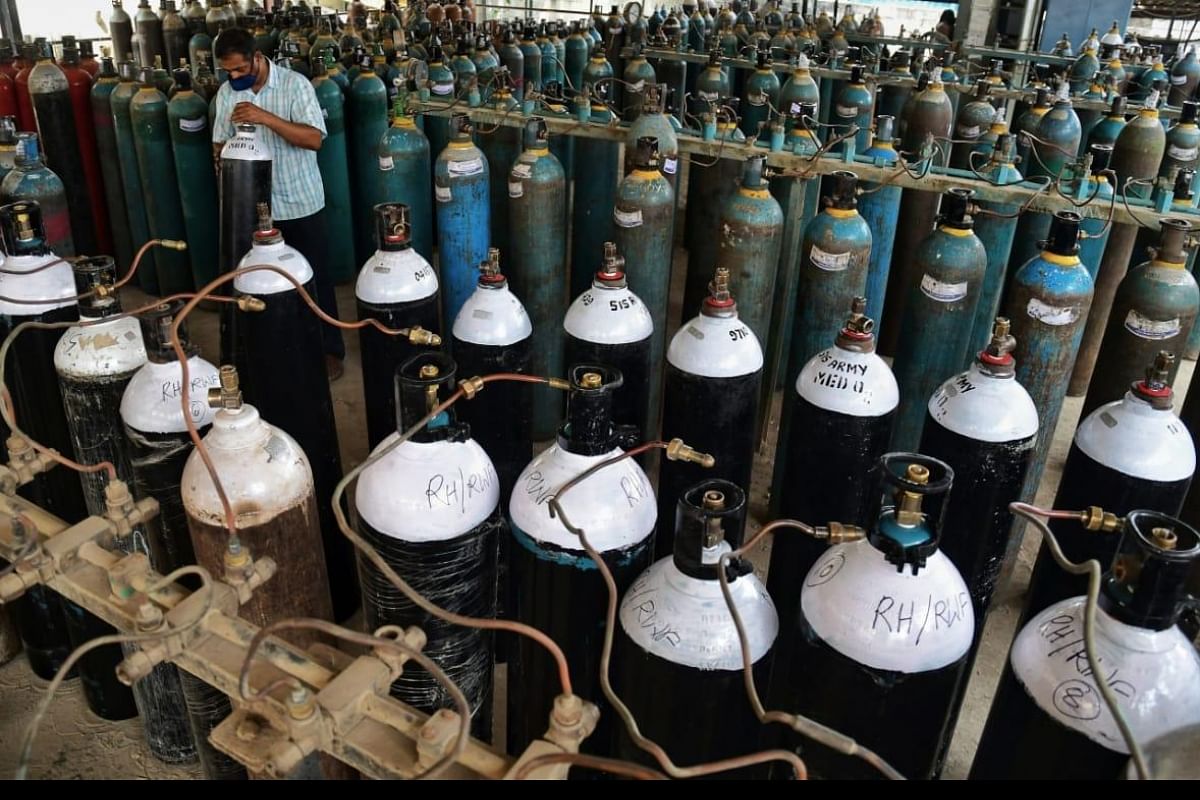
Delhi approves policy for providing incentives to pvt sector to set up oxygen plants

Delhi battled an acute shortage of oxygen in April and May as hospitals in the capital sent out SOS calls to authorities to replenish their dwindling stocks. Several private healthcare facilities even requested the government to move out their patients.

Stepping up preparation for a possible third wave, Delhi Chief Minister Arvind Kejriwal on Tuesday approved a policy for providing incentives to the private sector to set up oxygen production plants and storage facilities to help improve the availability of the life-saving gas in the capital.

“Approved Medical Oxy Prodn Promotion Policy. It provides several incentives to pvt sector to set up oxy prodn plants, invest in Oxy tankers n set up oxy storage facilities. This will help improving oxy availability in Del which became a huge bottleneck in handling last Covid wave (sic),” Kejriwal tweeted.

Delhi battled an acute shortage of oxygen in April and May as hospitals in the capital sent out SOS calls to authorities to replenish their dwindling stocks. Several private healthcare facilities even requested the government to move out their patients.

On April 23, around 21 critically ill COVID-19 patients had died at Jaipur Golden Hospital in northwest Delhi due to an oxygen shortage.

Batra Hospital in Tughlakabad Institutional Area lost eight lives due to an oxygen shortage on May 1.

To prevent a repeat of the oxygen crisis, the city government is in the process of installing oxygen generation plants and increasing hospital beds to accommodate 37,000 cases a day in case of a third wave.

According to officials, around 10 Pressure Swing Adsorption (PSA) oxygen generation plants with a total capacity of 148.11 metric tonnes are being installed at various government and private hospitals in the city.

While 66 plants are being installed in Delhi government hospitals, 10 are being set up in central government hospitals and 84 in private healthcare facilities.

The city government is also creating LMO storage facilities and has floated a tender to procure 15 cryogenic tankers having a total carrying capacity of 225 tonnes.

source: https://health.economictimes.indiatimes.com/

Categories
Medicine & Health

This is India’s first city to achieve 100% Covid-19 vaccination

BMC is running 55 vaccination centres, which includes 30 primary health and community centres, 15 mobilised centres and more than ten drive-in vaccination centres across Bhubaneswar.

Scoring a new milestone, Bhubaneswar has become the first city to achieve 100 per cent COVID-19 vaccination, informed Anshuman Rath, Bhubaneswar Municipal Corporation (BMC) Zonal Deputy Commissioner of South-East, Bhubaneswar.

BMC had launched a massive vaccination drive against Covid-19.

Speaking to ANI, Anshuman Rath said, “We had set a target to complete vaccination in a specific timeline. BMC has a record of around nine lakh people who are above 18 years of age in the city. Which includes around 31 thousand healthcare workers, 33 thousand front-line workers. 5 lakh 17 thousand people are in the age group of 18 to 44 years. 3 lakh 25 thousand people are above 45 years of age. We had set a benchmark for these categories to complete their vaccination in the specific timeline by July 31.”

Rath further added, “As per the report, we have already vaccinated 18 lakh 16 thousand people in the city. Only a few people were not being able to take first does due to various reasons. There is a migrating population, who is working in their office in Bhubaneswar and getting the first jab of Covaxin.”

Talking about the vaccination of pregnant women, Rath said, “Pregnant women are getting their first dose at vaccination centres. BMC is running 55 vaccination centres, which includes 30 primary health and community centres, 15 mobilised centres and more than ten drive-in vaccination centres across Bhubaneswar. I thank the people of Bhubaneswar for supporting BMC in achieving the target for the Covid-19 vaccination. All the micro-planning was given by the BMC due to which Bhubaneswar has become the city which has covered 100 per cent Covid-19 vaccination.”

source: https://www.livemint.com/
Categories
COVID-19 Medicine & Health

Delta variant continues to be dominant lineage in new COVID-19 cases across India: INSACOG

The Delta variant of SARS-CoV2 continues to be the dominant lineage for new cases across the country, while the other Variants of Concern (VoC) are at a lower rate and declining, Indian SARS-CoV-2 Genomics Consortium (INSACOG), a consortium of government panels involved in the genome-sequencing of the coronavirus, has said.

There is currently no evidence of any new Delta sub-lineage that is of greater concern than Delta, it has said.

“Delta continues to be the dominant lineage for new cases across all parts of India in recent samples and remains the most rapidly rising lineage globally that is responsible for multiple outbreaks, including across Southeast Asia, which shows the fastest growth in new cases globally,” the INSACOG said.

Regions with high vaccination and strong public health measures, such as Singapore, continue to do well, it noted.

The Delta variant was behind the deadly second wave of the coronavirus in India that killed thousands and infected lakhs during March to May.

The INSACOG said a study by the Indian Council of Medical Research (ICMR) has confirmed that most of the clinical cases in vaccine breakthrough were infected with the Delta variant but only 9.8% cases required hospitalisation, while fatality was found to be restricted to 0.4%.

It added that the data for higher infectivity of Delta continues to grow with the secondary attack rate in household contacts being almost double for Delta, when compared to Alpha (Public Health England, July 9 update). The other VoC continue to be very low in India and are declining relative to Delta globally.

“Public health measures to reduce transmission and vaccination remain critical,” the INSACOG stressed.

No cases of the Lambda variant have so far been reported in the country, it added.

In data from the U.K., Lambda is still seen primarily in travellers or their contacts and is not growing relative to Delta.

A growing spectrum of mutations is seen in the Delta background in the U.K., the U.S. and India.

The most frequent spike protein mutations, other than K417N (AY.1/AY.2), seen in the U.K. are G446V and P251L. In India, A222V and K77T have been reported as possible markers of sub-lineages.

Previous research into the A222V mutation for either transmissibility or immune escape was negative. In the case of the K77T mutation, it has previously been reported in a cluster of Delta that spread to Asiatic lions in a zoo, and seen in sequences from Tamil Nadu, but has no known impact on transmission or immune escape in humans, the INSACOG said.

The INSACOG jointly initiated by the Union Ministry of Health and the Department of Biotechnology (DBT) with the Council for Scientific and Industrial Research (CSIR) and the ICMR, is a consortium of 28 national laboratories to monitor the genomic variations in SARS-CoV-2.

source:https://www.thehindu.com/

Categories
COVID-19 Medical Updates Medicine & Health

“Free Vaccine” Campaign Covered 30-40 Crore In 24 Days: Health Minister

India’s COVID-19 vaccination coverage has exceeded 40.64 crores, according to health ministry data updated on Monday morning.

Union Health Minister Mansukh Mandaviya on Monday said it took 85 days to inoculate 10 crore, people, against COVID-19, while due to the “vaccine for all, free vaccine” campaign, it took only 24 days to reach 30-40 crore vaccination coverage.

The new phase of universalization of COVID-19 vaccination started on June 21.

The inoculation drive has been ramped up through availability of more vaccines, advance vaccine availability to states and union territories (UTs) for better planning by them and streamlining the supply chain, according to the Union health ministry.

In the new phase, the Centre procures and supplies at no cost 75 per cent of the vaccines being produced in the country to states and UTs.

India’s COVID-19 vaccination coverage has exceeded 40.64 crore, according to health ministry data updated in Monday morning.

“The world’s largest and fastest vaccination campaign under the leadership of Prime Minister Narendra Modi is continuously creating new dimensions,” Mr Mandaviya said in a tweet in Hindi.

“In the initial days, it took 85 days to vaccinate 10 crore, while due to the ”vaccine for all, free vaccine” campaign, it took India only 24 days to touch the figure of 30 crore to 40 crore,” he tweeted.

ADVERTISING

The ministry said 40,64,81,493 vaccine doses have been administered through 50,69,232 sessions, according to the provisional report till 7 am on Monday.

It said that 13,63,123 vaccine doses were administered in a span of 24 hours.

Out of the people infected since the beginning of the pandemic, 3,03,08,456 people have already recovered from COVID-19 and 38,660 patients have recovered in a span of 24 hours.

This constitutes an overall recovery rate of 97.32 per cent, which is showing a sustained increasing trend.


source: https://www.ndtv.com/

Categories
Medicine & Health

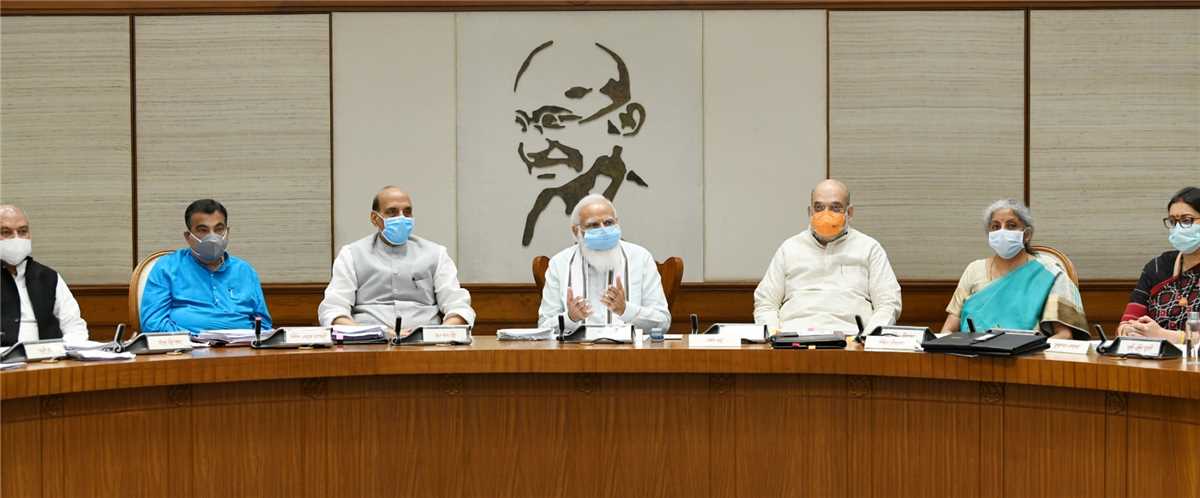
Cabinet approves continuation of centrally sponsored National AYUSH Mission

The Union Cabinet chaired by Prime Minister Narendra Modi on Wednesday approved the continuation of National AYUSH Mission (NAM) as a centrally sponsored scheme effective 1 April to 31 March 2026 with an expenditure of 4,607.3 crore.

The Centre’s share in the scheme would be 3,000 crore, while 1,607.3 crore will be state share, the government said. The mission was launched on 15 September 2014 and is being implemented by ministry of AYUSH with the objectives of providing cost-effective AYUSH services, with universal access through upgrading AYUSH hospitals and dispensaries, co-location of AYUSH facilities at primary health centres, community health centres, and district hospitals, strengthening institutional capacity at the state level through upgrading AYUSH educational institutions, setting up of new up to 50 bedded integrated AYUSH hospital, AYUSH public health programmes and operationalization of 12,500 AYUSH health and wellness centres to provide services of a holistic wellness model based on AYUSH principles and practices so as to empower masses for “self-care” to reduce the disease burden, and out-of-pocket expenditure.

The mission, the government said, is addressing the gaps in health services by supporting the efforts of governments in states and Union territories for providing AYUSH health services or education in the country, particularly in vulnerable and far-flung areas. Under NAM, special focus is given for specific needs of such areas and for the allocation of higher resources in their annual plans.

The government said India possesses an unmatched heritage represented by its traditional systems of medicine such as ayurveda, sidhha, sowa rigpa, Unani and homeopathy (ASU&H) which are a treasure trove of knowledge for preventive, promotive and curative healthcare.

The positive features of the Indian systems of medicine, namely their diversity and flexibility; accessibility; affordability; broad acceptance by a large section of the general public; comparatively lesser cost and growing economic value, have great potential to make them providers of healthcare that the large sections of our people need, it said.

The government said the expected outcomes of the mission will be better access to AYUSH healthcare services through increased healthcare facilities offering AYUSH services and better availability of medicines and trained manpower. The government said that with the scheme there will be improvement in AYUSH education through a well-equipped enhanced number of AYUSH educational institutions. It will further increase to focus on reducing communicable/non-communicable diseases through targeted public health programmes using AYUSH systems of healthcare.

source: https://www.livemint.com/
Categories
Medical Updates Medicine & Health

Telangana Gets Ayushman Bharat PM-JAY: 1.3 Crore People Eligible For Health Benefits

Telangana government on Monday tied up with the National Health Authority (NHA) to implement Ayushman Bharat Pradhan Mantri Jan Arogya Yojana (AB PM-JAY) in the state. Telangana already has a state health insurance scheme called ‘Aarogyasri’ which has now been converged as the Ayushman Bharat PM-JAY Aarogyasri. With this Centre-state merger, as many as 26 lakh beneficiary families (around 1.3 cr. individuals) as per SECC, 2011 data will be eligible to avail services under the scheme in Telangana.

“We are happy to onboard the State of Telangana for the rollout of AB PM-JAY in the State. The beneficiaries from the State are now eligible to avail free healthcare services pan India through our network of more than 22,000 hospitals. This is not only going to benefit the eligible families in the state but will also enable the delivery of healthcare services to PM-JAY beneficiaries from other States/UTs living in Telangana,” said Dr RS Sharma, CEO, NHA at the launch event.

“The providers’ base has also increased. Our call center has started getting calls from the eligible population in the State. We are committed to taking the benefit of the scheme to all eligible beneficiaries,” he added.

The launch of the scheme in Telangana is a significant milestone in the country’s journey towards Ayushman Bharat. The NHA along with the State Health Agency in Telangana will undertake necessary action to ensure that all eligible beneficiaries are provided free healthcare services under the converged scheme.

The Ayushman Bharat PM-JAY has been rolled out across 33 states and UTs, with Telangana being the latest on the list. Beneficiaries of the scheme are entitled to avail free healthcare coverage of up to Rs 5 lakhs per family per year for secondary and tertiary care hospitalization.

Health services can be availed in any of the 22,000 empanelled public and private hospitals across the country through the scheme’s portability feature with the help of PM-JAY e-cards issued to the beneficiaries.

Categories
COVID-19 Medicine & Health

‘Jahan Bimar, Vahan Upchar’: PM Modi asks health workers to continue the fight against Covid

Prime Minister Narendra Modi appreciated the health care and frontline workers for their efforts in the fight against Covid-19 in a virtual interaction with doctors, paramedical staff, and frontline workers of Varanasi on Friday.

He stressed the need to focus on rural areas to curb the spread of COVID-19.

“Fight against COVID-19 is going to be long,” he said while recommending that the administration should follow the motto, ‘Jahan Bimar, Vahan Upchar.’.

He added that Kashi had successfully carried out micro-containment zones and door-to-door distribution of medicines and relief measures. He also highlighted the work of senior doctors of Uttar Pradesh that had helped rural areas through telemedicine.

“Such measures should continue to be up and running even after the number of cases fall,” he added, while also appreciating the efforts of ASHA workers and ANM sisters.

The prime minister commended the short span of time taken by his constituent assembly in increasing the number of oxygen and ICU beds, equipping the Pandit Rajan Mishra COVID hospital and using technology to ensure that the relief measures are available for everyone.

Speaking of the many lives lost due to the pandemic, the prime minister choked with emotions and paid his respects to the deceased. He went on to state that the administration has had to fight on many fronts as the second wave of the coronavirus has hit with higher infectious rates and longer hospital stays, burdening the healthcare system.

He also stated that yoga has helped fight Covid all over the world.

He said that when yoga had been recognized by the UN and had reached the world through International Yoga Day, it was ridiculed and communalized, but today, Yoga and AYUSH have helped fight the pandemic.

He also warned against the challenge of black fungus which had surfaced and stated that “we must focus on taking precautions and preparations to deal with it”.

He further urged everyone to get vaccinated when their turn arrives and continue monitoring statistics and numbers.


Categories
COVID-19 Medicine & Health

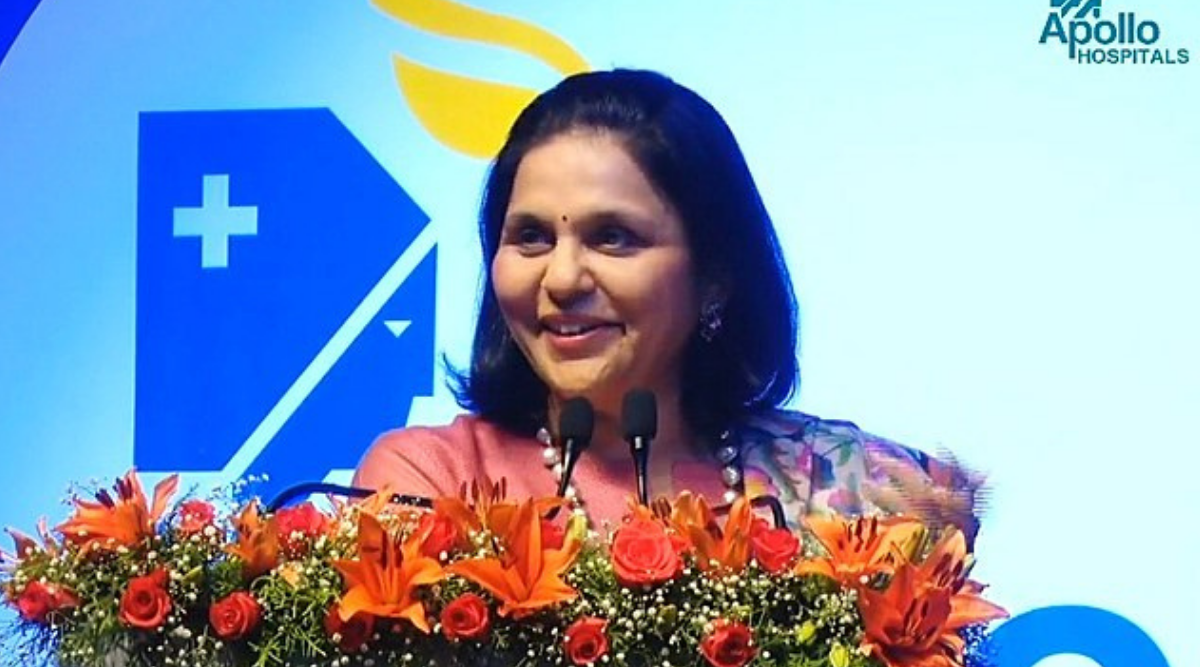
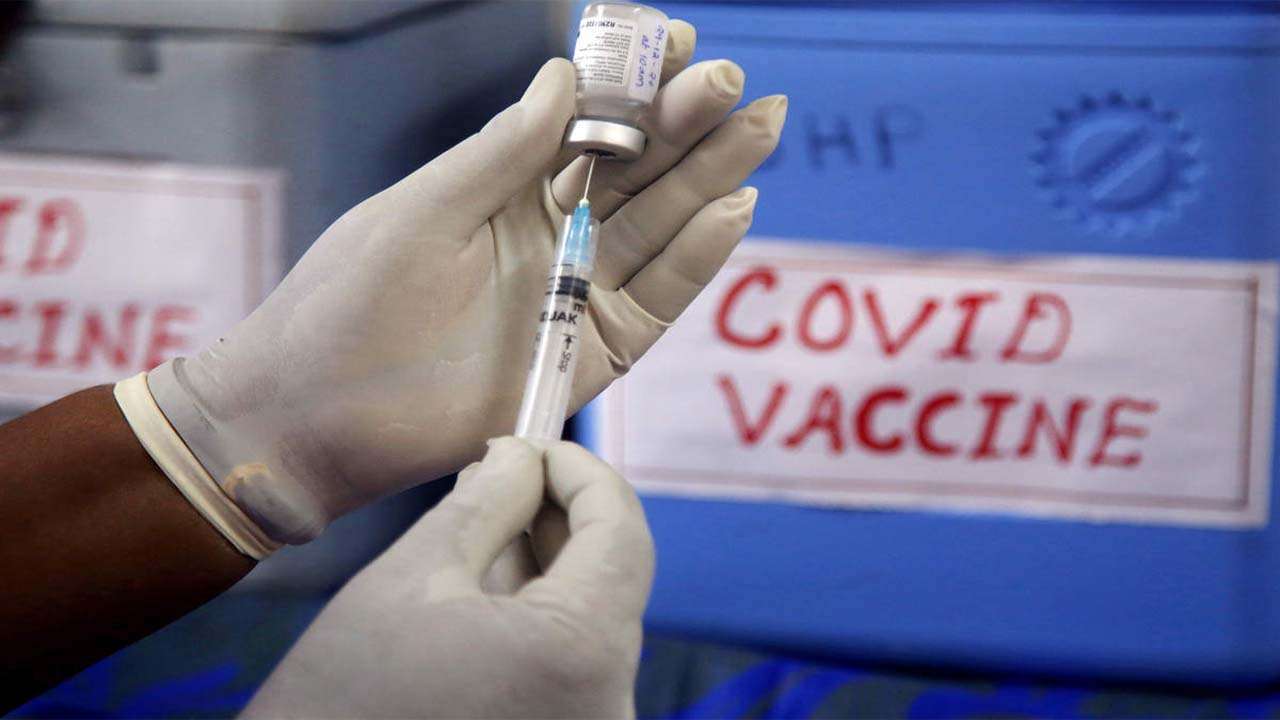
No healthcare worker at Apollo died of Covid after full vaccination: Dr. Sangita Reddy

The IMA on Tuesday said that 269 doctors registered with it have died of Covid in the current wave, with the highest number of deaths in Bihar at 78, followed by Uttar Pradesh at 37 and Delhi at 29.

Only 2.6 percent of Apollo Hospitals’ healthcare workers, who received both Covid vaccine doses, have been infected with the virus in the second wave and it wasn’t fatal in any of the cases, said the group’s Joint Managing Director Dr. Sangita Reddy, after the Indian Medical Association revealed that at least 269 of its members have died of the disease in this wave.

“This is indeed very sad and while I mourn the loss I would like to share important data – Out of 3600 doctors, nurses and healthcare workers vaccinated with two doses at Apollo Hospitals Delhi, only 2.6 got infected with mild Covid-19 and no death,” Dr. Reddy had stated in a social media post.

The IMA on Tuesday said that 269 doctors registered with it have died of Covid in the current wave, with the highest number of deaths in Bihar at 78, followed by Uttar Pradesh at 37 and Delhi at 29.

In the meantime, the Delhi Medical Association is working on finding out the vaccination status of each of the doctors who succumbed to the virus in Delhi in this wave.

Dr. GS Grewal, president, Delhi Medical Association said, “We are conducting a survey to find out the vaccination status of each doctor. We are asking how many got the first dose and how many days after did they get Covid and die. Similarly, we are also finding of the second dose of the vaccine and when they got Covid and died. This should take around 5 days.”

A DMA official said that while the number of doctors who have died in the second wave is 28 on IMA’s list, there is a likelihood that the numbers are higher as not all doctors are members of the IMA or DMA. “We have got more names over the past few days and are finding out how many died in this wave. We have been alerted to the fact that the number in Delhi might be higher and will check details and come out with a final number soon,” another DMA official said.

source: https://indianexpress.com/
Categories
COVID-19 Medicine & Health

Rajasthan CM exhorts Ayush dept to help people

Gehlot was addressing a review meeting of the Ayurveda and the Indian medicine department on Tuesday evening through a video conference.

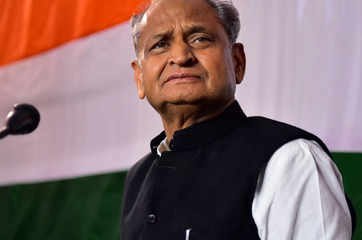
Chief minister Ashok Gehlot has said that the first wave of Covid-19 was fought valiantly with the help of the Ayush System. He said that in the second wave too, the Ayush department should come forward to save lives.

Gehlot was addressing a review meeting of Ayurveda and Indian medicine department on Tuesday evening through a video conference.

He said that Indian medical practices of Ayush are so effective that they have the ability to cure complex diseases without side effects. The need of the hour is to encourage such methods by disseminating more information to the people.

Gehlot said that there are many examples where people were able to successfully fight serious diseases including Covid by adopting Ayush methods. These methods relate to our way of life, yoga, diet, etc. If we follow them with complete restraint and discipline, it shows the way to a healthy life, he said. The role of these systems becomes more important during pandemic.

source: https://health.economictimes.indiatimes.com/news/