

One of the main reasons for osteoarthritis is excess body weight, stress, a poor lifestyle and a diet rich in meat, fat and sugar. Any excess or imbalance in daily living impacts the complex systems of our body right down to the cellular level, thus disrupting the auto-immune system and the central nervous system. The simplest but most effective practice to start with for osteoarthritis is Sushma Vyvyan. This
exercises every joint of the body, starting from the toes to the neck area. This helps free up the joints, releases excess wind from the joints, removes blockages in the flow of pyranic energy and blood in the whole body. Synchronised with breath awareness, it helps better exchange of oxygen and carbon dioxide, resulting in better oxygenation. All this helps in preserving and reversing the cartilage degeneration.
SUKSHMA VYAYAM OR PAWANMUKTASANA SERIES 1: This whole practice can be done in a sitting posture either on the yoga mat, a reasonably stiff sofa or bed.
Sit comfortably with legs stretched out in front and palms behind your body with fingers pointing outwards, so that you can rest your back.
Toe movement
World Stroke Day is an annual global observance that serves as a critical reminder of the prevalence and impact of strokes on individuals and communities worldwide. This day is dedicated to raising awareness about strokes, their prevention, treatment, and the importance of timely intervention. Strokes, often referred to as brain attacks, are a leading cause of disability and death worldwide. It is a day for healthcare professionals, organizations, and communities to come together and educate the public about the signs, symptoms, and risk factors associated with strokes, with the ultimate goal of reducing the incidence and burden of this life-altering medical condition. Read on to know more about this day.
The theme for World Stroke Day 2023, as designated by WSO, is ‘Together we are #Greater Than Stroke.’

The European Stroke Initiative came up with the concept of organizing a day of awareness in the 1990s. But due to budgetary constraints, the endeavour could only be conducted in Europe. On May 10, the European Stroke Organization commemorates its awareness day, having carried out the initiative. The World Stroke Congress in Vancouver, Canada, in 2004 established World Stroke Day, which falls on October 29. Rd. Vladimir Hachinski led the formation of a working group, which in October 2006 became a World Stroke Proclamation. The World Stroke Organization, which assumed control of World Stroke Day, was formed at about the same time that the International Stroke Society and the World Stroke Federation combined.
In order to develop a more persistent strategy for raising public awareness of important issues in stroke recognition, prevention, and treatment, WSO leadership switched from concentrating on a single awareness day to a year-round campaign in 2009. With biennial themes that aim to raise awareness of important topics in stroke prevention and treatment, World Stroke Day continues to serve as a focal point for the campaign. Campaign “1 in 6” Archived 2010-10-28 at the Way back Machine was the first campaign that the WSO started in 2010 and would include more in the future.
Anyone at any age can have a stroke. In fact, worldwide, about one in four adults over the age of 25 will have a stroke in their lifetime. However, the majority of adults in the United States are unaware of the F.A.S.T. warning signs, which indicate that stroke is mostly preventable, treatable and curable. By raising awareness of stroke risk factors and warning signs among the general public, healthcare professionals and communities, this finding will help reduce the number of stroke-related deaths and disabilities worldwide. It underscores the ongoing work to improve stroke prevention and treatment on a global scale by highlighting the need for improved access to stroke care, research and support networks.
Dr Rishi Raj Borah, Country Director-India, Orbis stresses that primary healthcare, often a person’s first point of contact with the healthcare system, should ideally provide preventive eye care services as well. Preventive eye care revolves around a range of interventions aimed at identifying and addressing vision-related issues before they escalate into more severe conditions
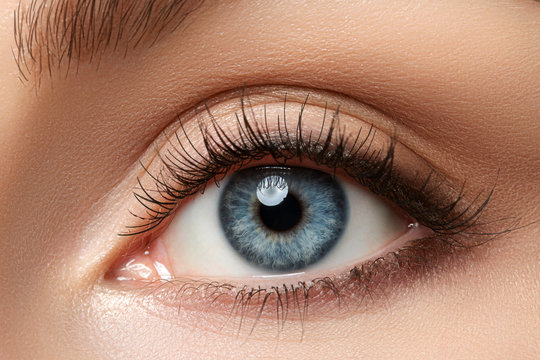
One of the most important senses, vision allows us to completely participate in daily activities, learn, work, and navigate the world around us. Yet, for millions across the globe, access to adequate eye care remains elusive. This calls for integration of comprehensive eye care services into primary healthcare systems.
Primary healthcare, often a person’s first point of contact with the healthcare system, should ideally provide preventive eye care services as well. Preventive eye care revolves around a range of interventions aimed at identifying and addressing vision-related issues before they escalate into more severe conditions. Such interventions include regular eye examinations, health education and the provision of affordable eyeglasses. By incorporating these measures into primary healthcare, we can detect and treat visual impairments in their early stages, preventing avoidable blindness and reducing the burden on tertiary care facilities.
Early detection is indispensable
Many eye conditions, such as cataracts, glaucoma and diabetic retinopathy, progress asymptomatically in their initial stages. By the time symptoms become noticeable, irreversible damage may have already occurred. Integrating eye screenings into routine primary healthcare visits ensures that potential issues are identified promptly. Early detection allows for timely intervention, preserving vision and thus enhancing the quality of life.
Awareness: The catalyst for effective preventive measures
To work on preventive eye care, one needs to be educated about it. Communities often lack knowledge about the importance of regular eye examinations and protecting their eyes from environmental hazards. The need of the hour is to integrate eye care into primary healthcare systems. This way healthcare professionals can serve as a valuable channel for disseminating information on eye health thereby emphasising the significance of adequate eye protection. A balanced diet and refraining from habits like smoking can act as a preventive measure against eye ailments. Therefore, awareness is important because an informed person is better equipped to take proactive steps in maintaining their eye health.
Timely intervention in the form of eyeglasses can save eyesight
Affordable eyeglasses are another vital aspect of preventive eye care. It is an effective tool to correct refractive errors. However, affordable eyeglasses are not accessible to all. By integrating optometry services into primary healthcare, those in need of eyeglasses can receive them. This can address refractive errors and reduce the negative outcomes of poor vision such as productivity loss.
Incorporating eye care into primary healthcare also fosters equity and inclusivity. Vision impairment disproportionately affects vulnerable populations, including children, the elderly and those with low socioeconomic status. By making eye care services available at the primary healthcare level, we can remove barriers to access and ensure that everyone, regardless of their background or circumstances, can receive the care they need.
Integrating comprehensive eye care services into primary healthcare is not merely an option; it is a necessity. Preventive eye care plays a crucial role in preserving vision, enhancing well-being and promoting equity. By bridging the visual gap through primary healthcare, we can prevent avoidable suffering, reduce healthcare costs and empower people to lead fuller and more productive lives.
visit – https://shorturl.at/bfAH0