Categories
COVID-19 Medicine & Health

Bayer India extends Covid relief measures to healthcare workers, farmers

Converts nitrogen plant in Vapi manufacturing facility to produce oxygen.

Global life sciences major Bayer’s Indian arm on Monday announced the extension of its Covid-19 relief measures to local communities, healthcare workers, farmers, businesses, and employees in India. The measures include converting its nitrogen plant at Vapi manufacturing facility in Gujarat to supply oxygen and supply to the local hospital, a company press release said.

It quoted D. Narain, Senior Bayer Representative, South Asia, and Chief Executive Officer, Bayer CropScience Limited saying: “During these unprecedented times, it is our responsibility to support the nation’s fight against the pandemic. Our small contribution is an effort to sustain sections of our society where help is needed the most.”

Through these varied initiatives, Bayer India aims to support the India’s healthcare system, mental health of frontline workers and farmers, facilitate vaccination for its employees and their families and support health & nutrition needs of local communities.

Re-purposing Vapi plant

With India’s healthcare sector stretched in view of Covid cases surging, Bayer is re-purposing the Vapi plant to produce oxygen.

Additionally, the German multinational firm, which has been present in India for nearly 125 years, will also provide oxygen concentrators to primary health centers (PHCs) to serve communities across rural India. Over the last 10 months, Bayer India along with the Maharashtra Government has converted its plant at Chittegaon, Aurangabad, into an 80-bed Covid-care facility.

To support those in need, Bayer India has also sponsored beds in major hospitals across multiple cities for emergency support. It has joined hands with the Maharashtra Government, NASSCOM, and WNS Global services to support 30 ICU beds in one of the district hospitals through telemedicine solutions.

Helpline

Bayer India is launching a helpline to support frontline workers and the farming community. This helpline will serve approximately 10,000 beneficiaries and their immediate families. This is in view of an urgent need to support paramedics and frontline workers who are struggling with mental health challenges during these tough times.

The German firm’s arm is also mobilizing communities by conducting awareness drives highlighting the benefits of immunization and reinforcing Covid Appropriate Behaviour (CAB) to accelerate the vaccination process. These efforts will complement Bayer’s ongoing initiative to facilitate vaccination for all employees and their families, the statement added.

Since the pandemic broke out last year, Bayer has been providing holistic support across multiple dimensions.

In addition, through its initiative “Better Farms, Better Lives”, Bayer has provided 4,00,000 smallholder farmers, immediate access to basic agri-inputs and crop advisories in 204 districts across 17 States, spanning key crops such as rice, corn, vegetables and millet to support their critical livelihood needs. The company is also extending support to marginalized communities with nutritious food through the “Roti Foundation, Mumbai”.

Bayer India lauded the efforts of our frontline health workers, the Central Government, State governments, voluntary organizations, and the community at large in fighting the battle against Covid. “We will overcome this crisis together and emerge stronger,” the release said.
Categories
COVID-19 Medicine & Health

Serum Institute’s clinical trial for Covovax covid-19 vaccine begins

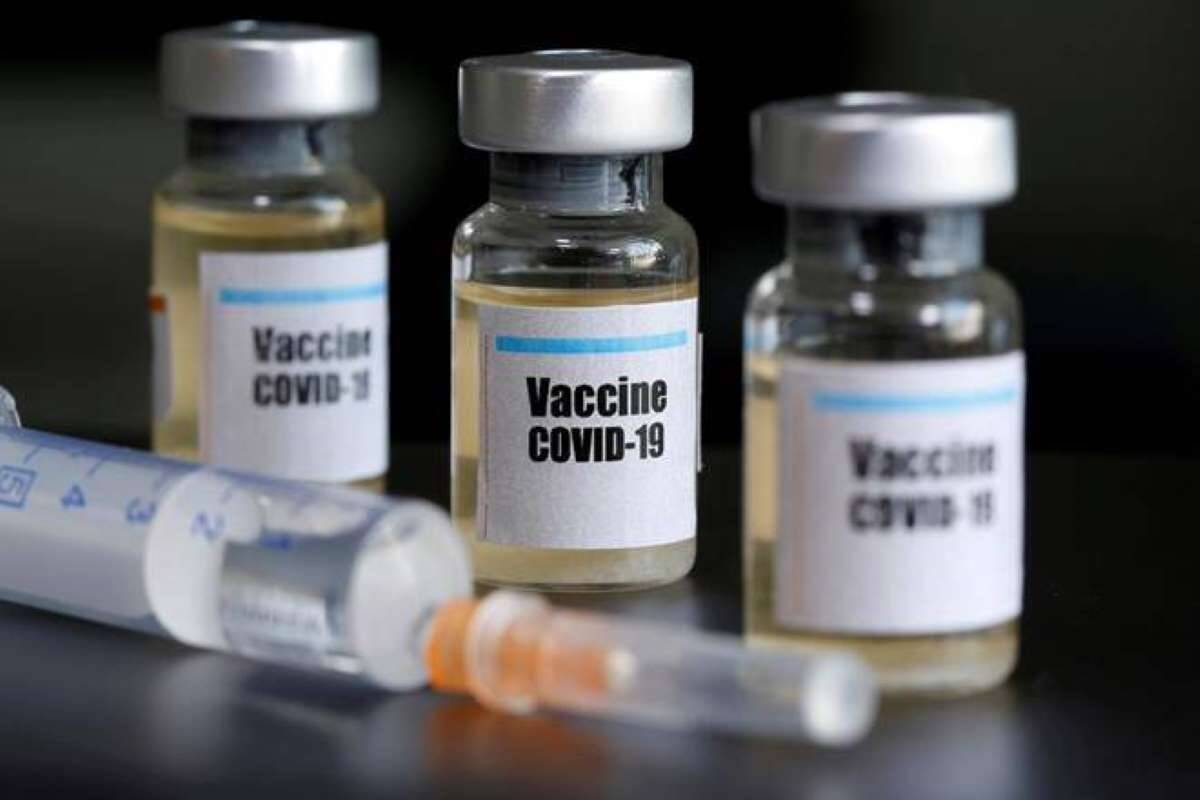
Under the trial protocol, 460 participants will be part of a cohort to determine whether the vaccine manufactured by Serum Institute provides the same immune response as the one developed by Novavax.

Serum Institute of India’s phase 2 and 3 bridging study of 1,600 participants for the covid-19 vaccine Covovax has started at one of the trial sites in Pune, with at least one more site expected to begin screening as early as Tuesday, two people aware of the development said, on condition of anonymity.

“The trials have started at a hospital in Pune on Thursday. More will start enrolling soon,” one of the sources said.

Another clinical trial site Hamdard Institute of Medical Sciences and Research at New Delhi will begin screening of some participants on Tuesday, another source said.

A spokesperson for Serum Institute decline to comment on the commencement of Covovax trials.

Covovax is Serum Institute’s version of the covid-19 vaccine developed by US-based Novavax, which earlier this month had announced that the jabs have an efficacy of 96% against the original strain determined in a phase 3 trial conducted in the UK. This is the highest efficacy so far achieved for a covid-19 vaccine against the original strain of the coronavirus.

However, the efficacy of the vaccine dropped to 86.3% against the mutant variant that is now the dominant strain in the UK. On average, the efficacy of the vaccine was 89.7%, the company had said.

In another phase 2 trial conducted in South Africa, where another mutant variant is dominant, the overall efficacy dropped to 48.6%.

While the efficacy is lower against the mutant strains, the vaccine still has shown better results as compared to the jab co-developed by AstraZeneca plc and the University of Oxford. In a trial result published with the New England Journal of Medicine earlier this month, the vaccine was found to have only a 10.4% efficacy against the South Africa variant of the coronavirus.

Serum Institute also contract manufactures the AstraZeneca vaccine under the brand Covishield, which is the most-widely available jab in India as well as World Health Organization-led Covax.

The Pune-based company expects to launch Covovax by August, but will start stockpiling the vaccine from April, chief executive officer Adar Poonawalla had said at the Bloomberg Equity Summit earlier this month. The company will be manufacturing 1 billion doses of the vaccine, which will be supplied to both India and Covax.

The trial of 1,600 participants will be conducted at 19 sites across the country, including the Hamdard Institute and All India Institute of Medical Sciences at Delhi, Sahyadri Super specialty Hospital, Noble Hospital and Dr. D. Y. Patil Medical College, Hospital and Research Centre at Pune and School of Tropical Medicine at Kolkata.

Under the trial protocol, 460 participants will be part of a cohort to determine whether the vaccine manufactured by Serum Institute provides the same immune response as the one developed by Novavax. While three-fourths of these will get Covovax, the remaining will be administered Novavax’s vaccine.

The 1,140 participants will be in the cohort for determining safety of the vaccine, with three-fourths getting Covovax, and the rest a placebo.

source: https://www.livemint.com/

Categories
COVID-19 Government Guidelines Medicine & Health

Over six Covid-19 vaccines to come up in India, says Health Minister Harsh Vardhan

Union Health Minister Harsh Vardhan has said that more than six Covid-19 vaccines will come up in India.

He also said that 1.84 crore coronavirus vaccine doses have been administered till Saturday morning, while 23 crore tests have been conducted.

The latest figures from the Health Ministry say that 2.91 crore people had been vaccinated till 7 pm on Saturday.

“India has developed two vaccines, which have been given to 71 countries. Many more nations are seeking the vaccines, and these are not little-known nations…Canada, Brazil and other developed countries are using Indian vaccines with a great zeal,” he said.

“More than half a dozen vaccines are going to come up,” he said.

“Till Saturday morning, 1.84 crore vaccine shots have been given in the country and 20 lakh people were inoculated yesterday,” the minister added.

He was speaking while inaugurating the new green campus of the National Institute of Research in Environmental Health near here.

Prime Minister Narendra Modi wants to create a new India to turn it into a ‘vishwa guru’ (world leader), he added.

“Respect science. There is a need to end politics over it (vaccine) given that it is a scientific fight not a political one. That is why we should work unitedly,” Vardhan said.

The efforts of our scientists are praiseworthy as due to their labour we have achieved all this. Year 2020, apart from being a COVID-19 year, will be remembered as the year of science and scientists, he added.

He said that initially there was only one laboratory in India for COVID-19 testing. “But we have 2,412 testing facilities now,” he added.

“We were the first in the world to isolate the coronavirus. We isolated its mutation. And our scientists helped the ICMR in vaccine. People have praised it (vaccine). Some people tried to create confusion, but truth is unbeatable,” he said.

Talking about the rising infection cases, the minister said this “disturbing trend” was due to the carelessness and misunderstanding.

“People think that as the vaccine has come and all is well now,” he said, while urging them to follow the COVID-19 rules for protection against the virus.

Vaccine update in India

According to a provision report, of the 2,91,92,547 doses administered till now, 73,31,498 were given to healthcare and 72,96,474 frontline workers who have taken the first dose, and 42,58,297 healthcare and 10,53,732 frontline workers who have been given the second dose.

As many as 78,66,241 senior citizens and 13,86,305 aged 45 and above with specific comorbidities have received vaccine doses.

“A total of 9,74,090 vaccine doses were given till 7 pm on Saturday, the 57th day of the nationwide COVID19 vaccination.

“Of these, 8,05,014 beneficiaries were vaccinated for the first dose and 1,69,076 healthcare and frontline workers received the second dose of vaccine according to the provisional report. The final report for the day would be completed by late in the night,” the ministry said in a statement.

The countrywide vaccination drive was rolled out on January 16 with healthcare workers getting inoculated and vaccination of the frontline workers started from February 2.

The next phase of COVID-19 vaccination commenced on March 1 for those who are above 60 years of age and for people aged 45 and above with specified comorbid conditions.

Categories
Medicine & Health Techniques

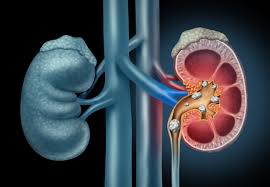
8 Signs and Symptoms of Kidney Stones

What Are Kidney Stones?

Kidney stones (renal calculi) are clustered deposits of minerals and salts in your kidneys. When the urine gets concentrated, it leads to the crystallization of these salts and minerals, forming these stones. These stones can deposit anywhere in your urinary tract, from your kidneys to even your bladder. Kidney stones formation happens when the urine contains substances that often form crystals— such as uric acid, calcium, and oxalate — then the urine can dilute. Some medical conditions, obesity, excess weight, and not drinking enough water are other causes of kidney stones. These stones don’t cause any permanent damage if diagnosed and treated on time. But, passing these stones through your urethra is very painful. You may need nothing more than to drink lots of water and take painkillers to pass a kidney stone. But if the stone has become stuck in the urinary tract and is causing a urinary infection, you may have to go under surgery.
And if you are at risk of developing the stones again, you’ll have to take other preventive methods recommended by your doctor.

Signs and Symptoms of Kidney Stones:

These stones don’t cause any pain and symptoms if it isn’t moving around into your kidney or passing through your ureters. If the stone is stuck in the ureter, it can block the urine flow, which in turn will cause swelling in your kidneys and ureter spasm. It will cause much pain, and you may experience these symptoms :

  • Severe pain in your back or side of the Abdomen, swelling of the feet.
  • Radiating pain in the lower abdomen and groin.
  • Difficulties while urinating ( burning sensation and pain).
  • Blood in the urine.
  • Vomiting and nausea.
  • Foul-smell in the urine because of the infection.
  • Urinating in small amounts but very often.
  • Chills and fever.
Categories
Medical Updates Medicine & Health Techniques

‘Technology has power to improve healthcare’: Dr Sangita Reddy

Sangita Reddy, Joint Managing Director, Apollo Hospitals, on Monday said that technology has power to improve healthcare delivery systems. Speaking at a panel discussion on the healthcare sector on the first day of Bio Asia 2021, she said: “Technology has the power and it can provide continues care, seamlessly maintain record of the patient from all the doctors for a better advice. AI models will improve on how data being captured. Skills shift will happen, but we need to use it in aright way to continue the constant delivering of services”.

During the Covid-19 pandemic, we could provide tele healthcare and 5,000 hotel rooms were converted into hospital rooms to deliver service. Staff is been retrained, re-engineering of the system and lay out the machinery to give home nursing is done, she added. Debjani Ghosh, president, NASSCOM, in her address, elaborated on the technology’s pivotal role in digitization of health care. “Digitization was on a slow pace earlier but Covid-19 has accelerated it significantly and it has left efficient room for doctors to interact with patients but humans must be placed at the centre because technology is an enabler and so decisions are to be taken by humans. On the overflooding of data the internet, Ghosh added that data is accessible but setting the framework for how long, what is the purpose, Its safety, security is needed.


View this post on Instagram


A post shared by Aarogyapath (@aarogyapath)

source: https://www.thehansindia.com/news/

Categories
Medicine & Health

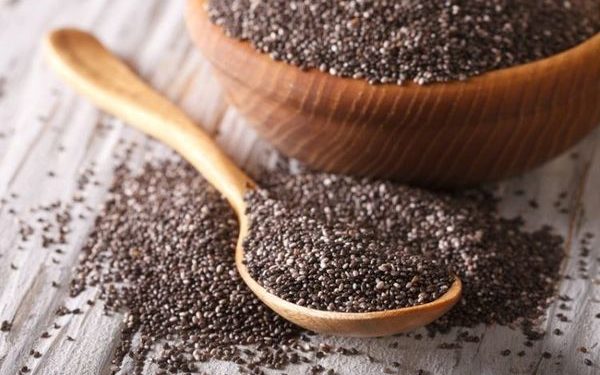
Chia Seeds: Health benefits, nutritional value, health risks

One of the most nutritional edible seeds available to us, chia seeds are among the healthiest superfoods on the planet. It belongs to the salvia hispanica family, native to central and southern Mexico and Guatemala and a part of the mint family. While its nutritional values surfaced in recent times, chia seeds date back to the Aztec Civilization in the 16th century.
Rich in fiber, protein, and other healthy nutrients, chia seeds can be incorporated with almost everything. Whether you choose to have a wholesome breakfast cereal or drink a delicious smoothie, a spoonful of chia seeds can boost your immunity and provide your body with all the essential nutrients.

Nutritional value in chia seeds

Unlike any other food, chia seeds are a powerhouse of nutrients and vitamins. That said, one cup of chia seeds can provide you with a wholesome of nutrition. Here’s a brief look at what it holds.
– 5 grams (g) fiber
– 2 g protein

– 6 g carbs

– 5 g fat (1 g saturated, 7 g polyunsaturated, 1 g monounsaturated, and 0 g trans)

– 7 mg calcium – 2 mg phosphorus

– 8 mg potassium

– 5 IU vitamin A

– 2 mg vitamin C
– 1 mg vitamin E

Possible health benefits of adding chia seeds to your diet
While chia seeds are loaded with nutrients, it can have a positive impact on both your body and your brain. That said, here are some of the effective health benefits of chia seeds.

Chia seeds can aid in weight loss
Chia seeds are rich in fiber and protein, both of which can aid in weight loss. The soluble fiber expands in the stomach and keeps you satiated for a longer period of time, keeping extra and unnecessary calories at bay. Similarly, protein in chia seeds could help reduce appetite and calorie intake. This facilitates effective and healthy weight loss in the long run.

Packed with antioxidants
Chia seeds are a potential source of antioxidants such as chlorogenic acid, caffeic acid, myricetin, quercetin, and kaempferol, which can combat the production of free radicals. Therefore, it can assist your body in fighting chronic illnesses like cancer and can prevent premature aging.

Loaded with Omega-3 Fatty Acids
According to a review in the Journal of Food Science and Technology, chia seeds are a fantastic source of omega-3 fatty acids. This in turn helps reduce the risk of cardiovascular diseases and blood clots in people.

Improves bone health
Chia seeds are packed with calcium, phosphorus, magnesium, and protein, which not only enhances energy levels in the body but also improves bone health and density.

Lowers blood sugar levels
High blood sugar levels can be associated with an increased risk of several chronic diseases, including heart disease. Due to its high fiber content, chia seeds slow down the absorption of sugar, hence decreasing the level of blood sugar in the body.

Health risks associated with chia seeds
Chia seeds come with a load of nutritional values and is a wonderful superfood that goes with almost anything. However, too much of it can also cause various health issues. While one tbsp of chia seeds is sufficient and wholesome, going overboard with it can have a negative effect on you.

Excess consumption of chia seeds can often lead to digestive issues. Its high fibre content can prove too strong for your gut and therefore, it is crucial that you increase your intake gradually and drink a lot of water.

While chia seeds are healthy and nutritious, many studies have claimed that the benefits of chia seeds originate from their incorporation with different wholesome diets.

Some studies have also claimed that eating chia seeds alone can be dangerous too. According to a case study presented to the American College of Gastroenterology in 2014, a patient who first ate chia seeds and then drank some water experienced a blockage in the esophagus. This as per the study was caused because the chia seeds absorbed the water and grew in size and expanded in the throat. Therefore, in order to avoid this, one must either cook them or mix them with water first.

Categories
COVID-19 Medicine & Health

First coronavirus vaccine shots likely on January 13: Health Ministry

Addressing the media, health ministry secretary Rajesh Bhushan said that “based on the feedback of dry-run”, the government is ready to introduce coronavirus vaccine “within 10 days from the date of emergency use authorization.

Union Health Ministry announced on Tuesday that coronavirus vaccines will be rolled out within 10 days of granting emergency use approval based on the feedback of dry-run across the country.

The announcement by the ministry comes just days after the DCGI (Drugs Controller General of India) approved Oxford-AstraZeneca COVID-19 vaccine, Covishield, domestically manufactured by the Serum Institute of India and Bharat Biotech’s indigenous Covaxin for restricted emergency use.

Addressing the media, health ministry secretary Rajesh Bhushan said that “based on the feedback of dry-run”, the government is ready to introduce coronavirus vaccine “within 10 days from the date of emergency use authorization.

The ministry also put forward the CoWIN Delivery Management plan. “There are 4 primary vaccine stores called GMSD located in Karnal, Mumbai, Chennai, and Kolkata, and there are 37 vaccine stores in the country. They store vaccines in bulk and distribute further,” Bhushan informed during a press briefing, adding that the vaccine will further be taken from these stores and taken to sub-centers “via passive equipment like rice boxes.”

India’s drugs regulator DCGI had on Sunday approved Oxford University’s Covid-19 vaccine ‘Covishield’ being manufactured by the Serum Institute, and the indigenously developed ‘Covaxin’ manufactured by Bharat Biotech for restricted emergency use in the country, paving way for a massive inoculation drive.

Categories
COVID-19 Government Guidelines Medical Updates Medicine & Health

India will have happy New Year with something in hand: DCGI on Covid vax

As India awaits with bated breath for a silver bullet against coronavirus, the Drug Controller General of India(DCGI) on Thursday hinted at the approval of vaccine and said the country will have a ‘happy new year with something in hand.’

The drug regulator is currently analyzing the data submitted by Serum Institute of India, which is manufacturing Oxford-AstraZeneca vaccine and Bharat Biotech, which is making indigenous vaccine in collaboration with ICMR. The expert panel will convene a meeting on January 1 on this.

“The industry and research organisation have stood the test of time. It has been a very wonderful experience. Probably, we will have a happy new year with something in hand. That is what I can hint at,” Drug Controller General of India (DCGI) V G Somani said.

On Wednesday, the Subject Expert Committee (SEC) of the Central Drugs Standard Control Organisation (CDSCO) had met to consider the Emergency Use Authorisation (EUA) request of Pfizer, Serum Institute of India and Bharat Biotech Private Limited.

Further time was, however, requested on behalf of Pfizer. Additional data and information presented by SII and Bharat Biotech was then perused and analysed by the expert panel. The analysis of the additional data and information is going on and it will convene again on January 1, the Centre had said in a statement.

America’s Pfizer was the first one to apply for the accelerated approval on December 4, followed by Serum and Bharat Biotech who applied on December 6 and 7, respectively. Pfizer had, however, requested more time to make a presentation before the committee.

On December 9, the Subject Expert Committee asked Serum Institute of India and Bharat Biotech to submit more data and information to get approval.

The expert panel had then recommended Serum to submit the outcome of the assessment of the UK-MHRA for grant of emergency use approval, the updated safety data of the Phase II/III clinical trial and immunogenicity data from the clinical trial in the UK and India.

Bharat Biotech was recommended to present the safety and efficacy data from the ongoing Phase III clinical trial in the country for further consideration.

Their applications were reviewed again on Wednesday hours after the UK accepted the recommendation of the Medicines and Healthcare Regulatory Agency (MHRA) to authorise Oxford University-AstraZeneca’s Covid-19 vaccine, named Covishield, for emergency use.

The authorisation was significant for India as the Pune-based Serum Institute of India had tied up with the company to conduct clinical trials and manufacture vaccine.

source: https://health.economictimes.indiatimes.com/

Categories
Medical Updates Medicine & Health

India’s first indigenous pneumonia vaccine by SII launched

The first indigenous vaccine against pneumonia, developed by the Serum Institute of India (SII), was launched by Union health minister Harsh Vardhan on Monday. The vaccine would be sold under the name ‘Pneumosil’ and would be available either as a single dose in a vial and pre-filled syringe or as multidose in vials at affordable prices, the Union ministry of health and family welfare (MoHFW) said in a statement.

The pneumococcal conjugate vaccine (PCV) would be used to treat pneumonia in children and has been developed by SII in collaboration with other partners like the Bill and Melinda Gates Foundation, the statement said. Vardhan said that the vaccine has been developed during the Covid-19 pandemic time and is also in line with the Aatmanirbhar Bharat program (self-reliant India) of Prime Minister Narendra Modi.

“Pneumosil has been extensively evaluated in 5 randomized controlled clinical trials and has demonstrated comparable safety and immunogenicity against licensed pneumococcal vaccines across diverse populations of India and Africa, where Pneumosil was administered to adults, toddlers and infants using different vaccination schedules,” Vardhan said. He also said the vaccine has proven safe during these trials and has prevented pneumonia following which the Drugs Controller General (India) approved the vaccine in July 2020 after the approval from the subject expert committee (SEC).

Hailing SII, the world’s largest manufacturer of vaccines by the number of doses produced, the minister said, “Serum Institute’s vaccines are used in 170 countries and every third child in the world is immunized with the manufacturer’s vaccine.” He also appreciated India’s scientific and medical fraternity, saying that the indigenous vaccine would reduce India’s dependency on high priced PCVs from foreign manufacturers.

During the launch of the vaccine, the health minister also noted that pneumonia accounts for nearly 1 million deaths worldwide and is the single largest infectious cause of death among children under five years of age.

Categories
COVID-19 Medical Updates Medicine & Health

New coronavirus strain still not found in India: Health official

India has not witnessed any significant mutation of COVID-19 causing SARS-CoV2 virus so far, the central government said on Tuesday.  adding that it was stepping up efforts to conduct  genome sequencing of the samples of recent travellers from the UK.

“Our labs have done genome sequencing of thousands of viruses isolated in the country and so far there is no signal or any significant mutation in India. But because we live in an interconnected world and Australia and Denmark have reported variants of the virus, we have prioritised genome sequencing of recent samples from incoming passengers from the UK,” VK Paul, a member of NITI Aayog, said.

He said the UK mutation was not a cause for worry but yes it did call for heightened vigilance to ensure India doesn’t squander the gains made so far in pandemic management.

“It’s not a cause for panic. We can say that based on our deep assessment of current data. The new variant of the virus is more transmissible but doesn’t have a greater propensity for death, hospitalisation or severe disease. Nor does it impact the potential of vaccines being developed in India and available elsewhere in the world. So yet we need to be watchful to preserve our gains by intensifying COVID appropriate behaviours and avoiding crowding but no cause for panic,” Paul said.

The new variant of the COVID virus as reported by the UK has 17 changes, the most significant being to its spike protein which the virus used to bind to human cells.

The UK mutation has increased the ability of the virus to infect which in itself is a challenge, said Paul calling for caution on a day when India issued fresh protocols to test everyone coming in or transiting through the UK through the last four weeks.

source:https://www.tribuneindia.com/