Categories
COVID-19 Medical Updates

Gilead announces steps to expand availability of remdesivir in India

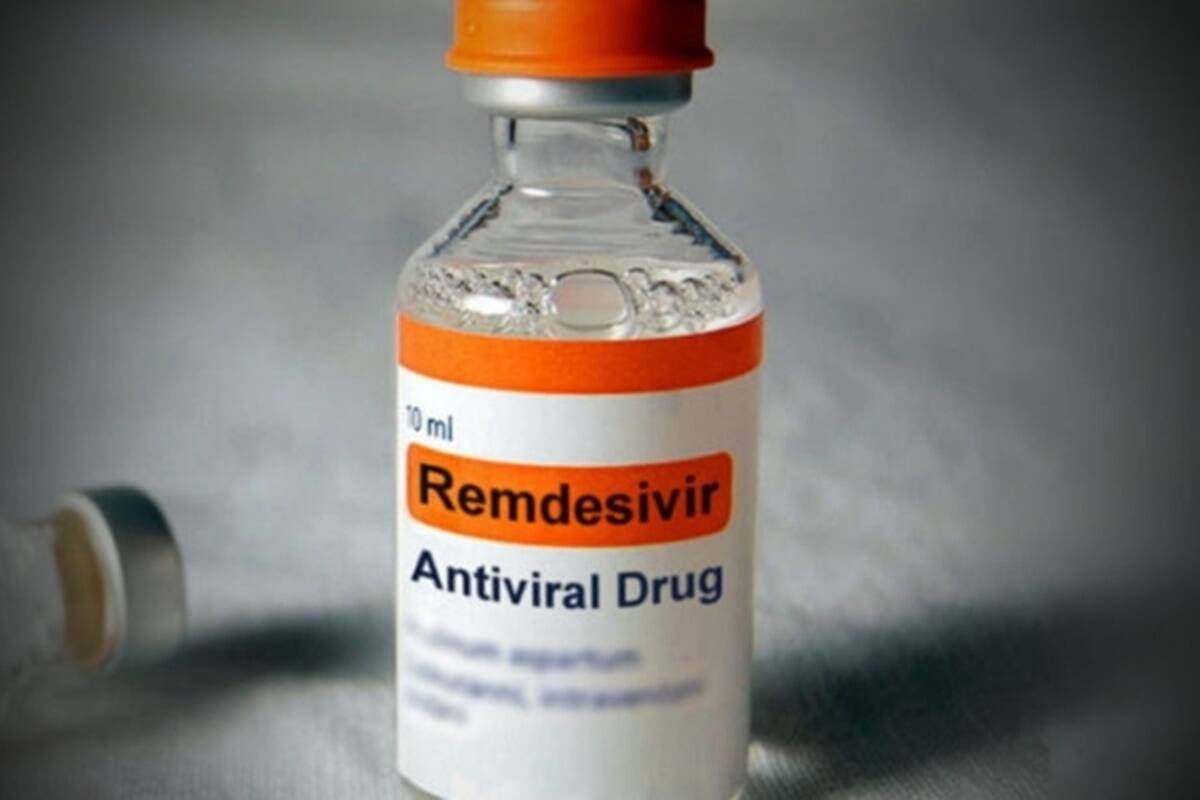
American biopharmaceutical company Gilead has announced steps to expand the availability of remdesivir, a key therapeutic medicine used in the treatment of COVID-19 patients, in India. The recent surge of COVID-19 cases in India is having a devastating impact on communities and has created unprecedented pressure on health systems, Johanna Mercier, chief commercial officer of Gilead Sciences said on Monday.

The company announced that it was providing its voluntary licensing partners technical assistance, support for addition of new local manufacturing facilities and donation of active pharmaceutical ingredient (API) to rapidly scale up the production of remdesivir. Remdesivir is approved in India for restricted emergency use for the treatment of suspected or laboratory-confirmed COVID-19 in adults and children hospitalised with severe disease.

In addition to providing support to its licensees to expand their local manufacturing capacity, Gilead will also donate at least 450,000 vials of Veklury (remdesivir) to help address the immediate needs of Indian patients, the company said. We are committed to doing our part to help tackle this crisis. Our immediate focus is to help address the needs of patients in India who may benefit from remdesivir as quickly as we can by working together with the government, health authorities and our voluntary licensees, Mercier said.

All seven of Gilead’s licensees based in India have significantly accelerated production of remdesivir by scaling up their batch sizes, adding new manufacturing facilities and/or onboarding local contract manufacturers across the country, it said. While these efforts are expected to increase the availability of remdesivir in the coming weeks, Gilead said that it will also donate at least 450,000 vials of Veklury to the government of India to help ease the immediate need for treatment.

Gilead’s voluntary licensing program for remdesivir, established in May 2020, has already enabled access to the drug for more than 2.3 million people in more than 60 low and middle-income countries. The program, which builds on Gilead’s pioneering voluntary licensing model for its HIV and viral hepatitis medicines, provides long-term licences to nine manufacturers, seven of which are based in India, to enable access to remdesivir in 127 countries.
Categories
COVID-19 Government Guidelines

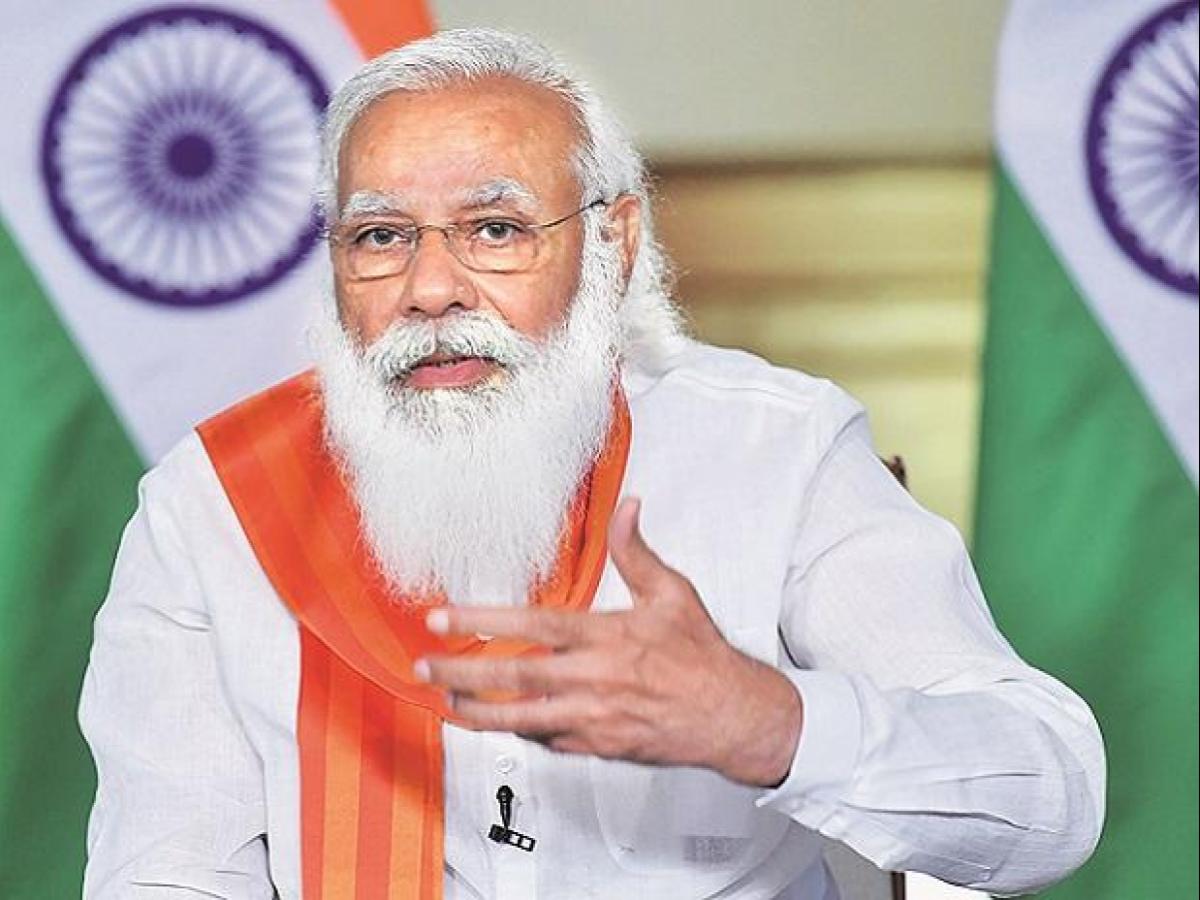
Save India from lockdown, follow COVID-19 appropriate behaviour, says PM Narendra Modi

Prime Minister Narendra Modi on Tuesday said India has to be saved from a lockdown. He said the state governments should impose lockdown as a last resort. He said if people follow COVID-appropriate behaviour then lockdown, curfew will not be required. The remarks come amid a massive surge in coronavirus cases across the country.

“We have to save the country from a lockdown. States must use micro containment zones as the go-to strategy,” Modi said in his address to the nation on the COVID-19 situation in the country.

He appealed to the youth to help in enforcing COVID-19 appropriate behaviour. “People must not leave their homes unless really necessary. I appeal to children to make sure that family members do not step out without reason or work,” Modi said.

India’s total tally of COVID-19 cases crossed the 1.50-crore mark, while the active cases surpassed the 20-lakh mark, according to the latest Union Health Ministry data. “Things were under control a few weeks ago. The second wave of coronavirus has hit India like a storm. I express my condolences to the families of those who lost their dear ones,” said Modi.

Modi raised the issue of the increase in demand for oxygen and said steps are being taken to transport medical oxygen where needed. “Centre, states, and private sector are working to bridge oxygen deficit. Efforts are on at various levels to increase oxygen production & supply,” he said. He added that even pharma companies are working round the clock and medicines are being manufactured at a greater speed.

Over 12 crore people are being administered vaccine doses. “Today, the world’s cheapest vaccine is in India. We also took an important decision to vaccinate all those who are above 18 years of age from May 1,” he said. The vaccine would be provided free of cost at all the government hospitals. “Our aim is not only to save lives but also ensure that economic activity is least disrupted,” he said.

Modi urged the migrant workers to stay in the cities wherever they are. He said that the states would arrange for their vaccination. This comes after hundreds were seen leaving the cities where lockdown and curfews were announced.

Modi thanked doctors, paramedical staff, sanitation workers, police staff for their selfless service to save people’s lives in this difficult time.

Modi also had a meeting with vaccine manufacturers in the evening and applauded their achievements and professionalism. He said that the biggest strengths of the vaccine industry are its ‘Samarthya, Sansadhan and Seva Bhaav’.

On Monday, Modi interacted with leading doctors from across the country and with top pharma companies via video conferencing, officials said. Modi has been holding regular meetings to deal with the emerging pandemic situation.

source: https://www.cnbctv18.com/

Categories
COVID-19 Government Guidelines

COVID-19 vaccinations near 12 crore-mark in India: Health Ministry

A total of 66,689 COVID Vaccination Centres (CVCs) were operational, marking a rise of an average of 21,689 operational centres (45,000 CVCs on an average are functional on any given day).

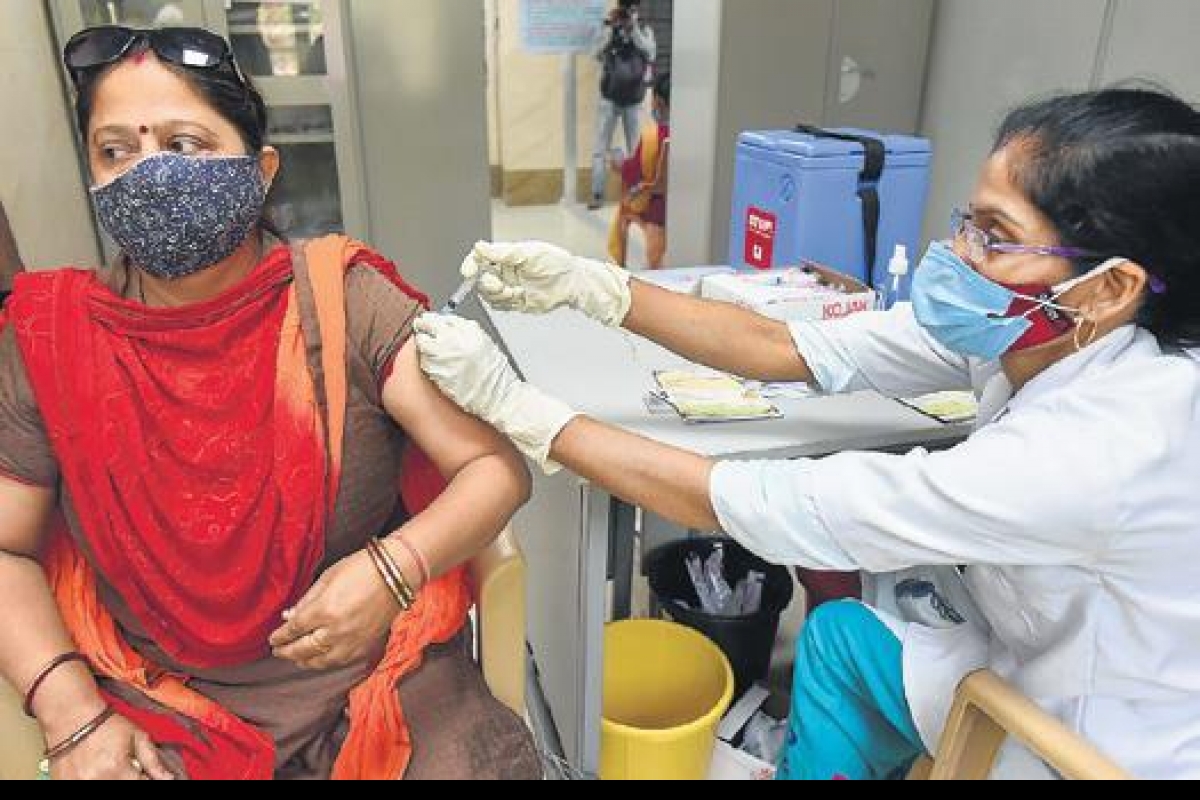
The total number of COVID-19 vaccine doses administered in the country approached the 12 crore-mark on Friday with more than 26.14 lakh doses being given till 8 pm, the Union Health Ministry said on Friday.

A total of 66,689 COVID Vaccination Centres (CVCs) were operational, marking a rise of an average of 21,689 operational centres (45,000 CVCs on an average are functional on any given day).

Workplace vaccinations have also enabled such a high turnout of beneficiaries, it said. The cumulative number of COVID-19 vaccine doses administered in the country stands at 11,97,87,239, according to the 8 pm provisional report.

These include 91,04,680 healthcare workers (HCWs) who have taken the first dose and 56,69,734 HCWs who have taken the second dose, 1,06,58,497 frontline workers (FLWs) who have received the first dose and 52,94,889 FLWs who have taken the second dose.

Besides, 3,96,39,132 and 10,44,958 beneficiaries over 45 to 60 years old have been administered the first and second dose, respectively, while 4,48,99,446 and 34,75,903 people aged above 60 have taken the first and second dose, respectively.

Total 26,14,326 vaccine doses were given till 8 pm on Friday, the ninety-first day of the nationwide COVID-19 vaccination drive.

Out of which 19,91,780 beneficiaries were vaccinated for the first dose and 6,22,546 beneficiaries received the second dose of the vaccine according to the provisional report, the ministry said, adding that final reports would be completed for the day by late night.

The countrywide vaccination drive was rolled out on January 16 with healthcare workers getting inoculated and vaccination of frontline workers started from February 2.

The next phase of COVID-19 vaccination commenced from March 1 for those over 60 years of age and for people aged 45 and above with specified co-morbid conditions. India launched vaccination for all people aged more than 45 from April 1.

source: https://www.newindianexpress.com/

Categories
COVID-19 Medical Updates

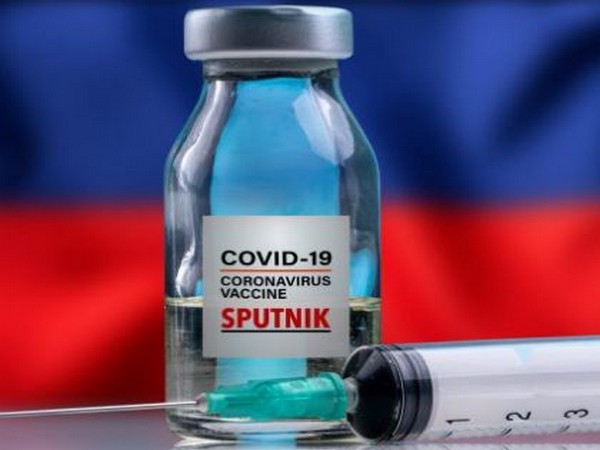
DCGI approves SEC’s emergency use recommendation for Sputnik V vaccine

Sputnik V, backed by the RDIF, already has production agreements in India to produce 852 million doses.

India has authorized emergency use of Russia’s Sputnik V Covid-19 vaccine, the health ministry said Tuesday, as infection rates soar to record highs and some major cities boost their hospital bed capacity. Sputnik V is the third vaccine to be approved by India after the Oxford-AstraZeneca shot and Covaxin, which was developed by Indian firm Bharat Biotech. The recommendation of an expert panel(SEC) had been accepted to authorize its use, the health ministry said in a statement.

“The SEC recommended for grant of permission for restricted use in emergency situations subject to various regulatory provisions.”

G.V. Prasad, the co-chair of pharmaceutical company Dr. Reddy’s Laboratories, said his firm was “very pleased to obtain the emergency use authorization”.

“With the rising cases in India, vaccination is the most effective tool in our battle against COVID-19,” he added.

The South Asian nation of 1.3 billion people has been battling a huge surge in virus cases in recent weeks that has prompted night curfews and a clampdown on movement and activities.

India on Monday reported more than 161,000 new cases – the seventh consecutive day that more than 100,000 infections have been recorded.

In India’s financial and film capital Mumbai, city authorities said Monday that three more field hospitals, each with 2,000 beds including 200 for intensive care, would be built in the next six weeks.

In the national capital New Delhi, officials said Monday that the number of beds for Covid-19 patients would be ramped up, while 14 larger hospitals would be turned into dedicated virus facilities.

The chief minister in New Delhi has said that two-thirds of new COVID-19 patients were younger than 45.

Sputnik V, backed by the Russian Direct Investment Fund (RDIF), already has production agreements in India to produce 852 million doses.

RDIF chief executive Kirill Dmitriev said in a statement that the approval was a “major milestone” after “extensive cooperation” on clinical trials of the shot in India.

Experts welcomed the authorization but warned that the vaccine was unlikely to be available for use in the near term.

“It’s good news as it will boost the supply of vaccines in India… but it’s not going to do too much for the current surge (in cases),” virologist Shahid Jameel told AFP.

Dmitriev told Indian broadcaster NDTV that the first doses could be ready by late April or May, with ramped up production by June.

“We believe by June, we will really be at good production capacity in India and will become a very meaningful player in vaccination program in India,” he added.

India, home to the world’s biggest vaccine manufacturer, kicked off its inoculation drive in mid-January and has administered more than 108 million shots so far.

But the government’s ambitious goal of vaccinating 300 million people by the end of July has been hit by reports of stock shortages in some states and vaccine hesitancy.

The government has also slowed its export of jabs due to the rise in cases

Categories
COVID-19 Medicine & Health

Serum Institute’s clinical trial for Covovax covid-19 vaccine begins

Under the trial protocol, 460 participants will be part of a cohort to determine whether the vaccine manufactured by Serum Institute provides the same immune response as the one developed by Novavax.

Serum Institute of India’s phase 2 and 3 bridging study of 1,600 participants for the covid-19 vaccine Covovax has started at one of the trial sites in Pune, with at least one more site expected to begin screening as early as Tuesday, two people aware of the development said, on condition of anonymity.

“The trials have started at a hospital in Pune on Thursday. More will start enrolling soon,” one of the sources said.

Another clinical trial site Hamdard Institute of Medical Sciences and Research at New Delhi will begin screening of some participants on Tuesday, another source said.

A spokesperson for Serum Institute decline to comment on the commencement of Covovax trials.

Covovax is Serum Institute’s version of the covid-19 vaccine developed by US-based Novavax, which earlier this month had announced that the jabs have an efficacy of 96% against the original strain determined in a phase 3 trial conducted in the UK. This is the highest efficacy so far achieved for a covid-19 vaccine against the original strain of the coronavirus.

However, the efficacy of the vaccine dropped to 86.3% against the mutant variant that is now the dominant strain in the UK. On average, the efficacy of the vaccine was 89.7%, the company had said.

In another phase 2 trial conducted in South Africa, where another mutant variant is dominant, the overall efficacy dropped to 48.6%.

While the efficacy is lower against the mutant strains, the vaccine still has shown better results as compared to the jab co-developed by AstraZeneca plc and the University of Oxford. In a trial result published with the New England Journal of Medicine earlier this month, the vaccine was found to have only a 10.4% efficacy against the South Africa variant of the coronavirus.

Serum Institute also contract manufactures the AstraZeneca vaccine under the brand Covishield, which is the most-widely available jab in India as well as World Health Organization-led Covax.

The Pune-based company expects to launch Covovax by August, but will start stockpiling the vaccine from April, chief executive officer Adar Poonawalla had said at the Bloomberg Equity Summit earlier this month. The company will be manufacturing 1 billion doses of the vaccine, which will be supplied to both India and Covax.

The trial of 1,600 participants will be conducted at 19 sites across the country, including the Hamdard Institute and All India Institute of Medical Sciences at Delhi, Sahyadri Super specialty Hospital, Noble Hospital and Dr. D. Y. Patil Medical College, Hospital and Research Centre at Pune and School of Tropical Medicine at Kolkata.

Under the trial protocol, 460 participants will be part of a cohort to determine whether the vaccine manufactured by Serum Institute provides the same immune response as the one developed by Novavax. While three-fourths of these will get Covovax, the remaining will be administered Novavax’s vaccine.

The 1,140 participants will be in the cohort for determining safety of the vaccine, with three-fourths getting Covovax, and the rest a placebo.

source: https://www.livemint.com/

Categories
COVID-19 Government Guidelines Medicine & Health

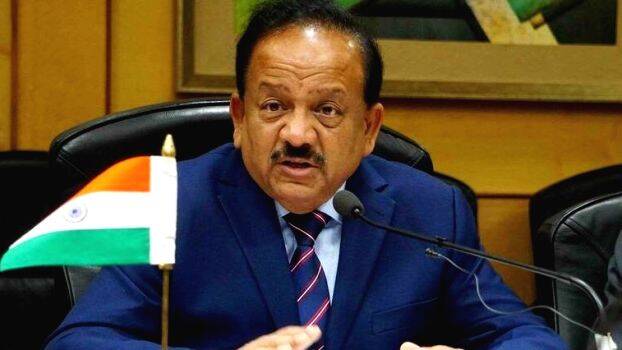
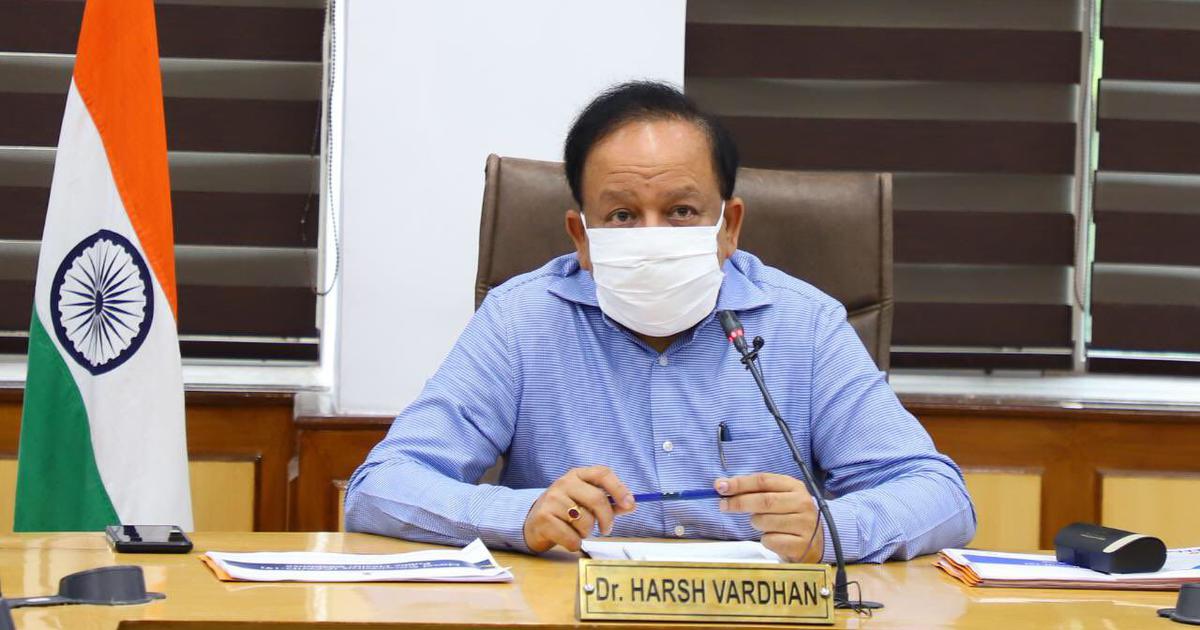
Over six Covid-19 vaccines to come up in India, says Health Minister Harsh Vardhan

Union Health Minister Harsh Vardhan has said that more than six Covid-19 vaccines will come up in India.

He also said that 1.84 crore coronavirus vaccine doses have been administered till Saturday morning, while 23 crore tests have been conducted.

The latest figures from the Health Ministry say that 2.91 crore people had been vaccinated till 7 pm on Saturday.

“India has developed two vaccines, which have been given to 71 countries. Many more nations are seeking the vaccines, and these are not little-known nations…Canada, Brazil and other developed countries are using Indian vaccines with a great zeal,” he said.

“More than half a dozen vaccines are going to come up,” he said.

“Till Saturday morning, 1.84 crore vaccine shots have been given in the country and 20 lakh people were inoculated yesterday,” the minister added.

He was speaking while inaugurating the new green campus of the National Institute of Research in Environmental Health near here.

Prime Minister Narendra Modi wants to create a new India to turn it into a ‘vishwa guru’ (world leader), he added.

“Respect science. There is a need to end politics over it (vaccine) given that it is a scientific fight not a political one. That is why we should work unitedly,” Vardhan said.

The efforts of our scientists are praiseworthy as due to their labour we have achieved all this. Year 2020, apart from being a COVID-19 year, will be remembered as the year of science and scientists, he added.

He said that initially there was only one laboratory in India for COVID-19 testing. “But we have 2,412 testing facilities now,” he added.

“We were the first in the world to isolate the coronavirus. We isolated its mutation. And our scientists helped the ICMR in vaccine. People have praised it (vaccine). Some people tried to create confusion, but truth is unbeatable,” he said.

Talking about the rising infection cases, the minister said this “disturbing trend” was due to the carelessness and misunderstanding.

“People think that as the vaccine has come and all is well now,” he said, while urging them to follow the COVID-19 rules for protection against the virus.

Vaccine update in India

According to a provision report, of the 2,91,92,547 doses administered till now, 73,31,498 were given to healthcare and 72,96,474 frontline workers who have taken the first dose, and 42,58,297 healthcare and 10,53,732 frontline workers who have been given the second dose.

As many as 78,66,241 senior citizens and 13,86,305 aged 45 and above with specific comorbidities have received vaccine doses.

“A total of 9,74,090 vaccine doses were given till 7 pm on Saturday, the 57th day of the nationwide COVID19 vaccination.

“Of these, 8,05,014 beneficiaries were vaccinated for the first dose and 1,69,076 healthcare and frontline workers received the second dose of vaccine according to the provisional report. The final report for the day would be completed by late in the night,” the ministry said in a statement.

The countrywide vaccination drive was rolled out on January 16 with healthcare workers getting inoculated and vaccination of the frontline workers started from February 2.

The next phase of COVID-19 vaccination commenced on March 1 for those who are above 60 years of age and for people aged 45 and above with specified comorbid conditions.

Categories
COVID-19 Government Guidelines

Covid-19 vaccine for 60-plus and above 45 with comorbidity from March 1

People aged more than 60 years and those who are 45 plus and have comorbidities will be able to get a vaccine against Covid-19 at a government centre or a private hospital from March 1.

Announcing this, the central government on Wednesday said people above 45 years of age will have to show a certificate stating they have comorbidities.

Addressing a press briefing on Cabinet decisions, Union minister Prakash Javadekar said the vaccination will be carried out at more than 10,000 government centres and over 20,000 private vaccination centres across the country.

“From March 1, people above 60 years of age and those above 45 years of age with comorbidities will be vaccinated at 10,000 government and over 20,000 private vaccination centres,” Prakash Javadekar said.

Free Covid-19 vaccine at govt centres

The minister said Covid-19 vaccine will be provided free-of-cost at government centres.

However, people will have to pay for the vaccine if they get it from a private centre.

“Those who want to get vaccinated from private hospitals will have to pay. The amount they would need to pay will be decided by the Union Health Ministry within three-four days as they are in discussion with vaccine manufacturers and hospitals,” Prakash Javadekar said.

This is part of the next phase of India’s nationwide Covid-19 vaccination that started on January,16. In the first phase of the vaccination drive, healthcare workers on Covid-19 duty were vaccinated. The second phase covered other frontline workers and people engaged in essential services.

Age limit increased from 50 to 60 years

Government sources privy to the development said earlier all people aged more than 50 years were to be covered in this phase of vaccination, but the government later decided to fix the eligibility age limit at 60 years.

The number of people aged more than 60 years in India is less than those who fall in the age group of 45 to 50 plus.

Sources say, during Covid-19 vaccination, data of only those who are more than 60 years will be recorded in the Co-Win app for free vaccines at government hospitals.

So far, India has approved only two vaccines for it’s Covid-19 vaccination drive. The first one is Covishield which has been developed by the Oxford University and AstraZeneca and is being manufactured by the Serum Institute of India.

The second vaccine is Covaxin, developed and manufactured by Bharat Biotech.

It is unclear at present if people will have a choice to select which vaccine they would like to take.

source: https://www.indiatoday.in/

Categories
COVID-19 Government Guidelines Medical Updates

Arunachal emerges as state with best Covid recovery rate: Health ministry

Frontier state Arunachal Pradesh has emerged as the state with the best Covid recovery fee within the nation, touching almost 99.56%, stated the Union well being ministry on Tuesday.
Union Territories, nonetheless, have come up with a greater report. Daman and Diu, Dadra and Nagar Haveli are marginally forward with a recovery fee of 99.88%.

The virus made deep penetration into the state regardless of the fortified Line of Actual Control negating the potential of the virus being bodily transmitted into the state. But the unfold of the an infection resulted within the expulsion of staff from neighboring Assam and different states in the course of the months of lockdown.
Many imagine, the tough terrain was a bonus throughout as it naturally remoted dwellers. “The terrain has been the main reason why we have been less affected. Even now about 700 people are getting tested. The rate is very good for a state with a population of 14-15 lakh,” stated Arunachal Pradesh well being secretary P Parthiban. He added that the therapy protocol was adopted even in essentially the most distant districts to isolate instances in early phases. “It’s not only the recovery rate, the death rate is also one of the lowest in the state,” he stated.
Stringent measures have been adopted even to examine vans bringing in necessities from different states into ILP (inside line allow) protected Arunachal.

From October onwards, as soon as the festive season unfurled, many in different states, began flouting Covid security guidelines. Masks and social distance have been put aside. But in Arunachal, the screenings continued at about 11 entry factors until about December final 12 months.

While the nation’s Covid-19 recovery fee has touched 97.32%, among the many best on the earth, seven NE states, excluding Sikkim, have higher recovery proportion than the nationwide common. Arunachal Pradesh is adopted by Mizoram (99.36). The different 5 NE states which are among the many 31 states and UTs with higher than nationwide common are Tripura (98.82), Nagaland (98.80), Assam (98.76), Manipur (98.46) and Meghalaya (98.02).

As on February 16 (until 8 am), the cumulative variety of healthcare and frontline staff vaccinated towards Covid-19 within the nation surpassed 87 lakh. Assam stays approach forward of different NE states by way of vaccination. Including each doses, a complete 1,32,475 healthcare staff have been vaccinated within the state.

source : https://newsrush.in/news/

Categories
COVID-19 Medical Updates

Indian vaccines are safe, says Health Minister Harsh Vardhan

Troubled by fears of a significant section of health care workers refusing to come forward to get vaccinated against Covid-19, the government on Thursday released a set of IEC (Information Education and Communication) posters to address the issue of vaccine hesitancy.

“The paradox is that countries across the world are asking us for access to vaccines while a section of our own is fomenting misinformation and doubts for narrow political ends,” Health Minister Harsh Vardhan said while releasing the posters.

There have been reports that many healthcare workers, mainly paramedical personnel, have stayed away from taking vaccine shots, thus reducing the number of vaccinations carried out in various States. Vaccine hesitance was the second major reason, after the glitches in Co-WIN software, for the poor realization of vaccinations in many States so far.

“Let us put a stop to these falsehoods,” Vardhan said urging people to seek correct information from authentic sources.

Explaining the role of vaccination in eradicating diseases, the Minister said, “The elimination of polio and smallpox was made possible by large scale immunization. Once immunized, not only that person is not capable of catching the disease, he/she is also unable to transmit the disease to others thus passing on the social benefit to the larger society he/she interacts with….Vaccination against Covid will similarly create persons incapable of transmitting the disease and eradicate the disease altogether in some time.”

All eminent doctors of well-known hospitals have taken the vaccine and praised the exercise for its desired end. It is only a handful of vested political interests who are interested in spreading rumors and encouraging vaccine hesitancy among those vulnerable to such propaganda,” he said. Prominent doctors along with many other healthcare workers in the government and private sector have taken the Covid-19 vaccine and have returned to their work without any side effects, the Minister added.

Categories
COVID-19 Government Guidelines Medical Updates

Delhi govt identifies 89 sites, health care workers to be vaccinated first: Satyendra Jain

As the country is all set to begin vaccination drive against the coronavirus disease (Covid-19) from January 16, the Delhi government has identified 89 sites which include 36 state-run hospitals and 53 private hospitals, health minister Satyendar Jain said on Sunday.

Jain also said that only health workers will be administered shots against the Covid-19 in the first phase of the vaccination drive.

The list of hospitals includes AIIMS, Safdarjung, Lok Nayak, GTB, and Hindu Rao, among others. The list of private hospitals includes Max, Fortis, Apollo, BL Kapur, and Gangaram, etc. Vaccines to all the centers will be supplied by the Delhi government and will be free for the beneficiaries.

The Centre on Saturday said that the Covid-19 vaccination drive would begin in the country on January 16, when nearly 30 million healthcare and frontline workers will be inoculated. In the second phase, priority will be given to those above 50 years of age and the under-50 population groups with co-morbidities, together numbering around 27 crores.

As per the ministry, over 61,000 program managers, 200,00 vaccinators, and 370,000 other vaccination team members have been trained so far as part of the training at the states, districts, and block levels.

India’s drugs controller on January 3 granted restricted emergency approval to two companies for their Covid-19 vaccines.

The first vaccine to become available in Delhi will likely be the Oxford-AstraZeneca vaccine, called Covishield in India, and manufactured by Pune’s Serum Institute of India. The other vaccine that has been granted approval for “restricted use in emergency situations” is Bharat Biotech’s Cavoxin.

As of Sunday morning, the country has a total of 10,450,284 confirmed cases of Covid-19, according to the numbers published on the Union health ministry’s website. The number of recoveries reached 10,075,950 after more than 19,200 patients recovered from the viral disease in the span of 24 hours. More than 1.5 lakh people have died so far.

The spread of the virus has been majorly contained in the country as the daily number of new cases has dropped to less than 20,000 from a peak of almost 98,000 in September last year. However, it is still the second worst-hit country after the United States.