Categories
COVID-19 Medical Updates

India-Sweden Healthcare Innovation Centre calls for covid management solutions

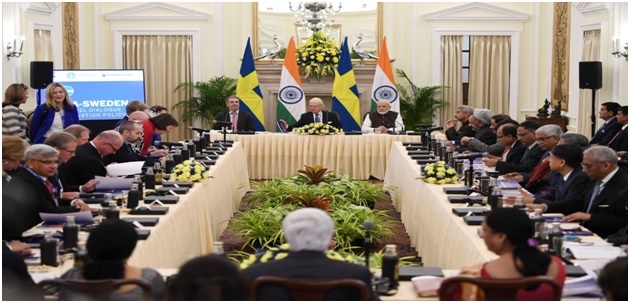
India-Sweden Healthcare Innovation Centre, a collaboration between the Swedish Trade Commissioner’s Office and All India Institute of Medical Sciences (AIIMS) Delhi and Jodhpur, on Monday virtually launched the second edition of the healthcare innovation challenge, calling for applications.

The innovation challenge is an opportunity for startups to collaborate with partners on Innovation Centre platform to help solve some of the problems plaguing India’s healthcare delivery landscape. This year’s healthcare innovation challenge focuses on solutions within covid management and solutions for awareness and treatment of cardiovascular, renal, neuro, cancer and lung diseases.

“Frugal innovation to develop cost-effective and efficient ways of healthcare delivery is the key need for Indian healthcare market. Innovators developing these solutions could leverage this platform and avail mentorship and guidance from our institute as well as the partners of the center to develop solutions that would benefit our country,” said Dr Randeep Guleria, director, AIIMS Delhi.

The last date for submitting applications 10 October 2021. All applications will undergo a rigorous evaluation process by a panel of experts such as AIIMS Delhi, AIIMS Jodhpur, ICMR, AstraZeneca, NASSCOM, CCamp, AIM, Invest India and various funding entities.

“Healthcare systems in India are undergoing a rapid transformation post the pandemic. Early screening and awareness tools, wearable tracking devices, remote monitoring solutions and digital tools are critical in creating a more strong and sustainable healthcare system in India. Innovators in these areas can avail the incubation facility, expert mentorship and validate the solutions at our campus through India-Sweden Healthcare innovation centre to further enhance their products and scale-up of solutions,” Dr Sanjeev Misra, Director, AIIMS Jodhpur said.

Shortlisted startups will collaborate with India-Sweden Healthcare Innovation Centre to enable faster scale up, cross-country mentorship, access to state-of-the-art incubation centre located within AIIMS Jodhpur and NASSCOM Bangalore campus, lab facilities, guidance on funding, and the ability to ideate with like-minded innovators from across India and beyond.

The first edition of the healthcare innovation challenge had seen an overwhelming response of 450+ applications from innovators and startups last year. Post a rigorous evaluation process by a panel of doctors, venture capitalists and industry leaders, 14 compelling solutions submitted by innovators were selected.

The Innovation Centre is built under strategic guidance from the Union health ministry, the Indian Council of Medical Research, Sweden’s health ministry and the embassy of Sweden in India. It also has a strong network of ecosystem partners – Atal Innovation Mission, Invest India, Startup India, CCamp, Bangalore Bio-innovation Centre, Vision Zero Cancer, and knowledge partners – AstraZeneca and NASSCOM.

source: https://www.livemint.com/
Categories
COVID-19 Medical Updates Medicine & Health

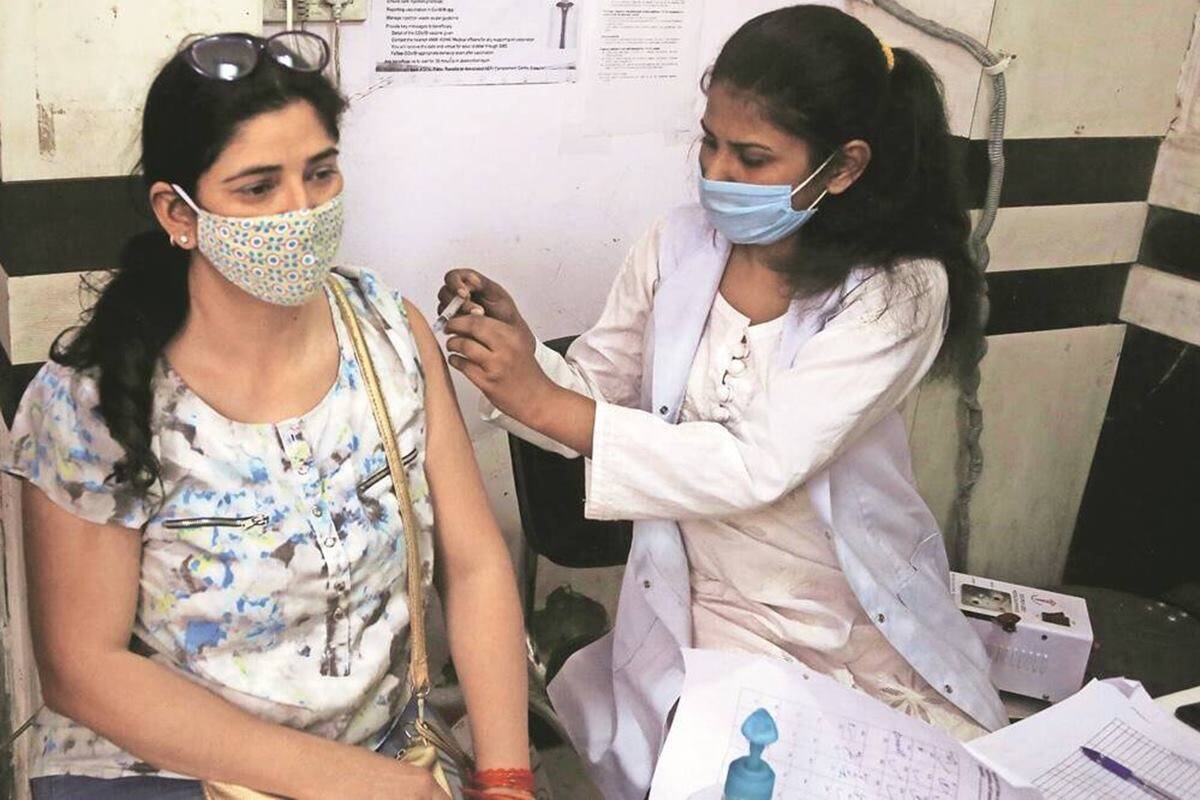
In 6 months since launch of drive: Vaccine coverage crosses 50 cr doses

Just over six months after it launched the Covid-19 vaccination drive, India on Friday completed administering a cumulative 50 crore doses.

According to the Union Health Ministry, cumulative vaccination coverage of the country touched 50.03 crore doses, after 43.29 lakh doses were administered on Friday.

“India’s fight against Covid-19 receives a strong impetus. Vaccination numbers cross the 50 crore mark. We hope to build on these numbers and ensure our citizens are vaccinated under #SabkoVaccineMuftVaccine movement,” Prime Minister Narendra Modi tweeted.

On January 16, India launched the vaccination drive prioritising healthcare and frontline workers. As of Friday, 1.03 crore healthcare workers had received their first dose, and 79.51 lakh had received both doses. Also, 1.8 crore frontline workers had received their first dose, and 1.16 crore their second dose.

On March 1, the Centre opened up vaccination for the most vulnerable groups: people above the age of 60 years, and those above 45 years with associated comorbidities. Amid the second wave, on April 1, India rolled out a new phase, making every person above the age of 45 years eligible for a shot.

According to official data, in the 60-plus age group, 7.8 crore have got the first dose and 3.8 crore the second dose. In the 45-plus age group, 11.07 crore have got the first dose and 4.19 crore the second dose.

On May 1, India expanded its vaccination coverage to include everyone aged 18 years and above; but the 18-44 age group could get vaccinated from only 50 per cent of the doses available in the open market and procured by state governments and private hospitals. On June 21, India returned to centralised procurement of vaccines, after several states faced difficulties in procuring and managing funding of vaccines.

According to the official data, 17.23 crore beneficiaries in the 18-44 years group have received their first dose, and 1.12 crore have got their second dose. Significantly, for the 18-44 years age group, which constitutes the largest cohort, five states have administered more than 1 crore doses: Uttar Pradesh, Maharashtra, Gujarat, Rajasthan and Madhya Pradesh.

The following states have vaccinated more than 10 lakh beneficiaries of the 18-44 years group with the first dose: Andhra Pradesh, Assam, Chhattisgarh, Delhi, Haryana, Jharkhand, Kerala, Telangana, Himachal Pradesh, Odisha, Punjab, Uttarakhand and West Bengal.

On Friday, the Health Ministry said that 43,29,673 vaccine doses were given till 7 pm. “As many as 32,10,613 beneficiaries were vaccinated for 1st dose and 11,19,060 beneficiaries received 2nd dose of vaccine as per the provisional report till 7 pm. Final reports would be completed for the day by late tonight,” the ministry said.

source: https://indianexpress.com/

Categories
COVID-19 Medicine & Health

Delta variant continues to be dominant lineage in new COVID-19 cases across India: INSACOG

The Delta variant of SARS-CoV2 continues to be the dominant lineage for new cases across the country, while the other Variants of Concern (VoC) are at a lower rate and declining, Indian SARS-CoV-2 Genomics Consortium (INSACOG), a consortium of government panels involved in the genome-sequencing of the coronavirus, has said.

There is currently no evidence of any new Delta sub-lineage that is of greater concern than Delta, it has said.

“Delta continues to be the dominant lineage for new cases across all parts of India in recent samples and remains the most rapidly rising lineage globally that is responsible for multiple outbreaks, including across Southeast Asia, which shows the fastest growth in new cases globally,” the INSACOG said.

Regions with high vaccination and strong public health measures, such as Singapore, continue to do well, it noted.

The Delta variant was behind the deadly second wave of the coronavirus in India that killed thousands and infected lakhs during March to May.

The INSACOG said a study by the Indian Council of Medical Research (ICMR) has confirmed that most of the clinical cases in vaccine breakthrough were infected with the Delta variant but only 9.8% cases required hospitalisation, while fatality was found to be restricted to 0.4%.

It added that the data for higher infectivity of Delta continues to grow with the secondary attack rate in household contacts being almost double for Delta, when compared to Alpha (Public Health England, July 9 update). The other VoC continue to be very low in India and are declining relative to Delta globally.

“Public health measures to reduce transmission and vaccination remain critical,” the INSACOG stressed.

No cases of the Lambda variant have so far been reported in the country, it added.

In data from the U.K., Lambda is still seen primarily in travellers or their contacts and is not growing relative to Delta.

A growing spectrum of mutations is seen in the Delta background in the U.K., the U.S. and India.

The most frequent spike protein mutations, other than K417N (AY.1/AY.2), seen in the U.K. are G446V and P251L. In India, A222V and K77T have been reported as possible markers of sub-lineages.

Previous research into the A222V mutation for either transmissibility or immune escape was negative. In the case of the K77T mutation, it has previously been reported in a cluster of Delta that spread to Asiatic lions in a zoo, and seen in sequences from Tamil Nadu, but has no known impact on transmission or immune escape in humans, the INSACOG said.

The INSACOG jointly initiated by the Union Ministry of Health and the Department of Biotechnology (DBT) with the Council for Scientific and Industrial Research (CSIR) and the ICMR, is a consortium of 28 national laboratories to monitor the genomic variations in SARS-CoV-2.

source:https://www.thehindu.com/

Categories
COVID-19 Medical Updates Medicine & Health

“Free Vaccine” Campaign Covered 30-40 Crore In 24 Days: Health Minister

India’s COVID-19 vaccination coverage has exceeded 40.64 crores, according to health ministry data updated on Monday morning.

Union Health Minister Mansukh Mandaviya on Monday said it took 85 days to inoculate 10 crore, people, against COVID-19, while due to the “vaccine for all, free vaccine” campaign, it took only 24 days to reach 30-40 crore vaccination coverage.

The new phase of universalization of COVID-19 vaccination started on June 21.

The inoculation drive has been ramped up through availability of more vaccines, advance vaccine availability to states and union territories (UTs) for better planning by them and streamlining the supply chain, according to the Union health ministry.

In the new phase, the Centre procures and supplies at no cost 75 per cent of the vaccines being produced in the country to states and UTs.

India’s COVID-19 vaccination coverage has exceeded 40.64 crore, according to health ministry data updated in Monday morning.

“The world’s largest and fastest vaccination campaign under the leadership of Prime Minister Narendra Modi is continuously creating new dimensions,” Mr Mandaviya said in a tweet in Hindi.

“In the initial days, it took 85 days to vaccinate 10 crore, while due to the ”vaccine for all, free vaccine” campaign, it took India only 24 days to touch the figure of 30 crore to 40 crore,” he tweeted.

ADVERTISING

The ministry said 40,64,81,493 vaccine doses have been administered through 50,69,232 sessions, according to the provisional report till 7 am on Monday.

It said that 13,63,123 vaccine doses were administered in a span of 24 hours.

Out of the people infected since the beginning of the pandemic, 3,03,08,456 people have already recovered from COVID-19 and 38,660 patients have recovered in a span of 24 hours.

This constitutes an overall recovery rate of 97.32 per cent, which is showing a sustained increasing trend.


source: https://www.ndtv.com/

Categories
COVID-19 Medical Updates

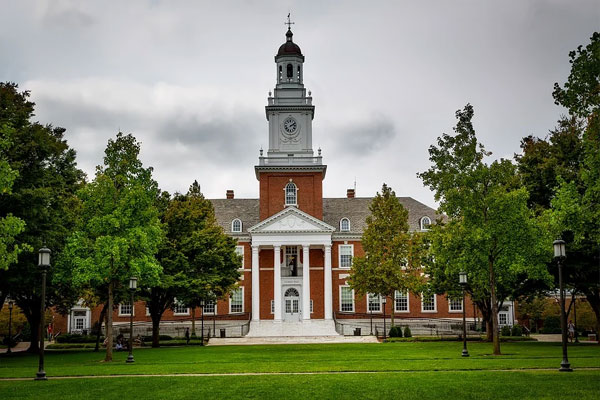
Johns Hopkins-supported App to Guide Covid Patients at Home in India

A team of developers in India has created a new app that is supported by Johns Hopkins University in the US and designed to guide people isolating at home after testing Covid-19 positive, right on their smartphones.

The Vee+ Svasa app — developed by Bengaluru and New York-headquartered IT services company Vee Technologies, and made possible by the Valliappa Foundation — delivers educational videos, information about accessing local medical care and Covid vaccines, and other content sourced by medical experts, right to users’ smartphones.

Created by a team of software developers of Vee Technologies located in Bengaluru and Salem, the app has sourced content and expertise of medical practitioners at Johns Hopkins University and Medicine in the US, the company said in a statement.

The Vee+ Svasa was enriched by the inputs of nearly 100 teams of students from Sona College of Technology who competed for a Rs 1 lakh student prize.

The winning teams that emerged from this competition — Senthil Sivaraman S, Harsh Vardhan SM, Ragul P and Shreinik Jain U — were chosen to support the app building and running process.

“We reached out to Johns Hopkins India Institute to give access to the globally accepted standard of care protocols for home isolation cases. For Indians battling the Covid pandemic, this would be immensely helpful,” said Valliappa Foundation Trustee Chocko Valliappa.

The home quarantine app has a wealth of authentic information ranging from treating oneself at home to how to isolate oneself and protect others in the family, to tips for caregivers on measuring oxygen saturation levels as well as an easy-to-understand Covid treatment flowchart.

The information and health protocols presented in the app come only from authentic sources, such as Johns Hopkins University, the Indian Council of Medical Research (ICMR) as well as the All India Institute of Medical Sciences (AIIMS).

“We were overwhelmed by the instant response of Johns Hopkins Medicine International President of global ventures and executive VP and doctor, Mohan Chellappa and his colleagues of Indian origin, to help us gain access to the globally accepted standard of care material,” Valliappa added.

The app will also feature existing services offered by state governments like locating hospital beds, vaccination centres, and doctors on tele-consultation in key cities.

The app is available on Google Play Store while iOS version of the app will be launched soon.

source: https://www.news18.com/
Categories
COVID-19 Government Guidelines Uncategorized

Pune ranks first, Delhi-NCR at bottom among top 8 cities in health infra

When it comes to health infrastructure, Pune is the most equipped city in India, shows a recent report by online real estate portal, Housing.com. The Delhi-National Capital Region (NCR), which covers the national capital, Gurugram, Faridabad, Noida, Greater Noida and Ghaziabad, was ranked the lowest in the list, primarily because of the region’s poor scores on air and water quality, sanitation and performance of municipal bodies.

Pune offers 3.5 hospital beds per 1,000 people. This is much higher than India’s national average, where there is only half a bed available per 1,000 people in the public healthcare system, shows the report, titled ‘State of Healthcare in India’, by the Elara Technologies-owned online realty firm.

According to the report that ranks health infrastructure in the country’s most urbanized eight cities of Ahmedabad, Bengaluru, Chennai, Delhi-NCR, Hyderabad, Kolkata, Mumbai (MMR), and Pune, through its Housing City Health Card, Pune also scored significantly high on parameters such as ease of living, water quality, as well as performance and sustainable initiatives taken by its local government.

These rankings are benchmarked against parameters such as number of hospital beds per 1,000 people, air quality, water quality, sanitation, liveability index and 40 per cent weightage has been given to number of hospital beds. However, Pune still struggles with public healthcare delivery, as is highlighted by the fact that it is one of the cities with high COVID-19 caseloads, the report added.

With nearly 3.2 hospital beds per 1,000 people, Ahmedabad is ranked second in the list, while India’s Silicon Valley, Bengaluru, is ranked third in spite of a high number of hospital beds per 1,000 people and its top ranking in the ease of living index.

India’s financial capital Mumbai and its metropolitan region (which is also the largest residential real estate market in the country with a transactional value of $2.5 billion in the first quarter of 2021) were ranked fourth on the Housing.com City Health Card, with parameters such as the number of beds, air quality, and liveability pulling its overall score down.

Hyderabad, Chennai, and Kolkata occupied the fifth, sixth, and seventh positions, respectively.

In the public healthcare system, only half a bed and 1.4 beds are available if we count public plus private hospital beds available per 1,000 people in India, the report said.

source: https://www.livemint.com/
Categories
COVID-19 Medicine & Health

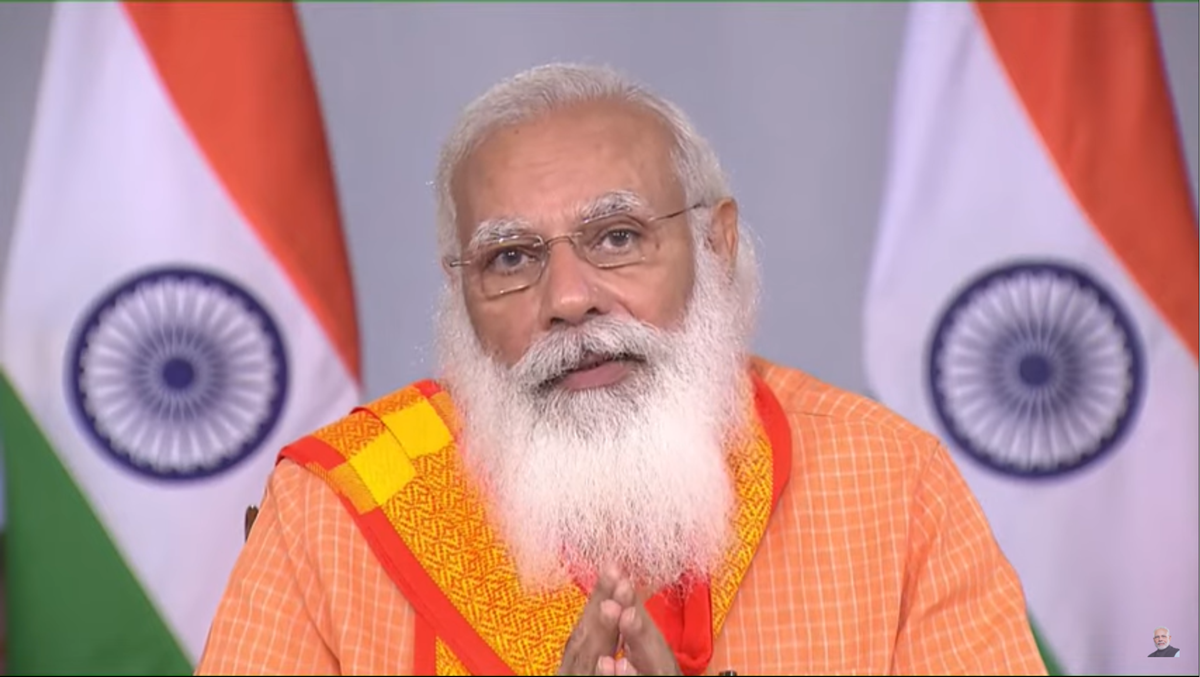
‘Jahan Bimar, Vahan Upchar’: PM Modi asks health workers to continue the fight against Covid

Prime Minister Narendra Modi appreciated the health care and frontline workers for their efforts in the fight against Covid-19 in a virtual interaction with doctors, paramedical staff, and frontline workers of Varanasi on Friday.

He stressed the need to focus on rural areas to curb the spread of COVID-19.

“Fight against COVID-19 is going to be long,” he said while recommending that the administration should follow the motto, ‘Jahan Bimar, Vahan Upchar.’.

He added that Kashi had successfully carried out micro-containment zones and door-to-door distribution of medicines and relief measures. He also highlighted the work of senior doctors of Uttar Pradesh that had helped rural areas through telemedicine.

“Such measures should continue to be up and running even after the number of cases fall,” he added, while also appreciating the efforts of ASHA workers and ANM sisters.

The prime minister commended the short span of time taken by his constituent assembly in increasing the number of oxygen and ICU beds, equipping the Pandit Rajan Mishra COVID hospital and using technology to ensure that the relief measures are available for everyone.

Speaking of the many lives lost due to the pandemic, the prime minister choked with emotions and paid his respects to the deceased. He went on to state that the administration has had to fight on many fronts as the second wave of the coronavirus has hit with higher infectious rates and longer hospital stays, burdening the healthcare system.

He also stated that yoga has helped fight Covid all over the world.

He said that when yoga had been recognized by the UN and had reached the world through International Yoga Day, it was ridiculed and communalized, but today, Yoga and AYUSH have helped fight the pandemic.

He also warned against the challenge of black fungus which had surfaced and stated that “we must focus on taking precautions and preparations to deal with it”.

He further urged everyone to get vaccinated when their turn arrives and continue monitoring statistics and numbers.


Categories
COVID-19 Medicine & Health

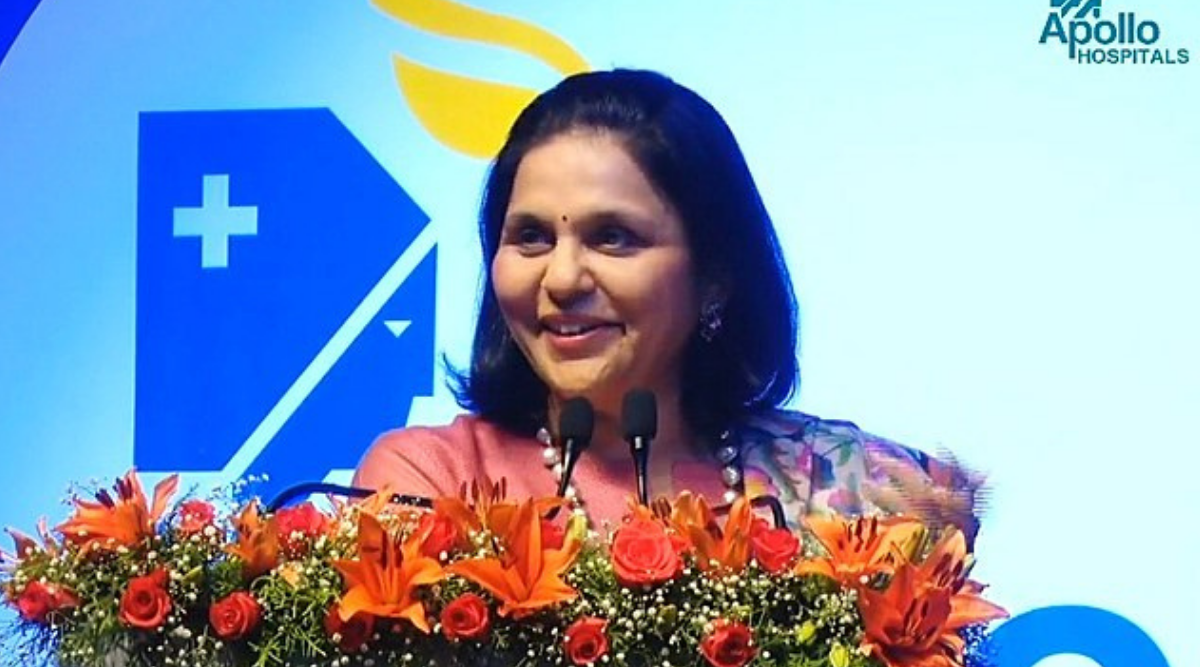
No healthcare worker at Apollo died of Covid after full vaccination: Dr. Sangita Reddy

The IMA on Tuesday said that 269 doctors registered with it have died of Covid in the current wave, with the highest number of deaths in Bihar at 78, followed by Uttar Pradesh at 37 and Delhi at 29.

Only 2.6 percent of Apollo Hospitals’ healthcare workers, who received both Covid vaccine doses, have been infected with the virus in the second wave and it wasn’t fatal in any of the cases, said the group’s Joint Managing Director Dr. Sangita Reddy, after the Indian Medical Association revealed that at least 269 of its members have died of the disease in this wave.

“This is indeed very sad and while I mourn the loss I would like to share important data – Out of 3600 doctors, nurses and healthcare workers vaccinated with two doses at Apollo Hospitals Delhi, only 2.6 got infected with mild Covid-19 and no death,” Dr. Reddy had stated in a social media post.

The IMA on Tuesday said that 269 doctors registered with it have died of Covid in the current wave, with the highest number of deaths in Bihar at 78, followed by Uttar Pradesh at 37 and Delhi at 29.

In the meantime, the Delhi Medical Association is working on finding out the vaccination status of each of the doctors who succumbed to the virus in Delhi in this wave.

Dr. GS Grewal, president, Delhi Medical Association said, “We are conducting a survey to find out the vaccination status of each doctor. We are asking how many got the first dose and how many days after did they get Covid and die. Similarly, we are also finding of the second dose of the vaccine and when they got Covid and died. This should take around 5 days.”

A DMA official said that while the number of doctors who have died in the second wave is 28 on IMA’s list, there is a likelihood that the numbers are higher as not all doctors are members of the IMA or DMA. “We have got more names over the past few days and are finding out how many died in this wave. We have been alerted to the fact that the number in Delhi might be higher and will check details and come out with a final number soon,” another DMA official said.

source: https://indianexpress.com/

Categories
COVID-19 Medicine & Health

Rajasthan CM exhorts Ayush dept to help people

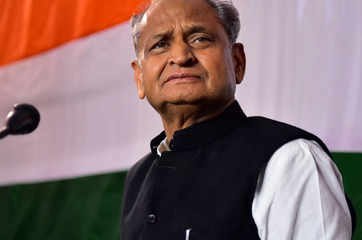
Gehlot was addressing a review meeting of the Ayurveda and the Indian medicine department on Tuesday evening through a video conference.

Chief minister Ashok Gehlot has said that the first wave of Covid-19 was fought valiantly with the help of the Ayush System. He said that in the second wave too, the Ayush department should come forward to save lives.

Gehlot was addressing a review meeting of Ayurveda and Indian medicine department on Tuesday evening through a video conference.

He said that Indian medical practices of Ayush are so effective that they have the ability to cure complex diseases without side effects. The need of the hour is to encourage such methods by disseminating more information to the people.

Gehlot said that there are many examples where people were able to successfully fight serious diseases including Covid by adopting Ayush methods. These methods relate to our way of life, yoga, diet, etc. If we follow them with complete restraint and discipline, it shows the way to a healthy life, he said. The role of these systems becomes more important during pandemic.

source: https://health.economictimes.indiatimes.com/news/

Categories
COVID-19 Medicine & Health

Bayer India extends Covid relief measures to healthcare workers, farmers

Converts nitrogen plant in Vapi manufacturing facility to produce oxygen.

Global life sciences major Bayer’s Indian arm on Monday announced the extension of its Covid-19 relief measures to local communities, healthcare workers, farmers, businesses, and employees in India. The measures include converting its nitrogen plant at Vapi manufacturing facility in Gujarat to supply oxygen and supply to the local hospital, a company press release said.

It quoted D. Narain, Senior Bayer Representative, South Asia, and Chief Executive Officer, Bayer CropScience Limited saying: “During these unprecedented times, it is our responsibility to support the nation’s fight against the pandemic. Our small contribution is an effort to sustain sections of our society where help is needed the most.”

Through these varied initiatives, Bayer India aims to support the India’s healthcare system, mental health of frontline workers and farmers, facilitate vaccination for its employees and their families and support health & nutrition needs of local communities.

Re-purposing Vapi plant

With India’s healthcare sector stretched in view of Covid cases surging, Bayer is re-purposing the Vapi plant to produce oxygen.

Additionally, the German multinational firm, which has been present in India for nearly 125 years, will also provide oxygen concentrators to primary health centers (PHCs) to serve communities across rural India. Over the last 10 months, Bayer India along with the Maharashtra Government has converted its plant at Chittegaon, Aurangabad, into an 80-bed Covid-care facility.

To support those in need, Bayer India has also sponsored beds in major hospitals across multiple cities for emergency support. It has joined hands with the Maharashtra Government, NASSCOM, and WNS Global services to support 30 ICU beds in one of the district hospitals through telemedicine solutions.

Helpline

Bayer India is launching a helpline to support frontline workers and the farming community. This helpline will serve approximately 10,000 beneficiaries and their immediate families. This is in view of an urgent need to support paramedics and frontline workers who are struggling with mental health challenges during these tough times.

The German firm’s arm is also mobilizing communities by conducting awareness drives highlighting the benefits of immunization and reinforcing Covid Appropriate Behaviour (CAB) to accelerate the vaccination process. These efforts will complement Bayer’s ongoing initiative to facilitate vaccination for all employees and their families, the statement added.

Since the pandemic broke out last year, Bayer has been providing holistic support across multiple dimensions.

In addition, through its initiative “Better Farms, Better Lives”, Bayer has provided 4,00,000 smallholder farmers, immediate access to basic agri-inputs and crop advisories in 204 districts across 17 States, spanning key crops such as rice, corn, vegetables and millet to support their critical livelihood needs. The company is also extending support to marginalized communities with nutritious food through the “Roti Foundation, Mumbai”.

Bayer India lauded the efforts of our frontline health workers, the Central Government, State governments, voluntary organizations, and the community at large in fighting the battle against Covid. “We will overcome this crisis together and emerge stronger,” the release said.