Categories
Medical Updates Medicine & Health

5 essential blood tests you must do every year

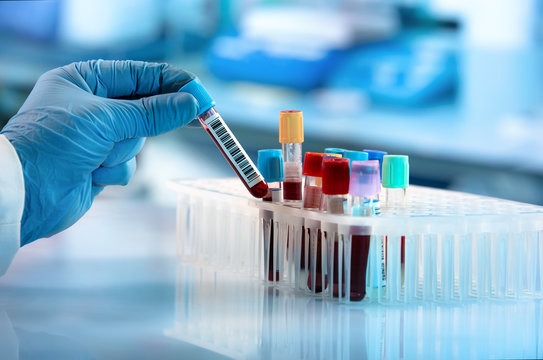
Regular blood tests are crucial for monitoring overall health and detecting early signs of potential health issues. While specific recommendations may vary depending on individual health status and risk factors, there are several essential blood tests that individuals should consider undergoing annually as part of their preventive healthcare routine. Here are five key blood tests that can provide valuable insights into your health:

​Complete Blood Count (CBC)​

5 essential blood tests you must do every year

The Complete Blood Count (CBC) is a comprehensive test that evaluates various components of your blood, including red blood cells (RBCs), white blood cells (WBCs), and platelets. This test provides essential information about your overall blood health and can help identify conditions such as anemia, infection, and blood clotting disorders. Specifically, CBC measures parameters such as hemoglobin levels, hematocrit, red blood cell count, white blood cell count, and platelet count. Abnormalities in these parameters may indicate underlying health issues that require further evaluation and management.

​Lipid Profile​

A Lipid Profile is a blood test that assesses your cholesterol levels and other lipid markers associated with cardiovascular health. This test measures various lipid components, including total cholesterol, low-density lipoprotein (LDL) cholesterol, high-density lipoprotein (HDL) cholesterol, and triglycerides. Elevated levels of LDL cholesterol and triglycerides, along with low levels of HDL cholesterol, are significant risk factors for heart disease and stroke. Monitoring lipid levels annually can help identify individuals at risk of developing cardiovascular complications and guide interventions such as lifestyle modifications or medication therapy to manage cholesterol levels and reduce cardiovascular risk.

Blood Glucose (Fasting Blood Sugar or HbA1c)​

Blood glucose testing is essential for assessing blood sugar levels and screening for diabetes or prediabetes. Two common blood glucose tests include Fasting Blood Sugar (FBS) and Hemoglobin A1c (HbA1c). Fasting Blood Sugar measures your blood sugar levels after an overnight fast and provides insight into your body’s ability to regulate glucose levels. HbA1c, on the other hand, reflects your average blood sugar levels over the past two to three months and is considered a more reliable indicator of long-term glucose control. Elevated blood glucose levels may indicate diabetes or prediabetes, which require early detection and management to prevent complications such as heart disease, kidney disease, and nerve damage.

​Thyroid Function Tests​

Thyroid function tests evaluate the function of the thyroid gland, which plays a crucial role in regulating metabolism, energy production, and various bodily functions. Common thyroid function tests include Thyroid-Stimulating Hormone (TSH), Free T4 (thyroxine), and Free T3 (triiodothyronine). TSH levels help assess the overall function of the thyroid gland, while Free T4 and Free T3 levels measure the levels of active thyroid hormones circulating in the bloodstream. Abnormalities in thyroid function can lead to symptoms such as fatigue, weight changes, mood swings, and changes in heart rate. Regular thyroid screening is essential for detecting thyroid disorders such as hypothyroidism (underactive thyroid) or hyperthyroidism (overactive thyroid) and initiating appropriate treatment to restore thyroid hormone balance and alleviate symptoms.

​Comprehensive Metabolic Panel (CMP)​

The Comprehensive Metabolic Panel (CMP) is a comprehensive blood test that assesses various metabolic markers and organ function. This test typically includes measurements of blood glucose, electrolytes (sodium, potassium, chloride, bicarbonate), kidney function (creatinine, blood urea nitrogen), liver function (bilirubin, albumin, liver enzymes), and protein levels. The CMP provides valuable information about your overall metabolic health and the function of vital organs such as the kidneys and liver. Abnormalities in CMP results may indicate conditions such as kidney disease, liver dysfunction, electrolyte imbalances, or metabolic disorders. Regular monitoring of CMP parameters can help identify potential health issues early and facilitate timely interventions to maintain optimal health and prevent complications.

Visit us – https://shorturl.at/luS67
 

Categories
Medical Updates Medicine & Health

6 vegetarian sources of Omega-3

​​Unlocking Omega-3 goodness​

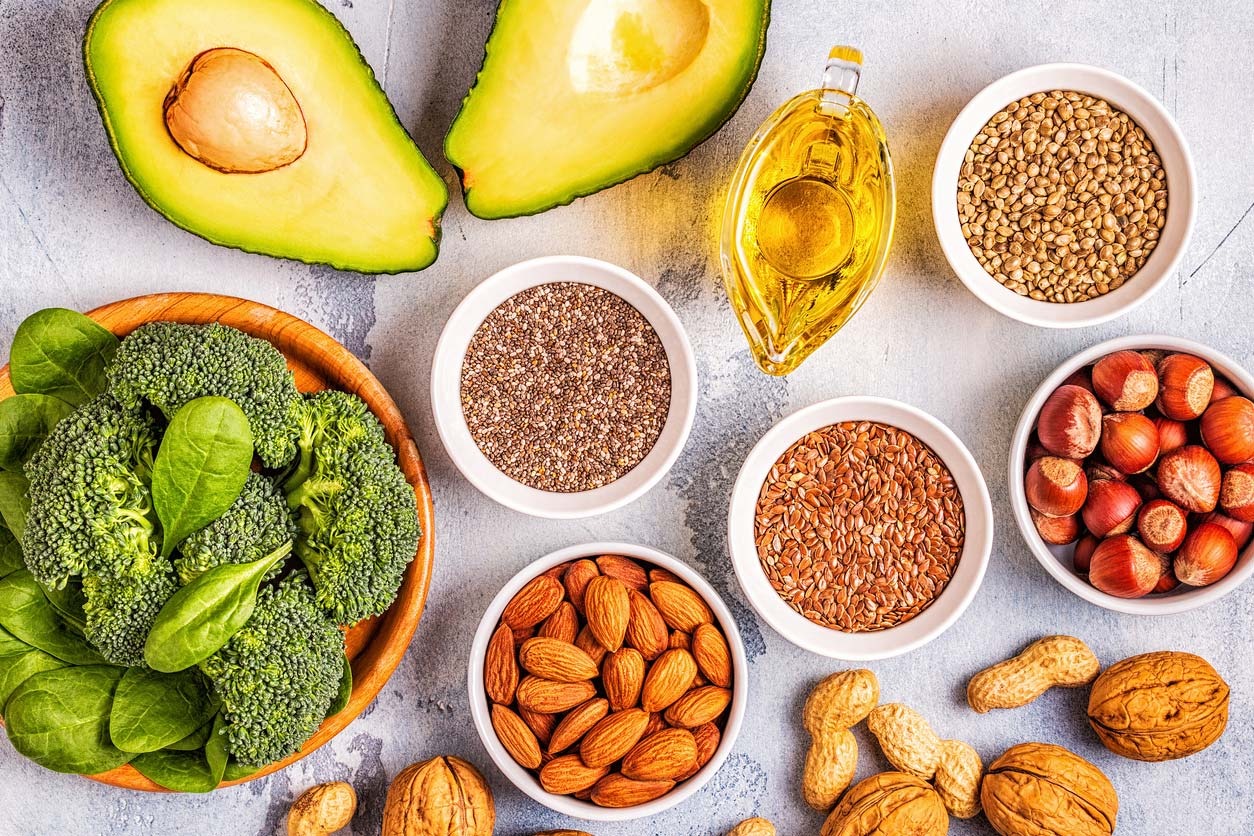
Essential nutrients, omega-3 fatty acids, are critical for heart health, brain function, and general well-being. Although fish is frequently recommended as the main source of omega-3s, plant-based foods can also provide vegetarians with the necessary amounts. You can include the following six vegetarian sources of omega-3 fatty acids in your diet:

6 vegetarian sources of Omega-3

​​Flax seeds​

Omega-3 fatty acids, especially alpha-linolenic acid (ALA), are abundant in flaxseeds. For an added nutritional boost, you can sprinkle ground flaxseeds over yogurt, porridge, or smoothies. Supplements containing flaxseed oil are also offered to people who want to consume more omega-3 fatty acids.

​​Chia seeds​

Because of their high ALA content, chia seeds are a great vegetarian source of omega-3 fatty acids. These tiny seeds can be added to drinks, salads, baked products, or utilized as a thickening factor in recipes by soaking them in water until they take on the consistency of gel.

​​Walnuts​

One of the few nuts with a notable concentration of ALA omega-3 fatty acids is walnuts. For a crunchy and nutrient-dense boost to your omega-3 intake, snack on a handful of walnuts or add them to salads, cereal, or baked goods.

​​Kidney beans​

In addition to being a wholesome legume, kidney beans are a notable vegetarian source of omega-3 fatty acids. They do contain a little amount of ALA (alpha-linolenic acid), an omega-3 fatty acid, but not as much as they do in other sources like chia seeds or flaxseeds. Kidney beans do, however, provide a host of other health advantages. For example, they are high in protein, fiber, vitamins, and minerals, all of which promote heart and brain health.

Hemp seeds​

Omega-3 fatty acids, protein, fiber, and vital vitamins and minerals are all abundant in hemp seeds. For a healthy and nutty taste, sprinkle hemp seeds on salads, yogurt, cereal, or incorporate them into smoothies.

​​Leafy greens​

Some leafy greens, such as Brussels sprouts, kale, and spinach, have ALA omega-3 fatty acids in them, although not as much as in other foods. Consuming a range of leafy greens can increase your body’s intake of omega-3 fatty acids and offer other health advantages.

Vegetarians can make sure they get the nutrients they need while maintaining a nutritious and well-balanced diet by adopting a wide variety of omega-3-rich foods.

Visit us – http://www.aarogyapath.in now !!!

Categories
Medical Updates

Red rice vs black rice: Can south Indian varieties work for your heart, cholesterol, diabetes and haemoglobin?

Not all rice is bad if eaten in moderation and made a part of the total recommended daily calorie allowance. Also, rice should be combined with adequate protein and green leafy vegetables. Particularly South India’s heirloom rice varieties are a treasure house of nutritional and therapeutic properties. Of late, some research has also started validating the superfood value of indigenous rice varieties. These are rich in bioactive compounds that boost the nutritional value of foods.

KAVUNI: Red Kavuni is an aromatic, red-grained rice grown in Tamil Nadu that derives its rich colour from high levels of anthocyanins. It has been used traditionally as a cooling food during summer months and is valued for its anti-microbial properties that aid digestion.

KAIVARA SAMBA: This is a widely adaptable rice variety that can grow even in marginal soils. It is good for dehydration and having a low glycaemic index and high fibre, can be used to regulate blood sugar levels. The high fibre lends bulk to the dish and automatically helps in portion control. This rice contains selenium, which helps to make DNA and protects against cell damage, abnormal cancerous growth and infection.

POONGAR: This is a sweet-scented rice grown specifically for making rice flakes and fermenting. In parts of Karnataka and Tamil Nadu, it is customarily given to women after puberty and during pregnancy as it is believed to ease gynaecological problems. It has no cholesterol and is high on resistant starch, which is good for the growth of gut bacteria. The fibre content helps lower cholesterol levels in the body while flavonoids reduce the risk of heart disease. Poongar rice has a low glycemic index while a compound called gamma-oryzanol helps reduce insulin resistance in the body. It is high in iron, magnesium and zinc and helps in increasing haemoglobin levels. It works for those with Celiac disease as it is 100 per cent gluten-free.

KATTU YANAM: A high-fibre red rice, it helps bring down cholesterol levels in the body. Its nutty flavour and texture make it a good source of energy. Its low glycaemic index makes it a top choice for people with diabetes. Easy to digest. It is a good source of Vitamin B, zinc, manganese and folic acid.

KOLIYAL: This is a brown hulled rice from Kerala that is used to make Puttu, an iconic breakfast dish of the region. A study by Naresuan University, Thailand, and published in PubMed Central, has shown how this rice improves sperm health parameters. These contain insoluble fibres and are low on sodium, which is good for those suffering from hypertension.

BLACK KAVUNI: This is yet another heritage rice from Tamil Nadu that derives its blackish-purple hue from high anthocyanin content. It is known for properties that cool the body, promote heart health and treat liver ailments. Its antioxidants help in managing heart health, it has a low glycaemic index and is, therefore, good for people with diabetes. It is a powerhouse of micronutrients like iron, magnesium and zinc.

THUYAMALLI: This rice is known for its vitamin B complex, especially B12, content. This strengthens the nervous system.

KARUN KURUVAI: A study published in the Journal of Agricultural and Food Chemistry found that the antioxidant activity of this kind of red rice is higher than that of other rice varieties, which may help protect the heart against oxidative stress. It has a lower glycemic index compared to other rice varieties, which means it causes a slower rise in blood sugar levels after consumption.

MAPPILLAI SAMBA: It contains vitamin B1 that helps in healing stomach and mouth ulcers. It improves blood circulation, boosts immunity and stamina, strengthens muscles and nerves.

Given these health benefits, there is a growing awareness of how important it is to conserve this agricultural heritage and traditional knowledge. But at the risk of repetition, moderation is the key even if they are used as substitutes of the milled and processed variety.

Visit us –http://www.aarogyapath.in


Categories
Medical Updates Medicine & Health

Millions of older people don’t get enough nutrients – how to spot it and what to do about it

By 2050, approximately a quarter of the UK population is expected to be over the age of 65. With this in mind, the World Health Organisation (WHO) has put “healthy ageing” on its agenda. This means finding ways to maintain health, wellbeing and functional ability in order to have a good quality of life and enjoy the later years.

Everyone ages at a different rate – but there are some things that can influence how well we age, such as by making changes to the types of activity we do and the foods we eat.
Older adults are generally less physically active than they were when they were younger and because of this, their energy intake requirement may decrease. However, there is a difference between energy requirements and nutrient requirements, and nutrient requirements actually remain the same, if not increase, as we get older.

Millions of older people don’t get enough nutrients – how to spot it and what to do about it

This means we need to get more nutrients into less energy which can be tricky as older adults often have lower appetites. This is why scientists suggest that it may be necessary to enrich the food of older people to maintain the nutrient intake.

Several studies have shown that undernutrition affects one in ten older people living independently at home. However, it affects five in ten older people living in nursing homes, and seven in ten older people in hospital.

Being overweight, even obese, does not protect against undernutrition. And when older adults lose weight, they lose muscle, meaning that they are more likely to lose their abilities to do daily tasks.

Weight loss in older adults is a key sign of malnutrition that needs to be addressed – but it can be easily missed, especially when many older adults associate the idea of thinness with good health. But clothing that’s too loose or a watchstrap that floats on the wrist are all warning signs of undernourishment.

Similarly, if someone you care for has started to say things like, “Oh, I don’t want much food today, I’m not hungry”, “I’m not hungry, it’s natural, I’m getting older”, or “I’d rather just have a biscuit to be honest,” then these could be warning signs. An effective way to keep on top of this is regular weighing at least once per month which enables a quick response to potential indicators of malnutrition.

Getting more nutrients into less food

If people are eating small amounts of food, it is important to think about how to add more nutrients into it. A very effective technique, “fortification” is commonly done with pre-made products such as breakfast cereals, plant-based milk and bread in the UK.

Fortification (adding foods, ingredients or nutrients into to existing foods or meals) is easy to do at home as well and can provide a flexible approach for older adults as it allows them to continue eating the foods that they most enjoy.


For older adults in particular, protein is a very important nutrient, because of muscle loss (sarcopenia) which is a natural part of ageing. This could be slowed down or even reversed by eating enough protein at regular intervals throughout the day. A few ways to increase protein include: • Adding dairy ingredients such as milk, high-protein yoghurt, Quark (soft cheese), milk powders, eggs and cheese into meals – even into simple foods like mashed potato.
• Nuts are a great source of protein, try adding ground almonds to savoury or sweet meals (beware of nut allergies).

• Soy protein can be a convenient and cost-effective option, either for vegetarians or to further fortify minced-meat meals.

• Look in the sports section of supermarkets to find whey protein powders. These are marketed to gym enthusiasts, but actually whey is one of the best proteins to stimulate muscle growth. This versatile ingredient can be mixed into porridge before cooking or used it as a substitute for other powdered ingredients in baking.

Importance of physical activity and strength exercises

Physical activity and nutrition go hand-in-hand – both are equally important. As we age, being physically active becomes even more essential as it helps to prevent disease, maintains independence, decreases risk of falls, improves cognitive function, mental health and sleep.

Exercise can also combat isolation and loneliness which has also been linked to decreased appetite in older adults. Often strength training gets ignored when we think of being active but to keep independence and prevent falls, older adults should do varied physical activity that emphasises balance and strength training at moderate or greater intensity on three or more days a week.
Ultimately, it’s essential to contact a doctor or dietician with any worries or concerns about malnutrition or unintentional weight loss. There are, however, some excellent resources to learn more about ageing healthily and maintaining a good quality of life in later years.

Visit us –  http://www.aarogyapath.in


Categories
Medical Updates

Too much screen time? Doctors share simple tips to improve eyesight

In this day and age where our screens hold the power of our vision, younger people have become more prone to wearing glasses. Most people think that certain diets or exercises can improve your vision and give clarity, however, experts disagree.

Dr Parul Sharma, Director & HOD, Eye Care, Ophthalmology, Max Hospital, Gurugram, told IndiaToday.In, that while some exercises may help with eye muscle coordination or relaxation, they don’t address underlying vision issues or improve visual acuity significantly.

“Vision is primarily determined by the shape of the eye and the health of its components like the cornea, lens, and retina. So, relying solely on diet or exercises to enhance vision is indeed a myth,” said Dr Parul Sharma.

Too much screen time? Doctors share simple tips to improve eyesight

While there is no specific diet or exercise regimen to directly sharpen vision, maintaining good eyesight involves adopting healthy habits.

Reduce screen time

Dr Sharma suggested that prolonged exposure to digital screens can strain the eyes and lead to symptoms like eye fatigue, dryness, and blurred vision.

Taking regular breaks from screen time allows the eyes to rest and refocus, reducing strain and minimising the risk of developing digital eye strain or computer vision syndrome.

“The 20-20-20 rule is a helpful guideline, suggesting taking a 20-second break to look at something 20 feet away every 20 minutes of screen use,” said Dr Parul Sharma.

Prioritise rest

Dr Dheeraj Gupta, Senior Consultant, Ophthalmology, Marengo Asia Hospital, Gurugram said that the best way to improve your eyesight is giving it enough rest.

“Ensure your eyes get sufficient rest by aiming to sleep for 7 to 8 hours each night. If sleep is elusive, try to keep your eyes closed to promote relaxation,” said Dr Gupta.

Balanced diet

Nutrition plays a crucial role in maintaining overall eye health. Certain nutrients, such as vitamins A, C, and E, as well as omega-3 fatty acids are particularly beneficial for eye health.

Visit us – http://www.aarogyapath.in


Categories
Medical Updates Medicine & Health

Indian researchers find new way to catch antibiotic-resistant bacteria

Researchers at the Indian Institute of Science (IISc) and Jawaharlal Nehru Centre for Advanced Scientific Research (JNCASR) have developed a new method to detect antibiotic-resistant, disease-causing bacteria.

Antibiotic resistance remains one of the biggest challenges for medical researchers as bacteria E. coli and Staphylococcus aureus – have caused over a million deaths and the numbers are expected to rise.

In a new study published in ACS Sensors, the team of researchers detailed the development of a rapid diagnosis tool that uses a luminescent paper-based platform to detect the presence of antibiotic-resistant bacteria.


Indian researchers find new way to catch antibiotic-resistant bacteria

“Generally, the doctor diagnoses the patient and gives them medicine. The patient then takes it for two to three days before realising that the medicine is not working and goes back to the doctor. Even diagnosing that the bacteria is antibiotic-resistant from blood or urine tests takes time. We wanted to reduce that time-to-diagnosis,” Professor Uday Maitra, Department of Organic Chemistry, IISc, said in a statement.

The bacteria use two techniques to evade antibiotics. In one, it evolves, and can recognise and eject the medicine out of its cell, and the other way is by producing an enzyme called β-lactamase, which hydrolyses the β-lactam ring – a key structural component of common antibiotics like penicillin and carbapenem – rendering the medication ineffective.

The IISc and JNCASR team devised an innovative method for detecting antibiotic-resistant bacteria using a supramolecular hydrogel matrix containing biphenyl-4-carboxylic acid (BCA) and terbium cholate (TbCh). Terbium is known for its luminescent properties, making it useful in fluorescence studies and other applications.

When BCA is linked to the antibiotic’s cyclic [β-lactam] ring, the hydrogel emits green fluorescence upon UV light exposure.

The fluorescence remains masked until the presence of β-lactamase enzyme, found in antibiotic-resistant bacteria, unmasks the sensitiser BCA, leading to green emission.

To make the technology affordable, the team collaborated with Adiuvo Diagnostics to create the Illuminate Fluorescence Reader, a portable device with a paper-based hydrogel.

This cost-effective solution successfully detected antibiotic-resistant bacteria in urine samples within two hours during initial tests with healthy volunteers.

The researchers now plan to collaborate with hospitals for further testing on patient samples.

Visit us – http://www.aarogyapath.in now !!!

Categories
Medical Updates Medicine & Health

Congenital Heart Defect Awareness Day 2024: Date, significance, types of congenital heart defects

Congenital Heart Defect Awareness Day is observed annually on February 14 to spread awareness around CHDs or congenital heart defects which are present at birth and can range from mild to severe. These heart defects can affect the structure of a baby’s heart and the way it works. From impacting the heart’s ability to pump blood effectively, developmental delays, to long-term health risks such as heart failure, arrhythmias, and stroke, congenital heart defects can cause a range of health issues. In India, approximately 2 lakh children are born with congenital heart disease every year. Around one-fifth of these suffer from critical heart disease.

Congenital defects can occur due to genetic factors, environment factors like exposure to toxins, mother’s diet and health condition or certain medications taken during critical periods of foetal development which could impact formation of organs and systems in the unborn baby.

Congenital Heart Defect Awareness Day date

Congenital Heart Defect Awareness Day is observed on February 14 every year. The day is promoted extensively by various organizations, including the Paediatric Congenital Heart Association and the American Heart Association, to raise awareness about congenital heart defects and advocate for affected individuals and families.

Congenital Heart Defect Awareness Day significance

Congenital heart defects need to be addressed immediately. Early detection and treatment enable improving prognosis and reducing complications for individuals born with congenital heart defects (CHDs). Heightened awareness around congenital heart defects and advocacy efforts can help increase funding for research and driving advancements in treatment options.

Types of congenital heart defects

Bicuspid aortic valve (BAV): Bicuspid aortic valve is a congenital heart condition characterised by the aortic valve having two cusps instead of the typical three, potentially leading to valve dysfunction and other cardiac complications.

Ventricular septal defects (VSD): Ventricular septal defects are congenital heart abnormalities characterized by an abnormal opening in the wall that separates the heart’s lower chambers, leading to mixing of oxygen-rich and oxygen-poor blood.

Atrial septal defects (ASD): Atrial septal defects are congenital heart defects characterized by an abnormal opening in the wall between the heart’s upper chambers, leading to the mixing of oxygen-rich and oxygen-poor blood.

While some heart defects can be treated easily, others may require surgical intervention or other treatment. Children with CCHD need surgery or treatment within their first year of life to survive and lead a healthy life.

Visit us – http://www.aarogyapath.in

Categories
Medical Updates Medicine & Health

Regular physical activity could lower prostate cancer risk in men

Over the last few years, one of the most debatable topics in cancer research has been whether regular exercise can significantly lower cancer risk.

The answer has remained complicated. However, a recent study, published in The British Journal of Sports Medicine, offered a glimpse of how regular physical activity affects the risk of prostate cancer, one of the top ten most common cancers in India.

Researchers from Sweden showed that men with cardiorespiratory fitness improved by 3% or more annually over five years and, on average, were 35% less likely to develop prostate cancer than men whose cardiorespiratory fitness declined by 3% annually.

Regular physical activity could lower prostate cancer risk in men

Cardiorespiratory fitness is a measure of how well the heart and lungs deliver oxygen to the muscles during exercise.

The men took at least two fitness tests, which involved pedalling on a stationary bike and estimating the volume of oxygen they used during vigorous exercise based on their heart rate.

A higher volume indicated a greater fitness level. The tests were done years apart though the exact gap varied by participant.

According to the co-author of the study, Dr Kate Bolam, “Men who are generally more health-conscious are also good at going to the doctor when they are called for their prostate cancer screening tests.”

Increased testing results in more diagnoses, even for men whose cancers may never advance. Prostate cancer cells can coexist in the prostate throughout one’s lifetime without posing a threat.

Therefore, many men who don’t undergo testing and don’t exhibit symptoms might remain unaware of their prostate cancer.

The researchers recommended finding an activity that is enjoyable, and starting with it immediately. The physical activity could be playing with children or grandchildren, going for a walk or joining a recreational sports league.

Consistency is key, which is why it’s important to find activity that doesn’t feel like a chore.

“Everyone has a chance to do something that’s really cost-efficient here to decrease their risk of prostate cancer,” Dr Bolam said. “And that’s something that is wholly in our control .

Visit us – https://shorturl.at/jIMU0 for more details .

Categories
Medical Updates Medicine & Health

National Toothache Day: Medical solutions for severe dental pain

Dental health, a seemingly ignored department in the world of hygiene, helps in maintaining our overall well-being. Toothaches which refer to pain in or around your tooth can cause disruptions in your everyday activities.

Some might experience minor toothaches from gum irritation, but there are cases of severity that need professional dental treatment.

In many ways, though rare, toothaches can be indicators of infection in the mouth that can spread to other parts of the body, including the brain and the bloodstream.

However, the cause of toothache varies from person to person. On National Toothache Day, understand the possible reasons and expert-backed solutions for toothache.

REASONS FOR TOOTHACHE

Dr Bhumika Madan, Senior Consultant in Dentistry at Aakash Healthcare, said that the most common types of toothaches result from tooth decay due to cavity formation, brought about by erosion of enamel by bacterial acid.

National Toothache Day: Medical solutions for severe dental pain

“Maintaining oral hygiene-brushing twice daily, daily flossing and using fluoride toothpaste are important in decay prevention. Limiting intake of sugary and acidic foods can prevent aches,” Dr Bhumika Madan told IndiaToday.In.

Tooth Injury

If you’ve been biting hard foods or engaging in sports without proper mouth protection, then injury-induced toothaches can be experienced.

Precautionary measures such as using mouthguards during contact sports and refraining from biting on hard objects can mitigate the risks of harming your teeth.

Dr Bhumika Madan advised that a quick dental check-up after getting injured can help evaluate the extent of the damage. Corrective actions can then be taken to reduce the pain.

Gum Disease

Gum disease, an infection of the tissues surrounding the teeth, causes massive discomfort. Consistent oral care such as regular brushing, flossing, and dental cleanings, can prevent gum disease.

Bruxism

Toothaches resulting from bruxism, an activity in which teeth grinding or clenching is witnessed, can lead to jaw pain, headaches, and tooth sensitivity.

You can the toothaches from bruxism by managing stress, avoiding stimulants before bedtime, altering sleeping positions, and using mouthguards.

Bruxism can lead to TMJ dysfunctions (Temporomandibular joint dysfunction) a condition that connects your jaws joints and the surrounding muscles. Jaw clenching and teeth grinding during high-stress periods can lead to tooth discomfort as well pain in area connecting the jaw to the skull.

SOLUTIONS FOR TOOTHACHE

There are numerous methods to make sure the pain subsides. This ranges from prescription drugs to natural cures. However, nothing tops maintaining good oral hygiene to prevent dental issues.

Rinse with salt water

An effective way to ease pain and reduce inflammation is to rinse your mouth with salt water.

Medication for pain relief

Acetaminophen and ibuprofen, two over-the-counter pain medications, can help reduce toothache pain and discomfort. Make sure to take medication as directed by your dentist.

Pain management gels

Over-the-counter pain management gels are available and can be applied to the affected area. If the pain persists even after applying it for two days, it is time to see a dentist.

Cold compress

A cold compress can make the affected area less painful and reduce swelling.

Annual dental examination

Annual dental visits are a good way to stay ahead of any potential pain and discomfort. Remember that dental health is vital for physical fitness, so don’t ignore it.

Visit us – http://www.aarogyapath.in now !!!

Categories
Medical Updates Medicine & Health

Why PCOS has to be managed early on to prevent diabetes and cholesterol

Women with hormonal imbalances linked to polycystic ovary syndrome (PCOS), complex menopause and excessive weight gain during pregnancy are likely to develop obesity with elevated levels of blood sugar and cholesterol. These are the findings of a study, published in Cell Metabolism, which advocates screening of these markers early on in a woman’s reproductive span.

According to Dr Richa Chaturvedi, Senior Consultant, Endocrinology, Indraprastha Apollo Hospitals, New Delhi, the study has made it clear how important it is to address hormonal imbalances, which can be done easily with early life lifestyle corrections and medication.

Why are women with PCOS at a higher risk of developing Type 2 diabetes and cholesterol?

This is because of hormonal imbalances. In PCOS, women have higher-than-normal male hormone (androgen) levels, which can interfere with ovulation, impacting menstruation cycles, and disrupt glucose and insulin metabolism, which can eventually trigger diabetes.


Why PCOS has to be managed early on to prevent diabetes and cholesterol

Unregulated, hormone fluctuations and imbalances in the early years of menstruation can worsen menopause symptoms later in life, lead to excessive weight gain during pregnancy which may persist in later years, increase bad cholesterol and so on.

That’s why it is important for women with reproductive health issues to watch out for insulin resistance and inflammation early so that they can avoid chronic diabetes and cardiovascular diseases later.

Which hormone marker is most bothersome for women with PCOS?

PCOS involves higher levels of testosterone levels, which can directly contribute to insulin resistance. This means cells in the body become less responsive to the effects of insulin. To compensate, the pancreas starts overproducing insulin in an effort to lower blood sugar. Over the years, all that excess insulin stresses out the pancreatic beta cells that make it, and they can eventually become damaged or exhausted. Once these beta cells fail, insulin production drops and blood glucose levels start to spiral, resulting in Type 2 diabetes.

How does hormonal imbalance impact belly fat?

The higher testosterone and other hormonal fluctuations of PCOS encourage visceral fat accumulation, what we call belly fat. This releases fatty acids and inflammatory compounds that worsen insulin resistance and increase the diabetes risk even further.

Detecting and managing the early warning signs, like elevated testosterone and blood sugar levels, are crucial. Lifestyle interventions targetting insulin sensitivity and weight management are much-needed.

What are some of the major reproductive milestones that can impact a woman’s long-term health?

1. Onset of puberty/first period: An early period cycle (before age 12) signals faster maturation and hormone changes, which increase risks of reproductive cancers and chronic diseases later on.

2. Pregnancy: Excess weight gain during pregnancy makes it harder to lose weight afterwards and raises risks of gestational diabetes/high blood pressure. These increase chances of developing Type 2 diabetes and heart disease post-pregnancy.

3. Perimenopause/menopause: Hormone shifts leading up to menopause may indicate higher risk of heart disease or osteoporosis over time.

4. Conditions like PCOS or endometriosis: These reproductive health disorders involve hormone imbalances that can trigger wider inflammatory and metabolic changes. They raise risks of numerous health issues down the road.

So what signs and symptoms should women look out for?

Watch out for shifts in menstrual cycles, such as cycles shortening or lengthening dramatically or becoming irregular after previously being regular.

The development of many new and intensified premenstrual syndrome (PMS) symptoms can also signal changing hormone patterns. Rapid weight gain that is difficult to control, excess facial or body hair, severe acne or thinning scalp hair may indicate PCOS.

Worsening reproductive symptoms over time, such as a progression of cramping and pelvic pain or the observation via ultrasound of small ovarian cysts, warrant medical attention as well.

Visit us – http://www.aarogyapath.in for more details .