Categories
Medical Updates Medicine & Health

Telangana Gets Ayushman Bharat PM-JAY: 1.3 Crore People Eligible For Health Benefits

Telangana government on Monday tied up with the National Health Authority (NHA) to implement Ayushman Bharat Pradhan Mantri Jan Arogya Yojana (AB PM-JAY) in the state. Telangana already has a state health insurance scheme called ‘Aarogyasri’ which has now been converged as the Ayushman Bharat PM-JAY Aarogyasri. With this Centre-state merger, as many as 26 lakh beneficiary families (around 1.3 cr. individuals) as per SECC, 2011 data will be eligible to avail services under the scheme in Telangana.

“We are happy to onboard the State of Telangana for the rollout of AB PM-JAY in the State. The beneficiaries from the State are now eligible to avail free healthcare services pan India through our network of more than 22,000 hospitals. This is not only going to benefit the eligible families in the state but will also enable the delivery of healthcare services to PM-JAY beneficiaries from other States/UTs living in Telangana,” said Dr RS Sharma, CEO, NHA at the launch event.

“The providers’ base has also increased. Our call center has started getting calls from the eligible population in the State. We are committed to taking the benefit of the scheme to all eligible beneficiaries,” he added.

The launch of the scheme in Telangana is a significant milestone in the country’s journey towards Ayushman Bharat. The NHA along with the State Health Agency in Telangana will undertake necessary action to ensure that all eligible beneficiaries are provided free healthcare services under the converged scheme.

The Ayushman Bharat PM-JAY has been rolled out across 33 states and UTs, with Telangana being the latest on the list. Beneficiaries of the scheme are entitled to avail free healthcare coverage of up to Rs 5 lakhs per family per year for secondary and tertiary care hospitalization.

Health services can be availed in any of the 22,000 empanelled public and private hospitals across the country through the scheme’s portability feature with the help of PM-JAY e-cards issued to the beneficiaries.
Categories
Medical Updates

PM wants NGOs, volunteers to help health sector

This was conveyed during a meeting to review the functioning of different empowered groups. The Prime Minister chaired the meeting through video conferencing.

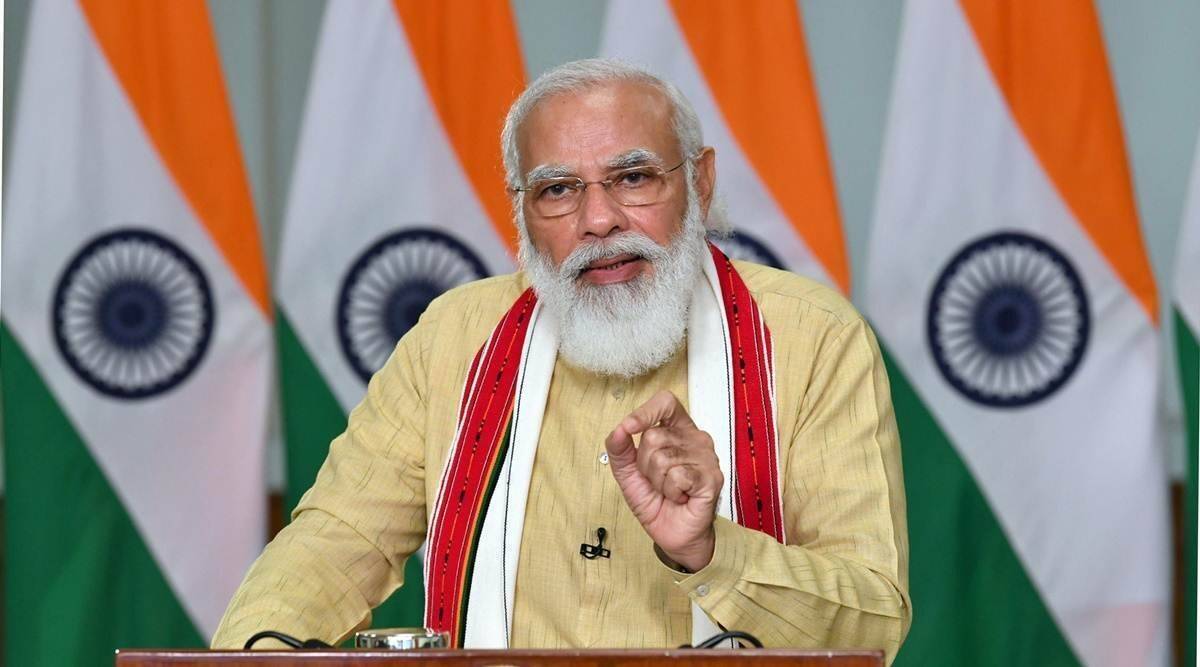
Prime Minister Narendra Modi has asked officials to explore involving civil society volunteers in “non-specialized tasks” to take the pressure off the healthcare sector amid the surge in Covid-19 cases.

This was conveyed during a meeting to review the functioning of different empowered groups. The Prime Minister chaired the meeting through video conferencing.

In a statement, the Prime Minister’s Office said: “PM asked the officials to explore how volunteers from civil society can be utilised to lessen the pressure on healthcare sector by invoking them in non-specialised tasks.”

“It was discussed that NGOs could help to establish and maintain lines of communication between the patients, their dependents & health care personnel,” the statement said.

“Ex Servicemen could be encouraged to handle call centres for communicating with people under home quarantine,” the statement said.

During the meeting, the Empowered Group on coordinating with private sector, NGOs and international organisations, headed by NITI Aayog CEO Amitabh Kant, briefed the Prime Minister “on how the government is working in active partnership with them.

Two other Empowered Groups also briefed the Prime Minister about their activities.

“The Empowered Group on Economic and Welfare measures made a presentation to PM on steps taken such as extension of PM Garib Kalyan Anna Yojana,” the statement said. “It was discussed that portability enabled due to One Nation One Ration Card initiative has helped to benefit more people. Insurance scheme for frontline health workers has been extended for another 6 months.”

“PM directed Central Government should work in close co-ordination with the states to ensure that the poor get the benefits of free food-grain without any issues,” it said.

On April 23, the Centre had announced the restarting of the Pradhan Mantri Garib Kalyan Anna Yojana (PM-GKAY) to provide an additional 5 kg of foodgrains per month free to beneficiaries covered by the National Food Security Act (NFSA), 2013.

The new version of the scheme does not, however, include an important component of last year’s PM-GKAY—1 kg pulses per month free to each household under the NFSA.

The statement further said, “PM also said that steps should be taken to expedite the settlement of pending Insurance claims so that the dependents of the deceased are able to avail of benefits in time.”

“The Empowered Group on issues relating to facilitating supply chain & logistics management gave a presentation on various advisories relating to measures to be taken to contain the pandemic,” the statement said. “PM instructed officials to plan holistically to ensure seamless movement of goods so that supply chain disruptions are avoided,” it added.

Categories
COVID-19 Medical Updates

Gilead announces steps to expand availability of remdesivir in India

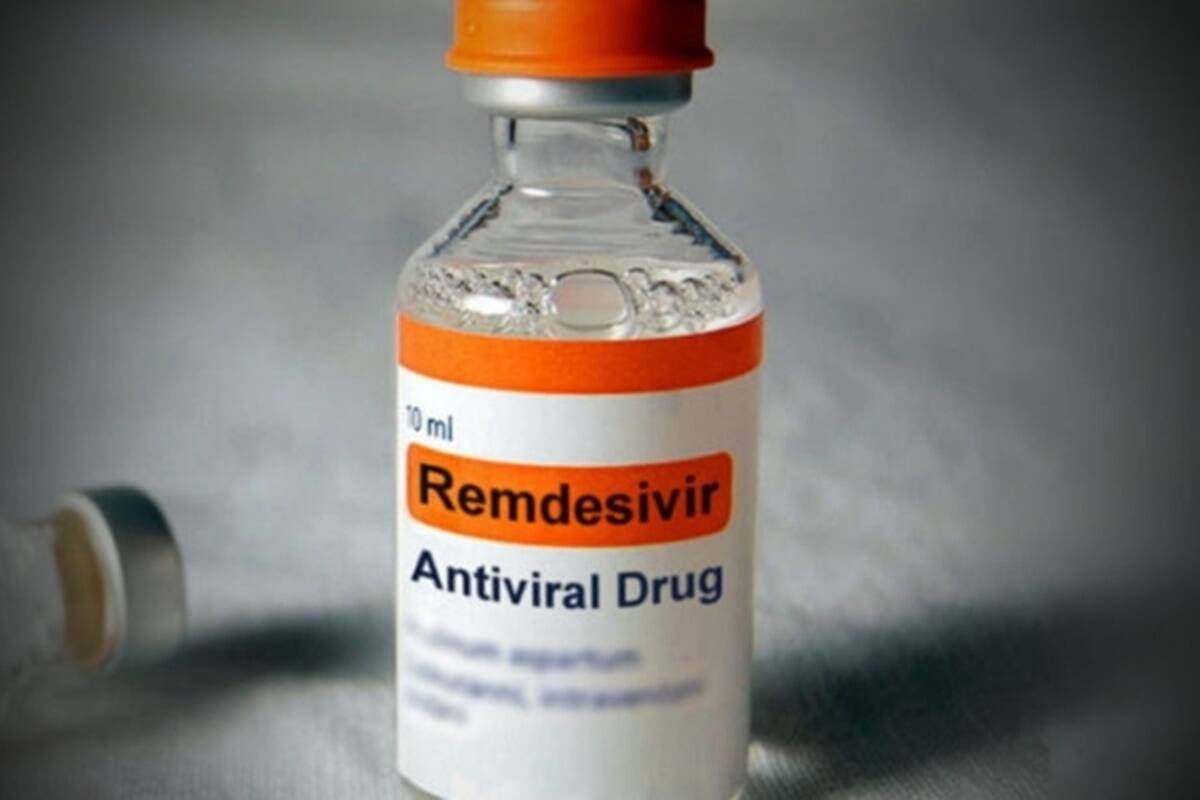
American biopharmaceutical company Gilead has announced steps to expand the availability of remdesivir, a key therapeutic medicine used in the treatment of COVID-19 patients, in India. The recent surge of COVID-19 cases in India is having a devastating impact on communities and has created unprecedented pressure on health systems, Johanna Mercier, chief commercial officer of Gilead Sciences said on Monday.

The company announced that it was providing its voluntary licensing partners technical assistance, support for addition of new local manufacturing facilities and donation of active pharmaceutical ingredient (API) to rapidly scale up the production of remdesivir. Remdesivir is approved in India for restricted emergency use for the treatment of suspected or laboratory-confirmed COVID-19 in adults and children hospitalised with severe disease.

In addition to providing support to its licensees to expand their local manufacturing capacity, Gilead will also donate at least 450,000 vials of Veklury (remdesivir) to help address the immediate needs of Indian patients, the company said. We are committed to doing our part to help tackle this crisis. Our immediate focus is to help address the needs of patients in India who may benefit from remdesivir as quickly as we can by working together with the government, health authorities and our voluntary licensees, Mercier said.

All seven of Gilead’s licensees based in India have significantly accelerated production of remdesivir by scaling up their batch sizes, adding new manufacturing facilities and/or onboarding local contract manufacturers across the country, it said. While these efforts are expected to increase the availability of remdesivir in the coming weeks, Gilead said that it will also donate at least 450,000 vials of Veklury to the government of India to help ease the immediate need for treatment.

Gilead’s voluntary licensing program for remdesivir, established in May 2020, has already enabled access to the drug for more than 2.3 million people in more than 60 low and middle-income countries. The program, which builds on Gilead’s pioneering voluntary licensing model for its HIV and viral hepatitis medicines, provides long-term licences to nine manufacturers, seven of which are based in India, to enable access to remdesivir in 127 countries.

Categories
COVID-19 Medical Updates

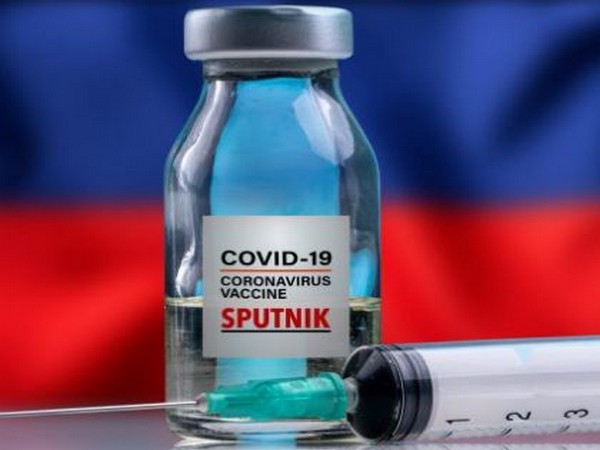
DCGI approves SEC’s emergency use recommendation for Sputnik V vaccine

Sputnik V, backed by the RDIF, already has production agreements in India to produce 852 million doses.

India has authorized emergency use of Russia’s Sputnik V Covid-19 vaccine, the health ministry said Tuesday, as infection rates soar to record highs and some major cities boost their hospital bed capacity. Sputnik V is the third vaccine to be approved by India after the Oxford-AstraZeneca shot and Covaxin, which was developed by Indian firm Bharat Biotech. The recommendation of an expert panel(SEC) had been accepted to authorize its use, the health ministry said in a statement.

“The SEC recommended for grant of permission for restricted use in emergency situations subject to various regulatory provisions.”

G.V. Prasad, the co-chair of pharmaceutical company Dr. Reddy’s Laboratories, said his firm was “very pleased to obtain the emergency use authorization”.

“With the rising cases in India, vaccination is the most effective tool in our battle against COVID-19,” he added.

The South Asian nation of 1.3 billion people has been battling a huge surge in virus cases in recent weeks that has prompted night curfews and a clampdown on movement and activities.

India on Monday reported more than 161,000 new cases – the seventh consecutive day that more than 100,000 infections have been recorded.

In India’s financial and film capital Mumbai, city authorities said Monday that three more field hospitals, each with 2,000 beds including 200 for intensive care, would be built in the next six weeks.

In the national capital New Delhi, officials said Monday that the number of beds for Covid-19 patients would be ramped up, while 14 larger hospitals would be turned into dedicated virus facilities.

The chief minister in New Delhi has said that two-thirds of new COVID-19 patients were younger than 45.

Sputnik V, backed by the Russian Direct Investment Fund (RDIF), already has production agreements in India to produce 852 million doses.

RDIF chief executive Kirill Dmitriev said in a statement that the approval was a “major milestone” after “extensive cooperation” on clinical trials of the shot in India.

Experts welcomed the authorization but warned that the vaccine was unlikely to be available for use in the near term.

“It’s good news as it will boost the supply of vaccines in India… but it’s not going to do too much for the current surge (in cases),” virologist Shahid Jameel told AFP.

Dmitriev told Indian broadcaster NDTV that the first doses could be ready by late April or May, with ramped up production by June.

“We believe by June, we will really be at good production capacity in India and will become a very meaningful player in vaccination program in India,” he added.

India, home to the world’s biggest vaccine manufacturer, kicked off its inoculation drive in mid-January and has administered more than 108 million shots so far.

But the government’s ambitious goal of vaccinating 300 million people by the end of July has been hit by reports of stock shortages in some states and vaccine hesitancy.

The government has also slowed its export of jabs due to the rise in cases

Categories
Government Guidelines Medical Updates

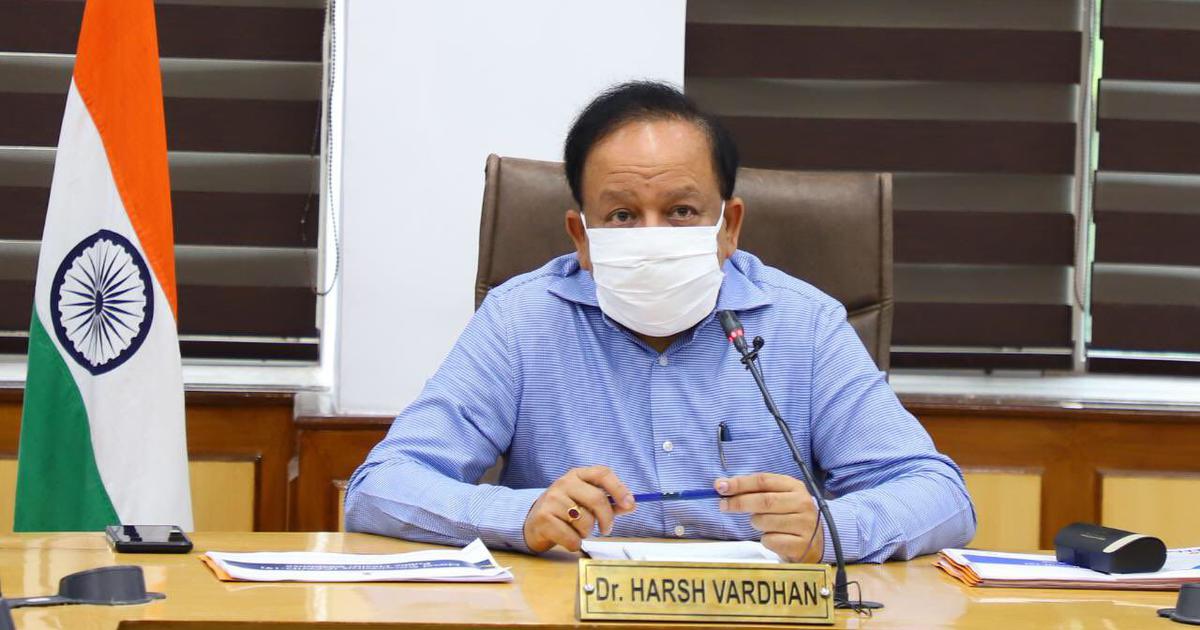
Harsh Vardhan launches Integrated Health Information Platform

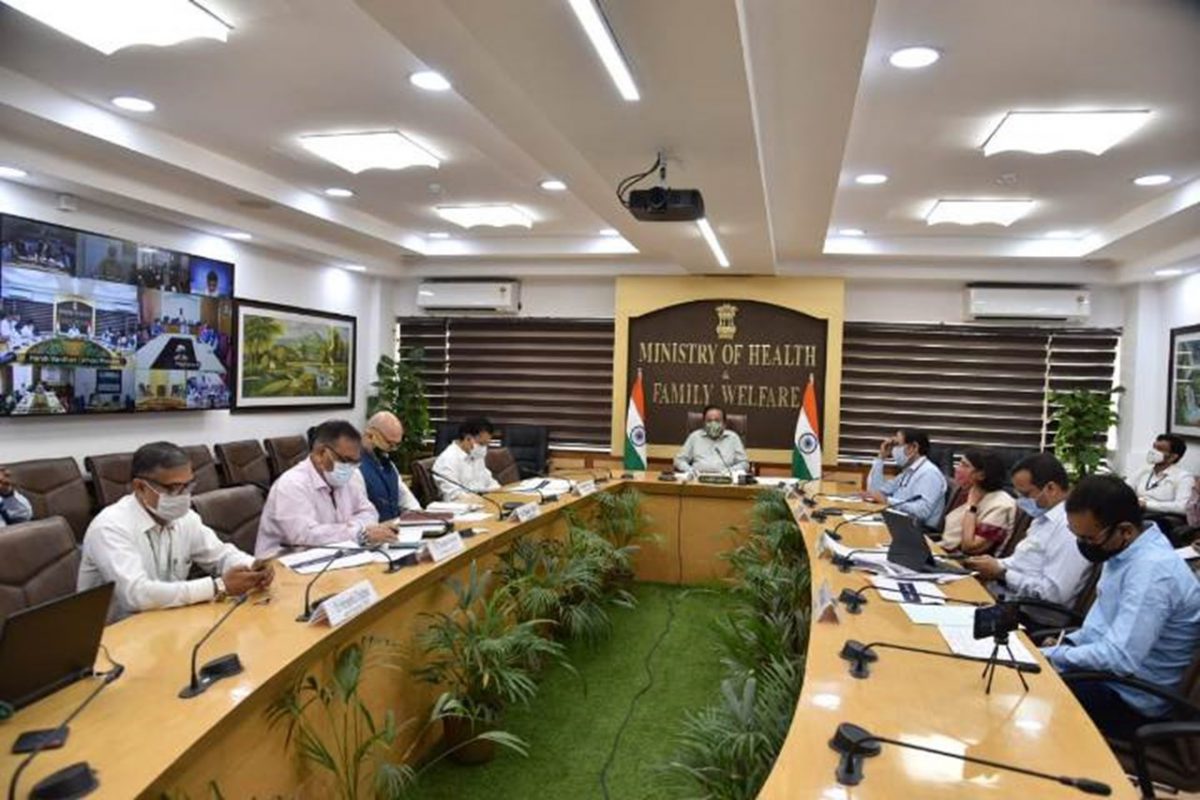
Union Minister of Health and Family Welfare Dr Harsh Vardhan virtually launched the Integrated Health Information Platform (IHIP) here on Monday.

Expressing his enthusiasm at the brave, futuristic, and pertinent amalgamation of healthcare and technology, Dr. Harsh Vardhan stated that “This day shall be written in Golden Letters as a day that marks a milestone in the history of disease surveillance. We have started a new chapter in India’s public health trajectory. India is the first country in the world to adopt such an advanced disease surveillance system.”

He pointed out that the new version of IHIP will house the data entry and management for India’s disease surveillance program.

“In addition to tracking 33 diseases now as compared to the earlier 18 diseases, it shall ensure near-real-time data in digital mode, having done away with the paper-mode of working,” the health minister said.

Terming this as the world’s biggest online disease surveillance platform, he stated that it is in sync with the National Digital Health Mission and fully compatible with the other digital information systems presently being used in India.

The refined IHIP with automated -data will help in a big way in real-time data collection, aggregation & further analysis of data that will aid and enable evidence-based policymaking, Vardhan explained.

The health minister said that IHIP will provide a health information system developed for real-time, case-based information, integrated analytics, advanced visualization capability.

“It will provide analyzed reports on mobile or other electronic devices. In addition, outbreak investigation activities can be initiated and monitored electronically. It can easily be integrated with other ongoing surveillance program while having the feature of addition of special surveillance modules,”.

Dr Harsh Vardhan stated that such an advanced digital platform for scouting the earliest signs of disease spread in the smallest of villages and blocks in the country will immensely help in nipping in the bud any potential outbreak or epidemic. He applauded the hard work and commitment of all the grassroots and frontline healthcare workers who have toiled the whole of last year during the COVID pandemic

Terming this as a ‘historic day’ not only for India for global public health, Dr Roderico Ofrin, WHO Representative to India stated that this refined digital surveillance platform will help to provide and connect data and move towards ‘One Health’ approach.

He mentioned that the portal is a great resource for timely health response measures to be mounted; not only programming but also disease prioritization. He applauded India for this timely development.


Categories
Medical Updates Medicine & Health Techniques

‘Technology has power to improve healthcare’: Dr Sangita Reddy

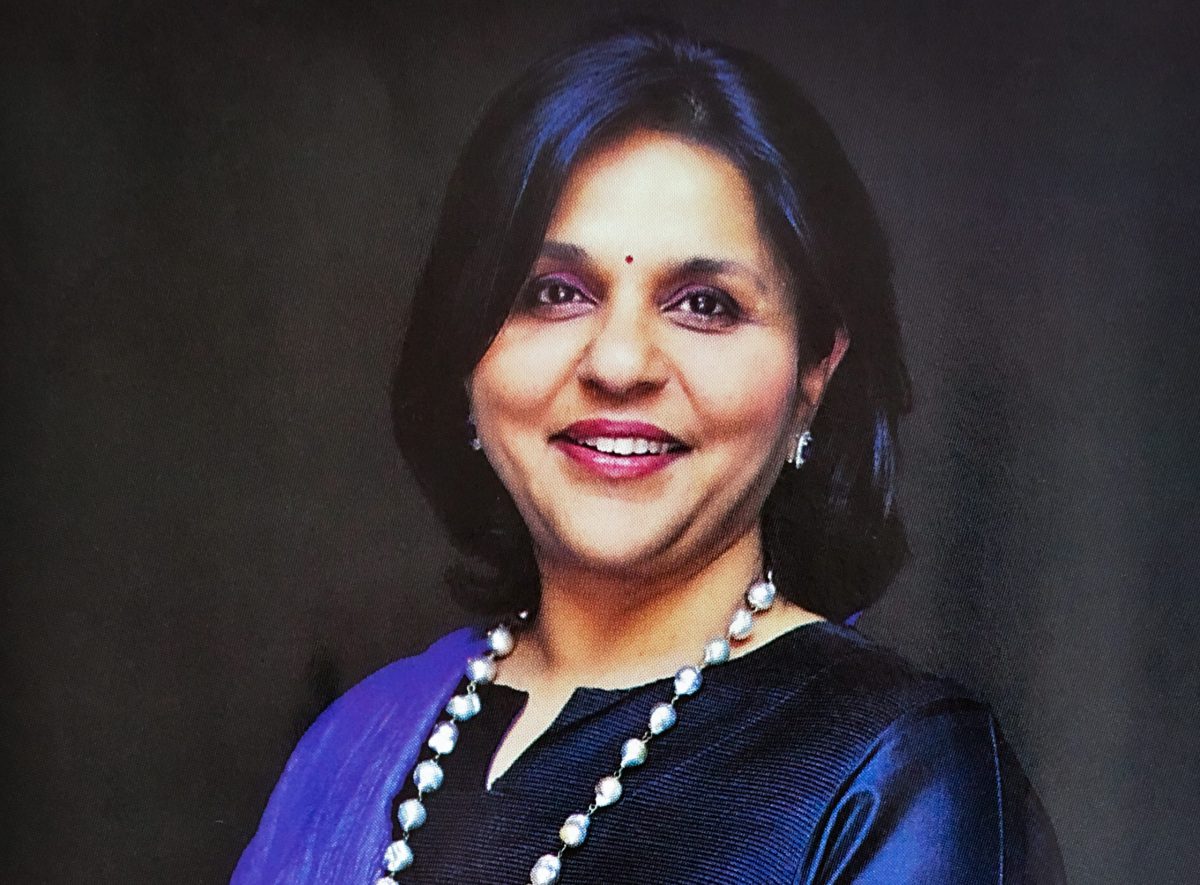
Sangita Reddy, Joint Managing Director, Apollo Hospitals, on Monday said that technology has power to improve healthcare delivery systems. Speaking at a panel discussion on the healthcare sector on the first day of Bio Asia 2021, she said: “Technology has the power and it can provide continues care, seamlessly maintain record of the patient from all the doctors for a better advice. AI models will improve on how data being captured. Skills shift will happen, but we need to use it in aright way to continue the constant delivering of services”.

During the Covid-19 pandemic, we could provide tele healthcare and 5,000 hotel rooms were converted into hospital rooms to deliver service. Staff is been retrained, re-engineering of the system and lay out the machinery to give home nursing is done, she added. Debjani Ghosh, president, NASSCOM, in her address, elaborated on the technology’s pivotal role in digitization of health care. “Digitization was on a slow pace earlier but Covid-19 has accelerated it significantly and it has left efficient room for doctors to interact with patients but humans must be placed at the centre because technology is an enabler and so decisions are to be taken by humans. On the overflooding of data the internet, Ghosh added that data is accessible but setting the framework for how long, what is the purpose, Its safety, security is needed.


View this post on Instagram


A post shared by Aarogyapath (@aarogyapath)

source: https://www.thehansindia.com/news/

Categories
COVID-19 Government Guidelines Medical Updates

Arunachal emerges as state with best Covid recovery rate: Health ministry

Frontier state Arunachal Pradesh has emerged as the state with the best Covid recovery fee within the nation, touching almost 99.56%, stated the Union well being ministry on Tuesday.
Union Territories, nonetheless, have come up with a greater report. Daman and Diu, Dadra and Nagar Haveli are marginally forward with a recovery fee of 99.88%.

The virus made deep penetration into the state regardless of the fortified Line of Actual Control negating the potential of the virus being bodily transmitted into the state. But the unfold of the an infection resulted within the expulsion of staff from neighboring Assam and different states in the course of the months of lockdown.
Many imagine, the tough terrain was a bonus throughout as it naturally remoted dwellers. “The terrain has been the main reason why we have been less affected. Even now about 700 people are getting tested. The rate is very good for a state with a population of 14-15 lakh,” stated Arunachal Pradesh well being secretary P Parthiban. He added that the therapy protocol was adopted even in essentially the most distant districts to isolate instances in early phases. “It’s not only the recovery rate, the death rate is also one of the lowest in the state,” he stated.
Stringent measures have been adopted even to examine vans bringing in necessities from different states into ILP (inside line allow) protected Arunachal.

From October onwards, as soon as the festive season unfurled, many in different states, began flouting Covid security guidelines. Masks and social distance have been put aside. But in Arunachal, the screenings continued at about 11 entry factors until about December final 12 months.

While the nation’s Covid-19 recovery fee has touched 97.32%, among the many best on the earth, seven NE states, excluding Sikkim, have higher recovery proportion than the nationwide common. Arunachal Pradesh is adopted by Mizoram (99.36). The different 5 NE states which are among the many 31 states and UTs with higher than nationwide common are Tripura (98.82), Nagaland (98.80), Assam (98.76), Manipur (98.46) and Meghalaya (98.02).

As on February 16 (until 8 am), the cumulative variety of healthcare and frontline staff vaccinated towards Covid-19 within the nation surpassed 87 lakh. Assam stays approach forward of different NE states by way of vaccination. Including each doses, a complete 1,32,475 healthcare staff have been vaccinated within the state.

source : https://newsrush.in/news/

Categories
COVID-19 Medical Updates

Indian vaccines are safe, says Health Minister Harsh Vardhan

Troubled by fears of a significant section of health care workers refusing to come forward to get vaccinated against Covid-19, the government on Thursday released a set of IEC (Information Education and Communication) posters to address the issue of vaccine hesitancy.

“The paradox is that countries across the world are asking us for access to vaccines while a section of our own is fomenting misinformation and doubts for narrow political ends,” Health Minister Harsh Vardhan said while releasing the posters.

There have been reports that many healthcare workers, mainly paramedical personnel, have stayed away from taking vaccine shots, thus reducing the number of vaccinations carried out in various States. Vaccine hesitance was the second major reason, after the glitches in Co-WIN software, for the poor realization of vaccinations in many States so far.

“Let us put a stop to these falsehoods,” Vardhan said urging people to seek correct information from authentic sources.

Explaining the role of vaccination in eradicating diseases, the Minister said, “The elimination of polio and smallpox was made possible by large scale immunization. Once immunized, not only that person is not capable of catching the disease, he/she is also unable to transmit the disease to others thus passing on the social benefit to the larger society he/she interacts with….Vaccination against Covid will similarly create persons incapable of transmitting the disease and eradicate the disease altogether in some time.”

All eminent doctors of well-known hospitals have taken the vaccine and praised the exercise for its desired end. It is only a handful of vested political interests who are interested in spreading rumors and encouraging vaccine hesitancy among those vulnerable to such propaganda,” he said. Prominent doctors along with many other healthcare workers in the government and private sector have taken the Covid-19 vaccine and have returned to their work without any side effects, the Minister added.

Categories
COVID-19 Government Guidelines Medical Updates

Delhi govt identifies 89 sites, health care workers to be vaccinated first: Satyendra Jain

As the country is all set to begin vaccination drive against the coronavirus disease (Covid-19) from January 16, the Delhi government has identified 89 sites which include 36 state-run hospitals and 53 private hospitals, health minister Satyendar Jain said on Sunday.

Jain also said that only health workers will be administered shots against the Covid-19 in the first phase of the vaccination drive.

The list of hospitals includes AIIMS, Safdarjung, Lok Nayak, GTB, and Hindu Rao, among others. The list of private hospitals includes Max, Fortis, Apollo, BL Kapur, and Gangaram, etc. Vaccines to all the centers will be supplied by the Delhi government and will be free for the beneficiaries.

The Centre on Saturday said that the Covid-19 vaccination drive would begin in the country on January 16, when nearly 30 million healthcare and frontline workers will be inoculated. In the second phase, priority will be given to those above 50 years of age and the under-50 population groups with co-morbidities, together numbering around 27 crores.

As per the ministry, over 61,000 program managers, 200,00 vaccinators, and 370,000 other vaccination team members have been trained so far as part of the training at the states, districts, and block levels.

India’s drugs controller on January 3 granted restricted emergency approval to two companies for their Covid-19 vaccines.

The first vaccine to become available in Delhi will likely be the Oxford-AstraZeneca vaccine, called Covishield in India, and manufactured by Pune’s Serum Institute of India. The other vaccine that has been granted approval for “restricted use in emergency situations” is Bharat Biotech’s Cavoxin.

As of Sunday morning, the country has a total of 10,450,284 confirmed cases of Covid-19, according to the numbers published on the Union health ministry’s website. The number of recoveries reached 10,075,950 after more than 19,200 patients recovered from the viral disease in the span of 24 hours. More than 1.5 lakh people have died so far.

The spread of the virus has been majorly contained in the country as the daily number of new cases has dropped to less than 20,000 from a peak of almost 98,000 in September last year. However, it is still the second worst-hit country after the United States.

Categories
COVID-19 Government Guidelines Medical Updates Medicine & Health

India will have happy New Year with something in hand: DCGI on Covid vax

As India awaits with bated breath for a silver bullet against coronavirus, the Drug Controller General of India(DCGI) on Thursday hinted at the approval of vaccine and said the country will have a ‘happy new year with something in hand.’

The drug regulator is currently analyzing the data submitted by Serum Institute of India, which is manufacturing Oxford-AstraZeneca vaccine and Bharat Biotech, which is making indigenous vaccine in collaboration with ICMR. The expert panel will convene a meeting on January 1 on this.

“The industry and research organisation have stood the test of time. It has been a very wonderful experience. Probably, we will have a happy new year with something in hand. That is what I can hint at,” Drug Controller General of India (DCGI) V G Somani said.

On Wednesday, the Subject Expert Committee (SEC) of the Central Drugs Standard Control Organisation (CDSCO) had met to consider the Emergency Use Authorisation (EUA) request of Pfizer, Serum Institute of India and Bharat Biotech Private Limited.

Further time was, however, requested on behalf of Pfizer. Additional data and information presented by SII and Bharat Biotech was then perused and analysed by the expert panel. The analysis of the additional data and information is going on and it will convene again on January 1, the Centre had said in a statement.

America’s Pfizer was the first one to apply for the accelerated approval on December 4, followed by Serum and Bharat Biotech who applied on December 6 and 7, respectively. Pfizer had, however, requested more time to make a presentation before the committee.

On December 9, the Subject Expert Committee asked Serum Institute of India and Bharat Biotech to submit more data and information to get approval.

The expert panel had then recommended Serum to submit the outcome of the assessment of the UK-MHRA for grant of emergency use approval, the updated safety data of the Phase II/III clinical trial and immunogenicity data from the clinical trial in the UK and India.

Bharat Biotech was recommended to present the safety and efficacy data from the ongoing Phase III clinical trial in the country for further consideration.

Their applications were reviewed again on Wednesday hours after the UK accepted the recommendation of the Medicines and Healthcare Regulatory Agency (MHRA) to authorise Oxford University-AstraZeneca’s Covid-19 vaccine, named Covishield, for emergency use.

The authorisation was significant for India as the Pune-based Serum Institute of India had tied up with the company to conduct clinical trials and manufacture vaccine.

source: https://health.economictimes.indiatimes.com/