Categories
Government Guidelines Medical Updates Medicine & Health

​Side effects of taking too many paracetamol​

​Do you self–prescribe paracetamol?​

Taking too many paracetamol can have serious health consequences as it is available over the counter even without prescriptions. Although it is a widely used pain reliever and fever reducer, exceeding the recommended dosage can lead to several harmful side effects.

​Overdose of paracetamol can affect liver function​

First and important, an overdose of paracetamol can overwhelm the liver’s ability to process the drug, leading to potential liver damage. This is because paracetamol is primarily metabolized in the liver, and excessive consumption can cause a build-up of toxic by-products that damage liver cells. Symptoms of liver damage may not appear immediately, which can make early detection challenging.
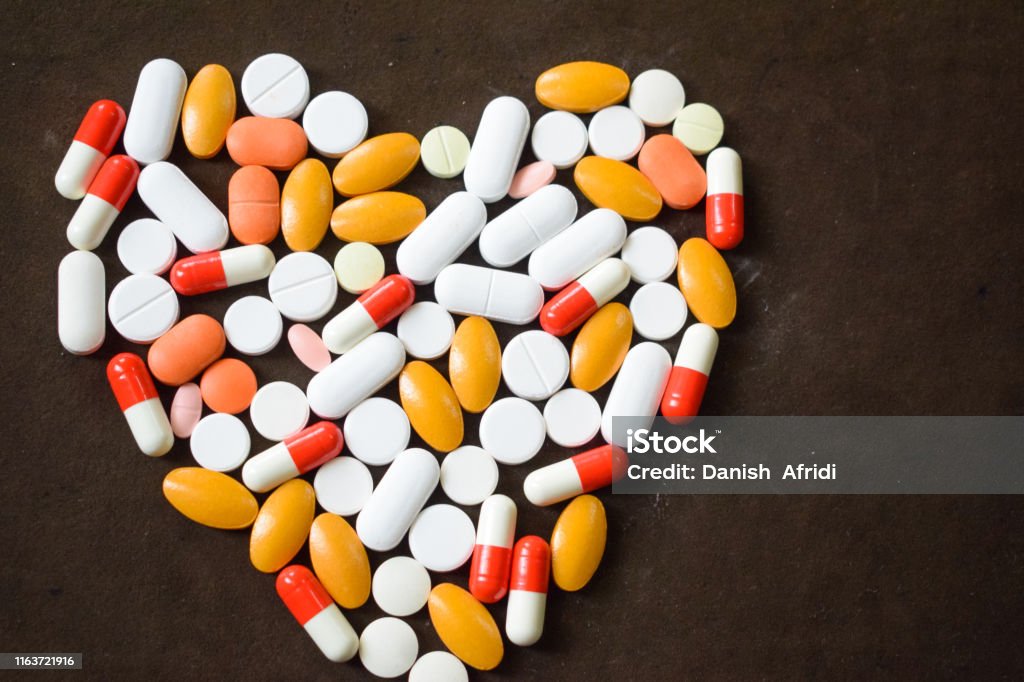
​Side effects of taking too many paracetamol​

​Paracetamol poisoning​

Additionally, an overdose of paracetamol can lead to ‘Paracetamol Poisoning’ with symptoms like nausea, vomiting, abdominal pain, and loss of appetite. These symptoms can be mistaken for other illnesses, delaying the recognition of the overdose.

Paracetamol overdose can cause acute liver failure, and very long use may lead to even irreversible liver injury requiring liver transplantation. which is a life-threatening condition. It can result in jaundice, confusion, and even coma. If left untreated, it can be fatal. Sometimes it may lead to kidney injury also.

To prevent these harmful effects, it’s crucial to follow the recommended dosage instructions on the medication’s label and seek medical attention immediately if an overdose is suspected. Prompt treatment can help mitigate the damage and improve the chances of a full recovery.

visit – https://shorturl.at/ixHJN

 

Categories
Medical Updates Medicine & Health

India’s healthcare ecosystem undergoing change: KPMG India co-head

India’s healthcare ecosystem is undergoing a change in terms of connectivity and accessibility to rural and previously untouched areas, Lalit Mistry, partner and co-head, Healthcare Sector, KPMG India said at the FICCI HEAL conference last week.
More than 20 new kinds of healthcare models have emerged in the aftermath of the COVID-19 pandemic, according to a report on new-age healthcare delivery models in India released by KPMG in collaboration with the Federation of Indian Chamber of Commerce and Industry (FICCI).
“The increased awareness of self-care, bolstered by easy access to information technology, lays a foundation for preventive measures and early interventions. This, along with the advent of telemedicine, has provided for a paradigm shift in how the healthcare sector is seen in India,” Mistry said.
The new models include increased use of healthcare aggregators, non-invasive wellness monitoring, and remote health management. Some prominent examples include Tata 1mg, Practo, and calorie counts done by the Fitbit Tracker.
The report also suggests that newer models are appearing in hospital care as well, with small healthcare organisations (SHCO) such as Apollo’s Cradle hospitals and Fortis La Femme being prime examples. These single-speciality hospitals focus on just one segment with more emphasis on personalised services.
According to the study, India is undergoing an epidemiological transition with a rising burden of non-communicable diseases (NCD), with the death rate due to NCDs increasing from 35.9 per cent in 1990 to 64.9 per cent in 2019.
The figure is in line with concerns over the rising NCD burden in India, which has led to the renaming of the National Programme for Prevention and Control of Cancer, Diabetes, Cardiovascular Diseases and Stroke (NPCDCS) to a combined National Programme for Prevention and Control of Non-Communicable Diseases (NP-NCD) by the central government.
The report also referenced Oxfam’s India Inequality Report, pointing out a rural-urban disparity in accessibility to healthcare. The data suggests that 70 per cent of India’s population is rural, but only 40 per cent of total beds available are present in rural areas.
On the question of tackling this disparity, Mistry said that the gains in telemedicine and connectivity have made it easier for rural health centres to adopt new models of healthcare. Electronic Intensive Care Units (eICU) is one of the ideas that can be used where patient monitoring can be done in both rural and urban areas.
visit – https://shorturl.at/chP36
Categories
Medical Updates Medicine & Health

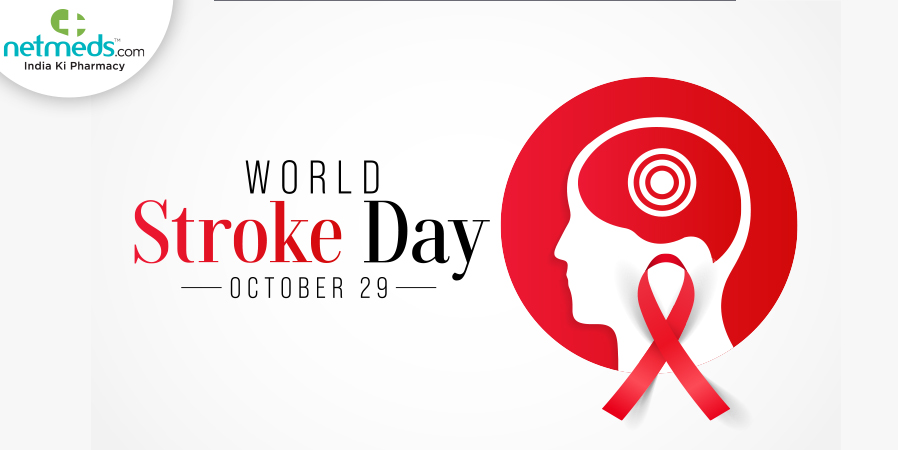
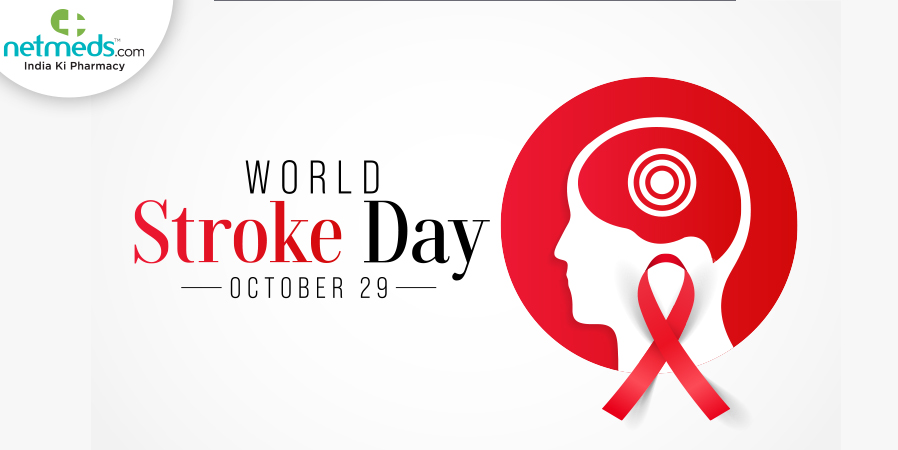
World Stroke Day 2023: Date, history, significance, theme and everything you need to know about this day

World Stroke Day is an annual global observance that serves as a critical reminder of the prevalence and impact of strokes on individuals and communities worldwide. This day is dedicated to raising awareness about strokes, their prevention, treatment, and the importance of timely intervention. Strokes, often referred to as brain attacks, are a leading cause of disability and death worldwide. It is a day for healthcare professionals, organizations, and communities to come together and educate the public about the signs, symptoms, and risk factors associated with strokes, with the ultimate goal of reducing the incidence and burden of this life-altering medical condition. Read on to know more about this day.

World Stroke Day 2023 theme

The theme for World Stroke Day 2023, as designated by WSO, is ‘Together we are #Greater Than Stroke.’

History of World Stroke Day

The European Stroke Initiative came up with the concept of organizing a day of awareness in the 1990s. But due to budgetary constraints, the endeavour could only be conducted in Europe. On May 10, the European Stroke Organization commemorates its awareness day, having carried out the initiative. The World Stroke Congress in Vancouver, Canada, in 2004 established World Stroke Day, which falls on October 29. Rd. Vladimir Hachinski led the formation of a working group, which in October 2006 became a World Stroke Proclamation. The World Stroke Organization, which assumed control of World Stroke Day, was formed at about the same time that the International Stroke Society and the World Stroke Federation combined.

In order to develop a more persistent strategy for raising public awareness of important issues in stroke recognition, prevention, and treatment, WSO leadership switched from concentrating on a single awareness day to a year-round campaign in 2009. With biennial themes that aim to raise awareness of important topics in stroke prevention and treatment, World Stroke Day continues to serve as a focal point for the campaign. Campaign “1 in 6” Archived 2010-10-28 at the Way back Machine was the first campaign that the WSO started in 2010 and would include more in the future.

World Stroke Day significance

Anyone at any age can have a stroke. In fact, worldwide, about one in four adults over the age of 25 will have a stroke in their lifetime. However, the majority of adults in the United States are unaware of the F.A.S.T. warning signs, which indicate that stroke is mostly preventable, treatable and curable. By raising awareness of stroke risk factors and warning signs among the general public, healthcare professionals and communities, this finding will help reduce the number of stroke-related deaths and disabilities worldwide. It underscores the ongoing work to improve stroke prevention and treatment on a global scale by highlighting the need for improved access to stroke care, research and support networks.

visit – https://shorturl.at/aoYZ3