Categories
Medical Updates

5 simple and nutritious foods to boost productivity, stay energised during office hours

Maintaining high productivity at work isn’t just about efficient planning and execution but also about a structured and healthy diet that can fuel your body right and keep it energised for long hours. Indulging in processed foods and high-calorie sugary treats can provide a temporary high but can cause energy crash in later hours. Not giving enough thought about what you are eating in a day, can drain your energy and diminish your productivity. There is no dearth of easy-to-make and healthy snacks that can help you stay focussed as well as provide sustained energy. The ideal workplace snacks must include probiotics, protein, antioxidants, vitamins and minerals, healthy fats and complex carbs to nourish your body.

“Balancing a busy 9-to-5 lifestyle can often lead to neglected meals and compromised health. Don’t let a packed schedule drain your energy. Kickstart your day with the right fuel for maximum productivity. From buttermilk’s hydration to the energy boost of bananas, discover how these simple, nutritious choices can transform your workday,” writes Nutritionist Lovneet Batra in her recent Instagram post.

HEALTHY 9 TO 5 SNACKS

Batra shares a list of healthy foods you can munch or consume when the hunger pangs strike.

1. Buttermilk

When to have: Mid-morning, around 10-11 am

Benefits and nutrients: A natural probiotic, rich in whey protein, buttermilk keeps energy levels high and stable, satisfies hunger, and promotes optimal hydration

Why it works: Buttermilk helps counteract the dehydration often neglected during busy work hours

2. Mint tea

When to have: Post lunch, to avoid the afternoon slump

Benefits and nutrients: Mint tea aids digestion and combats acidity, which can be exacerbated by excessive consumption of tea or coffee

Why it works: Mint tea provides a refreshing lift and supports gut health, crucial for maintaining focus and preventing discomfort

3. Banana

When to have: Mid-morning or as an afternoon snack

Benefits and nutrients: Banana maintains mental alertness and physical energy. It is packed with potassium and natural sugars

Why it works: Offers a quick, nutritious energy boost without the crash, supporting sustained concentration and performance

4. Roasted chana

When to have: Perfect for mid-afternoon or as a pre-lunch snack

Benefits and nutrients: High in fibre and protein, roasted chana supports sustained energy levels and satiety

Why it works: A healthy, crunchy snack and keeps you full, stabilizes blood sugar and preventing overeating

5. Pistachios

When to have: Ideal for later-afternoon snack

Benefits and nutrients: Loaded with healthy fats, protein and antioxidants, pistachios support heart health and maintain healthy blood sugar levels.

Why it works: A guilt-free treat that satisfies your hunger while providing essential nutrients for long-term health.

Incorporate these foods into your 9-5 lifestyle for enhanced energy and focus, and overall health. Remember small changes can lead to significant benefits in how you feel and perform at work, adds Batra.

Visit us –https://shorturl.at/elPRY now !!!



Categories
Medical Updates Medicine & Health

Yoga for insomnia and sleep disorders: 8 exercises for relaxation and better sleep

In winter, practicing Yoga can be particularly beneficial for managing insomnia and sleep disorders. The cold weather and shorter days may disrupt sleep patterns for many individuals, making it essential to adopt strategies that promote relaxation and better sleep.

In an interview with HT Lifestyle, Himalayan Siddhaa Akshar, Founder of Akshar Yoga Kendraa, suggested some straightforward and practical yoga poses and techniques to help alleviate insomnia and improve sleep during the winter months –

Start by kneeling on the mat, sit back on your heels, and extend your arms forward with your forehead resting on the ground. This pose helps to calm the mind, relieve stress, and gently stretch the spine, promoting a sense of relaxation conducive to better sleep.

1 .Child’s Pose (Balasana):

Start by kneeling on the mat, sit back on your heels, and extend your arms forward with your forehead resting on the ground. This pose helps to calm the mind, relieve stress, and gently stretch the spine, promoting a sense of relaxation conducive to better sleep.

2.  Legs Up the Wall (Viparita Karani):

Lie on your back and place your legs up against a wall, keeping your arms by your sides. This pose promotes blood circulation, relaxes the nervous system, and is known for its calming effect on the mind. It’s particularly helpful for individuals dealing with insomnia.

3. Corpse Pose (Savasana):

Lie flat on your back with your arms by your sides and palms facing up. Close your eyes and focus on your breath. Savasana helps in releasing tension from the body and calming the mind, preparing you for a restful sleep.

4. Seated Forward Bend (Paschimottanasana):

Sit with your legs extended in front of you and hinge at your hips to reach for your toes. This forward bend stretches the spine and hamstrings, promoting a soothing effect on the nervous system. It is beneficial for easing stress and anxiety.

4. Seated Forward Bend (Paschimottanasana):

Sit with your legs extended in front of you and hinge at your hips to reach for your toes. This forward bend stretches the spine and hamstrings, promoting a soothing effect on the nervous system. It is beneficial for easing stress and anxiety.

5. Alternate Nostril Breathing (Nadi Shodhana):

Sit comfortably and use your right thumb to close off your right nostril. Inhale through the left nostril, then close it with your right ring finger. Open and exhale through the right nostril. This pranayama technique helps balance the left and right hemispheres of the brain, promoting relaxation and mental clarity.

6. Reclining Bound Angle Pose (Supta Baddha Konasana):

Lie on your back, bringing the soles of your feet together and allowing your knees to fall open. This pose opens the hips and groin, releasing tension from these areas. It’s a gentle pose that encourages relaxation and can be beneficial for individuals with sleep disorders.

7. Deep Breathing (Pranayama):

Practice deep, rhythmic breathing to calm the nervous system. Inhale deeply through your nose, hold for a moment, and exhale slowly through your mouth. Repeat this process several times, focusing on the breath and letting go of any tension.

8. Standing Forward Bend (Uttanasana):

Stand with your feet hip-width apart, hinge at your hips, and reach for the floor. This forward bend stretches the entire back of the body, promoting relaxation and relieving stress. It also helps calm the mind and improve focus.

Remember to practice these Yoga poses and techniques consistently to experience their full benefits. Incorporating them into your routine, especially during the winter months, can contribute to better sleep and overall well-being.

Visit us – http://www.aarogyapath.in for more details .


Categories
Medical Updates Medicine & Health

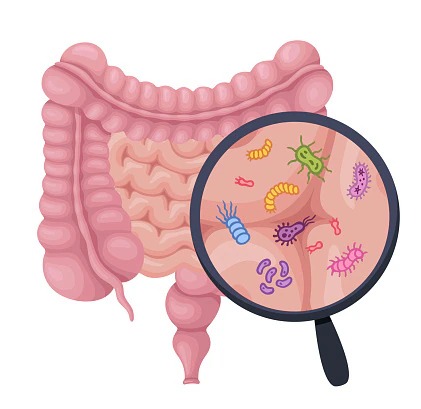
Viruses living in human gut play a quiet role in stress management, finds study

In Short

  • The viruses in the gut are crucial in the stress management
  • The researchers saw a change in the composition of viruses in the gut of chronic stressed mice
  • Personalised medicine for stress-related disorders might become possible in the future

While viruses are typically viewed as harmful to health, a subset of viruses residing in the gut might play a crucial role in stress regulation.

According to a new study, this discovery contributes to the growing body of evidence indicating that interactions between the gut and the brain influence human behaviour.


This research potentially paves the way for treatments targeting viruses within our bodies for stress-related conditions

While previous studies have primarily focused on the changes in gut bacteria composition in response to stress, this new research sheds light on the “virome,” an area that has been largely unexplored in understanding its interaction with bacteria and its impact on stress-related health and diseases.

Dr Nathaniel Ritz from the APC Microbiome Ireland research centre at University College Cork emphasised the potential of targeting the virome to alleviate the effects of stress.

The study, led by Ritz and his colleagues, specifically focused on a subset of viruses known as bacteriophages, which infect and replicate alongside bacteria.

Chronic social stress exposure in mice resulted in alterations in the composition of both the viruses and bacteria in their guts. Subsequent experiments involved harvesting viruses from the faeces of unstressed, healthy animals and transplanting them into mice subjected to chronic social stress.

The findings, published in Nature Microbiology, suggested that these transplants reduced stress hormone levels and mitigated depression- and anxiety-like behaviours in the mice.

While further research is required to determine the potential benefits of virus transplants for humans with stress-related conditions, this study provides early evidence that gut viruses are involved in stress response, and manipulating them could hold therapeutic promise.

Professor John Cryan, who led the research at APC Microbiome Ireland, said that the variability of virome composition in individuals, suggests that personalised medicine approaches for stress-related disorders might become possible in the future.

He highlighted the crucial role of some viruses in keeping harmful bacteria in check, especially during stressful periods.

.

Categories
Medical Updates Medicine & Health

Cervical cancer: HPV vaccines available, cost and age groups

Cervical cancer, a significant health concern for women in India, is primarily caused by high-risk Human Papillomavirus (HPV).

This cancer forms in the cervix, the entrance of a woman’s uterus to the vagina. When a high-risk HPV enters the cervix, via sexual contact, it can cause dysplasia, the growing and spreading of abnormal cells.

Fortunately, the advent of HPV vaccines has provided a powerful tool in the fight against this disease. In India, several vaccines are available to prevent HPV-associated cancers and genital warts.


Cervical cancer: HPV vaccines available, cost and age groups

Dr Tanaya Narendra, known as ‘Dr Cuterus’ on social media, spoke about the importance of taking the HPV vaccine.

“More than 90% of all cervical cancer cases are linked to the Human Papilloma Virus (HPV), and since 2006 we’ve had a vaccine against HPV. A simple shot can protect you from the second most common cancer in Indian women, why not take it?” Dr Tanaya Narendra told IndiaToday.In.

CERVICAL CANCER VACCINES, COSTS AND AGE GROUPS

The most well-known vaccine is Gardasil 9, which offers protection against nine types of HPV that are responsible for a majority of HPV-related cancers.

The vaccine is approved for use in both males and females aged 9 to 45 years. As of the latest information, Gardasil 9 is priced at Rs 10,850 per dose in India.

Another vaccine, Gardasil, targets four strains of HPV 6, 11, 16, and 18, and has been licenced for use in India since 2008. It is commercially available for Rs 2,000 to Rs 4,000 per dose.

Cervavac is the first Indian-made HPV vaccine by the Serum Institute of India. Approved for girls and boys aged between 9 and 26, Cervavac is priced relatively lower than its international counterparts, with a two-dose vial available for Rs 4,000, making it Rs 2,000 per dose.

This vaccine has shown high efficacy in preventing HPV infection, precancerous lesions, and cervical cancer, particularly against HPV types 16 and 18.

HPV VACCINATION IN INDIA

The Indian government has taken steps to make these vaccines more accessible. States such as Punjab, Sikkim, Karnataka, Tamil Nadu, Chhattisgarh, and Maharashtra have announced free HPV vaccination programs for school girls in specific districts as part of pilot projects.

Moreover, the National Technical Advisory Group on Immunization (NTAGI) recommended the introduction of the HPV vaccine into the universal immunization program, targeting adolescent girls in the 9-14 age group with routine introduction at nine years of age.

While HPV vaccines are recommended for boys and girls starting from the age of 9, the ideal candidates for vaccination are those who have not yet been exposed to the virus, typically before they become sexually active.

Finance Minister Nirmala Sitharaman announced, during her interim Budget 2024-25 speech in Parliament, that the government encourages girls aged 9 to 14 to get vaccinated against cervical cancer.

Visit  for more info – https://shorturl.at/lEJKT


Categories
Medical Updates

Wonderful benefits of walking 4000 steps for brain health

Even little exercise can enhance your brain volume and improve memory and cognitive health. Here’re amazing benefits of walking 4000 steps for your brain.

Leading a sedentary lifestyle? Even moving a little bit can help bring multiple benefits for your brain health. A new study says that walking fewer than 4,000 steps can have a positive impact on brain health. The research published in the Journal of Alzheimer’s Disease says even a modest amount of exercise can have a significant impact on brain health. The study examined brain scans of 10,000 people and concluded that a daily walk of fewer than 4,000 steps could enlarge brain volume and offer neuroprotective effects. If you are someone who doesn’t get much time for physical activity, a simple walk of 30-35 minutes can be useful to enhance your memory and cognitive health.

Why walking is good for your body and mind

Regular walking has been linked with a range of benefits for both physical and mental health. Daily walks can work wonders for your heart health, improving circulation and managing blood pressure. It can also help manage weight which could further reduce risk of several chronic diseases. Dedicating some time for walking can help promote release of happy hormones which can reduce stress and promote feeling of well-being. Walking is also good for your bones and joints and helps promote bone density.

Wonderful benefits of walking 4000 steps for brain health


How walking improves your mental health

Dr Samrat D Shah, Internal medicine expert at Bhatia Hospital Mumbai says walking 4000 steps can offer numerous benefits for mental health.

“Firstly, exercise, including walking, releases endorphins, known as ‘feel-good’ hormones. These endorphins can help reduce stress, anxiety, and depression, promoting a more positive mood and overall mental well-being. Additionally, walking improves blood circulation, including to the brain, enhancing cognitive function and memory,” says Dr Shah.

The expert notes that walking can help provide a break from daily stressors, allowing one to clear the mind and gain a fresh perspective.

Benefits of walking 4000 steps daily

Dr Jyoti Kapoor, Founder-Director and Senior Psychiatrist, Manasthali shares more benefits of walking 4,000 steps daily.

1. Stress reduction: Engaging in a daily walking routine, even with just 4000 steps, can act as a powerful stress-reducer. Physical activity prompts the release of endorphins, the body’s natural mood lifters, helping to alleviate stress and tension. The rhythmic nature of walking also provides an opportunity for mindfulness, allowing individuals to focus on the present moment and temporarily escape from the pressures of daily life.

2. Improved mood and emotional well-being: Walking has been linked to an increase in serotonin levels, a neurotransmitter associated with mood regulation. By regularly achieving the 4000-step goal, individuals may experience an uplift in their overall mood and emotional well-being.

 Enhanced cognitive function: Walking has been shown to have positive effects on cognitive function, including improved memory and creativity. The increased blood flow to the brain during physical activity promotes the growth of new neurons and fosters better connectivity, contributing to sharper cognitive abilities.

4. Better sleep quality: Establishing a consistent walking routine may positively impact sleep patterns. The physical exertion and mental relaxation induced by walking can help regulate sleep cycles, leading to better sleep quality.

Visit us – aarogyapath.in for more details .

Categories
Medical Updates

Rheumatoid Arthritis Day 2024: History, importance, signs and symptoms

Every year, World Rheumatic Arthritis Day is celebrated on February 2 to bring issues to light of rheumatoid arthritis, an inflammatory illness that influences the joints. This is an autoimmune illness wherein the body attacks and harms the lining of the joints, confusing it with foreign material.
Inflammation and pain can result from sickness. In spite of the fact that it can influence individuals of all ages, sex, race or identity, women are bound to be more impacted (2.5 times more probable than men). The most widely recognized age group is somewhere in the range of 20 and 50.

Rheumatoid Arthritis Day 2024: Theme

The theme decided for RA Awareness Day 2024 is “Living Well With RA: Early Diagnosis, Effective Management, and a Brighter Future”.
Rheumatoid Arthritis Day 2024: History, importance, signs and symptoms

Rheumatoid Arthritis Day: History 

The historical backdrop of World Rheumatic Arthritis Awareness Day traces all the way back to 2011, when a group of patients established the Rheumatoid Patient Foundation.
The goal of the foundation is to make people more aware of the disease and the treatments that are available for it. It was in 2013 when the Rheumatoid Appreciation Day was first observed.

Rheumatoid Arthritis Awareness Day: Importance

Rheumatoid Arthritis Awareness Day is a significant day for bringing issues to light of this chronic autoimmune illness that influences a large number of individuals around the world. This day fills in as an occasion to teach general society, advocate for early diagnosis and treatment, and assist those living with rheumatoid arthritis (RA).
By bringing issues to light, uplifting research drives and elevating access to mind, this day assumes a pivotal part in working on the quality of life of individuals impacted by RA and advancing attempts to track down a fix.
It additionally offers solidarity and support to patients, carers and medical services experts in their journey to deal with this intricate sickness.

Rheumatoid Arthritis: Signs and Symptoms 

Rheumatoid arthritis mostly affects the joints, inflammation, causing pain, and stiffness. Normally impacted regions incorporate the fingers, ankles, feet, hands, wrists, knees, and toes.
Over time, joint deformities and bone erosion can result from uncontrolled inflammation. It is possible for people with rheumatoid arthritis to experience flares, which are characterized by significant symptoms, in addition to periods of remission, during which the symptoms subside.

Rheumatoid Arthritis: Preventive measures 

While the specific prevention of RA is difficult because of its multifactorial nature, a few precautions can be taken to deal with the condition:
Diagnosis: Early identification of side effects and it is urgent to look for clinical consideration. Early intervention aids in the prevention of long-term joint damage and increases the effectiveness of treatment.
Smoking: Smoking is a huge risk factor for RA and can worsen the illness. Not only does quitting smoking lower the likelihood of developing RA, but it may also have a beneficial effect on the progression of the disease in those who have already been diagnosed.
Stress: Stress is viewed as a trigger for RA flares. Carrying out pressure decreasing procedures like meditation, yoga, and care can be useful.
Monitoring: Individuals with a family background of RA or those encountering joint discomfort must go through daily health check-ups. Observing for side effects and looking for professional guidance can help in early identification.
Lifestyle: Taking on a solid way of life, including normal activity and keeping a balanced diet, can add to generally speaking well-being. Obesity is known to increase the likelihood of developing RA, so obesity is especially important.
Visit us – www.aarogyapath.in for more details .
Categories
Medical Updates

Tips for understanding and addressing separation anxiety in children

Separation anxiety in children is a normal but challenging phase. Check out practical tips to ease distress and promote emotional well-being during separations.

Before we know it, children grow up and stand prepared to step into daycares and preschools. The formative years are crucial for laying a strong foundation for a child’s future, and early childhood education plays a vital role in fostering their holistic development. However, for some preschoolers, the experience of being away from their home and parents can trigger intense emotions, such as fear and distress, resulting in separation anxiety. Understanding and addressing separation anxiety is crucial in ensuring a smooth transition for both children and parents. Recognising the signs, helps parents provide necessary support and comfort to their little ones.

Tips for understanding and addressing separation anxiety in children

Separation anxiety is a normal developmental phase that occurs in children around the age of 18 months and often gets resolved by the time the child is 3 years of age. But sometimes even children who are used to going to daycare and preschool will cling to their parents after an extended stay at home due to holidays or sickness. A child with separation anxiety worries a lot about being apart from family members or caregivers.

Identifying separation anxiety

a) They cling: Children may cling to their parents, unwilling to let go, even in familiar environments.

b) There are tears and tantrums: Preschoolers may cry, scream, or throw tantrums when their caregivers try to leave them.

c) Fear of separation triggers: Activities like going to school, daycare, or even leaving the house, can become anxiety triggers causing stomachaches, headaches, or nausea.

d) Difficulty in sleeping alone: Sleep disturbances, nightmares, and refusing to sleep alone in a separate room from the caregiver, are common during this phase.

“Experts believe that separation anxiety is caused by both biological and environmental factors. A child may inherit a tendency to be anxious. An imbalance of 2 chemicals in the brain (norepinephrine and serotonin) most likely plays a part. However, it’s important to acknowledge that children can also pick up anxiety and fear from their family members and other individuals around them. Children are perceptive and can pick up on their parent’s emotions,” says Sibi.

She added, “If caregivers display anxious behaviour during separations, it can amplify the child’s anxiety. Sudden changes in the environment or a traumatic incident like the loss of a grandparent can also intensify their feelings. While it is natural for children to experience this phase, extended duration (more than 8 weeks) and interference with typical daily activities call for careful consideration.”

Addressing Separation Anxiety

Here are several strategies suggested by Sibi that parents and caregivers can implement to help their tiny tots overcome separation anxiety and help them adjust to the new setting and environment

a) Prepare your child: Inform your child about the transition and visit the daycare or preschool beforehand with them. Exchange a hello with the people who will be there.

) Encourage expression: Let your child express their feelings and fears about separation. Listening to them and acknowledging their emotions can help them feel understood. Sit and reason with them, giving them an understanding of the bigger world they are a part of.

c) Rely on empathetic thinking: Read books about characters who face similar fears but end up enjoying preschool. Arrange playdates with other preschoolers and role-play real-life scenarios with toys, showcasing the experience of going to a preschool and returning home as fun.

d) Gradual separation: Start with short periods of separation and gradually increase the duration. This helps the child become more comfortable with the idea of being away from their caregiver.

e) Use a visual calendar: Uncertainty can fuel separation anxiety. So create a visual calendar or a picture schedule to help them understand how their day will proceed and when they will be reunited with their family.

Bring in some comfort: A special toy or blanket can provide comfort to a child during separations, serving as a familiar reminder of their caregiver.

g) Stay calm and reassuring: When saying goodbye to your child, remain calm and reassuring. Let them know that you will return and stick to your promises. “I will be back, right here to pick you up after school” “You can call me anytime you need me” and “I want you to know how much I love you” Such comforting statements can help put the child at ease and more open to the idea of a short separation.

h) Encourage independence: Allow children to practice age-appropriate life skills such as eating on their own, wearing shoes, and so forth so that they can gain confidence in doing things on their own.

“Patience, empathy, and open communication are key elements in supporting preschoolers through this sensitive period. By nurturing a supportive and understanding approach, primary caregivers, educators, and parents can empower preschoolers to overcome separation anxiety and embark on a path of healthy emotional development and successful learning,” Sibi concluded.

Visit us – https://shorturl.at/muA46

Categories
Medical Updates

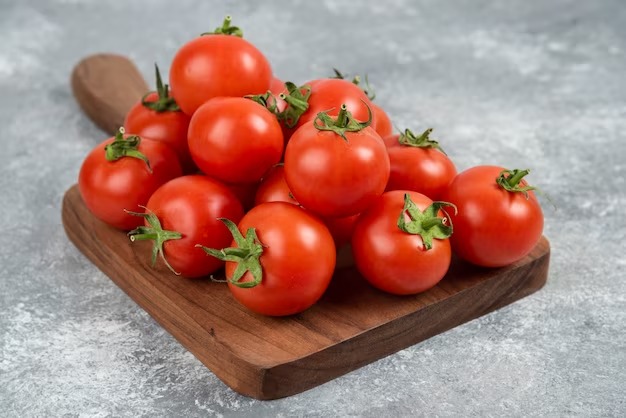
Can tomatoes lower high blood pressure? If you eat them raw and fresh

What many do not know is that high blood pressure or hypertension is largely a condition caused by poor lifestyle management. That’s why my first control for a just-diagnosed blood pressure patient is not about prescribing medication but an intensive two to three weeks of diet therapy and exercise. You wouldn’t believe it but 30 per cent of my patients get back into range through lifestyle and diet changes. I go for medication when the blood pressure doesn’t go down despite making determined lifestyle corrections.

Can tomatoes lower high blood pressure? If you eat them raw and fresh

When it comes to making dietary interventions, a recent study confirmed what we had known about for a long time. That having tomatoes can help you reduce your blood pressure. The study, published in the European Journal of Preventive Cardiology, found that those who ate the most tomatoes or tomato products every day lowered their risk of high blood pressure by more than a third. People without high blood pressure, who ate the most tomatoes or tomato-based foods, had a 36 per cent lower risk of developing hypertension than those who ate the least. In people who already had high blood pressure, especially those in stage one hypertension, moderate consumption of tomatoes was associated with a reduction in blood pressure too. Before this study, the American Heart Association had also recommended that tomatoes be included in the diet to lower blood pressure.

HOW TOMATO LOWERS BP

So what are the protective effects of tomatoes? High blood pressure is caused by increased uptake of sodium in the diet. That’s why we ask patients to limit salt intake. Your total amount of sodium per day should be no more than 1,500-2,000 milligrams (mg). Now sodium’s effect on blood pressure can be countered by potassium and having foods rich in them. Tomato is an easily available source of potassium.

Tomato is also rich in lycopene, which stabilises the endothelium or the walls of the arteries. It promotes the generation of nitric oxide in the endothelium, scavenging them so to speak, improving blood flow and lowering blood pressure in the process. It also limits formation of angiotensin 2, which can narrow blood vessels and force the heart to work harder at pushing blood through.

THE RIGHT WAY TO HAVE TOMATOES

Of course, tomatoes should be consumed in the right manner. If you sprinkle salt on them or cook them on high heat, their nutritional and cardio-protective benefits just evaporate. That’s why though Indians use a lot of tomato in their diet, they don’t get its nutritional benefits. Even sprinkling salt on a tomato salad takes away its food value. Yet the Mediterranean diet, which is being considered the friendliest diet for cardiovascular health, uses tomatoes. But the tomato is never cooked, it is just eaten as is, with a dribbling of olive oil maybe. So including tomatoes the right way in your diet would surely help you keep your blood pressure in range, along with exercise and sleep.

Visit www.aarogyapath.in for more details .

Categories
Medical Updates

These fruits can boost mental health in a few days

​New study sheds light on the role of furry fruits in improving mental health​

A new study published in The British Journal of Nutrition has found that kiwifruit are powerful mood boosters and can improve “vitality and mood in as little as four days.” With this the study by researchers from the University of Otago has found an effective way for people take care of their well-being. “It’s great for people to know that small changes in their diet, like adding kiwifruit, could make a difference in how they feel every day,” Co-author Professor Tamlin Conner, of the Department of Psychology has said.

What are furry fruits?​

Furry fruits” typically refer to fruits with a fuzzy or hairy outer surface. One common example is the kiwifruit, known for its brown, fuzzy skin and vibrant green flesh. The tiny hairs on the kiwi skin are edible, and the fruit offers a sweet and tangy flavor. Another example is the rambutan, a tropical fruit with a hairy red or yellow skin and translucent, juicy flesh inside. These fruits often have unique textures and flavours , making them not only visually distinctive but also appealing to those seeking diverse and exotic taste experiences.

How did the researchers zero in on furry fruits?​

The researchers connected the link between vitamin C and its impact on mental health. Vitamin C intake has been associated with improved mood, vitality, well-being, and lower depression, while vitamin C deficiency is associated with higher depression and cognitive impairment. A total of 155 participants were studied. The participants took daily either a vitamin C supplement, placebo, or two kiwifruit. They then reported their vitality, mood, flourishing, sleep quality, sleep quantity, and physical activity using smartphone surveys. The researchers found kiwifruit supplementation improved vitality and mood within four days, peaking around 14–16 days, and improved flourishing from day 14. Vitamin C, on the other hand, marginally improved mood until day 12.

Role of vitamin C in improving mood​

Vitamin C, an essential nutrient found in fruits and vegetables, plays a crucial role in mental health. As an antioxidant, it helps combat oxidative stress, protecting the brain from free radical damage linked to cognitive decline and mental disorders. Additionally, vitamin C supports the synthesis of neurotransmitters like serotonin, vital for mood regulation. Adequate intake enhances cognitive function, memory, and concentration. Its anti-inflammatory properties further contribute to overall brain health. While not a cure for mental health conditions, maintaining sufficient vitamin C levels through a balanced diet may positively influence emotional well-being and cognitive resilience.

​Fruits vs. vitamin C supplements: Which is better?​

Our study suggests that kiwifruit consumption, and to a lesser extent vitamin C supplementation, can lead to mood-related improvements in a relatively short time (from 4 to 16 days), even in a relatively healthy population with good mental health,” the researchers have said. “Whole food sources (kiwifruit) showed greater and more consistent improvements over time than vitamin C alone, and improvements were more notable for individuals who had consistently low vitamin C levels at baseline,” they added.

Visit us – www.aarogyapath.in for more details .

Categories
Medical Updates

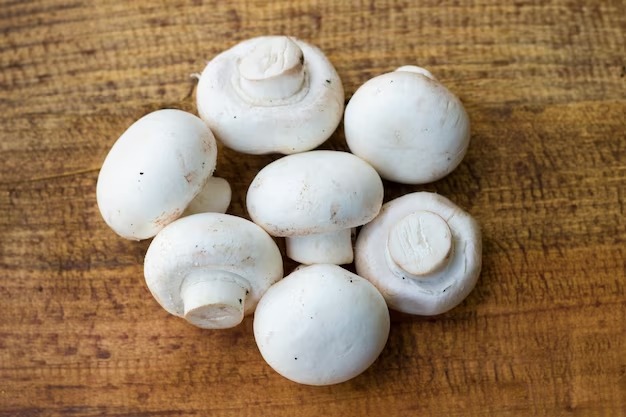
7 amazing benefits of mushrooms from lowering cholesterol to managing blood pressure

If there is one great addition to your diet that can promise a burst of nutrients along with a strong protective effect on your health, you can bank on mushrooms. A nutrient powerhouse and a savoury treat, mushrooms can be turned into a variety of mouth-watering dishes. Mushroom isn’t a vegetable but a type of fungi, yet it’s a storehouse of antioxidants, protein, vitamins and minerals that can give your health a big boost. While mushrooms prevent you from deadly chronic diseases of the body and brain such as cancer, Alzheimer’s disease, diabetes, and high blood pressure, they also help you maintain your weight. From boosting your immunity, lowering cholesterol to stimulating gut health, mushroom consumption is associated with a range of health benefits.

Low in calorie and sodium, eating mushroom can also reduce your white salt consumption and help manage hypertension. If high cholesterol level is what bothers you, including mushroom in your diet can help you naturally reduce it. Keeping you satiated for long, mushroom aid your weight loss efforts and fulfil the promise of holistic health.

Mushrooms contain a high amount of protein content with an average value of 23.80 g/100 g dry weight (DW). They are also a rich, low-calorie source of fibre, protein, selenium and antioxidants. Consuming mushrooms can prevent cognitive decline, diabetes, heart disease, cancer among others.

“Mushrooms contain high amounts of selenium, Vitamin D, and Vitamin B6. Selenium can help prevent cell damage in our bodies. Vitamin D helps with cell growth while Vitamin B6 helps our bodies form red blood cells. All these nutrients in mushrooms help to maintain a healthy immune system,” says Geetika Bajaj, Nutritionist and Lifestyle Management Consultant.

WONDERFUL BENEFITS OF MUSHROOM

Bajaj also shares amazing benefits of eating mushrooms in an interview with HT Digital:

1. Decreases risk of cancer

Mushroom not only possesses anti-cancer properties, but their consumption is also associated with minimising side effects like nausea, bone marrow suppression, anaemia, and insomnia, and lower drug resistance after chemotherapy and radiation therapy. Research shows that people who eat two mushrooms a day (around 18g) have a 45% lower risk of cancer compared with those who do not eat mushrooms. In China and Japan, medicinal mushrooms are used as adjunct in cancer treatment.

2. Reduces sodium intake

To decrease your sodium intake, consider adding mushrooms to your meals. Mushrooms are naturally low in sodium and an entire cup of white button mushrooms has just five milligrams of sodium. They offer savoury flavour that reduces the need for added salt and keep your blood pressure low.

3. Protects brain health

Eating mushrooms can also improve your brain prowess. Certain mushrooms have been linked to everything from improved neurotransmitter function, lowered inflammation and oxidative stress in the brain, and supporting the growth of brain-derived neurotrophic factor.

4. Stimulates healthier gut

One way to keep your gut healthy is to stimulate the growth of healthy bacteria in that space with the use of prebiotics, such as mushrooms. Research shows that mushroom polysaccharides, their most abundant carbohydrate, stimulate the growth of healthy bacteria.

5. Supports healthy immune system

Mushrooms contain macronutrients that support a healthy immune system. According to the Mushroom Council, your immune system will benefit from mushrooms whose nutrients include selenium that helps your body make antioxidant enzymes to prevent cell damage.

6. Good source of Vitamin D

Mushrooms are one of the few food sources where the precursor to Vitamin D occurs naturally. Ergosterol, found in mushrooms (21- 107 mg/100 gm) is converted to ergocalciferol or Vitamin D2 by exposure to UV light.

Promotes lower cholesterol

Mushrooms have been shown to have some therapeutic properties that may help lower cholesterol, particularly in overweight adults. They also contribute nutrients and plant compounds that may help prevent cells from sticking to blood vessel walls and forming plaque build-up.

Visit us – www.aarogyapath.in