Categories
Medical Updates

Women’s Day: How to know if you have hormonal imbalance

Hormonal imbalance is a fairly common issue that affects most women, and it could mean several things. It could just be a mild imbalance or an endocrine disorder.

There are around 50 different types of hormones in the body which all make up the endocrine system. These hormones regulate various bodily functions, including metabolism, mood, reproduction, energy levels and even the sleep-wake cycle.

Women's Day: How to know if you have hormonal imbalance

A disruption in hormone levels arises when there is an excess or deficiency of one or more hormones, including a wide range of conditions related to hormones. While certain hormone imbalances may be transient, others persist over the long term, becoming chronic.

“When hormones are out of balance, it can lead to a range of symptoms that affect both physical, mental and reproductive health,” said Dr Shivani Chandan L, Consultant, Obstetrics & Gynaecology, Aster RV Hospital.

COMMON SIGNS OF HORMONAL IMBALANCE

One common sign of hormonal imbalance in women is irregular menstrual cycles. Changes in the length, timing or flow of periods can indicate disruptions in hormone levels.

“Women may also experience mood swings and irritability, often associated with fluctuations in hormone levels of estrogen and progesterone,” added Dr Shivani Chandan.
Other physical symptoms of hormonal imbalance include unexplained weight gain or loss, acne, hair loss, and changes in libido.
Categories
Medical Updates

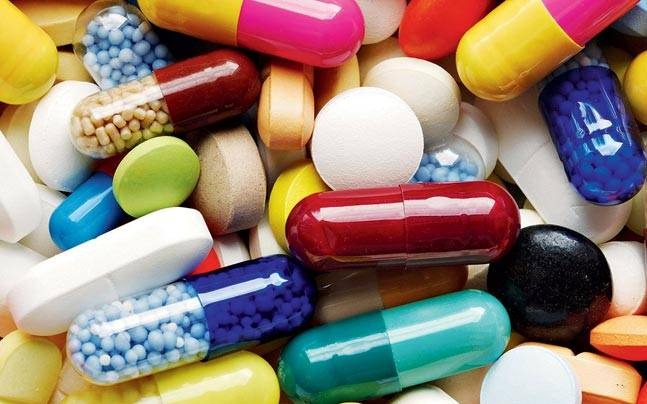
Chalk as tablets! This is how you can spot fake medicines

It was supposed to be medicines worth Rs 33 lakh. What they, instead, turned out to be was just chalk and starch powder.

The seizure of fake medicines on Wednesday in Telangana during a raid isn’t a one-off case. Fake medicines are a big malady in India.

Around 25% of India’s drugs are fake, counterfeit or substandard, according to a 2022 study by industry body ASSOCHAM.

There is an intricate web producing and supplying fake and counterfeit medicines that pose a big threat to public health and well-being.

How do people ensure that they buy genuine medicine? Can buyers spot fake medicine when they are being handed a tablet strip or a bottle of syrup?

That is possible, say doctors and chemists, it is just that people need to be informed and cautious while buying medicine.

FAKE AND DEADLY MEDICINE FROM INDIA

The 2020 ASSOCHAM study ‘Fake and Counterfeit Drugs In India –Booming Biz’ revealed that fake drugs constituted $4.25 billion (Rs 352 crore) of the total $14–17 billion (Rs 14 trillion) of the Indian domestic drug market.
Since 2022, around 200 people, including children, have died in the Gambia, Uzbekistan and Indonesia after consuming cough syrups.

Subsequent investigations linked the deaths to different drug manufacturers in India. The investigations linked the hundreds of deaths to “contaminated syrups”.

On March 6, the Drugs Control Administration (DCA) seized fake medicines containing chalk powder and starch, with a face value of Rs 33.3 lakh, in Telangana.

The officials found that the fake medicines were being sold by a non-existent company, Meg Lifesciences.

Following the seizure, all medicines from Meg Lifesciences were subjected to a “Spurious Drug Alert and Stop-Use Notice” from the DCA.

FAKE MEDICINES MORE PREVALENT THAN THOUGHT

Ever wondered about the authenticity of the quick-fix syrup we rush to after a light cold or the multiple tablets that people consumed during the Covid-19 pandemic?

Fake medicines are an umbrella category, which includes counterfeit, contaminated or mislabeled medicines, according to the Interpol DOs and Don’ts on ‘illicit goods and shop safely’.

“Don’t take the chance,” says the article upfront.

Approximately 10% of medicines in low- and middle-income countries prove ineffective because they are substandard or falsified, says the World Health Organization (WHO).

Therefore, the prevalence of counterfeit medications is far more widespread than one might realise, making the identification of fake medicines really challenging.

HOW TO ENSURE YOU BUY GENUINE MEDICINE

However, some information and caution while buying medicines might help in spotting fake medicines and procuring only genuine ones.

“Firstly, tally the name of the medicine with the one prescribed. Patients must pay attention to spelling errors on labels, be alert to the bottling and strip’s appearance, compromised packaging or any other deviations that don’t look normal,” NOIDA-based gynaecologist Dr Uma Mishra tells IndiaToday.In.

She also advises that the purchase of loose tablets and capsules should be avoided and one should try to go for a whole strip because it has all the required details.

That the devil can be spotted if attention is paid to the detail is also stressed by Amy Callanan of Pfizer, a global pharma giant.

Genuine medicines maintain a consistent appearance, and compromised packaging should raise concerns instantly, suggests Amy Callanan, a Global Intelligence Lead at Pfizer.

Another important thing to look out for is the spelling of medicine.

“Many a time, one will find an ‘e’ missing or an extra ‘a’ in the medicine’s name,” Dr Ashesh Bhushan of Yatharth Hospital in Noida tells IndiaToday.In.

A careful examination of expiry dates and batch numbers printed on all medicines is also crucial in spotting counterfeit medicines, according to Tarun Garg, who runs a pharmacy near the AIIMS New Delhi.

To mitigate the risk of encountering counterfeit drugs, it is advisable to make in-person prescription purchases at reputed pharmacies,” Tarun Garg of South Delhi Pharmacy tells IndiaToday.In.

The sale of fake medicine through online channels is increasingly becoming common.

HOW TO AVOID FAKE MEDICINES FROM ONLINE PHARMACIES

An online pharmacy was shut down by the Telangana Drug Control Administration (DCA) in Hyderabad in 2017, for violating drug sales rules.

Those buying medicine online should focus on the reliability of the e-pharmacies, as they have become a convenient way of channelling fake medicines, say experts.

Consumers should also be cautious of spam emails, lack of authenticity verification, poor grammar on the packaging, websites without a physical address, and suspiciously low-priced products, cautions the WHO.

Both generic and branded medicines can be fake, and it is information and alertness, says Dr Ashesh Bhushan of Yatharth Hospital.

Substandard and fake medical products can be visually indistinguishable from genuine ones and one should be alert while buying from chemists or online pharmacies.

PHARMA COMPANIES TOO ARE TRYING TO ROOT OUT FAKES

Fake medicines eat into the business and profits of pharmaceutical companies. So, big pharma companies, too, are upping the game in the identification of fake medicines through digital tracking systems.

“Not all but the big names like Natco Pharma, Dr Reddy’s, Aureate Healthcare and Phizer have rolled out medicine packages with QR codes,” pharmacist Tarun Garg tells IndiaToday.In.

The QR codes on medicines used by cancer patients not only help the customer to ensure their authenticity but also help pharma companies to ensure they are not black-marketed, according to Tarun Garg.

With all the vigilance and regulatory safeguards in place, what should one do if they still get their hands on a fake medicine?

“Awareness is the key,” Dr Ashesh Bhushan of Yatharth Hospital reiterated.

“As a vigilant customer, one can always go to the Drugs Control Administration (DCA) and even get their drugs tested, if suspicious”, he added.

Getting medicines tested for authenticity, however, isn’t commonplace.

“Not all but the big names like Natco Pharma, Dr Reddy’s, Aureate Healthcare and Phizer have rolled out medicine packages with QR codes,” pharmacist Tarun Garg tells IndiaToday.In.

The QR codes on medicines used by cancer patients not only help the customer to ensure their authenticity but also help pharma companies to ensure they are not black-marketed, according to Tarun Garg.

With all the vigilance and regulatory safeguards in place, what should one do if they still get their hands on a fake medicine?

“Awareness is the key,” Dr Ashesh Bhushan of Yatharth Hospital reiterated.

“As a vigilant customer, one can always go to the Drugs Control Administration (DCA) and even get their drugs tested, if suspicious”, he added.

Getting medicines tested for authenticity, however, isn’t commonplace.

Instead of cough syrup, the pharmacist handed her over a bottle of liver syrup, used to treat gas and stomach upset. And, she took the medicine for a week, like she was prescribed,” Dr Ashesh Bhushan tells IndiaToday.In, the ENT head at Yatharth Hospital, Greater Noida.

The old lady suffered due to the wrong medication.

“Therefore, awareness is the key on the patient’s part too”, said Dr Bhushan, “be it while a doctor is prescribing, or a pharmacist providing a medicine”.

With that said, safeguarding oneself from counterfeit and wrong medicines involves awareness, vigilance, and informed decision-making.

While there’s more needed in terms of vigilance and a crackdown on spurious medicines, consumers can do their bit and be vigilant to ensure that what they are buying is genuine medicine and not chalk powder or starch branded as medicine.

Visit us – http://www.aarogyapath.in

Categories
Medical Updates

Common food habits that increase cancer risk

Cancer, a complex group of diseases characterized by uncontrolled cell growth, is influenced by various factors, including genetics, lifestyle choices, and environmental exposures. While genetics play a significant role, lifestyle factors such as diet can also greatly impact cancer risk. Several common food habits have been identified as potential contributors to an increased risk of cancer. Understanding these dietary patterns and their associated risks is crucial for promoting cancer prevention and overall health.

​High consumption of processed and red meat​

Processed meats, such as bacon, sausage, and deli meats, are often high in preservatives, additives, and sodium. These meats undergo processes like smoking, curing, or salting, which can lead to the formation of carcinogenic compounds such as nitrosamines. Similarly, red meats like beef, pork, and lamb contain heme iron and saturated fats, which have been linked to an elevated risk of colorectal cancer. The World Health Organization (WHO) has classified processed meats as Group 1 carcinogens and red meat as Group 2A, indicating that they are probable carcinogens.

Excessive intake of sugary foods and beverages

Diets high in sugar, particularly from sugary drinks, sweets, and processed snacks, have been associated with an increased risk of obesity, type 2 diabetes, and certain types of cancer. Consuming large amounts of sugar can lead to insulin resistance, chronic inflammation, and elevated insulin levels, all of which may promote cancer development and progression. Additionally, sugary foods contribute to weight gain and adiposity, which are established risk factors for several types of cancer, including breast, colorectal, and pancreatic cancer.

​Inadequate intake of whole grains​

Whole grains, such as brown rice, quinoa, oats, and whole wheat, are rich in fiber, vitamins, minerals, and phytochemicals that offer numerous health benefits, including cancer prevention. Diets low in whole grains and high in refined grains have been associated with an increased risk of certain cancers, particularly colorectal cancer. Whole grains help regulate blood sugar levels, promote digestive health, and provide important nutrients that support overall well-being and reduce cancer risk.

​High consumption of processed and fast foods​

Common food habits that increase cancer risk

Processed foods, including convenience meals, packaged snacks, and fast food items, often contain high levels of unhealthy fats, refined carbohydrates, sodium, and artificial additives. Regular consumption of these foods has been linked to obesity, insulin resistance, and chronic inflammation, all of which are established risk factors for cancer. Additionally, some processed foods may contain acrylamide, a potential carcinogen formed during high-temperature cooking processes like frying or baking.

High alcohol consumption

Excessive alcohol consumption is a well-established risk factor for several types of cancer, including those of the breast, liver, colorectum, esophagus, and mouth. Alcohol is metabolized in the body to acetaldehyde, a known carcinogen that can damage DNA and interfere with cellular repair mechanisms. Chronic alcohol consumption also contributes to inflammation, oxidative stress, and changes in hormone levels, all of which can promote cancer development and progression.

​Low intake of fruits and vegetables​

Fruits and vegetables are rich in essential vitamins, minerals, antioxidants, and dietary fiber, all of which play critical roles in maintaining health and reducing cancer risk. A diet lacking in fruits and vegetables deprives the body of protective nutrients and antioxidants that help combat oxidative stress and inflammation, both of which are implicated in cancer development. Furthermore, dietary fiber found in plant-based foods promotes digestive health and helps regulate hormone levels, which can influence cancer risk.

​Overconsumption of salt and pickled foods​

High salt intake, often associated with the consumption of pickled and preserved foods, has been linked to an increased risk of stomach cancer. Salt-preserved foods can damage the lining of the stomach and increase the production of stomach acid, potentially leading to inflammation and the formation of cancerous lesions. Additionally, salt may interact with certain compounds in foods to form N-nitroso compounds, which are known carcinogens.

Visit us – http://www.aarogyapath.in

Categories
Medical Updates

Doctors share ways to help you manage pollen allergies this season

In Short

  • Many people face pollen allergies during the months of January to March
  • Pollen allergy is when the body’s immune system overreacts to pollen
  • Over-the-counter antihistamines and decongestants could provide temporary relief
  • Pollen allergy, also known as hay fever or allergic rhinitis, occurs when the body’s immune system overreacts to pollen from trees, grasses, weeds, or other plants.Doctors share ways to help you manage pollen allergies this season
  • During February to March, when the pollen counts in the air are high, this leads to respiratory symptoms in individuals genetically susceptible to allergies.The symptoms include sneezing, congestion, itchy eyes, throat irritation, and coughing. To treat pollen allergy, several measures can be taken.
  • “Some present with cough, constant runny nose, and mild fever called hay fever, while others may have worsening of their asthma or rhinitis with cough, breathlessness, wheezing, and chest tightness. There is no absolute way of avoiding pollen. And air purifiers can work only to some extent,” said Dr Srivatsa Lokeshwaran, Lead Consultant, Interventional Pulmonology and Lung Transplant, Aster Whitefield Hospital, Bengaluru.


    Telangana-based pulmonologist Dr Hitesh Billa of Apollo Clinic, suggested that over-the-counter antihistamines, decongestants, and nasal corticosteroids can provide relief from symptoms.

    “Allergy shots or immunotherapy may also be recommended for long-term management by gradually desensitising the immune system to allergens,” said Dr Bill.He added that rinsing nasal passages with saline solution or using nasal irrigation devices can help alleviate congestion and remove pollen particles.

    Dr Brunda, Consultant, Internal Medicine, Aster CMI Hospital, shared some tips to manage seasonal allergies.

    • Stay indoors during peak pollen season.
    • Keep your windows closed and use an air filter.
    • Take allergy medications as prescribed.
    • Use a saline nasal rinse to clear your nasal passages.
    • Wear a mask or bandana when outdoors.
    • Avoid outdoor activities during high pollen counts.
    • Shower and change clothes after being outdoors.
    • Keep pets clean to prevent them from bringing pollen into the house.

      Besides this, patients suffering from severe allergies may need to visit a pulmonologist for a brief examination to understand the severity of the illness. Prescription medicines may be prescribed till the inflammation subsides, said Dr Lokeshwaran.

      Visit us – https://shorturl.at/nIN56

Categories
Medical Updates

Orange juice vs green tea: Which is healthier for you? Ayurveda expert shares

Morning is the ideal time to work on your wellness and give your day a perfect start. What you eat in your first meal or breakfast can play a big role nutrient absorption, satiety and weight management. A balanced diet with protein, fibre, complex carbs and other essential micronutrients is important for a healthy functioning of the body. Many people like to start their day with green tea while others pair their breakfast with fruit juice. Ayurveda expert Dimple Jangda in an interview with HT Digital shares benefits and limitations of both these drinks for your overall health. According to Jangda, the best way to drink orange juice in the morning is to pair it with a handful of nuts to prevent blood sugar spike. However, one should avoid the temptation of having it with regular breakfast or dairy items. The Ayurveda expert warns that people with acidity issues or skin problems should avoid it .

Orange juice: Nutrient profile


Orange juice vs green tea: Which is healthier for you? Ayurveda expert shares

Orange juice is a rich source of Vitamin C, folate, and potassium. It is a rich source of antioxidants and helps give a boost of energy. It’s a great way to start the day, as orange juice helps reduce inflammation and helps flush toxins from the lower intestine and prevent kidney stones. It is also a great aid for heart health. It also helps clears the channels of the body, purifies blood vessels, and cleanses the gastrointestinal tract,” says Dimple Jangda, Gut Health Coach, Ayurvedic Researcher, Founder of Prana Healthcare Centre and National bestseller author of ‘Heal your gut, mind and emotions’.

How to have prevent sugar spikes while having orange juice

Orange juice is a rich source of fructose, which is 52 to 54 per cent of its total sugar content. Fructose is usually 1.2 to 1.8 times sweeter than sugar and causes sugar spike.

It’s best to pair orange juices with a handful of nuts to prevent the glucose spike. In Ayurveda, you are advised to eat fruit alone or leave it alone, as fruits react with all dairy products and cause metabolic waste that remains undigested in the gut, but nuts and fruits come from the same food group. Nuts also contain protein and are a good source of nutrients and take longer to digest. Pairing with orange juice will slow down digestion, absorption and assimilation of orange juice. You can also add a pinch of black pepper and cinnamon, as these are anti-inflammatory spices that prevent sugar spikes. And cinnamon slows down sugar levels and is great for diabetes,” says Jangda.

Who should have orange juice and who should avoid the drink?

“You can have orange juice as a hydrating drink, if you are physically active and do sports activities. However, if you have acidity or burning sensation, skin ailments, bleeding disorders and pitta disorders, it is best to avoid citric fruits. Instead, you can eat a bowl of orange in the early evening as a snack,” says the Ayurveda expert.

Orange juice is good for vata (ectomorph) body type but can increase pitta imbalances (overheat the body) for a pitta body type,” she adds.

Should you start your day with green tea?

Dr Jangda says that green tea is considered one of the best sources of polyphenols and antioxidants. So, should you start your day with green tea?

“While it is believed that green tea can help reduce weight, type 2 diabetes, and liver disorders, it also contains caffeine. It is best to avoid caffeine on an empty stomach and reserve green tea as a drink post meals,” says the Ayurveda expert.

Green tea substitutes for morning

Green tea contains flavonoid called catechins which stimulates metabolism and helps break down excess fat. Ayurveda has a variety of other herbal and spice teas made from cumin, fennel, coriander seeds, cardamom, and carrom seeds to aid digestion. There are also warm spices like cinnamon, clove, ginger, pepper, star anise that can be boiled in water along with lemon grass and cardamom to stimulate metabolism,” she adds.

So, in nutshell, green tea would be more beneficial for you post meals, while orange juice can be paired with dry fruits in the morning to prevent sugar spikes.

Visit us – https://shorturl.at/guBO8


Categories
Medical Updates

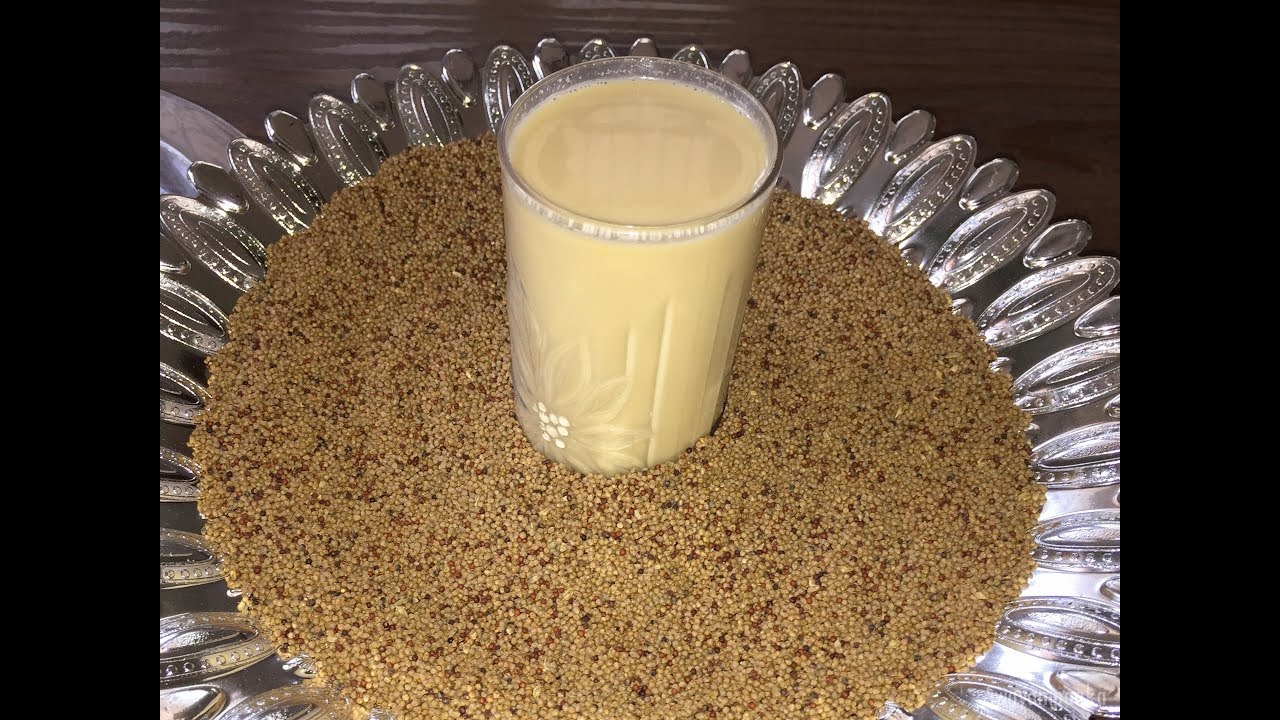
Millet Milk: This Beverage May Resolve Most of Your Health Issues

Millets are in the buzz these days because of the nutritional value they hold and the promotion of the cereal by the Government of India. Several entrepreneurs are striving to make millets tasty, without compromising on their nutritional parameters. A new addition to value-added products of millets is ‘millet milk’.

Like soy and almond milk, millet milk is gluten-free and helps the digestive system. It is a new product eagerly anticipated by vegans.

This Beverage May Resolve Most of Your Health Issues

How to Make Millet Milk

To make millet milk, take a cup of the millet of your choice, soak it, add water, grind it, and strain to extract the creamy flavor.

Nutritional Value

Millets are packed with iron, vitamins, magnesium, phosphorus, manganese, B-complex vitamins, and calcium. Unlike animal milk such as that of cows, buffaloes, and goats, millet milk is low on calories, good for weight loss. Millet milk is also a good option for those who are lactose intolerant or suffer from celiac disease.

Tasty and Healthy

Those who consume millet milk every day say it tastes earthy and nutty. Moreover, with its gluten-free properties, people with gastric problems can consume it every day. To make it tastier, you may add jaggery or stevia drops as a replacement for sugar. You can also make ice-creams, smoothies, and desserts using millet milk.

If you want to build your metabolism with a sufficient amount of protein, millet milk is among the best options for you. It also helps in balancing cholesterol in the body and is good for heart patients. For more benefits, millet milk should be consumed fresh.

Environment Friendly

Unlike wheat and paddy, millets require much less water to grow, and almost no fertilizers. With millet milk, the demand for the crop is only going to grow, making it a sustainable choice for the planet.

Millet milk stands out as an exceptional choice among plant-based milk alternatives, boasting a blend of nutritional excellence, eco-friendliness, and culinary adaptability. Whether you seek to diminish your carbon footprint or address dietary limitations, millet milk emerges as a healthful addition to your shopping cart.

With numerous millets, you get a choice to have the milk of different millets, such as foxtail, kodo, ragi, jowar, bajra, and many more, with each having its nutritional value. However, people allergic to millet should be cautious before consuming millet milk.

Visit us – http://www.aarogyapath.in

Categories
Medical Updates

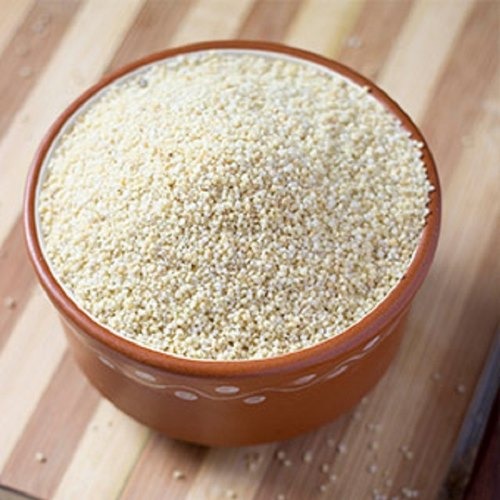
6 impressive health benefits of sama or barnyard millets

​​How to consume sama millet​

You can also eat sama plain. Additionally, vadas or pancakes made with sama millet can be eaten with curd or green chutney. You can also prepare a pulav made with sama grain. Its flour can be used to make chilla, dosa and uttapam. Sama grains should be kept dry and cold in an airtight container.

Sama or barnyard millet benefits


6 impressive health benefits of sama or barnyard millets

Millets are crops with two uses — as food and fodder. A special type of millet, Barnyard millet, commonly known as ‘sama’ grain in India is a gluten-free, nutrient-rich grain that has gained popularity in recent years due to its numerous health benefits. Native to India, this ancient grain has been a staple in traditional diets for centuries. Here are 6 benefits of including barnyard millet in your diet:

Rich in Nutrients​

Barnyard millet is a tiny grain that is bursting with vital nutrients. It is an excellent source of vitamins, minerals, dietary fiber, proteins, and carbs. Barnyard millet is a very nutrient-dense supplement to your meals because it has substantial amounts of iron, calcium, magnesium, phosphorus, and B vitamins.

​​Gluten-Free​

The inherent lack of gluten in barnyard millet is one of its main advantages. Barnyard millet is a healthy and gluten-free substitute for grains like wheat, barley, and rye that are known to cause gluten intolerance or celiac disease. It makes a wide range of foods safe for consumption by those with gluten-related diseases.

Low Glycemic Index​

The low GI of barnyard millet indicates that it does not quickly raise blood sugar levels following ingestion. Barnyard millet is a good choice for people with diabetes or those trying to maintain their blood sugar levels because foods with a low GI are good for controlling blood sugar levels.

​​Digestive Health​

By encouraging regular bowel movements and avoiding constipation, the dietary fiber in barnyard millet helps digestive health. In addition, fiber supports a healthy gut flora, which is critical for both immunological and general digestive health. Consuming sama millet as part of your diet can assist in maintaining a healthy digestive tract.

Weight management​

When it comes to managing weight, barnyard millet can be a useful ally. Barnyard millet lowers overall calorie consumption by promoting feelings of fullness and satiety due to its high fiber content and low calorie density. You can support your weight loss or maintenance objectives by controlling your appetite and adding barnyard millet to your meals.

​​Heart Health​

Regularly consuming sama millet may benefit your heart. Research has demonstrated a link between a lower risk of heart disease and diets high in whole grains, such as barnyard millet. Barnyard millet’s fiber, magnesium, and potassium contents assist control blood pressure, decrease cholesterol, and enhance cardiovascular health in general.

Visit us – https://shorturl.at/abnZ4

Categories
Medical Updates

6 positive dinner habits that can transform your health

An early and light dinner could be miraculous in your wellness journey, helping your control weight and blood sugar levels.

While people are usually mindful about morning nutrition, they are more likely to go wrong with the last meal of the day, which could lead to disastrous consequences. If you are someone who’s struggling with high cholesterol, fatty liver, diabetes or high blood pressure, what you eat in dinner could have a huge impact on your condition. An early and light dinner as opposed to a heavy and late dinner could be miraculous in your wellness journey helping control your weight, blood sugar levels and other chronic diseases. You can also turn dinner time to your advantage by slowly chewing every bite, relishing the meal with your family and sitting in a relaxed posture, following all the principles of mindful eating. A stroll after eating will make sure you digest your meal properly and also start preparing for bedtime.

6 positive dinner habits that can transform your health

“One major lifestyle factor affecting our metabolic system is eating meals at the wrong time. The liver is one of the major metabolic factors in the human physiological system. It works closely with the circadian rhythm of the body clock and helps in glucose formation or glycogen storage. The liver works in two cycles: breaking down substances to give glucose and building up the digested substances to form glycogen stores. Eating meals at the right time supports the liver in optional functioning. Eating dinner early at sunset, wherein the inner clock sets down on a different metabolic phase, helps the digestive system function efficiently,” says Dr Karthiyayini Mahadevan, M.B.B.S., DNB., PGDDN (Developmental Neurology), Head, Wellness and Wellbeing at Columbia Pacific Communities.

Health benefits of eating dinner on time

One of the most common afflictions of the liver, which is observed with the present-day lifestyle, is fatty liver. So, the benefits of having an early dinner before sunset includes:

  • Effective digestive function.
  • Effective function of the liver in detoxification.
  • Effective bowel movement and evacuation.
  • Adequate transit time for the gut flora to get nourished.
  • 6 positive dinner habits for health

    1. Eating dinner before sunset or preferably before 7 pm: Traditional wisdom and modern science both agree that having early dinner can work wonders for your digestion and metabolism. It makes sure the body doesn’t have to work extra hard during sleeping and gets the time for relaxation and rejuvenation.

    2. Avoiding oily and fried food during dinner meals: Dinner should be light and easy to digest. Fat doesn’t get digested well during dinner because of less bile production, as the liver is in the anabolic phase, which is building up glycogen.

  • 3. Hydrate well: Adequate hydration through warm soups with dinner helps aid digestion and if consumed with fibre-rich vegetables, it helps nourish the gut flora.

    4. Avoid animal protein in dinner meals: Digesting animal protein takes a lot of effort and will not be supported effectively by the liver because it is in the building-up phase. This can lead to partially digested protein lingering in the gut, which, when it gets putrefied, will affect the healthy gut flora.

    5. Consuming millet-based food at dinner: Millet-based dishes are rich in micronutrients and are also a great source of fibre which will nourish the gut flora. This will ensure better mental health and sound sleep too.

    6. Eating with mindfulness at all times, more so for dinner: Having a nutritious and light dinner is the best way to unwind after a hectic day. It will help close the metabolic system with gratefulness for the day.

  • Eating mindfully at the right time, quantity and quality adds life to years.

Visit us – http://www.aarogyapath.in

Categories
Medical Updates

7 amazing morning drinks to naturally lower cholesterol levels

From beetroot and carrot juice to strawberry smoothie, here are best morning drinks for lowering high cholesterol levels.

When it comes to taking chronic diseases head on, lifestyle modifications go aPar long way. Sedentary lifestyle can increase your risk of early death as it gives rise to a range of risk factors. Many of these issues like high blood pressure and high cholesterol levels may not have pronounced symptoms in the beginning, and the damage is done before you take corrective steps. High cholesterol levels or too much cholesterol in the blood is one of such hidden lifestyle problems that is on rise in modern times due to faulty eating habits and inactive lifestyle. Our body requires small amounts of cholesterol for functioning efficiently, but consuming fatty and sugary foods can lead to excess cholesterol. This can eventually increase your heart attack and stroke risk and not addressing it can greatly lower quality of life.

Apart from medication and regular exercise, dietary changes can be quite effective in managing high cholesterol levels. Foods rich in antioxidants, fibre and compounds that naturally lower cholesterol levels are recommended by wellness experts to tackle the chronic issue. Morning is the best time to supply a range of nutrients to your body.

Dr Pranav Ghody, Endocrinologist at Wockhardt Hospitals Mumbai Central says maintaining a heart-healthy diet is crucial for overall well-being, and incorporating specific food combinations into your daily routine can contribute to lower cholesterol levels.

BEST INFUSED-WATER DRINKS TO LOWER CHOLESTEROL

Dr Ghody share seven delicious and nutritious options to consider in the morning:

1. Green Tea

Green tea is rich in polyphenols, especially catechins, known for their anti-inflammatory properties. Research suggests that catechins can interact with cholesterol, leading to reduced absorption and lower blood cholesterol levels. Studies have demonstrated a decrease in total and LDL (Bad) cholesterol levels among individuals who regularly consume green tea.

2. Chia Seeds and Soy Milk

Combining chia seeds with soy milk can provide abundant fibre, protein, and omega-3 fatty acids. Chia seeds have been shown to modestly improve HDL (Good cholesterol) levels, while soy milk, compared to non-fat milk, can reduce LDL (Bad) cholesterol and increase HDL (Good) cholesterol.

3. Turmeric and Soy Milk

Studies, primarily in rodents and some in humans, indicate that turmeric can lower LDL (Bad cholesterol) and triglyceride levels. The active compound, curcumin, possesses antioxidant effects that combat free radicals in the body.

4. Beetroot and Carrot Juice

Beetroot is under investigation for its potential to lower cholesterol due to its high nitrate content. Carrots, rich in carotenoids like beta-carotene, have shown promise in modifying cholesterol absorption and lowering cholesterol levels. While studies are predominantly in rats, similar effects are anticipated in humans.

5. Ginger and Lemon Juice

Ginger has demonstrated the ability to reduce total cholesterol, LDL ((Bad cholesterol), and triglyceride levels, making it a flavourful addition to heart-healthy beverages.

6. Tomato Juice

Lycopene, the pigment responsible for the red colour in tomatoes, has been linked to reduced LDL (Bad) cholesterol, especially at higher doses (>25 mg/day). Its impact is comparable to taking a low-dose statin.

7. Strawberry Smoothie

A delightful option, strawberry smoothies contain dietary flavonoids that have been proven to enhance lipid and lipoprotein profiles in adults with abdominal adiposity, contributing to improved heart health

Incorporating these nutrient-rich combinations into your diet may not only tantalize your taste buds but also support your journey towards maintaining optimal cholesterol levels and promoting heart health.

Visit us – http://www.aarogyapath.in

 

Categories
Medical Updates

Yoga for happy stomach: Exercises for gut health and to ease digestion issues

Yoga experts claim that Yoga can play a significant role in promoting healthy digestion and alleviating symptoms of digestive disorders. They reason that the practice involves a combination of physical postures, breath control and mindfulness, contributing to improved overall digestive well-being.

Yoga asanas

In an interview with HT Lifestyle, Himalayan Siddhaa Akshar, Founder of Akshar Yoga Kendraa, shared, “One of the primary ways Yoga supports digestion is through the performance of specific asanas or poses. Poses like the seated forward bend (Paschimottanasana) and the spinal twist (Ardha Matsyendrasana) gently massage the abdominal organs, stimulating blood flow and enhancing digestive function. These postures help in relieving bloating, gas, and constipation.”

He revealed, “Certain Yoga postures specifically target organs associated with digestion. The Cobra Pose (Bhujangasana), for instance, engages the muscles of the abdomen and stimulates the digestive organs, enhancing their function. Regular practice of such poses contributes to a more efficient digestive process. Twisting poses, like the Revolved Triangle Pose (Parivrtta Trikonasana), are beneficial for wringing out toxins and tension from the digestive organs. These twists improve circulation in the abdominal area, fostering a healthier environment for digestion.”

Yoga for happy stomach: Exercises for gut health and to ease digestion issues

Pranayama techniques

Himalayan Siddhaa Akshar said, “Deep diaphragmatic breathing, a fundamental aspect of yoga, aids digestion by promoting the relaxation response of the parasympathetic nervous system. When we’re stressed, the sympathetic nervous system dominates, hindering proper digestion. Yoga’s emphasis on mindful breathing helps shift the body into a more relaxed state, facilitating optimal digestive processes.”

Cleansing and healing

According to Himalayan Siddhaa Akshar, specific Yoga practices, such as Kapalbhati Pranayama (skull-shining breath), are believed to cleanse the digestive system. This breathing technique involves forceful exhalations that engage and strengthen the abdominal muscles, promoting detoxification and enhancing digestive efficiency.

Easing digestive issues

Asserting that Yoga also addresses issues related to stress, a common factor in digestive disorders, Himalayan Siddhaa Akshar said, “Chronic stress can lead to conditions like irritable bowel syndrome (IBS) and inflammatory bowel disease (IBD). Through relaxation techniques like Savasana (Corpse Pose) and mindfulness meditation, Yoga helps manage stress levels, indirectly benefiting the digestive system. In addition to the physical and breath-focused aspects, yoga encourages mindful eating practices. Practitioners are often guided to eat slowly, savouring each bite and paying attention to their body’s hunger and fullness cues. This mindfulness in eating can prevent overeating, aid in proper digestion, and promote a healthier relationship with food.”

He added, “Siddha Walk has the ability to improve your emotional and spiritual wellness in addition to your bodily health. It is a dynamic system founded on science that has the power to fundamentally alter the human body and psyche. The figure 8 or infinity plays a significant part in this stroll. This image stands for connectedness and how we go from one work to another. It demonstrates how one’s actions or decisions from today affect the subsequent set of decisions or tasks that one must complete. Yoga’s impact on the nervous system is crucial for digestive health. The Vagus nerve, a major component of the parasympathetic nervous system, connects the brain to the digestive organs. Yoga practices activate the Vagus nerve, promoting better communication between the brain and the gut. This can result in improved digestive function and relief from symptoms associated with digestive disorders.”

He concluded, “Yoga offers a holistic approach to promoting healthy digestion and alleviating symptoms of digestive disorders. From specific postures that target the abdominal organs to mindful breathing and stress management techniques, the practice addresses various aspects of digestive well-being. Incorporating yoga into a routine can contribute to a healthier digestive system, fostering overall physical and mental wellness.”

Visit us – http://www.aarogyapath.in